
Rice University, Houston, TX, United States
No items found.

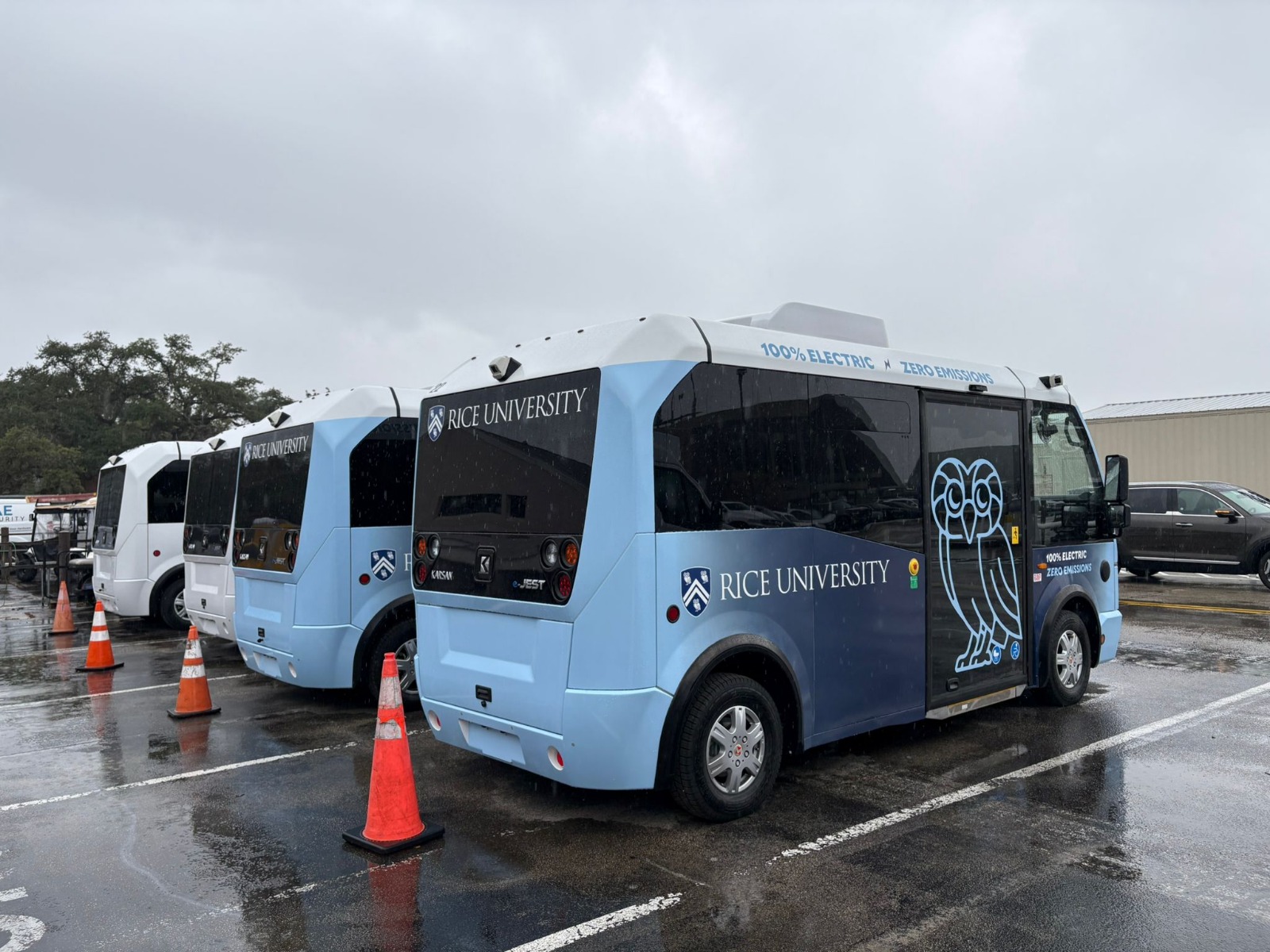
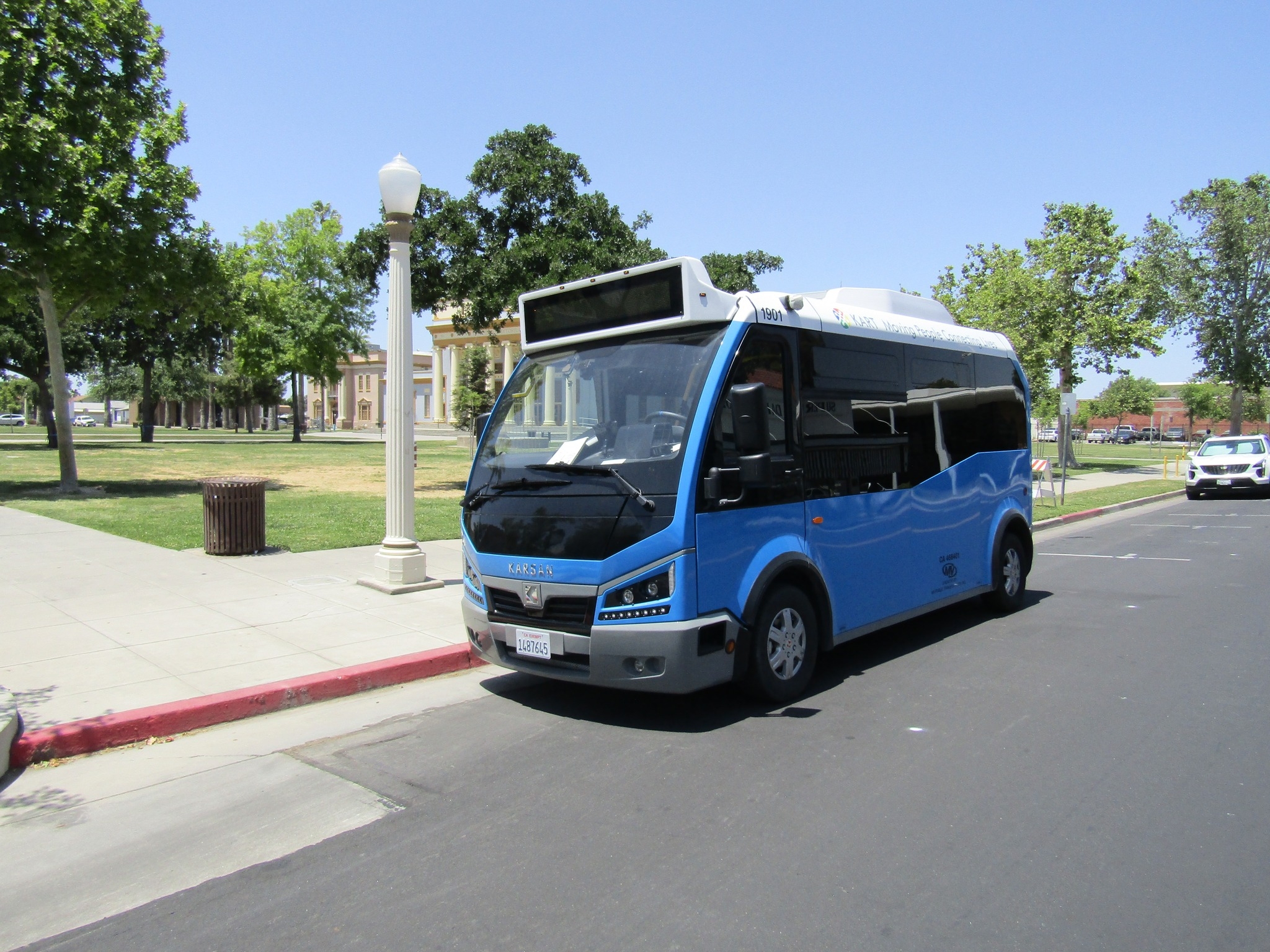
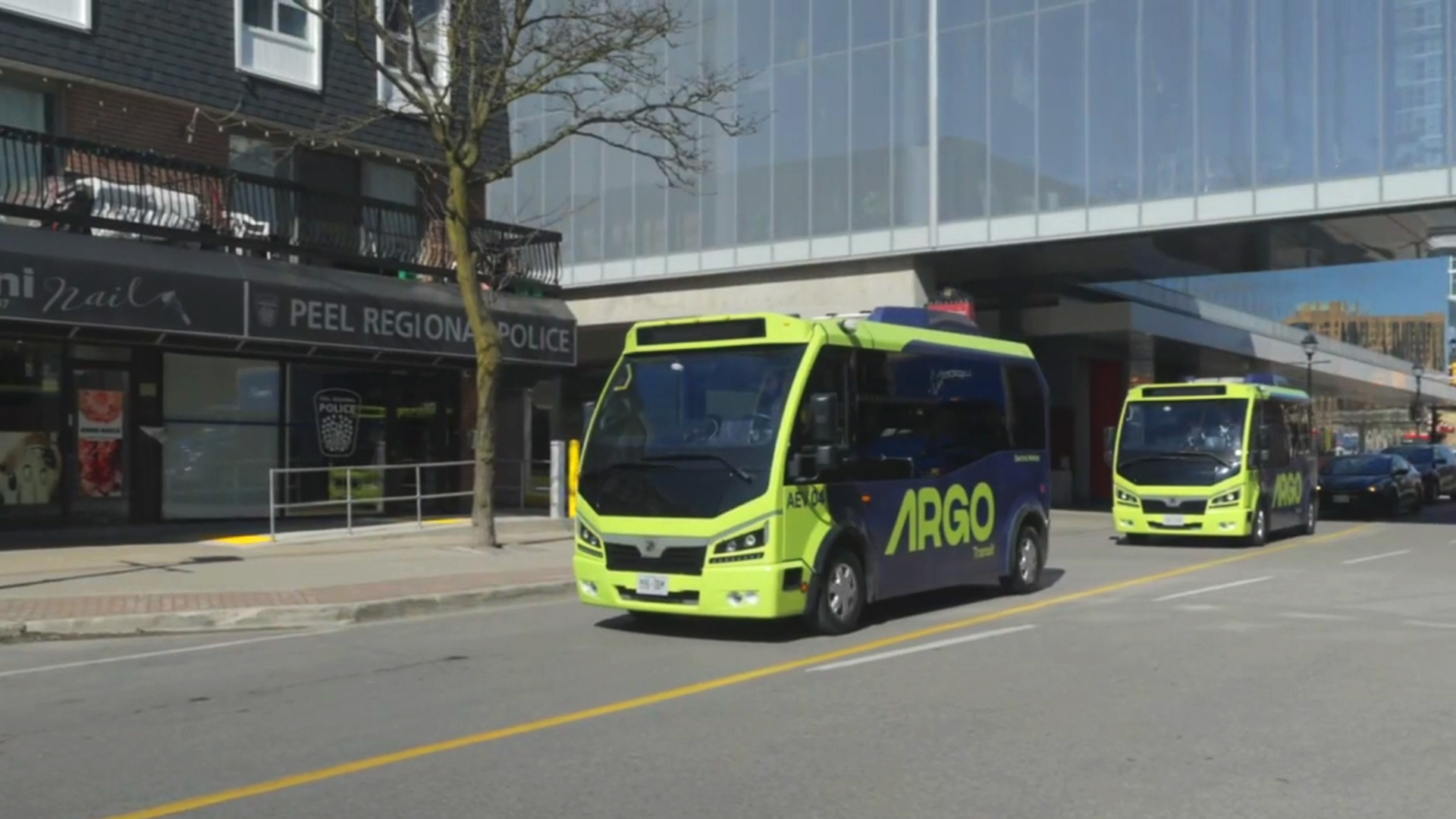
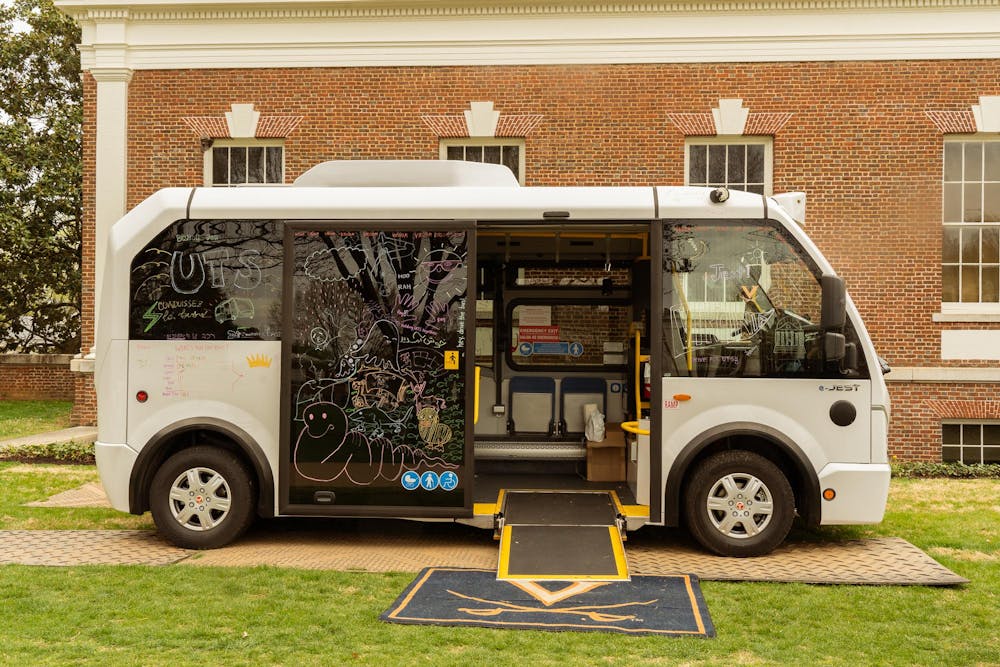
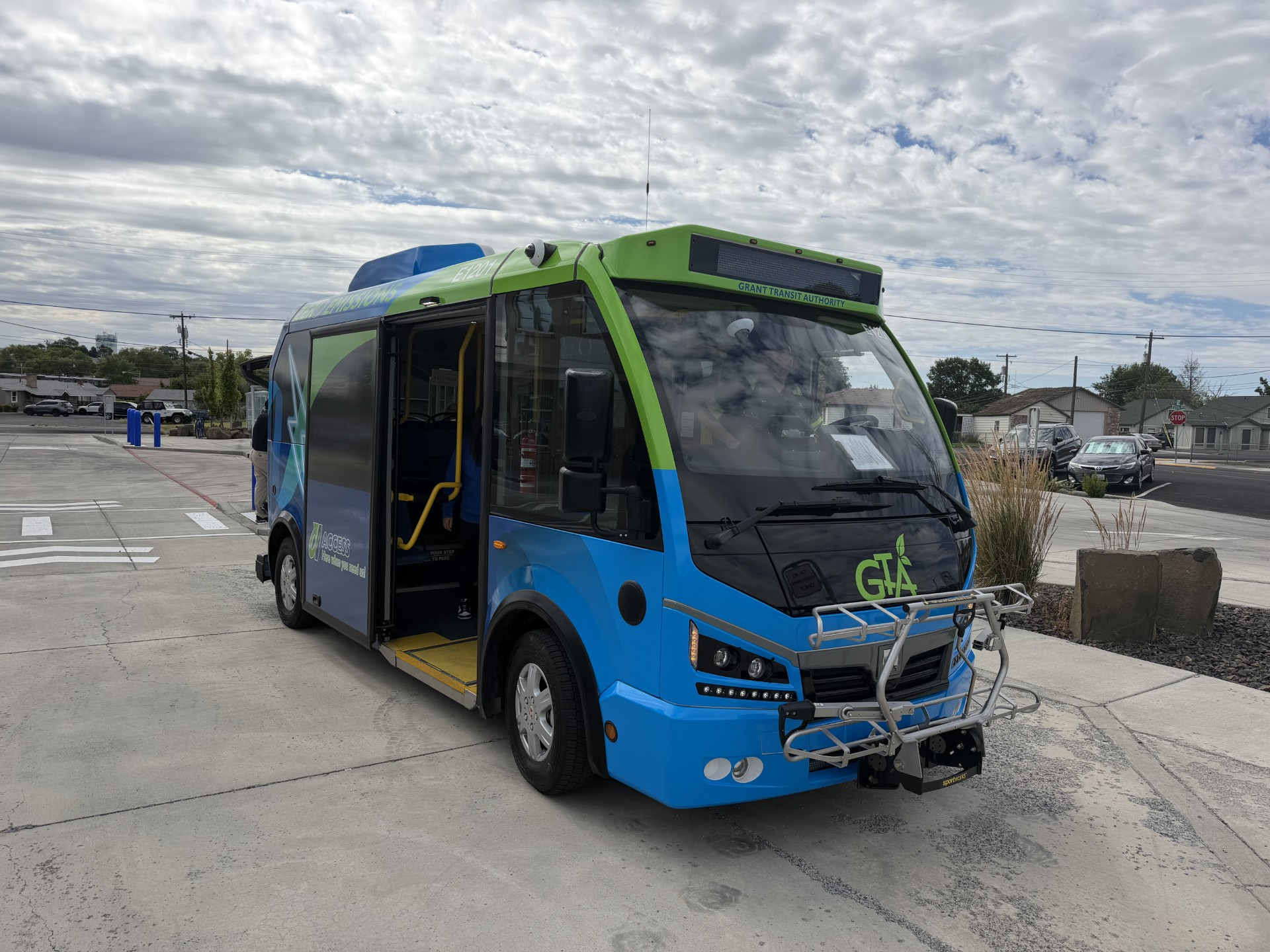
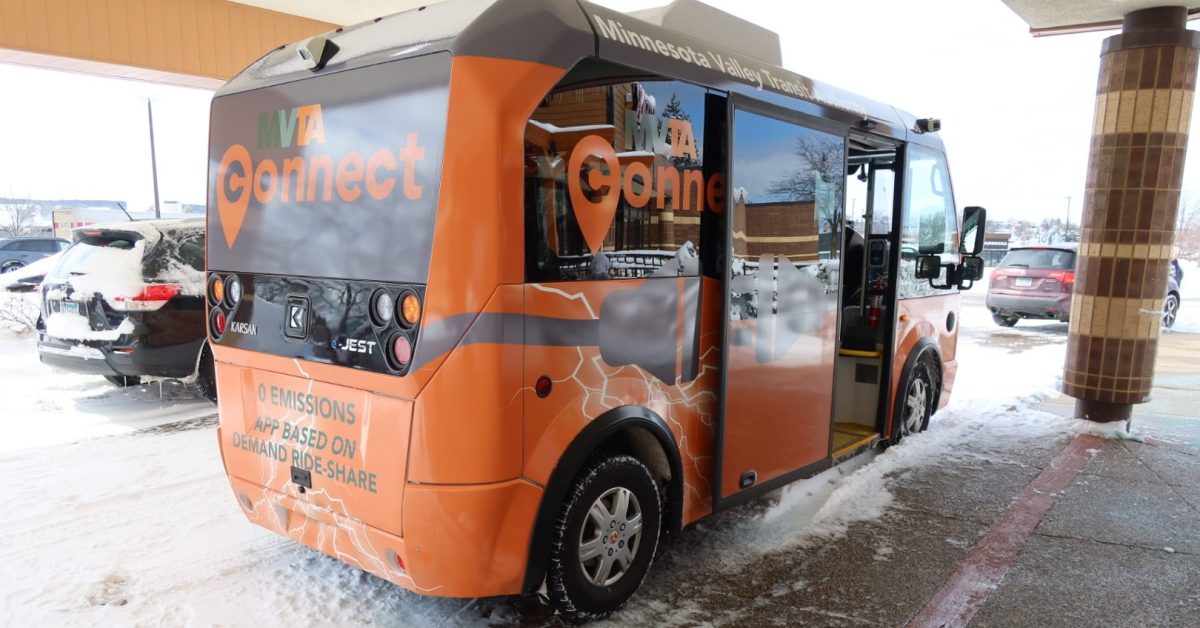
Rice University has expanded its campus mobility program with the acquisition of five Karsan eJEST electric minibuses, selecting a vehicle platform designed specifically for short-distance, high-frequency service in pedestrian-heavy environments. The eJEST’s compact footprint, low-floor design, and fully electric drivetrain allow it to operate seamlessly within campus road networks while maintaining accessibility and rider comfort.
University campuses like Rice Univercity (a premier private research institution in Houston, Texas) present a unique mobility challenge. They require frequent, reliable transportation within compact service areas, often with fluctuating demand throughout the day. Operating full-size buses in these environments can lead to inefficiencies, underutilized capacity, and higher operating costs. This is where right-sized electric transit becomes essential.
For most campus, suburban, on-demand, feeder, and circulator services, daily vehicle distance typically falls between 80–150 km.
With a range of up to 210 km, the eJEST provides ample capacity for full-day campus and community shuttle operations, offering agencies operational flexibility without the cost and complexity associated with oversized batteries.
The low-floor minibus is equipped with an approximately 88 kWh dual-battery system, supporting efficient energy use aligned with predictable duty cycles.
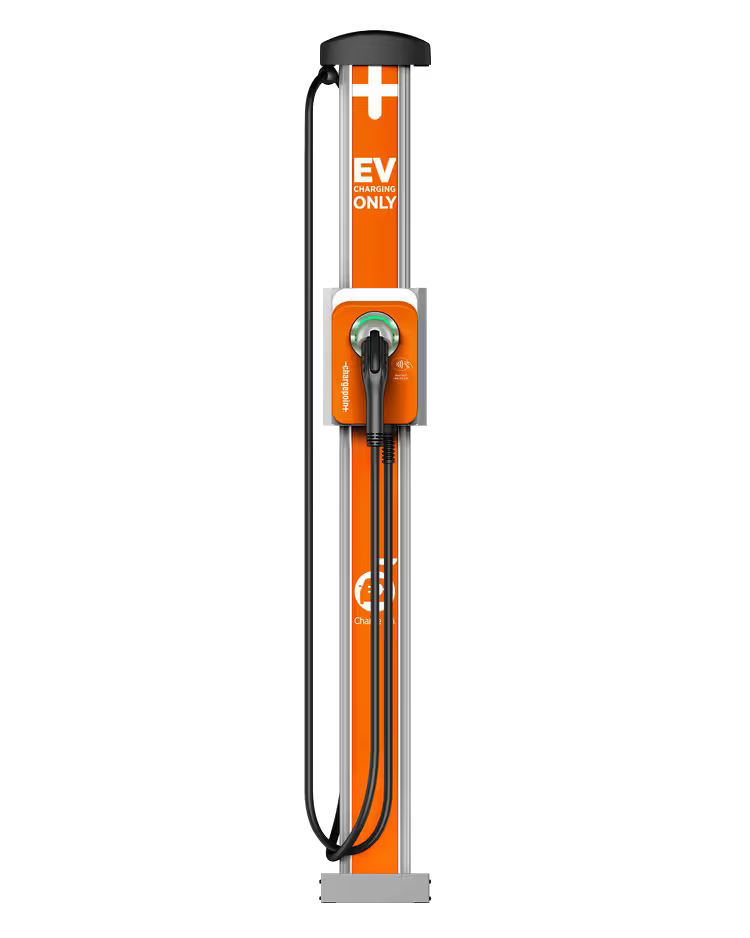
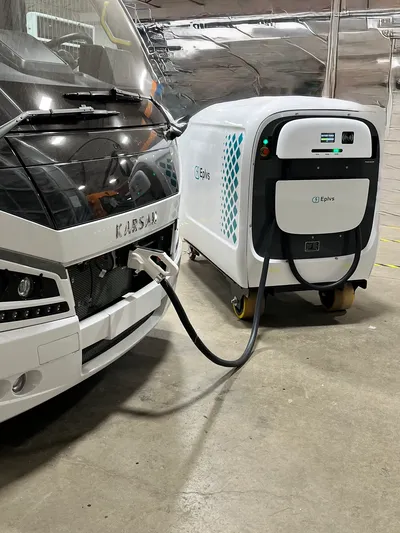
Charging is supported through CCS1 DC fast charging up to 50 kW, enabling practical overnight charging and opportunity charging as needed to maintain all-day service.
Operational impact:
Consistent acceleration at full load, smoother driving, and reduced drivetrain stress.
Impact:
Smaller vehicle size translates to lower energy use, reduced tire and brake wear, and improved maneuverability.
Transit takeaway:
Capacity matches actual demand on many community and campus routes, while the low-floor, step-free design supports inclusive and accessible transit for riders of all abilities, including wheelchair users and passengers with mobility needs.
This level of accessibility directly supports educational equity by enabling reliable, independent mobility across campus—helping students, faculty, and staff reach classes, facilities, and services without additional barriers.
Relevance:
More than sufficient for campus, circulator, and suburban feeder service.
Planning benefit:
Allows expanded service in noise-sensitive environments like campuses and residential areas.
Operational result:
A broader potential driver pool and improved workforce flexibility.
For university campuses, right-sized transit enables more frequent service without unnecessary vehicle size or energy use. The eJEST aligns vehicle capacity with actual demand, helping ensure buses are consistently used rather than running underloaded. This approach improves operational efficiency while offering a service that feels convenient, modern, and easy to use for students, faculty, staff, and visitors.
As a zero-emission vehicle, the eJEST also supports Rice University’s sustainability objectives. Quiet operation reduces noise impact across academic and residential areas, while electric propulsion eliminates tailpipe emissions—an important consideration in dense, walkable campus settings. The vehicle’s modern exterior and interior design further elevate the perception of campus transportation, reinforcing transit as a positive and visible part of university life.
This deployment demonstrates how right-sized electric buses can serve as a practical mobility layer for campuses—supporting daily circulation, accessibility needs, and sustainability goals without adding operational complexity. For institutions evaluating electric transit, Rice University’s use of the eJEST highlights how vehicle size, service design, and environment must align to deliver reliable, effective results.


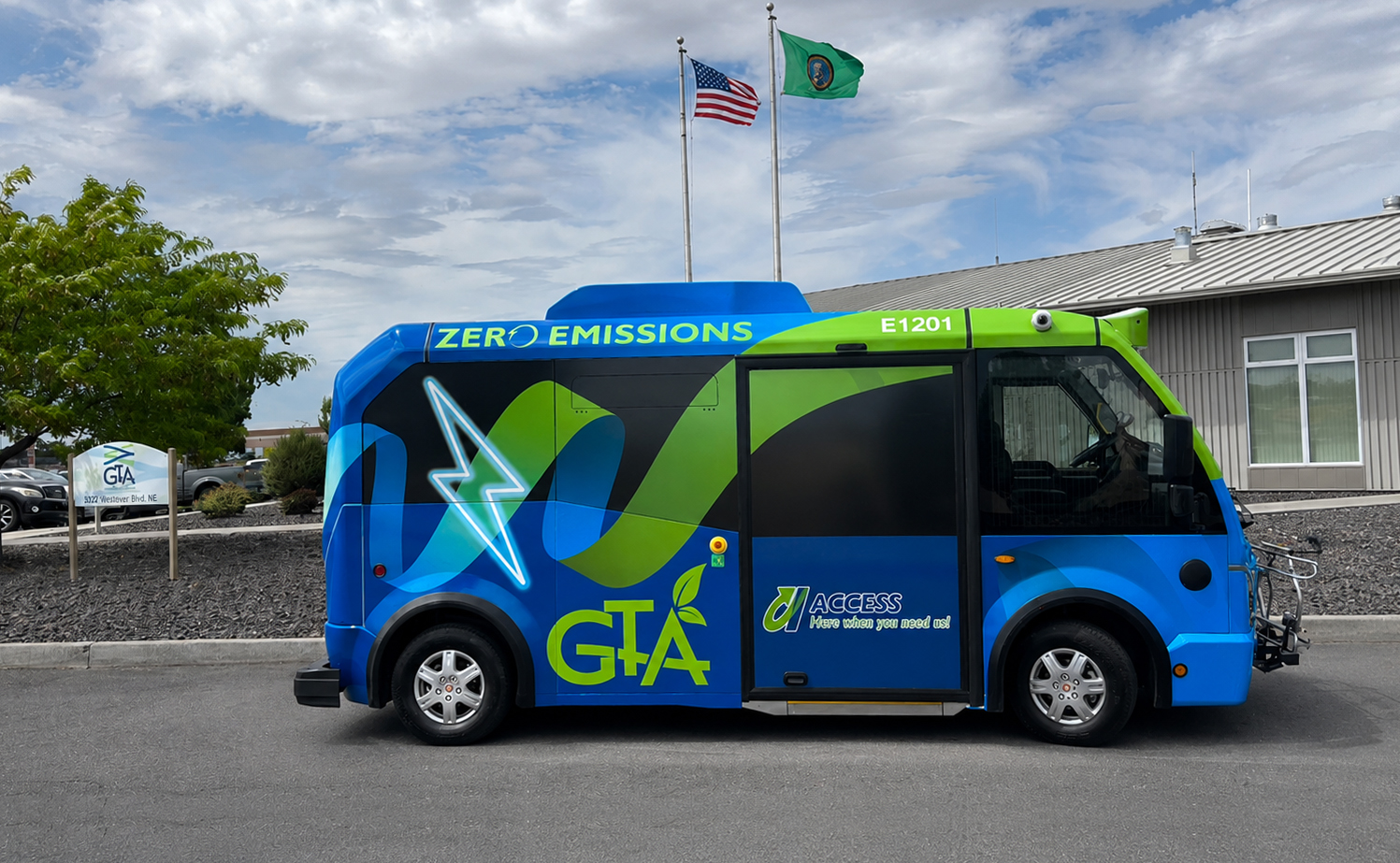
A quiet, efficient, fully accessible electric minibus. The eJEST delivers exceptional maneuverability, low operating costs, and smooth passenger experience.
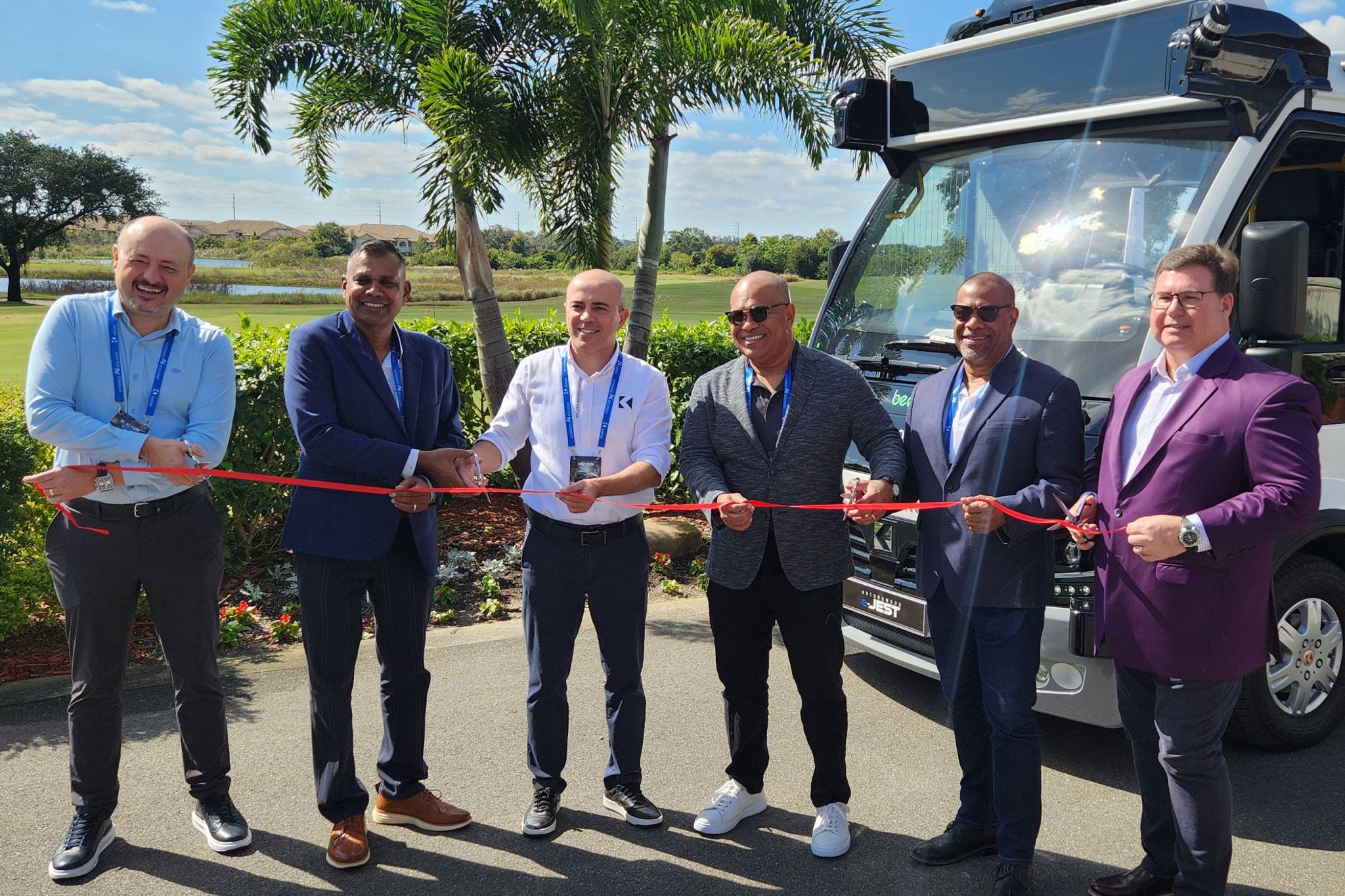
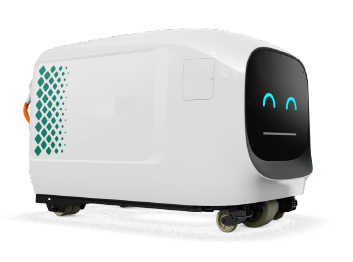
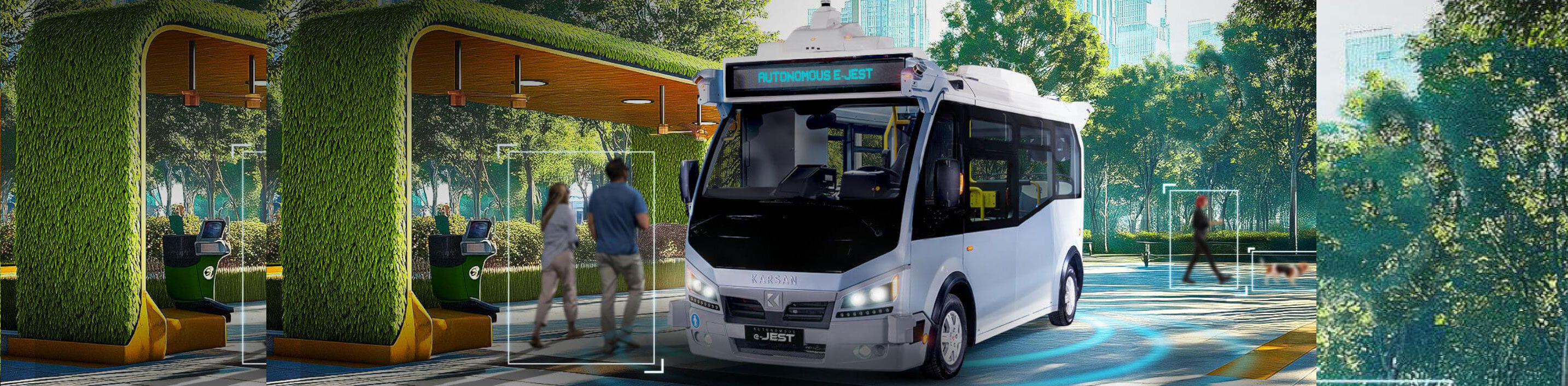
Built on the proven eJEST platform and automated by ADASTEC, this Level-4 autonomous minibus brings reliable, safe, and fully accessible automated transit to real-world routes.






.svg)







.jpeg)


.svg.avif)




-p-500-p-500.avif)







.svg)