


.svg.avif)




-p-500-p-500.avif)








.jpeg)


Chargers

All Chargers
Explore all charging options on one page
Services
TUV Level 3
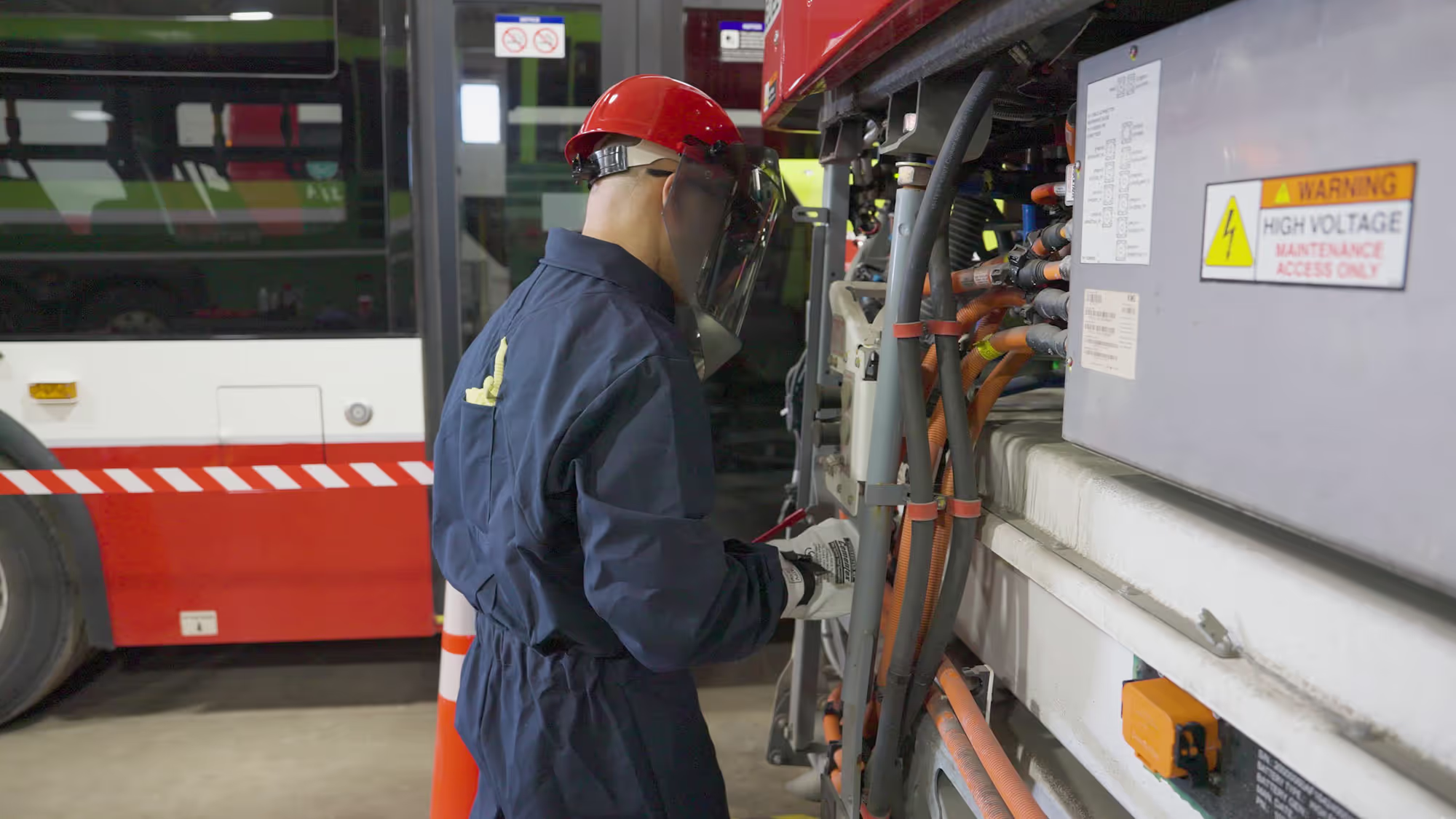
High Voltage Training

Work safely and effectively with high-voltage systems

Charger Installation
Contributes to the seamless integration of electric vehicles

Electrical Engineering
Get your skills in electrical engineering tailored to the transit industry
Bus Service (MBCT)
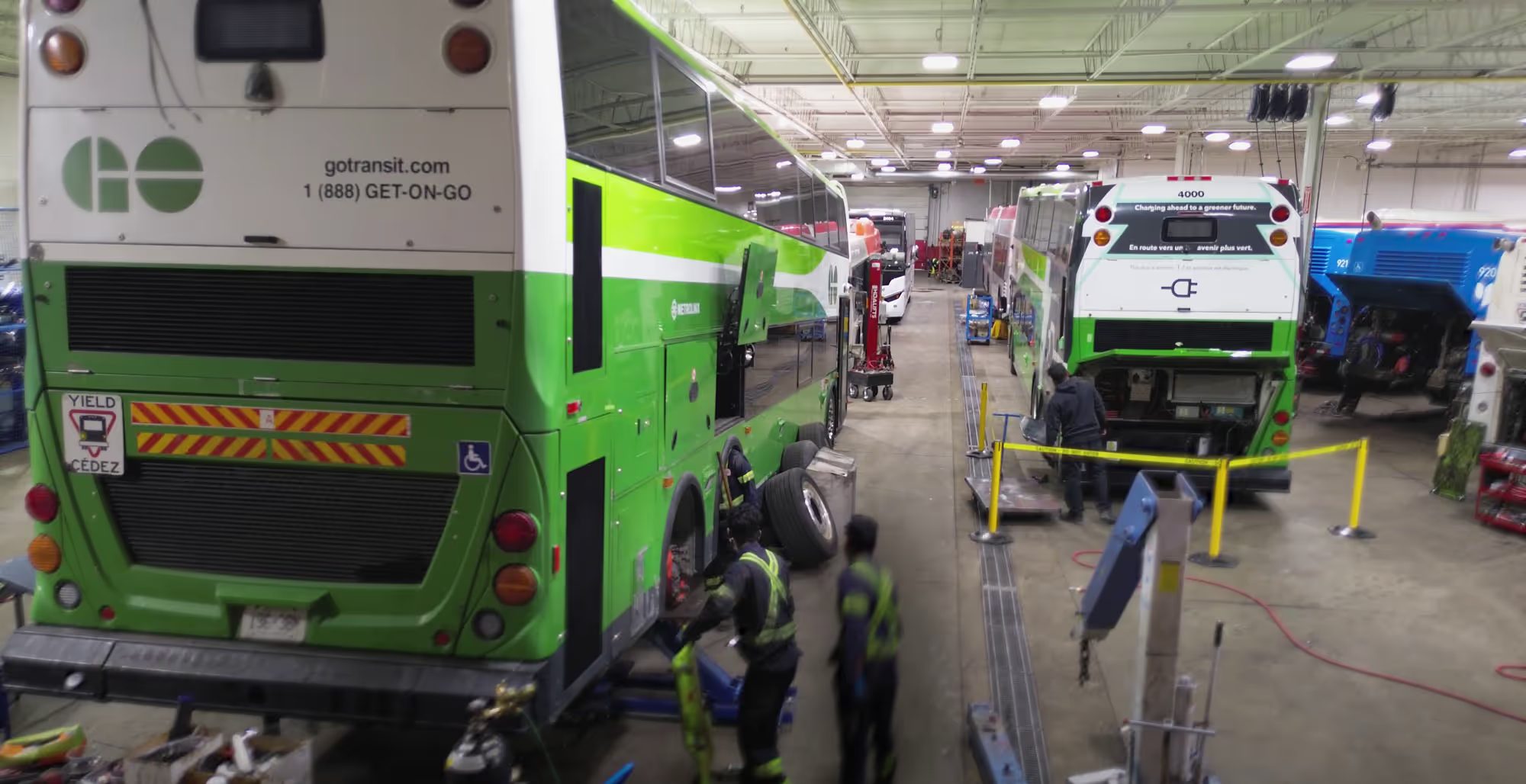
Comprehensive bus service ensuring reliable maintenance, repairs, and safety compliance.
MICROTRANSIT

Paratransit Buses
Learn more about our paratransit vehicles and how we’re improving mobility for people with disabilities and underserved riders.

Micromobility Buses
Discover how our buses support both paratransit needs and provide efficient service in low-ridership areas.

Minibuses for Campuses
Learn how modern electric minibuses create smoother, safer, and more convenient transportation for students and staff.

.svg)
There is no previous post
Previous Post
Next Post
There is no next post
Why Right-Sized Transit Is Redefining Mobility in North America — And What Transit Agencies Can Learn From It
No items found.
Understanding the Gaps That Define the Rider Experience
Public transit agencies don’t need long surveys to understand what riders struggle with — they hear it every day. The concerns are remarkably consistent:
“I just need a ride that actually gets me where I’m going.”
“I can’t walk that far, especially in winter.”
“I’d take the bus, but it turns a 20-minute trip into an hour.”
“I never know if the next one is even coming.”
These aren’t complaints about transit itself — they’re reflections of how transit feels when the system stops fitting the patterns of everyday life.
In North America, and especially in Canadian winters, the challenge isn’t distance.
It’s everything between Point A and Point B:
• long walks to stops in snow or ice
• 20–40 minute waits for a transfer
• gaps in service when work shifts don’t align with route schedules
• uncertainty that erodes trust over time
When these barriers stack up, people adapt — and the alternative becomes the personal vehicle, even for those who would prefer not to rely on one.
Why Right-Sized Transit Is Emerging Now
The rise of right-sized mobility isn’t a passing idea. It’s a necessary correction to transit networks designed around 40-ft buses, regardless of the street, the density, or the demand.
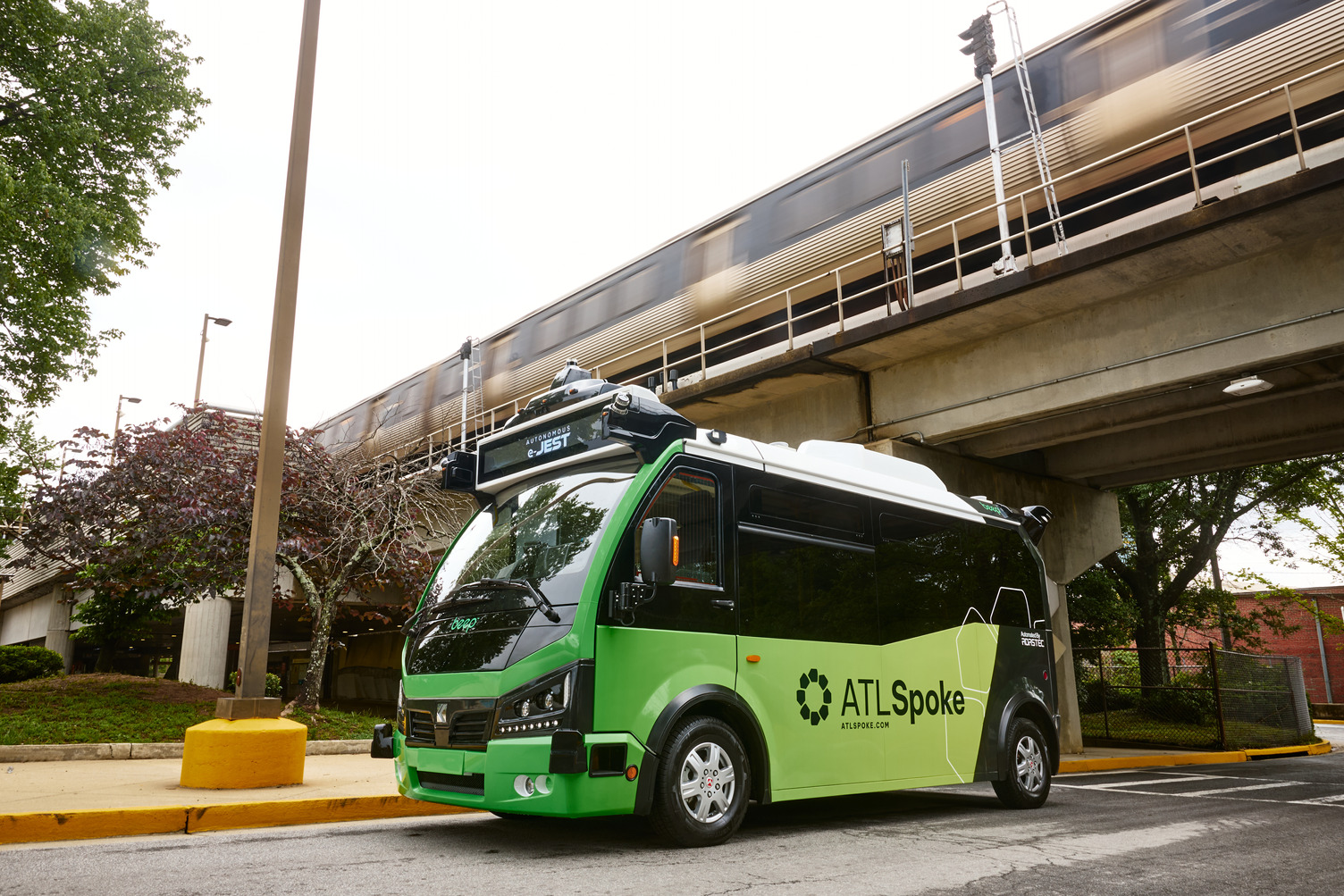
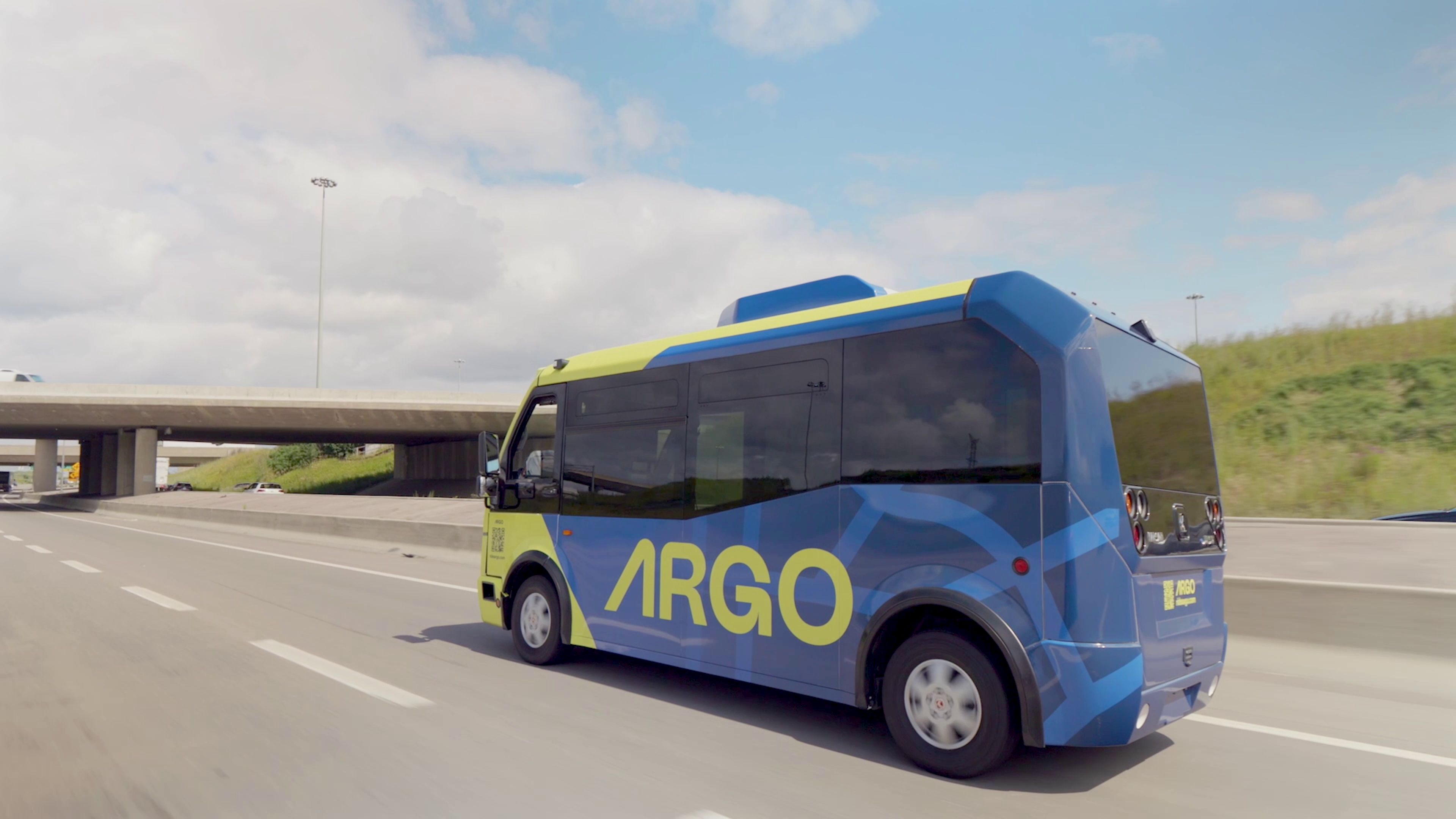
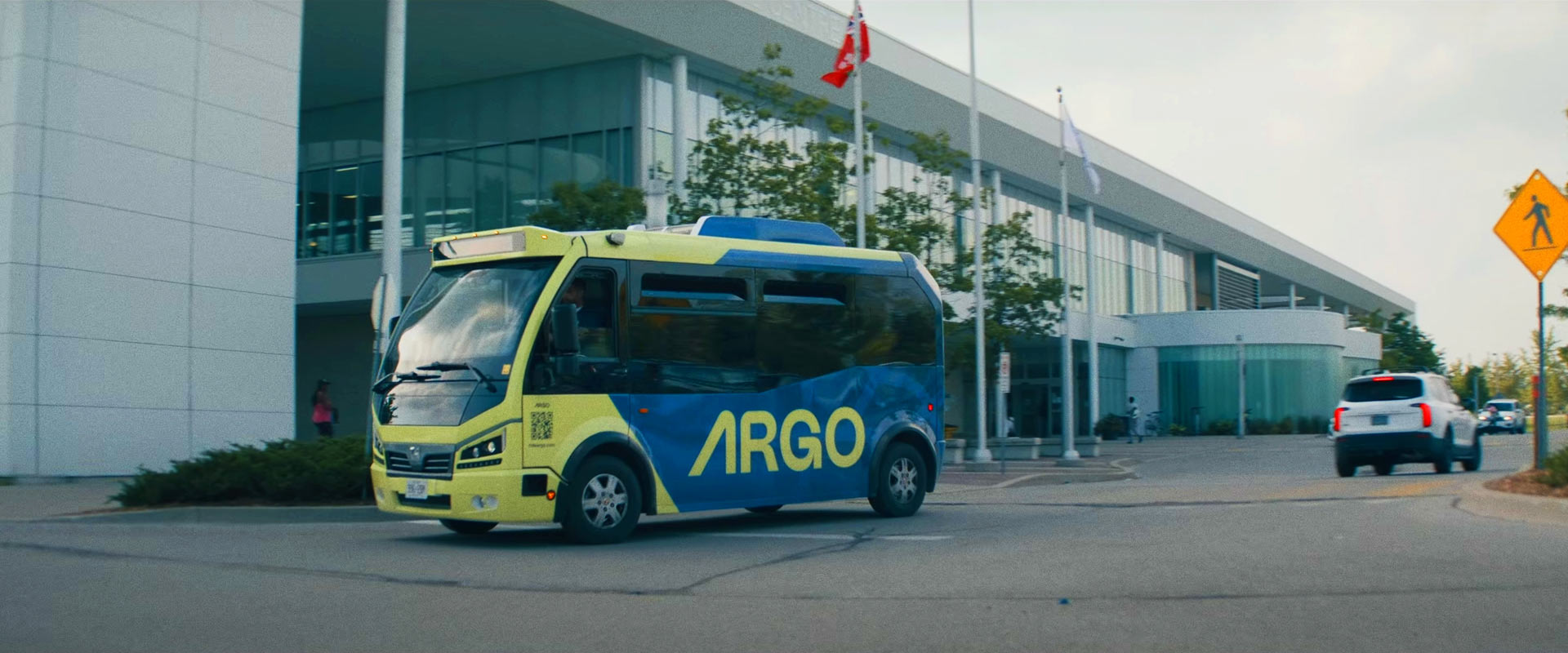
Flexible, smaller vehicles — especially electric ones — allow agencies to serve areas where large buses simply cannot operate efficiently or cost-effectively. They don’t replace the backbone of the system; they reinforce it by filling the critical spaces between high-frequency corridors.
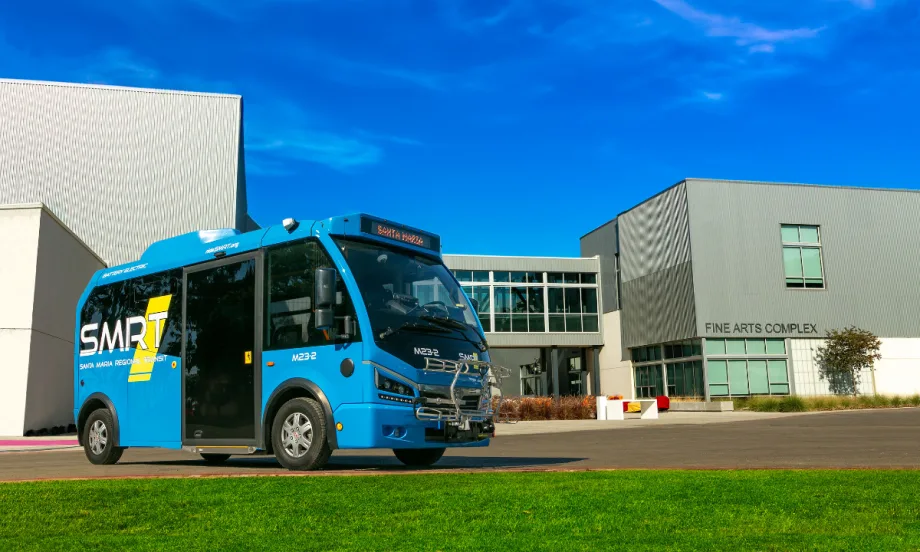
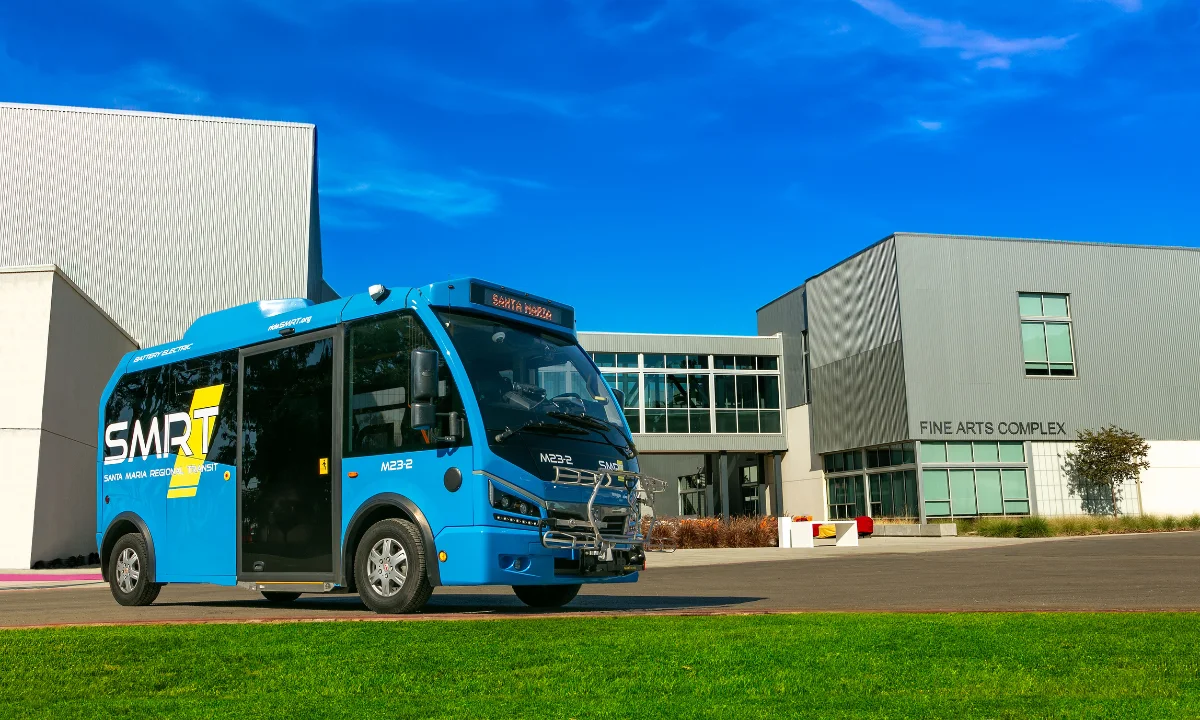
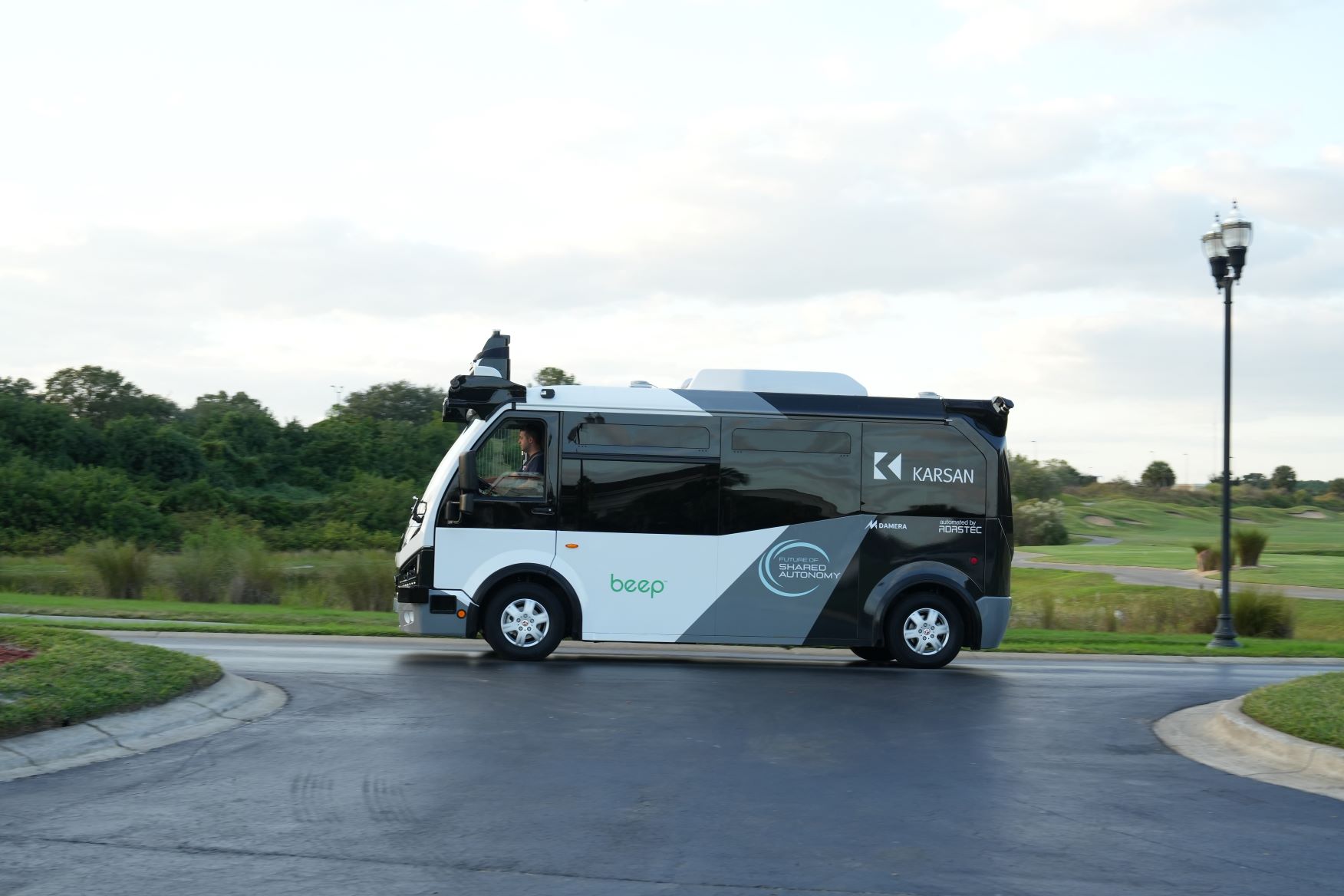
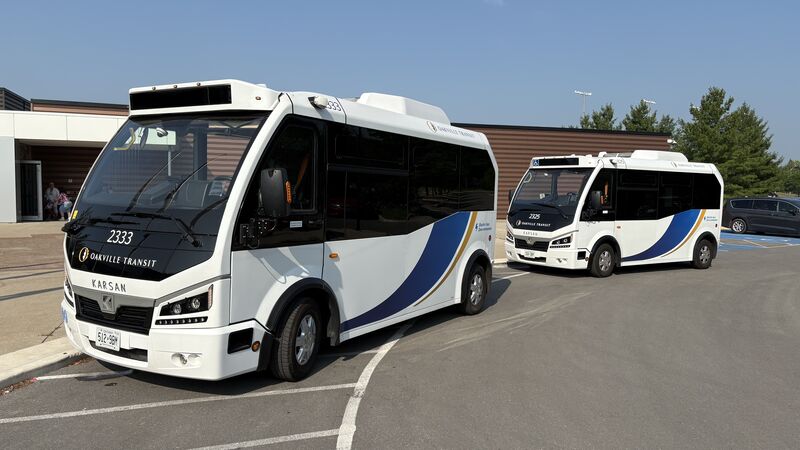
If you haven’t already seen it, this video from Santa Maria demonstrates exactly how the Karsan eJEST is reshaping microtransit and building ridership where conventional service struggled.
A Visual Example of the Problem: Deep Snow, Long Walks
A CBC clip from Newfoundland and Labrador posted 5 years ago shows a resident struggling through deep snow just to reach a bus stop — a simple moment that reflects a much broader reality. Across Canada and the U.S., many riders face similar barriers in winter, heavy rain, or summer heat. The challenge often isn’t the distance of a route, but the weather, terrain, and long walks required just to access it.
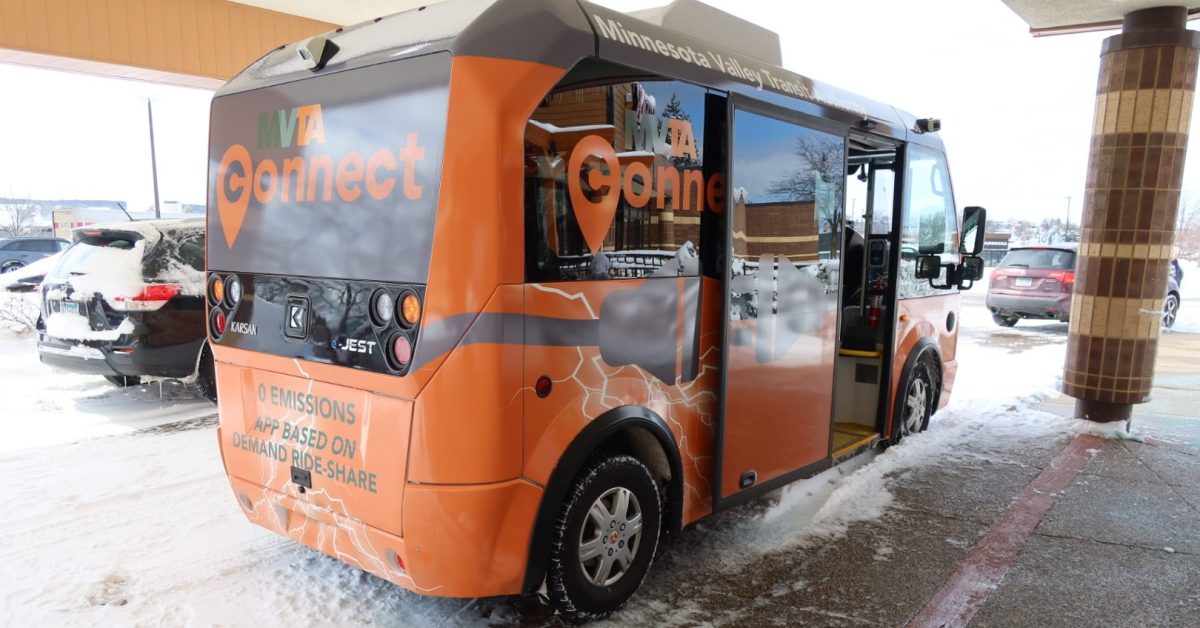
That’s why cities like St. John’s and Saint John are turning to right-sized, on-demand vehicles like the eJEST. These solutions bring transit closer to people, reduce exposure to harsh conditions, and align service with real trip patterns. For seniors, shift workers, low-density neighborhoods, and anyone who can’t rely on long walks or long waits, on-demand right-sized mobility is becoming a practical, more equitable way to ensure transit is truly usable.
Saint John: A Model for Practical Innovation
Saint John’s approach offers one of the clearest examples of how right-sized mobility can transform service.
The agency publicly acknowledged what many quietly know:
Running a 40-ft bus to pick up two people per hour is not sustainable for budgets or riders.
Instead of cutting service, Saint John redesigned it. They transitioned underperforming fixed routes into an on-demand model supported by the eJEST. The result was not reduction — it was expansion:
• longer hours of operation
• better alignment with real travel patterns
• more reliable access for low-density neighborhoods
Importantly, the city solved a persistent issue across North America: the ridership spiral where low demand leads to cuts, and cuts lead to even lower demand. By matching vehicle size to real conditions, the spiral finally stops.
The community response has been overwhelmingly positive. Riders talk less about technology and more about simple dignity:
“Now I don’t have to stand in the cold.”
“I can get to work earlier.”
“I don’t need to memorize an unreliable timetable.”
Small vehicles — especially ones designed for accessibility — feel human-scaled and community-friendly. Agencies across Canada and the U.S. recognize themselves in this model.
What the eJEST Brings to Transit Networks
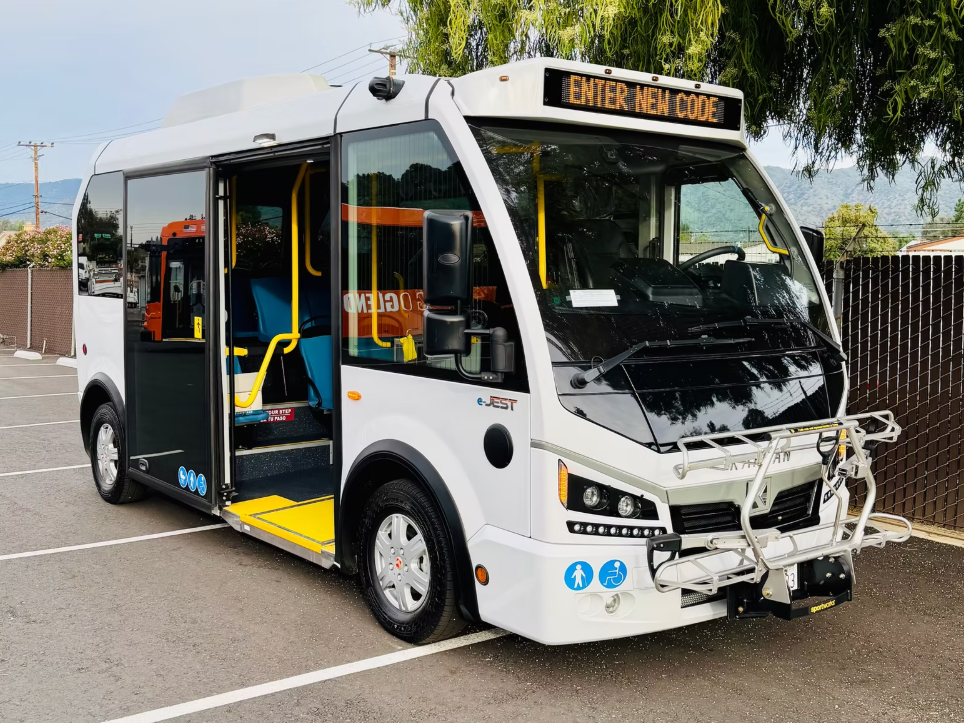
Transit professionals know how rare it is for a vehicle to change perceptions — but the eJEST consistently does:
• Quiet operation
• Car-like ride quality
• Full independent suspension
• Minimal footprint on neighborhood streets
• Excellent maneuverability
• True curb-to-curb reach
• Zero-emission powertrain
• A comfortable, welcoming passenger space
• Accessibility
• Technological excellence including telematics, connectivity with Aps and USB chargers on board.
It can operate economically during hours when a 40-ft bus would be unjustifiable and can serve both scheduled and dynamic service models.
Cities of all sizes — from agricultural communities to dense suburban regions and mid-sized urban networks — report the same outcome:
right-sized EVs work, and the results are measurable.
Many riders describe the vehicle as “cute,” but more importantly, they describe the experience as dignified, simple, predictable — qualities that rebuild trust in transit.
The Financial Point of View
Right-sized EVs start saving money immediately:
• lower energy consumption
• fewer moving parts and reduced maintenance
• dramatically lower cost per service hour in low-demand areas
• longer component life compared to diesel
But the most striking comparison is capital cost:
Agencies can deploy up to four Karsan eJEST vehicles for the price of a single 40-ft battery-electric bus.
That single fact opens possibilities:
• more frequency
• more coverage
• greater operational resilience
• the ability to test new service models without major financial risk
For transit leaders managing budgets realistically, this is not a compromise — it’s a smarter allocation of funds.
Right-sized EVs also offer unmatched flexibility. One vehicle can support fixed routes, on-demand zones, hybrid models, paratransit support, and low-demand time periods — without requiring a separate fleet.
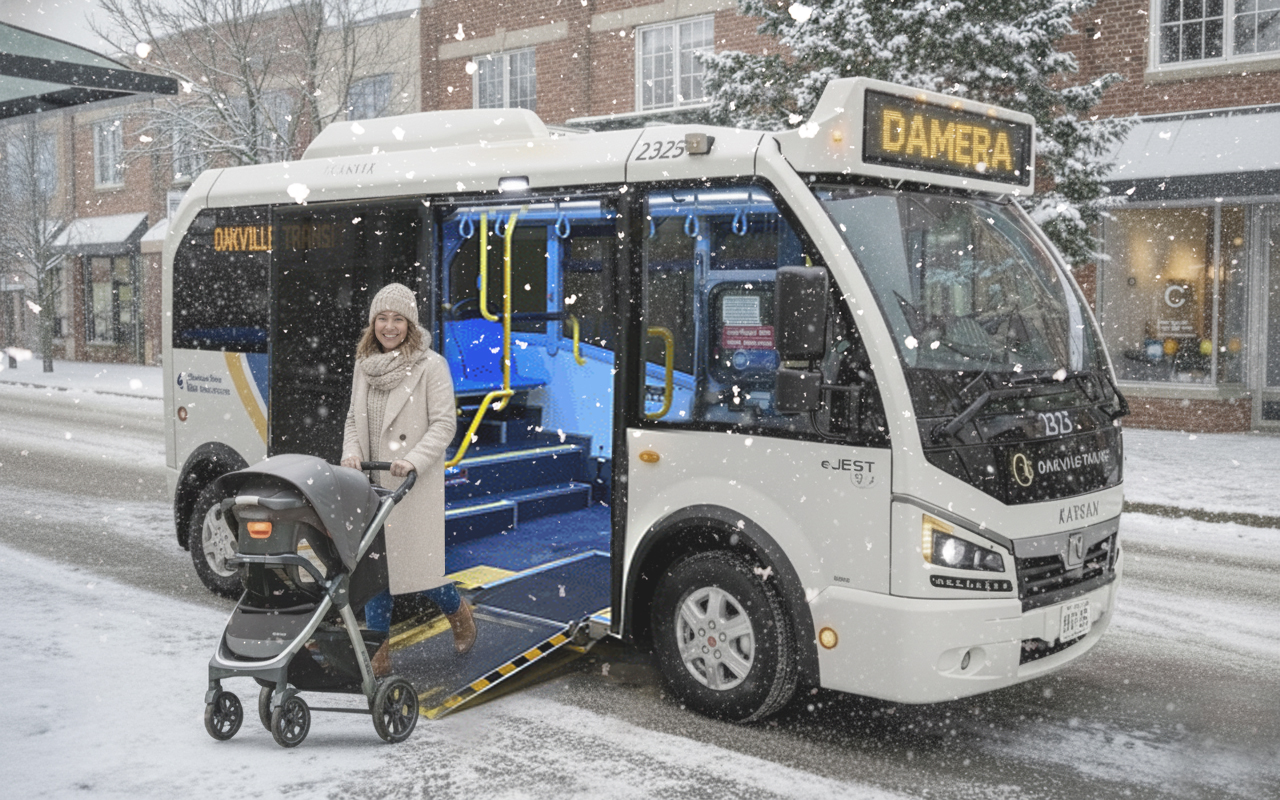
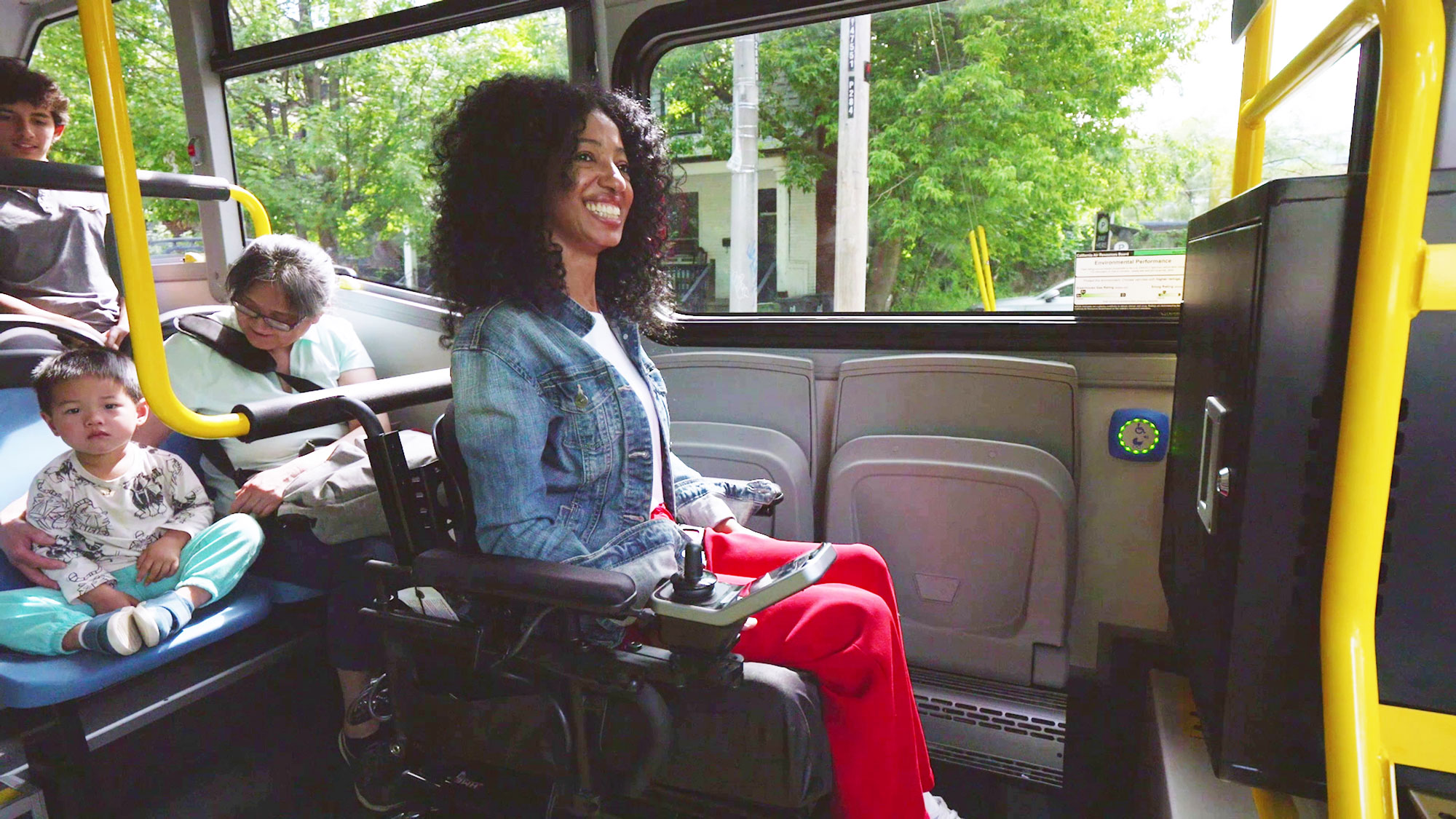
Built-in low-floor accessibility, electric ramp, and comfortable boarding make it a strong choice for ADA/AODA-compliant operations.
And because eJESTs don’t require a CDL, don’t demand costly depot-wide charging upgrades, and can be deployed quickly where riders actually need them, agencies gain a simple, highly effective way to strengthen service and improve access.
A Practical Path Forward for Transit Agencies
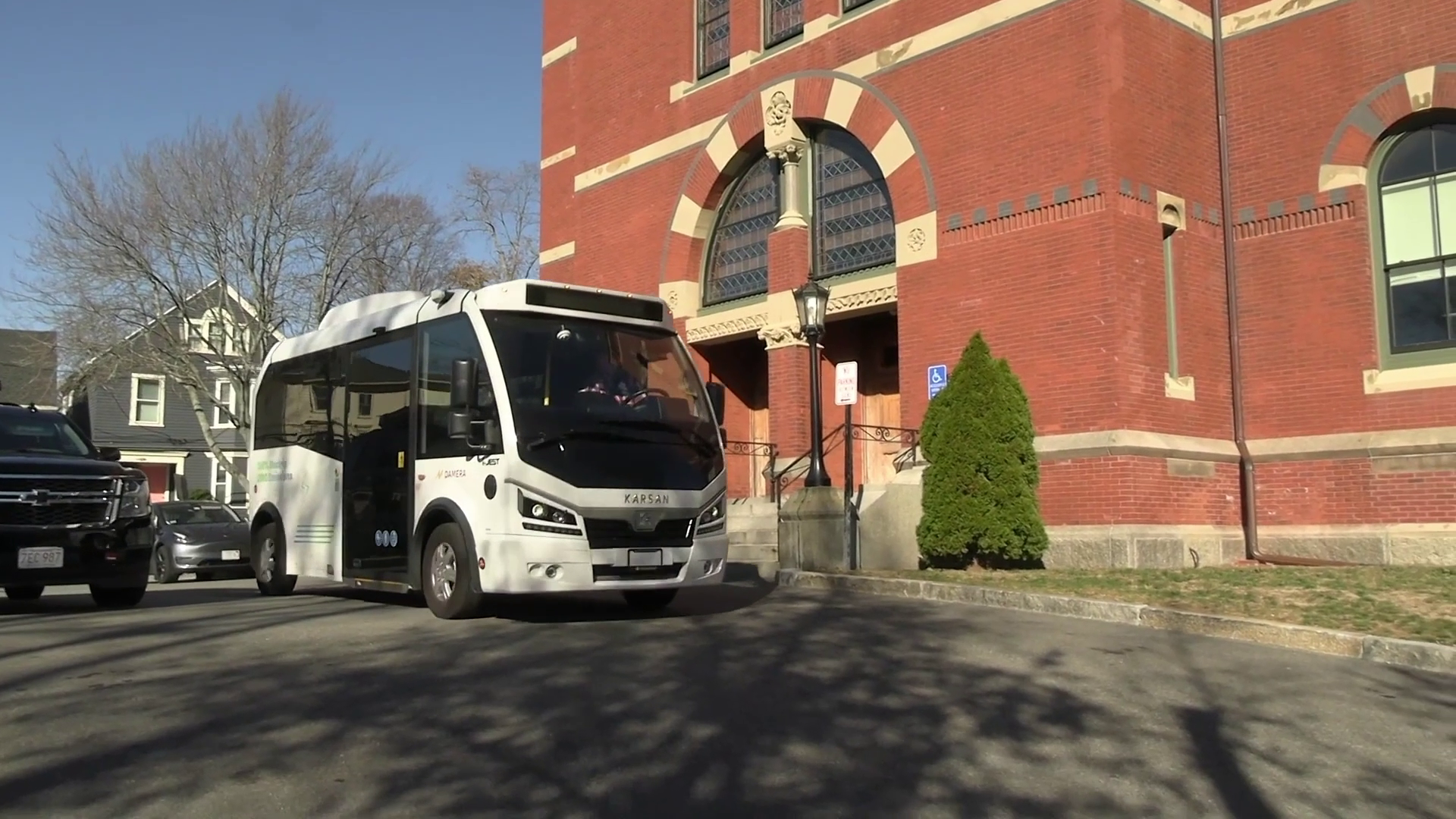
Innovation in transit isn’t always loud. Sometimes it looks like a quiet electric minibus entering a neighborhood that has never had reliable service before.
The shift is already happening — and it’s happening in real weather conditions (hot or cold), real suburban networks, and real financial constraints.
For agencies considering microtransit, electrification, or fleet diversification, the opportunity is clear:
Build a system that fits the people you serve.
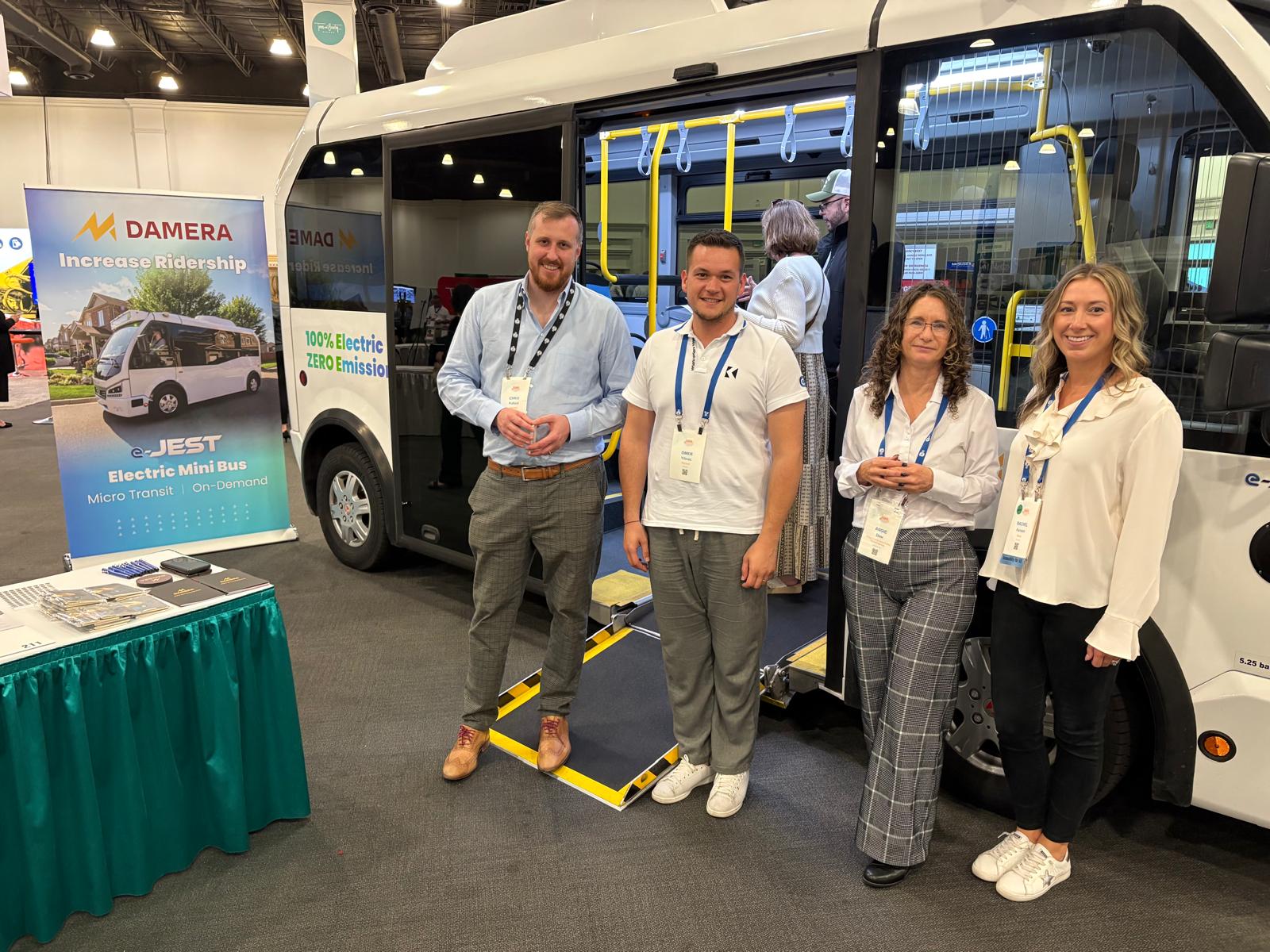
Damera supports agencies in designing and deploying that system — with right-sized electric vehicles, charging solutions, operational guidance, and expertise built from real-world partnerships across North America.
sales@dameracorp.com



















.jpeg)


.jpg)





.svg)