


.svg.avif)




-p-500-p-500.avif)








EV Buses

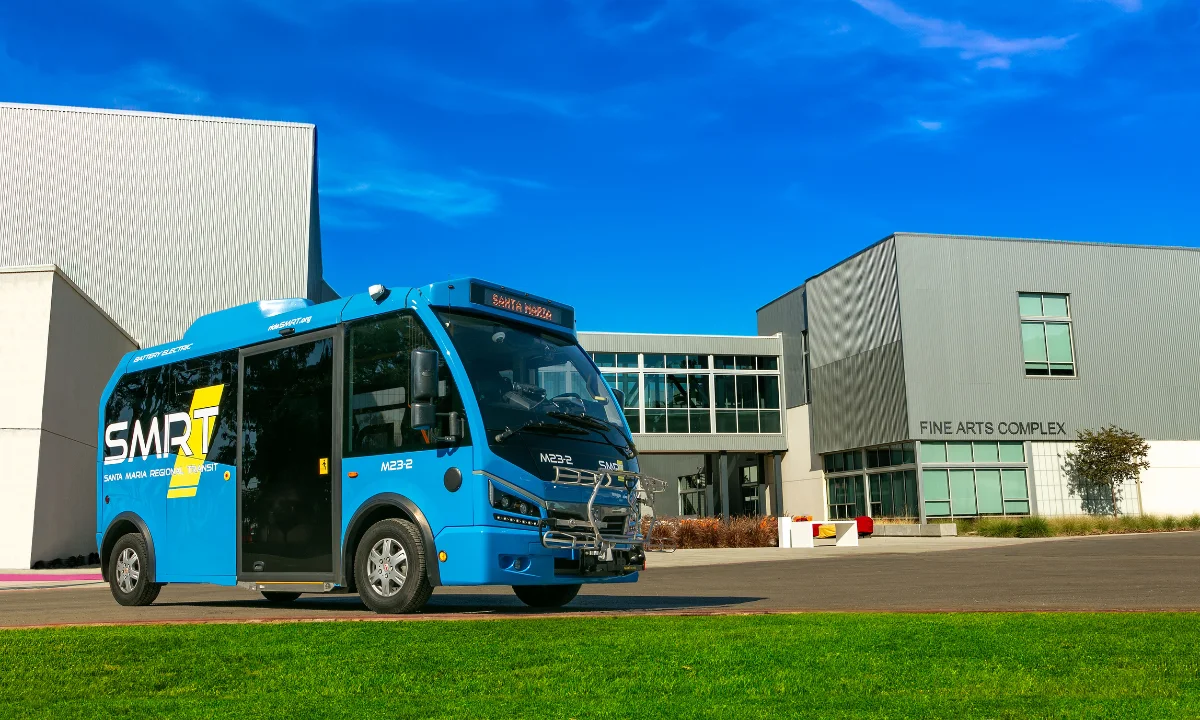
A quiet, efficient, fully accessible electric minibus. The eJEST delivers exceptional maneuverability, low operating costs, and smooth passenger experience.
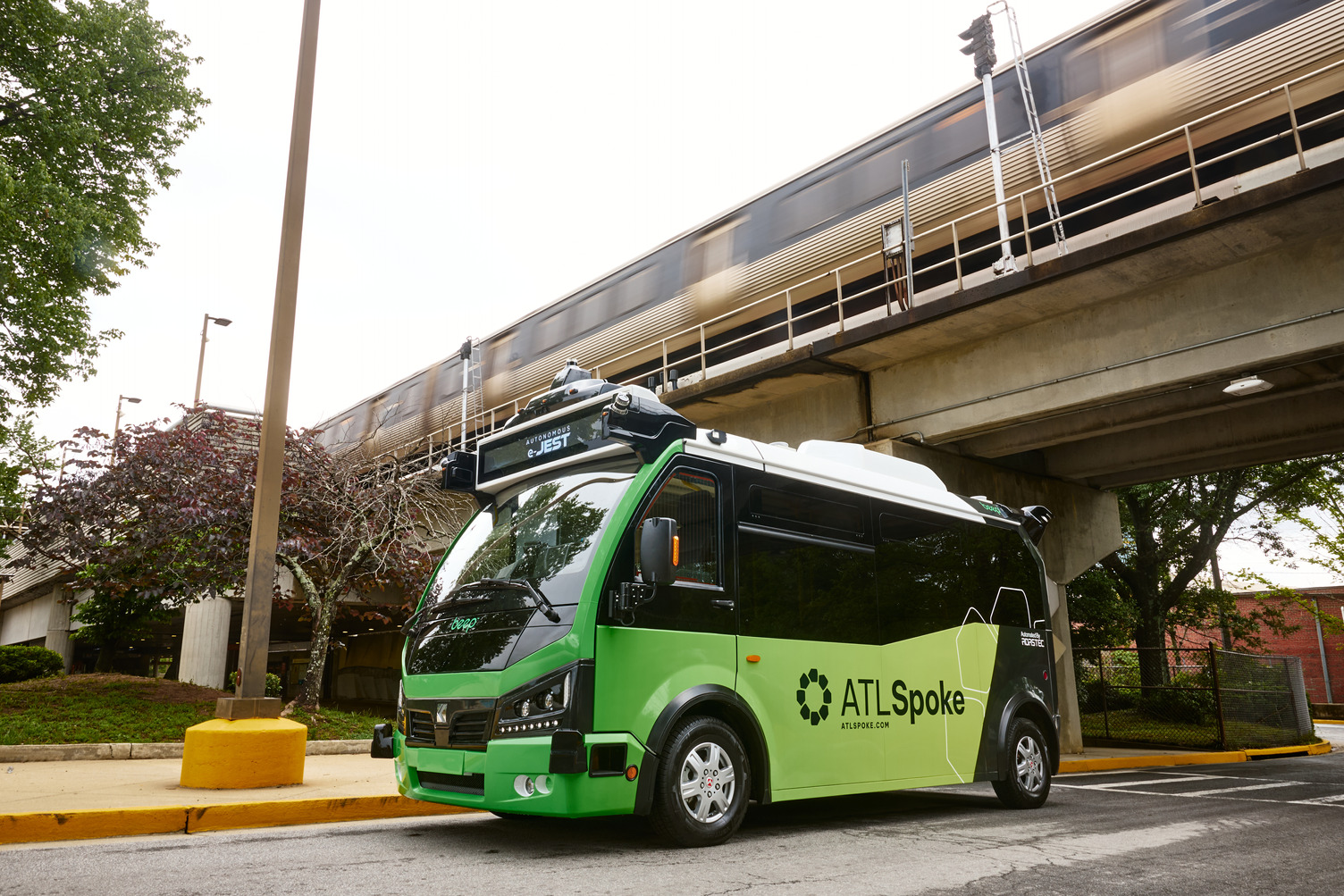
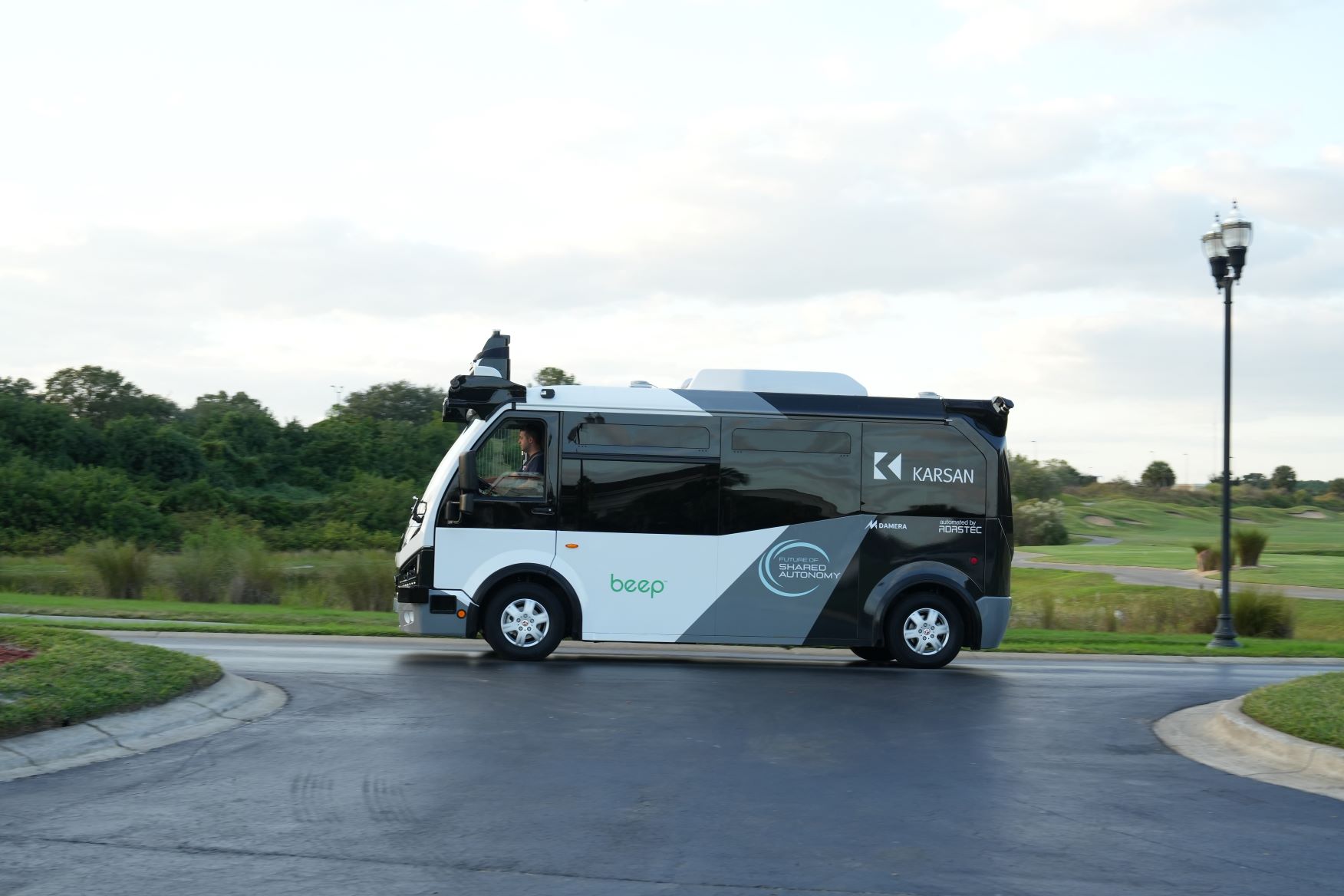
Built on the proven eJEST platform and automated by ADASTEC, this Level-4 autonomous minibus brings reliable, safe, and fully accessible automated transit to real-world routes.


Chargers

All Chargers
Explore all charging options on one page
Services
TUV Level 3
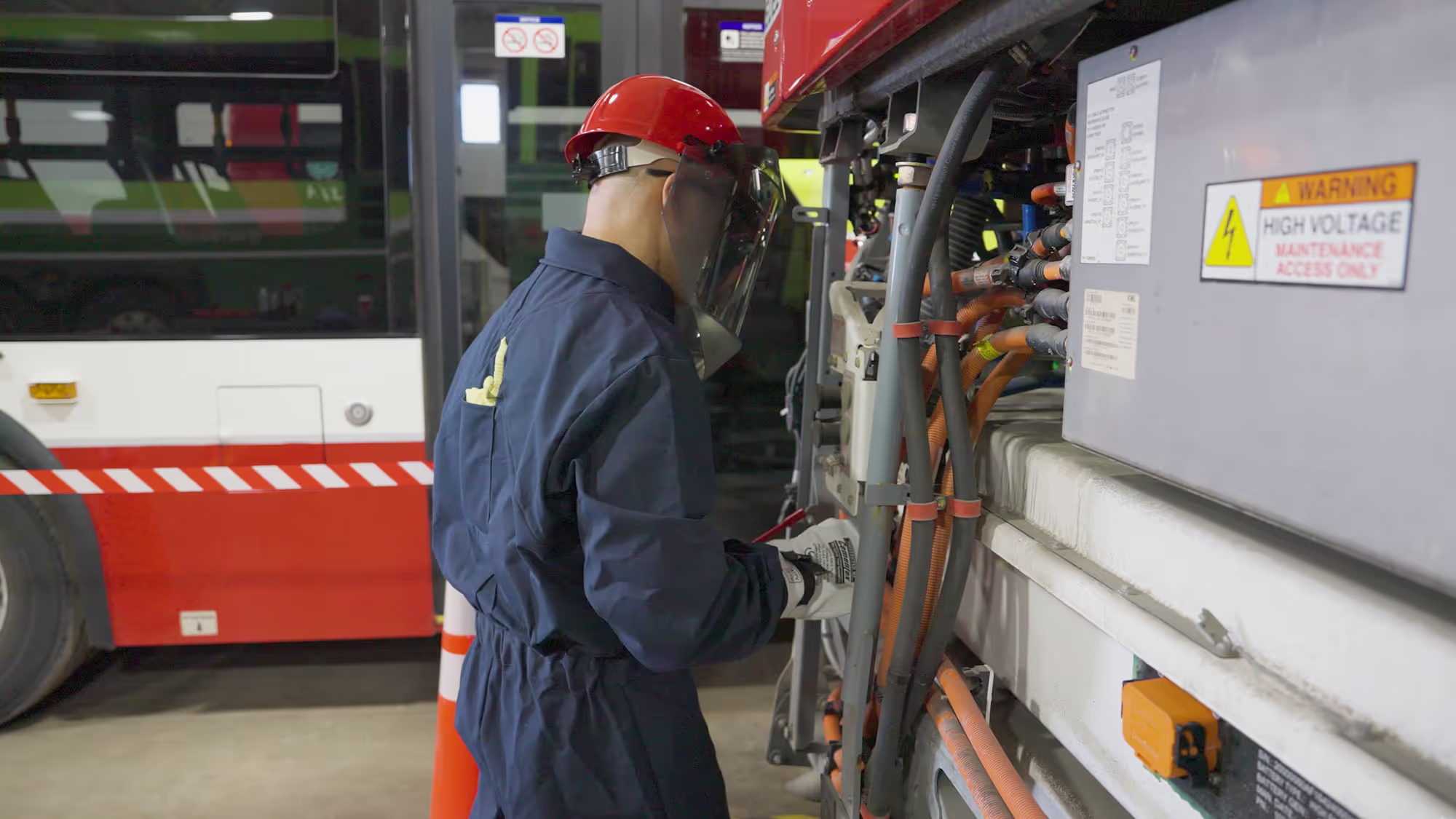
High Voltage Training

Work safely and effectively with high-voltage systems

Charger Installation
Contributes to the seamless integration of electric vehicles

Electrical Engineering
Get your skills in electrical engineering tailored to the transit industry
Bus Service (MBCT)
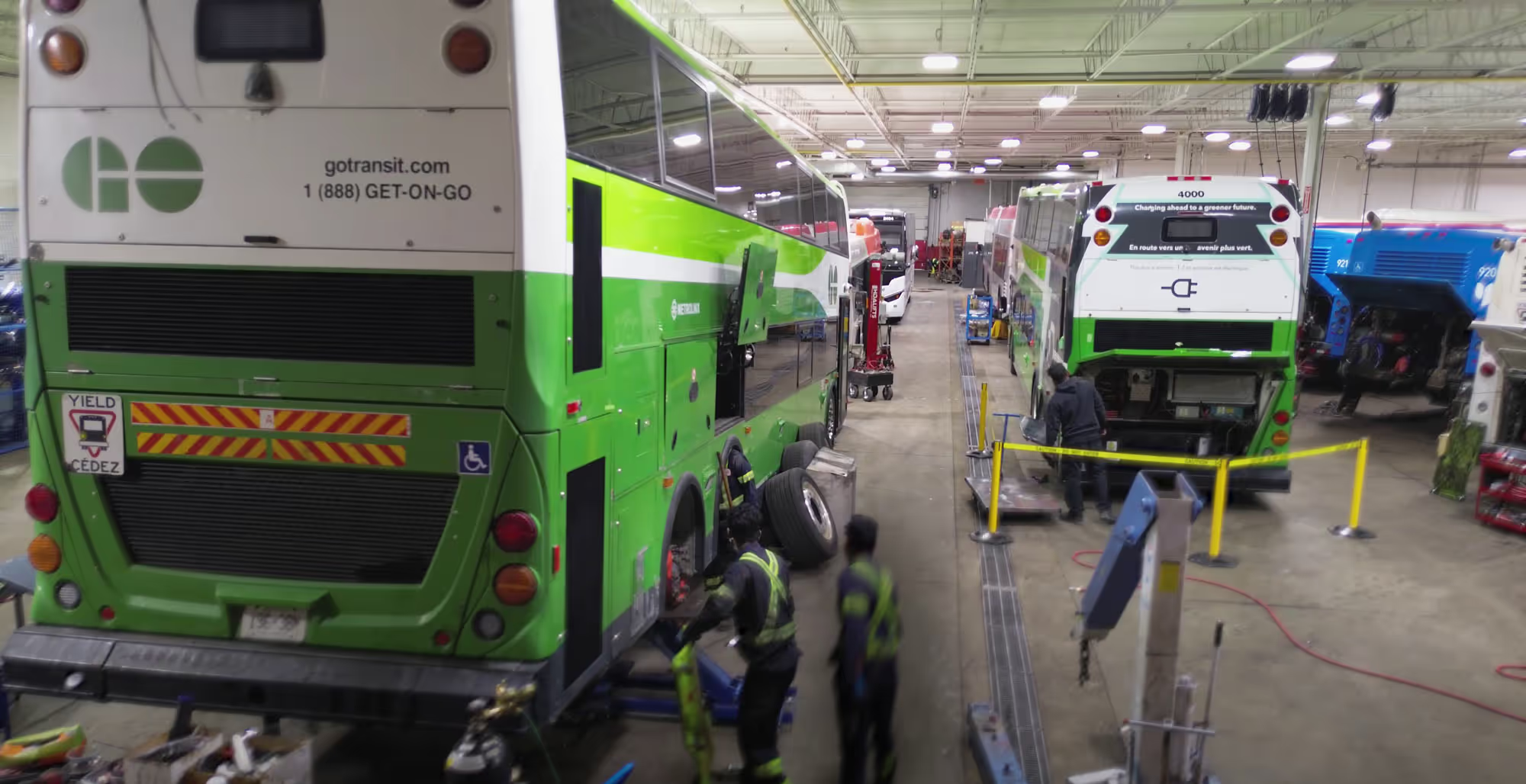
Comprehensive bus service ensuring reliable maintenance, repairs, and safety compliance.
MICROTRANSIT

Paratransit Buses
Learn more about our paratransit vehicles and how we’re improving mobility for people with disabilities and underserved riders.

Micromobility Buses
Discover how our buses support both paratransit needs and provide efficient service in low-ridership areas.

Minibuses for Campuses
Learn how modern electric minibuses create smoother, safer, and more convenient transportation for students and staff.

.svg)
There is no previous post
Previous Post
Next Post
There is no next post
Electric Bus Pilot Project in Saint John Doubles Ridership and Saves Money


No items found.
Real-World Validation from a Canadian Transit Agency
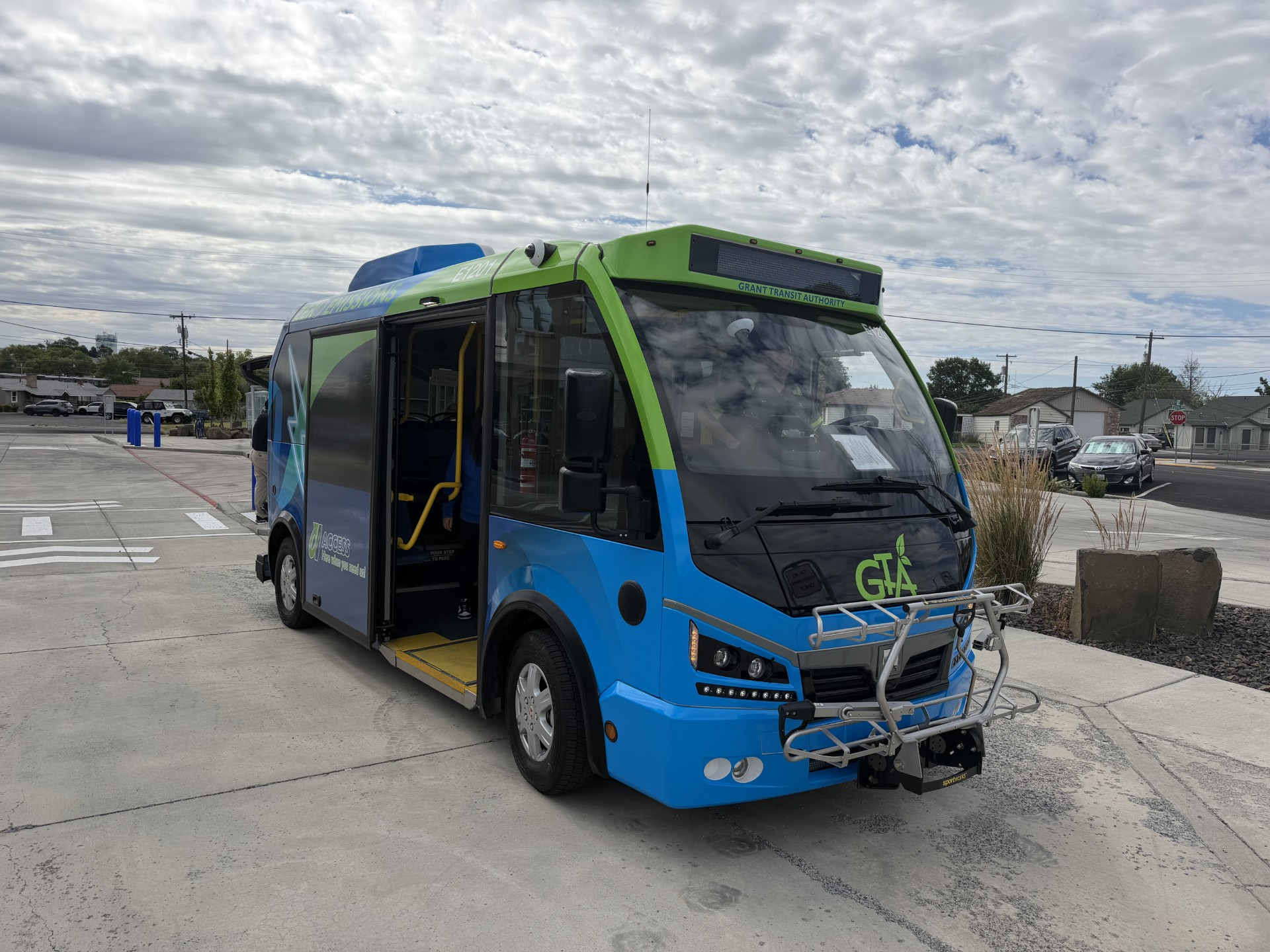
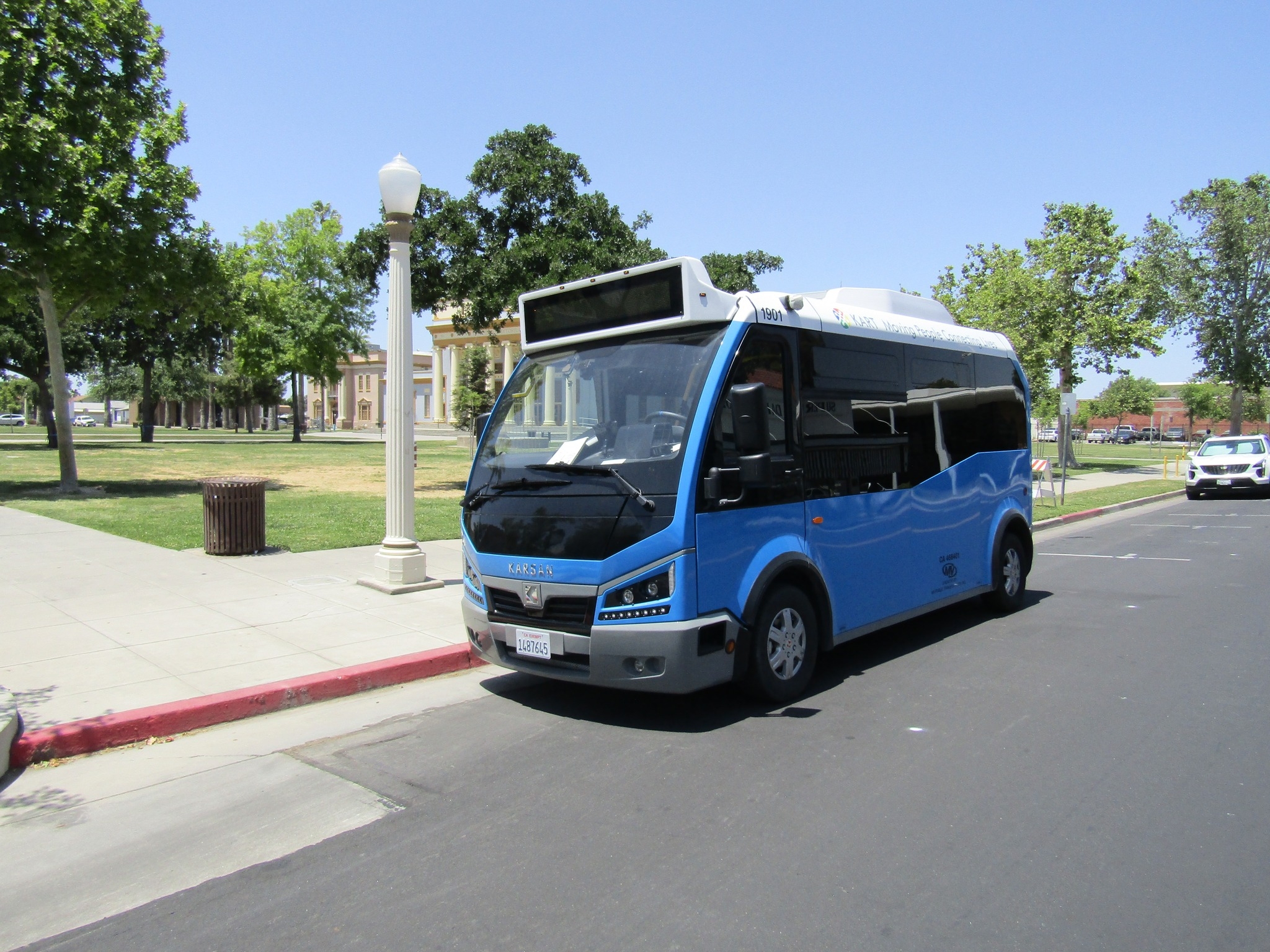
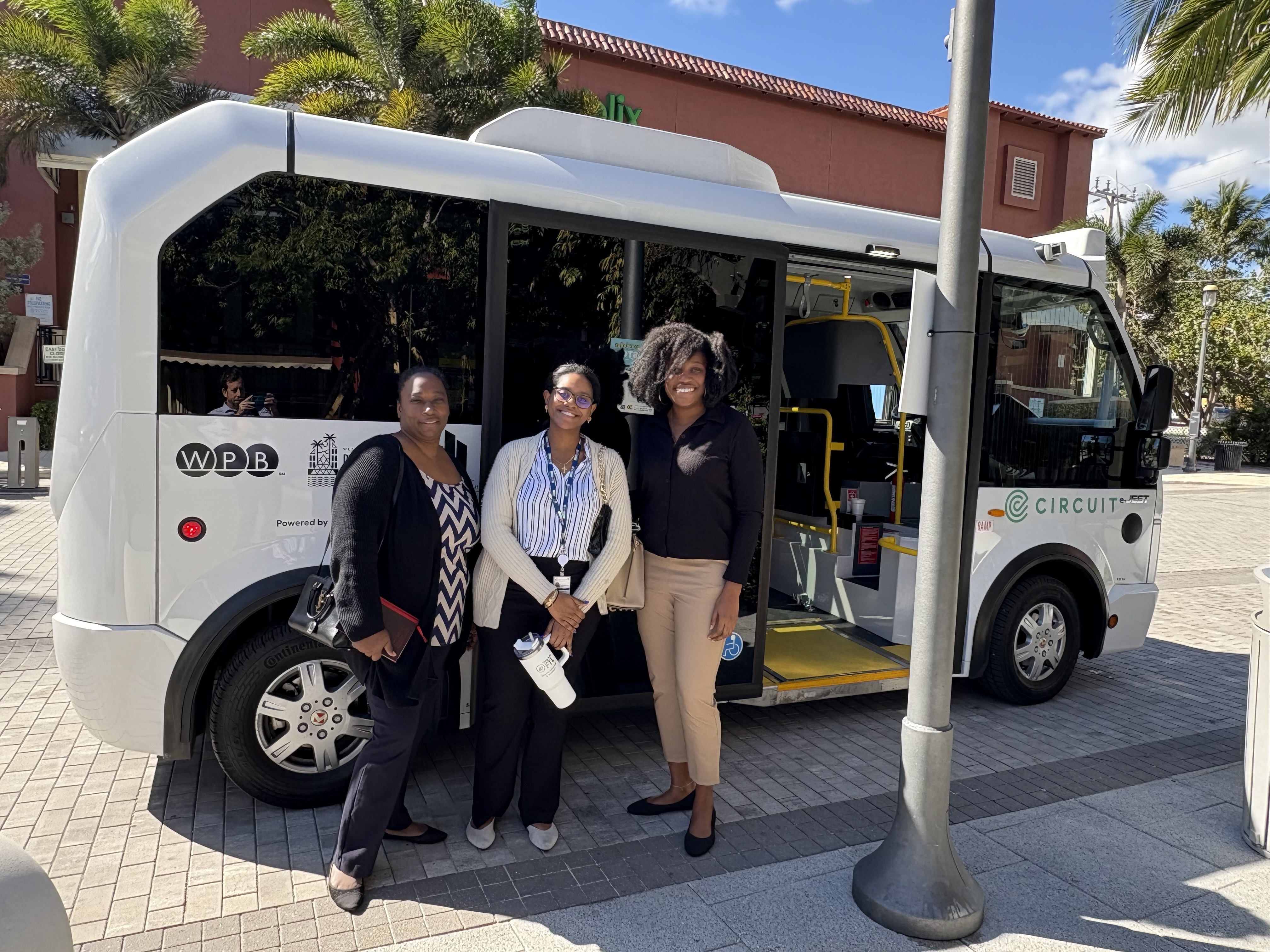
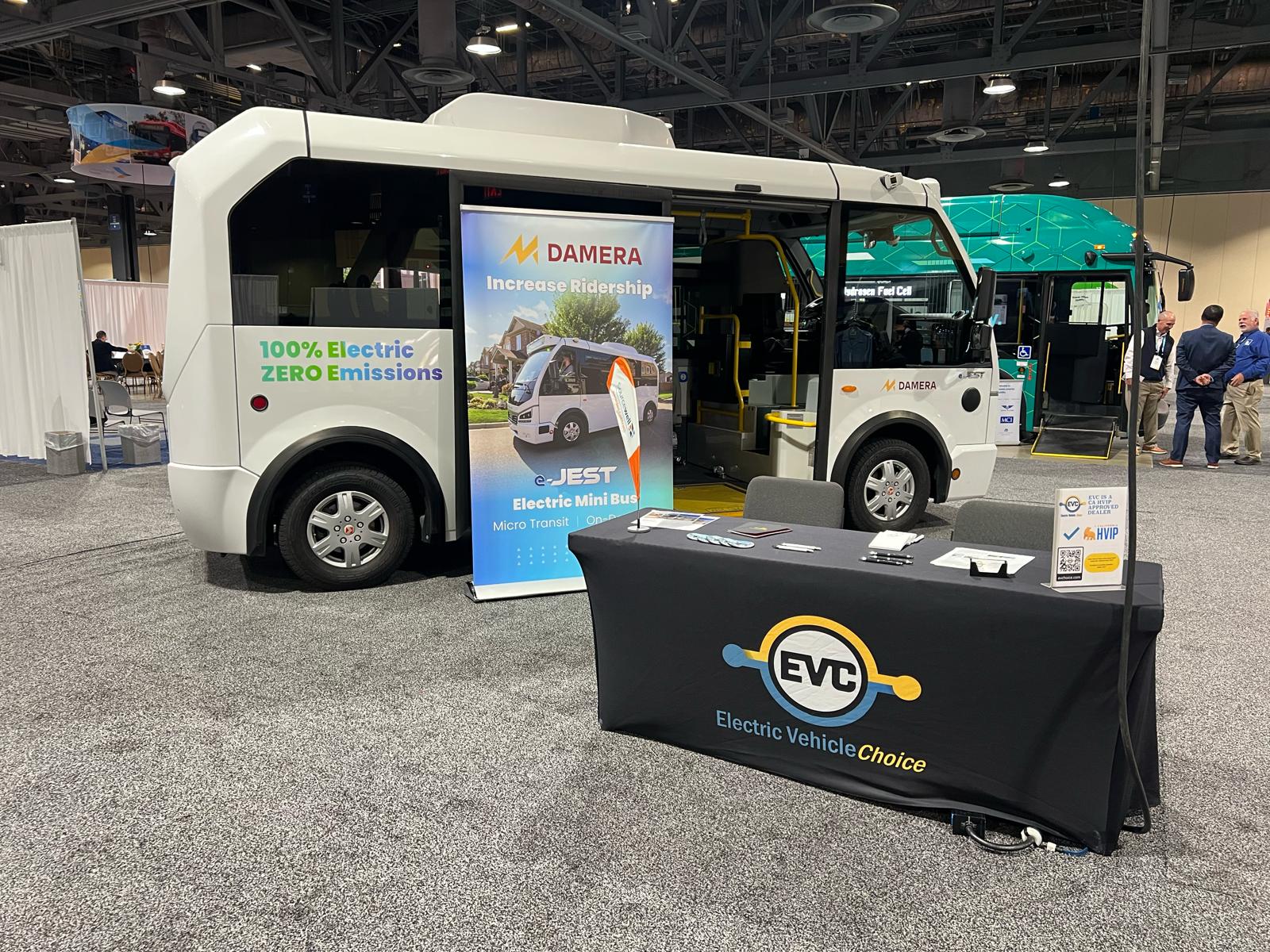
Damera is pleased to share positive, real-world feedback from the City of Saint John Transit regarding its on-demand electric bus pilot—using the Karsan eJEST. The results, shared on CBC by Kevin Loughery, Senior Manager of Transit and Fleet for the City of Saint John, highlight measurable improvements in ridership, operating efficiency, and cost control.
Kevin Loughery reported that the west side pilot is already reducing operating costs and has led to a twofold increase in ridership since its January launch.
Following the success of its initial pilot on the city’s west side, Saint John Transit has already launched a second on-demand electric service pilot in the Millidgeville area with Karsan eJEST buses, signaling confidence in both the service model and the vehicle platform.

Combining On-Demand Service with Right Sized Electric Buses
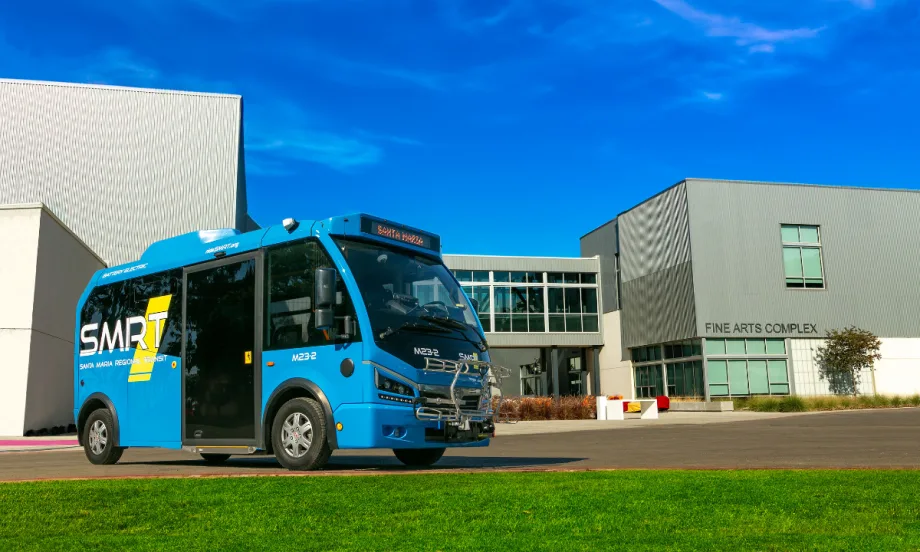
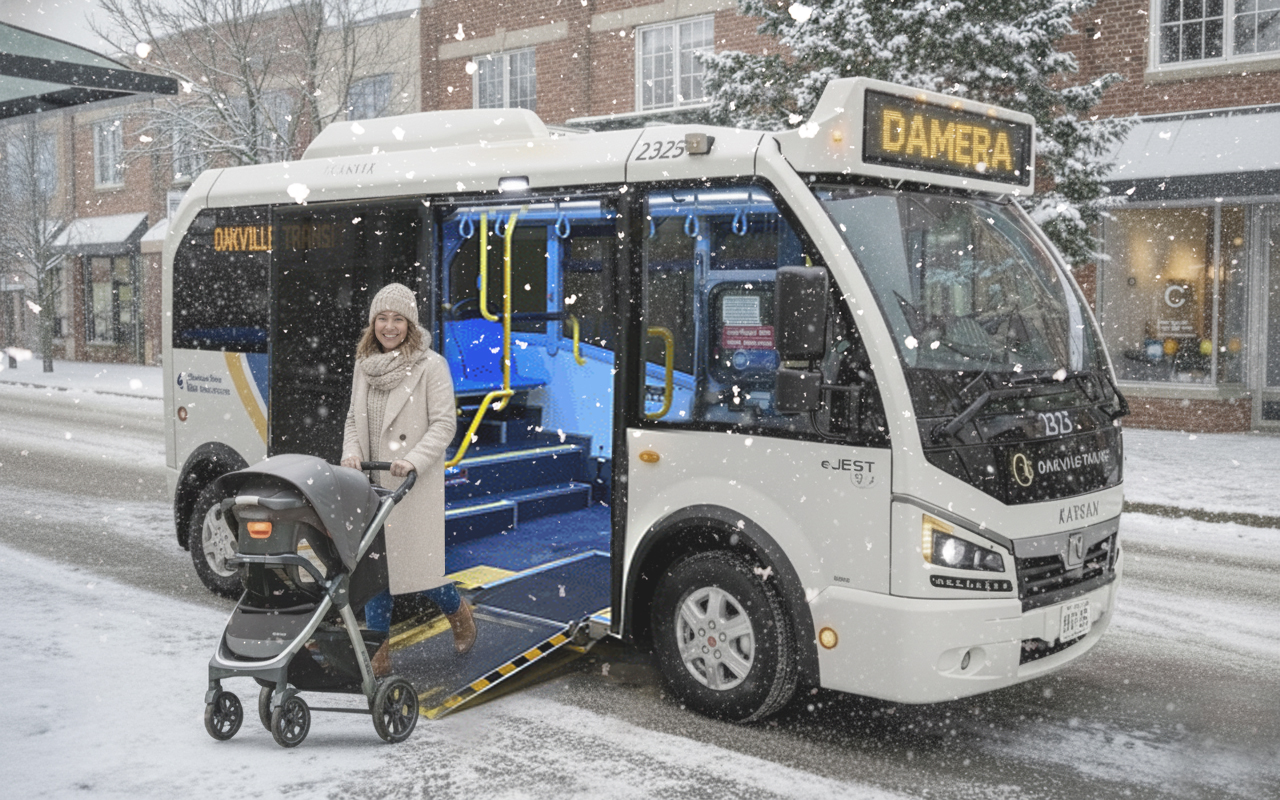
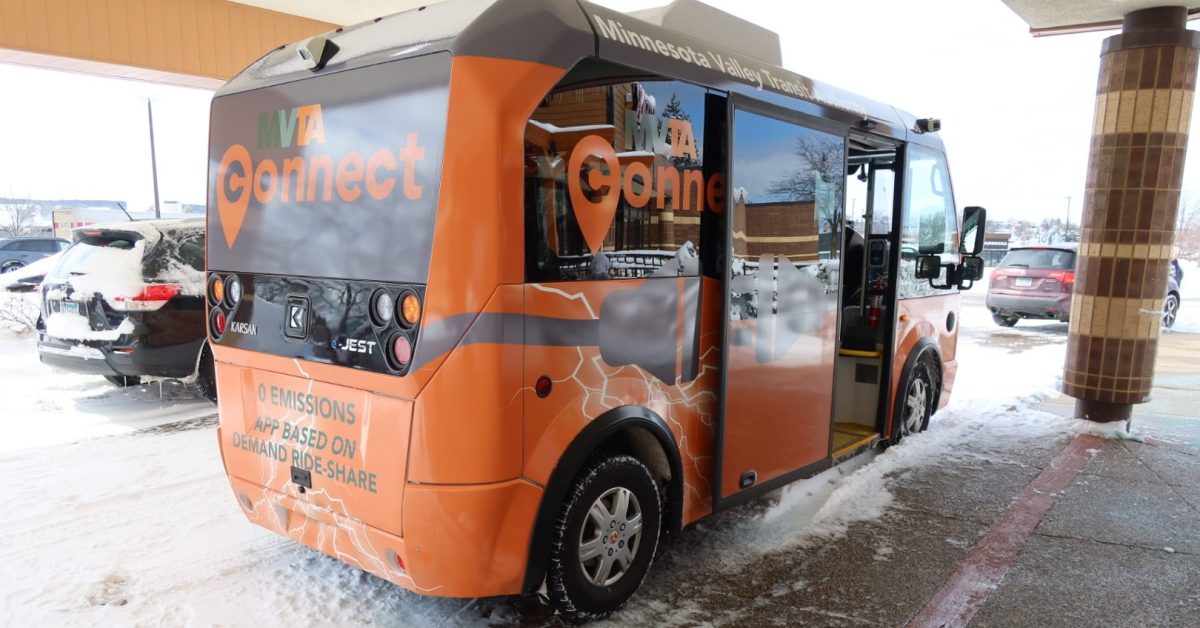
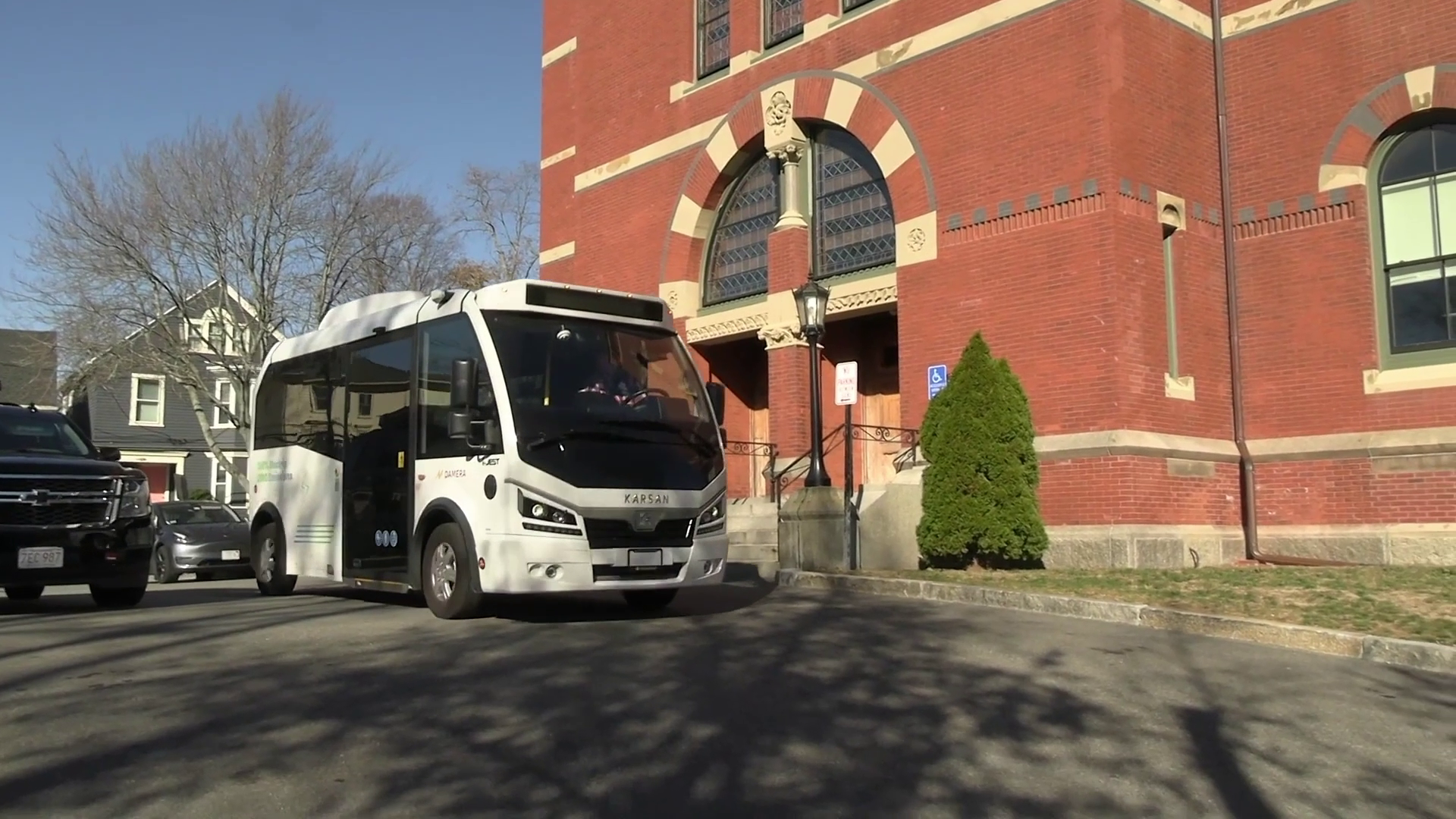
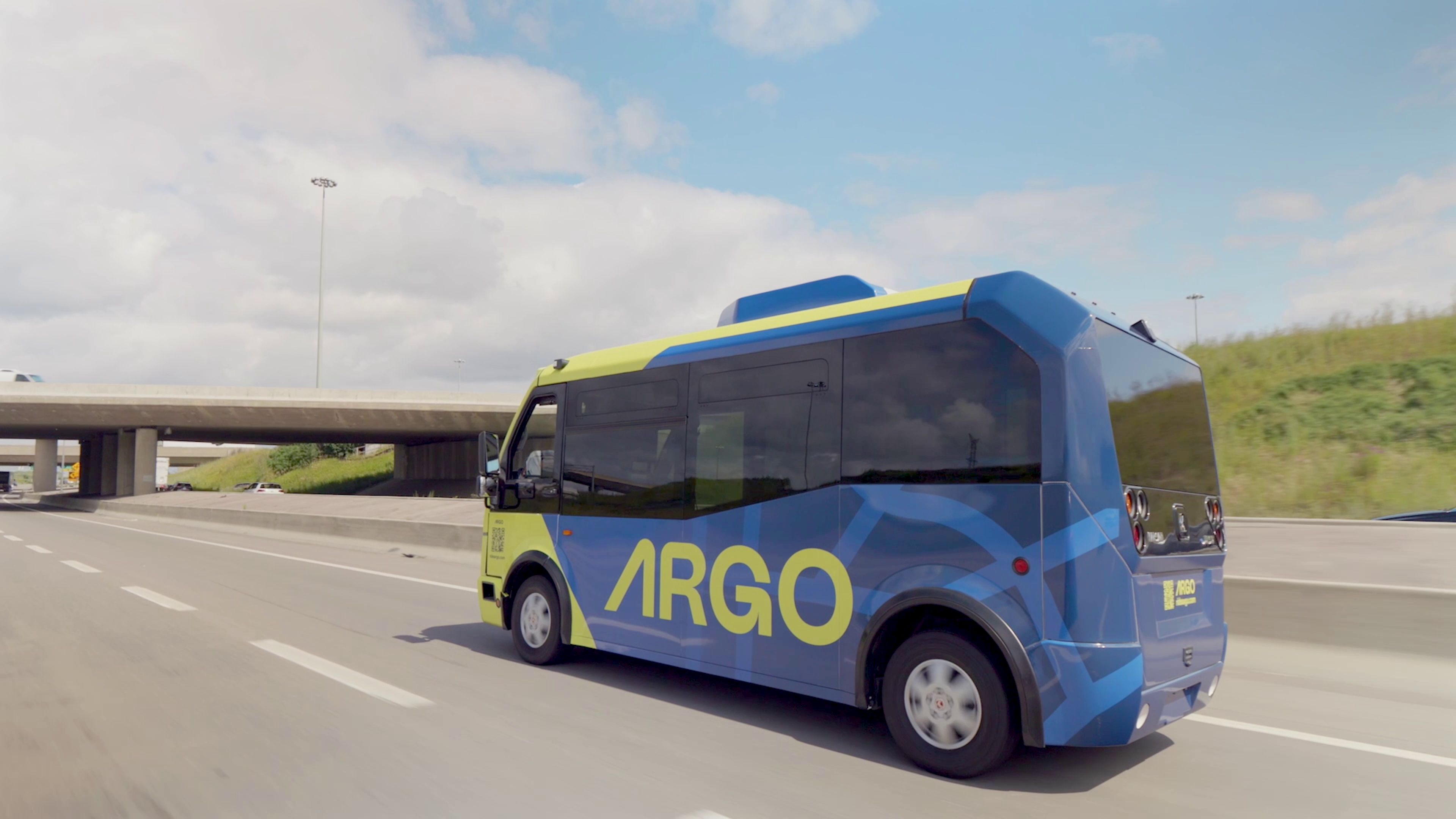
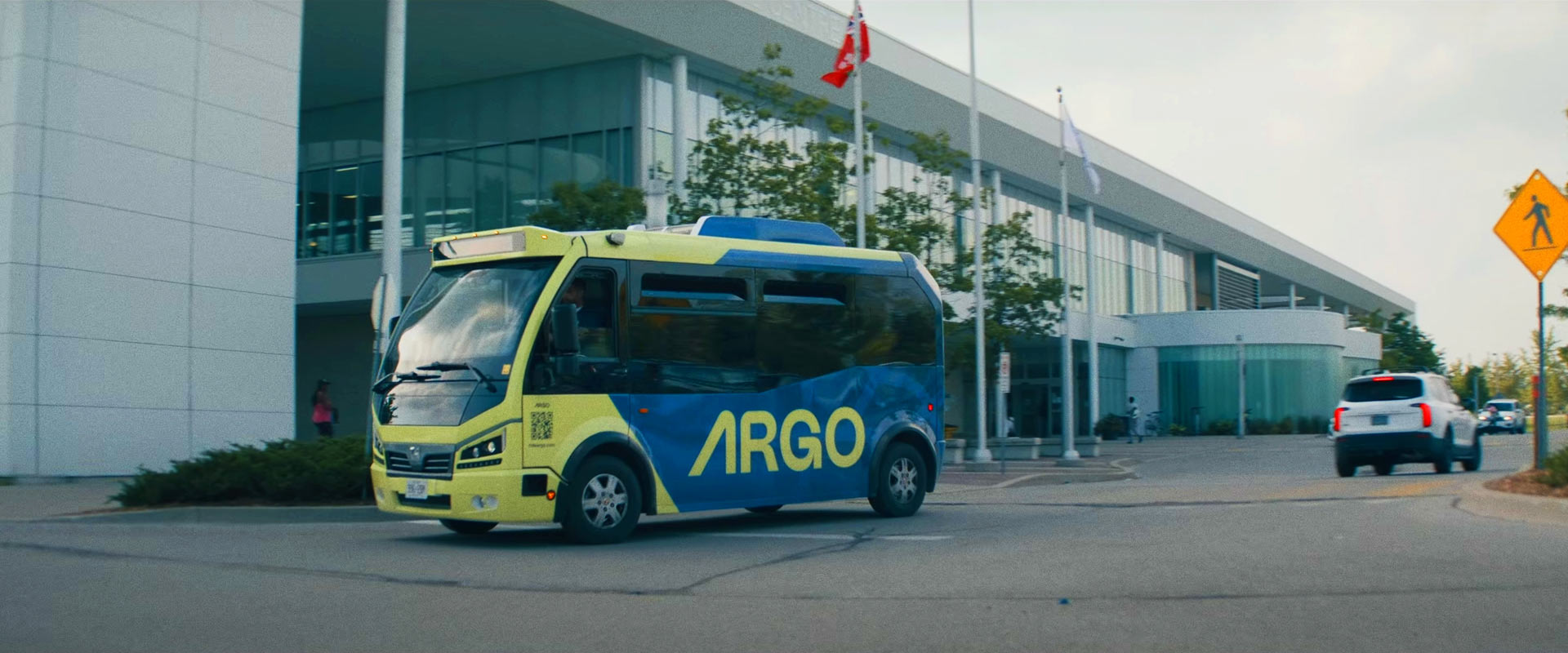
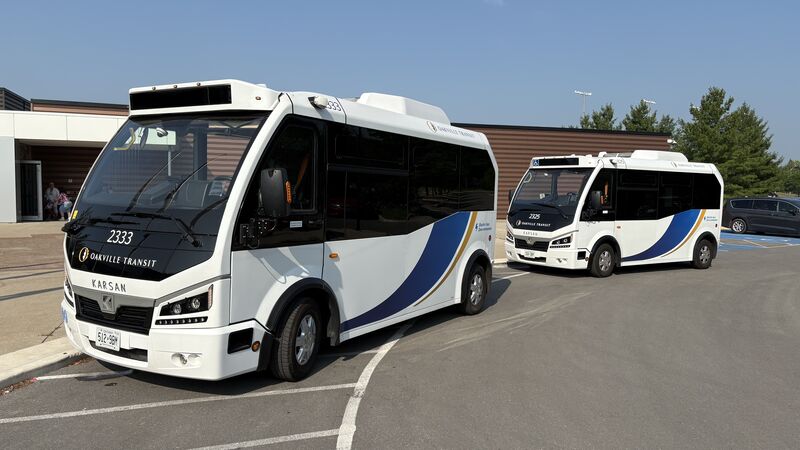
Saint John’s approach replaces traditional 40-foot diesel buses with 20-foot electric buses, paired with an on-demand service model tailored to local travel patterns within the pilot area.
Loughery explained that while many communities have experimented with on-demand transit, Saint John is the first municipality in Canada to combine on-demand service with electric buses—using right-sized, accessible vehicles that make the model more affordable, flexible, and practical to operate.

Kevin Loughery emphasized that the approach reflects practical service planning:
"Having the 40-foot travel around in a circle is not exactly the most economical way of doing it. With the 20-foot and an on-demand service, it can be stopped to wait for the next passenger."
This reflects a broader shift in transit planning: matching vehicle size and service design to actual demand, rather than deploying large buses where capacity is underutilized.
When riders actually want to use the service, ridership follows. An on-demand electric bus like the eJEST reduces friction in everyday travel—shorter waits, less crowding, smoother rides, and stops closer to where people live. The result isn’t just a new vehicle on the road, but a more pleasant, accessible, and human-scaled transit experience that encourages people to choose transit more often.
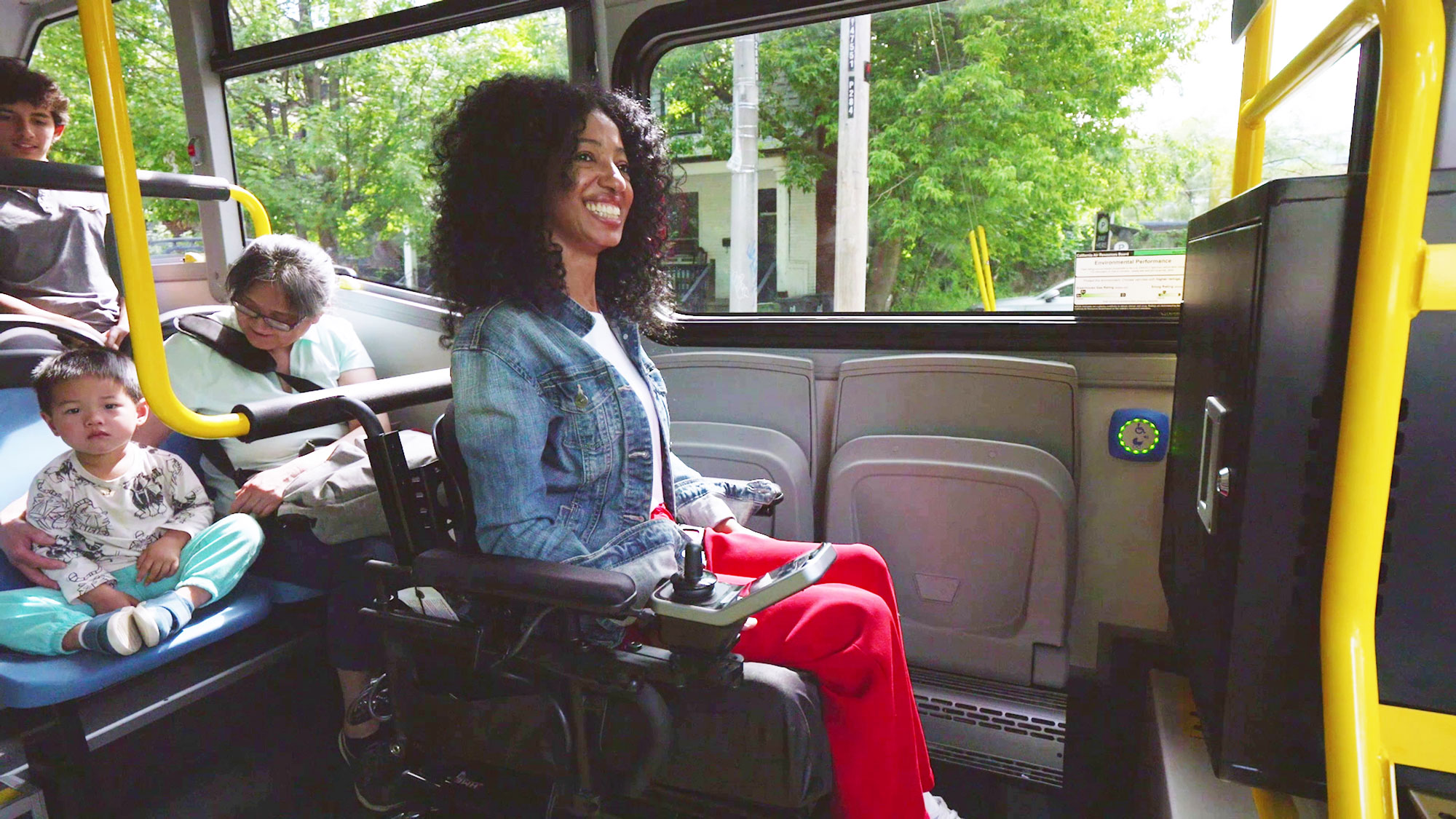
Loughery said the eJEST has been warmly received by riders—often described as “cute”—but its impact goes deeper. Quiet operation, easy boarding, and on-demand flexibility make trips more comfortable and convenient. hat comfort is a key driver of ridership.
Right-Sized Vehicles, Measurable Cost Savings
The pilot also demonstrates the financial advantages of right-sized electric transit vehicles.
- A 20-foot electric bus Karsan eJEST is priced at approximately $350,000
compared with
- a 40-foot diesel bus, that typically costs $600,000–$700,000.
For agencies managing constrained capital budgets, that difference alone can significantly affect fleet planning decisions.
Operating savings extend beyond the purchase price. Fuel costs are where the gap widens further. Diesel buses consume multiple gallons per hour of service, while the eJEST can operate for several hours on an overnight charge at a fraction of the energy cost. In practice, the cost of electricity for overnight charging is significantly lower than the equivalent diesel fuel required for the same service window.
The economical advantage of the eJEST is undeniable. With just 3 to 4 dollars per overnight charge, it offers 6-8 hours of service – a remarkable feat.
For transit agencies evaluating lifecycle cost, these figures reinforce how smaller, purpose-built electric buses can reduce both upfront investment and ongoing operating expenses—particularly in lower-demand or flexible service zones.
Reliability and Driver Engagement Matter
Operational success depends not only on vehicles, but on the people who operate them. Saint John Transit has highlighted the role of its drivers in making the pilot successful.
Kevin Loughery shared that the experience has been a meaningful learning journey for Saint John Transit, underscoring the dedication of drivers who embraced the new technology and worked collaboratively to get the most out of the vehicles.
Drivers have actively engaged with the electric platform—learning how driving behavior affects battery performance, including acceleration, braking, and effective use of regenerative braking. Drivers were dedicated to extracting the most out of the bus's performance. According to Loughery, this hands-on experience has strengthened operator understanding and efficiency, turning the pilot into a valuable learning process for the entire organization.
“They’ve taken it upon themselves to maximize the battery’s life treating it almost like a game, learning how to accelerate, brake, and use regenerative braking to recharge the battery. It’s been an incredible learning experience.”
Their enthusiasm in making this pilot a success is truly inspiring.
Reliability Enables Service Confidence
The decision to expand the pilot into a second service area reflects confidence in the reliability, availability, and practicality of the eJEST in real-world conditions. Agencies do not extend service models unless vehicles can be charged, deployed, and returned to service predictably.
In Saint John’s case, the eJEST has proven capable of supporting:
- On-demand routing
- Frequent stop-and-go operation
- Extended daily service windows
- Cost-effective charging cycles
These characteristics are essential for agencies looking to scale electric service responsibly without compromising reliability.
Why This Matters for Transit Agencies
Saint John’s experience illustrates a broader lesson for transit leaders:
Electrification is most effective when paired with right-sized vehicles and service models that reflect real demand.
Rather than treating electric buses as a one-to-one replacement for large diesel vehicles, Saint John used the eJEST to rethink how service is delivered—improving ridership, lowering costs, and increasing operational flexibility.
For agencies evaluating electric buses, microtransit, or on-demand service, this pilot offers a credible example of how vehicle choice, service design, and operational readiness work together to deliver results.
Damera’s Role
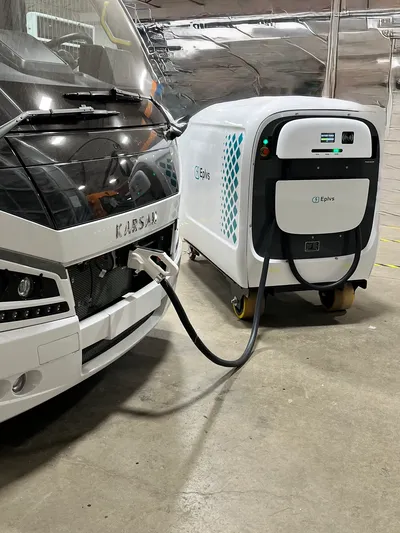
As the North American distributor of the Karsan eJEST, Damera supports transit agencies beyond vehicle delivery—providing guidance on deployment strategy, charging integration, operator training, service readiness, and long-term support.
Saint John’s success underscores what’s possible when electric transit is approached as a system solution, not just a technology upgrade.










.jpeg)










.jpeg)


.jpg)


.svg)