


.svg.avif)




-p-500-p-500.avif)








EV Buses

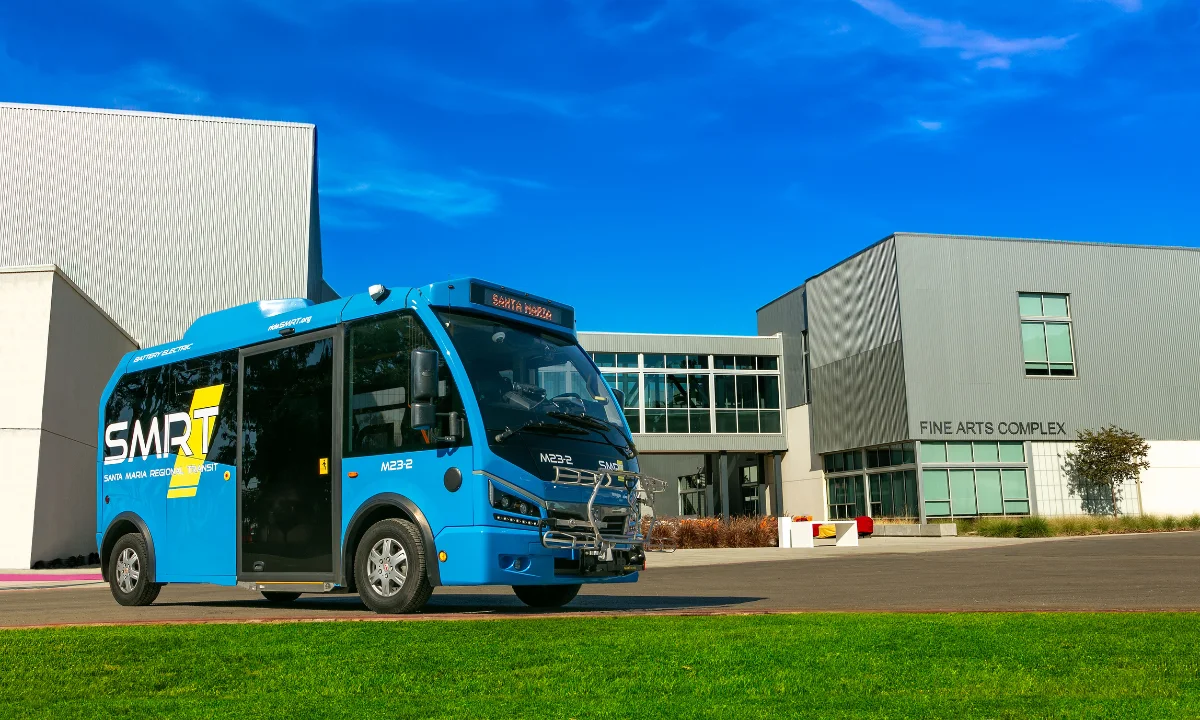
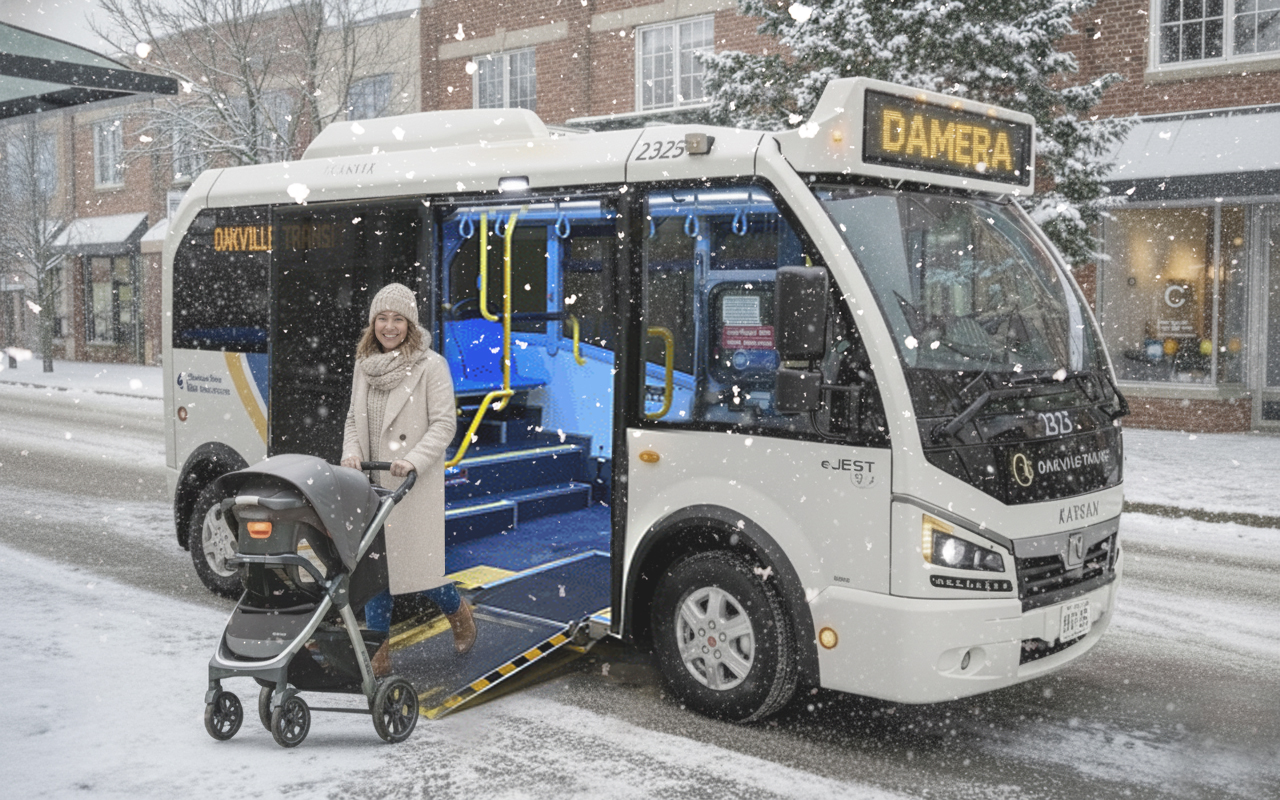
A quiet, efficient, fully accessible electric minibus. The eJEST delivers exceptional maneuverability, low operating costs, and smooth passenger experience.
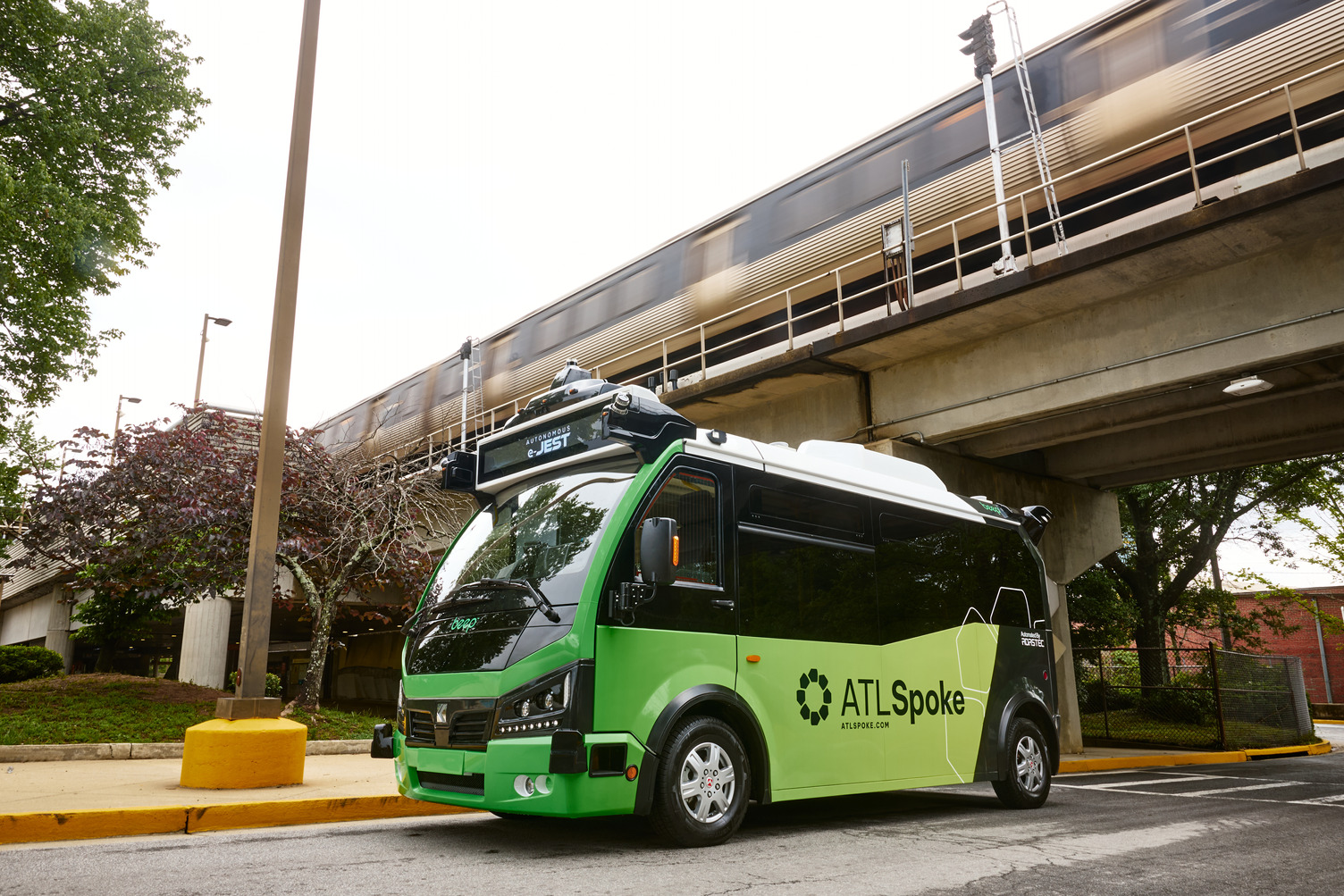
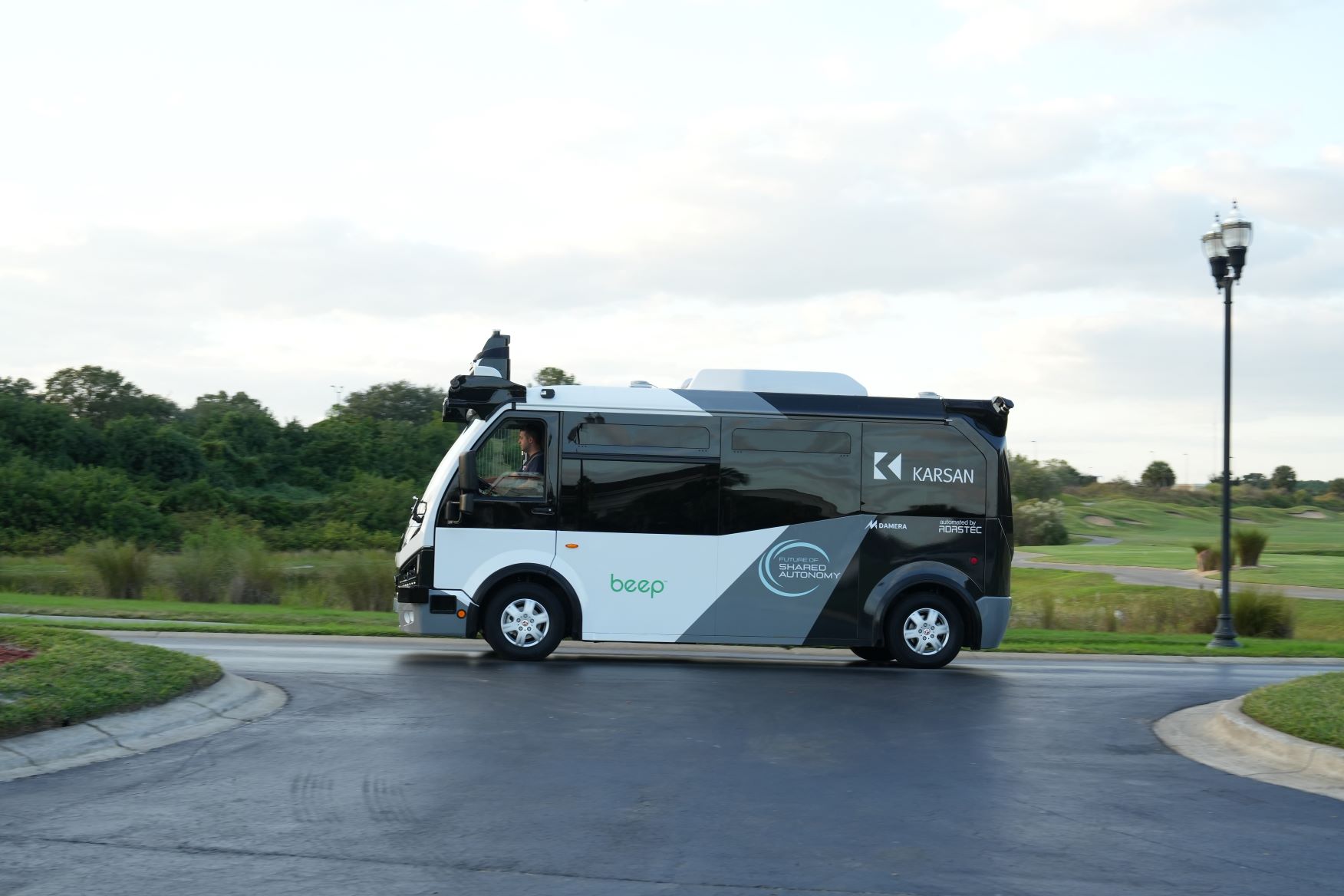
Built on the proven eJEST platform and automated by ADASTEC, this Level-4 autonomous minibus brings reliable, safe, and fully accessible automated transit to real-world routes.


Chargers

All Chargers
Explore all charging options on one page
Services
TUV Level 3
High Voltage Training

Work safely and effectively with high-voltage systems

Charger Installation
Contributes to the seamless integration of electric vehicles

Electrical Engineering
Get your skills in electrical engineering tailored to the transit industry
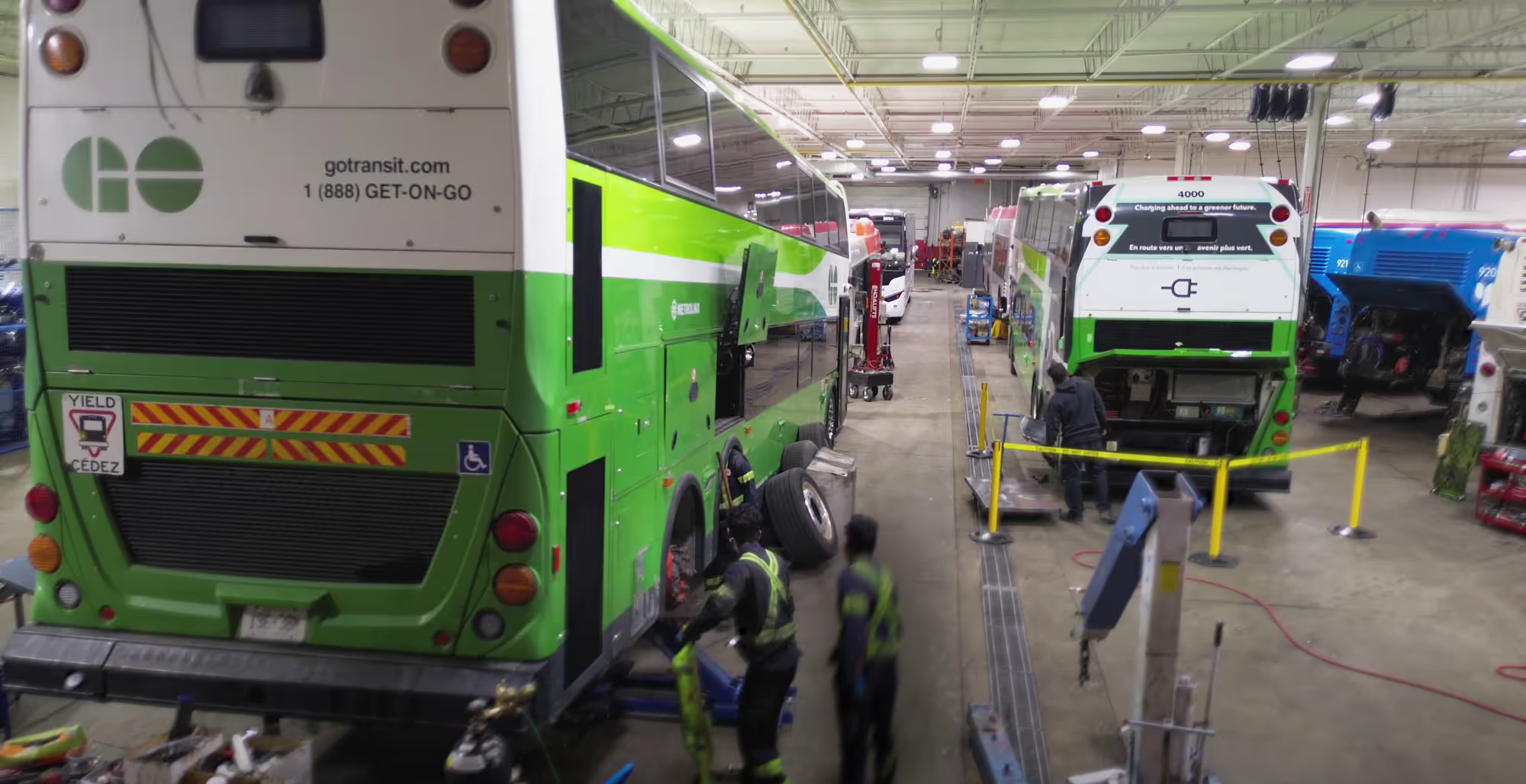
Bus Service (MBCT)
Comprehensive bus service ensuring reliable maintenance, repairs, and safety compliance.
MICROTRANSIT

Paratransit Buses
Learn more about our paratransit vehicles and how we’re improving mobility for people with disabilities and underserved riders.

Micromobility Buses
Discover how our buses support both paratransit needs and provide efficient service in low-ridership areas.

Minibuses for Campuses
Learn how modern electric minibuses create smoother, safer, and more convenient transportation for students and staff.

.svg)
There is no previous post
Previous Post
Next Post
There is no next post
Driving Transit Innovation in Ontario: Engineering, Resilience, and Real-World Performance
No items found.
Innovation in public transportation is not defined by new vehicles alone. It is measured by the systems, expertise, and infrastructure that sustain fleets over decades of daily service. In Ontario, advancing transit innovation means strengthening engineering capability, workforce readiness, and lifecycle support structures that allow modern fleets to perform reliably in real operating environments.
For transit professionals, the challenge is clear: technology adoption must be supported by maintainability, service continuity, and long-term cost stability.
At Damera Group, our foundation is built on operational reality. Through heavy-duty fleet repair, advanced diagnostics, high-voltage system support, refurbishment programs, parts logistics, and vehicle supply, we have developed comprehensive lifecycle insight into how transit and municipal fleets perform under real-world Canadian conditions. This field-level experience informs how we assess new platforms, integrate emerging technologies, and support fleet modernization strategies.
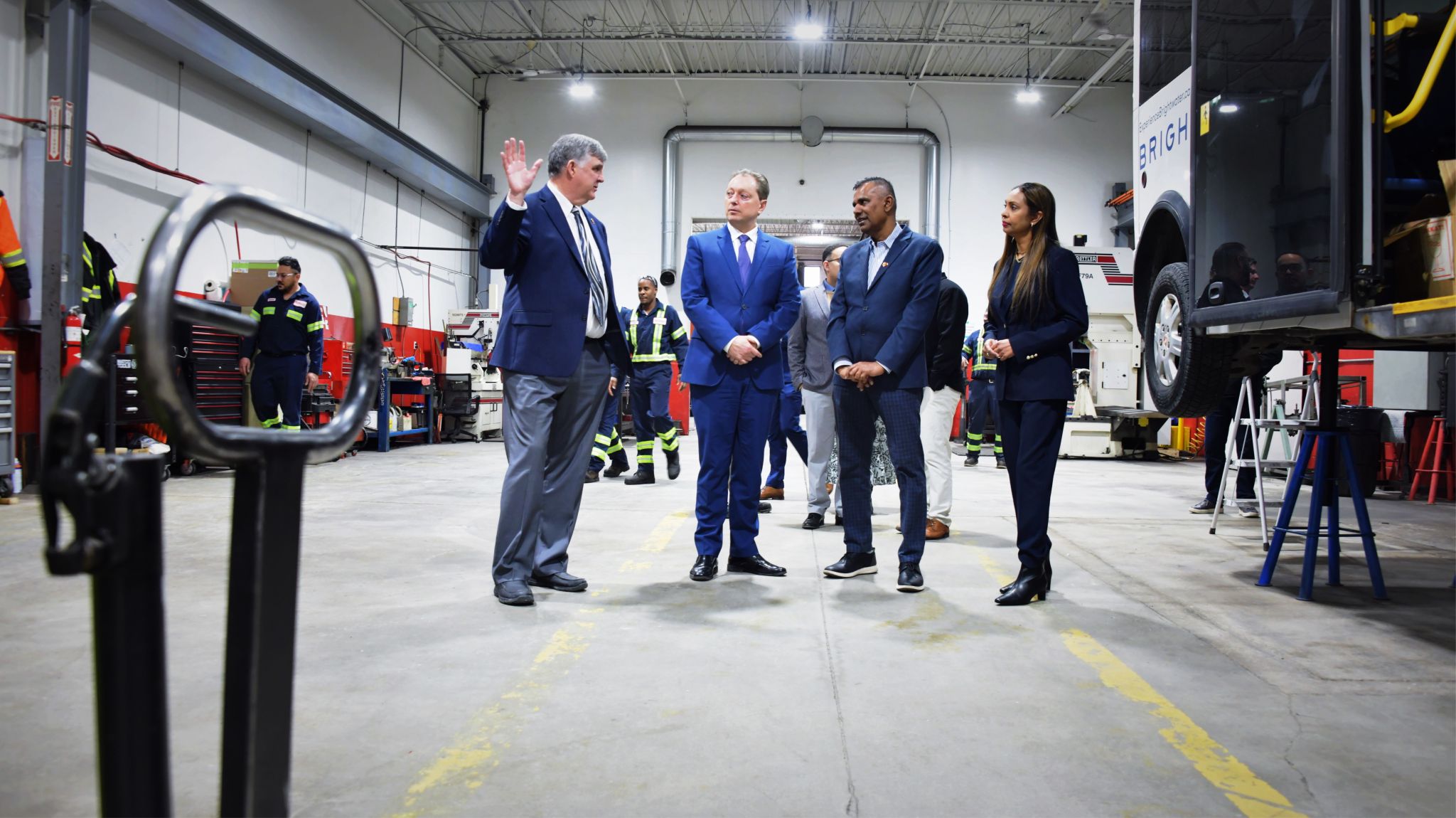
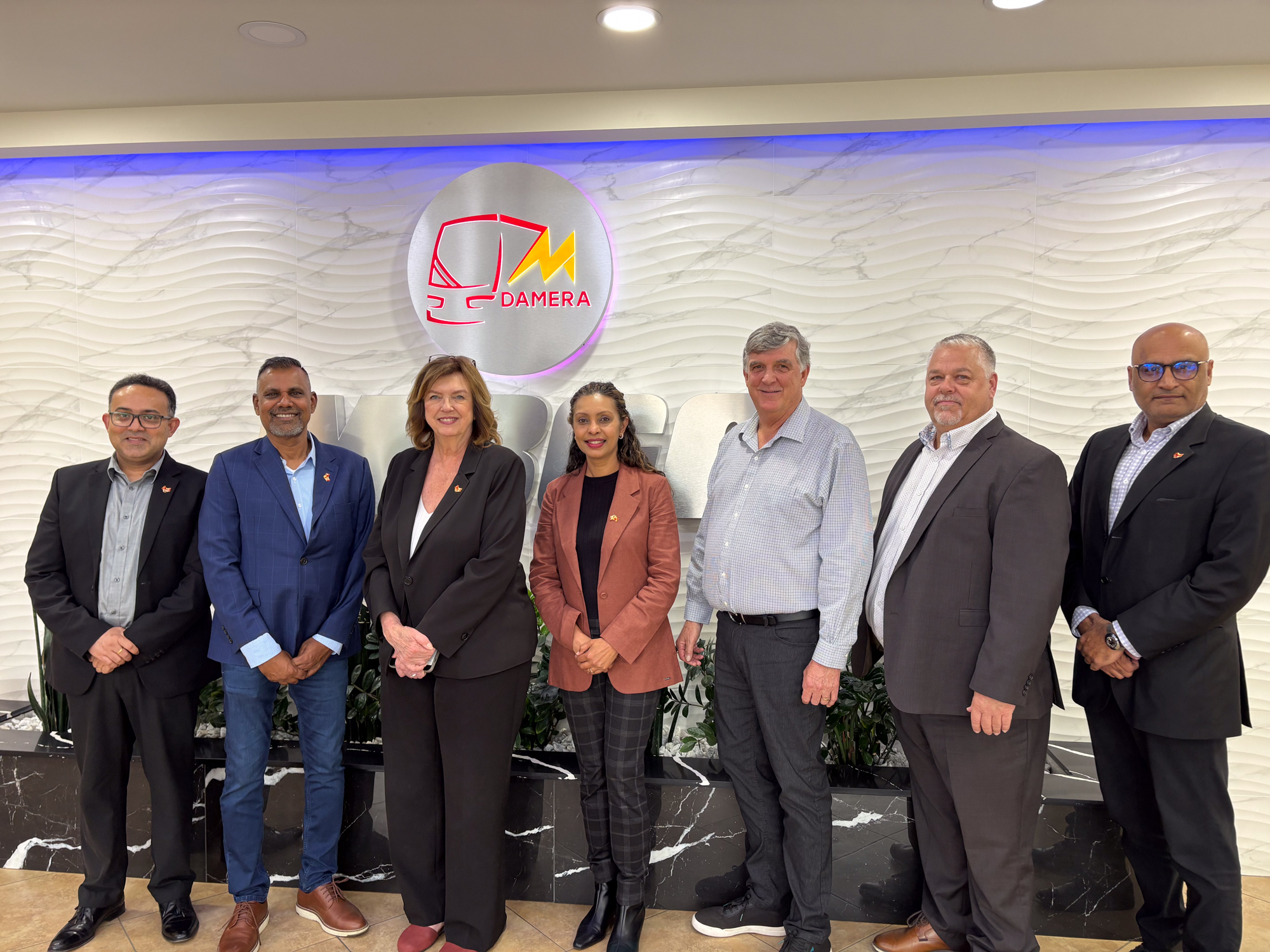
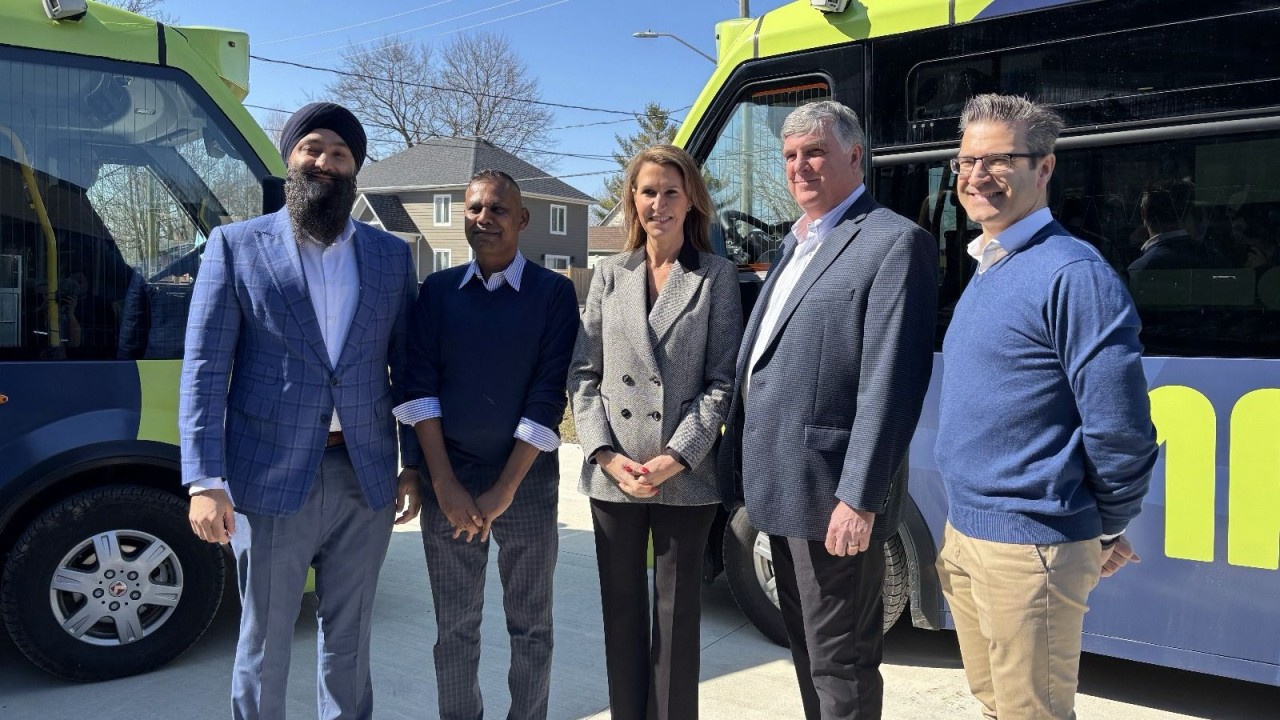
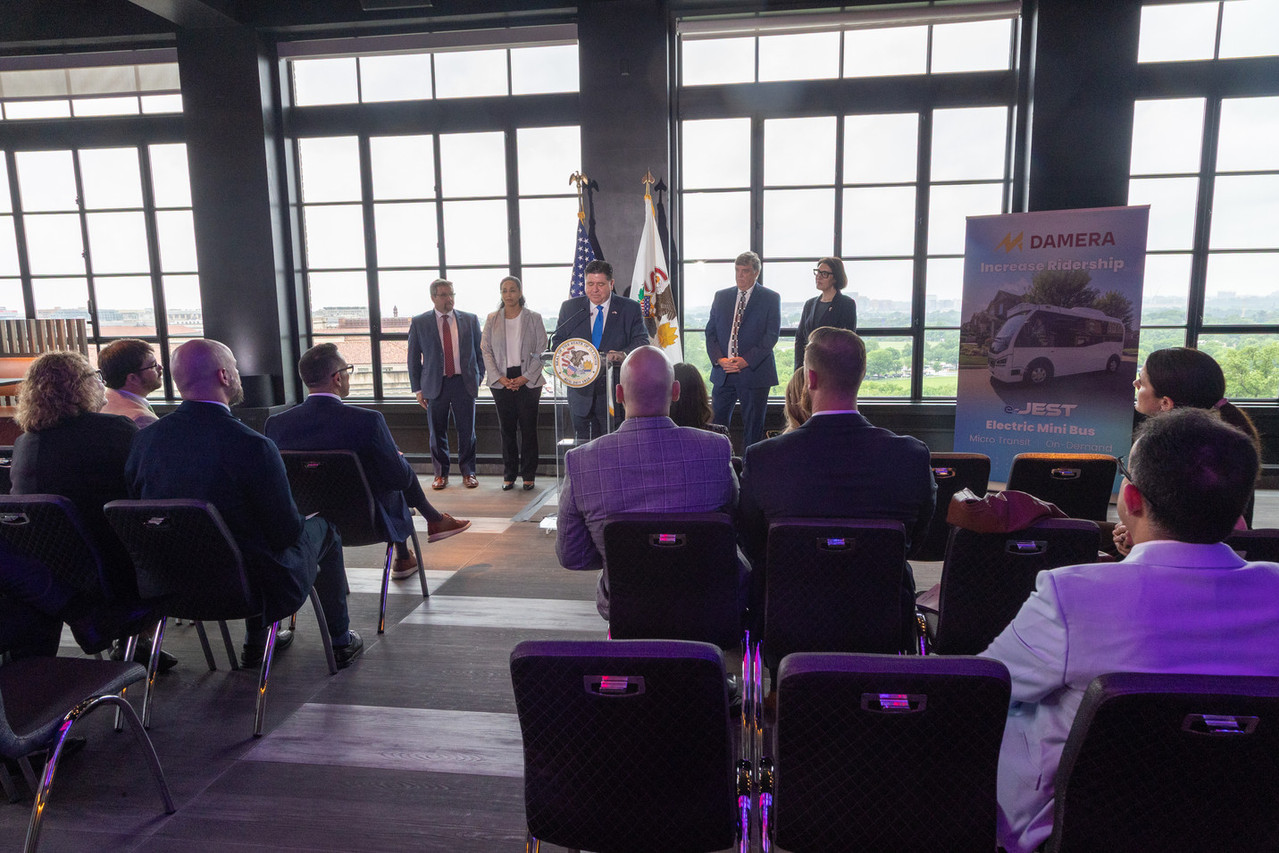
During his recent visit to Damera Group’s Mississauga facility, The Honourable Stephen Crawford, Minister of Public and Business Service Delivery and Procurement and MPP for Oakville, toured our operations and engaged in discussions about strengthening Ontario-based industry. The conversation reinforced an important principle: economic resilience begins with technical capacity at home.
Committed to Keeping Communities Moving
Transit and heavy-duty vehicles form the backbone of regional infrastructure. They connect residents to employment, healthcare, education, and essential services. Beyond transit, emergency response units, municipal service trucks, and commercial fleets ensure public safety and economic continuity.
When these systems operate reliably, communities function efficiently. When they fail, the consequences are immediate.
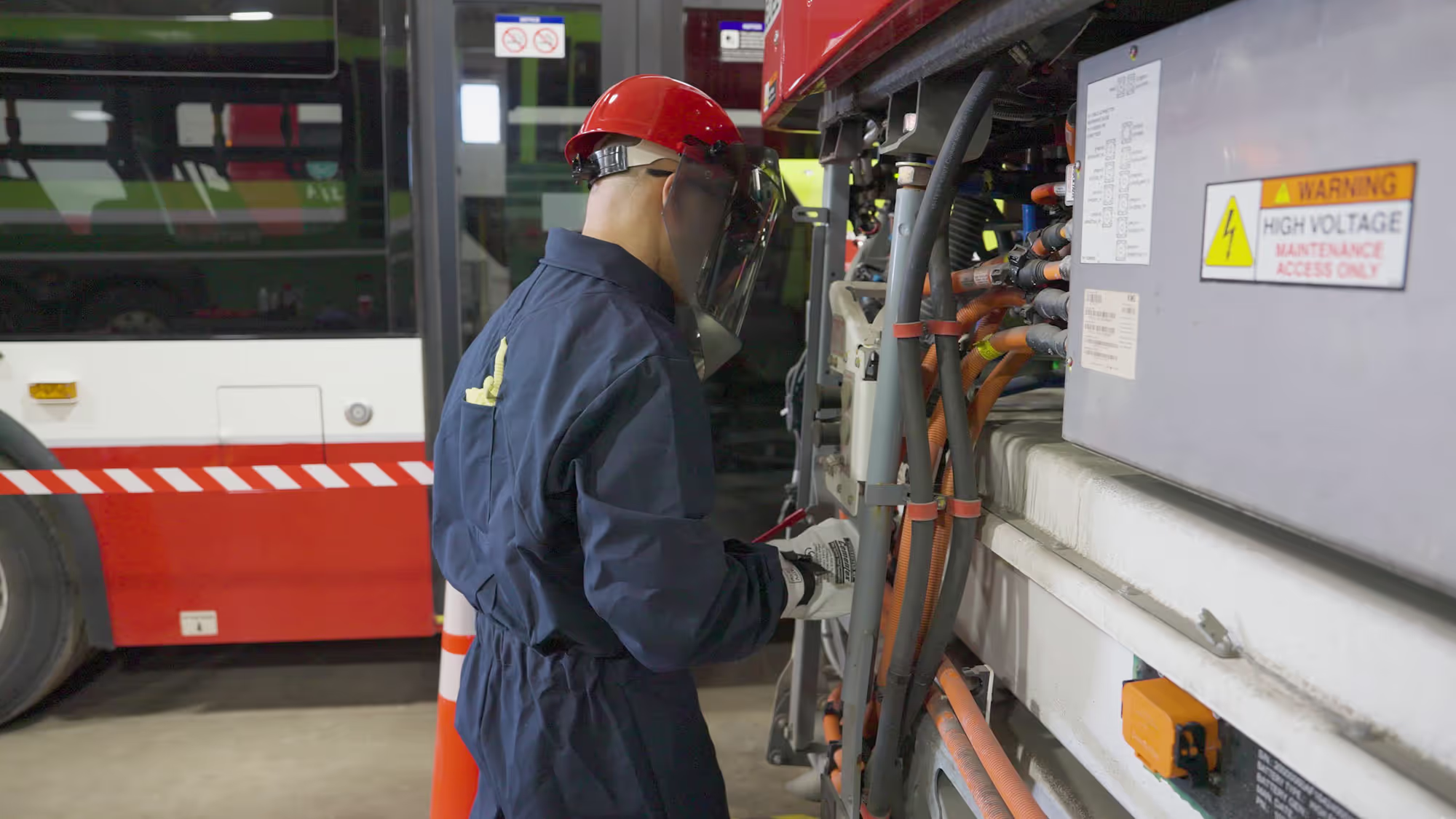
Through Mississauga Bus Coach & Truck Repairs, we provide specialized diagnostics, drivetrain rehabilitation, high-voltage support, structural refurbishment, and lifecycle maintenance services that help keep essential fleets operational. Our role extends beyond mechanical repair — it supports community resilience, public safety, and regional productivity.
For transit leaders, this reinforces a key reality: fleet reliability is not simply an operational objective; it is a public responsibility.
Enabling the Electric Transition
The shift toward electric mobility represents a structural transformation of transit systems. Moving from internal combustion to zero-emission platforms affects fleet planning, depot design, workforce training, budgeting, and long-term asset management.
Electric fleet deployment requires:
• Charging infrastructure integration
• High-voltage safety training
• Diagnostic capability upgrades
• Software and telematics adaptation
• Lifecycle cost forecasting
Without these elements, electrification risks becoming a procurement milestone rather than an operational success.
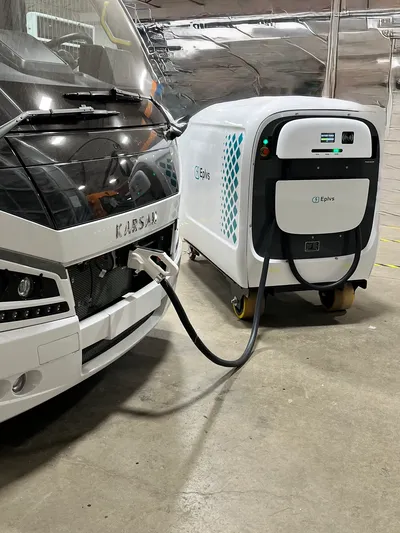
Our approach focuses on making electrification practical. By combining engineering discipline with hands-on service experience, we support transit agencies in deploying electric minibuses, motorcoaches, and charging systems that are durable, maintainable, and aligned with route demands. Each solution is evaluated through the lens of total cost of ownership, duty-cycle suitability, and long-term service sustainability in Canadian operating environments.

For transit professionals, sustainable mobility must be both technologically advanced and operationally sound.
The Broader Impact of Electric Mobility Innovation
Transit innovation carries economic implications beyond environmental performance.
Strengthening Ontario’s technical and engineering capacity ensures that expertise remains within the province. Developing high-voltage diagnostics capability, lifecycle fleet systems, and advanced powertrain support locally reduces dependence on external service ecosystems and reinforces domestic supply networks.
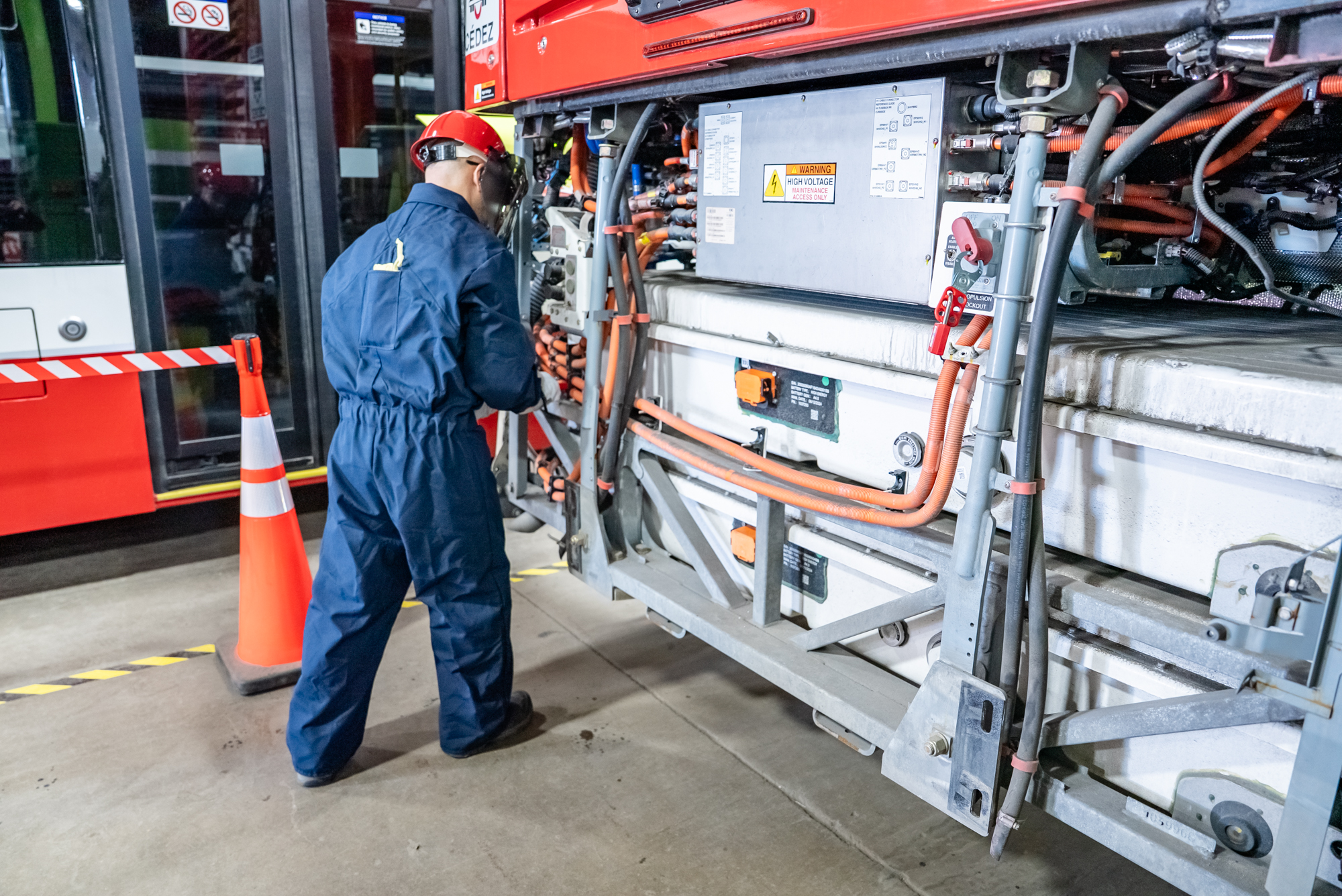
For Ontario, this means:
• Retaining economic value within the province
• Supporting high-value skilled employment
• Expanding advanced mobility competencies
• Stabilizing supply chains
For individuals, it creates pathways into emerging technical careers — from EV system diagnostics to infrastructure integration and fleet software management.
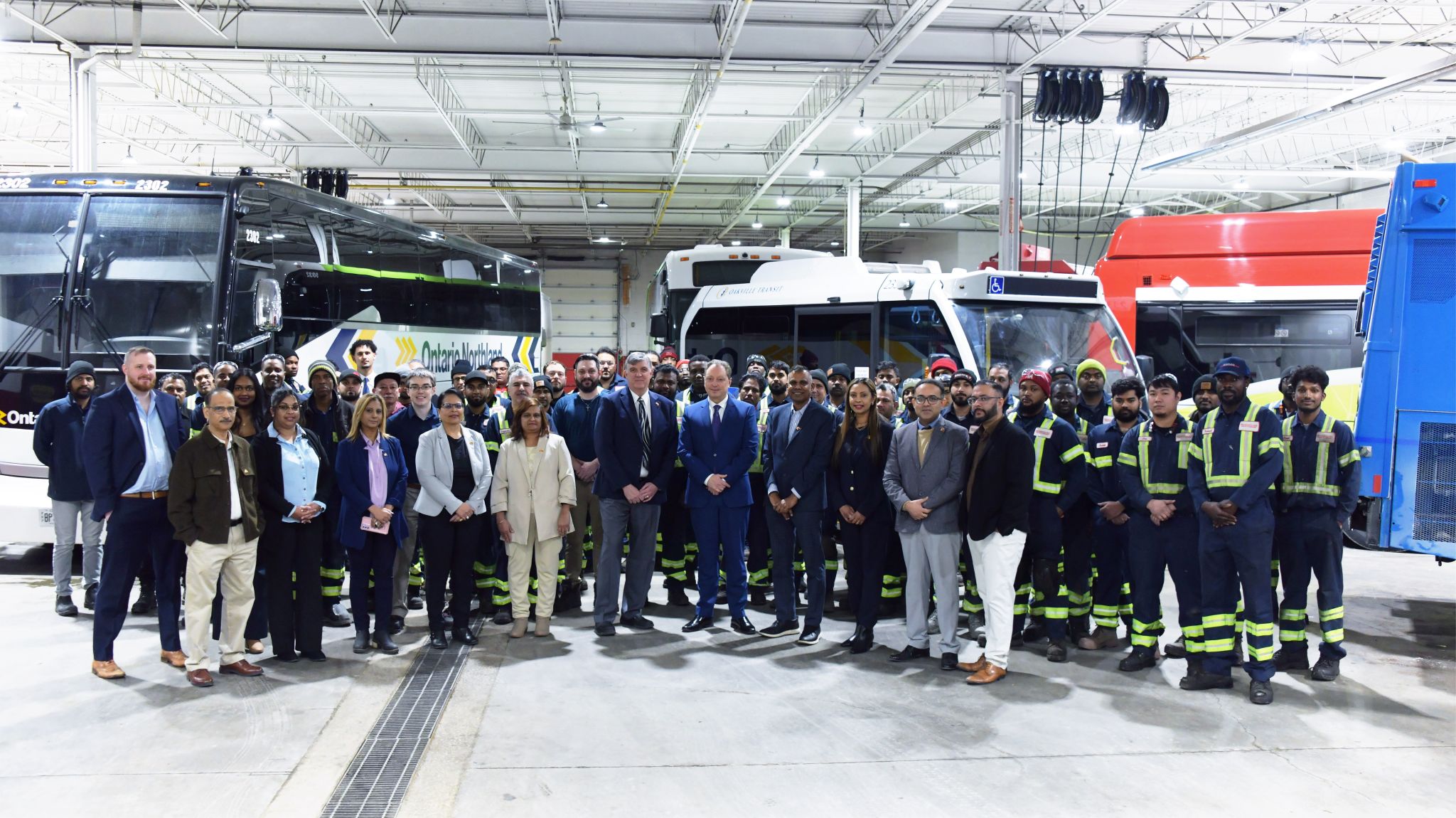
For Canada, it strengthens national competitiveness in a global mobility transition.
Sustainable transit innovation is therefore not solely an environmental strategy — it is an economic and industrial development strategy.
Innovation That Performs in Service
Technology creates resilience together with engineering discipline, operational knowledge, and long-term support systems.
By aligning real-world transit experience with advanced engineering capability, Damera Group contributes to the development of more reliable, efficient, and future-ready transportation networks across Ontario and Canada.









.jpeg)








.jpeg)


.jpg)





.svg)