


.svg.avif)




-p-500-p-500.avif)







EV Buses

A quiet, efficient, fully accessible electric minibus. The eJEST delivers exceptional maneuverability, low operating costs, and smooth passenger experience.
Built on the proven eJEST platform and automated by ADASTEC, this Level-4 autonomous minibus brings reliable, safe, and fully accessible automated transit to real-world routes.


Chargers

All Chargers
Explore all charging options on one page
Services
TUV Level 3
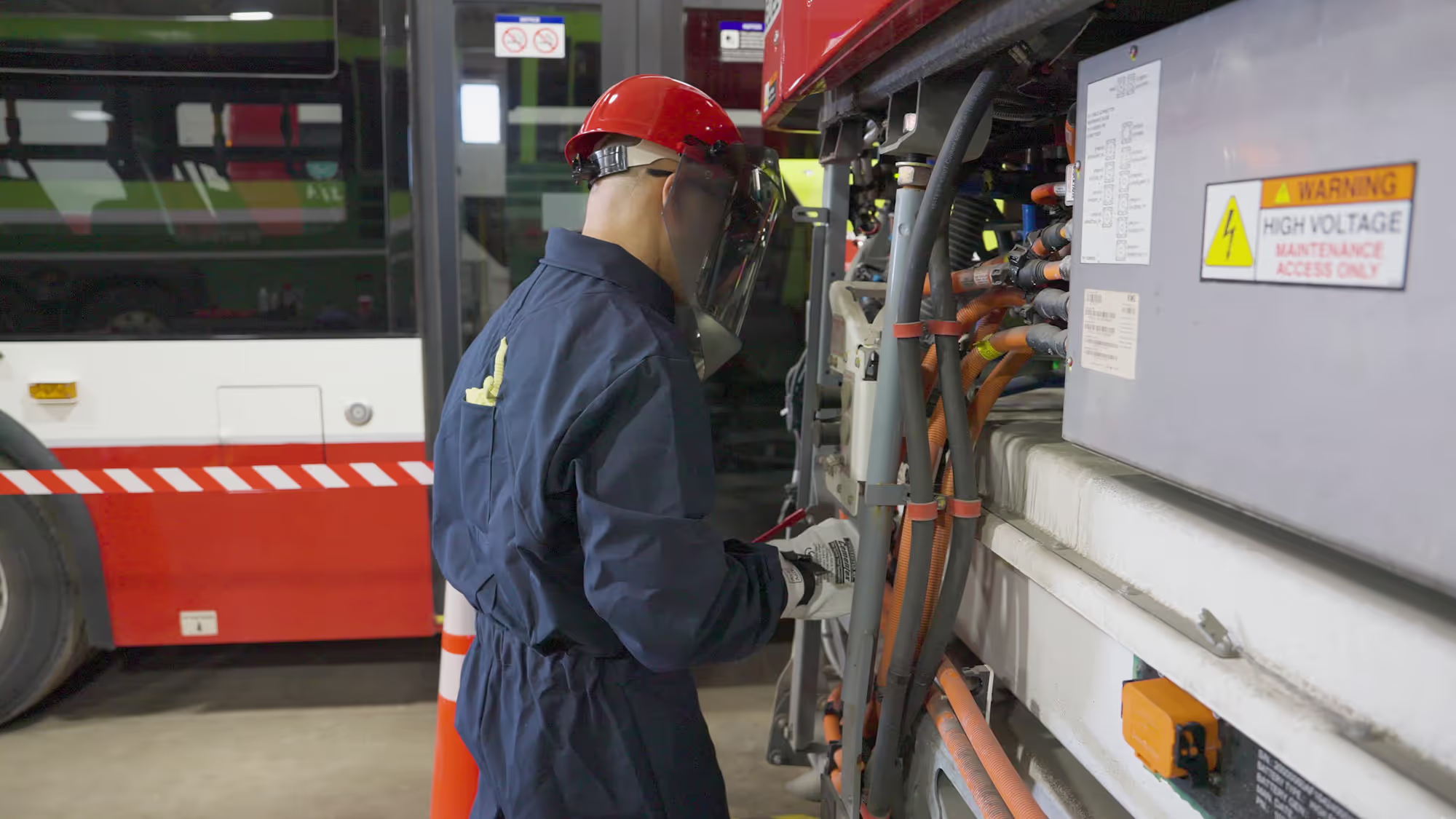
High Voltage Training

Work safely and effectively with high-voltage systems

Charger Installation
Contributes to the seamless integration of electric vehicles

Electrical Engineering
Get your skills in electrical engineering tailored to the transit industry
Bus Service (MBCT)
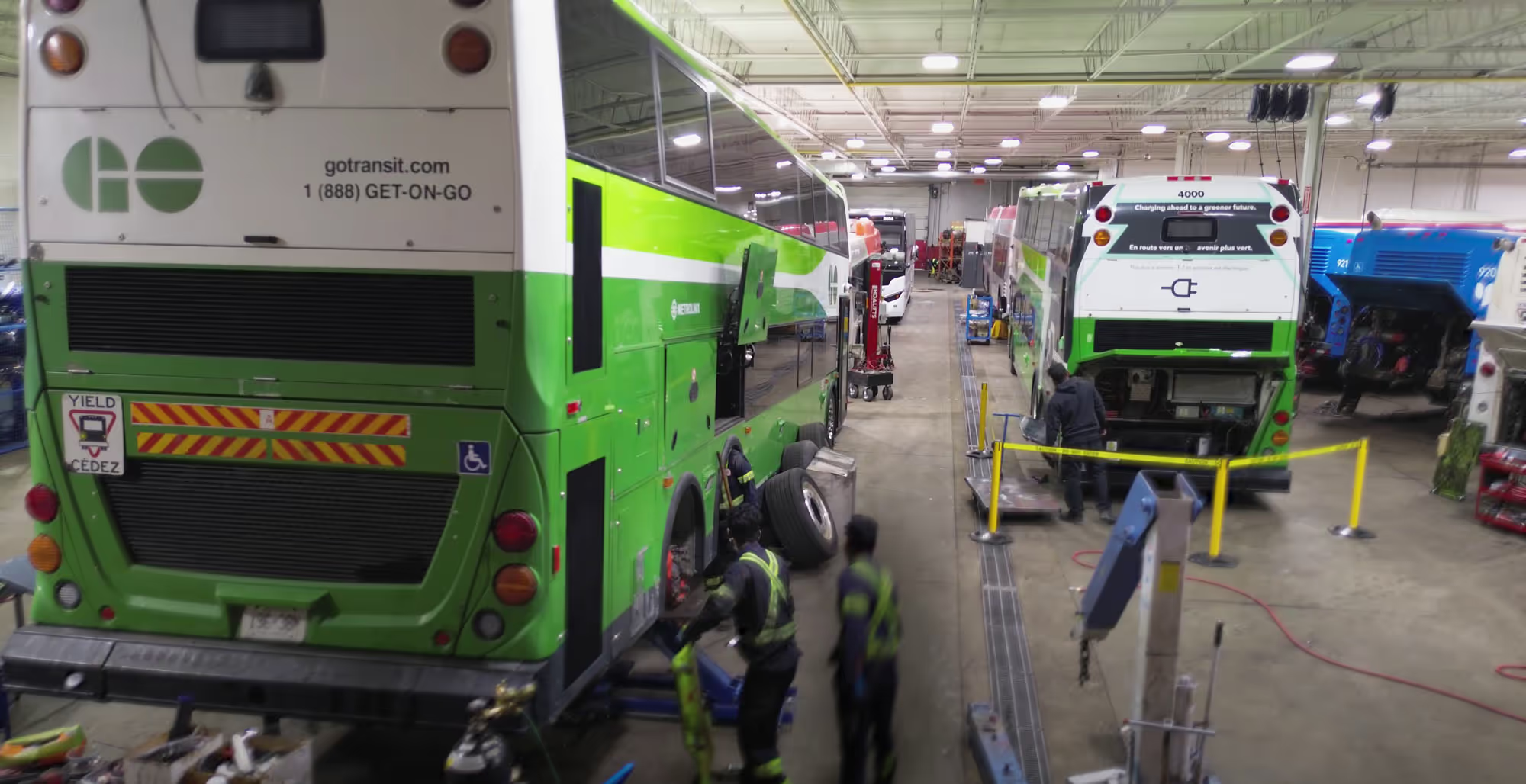
Comprehensive bus service ensuring reliable maintenance, repairs, and safety compliance.
MICROTRANSIT

Paratransit Buses
Learn more about our paratransit vehicles and how we’re improving mobility for people with disabilities and underserved riders.

Micromobility Buses
Discover how our buses support both paratransit needs and provide efficient service in low-ridership areas.

Minibuses for Campuses
Learn how modern electric minibuses create smoother, safer, and more convenient transportation for students and staff.

.svg)
There is no previous post
Previous Post
Next Post
There is no next post
What Oakville Transit and eJEST Buses Teach About Scalable Fleet Electrification
No items found.
Electrifying a transit fleet is an institutional transformation that affects infrastructure planning, capital budgeting, maintenance protocols, scheduling systems, energy management, workforce development, and long-term asset strategy.
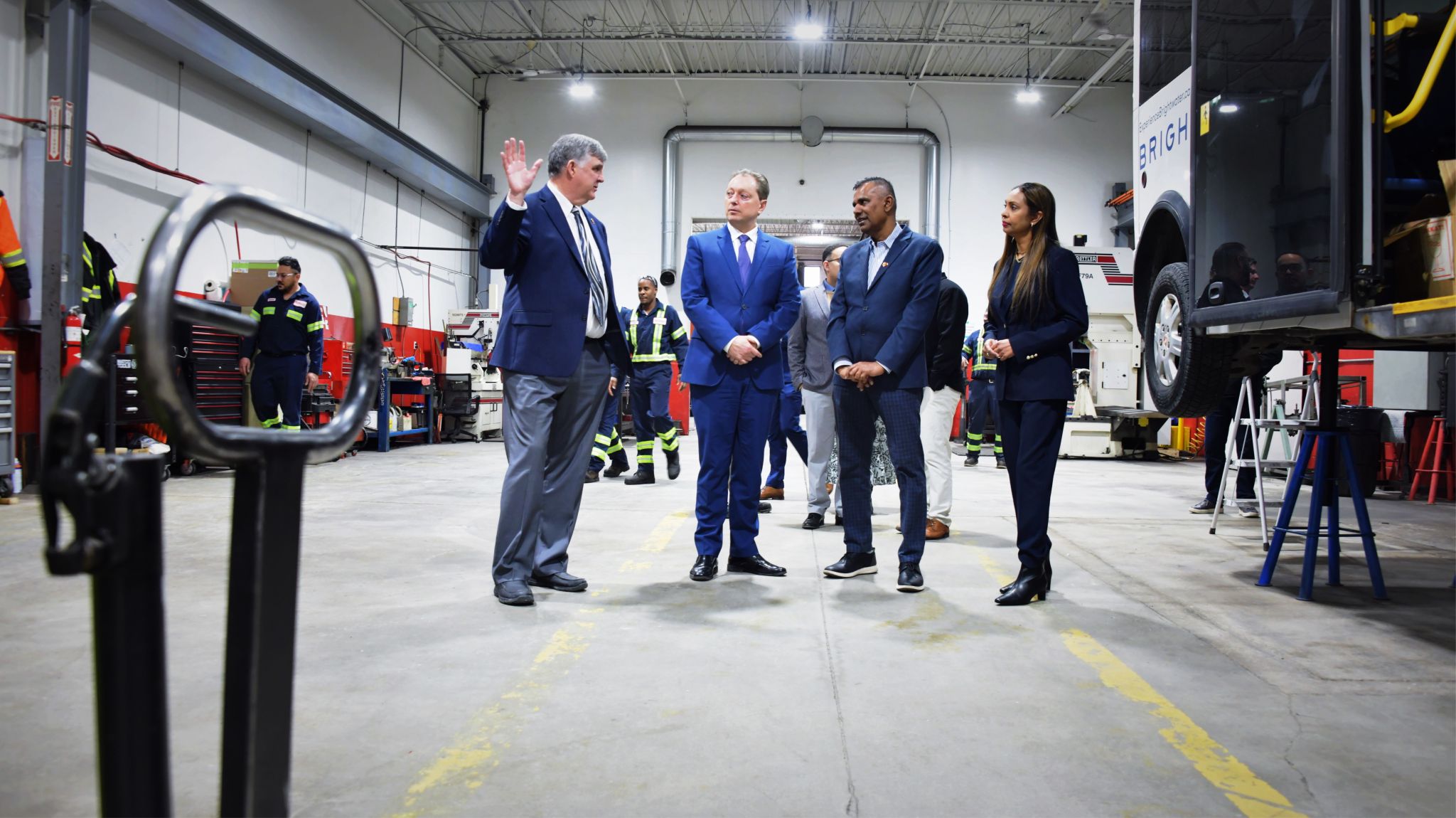
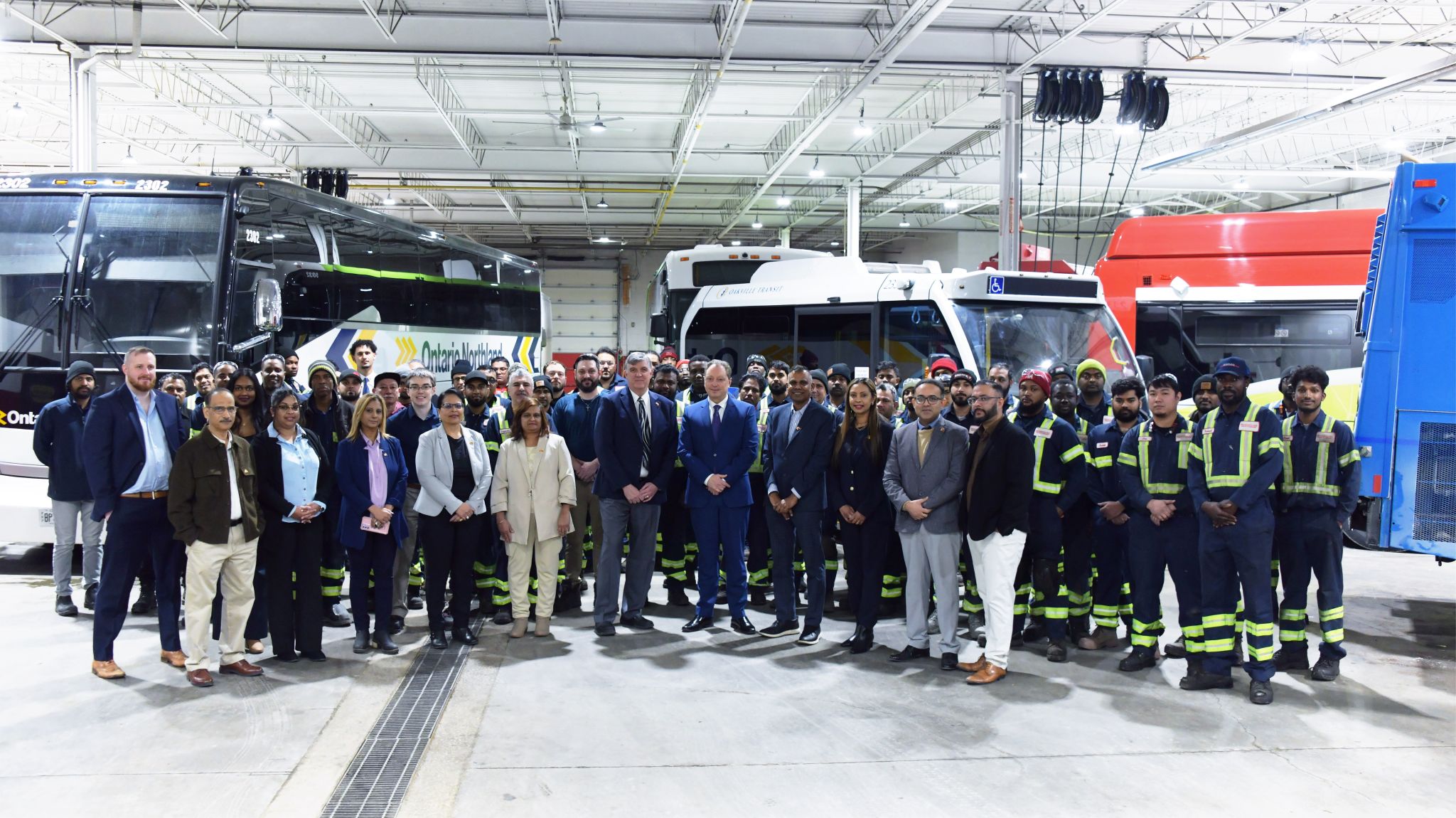
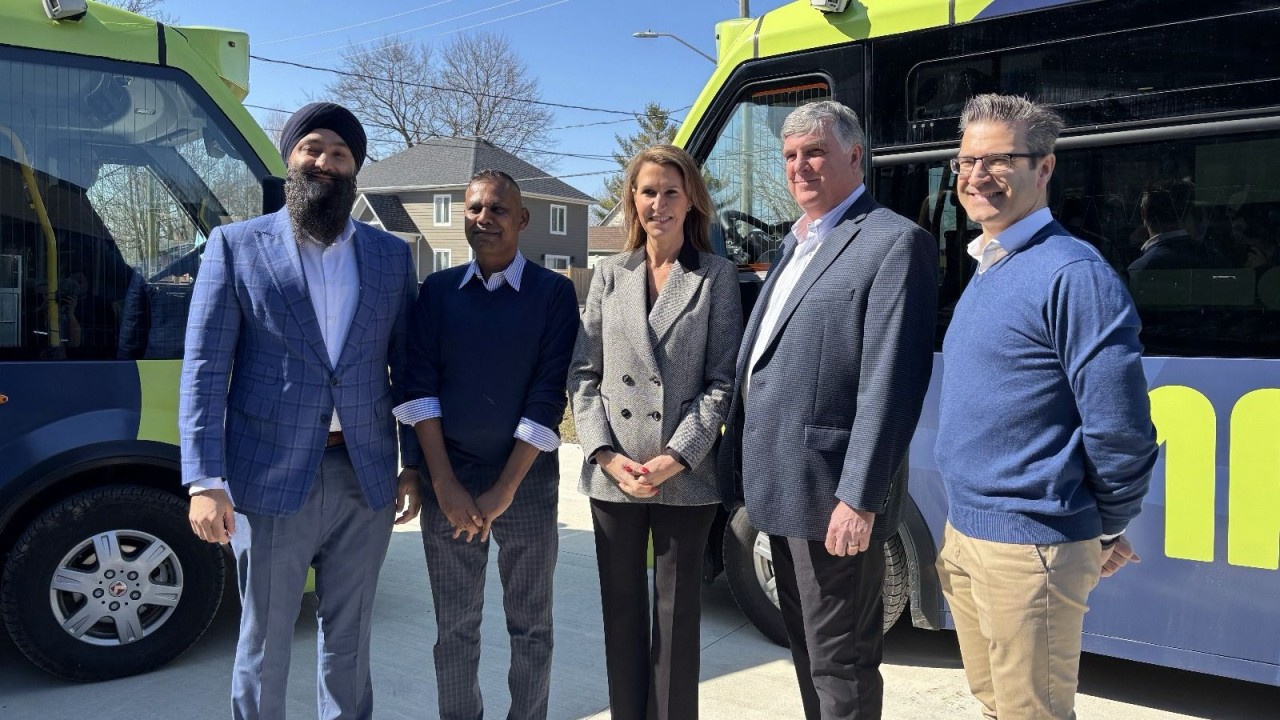
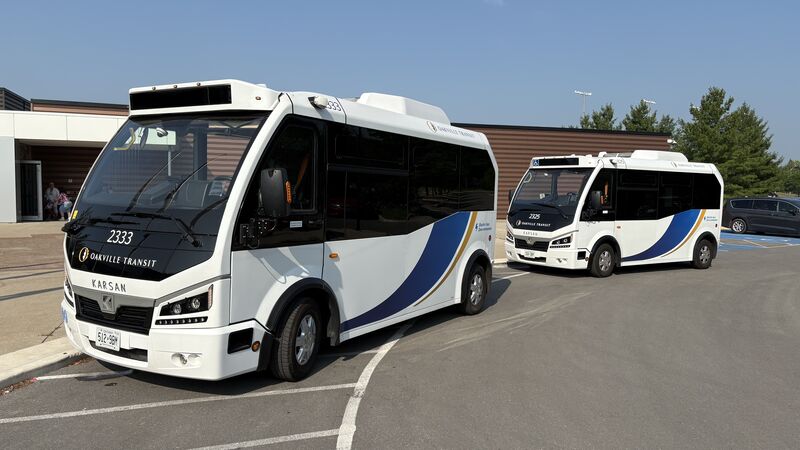
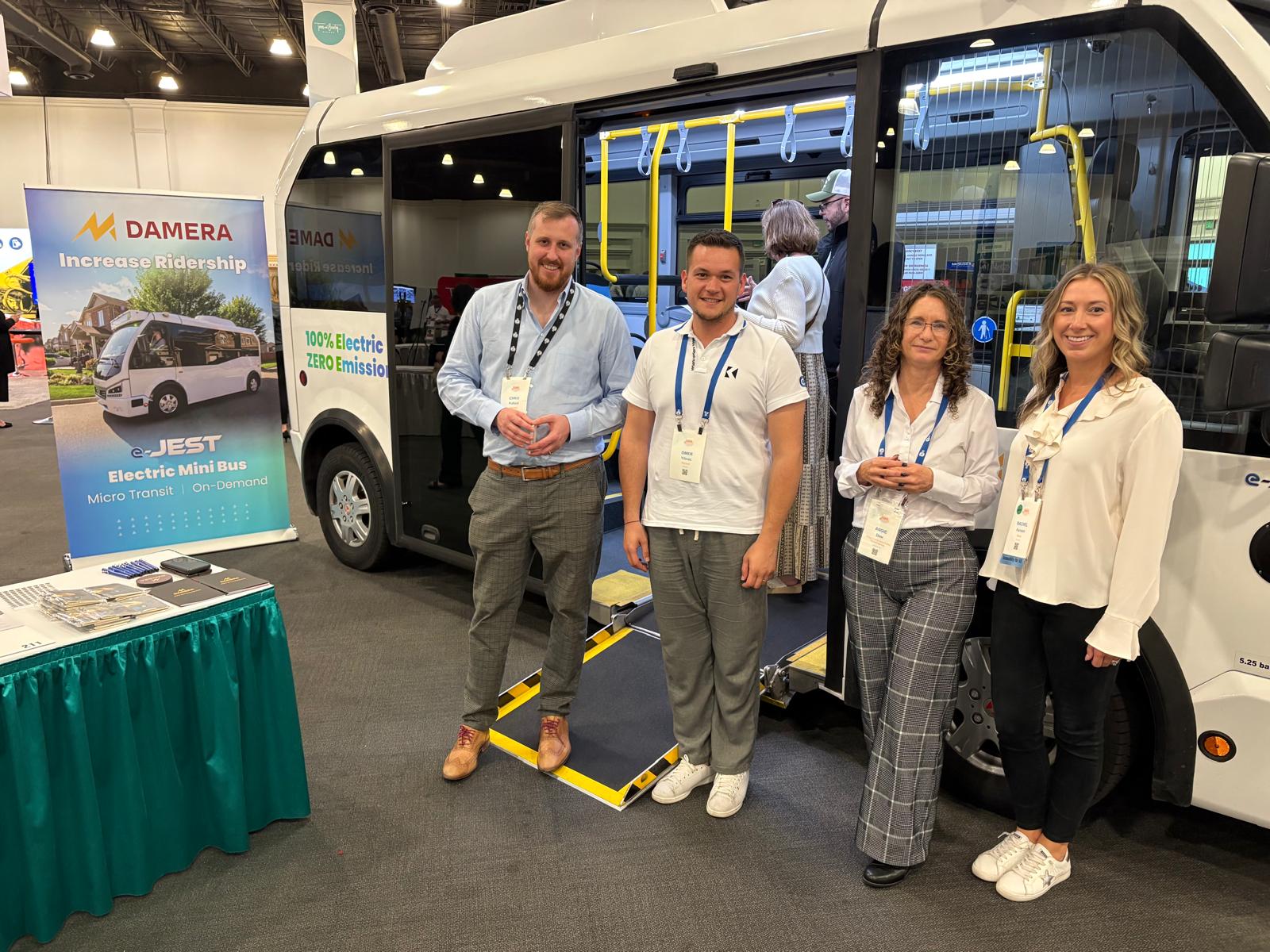
Recently, Electric Autonomy featured Oakville Transit in an in-depth interview examining the agency’s real-world experience operating electric buses and its stated objective to electrify 50 per cent of its fleet by 2026. We reference this coverage because it documents practical, day-to-day operational realities rather than theoretical projections. As Damera Corporation supplied 15 electric buses to Oakville Transit in 2023, the perspectives shared by transit leadership provide independent insight into post-deployment performance and the systemic considerations behind electrification.
Oakville’s transition did not begin with large-scale fleet replacement. It began with policy direction. The municipality’s climate emergency declaration established a framework that enabled transit electrification to move from discussion to execution. With clear municipal alignment, Oakville Transit was able to structure long-term transition planning, coordinate funding streams, and prepare its operations for zero-emission integration.
Importantly, the agency did not begin with its largest platforms.
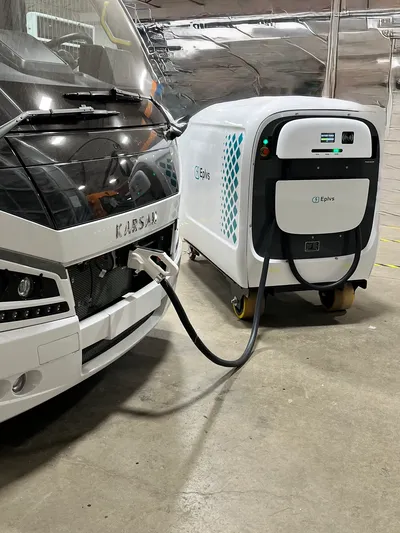
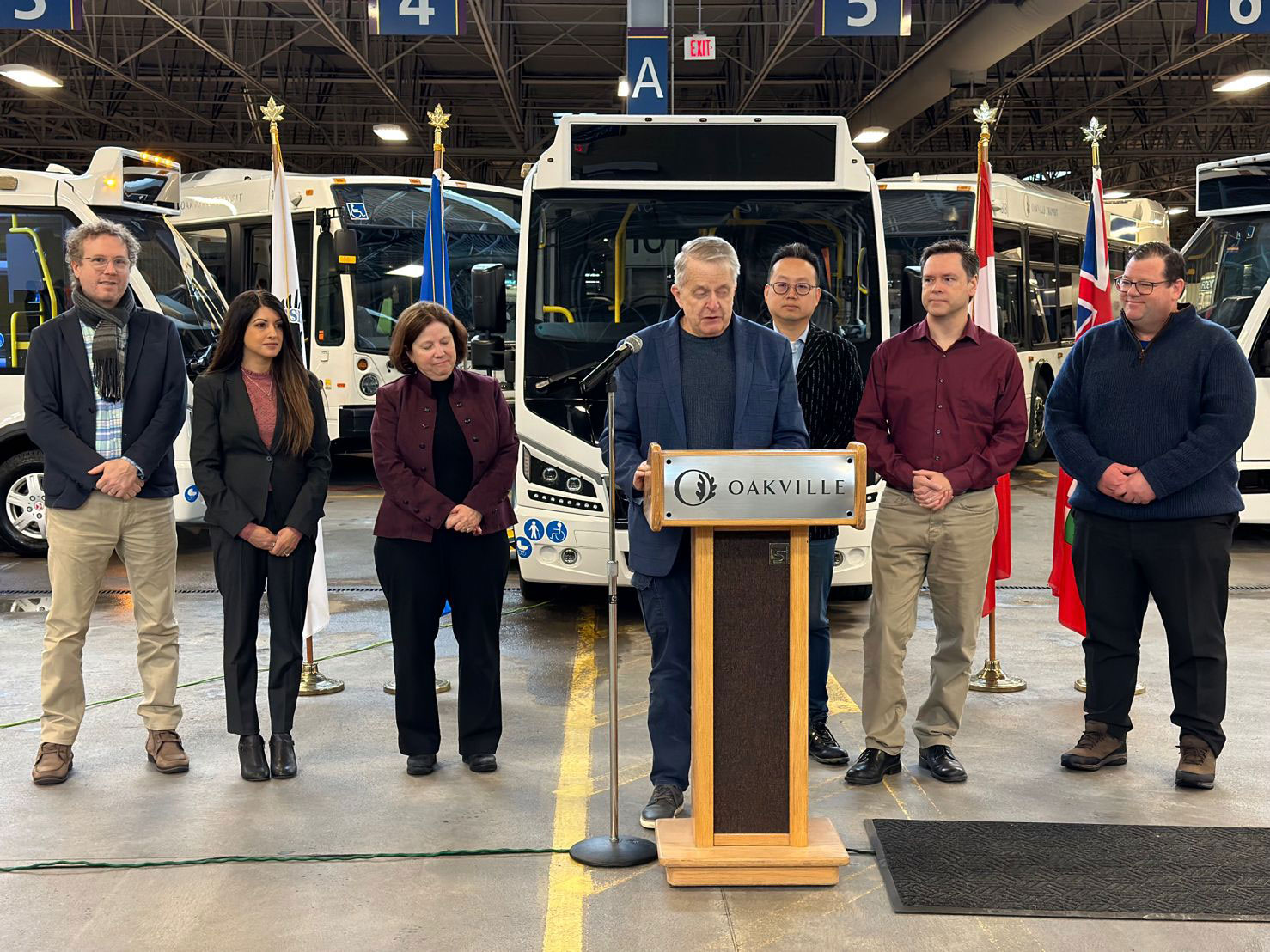
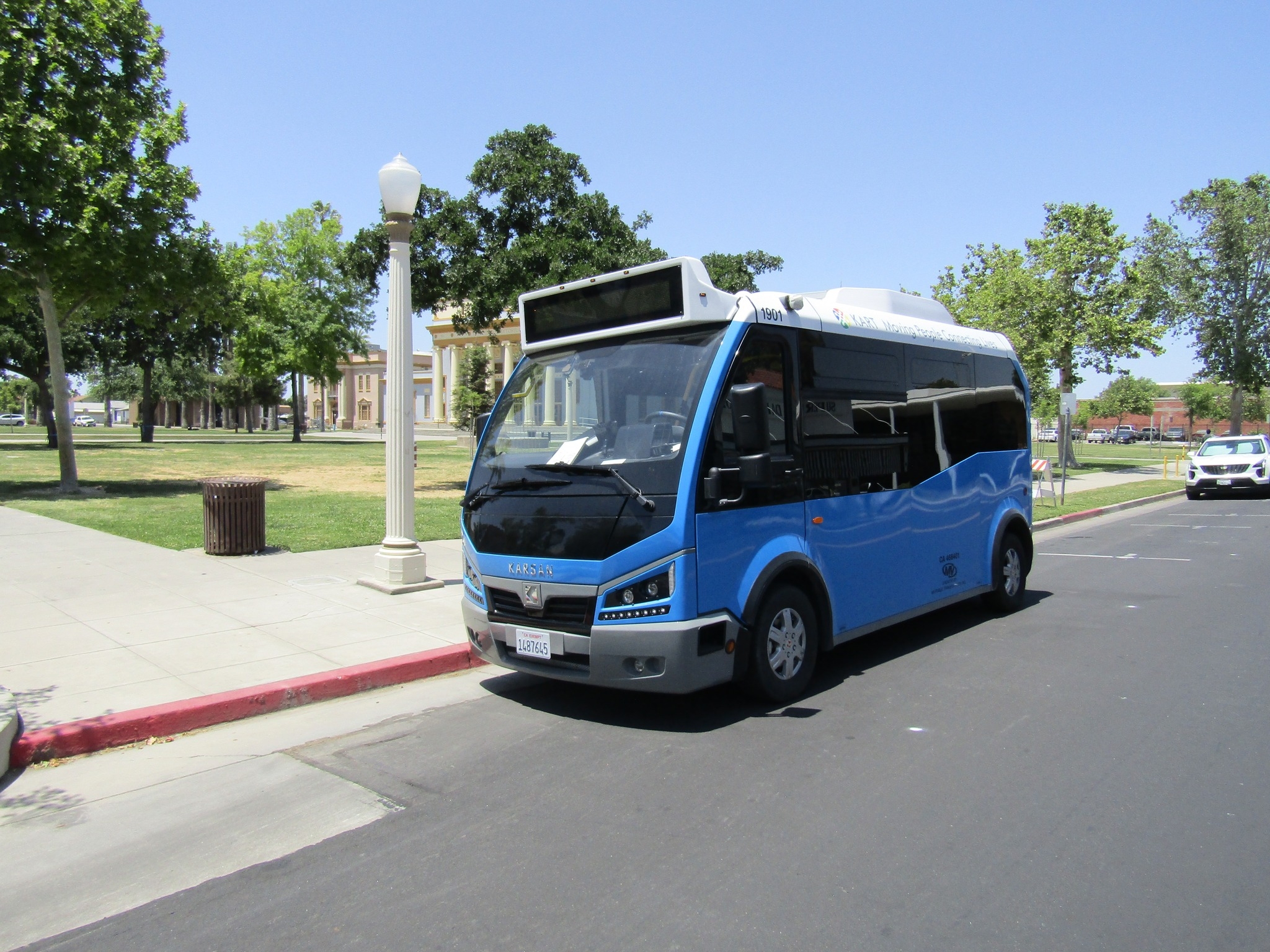
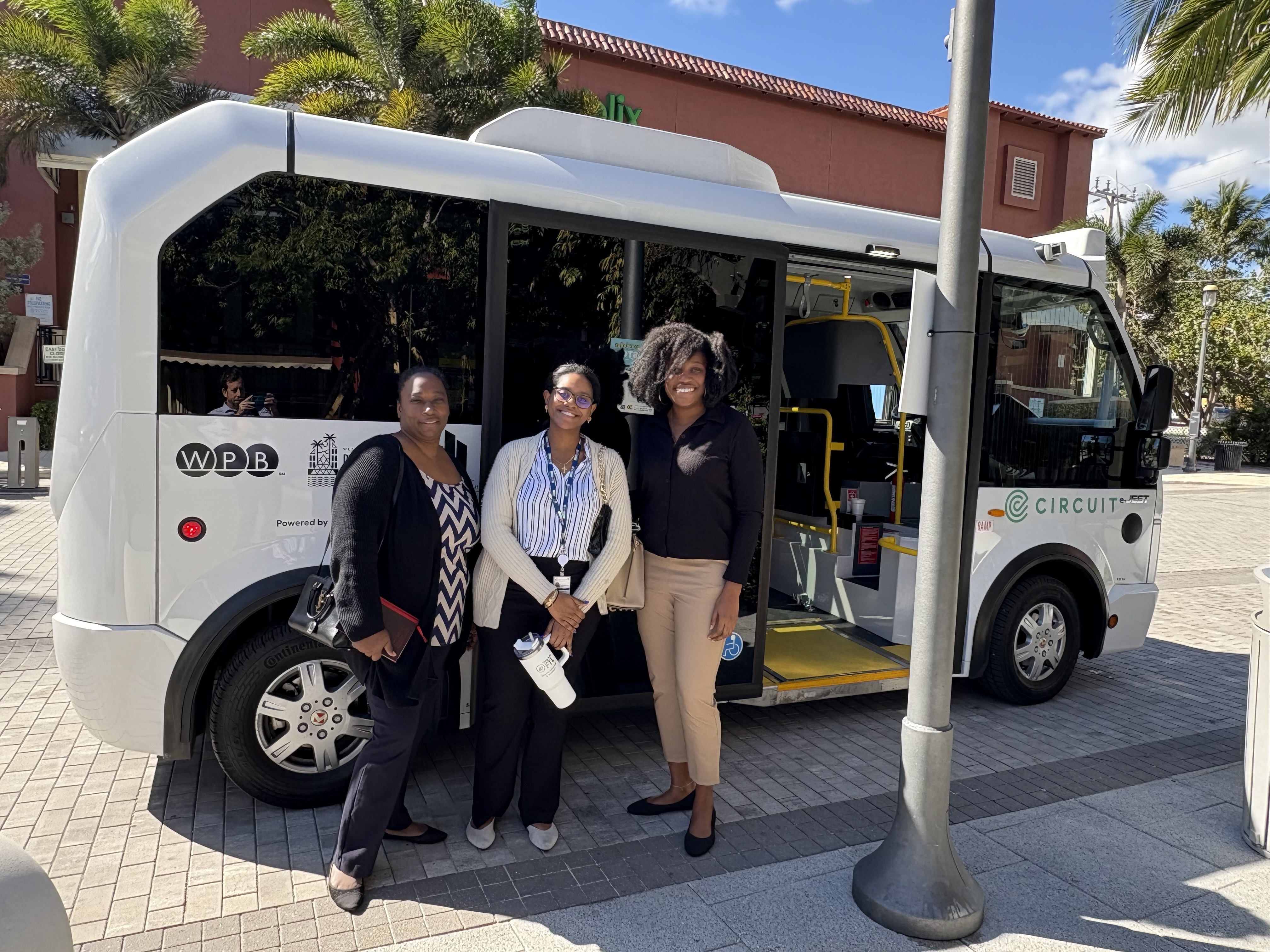
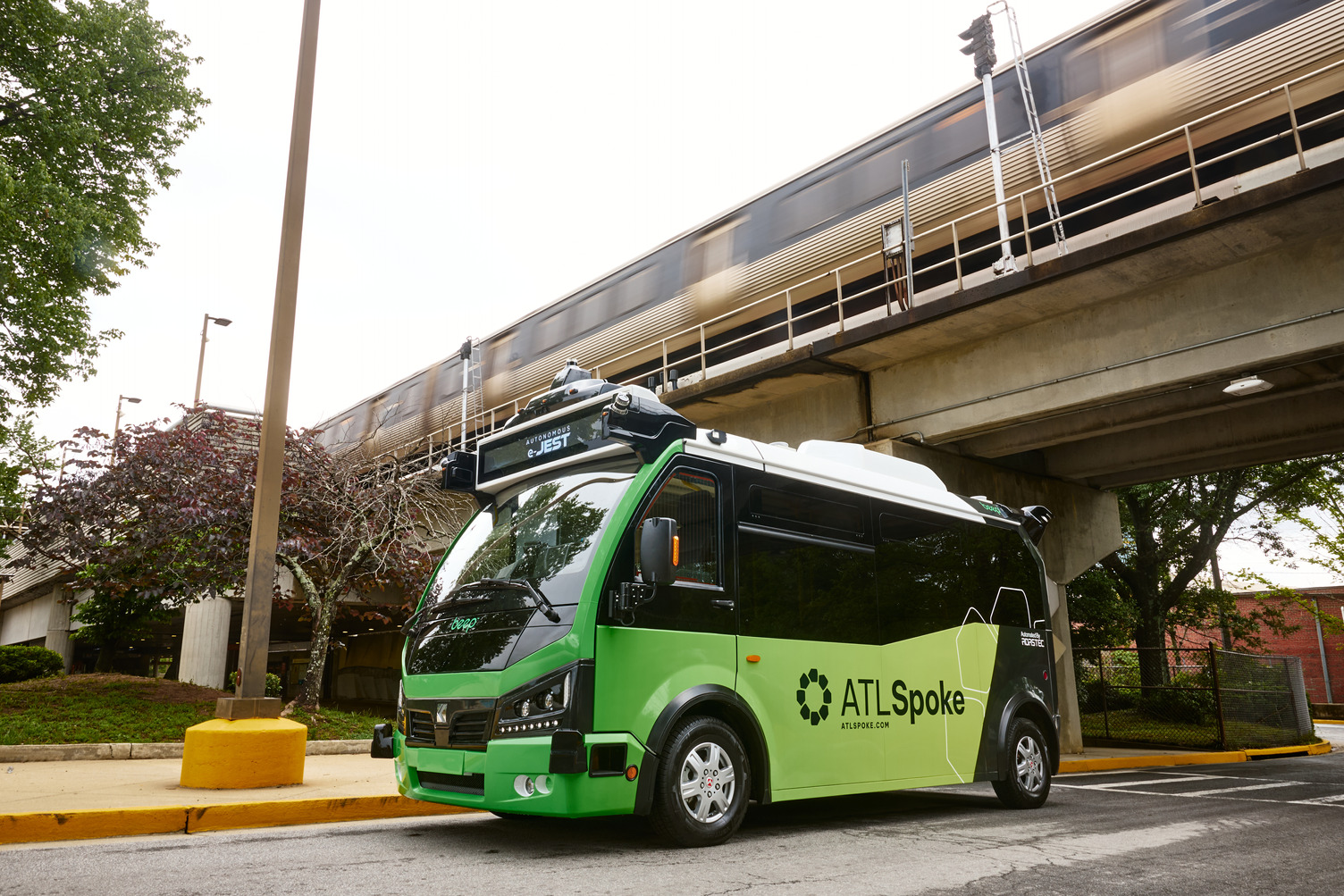
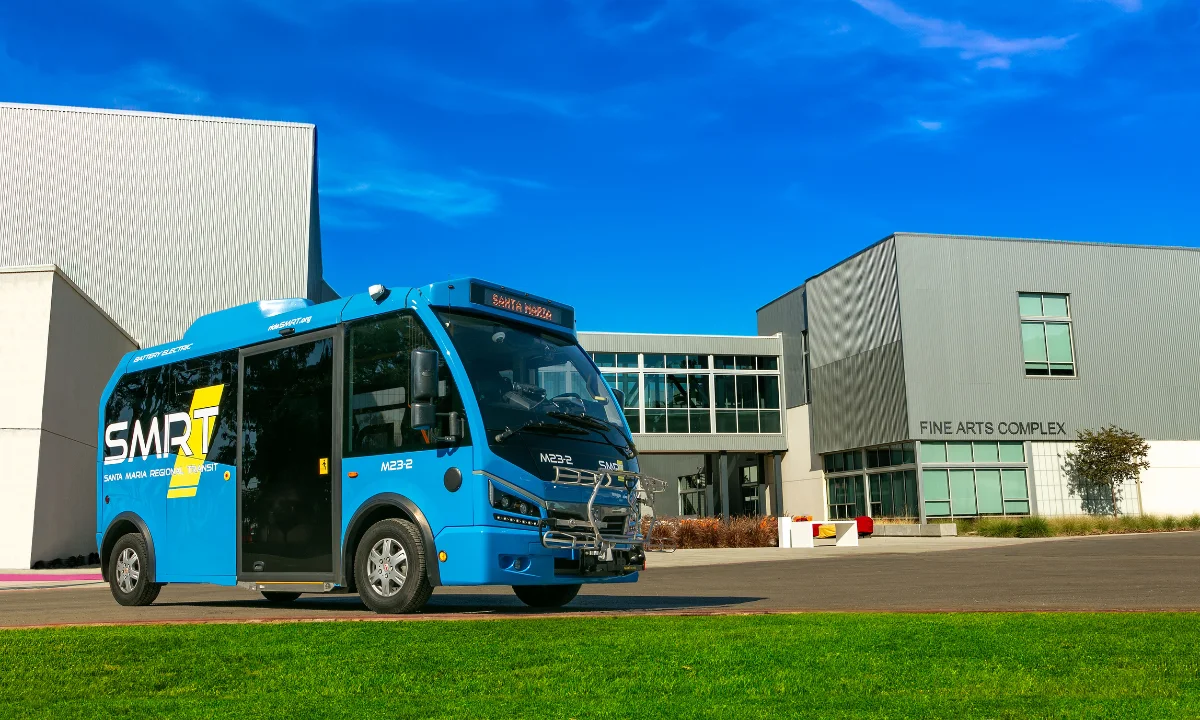
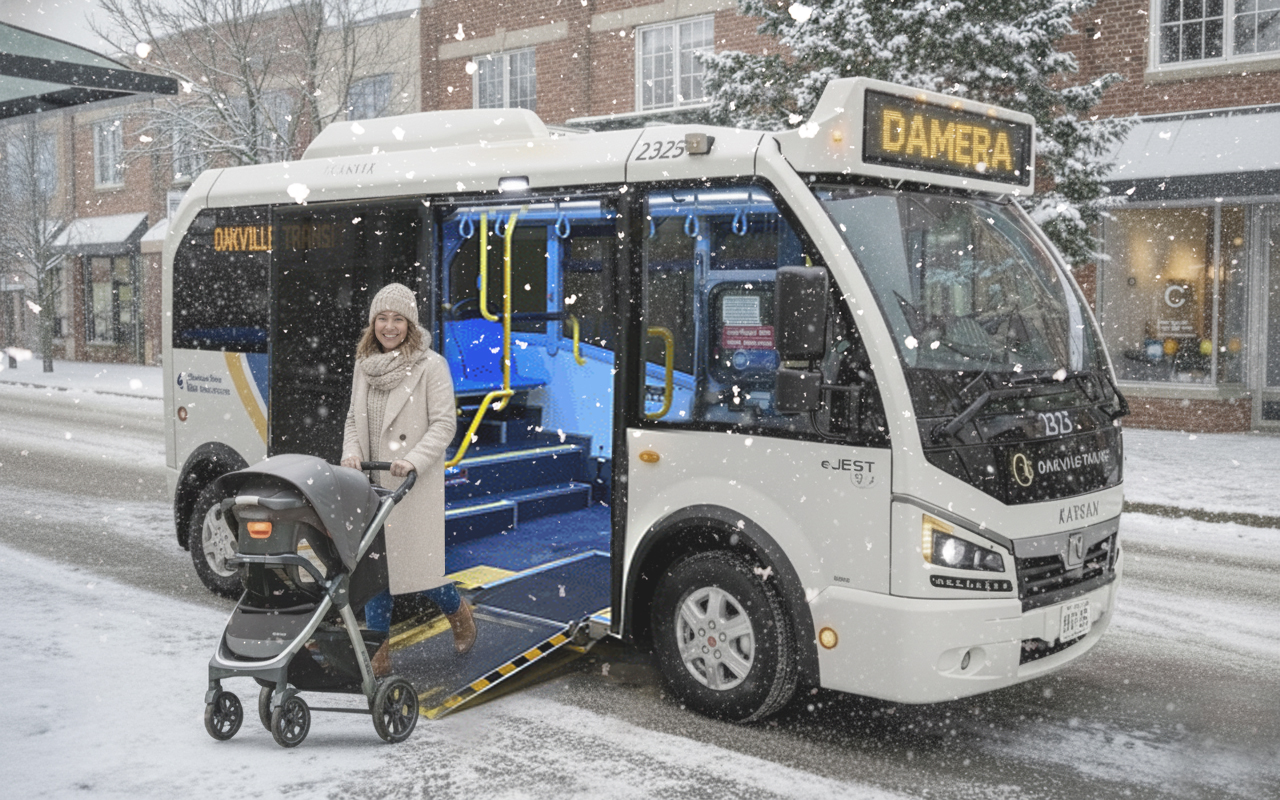
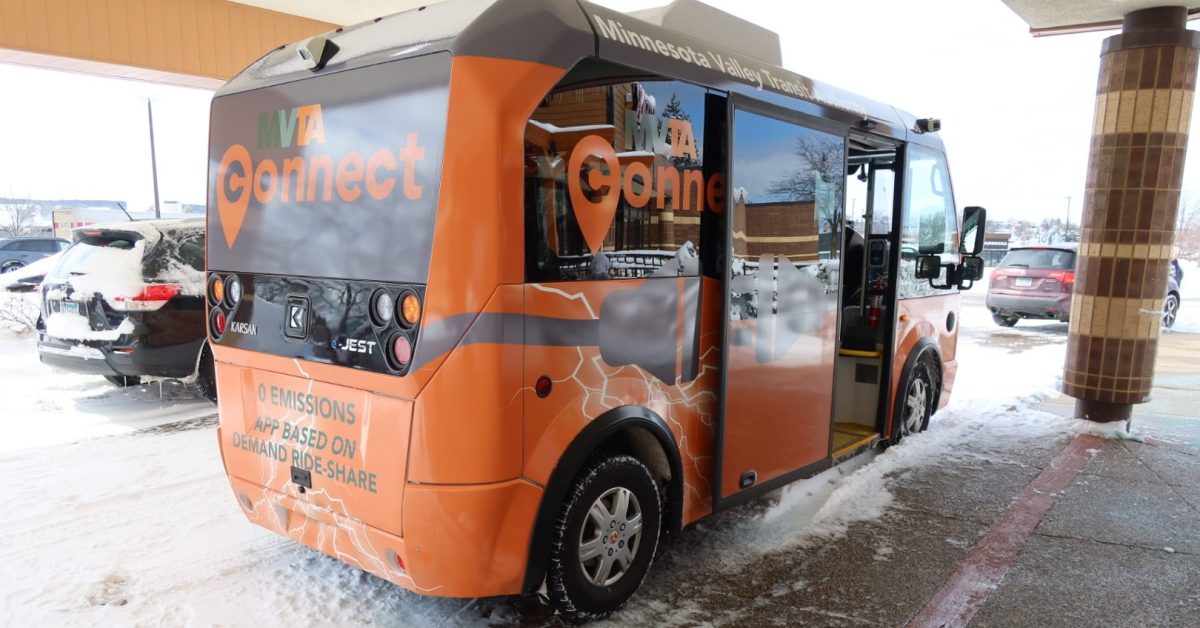
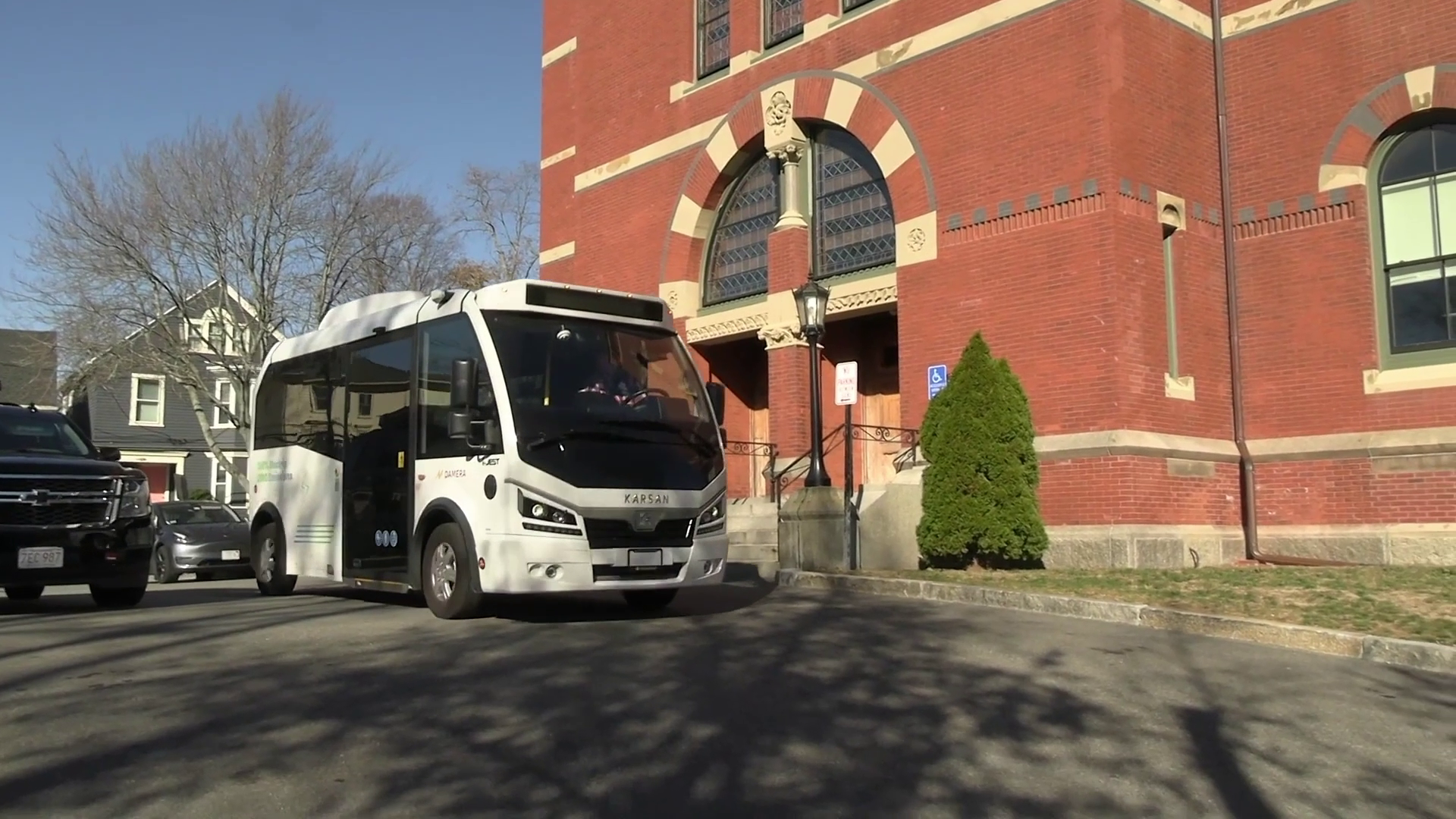
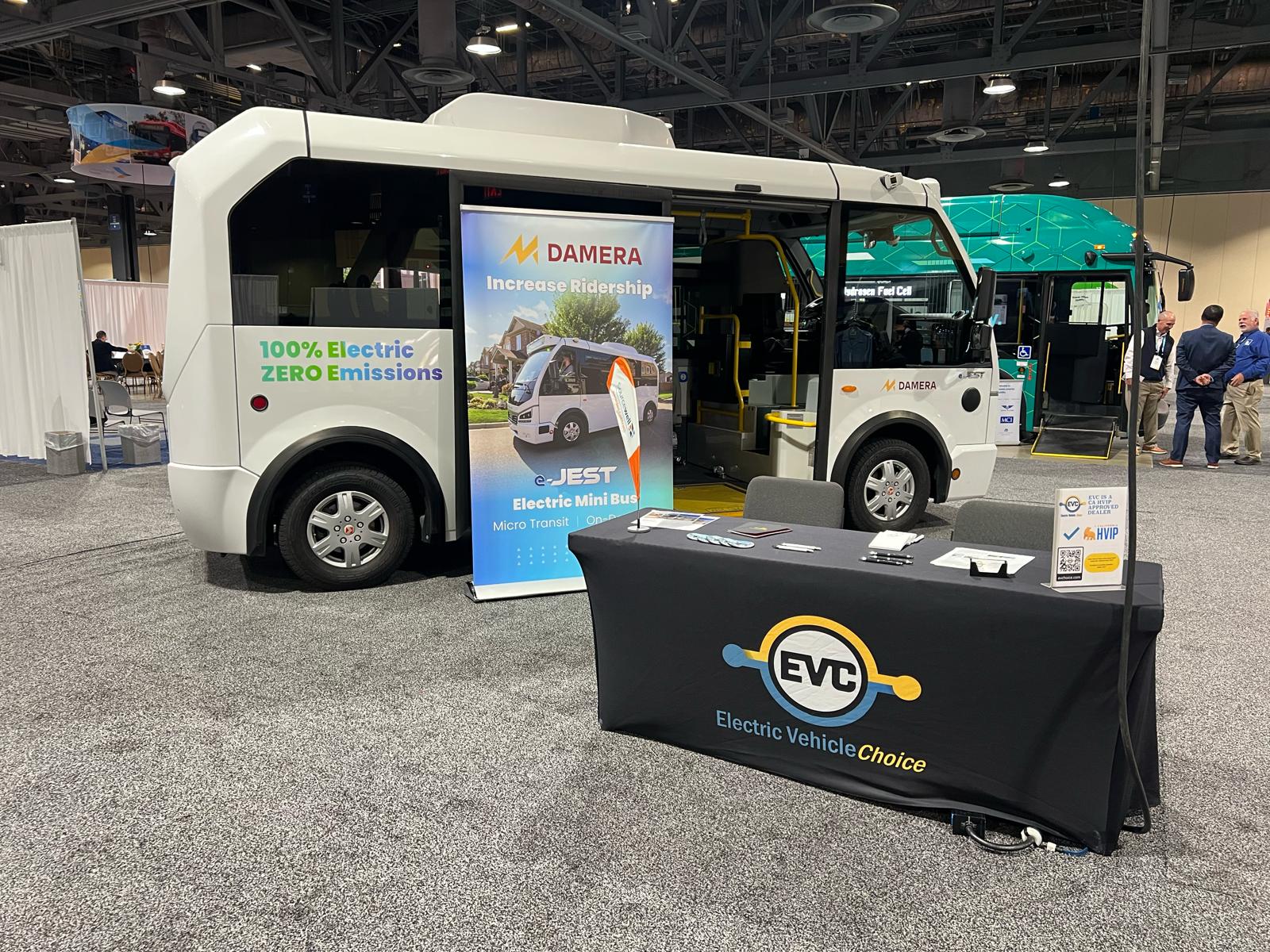
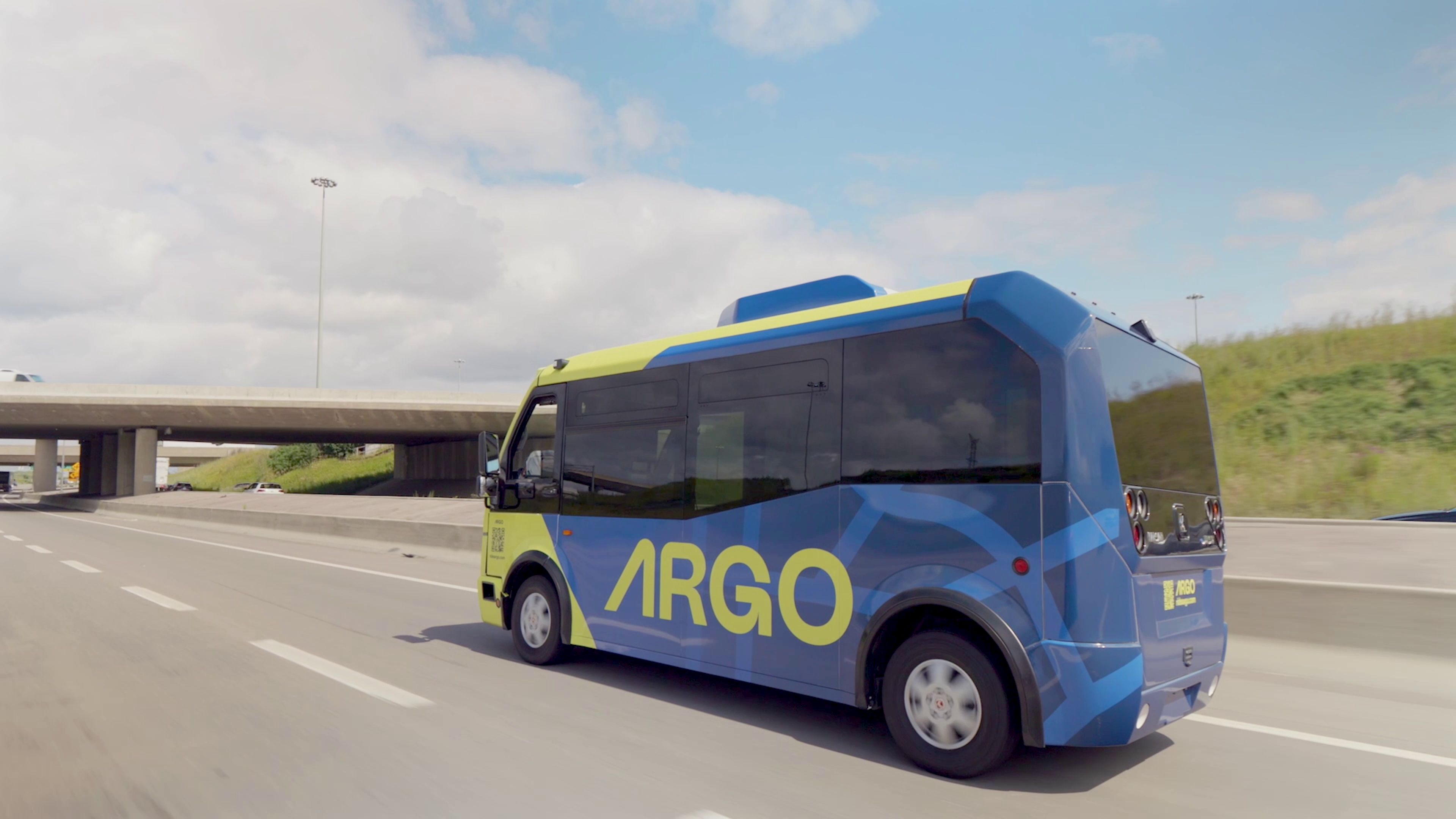
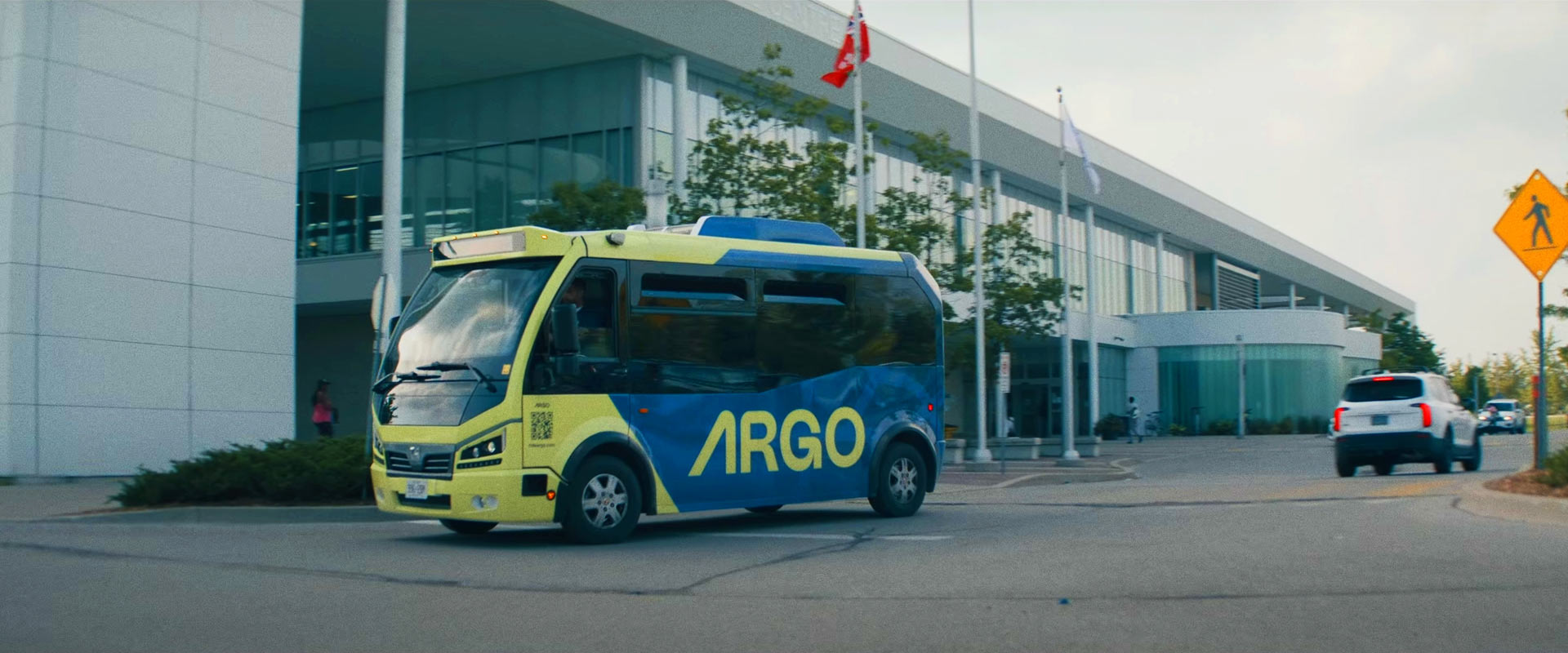
Oakville’s electrification journey started with right-sized battery-electric minibuses — the Karsan eJEST supplied by Damera Corporation. These smaller vehicles provided a practical entry point into electrification, allowing the agency to introduce battery-electric service on local and lower-demand routes while limiting infrastructure strain and operational disruption.
Reflecting on this initial deployment, Oakville leadership described the learning curve candidly:
“Our implementation of the small Karsan fleet, pretty much, is a huge pilot... It gave us a taste and it really helped us understand the impacts of operating [EVs]. So that was a huge learning opportunity for us,” says Adrian Kawun to Electric Autonomy.
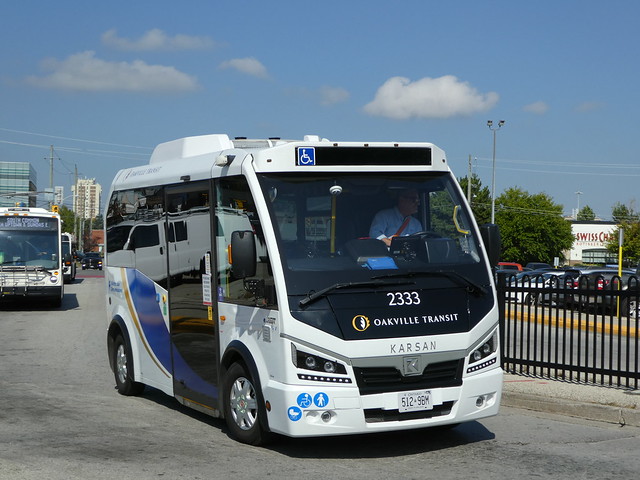
That “taste” translated into operational data, charging behaviour insights, maintenance workflow adjustments, and workforce adaptation — all gathered under real service conditions. Shorter duty cycles, reduced energy demand, and a smaller charging footprint allowed Oakville to gain institutional experience without immediately overhauling depot infrastructure across its entire network.
With that foundation in place, the agency expanded to operate electric buses at multiple sizes and duty profiles simultaneously.
“We’re going to have 50 per cent of our fleet electrified over the next few years...,” says Adrian Kawun in his interview with Electric Autonomy.
Oakville is now among the first Canadian transit agencies to operate right-sized electric minibuses alongside 40-foot battery-electric buses in daily service. This diversified fleet provides comparative operational insight across community routes and higher-capacity corridors, supporting more informed long-term fleet planning.
Performance outcomes reported in the article reinforce the operational case. Oakville Transit’s Karsan electric buses have demonstrated lower energy costs, fewer mechanical concerns compared to diesel units, and strong public reception since entering service. For agencies evaluating electrification, these metrics matter because fleet procurement represents decades-long operational commitments rather than short-term demonstrations.
From Damera Corporation’s perspective, such results underscore the importance of lifecycle thinking. Vehicle selection must consider serviceability, parts logistics, durability under Canadian conditions, and long-term maintenance planning. Our involvement extends beyond delivery to understanding how vehicles perform over time — informed by decades of experience in bus repair, refurbishment, and engineering support. Electrification success depends on sustained reliability, not initial deployment optics.
Ridership response is another dimension often underappreciated in electrification strategy. In lower-density neighbourhoods, where many residents live, traditional 40-foot buses can be mismatched to actual demand. Infrequent service and oversized vehicles contribute to perception challenges, pushing many residents toward private vehicles by necessity.
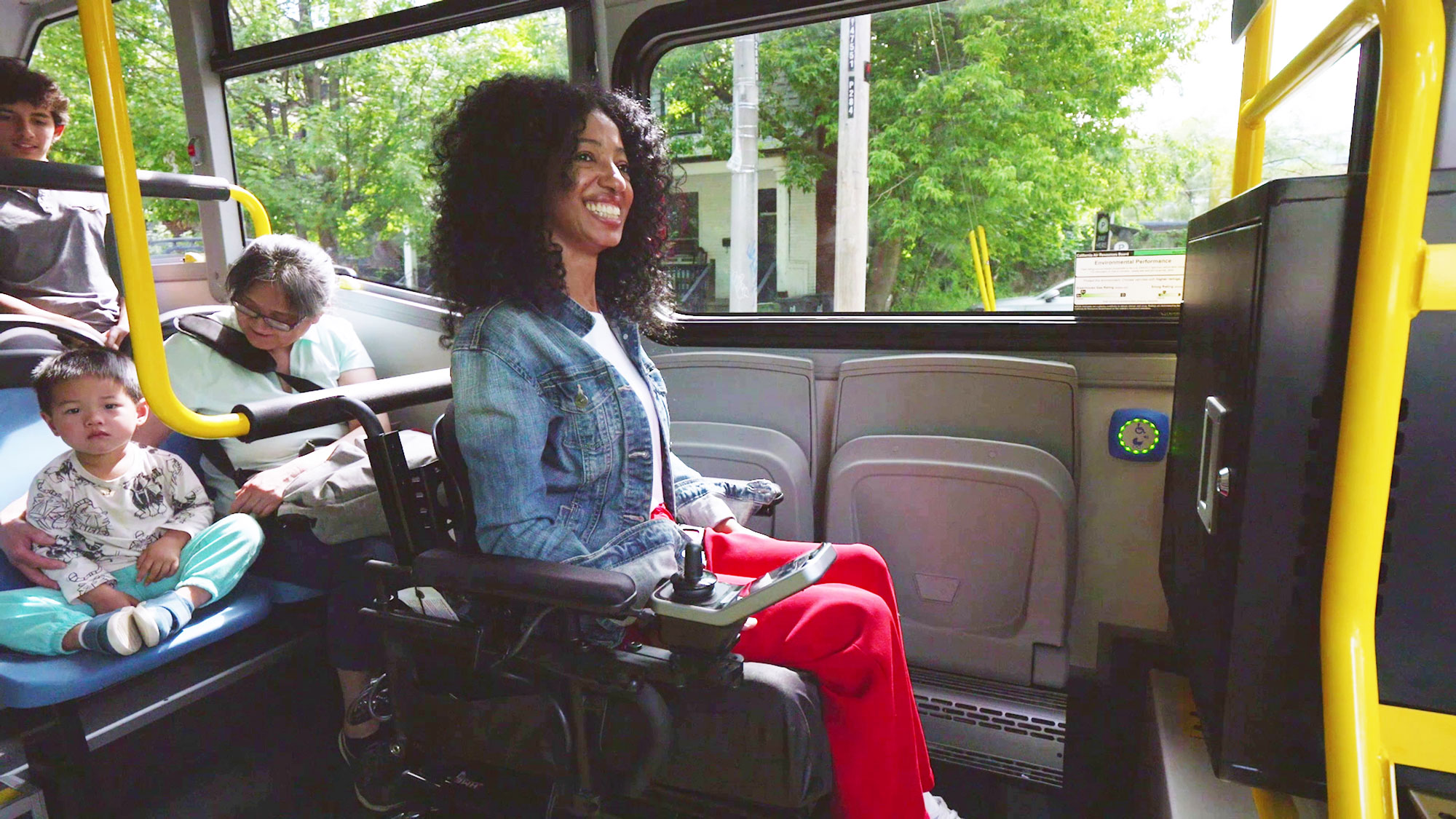
Right-sized electric buses introduce a different experience: quieter operation, smoother ride quality, and a visible modernization of service. Oakville’s deployment illustrates how perception and performance intersect.
“People literally stop in their tracks and start taking pictures. There’s a huge excitement about it,” says Adrian Kawun. “They’re actually calling in and saying, ‘it’s great to see these buses out there.’ People notice.”
While excitement alone does not build ridership, service alignment does. Matching vehicle capacity to route demand improves route productivity and enables agencies to increase frequency where needed, while reducing per-mile energy, maintenance, and labor costs. Electrification, when combined with right-sizing, becomes both an operational and economic strategy.
However, vehicle deployment represents only one dimension of fleet transition.
Oakville’s experience also highlights funding realities. Federal programs such as the Investing in Canada Infrastructure Program supported not only bus procurement but the broader ecosystem required for electrification — planning, charging infrastructure, software systems, IT integration, and accessibility upgrades. Comprehensive upfront investment enabled meaningful progress.
At the same time, Oakville’s pause on further electric bus purchases beyond 2026 without additional funding reflects a sector-wide challenge. Electrification timelines remain highly sensitive to multi-year capital program certainty.
“If we get that funding, we’re ready to go. We [are] prepared for additional zero-emission fleet vehicles”, says Kawun.

Sustained electrification requires more than capital infusion; it requires institutional readiness.
“There’s a lot going on. There’s a lot of learning for everybody,” says Oakville transit director. “Buying the buses was the easy thing. It’s everything behind the scenes that needs to happen, which is the hardest part to do.”
The “behind the scenes” work is systemic. Electric buses alter dispatch timing, depot workflows, maintenance procedures, energy demand management, and data analysis practices. Infrastructure must be phased intelligently. Workforce training must evolve. Budgeting models must adjust to longer asset and infrastructure lifecycles. Electrification becomes a long-term operational evolution rather than a procurement milestone.
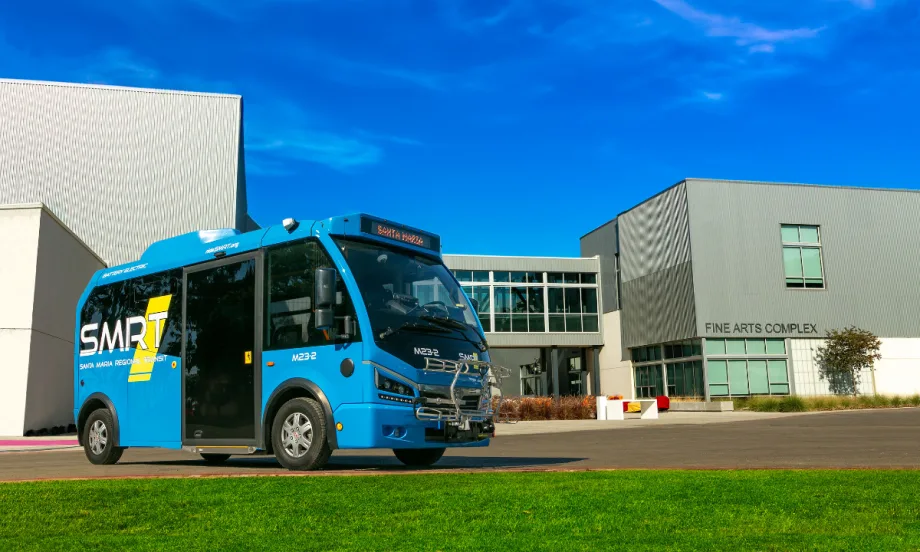
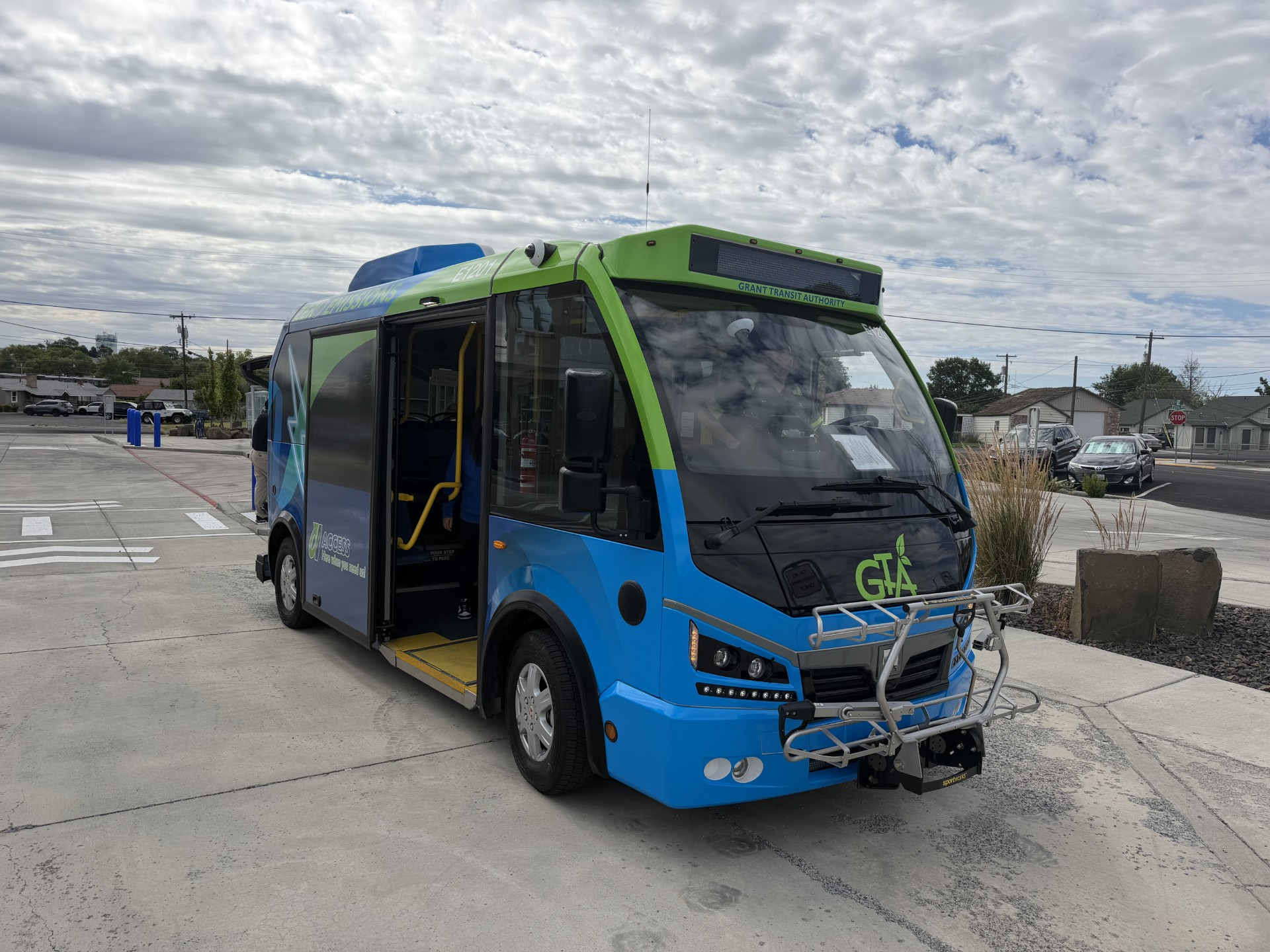
Right-sized electric buses, such as the Karsan eJEST, can reduce the complexity of that first step. Lower energy demand, shorter routes, and manageable charging requirements create a contained environment for institutional learning. Agencies gain experience with high-voltage systems, charging coordination, and performance data interpretation before scaling network-wide.
“It really is exciting to be a part of the transition from diesel to zero-emission,” says Adrian Kawun in an interview with Electric Autonomy — a sentiment we share at Damera Corporation.
For transit professionals, Oakville’s experience reinforces a central principle: scalable electrification is not achieved through a single procurement wave. It is built through phased integration, operational discipline, workforce adaptation, and continuous learning.
Right-sizing is not merely a vehicle category — it is a risk-management strategy, a cost-alignment tool, and a bridge between pilot experimentation and fleet-wide transformation.
Electrification at scale is possible. But as Oakville’s case demonstrates, it requires systems thinking, policy alignment, financial continuity, and vehicles that fit real service conditions.
If your organization is evaluating electric fleet integration, our team is ready to share practical insights from real-world deployments and help translate strategy into scalable implementation.










.jpeg)








.jpeg)


.jpg)


.svg)