


.svg.avif)




-p-500-p-500.avif)





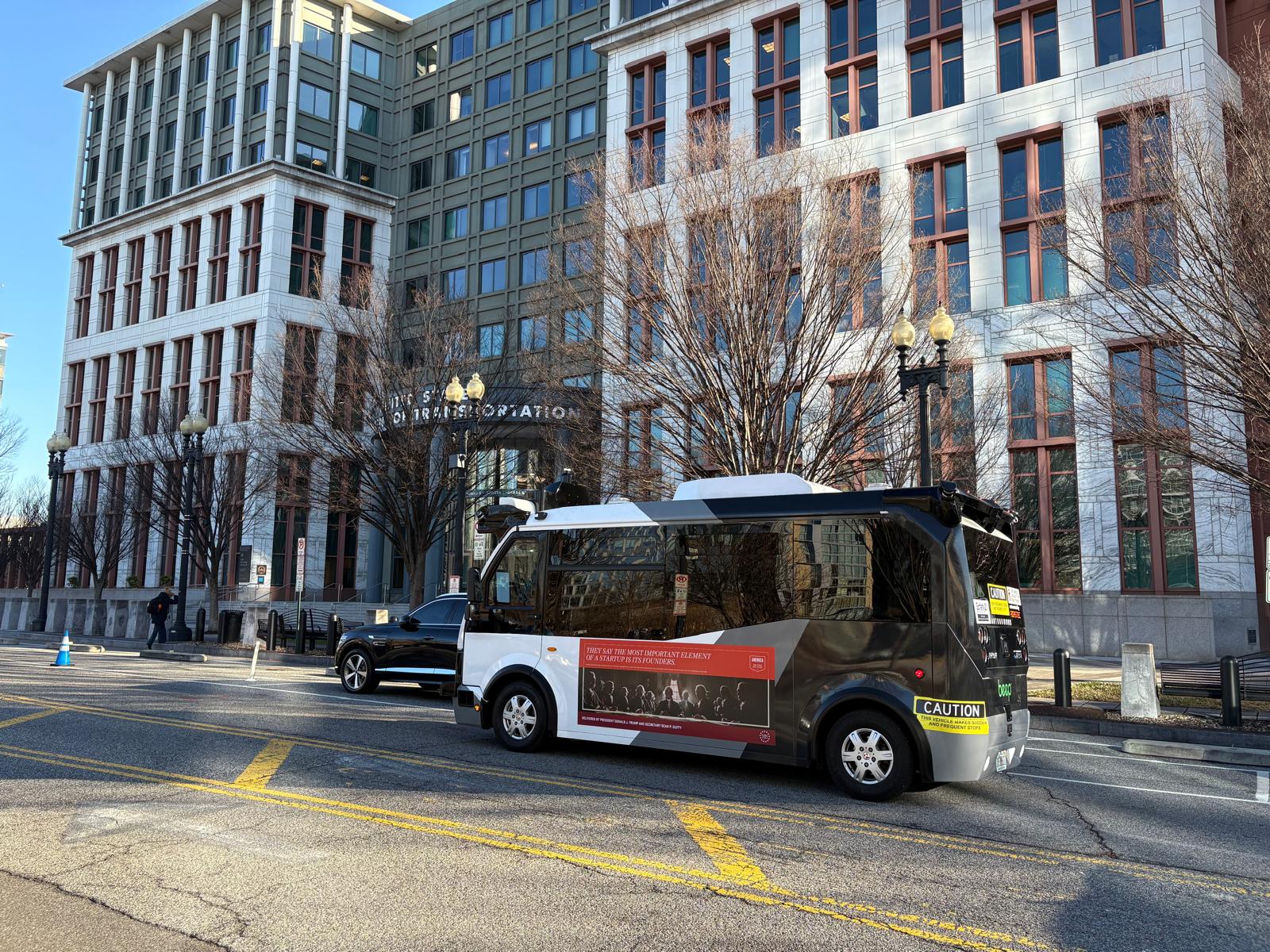

EV Buses

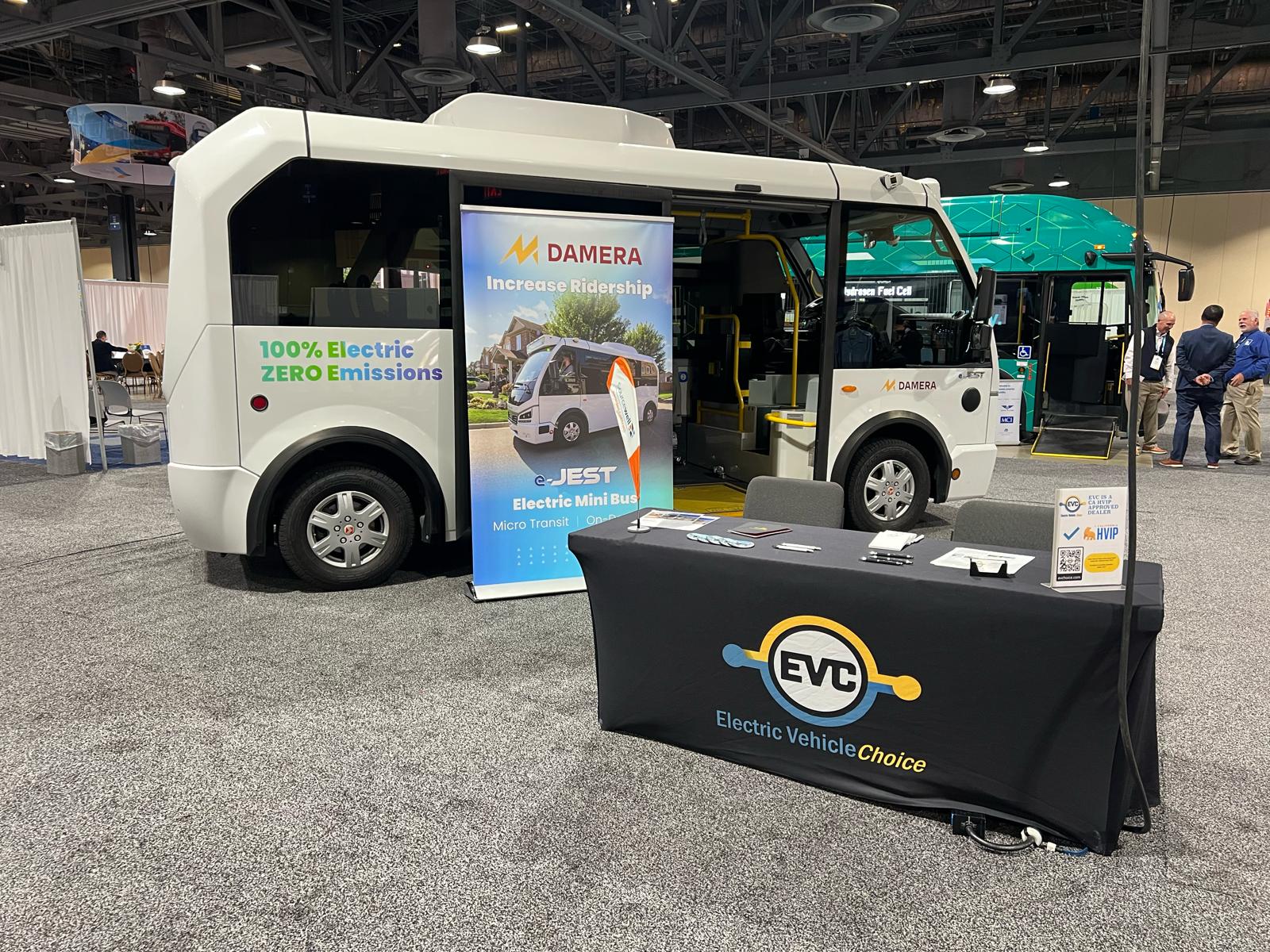
A quiet, efficient, fully accessible electric minibus. The eJEST delivers exceptional maneuverability, low operating costs, and smooth passenger experience.
Built on the proven eJEST platform and automated by ADASTEC, this Level-4 autonomous minibus brings reliable, safe, and fully accessible automated transit to real-world routes.


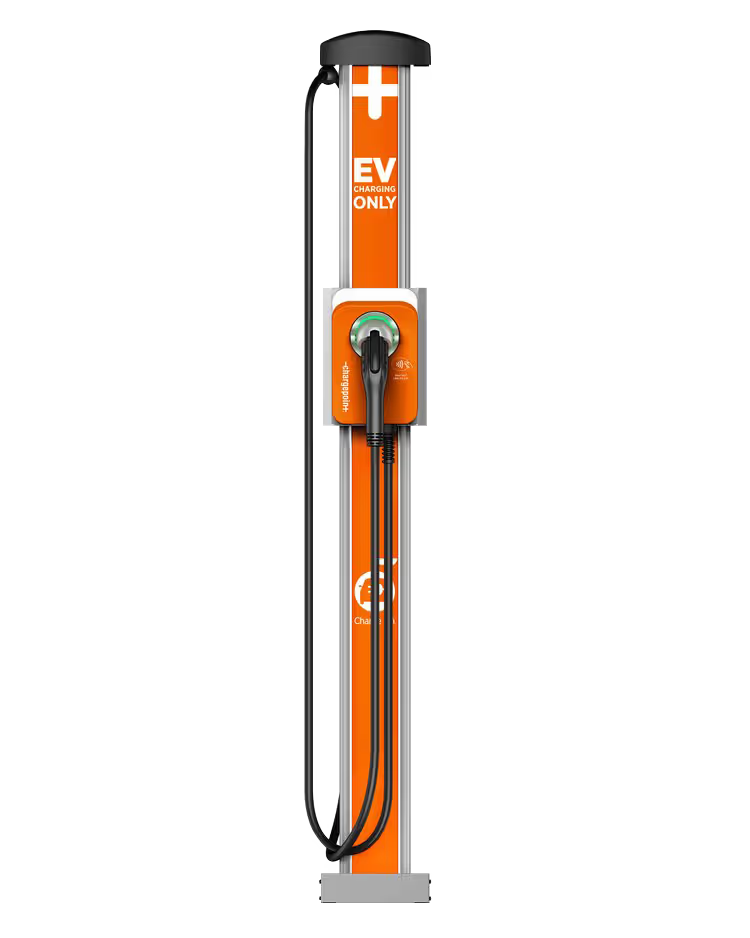
Chargers

All Chargers
Explore all charging options on one page
Services
TUV Level 3
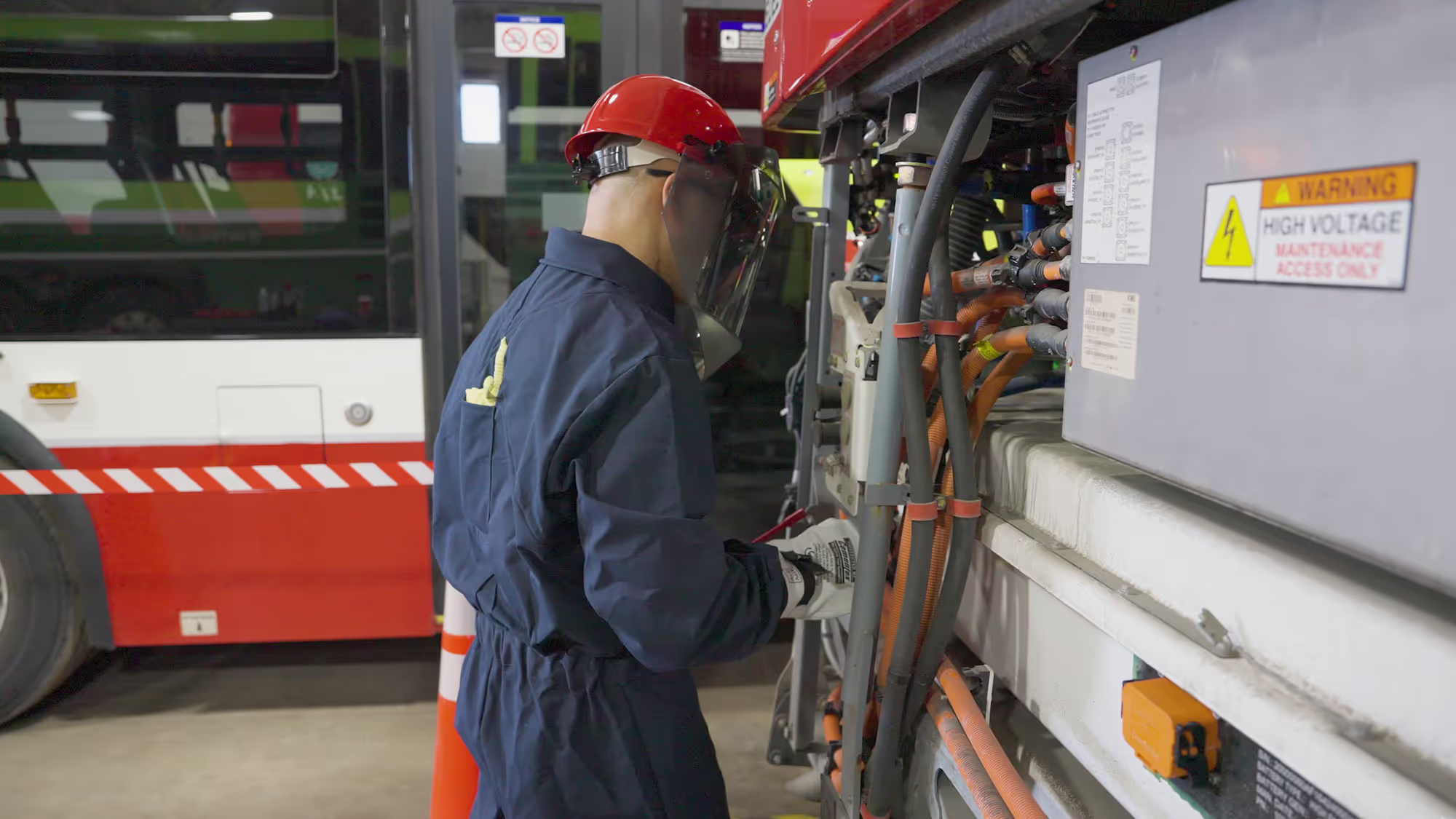
High Voltage Training

Work safely and effectively with high-voltage systems

Charger Installation
Contributes to the seamless integration of electric vehicles

Electrical Engineering
Get your skills in electrical engineering tailored to the transit industry
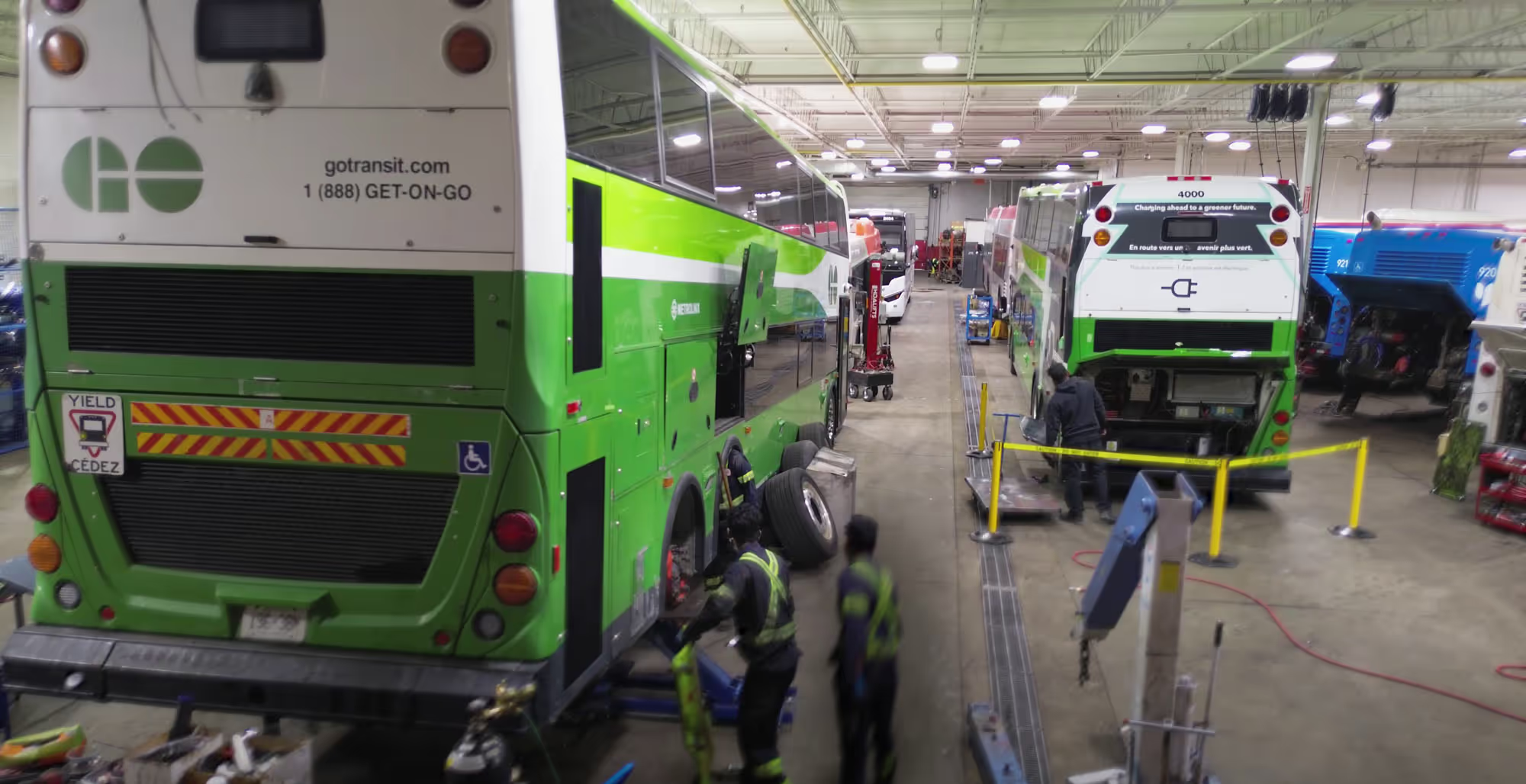
Bus Service (MBCT)
Comprehensive bus service ensuring reliable maintenance, repairs, and safety compliance.
MICROTRANSIT

Paratransit Buses
Learn more about our paratransit vehicles and how we’re improving mobility for people with disabilities and underserved riders.

Micromobility Buses
Discover how our buses support both paratransit needs and provide efficient service in low-ridership areas.

Minibuses for Campuses
Learn how modern electric minibuses create smoother, safer, and more convenient transportation for students and staff.

.svg)
There is no previous post
Previous Post
Next Post
There is no next post
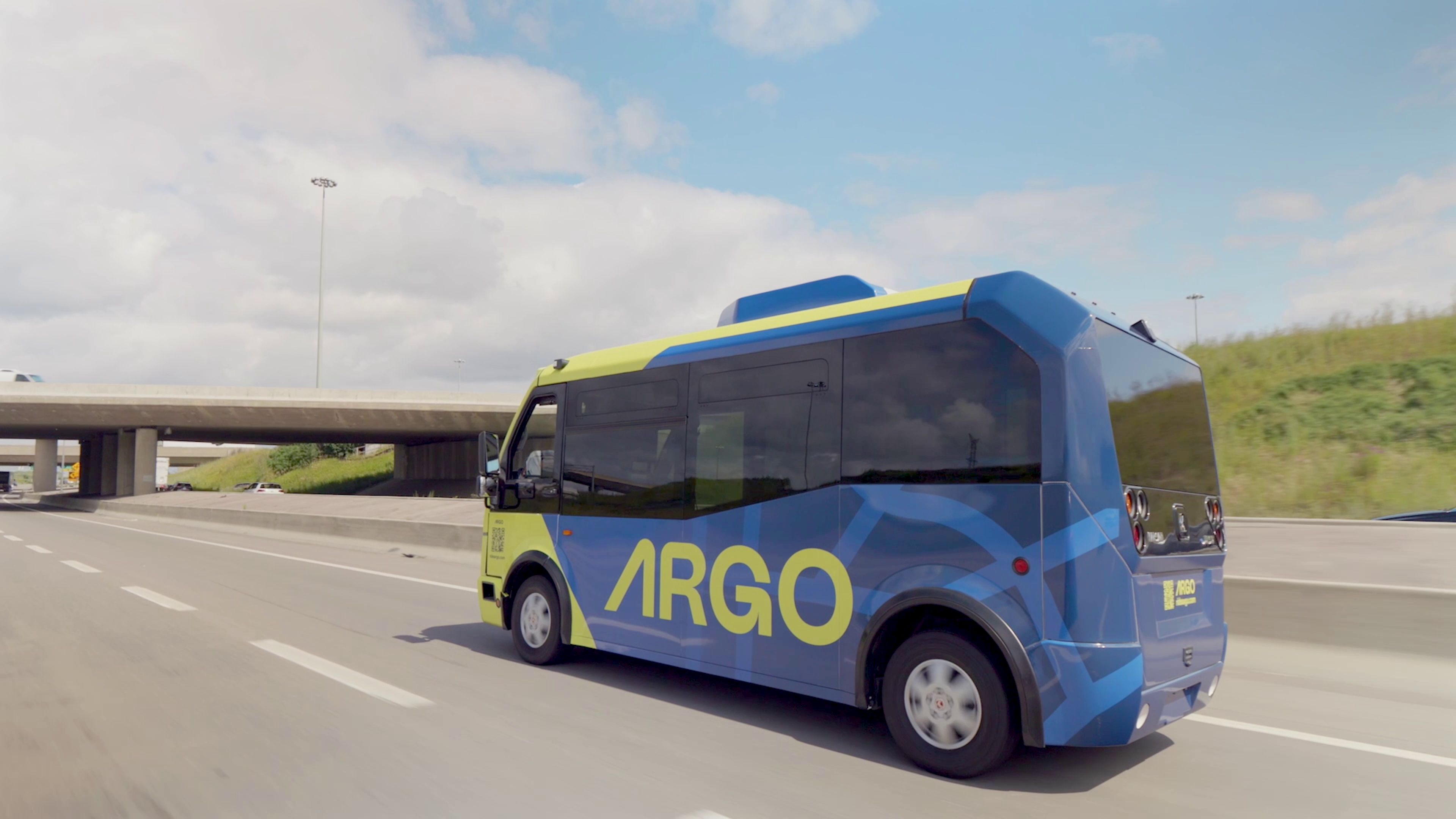
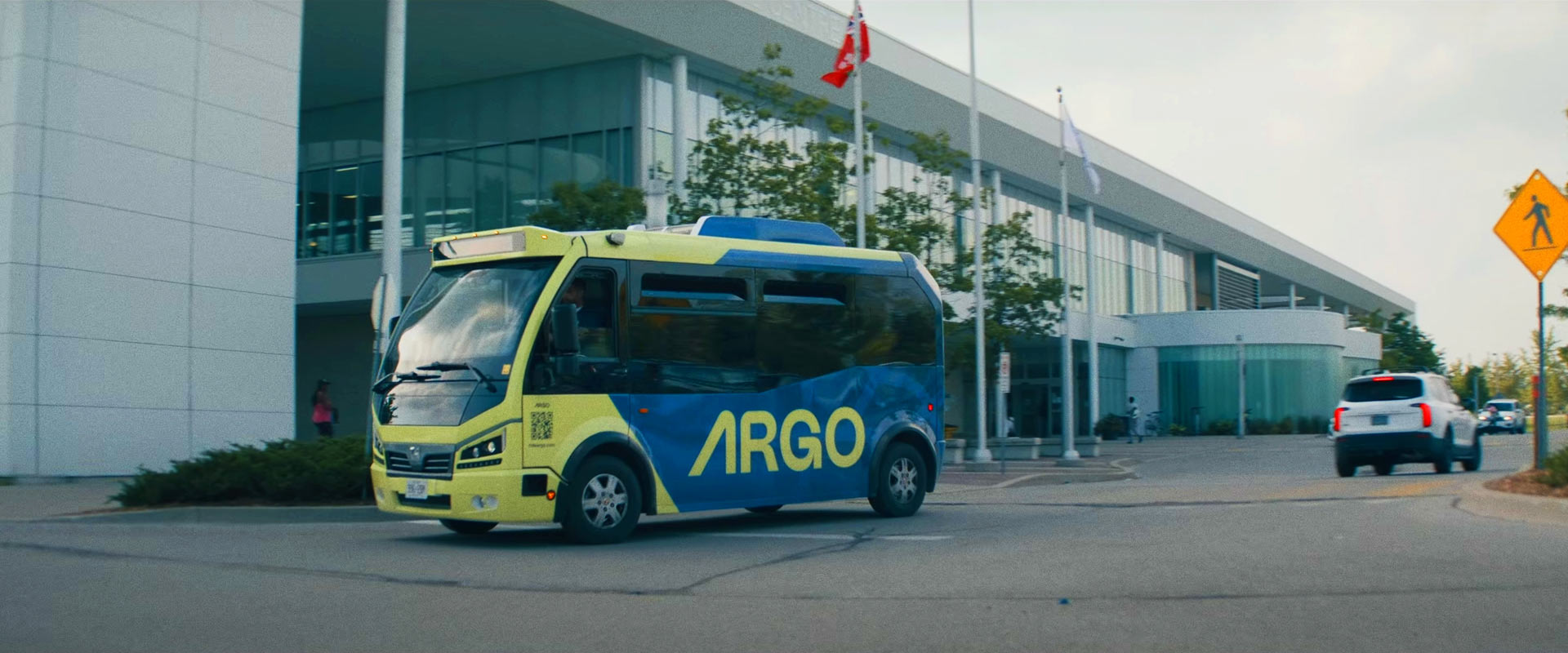
Karsan eJEST Autonomous Enters Public Service in Washington, DC
No items found.
Autonomous Transit Moves Into Live Public Service
Autonomous transit is moving beyond controlled pilots and into real public operation.
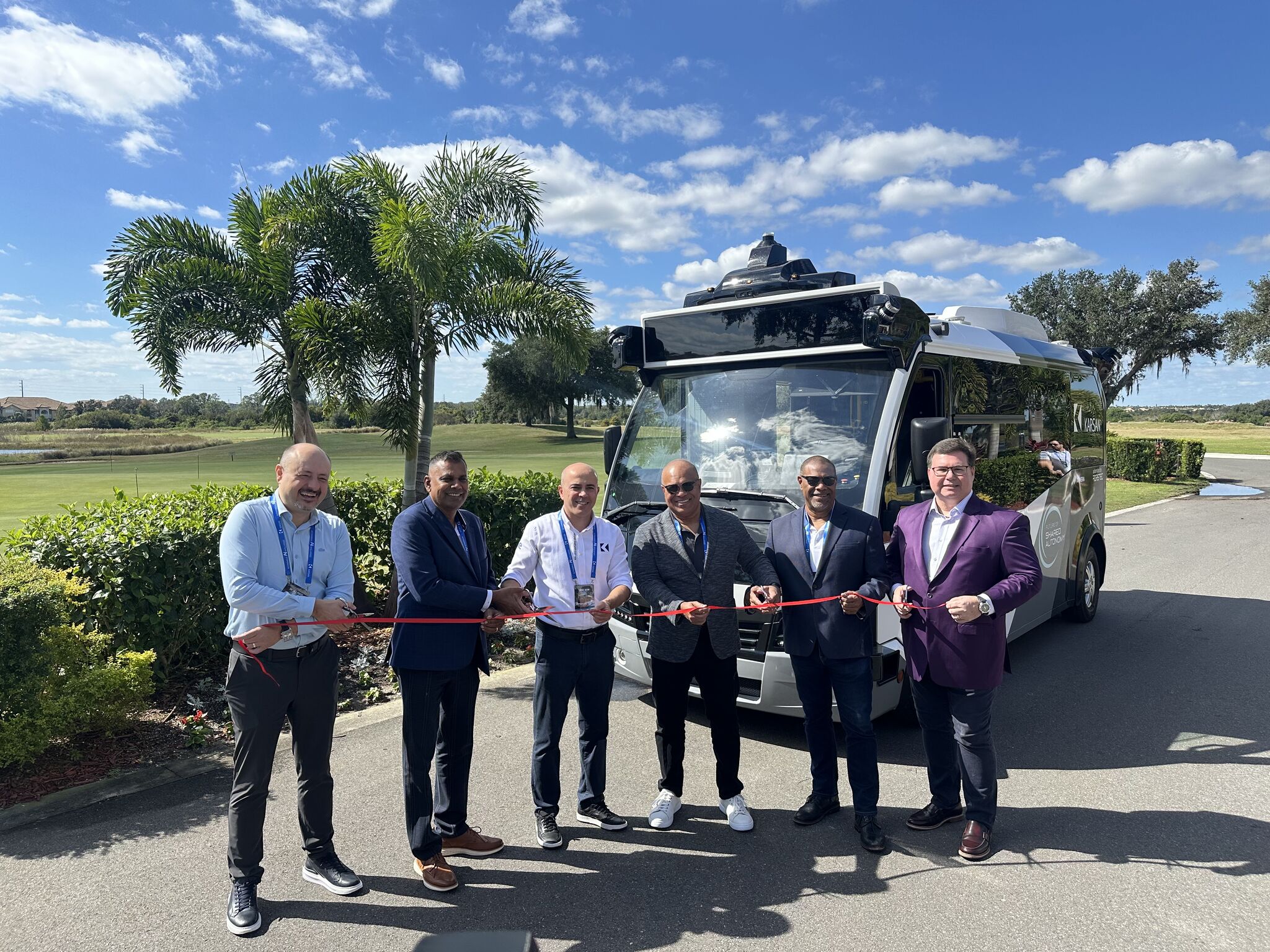
A recent deployment in Washington, DC—connecting Union Station with U.S. Department of Transportation destinations—marks an important step in how autonomous buses are beginning to operate in live urban environments.
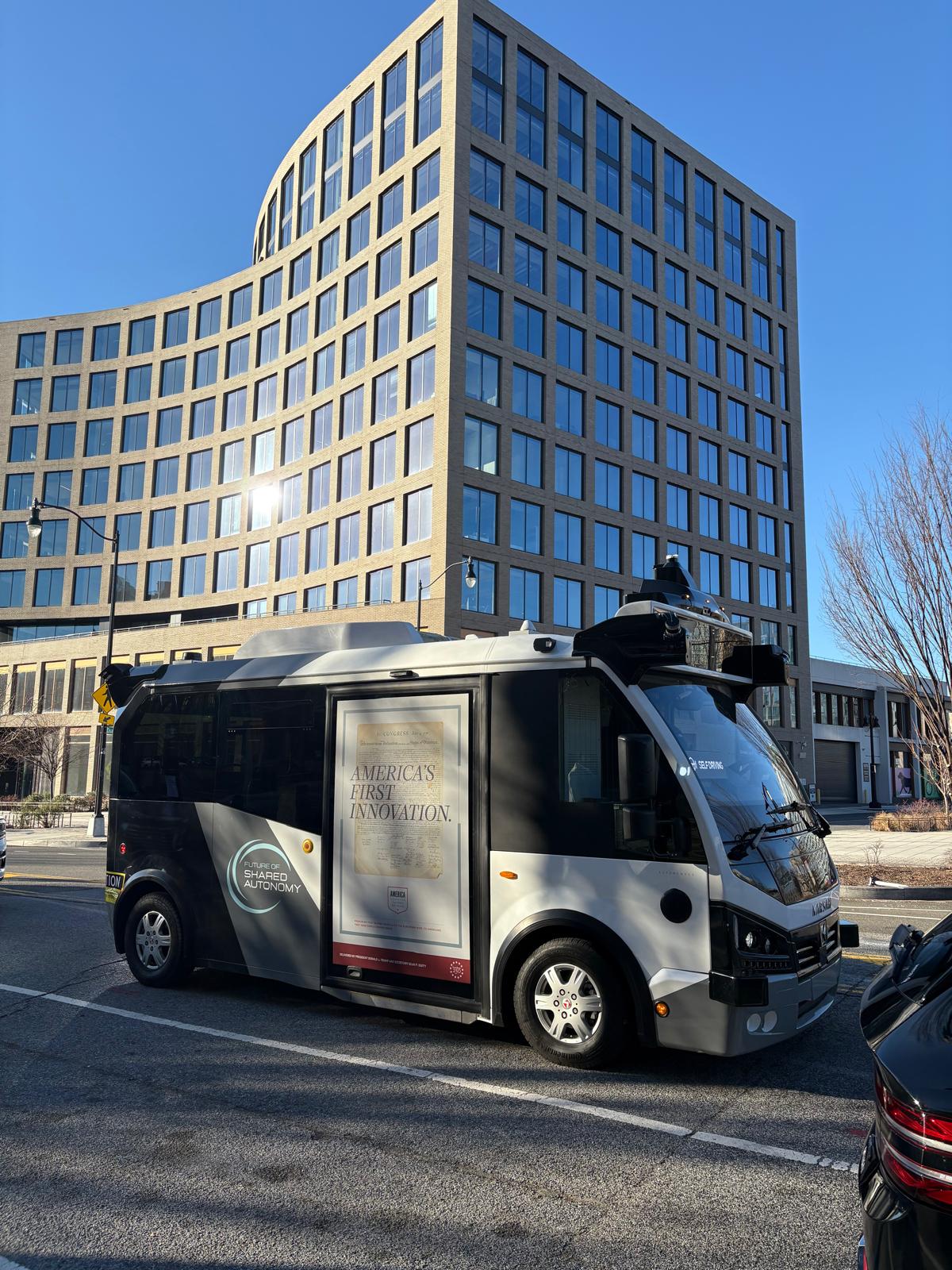
The selected corridor places real demands on the vehicle and system: predictable performance, safe interaction with mixed traffic, and consistent, repeatable service delivery in a highly visible setting.
That shift—from demonstration to operation—is what makes this deployment meaningful for transit agencies across North America.
And it's great to see testaments of the autonomous transit from anestablish economy and transit leaders.
It is encouraging to see autonomous transit validated by established leaders in economics and transportation policy.
Diana Furchtgott-Roth, an Oxford-educated economist and transportation policy expert, serves as Director of the Center for Energy, Climate, and Environment at The Heritage Foundation and as an Adjunct Professor at The George Washington University, where she teaches transportation economics and public policy. In a recent LinkedIn post, she shared her firsthand experience riding DC’s first autonomous bus, writing:
“Progress! Ride DC’s first autonomous bus between the U.S. Department of Transportation and Union Station. Today it made a stop at Transportation Research Board meetings.”
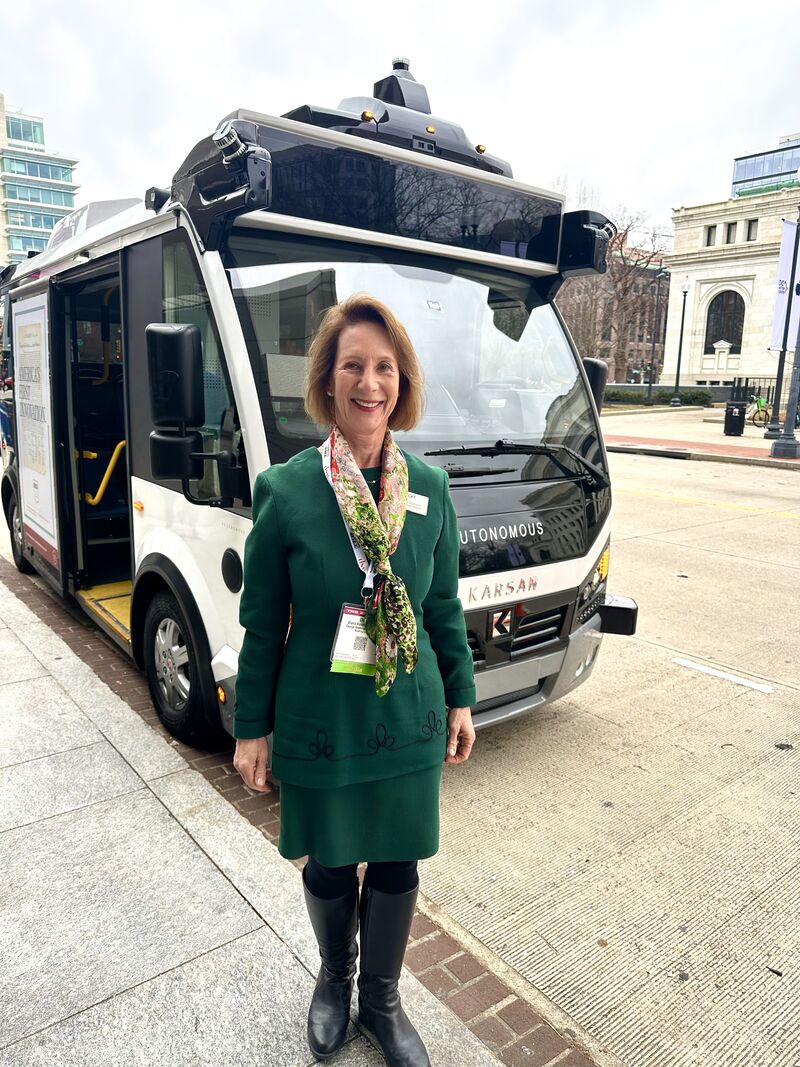
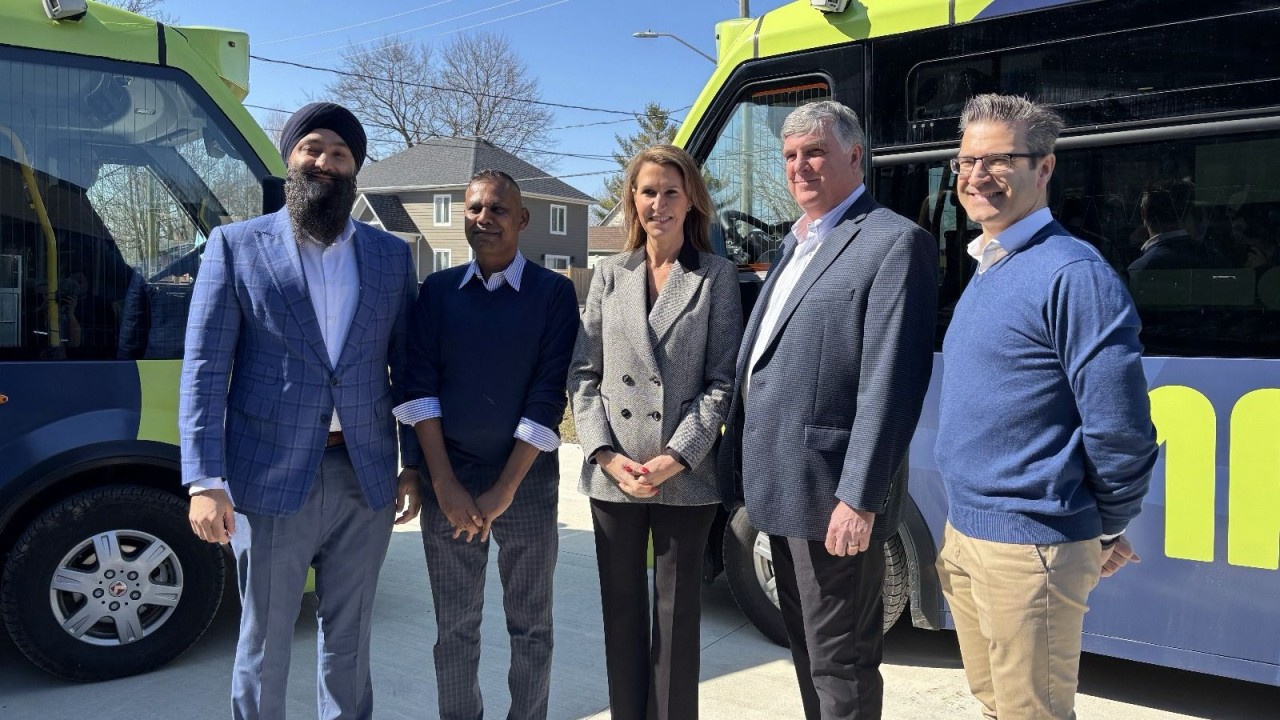
The vehicle’s presence at a Transportation Research Board (TRB) meeting is particularly meaningful—placing autonomous transit directly in front of senior transportation leaders, policymakers, and agency decision-makers who shape the future of mobility in North America.
This milestone is a strong validation of the technologies developed by Karsan and ADASTEC, and a signal that autonomous transit is moving from concept to credible public service.
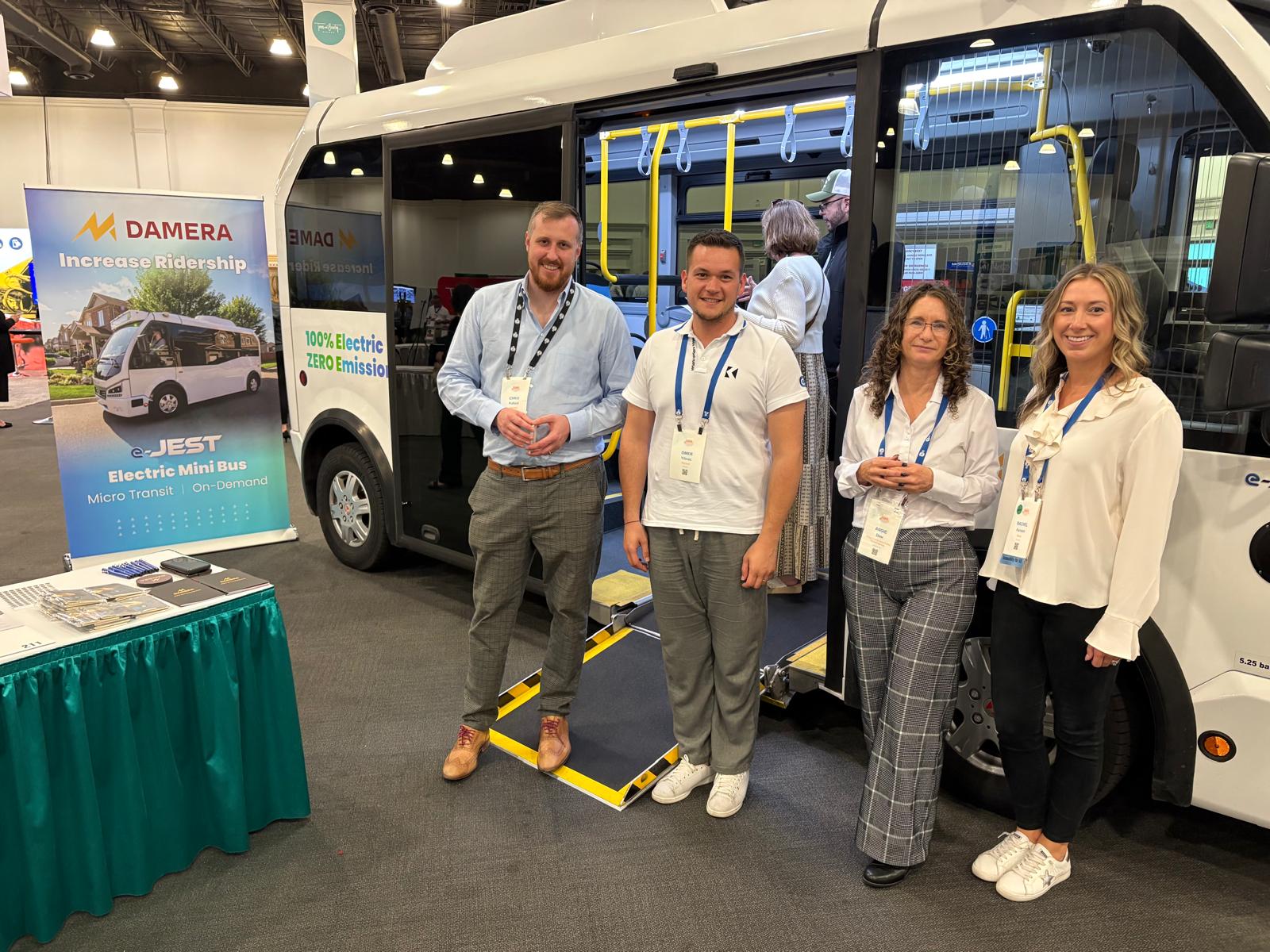
At Damera, we are proud to be at the forefront of this transition—serving as the exclusive North American distributor of the Karsan eJEST Autonomous.
Beyond vehicle supply, we support agencies with charging infrastructure planning, operator and technician training, service, parts availability, and long-term after-sales support—ensuring autonomous deployments are not only innovative, but operationally sustainable.
Why Autonomous Transit Matters Operationally
Value of Autonomous Transit lies in strengthening networks where traditional service is hardest to sustain, particularly:
- short routes and circulators
- first/last-mile connections
- connectors between major hubs and activity centers
- dense or complex urban environments
- services constrained by staffing availability or operating cost
When deployed correctly, autonomous service can help agencies:
- improve connectivity between transit hubs and destinations
- maintain short-route frequency where staffing is limited
- provide reliable circulation without undermining core fixed routes
- test new service models without increasing system risk
Why Platform Reliability Still Matters
Engineering Characteristics That Support Reliable Autonomous Service
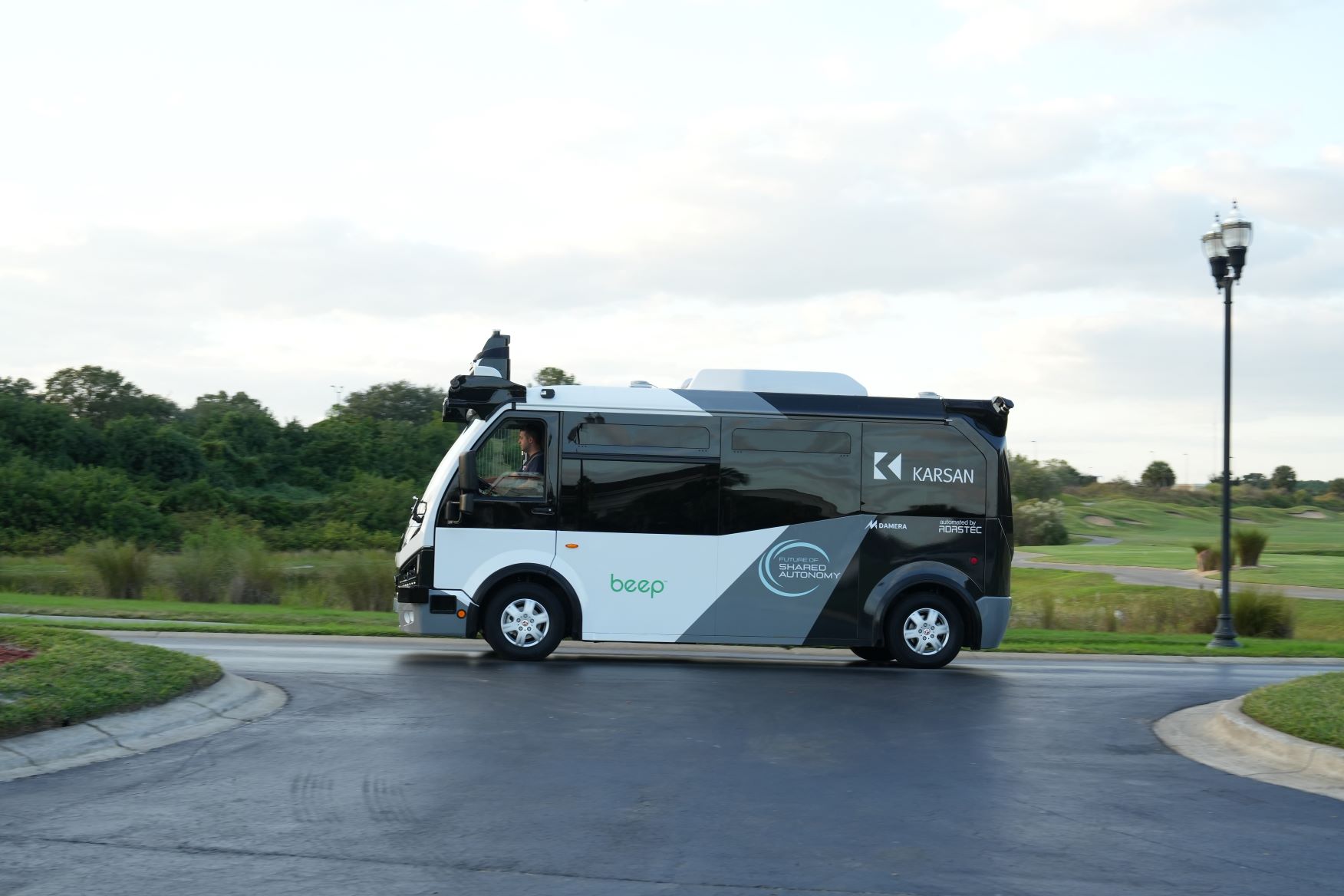
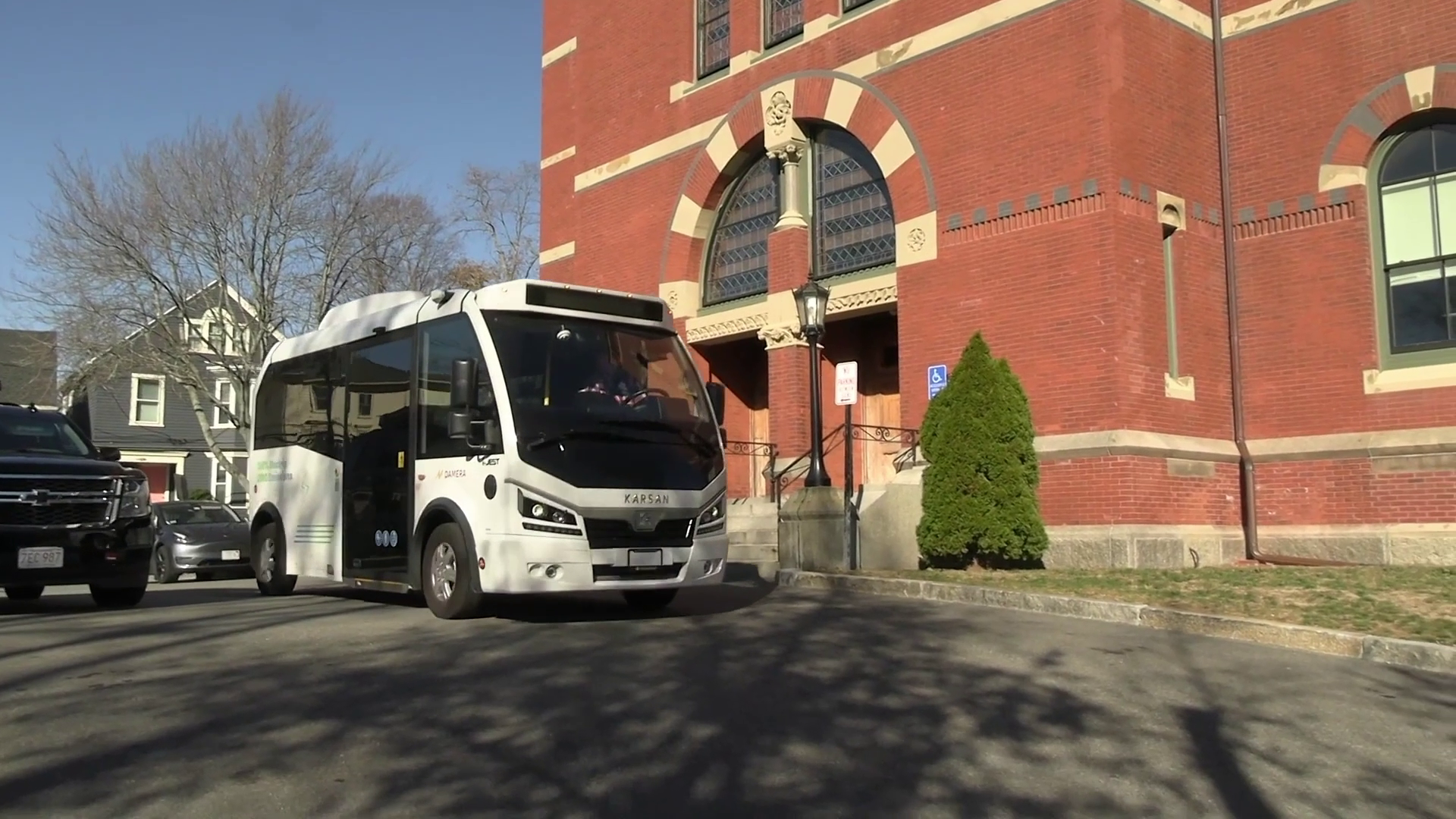
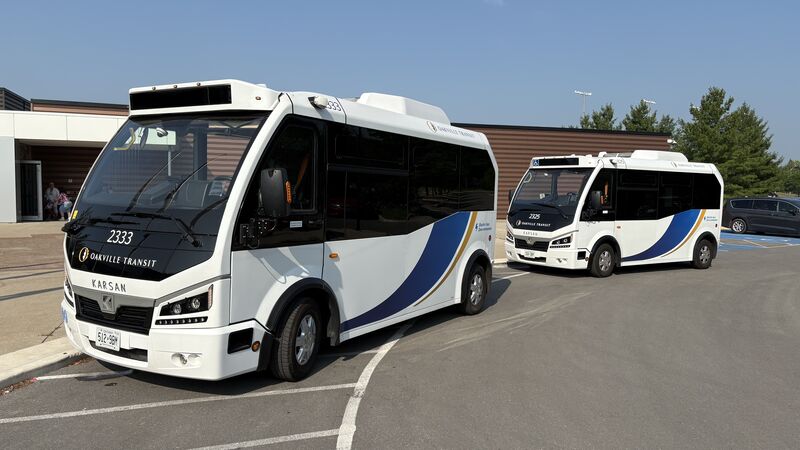
Karsan eJEST was selected for autonomous deployment. The vehicle is a right-sized, transit-grade platform designed specifically for urban and community service.
Key reliability characteristics include:
- A low-floor monocoque structure engineered for continuous stop-and-go duty
- Advanced corrosion protection for year-round operation in harsh climates
- Independent suspension and compact turning geometry for constrained urban streets
- A simplified electric driveline with regenerative braking that reduces mechanical wear and recovers energy during deceleration
- A comprehensive safety suite that minimizes incidents and service interruptions
- Integrated telematics that support proactive maintenance and real-time diagnostics
These features translate directly into fewer breakdowns, fewer service disruptions, and more vehicles available to protect frequency and on-time performance.
Design Features That Support Ridership
Vehicle design directly influences whether riders choose transit—especially for short, discretionary, and first/last-mile trips. The eJEST Autonomous supports ridership by reducing friction and improving comfort through:
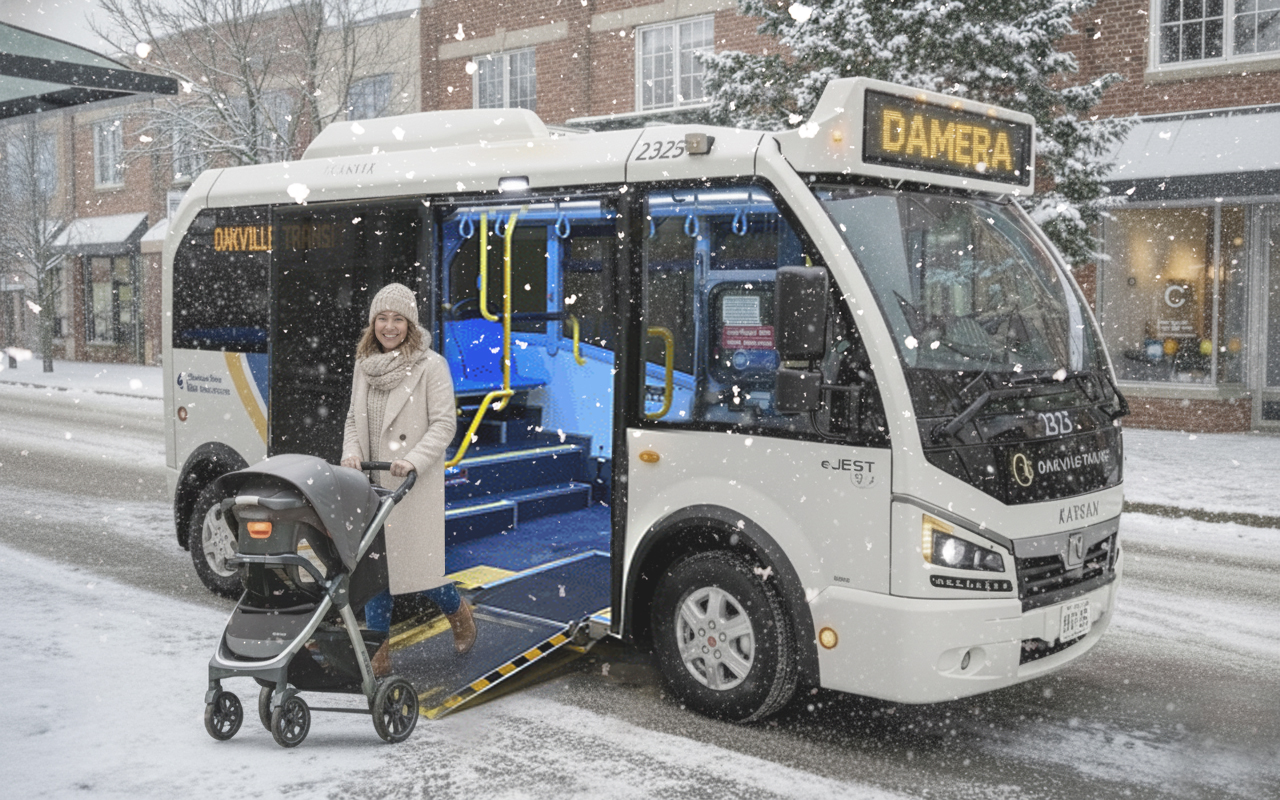
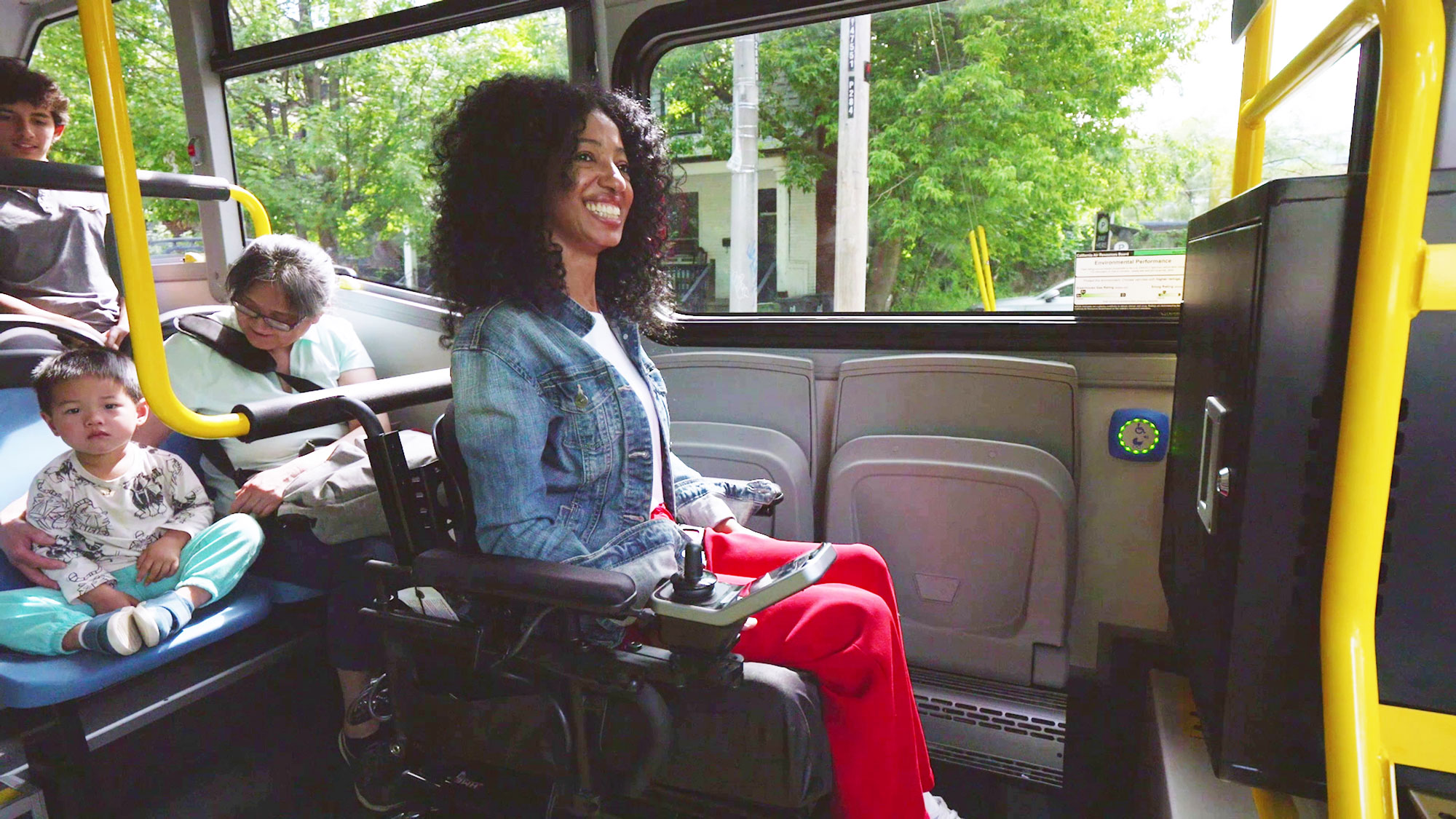
- Low-floor, step-free boarding with integrated ramp for fast, accessible entry
- Wide doors and open interior layout that speed boarding and reduce crowding
- Comfortable seating and smooth electric ride that encourage repeat use
- Large windows and modern interior design that feel open, safe, and inviting
- Technology readiness for fare validation, passenger information, Wi-Fi, and charging
- Autonomous-ready appearance that builds confidence in new service models
Together, these features make transit easier to use, more welcoming, and better suited to everyday travel—helping agencies attract riders where frequency and convenience matter most.
Damera’s Role in Making Autonomous Service Practical
As the North American distributor and service partner for the Karsan eJEST, Damera’s role extends well beyond vehicle delivery. Our perspective is shaped by decades of hands-on experience in bus repair, refurbishment, and lifecycle support.
Autonomous deployments amplify what transit agencies already care about: uptime, maintainability, and operational readiness. That’s why our teams evaluate vehicles through an operational lens—how they perform after months and years of daily service, not just how they look on paper.
By supporting autonomous deployments with proven platforms, bus service expertise, and after-sales support, Damera helps agencies move from demonstration to dependable operation.
The Future Is Being Built Now
Autonomous mobility is the future in the making—built through deliberate deployment, clear performance goals, and proven vehicle platforms that can deliver consistent service under real operating conditions.
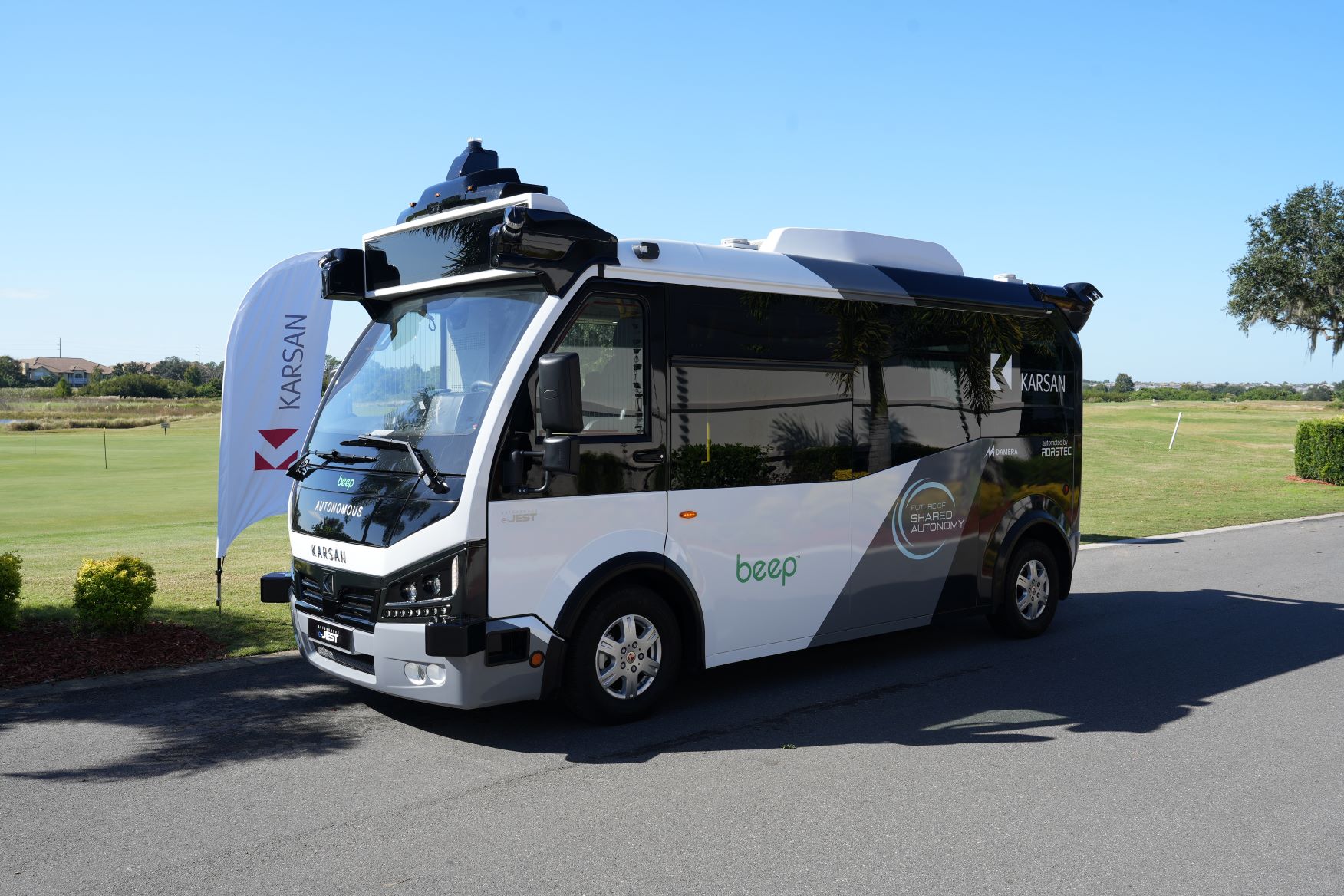
For agencies and cities, the next step is practical: identify where short-route frequency and connectivity matter most, define success in terms of reliability and rider experience, and evaluate autonomous solutions that strengthen—not disrupt—the existing network.
If your organization is exploring autonomous circulators, campus shuttles, or first/last-mile connectors, Damera can help assess readiness and structure a responsible eJEST-based deployment from day one.
Contact us and learn more about eJEST Autonomous here.



.jpeg)








.jpeg)


.jpg)


.svg)