


.svg.avif)




-p-500-p-500.avif)









EV Buses

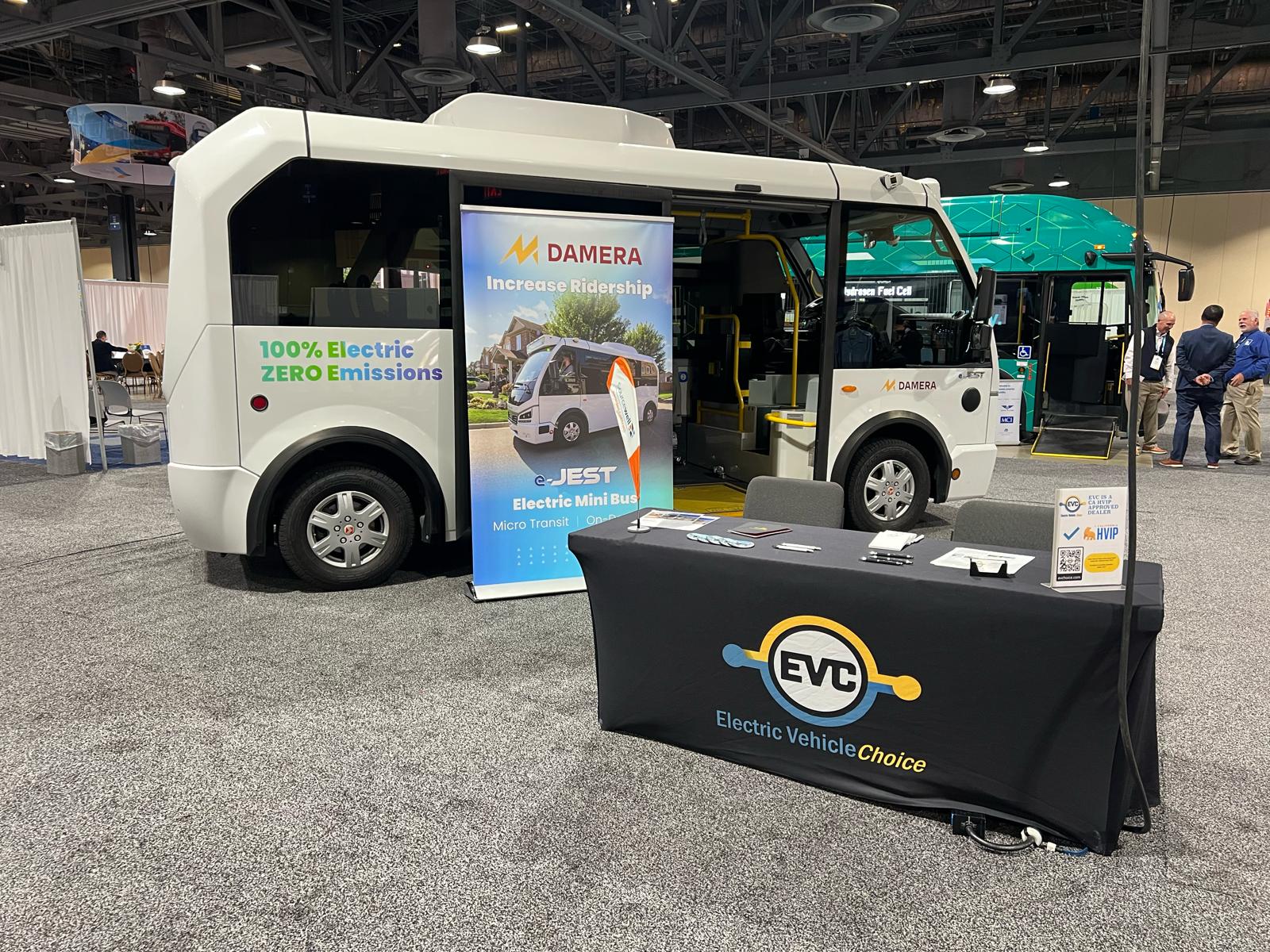
A quiet, efficient, fully accessible electric minibus. The eJEST delivers exceptional maneuverability, low operating costs, and smooth passenger experience.
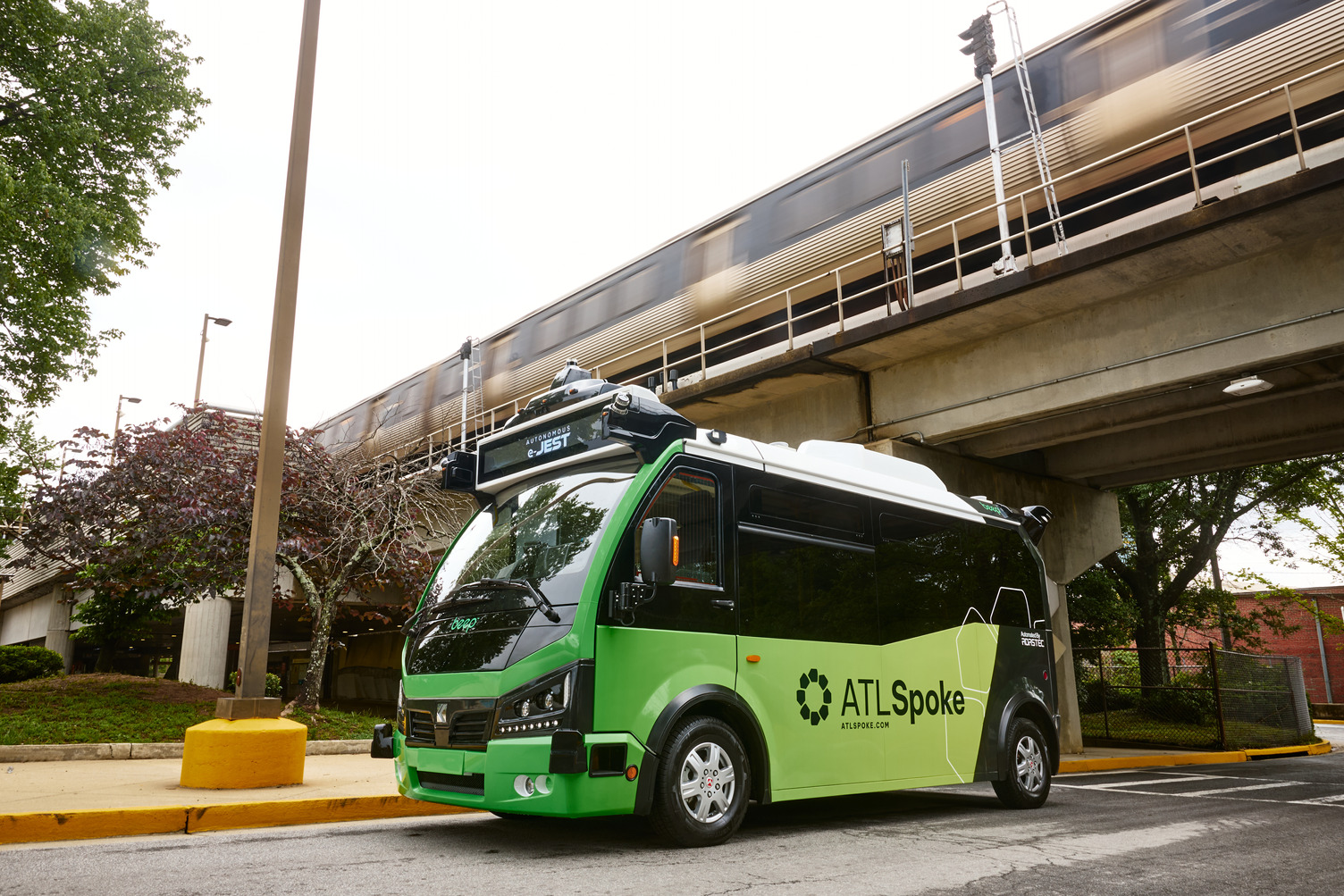
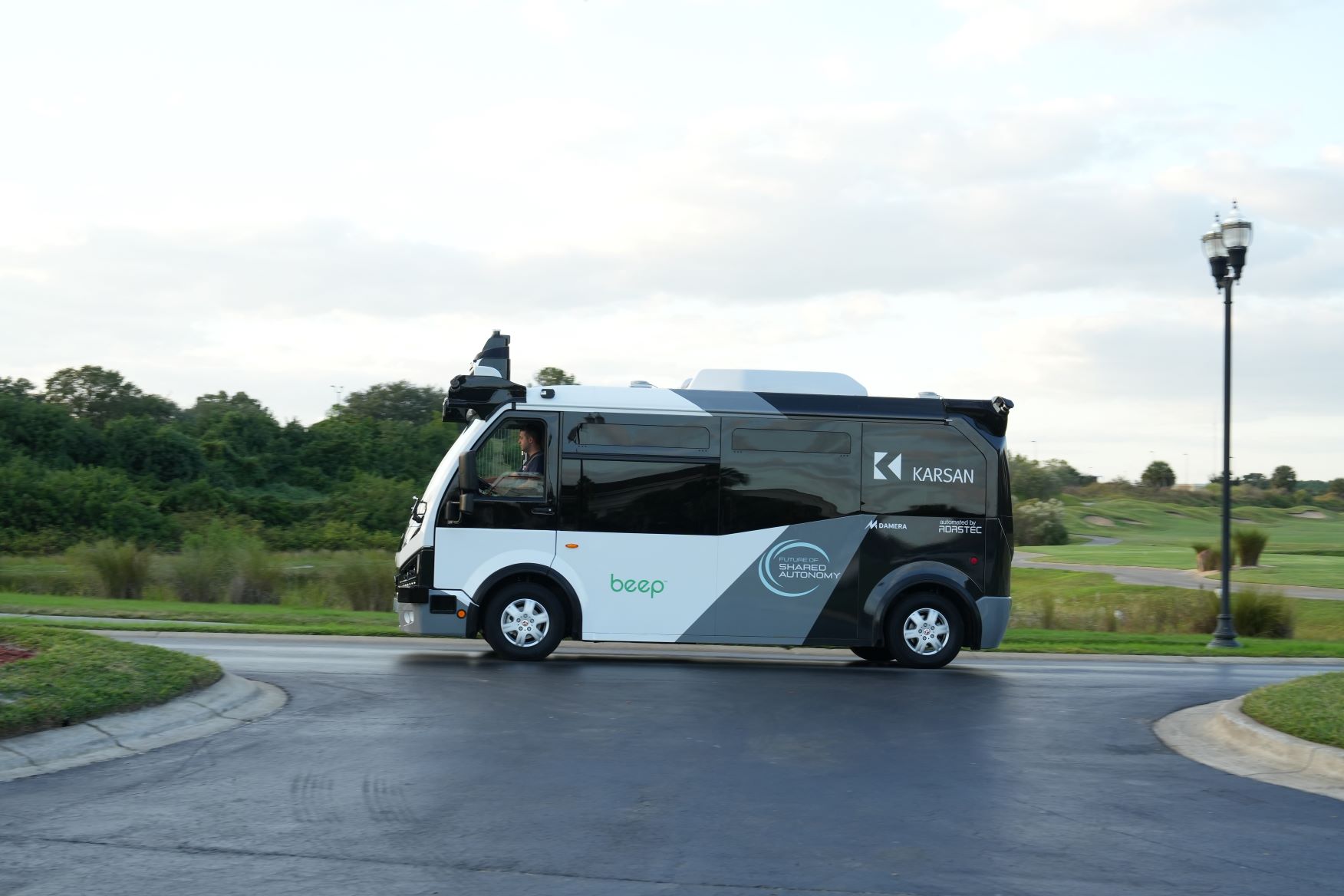
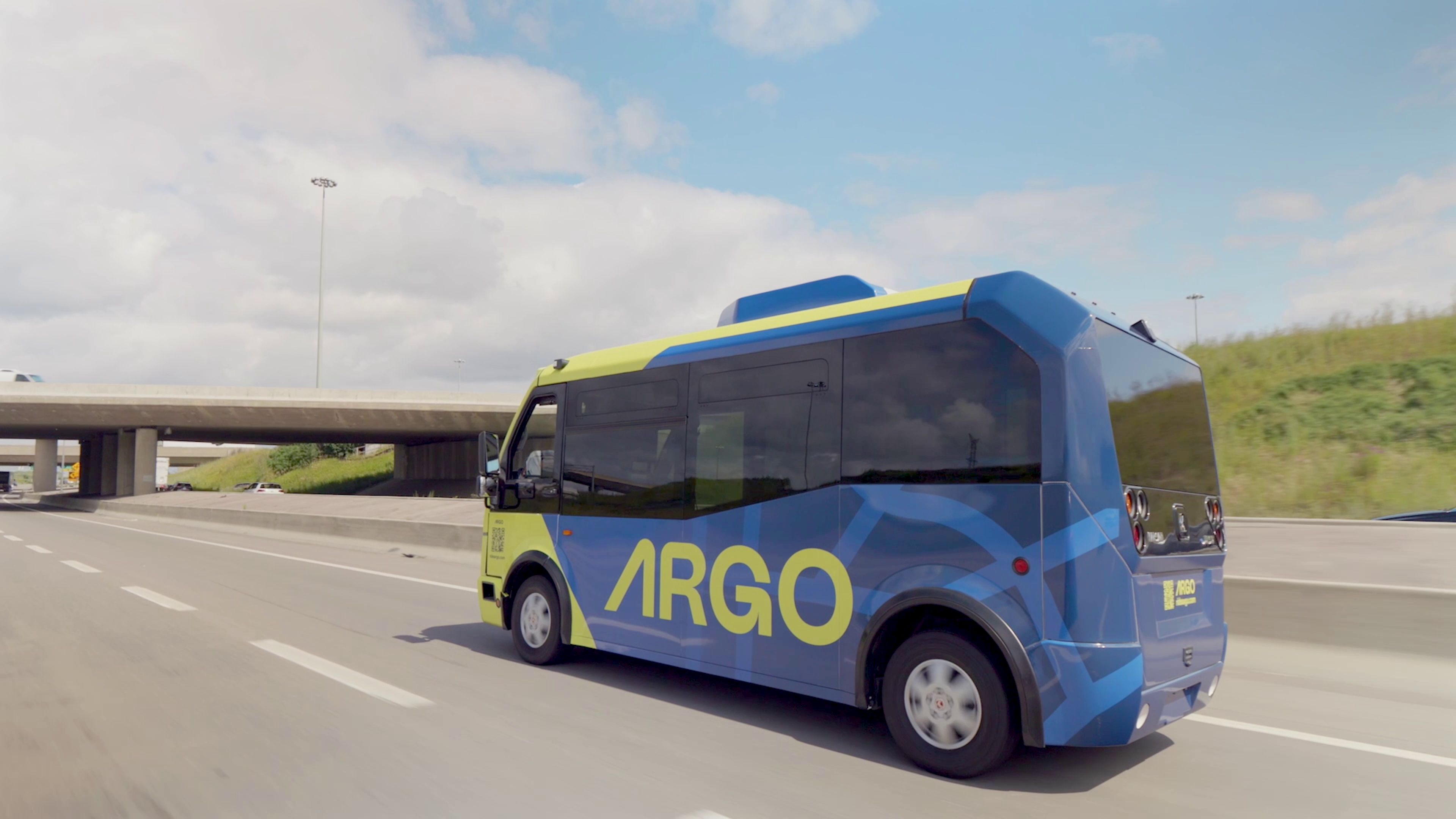
Built on the proven eJEST platform and automated by ADASTEC, this Level-4 autonomous minibus brings reliable, safe, and fully accessible automated transit to real-world routes.


Chargers

All Chargers
Explore all charging options on one page
Services
TUV Level 3
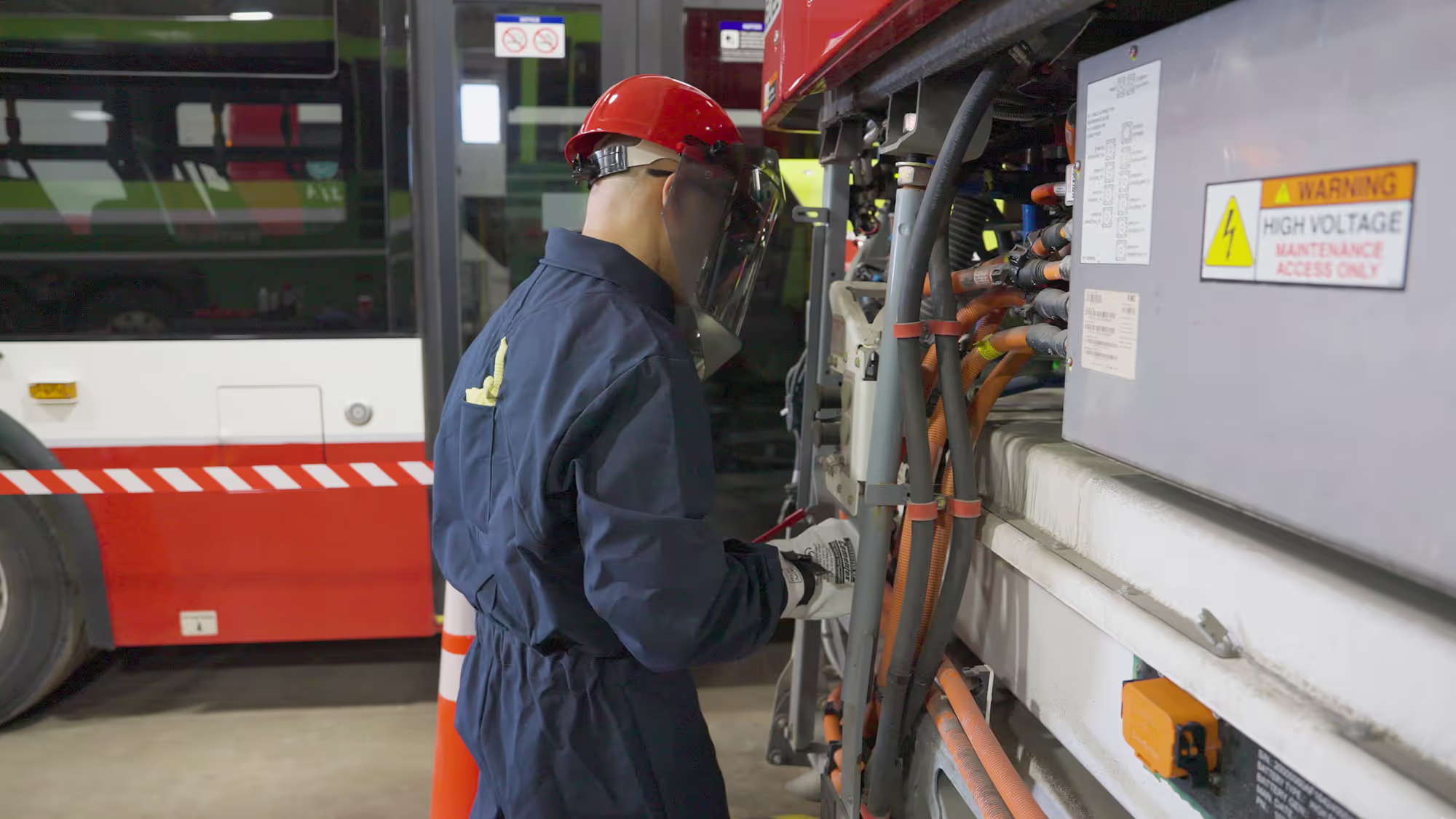
High Voltage Training

Work safely and effectively with high-voltage systems

Charger Installation
Contributes to the seamless integration of electric vehicles

Electrical Engineering
Get your skills in electrical engineering tailored to the transit industry
Bus Service (MBCT)
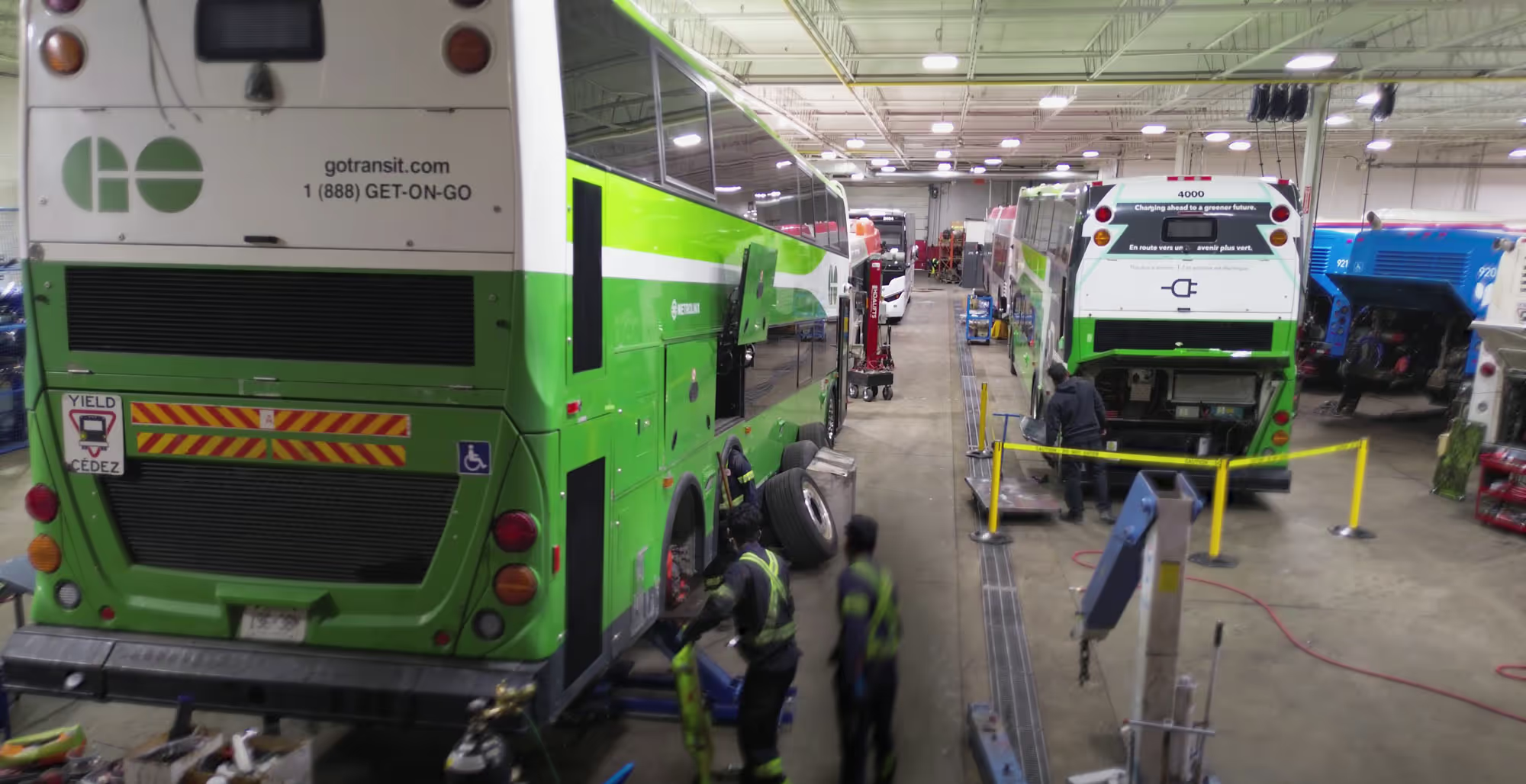
Comprehensive bus service ensuring reliable maintenance, repairs, and safety compliance.
MICROTRANSIT

Paratransit Buses
Learn more about our paratransit vehicles and how we’re improving mobility for people with disabilities and underserved riders.

Micromobility Buses
Discover how our buses support both paratransit needs and provide efficient service in low-ridership areas.

Minibuses for Campuses
Learn how modern electric minibuses create smoother, safer, and more convenient transportation for students and staff.

.svg)
There is no previous post
Previous Post
Next Post
There is no next post
Right-Sized Mobility: How Cities Turn Holiday Demand 🎄 into Lasting Value
No items found.
Holiday Readiness: Why Transit Plays a Strategic Role in City Economies
In the spirit of the season, it is worth reflecting on the relationship between holiday travel and economic demand—and on how cities and transit agencies can prepare to capture its full value. Christmas markets, winter festivals, concerts, and seasonal celebrations generate powerful but temporary spikes in movement. These moments create what planners call latent demand: people want to attend, explore, shop, and participate.
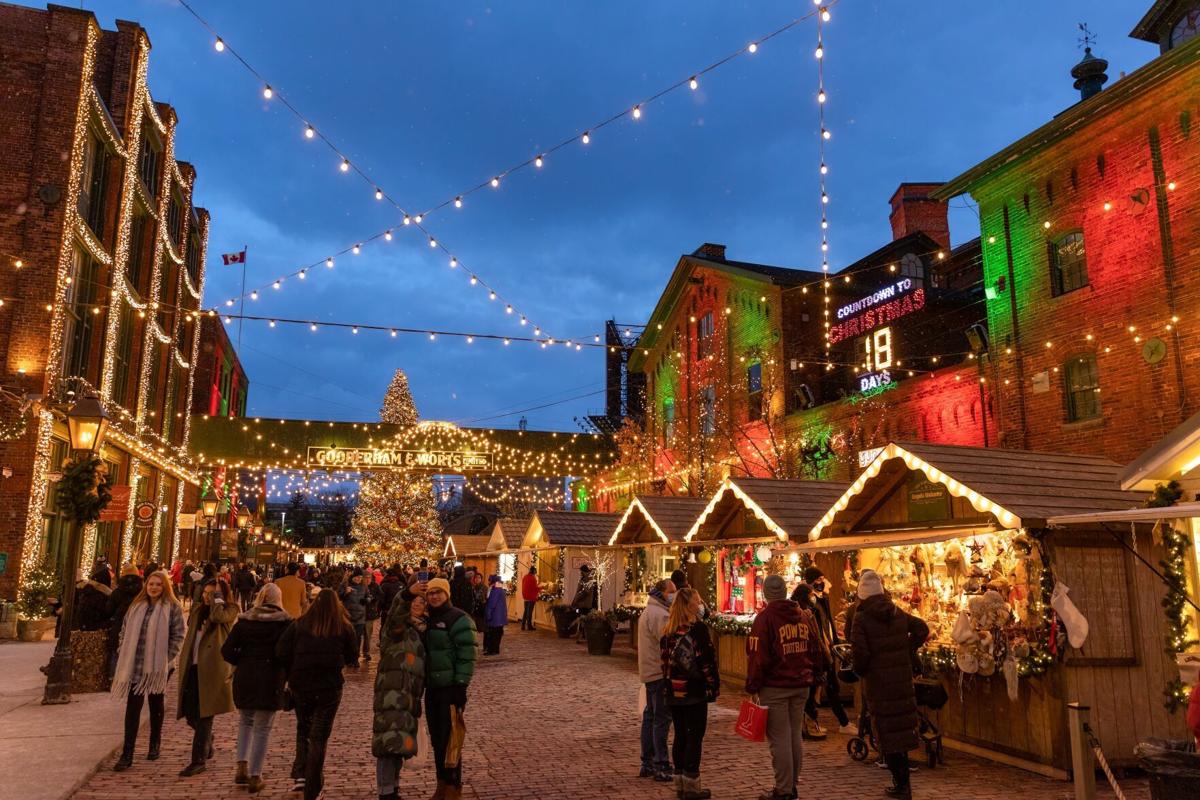
Whether that demand turns into real visits, real spending, and lasting benefit for communities depends on one thing: access.
Public transit plays a critical enabling role by moving people efficiently, supporting tourism, and ensuring that seasonal demand translates into distributed economic activity rather than congestion or disruption. For transit agencies, holiday periods also reveal a fundamental truth: when demand intensifies, reliability and vehicle choice matter more than ever.
From the perspective of a transit industry partner and dealer, seasonal peaks are often the clearest test of a system. They expose how vehicles perform under frequent stops, extended service hours, cold weather, and dense pedestrian environments—and whether fleets are flexible enough to adapt to how cities actually move during these periods.
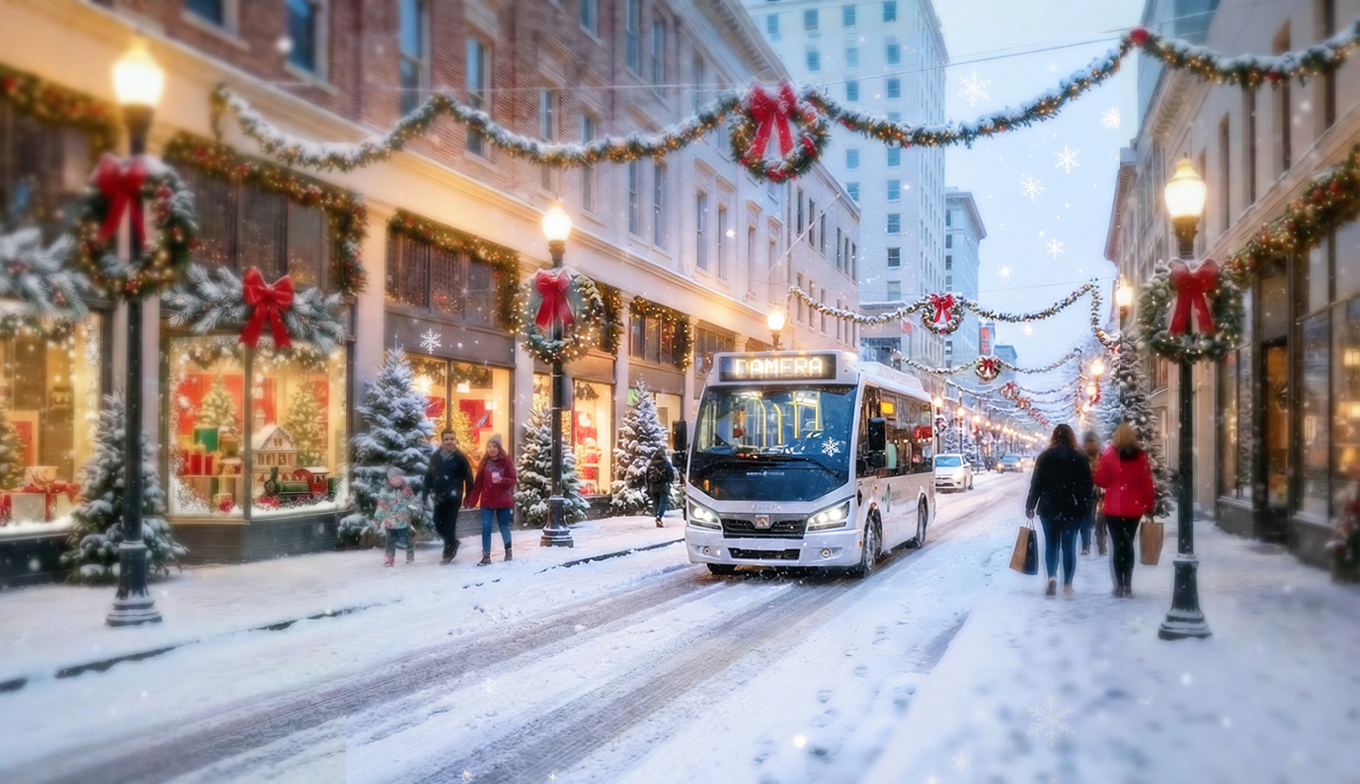
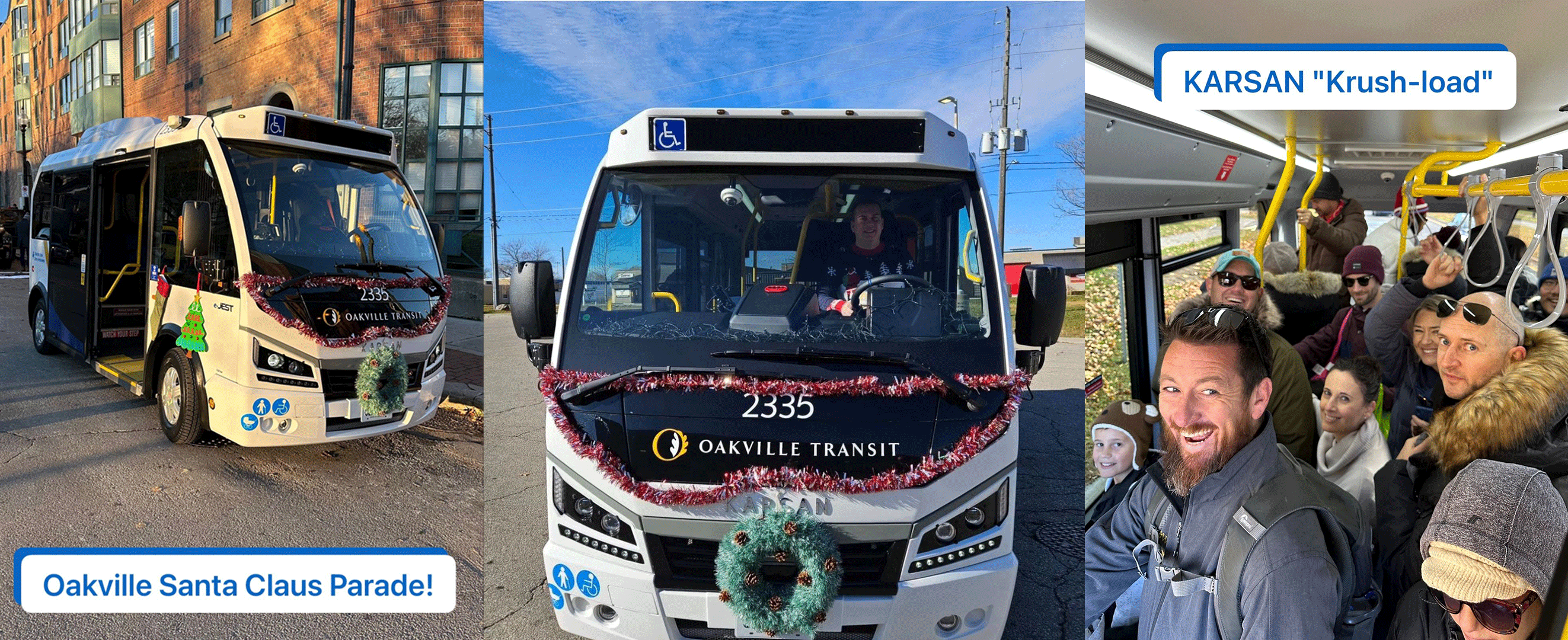
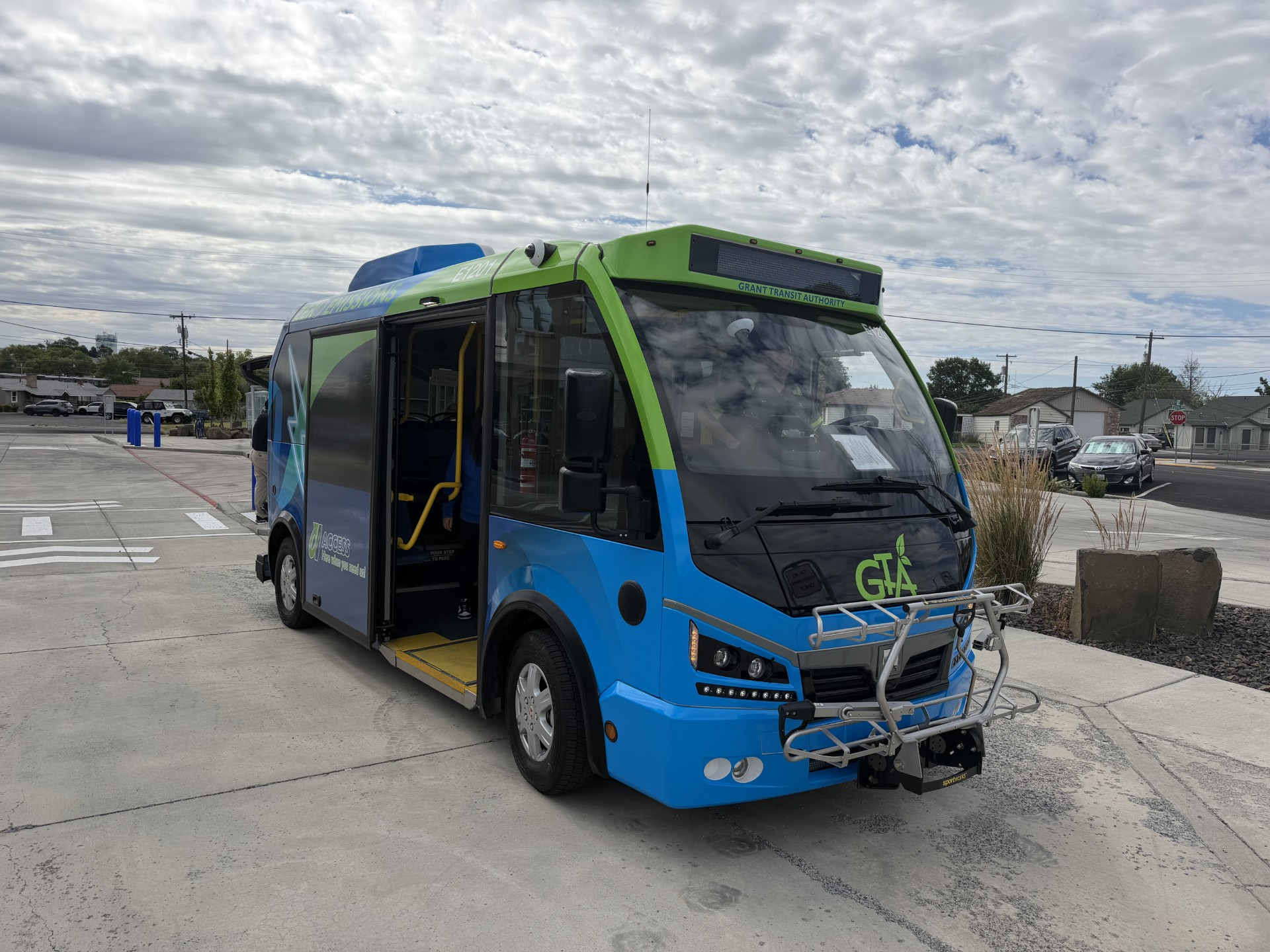
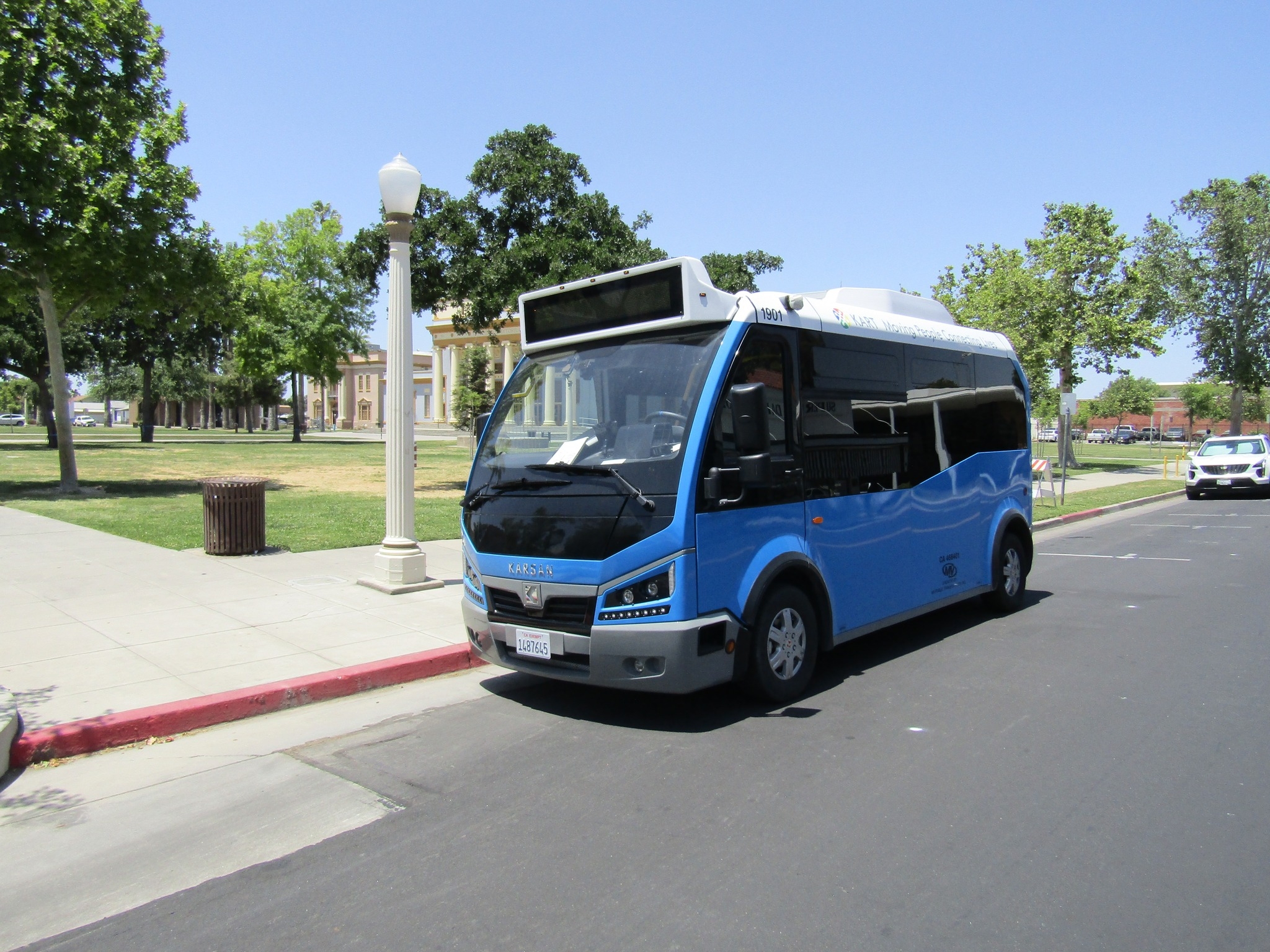
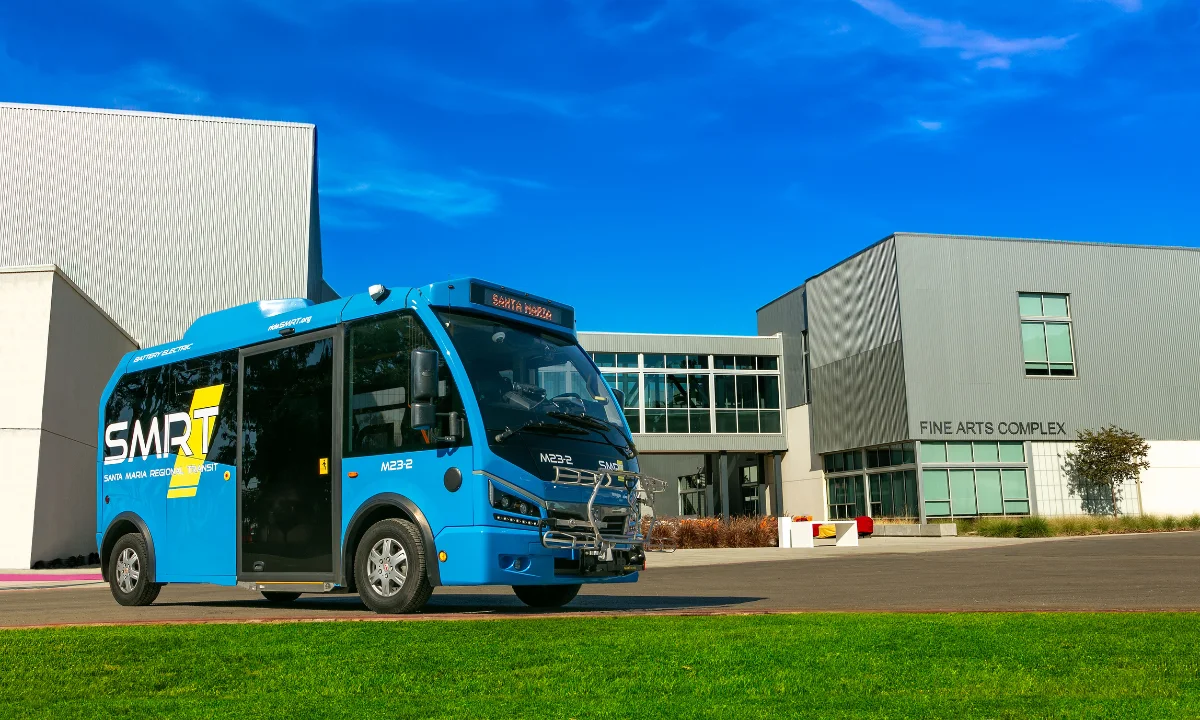
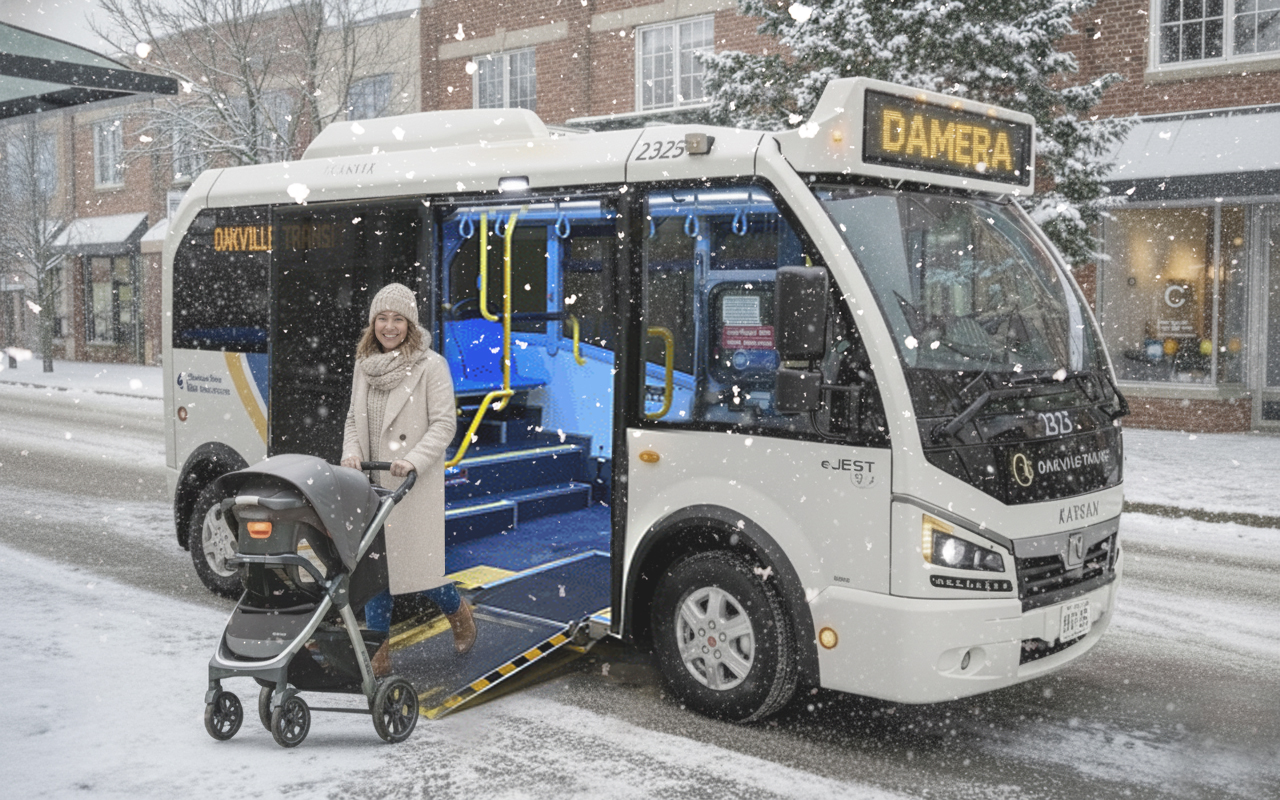
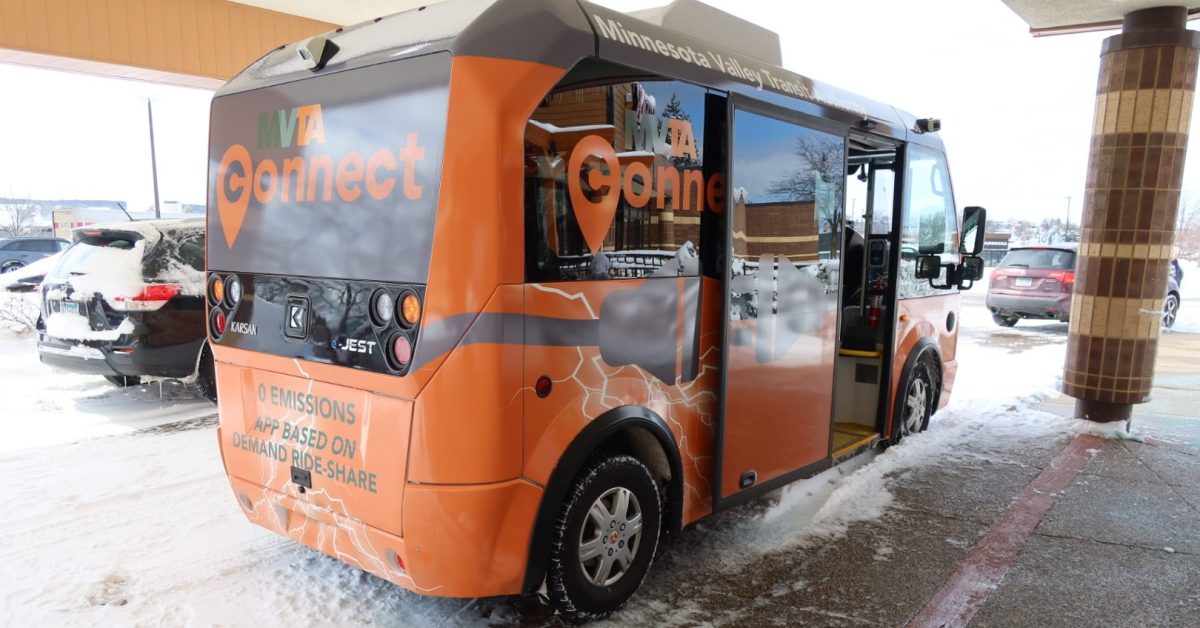
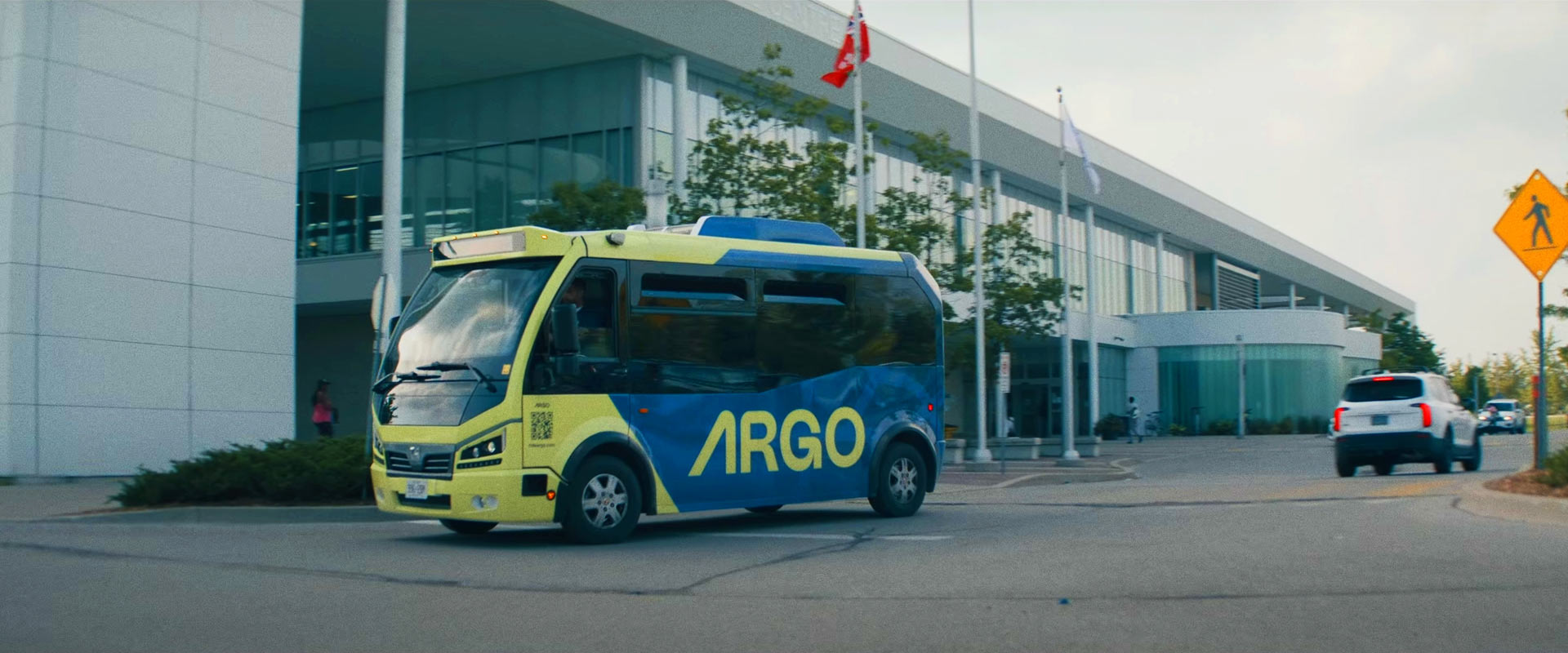
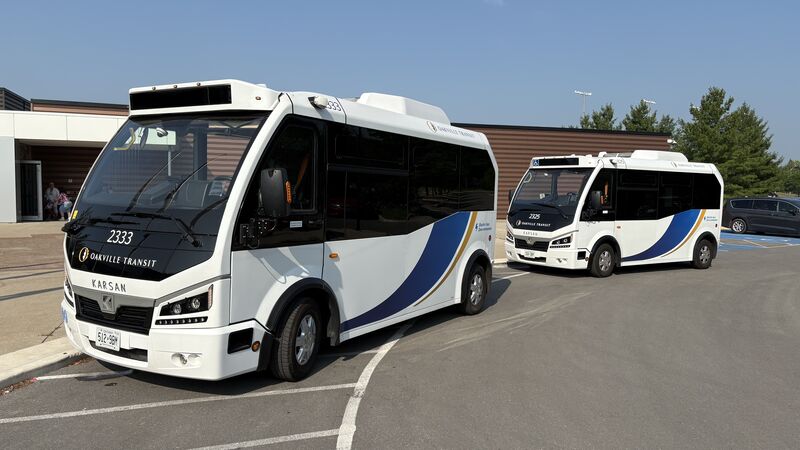
As a company focused on right-sized transit and minibuses such as the Karsan eJEST, we see these moments as especially revealing. Holiday travel does not resemble peak-hour commuting. Travel becomes shorter and more frequent, shifts off-peak, and is driven by circulation between places rather than point-to-point trips. This is where right-sized vehicles consistently prove their value—enabling higher frequency, easier access, and efficient operation without oversupplying capacity.
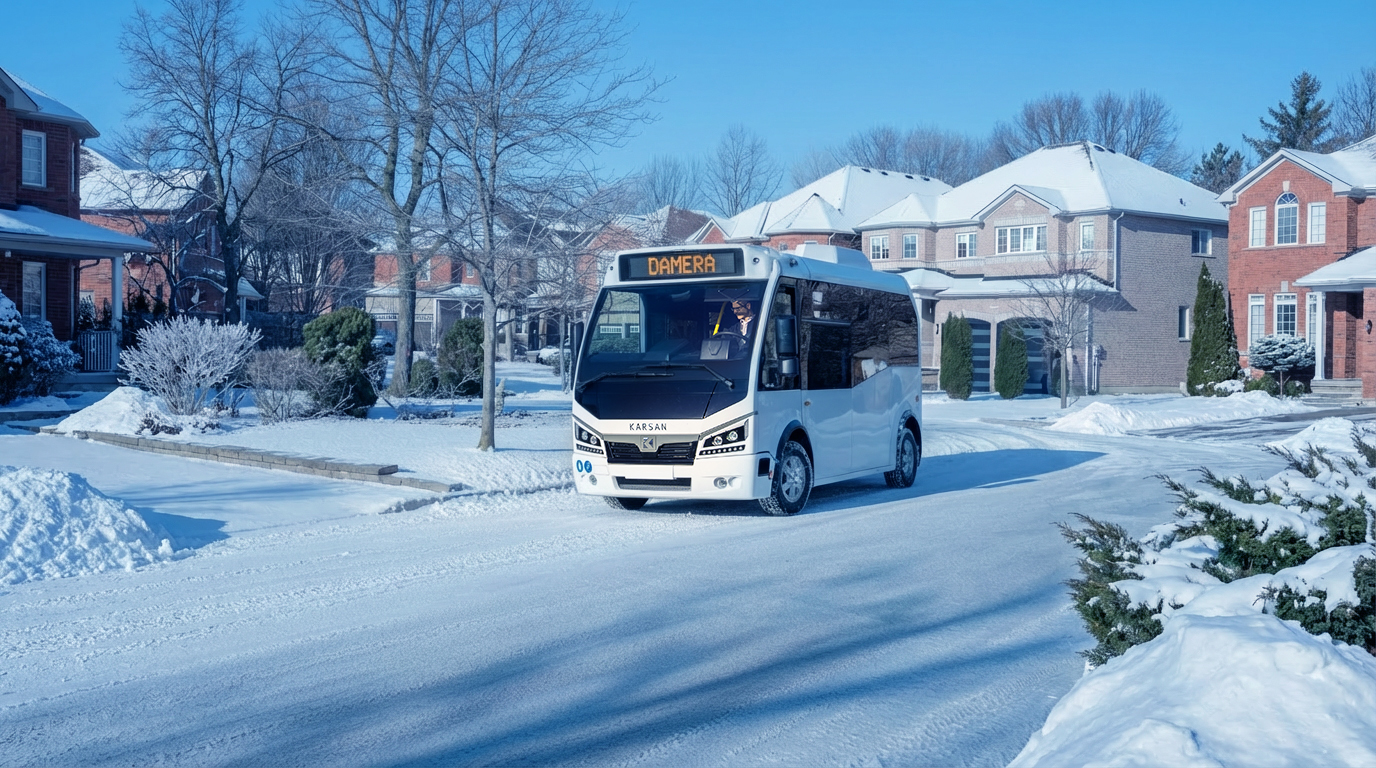
Holiday mobility is also not limited to city centers. For many residents, trips begin in suburban neighborhoods, where distance—not parking—can quietly suppress participation. Reaching activity hubs may require long drives, multiple transfers, or exposure to cold conditions. When transit options are limited or infrequent, even strong seasonal interest can turn into hesitation.
Right-sized and on-demand transit can make these trips smoother and more appealing—especially in winter—by providing reliable first- and last-mile connections, flexible routing, and comfortable service that reduces reliance on long car trips. By linking suburban neighborhoods to festive destinations and supporting circulation once people arrive, right-sized transit helps broaden participation while keeping urban cores accessible and manageable.
Why Access Depends on Vehicles, Not Just Routes
Access is shaped not only by schedules and routes—it is also shaped by the vehicles themselves.
Holiday travel is not peak-hour commuting. Oversized commuter buses can be inefficient and intrusive in dense, pedestrian-heavy environments, while underpowered shuttles may lack the reliability or flexibility agencies need.
Right-sized transit vehicles allow agencies to:
- match capacity to real demand
- increase frequency without oversupplying seats
- circulate smoothly through constrained streets
- stop closer to destinations
- operate efficiently across long service hours
Vehicle choice directly affects how welcoming—and how economically effective—holiday transit becomes.
Cost efficiency is part of this equation. Because right-sized vehicles are smaller and less complex than full-size electric buses, their capital cost is significantly lower. In practice, agencies can often deploy multiple right-sized vehicles for the price of a single large e-bus. This allows agencies to increase frequency, reduce wait times, and improve reliability—factors that matter far more to riders during seasonal and discretionary travel.
Higher frequency improves rider confidence, supports circulation-based travel, and strengthens the role of transit during periods when cities are most active. In this way, right-sized vehicles don’t just reduce costs—they enable a service model that better matches how people actually move during the holiday season and beyond.
What Successful Cities Do Differently
Across Canada and the U.S., cities increasingly invest in holiday and seasonal activity because it delivers outsized economic and social return in a short period of time. Seasonal programming activates downtowns, supports local businesses, strengthens tourism, and reinforces civic identity—often without the long timelines or capital intensity of major infrastructure projects.
Cities that succeed during the holiday season do not rely on special transit programs or one-off interventions. Instead, they build on everyday transit systems that adapt well when activity intensifies. Successful destinations tend to follow a consistent pattern:
1. Create a compelling reason to visit
Seasonal programming—markets, lights, and cultural events—draws visitors and increases trip frequency, driving higher spending across retail, hospitality, and cultural venues, often with modest public investment.
➡️ Right-sized transit supports this by operating frequently in dense or historic areas, navigating constrained streets, and stopping closer to activity zones. Shorter wait times and easier access encourage spontaneous visits and longer stays, amplifying the economic impact of seasonal events without permanent infrastructure expansion.

2. Make access easy without relying on parking
By prioritizing transit, walkability, and short local trips, cities can welcome more visitors using existing infrastructure—preserving historic character while delivering stronger economic return.

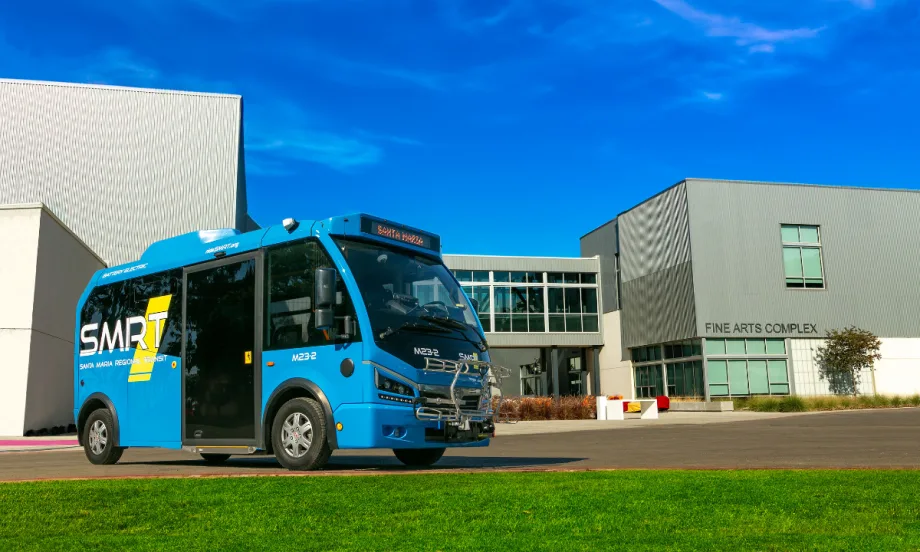
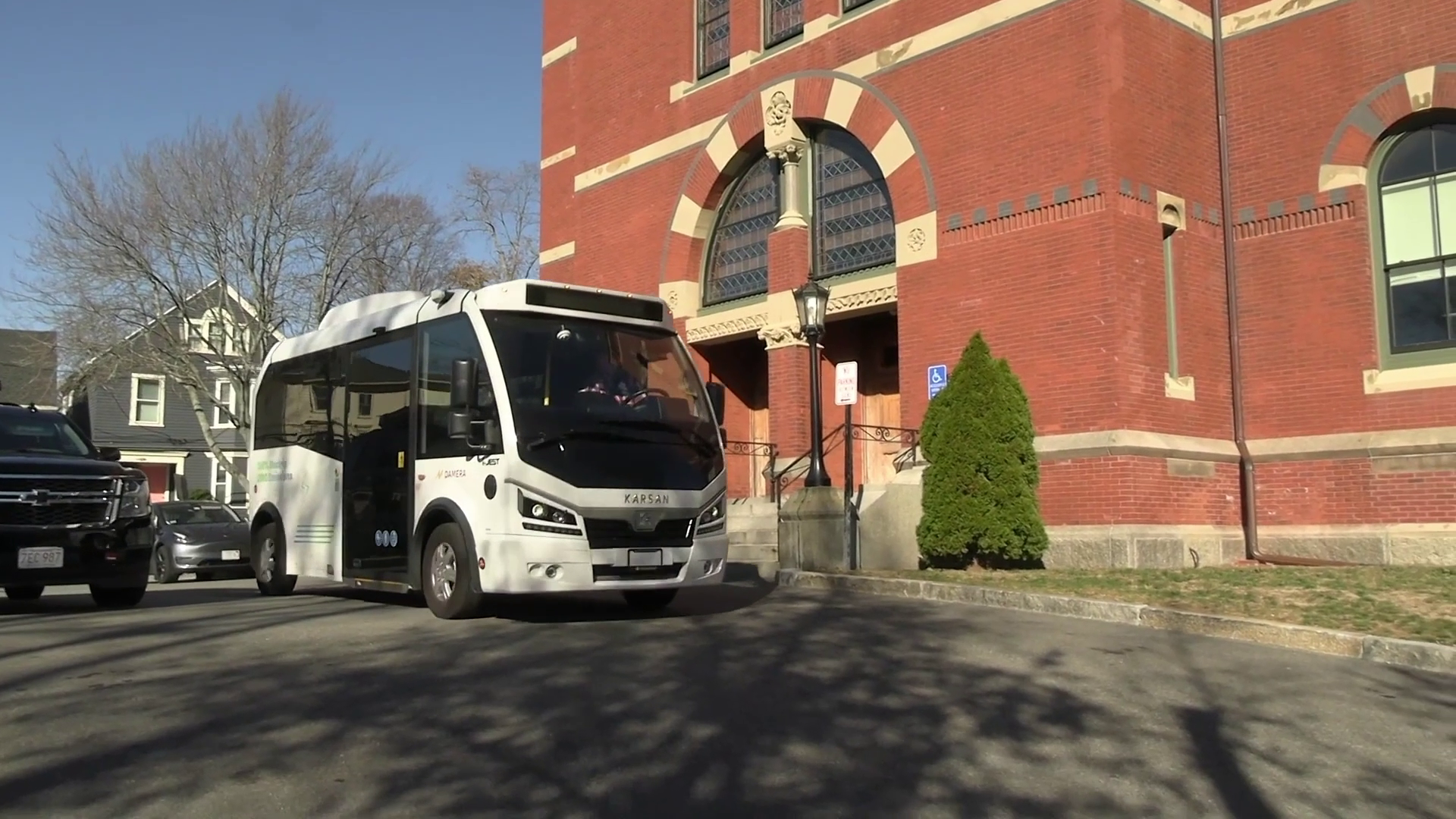
➡️ Compact vehicles such as the Karsan eJEST fit comfortably in narrow streets and pedestrian-heavy areas, bringing transit closer to destinations and reducing walking distances. Their lower capital and operating costs allow agencies to increase frequency and coverage without expanding roads or parking, keeping access simple and intuitive during peak holiday periods.
3. Encourage circulation—not just arrival
Holiday success depends on helping people move easily between destinations.
➡️ Right-sized vehicles enable frequent local routes and circulators that support short, spontaneous trips between shops, cafés, markets, and cultural venues. Higher frequency and easy boarding encourage exploration rather than single-stop visits, allowing economic activity to spread across districts. The result is longer dwell time, broader foot traffic, and stronger performance for a wider range of local businesses.
Taken together, these strategies allow cities to maximize the return on limited public investment—using existing transit assets to increase access, frequency, and circulation while generating higher visitor spending and stronger local business performance.
Scalable Transit and Seasonal Readiness
Scalable transit means a system can respond to changing demand without major disruption or permanent expansion. During the holiday season, this may involve increasing frequency, extending service hours, adding short circulator routes, or strengthening suburban-to-urban connections—using the same core network, depots, and staff.
Right-sized vehicles give agencies the flexibility to scale service up or down efficiently. Lower capital and operating costs allow more vehicles on the street, smoother absorption of seasonal peaks, and shorter waits for riders. This adaptability makes transit more reliable and easier to trust during discretionary, off-peak, and winter travel.
Scalable transit is not about temporary services for special events—it is about equipping everyday systems to adapt naturally when cities become more active.
Transit as an Economic Enabler
Across cities of all sizes, holiday success is shaped by access, circulation, and the ability to move people efficiently through dense, space-constrained environments. Large cities show how transit enables high volumes without congestion. Smaller cities demonstrate how circulation extends dwell time and spreads spending. Cold-weather cities prove that winter vitality depends on mobility, not climate.
During the holiday season, transit agencies are not just service providers—they are economic enablers. Readiness, flexibility, and frequency allow cities to manage seasonal peaks while strengthening downtown vitality, tourism outcomes, and system relevance beyond peak commuting.
Procurement and Partnership Matter
Procurement decisions shape whether systems can deliver these outcomes. Right-sized vehicles that are nimble, reliable, accessible, and robust allow agencies to operate smoothly in both cold and hot conditions, handle frequent stops and long service hours, and reuse vehicles year-round across multiple service types.
A knowledgeable dealer or partner plays a critical role—helping agencies select vehicles that fit real operational conditions, not just specifications on paper. Lifecycle reliability, service readiness, and operational fit determine whether vehicles support economic outcomes long after the holidays end.
Looking Ahead
Holiday readiness is not about doing more—it is about doing the right things well. When cities align seasonal programming with effective transit access, and when agencies deploy the right vehicles with the right support, holidays become more than moments of celebration. They become drivers of tourism, local economic strength, and long-term urban vitality.
Right-sized mobility, thoughtful procurement, and strong partnerships help cities deliver reliable service when it matters most—and continue to serve their communities confidently throughout the year.









.jpeg)









.jpeg)


.jpg)


.svg)