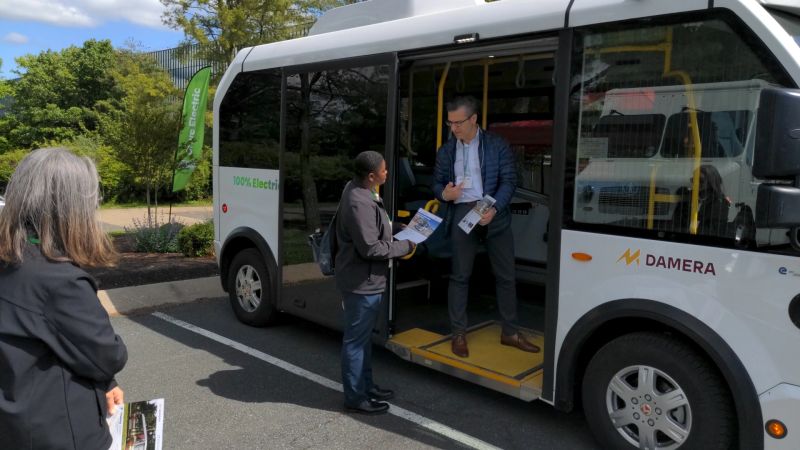
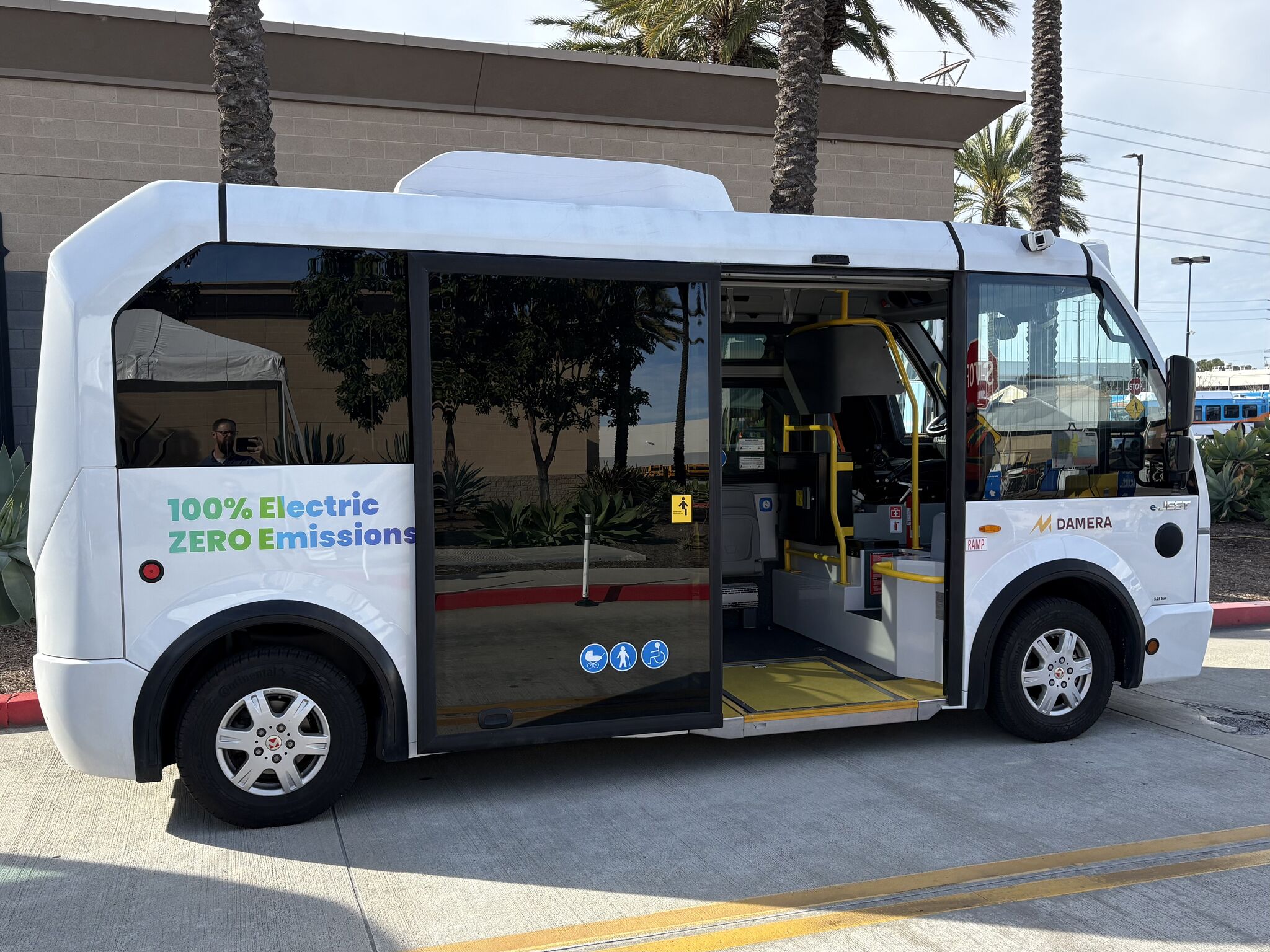
A quiet, efficient, fully accessible electric minibus. The eJEST delivers exceptional maneuverability, low operating costs, and smooth passenger experience.
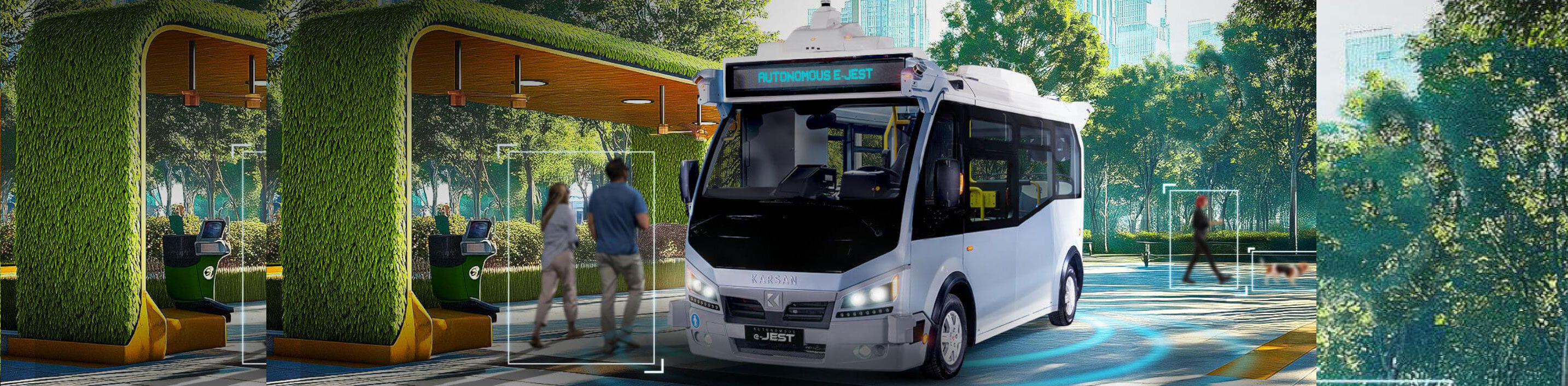
Built on the proven eJEST platform and automated by ADASTEC, this Level-4 autonomous minibus brings reliable, safe, and fully accessible automated transit to real-world routes.
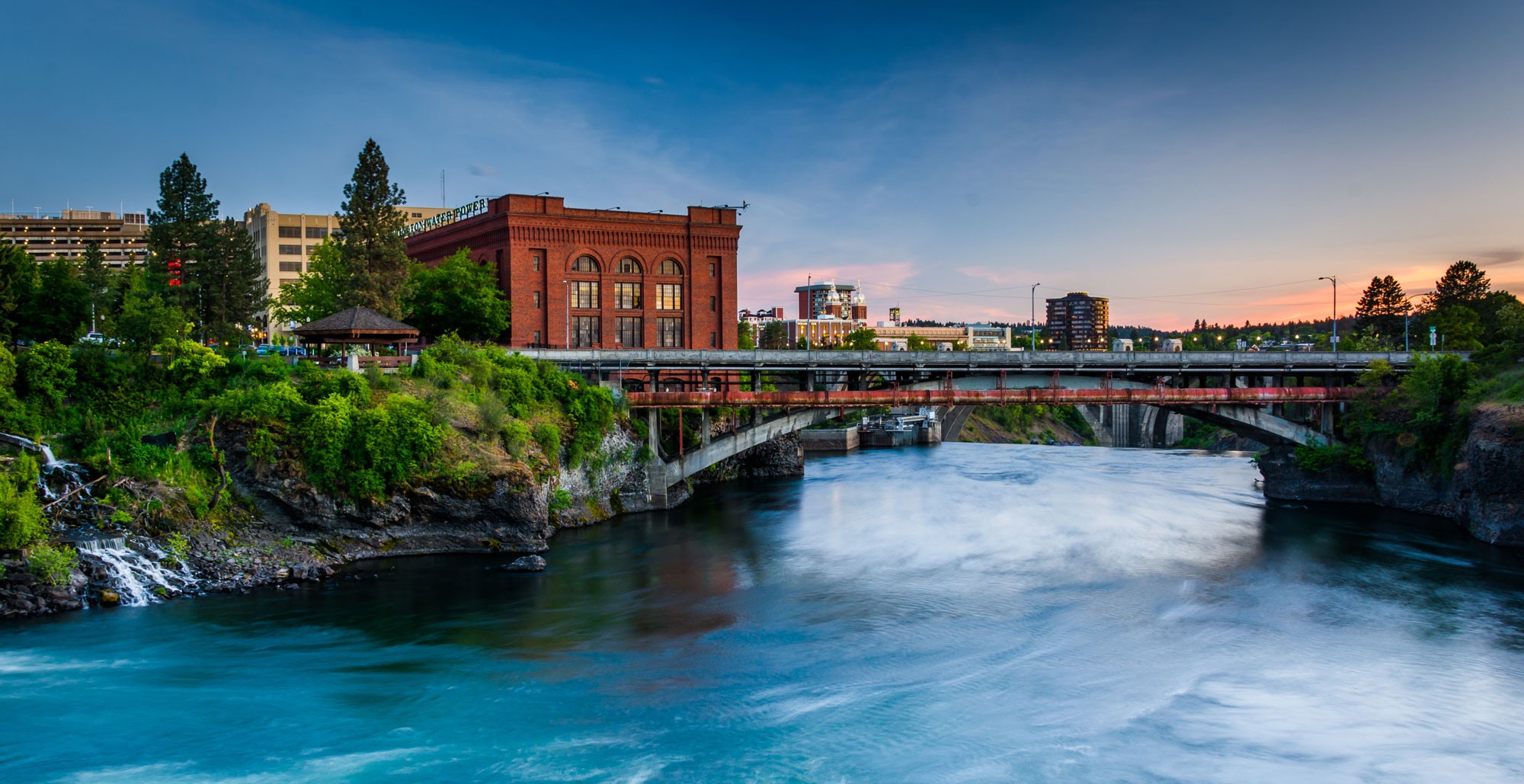
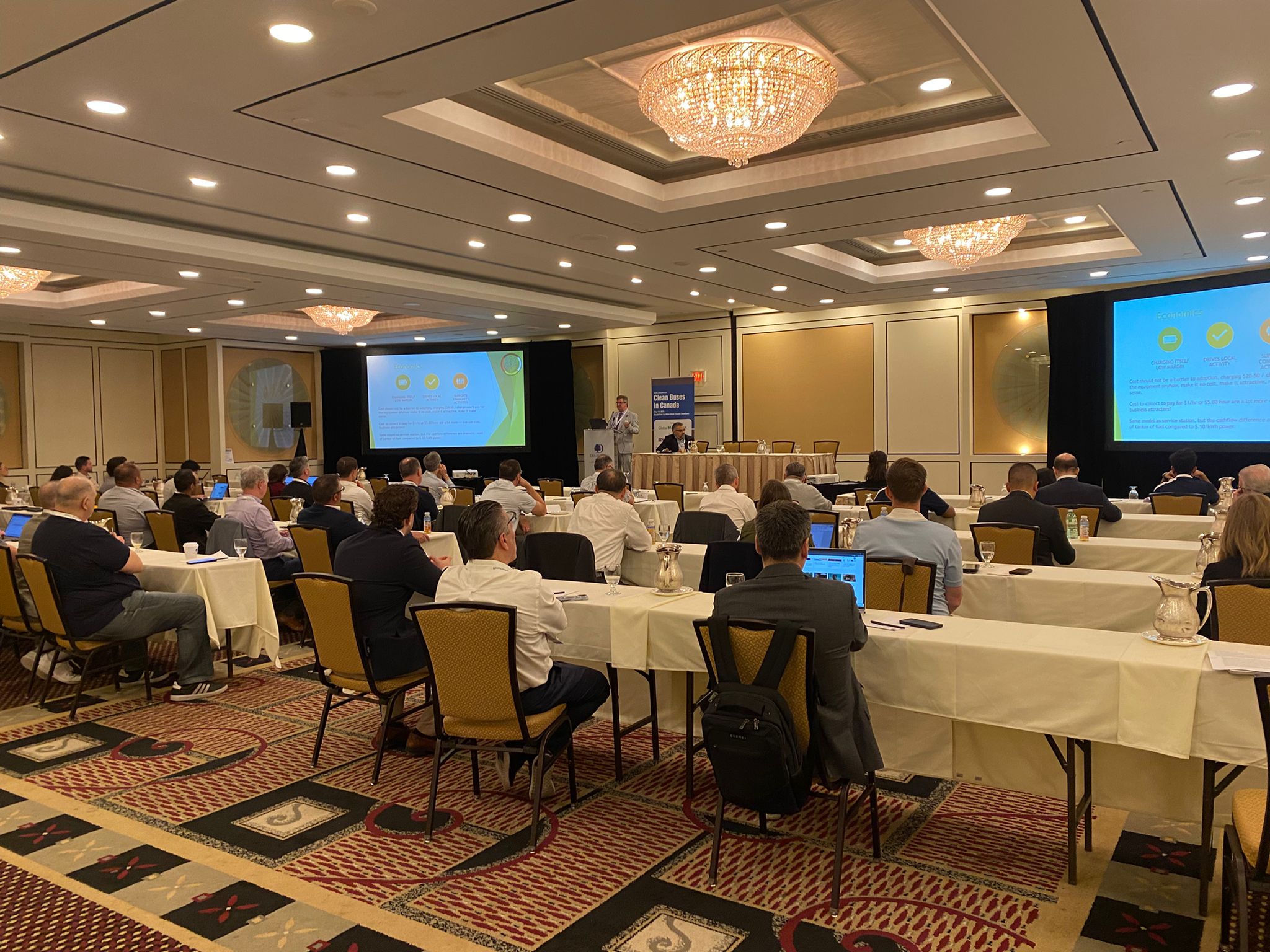
We’re taking you to Atlantic City — the long-standing home of the NJ TransAction Conference, now celebrating five decades of bringing the transportation industry together. There’s a distinctive atmosphere here that you can feel the moment you arrive.
The ocean breeze, the energy of the boardwalk, and the constant exchange of ideas create a setting that is both vibrant and reflective. From April 14–16, 2026, at Harrah’s Resort, TransAction once again brought together transportation professionals from across North America, reaching record attendance and reinforcing its reputation as one of the most influential gatherings in the industry.
What started in 1976 as a small gathering of roughly 30 transportation professionals has grown into a multi-day event with more than 100 sessions, over 120 exhibitors, and upwards of 1,300 participants representing public agencies, operations, engineering, planning, and the private sector.
At its essence, TransAction goes beyond the format of a traditional conference. It functions as a working platform for the industry — a place where those involved in planning, funding, designing, operating, and maintaining transportation systems come together to examine real challenges and advance practical, implementable solutions.
Damera Corporation was proud to be part of NJ TransAction — not only as a contributor to the industry dialogue, but also because the origins of this event reflect principles that closely align with how we approach transit today.
Let's look back.
In the late 1960s and early 1970s, the transportation landscape in New Jersey was under significant pressure. Many transit services were privately operated, and financial strain led to reduced routes, rising fares, and, in some cases, complete service withdrawals. For many communities, reliable transportation became uncertain. Coordination between agencies and the state was limited, making it difficult to respond effectively to growing challenges.
It was in this environment that industry leaders recognized the need for a different approach — one grounded in collaboration rather than fragmentation. They came together not because conditions were favorable, but because the situation demanded action.
As Frank Reilly, Founder of TransAction, once described, the lack of communication at the time left many feeling disconnected from decision-making processes. His words captured the frustration of that period — but also marked a turning point.
Faced with increasing instability, he made a clear and decisive choice:
👉 change had to begin.
He reached out to counties and transportation professionals with a simple but powerful idea — bring people into the same space to share knowledge, align efforts, and address common challenges.
That effort led to the first statewide transportation conference. It was modest in scale — around 30 participants, a handful of tables, and a small exhibit presence — but it was driven by something far more meaningful: a clear sense of purpose.
Looking at Today’s Transit Landscape
Many of the challenges transit agencies faced in the past still exist today — just in different ways.
In lower-density areas, such as suburban or community routes, demand is often spread out and less predictable. This makes it harder to run frequent and reliable service using large buses that are designed for higher ridership.
As a result, agencies face a key challenge:
👉 how to provide consistent, accessible service when traditional large-bus models are not the most efficient — and sometimes not the right fit at all.
When service becomes unreliable or unavailable, the impact goes far beyond transportation — it affects how people live their daily lives.
Every route exists for a reason: ▪️ a parent getting to work ▪️ a family reaching a hospital ▪️ a student accessing education
When transit doesn’t perform, it limits access, reduces independence, and affects overall quality of life.
At Damera, this reality is at the center of what we do.
We focus on helping transit agencies address these challenges — especially on lower-ridership routes, where traditional large-bus models are often inefficient or difficult to justify.
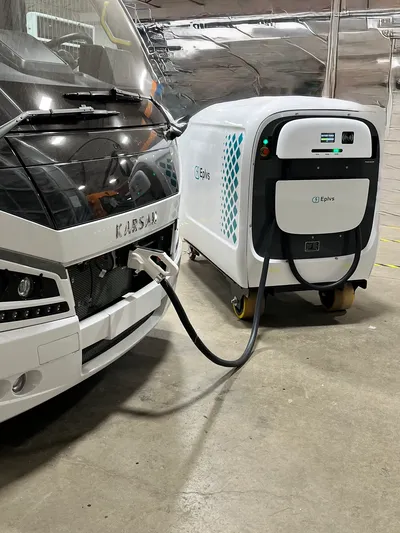
By introducing right-sized electric vehicles such as the Karsan eJEST, agencies can better match capacity to demand, improve efficiency, and operate with lower overall costs. At the same time, smaller vehicles reduce the need for complex and expensive charging infrastructure, making electrification more practical and scalable.
The result is better vehicle utilization, more justified service levels, and a system that works more effectively for both operators and riders.
👉 To see how this translates into real-world performance, we invite you to explore the eJEST in action.
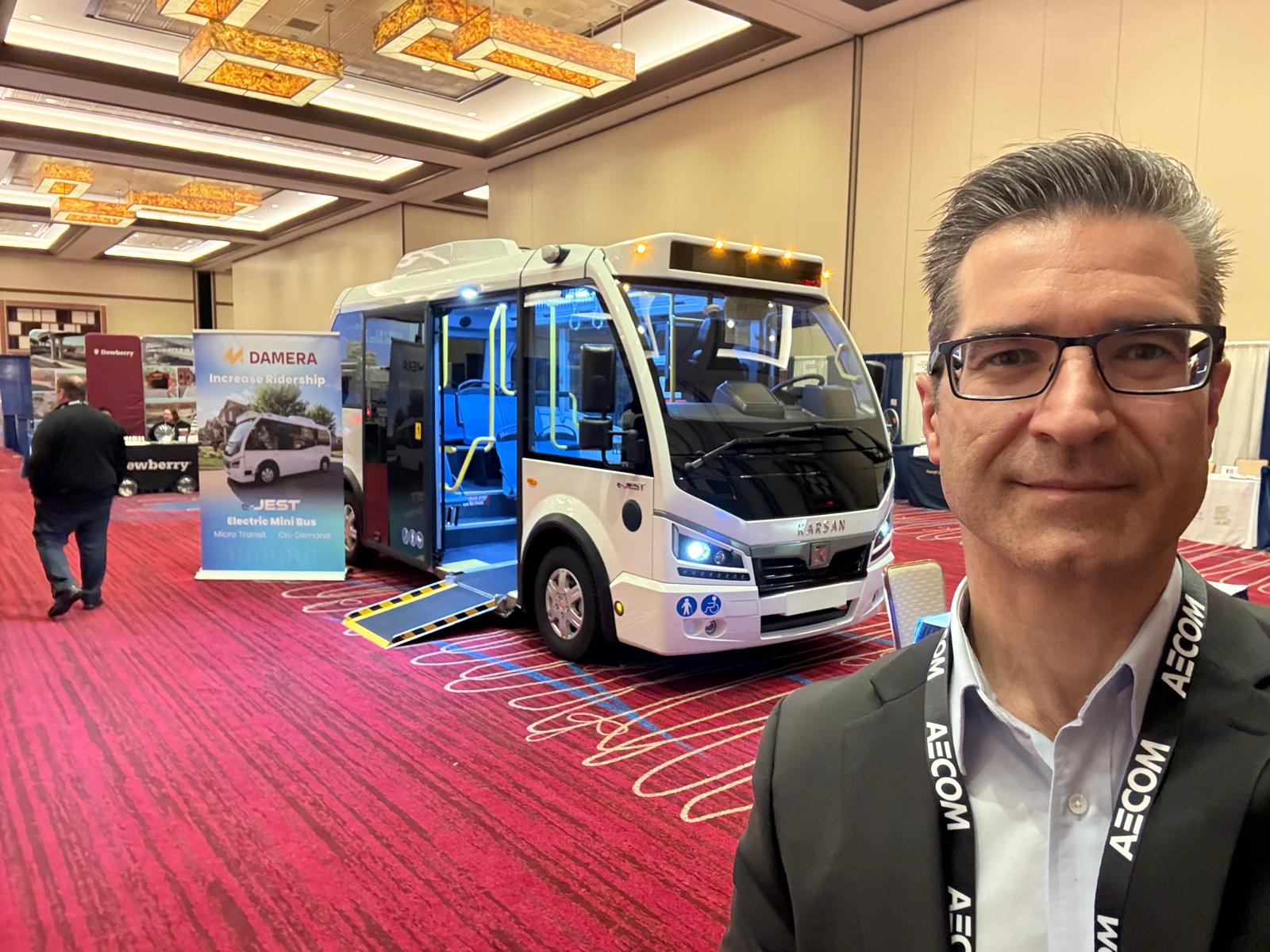
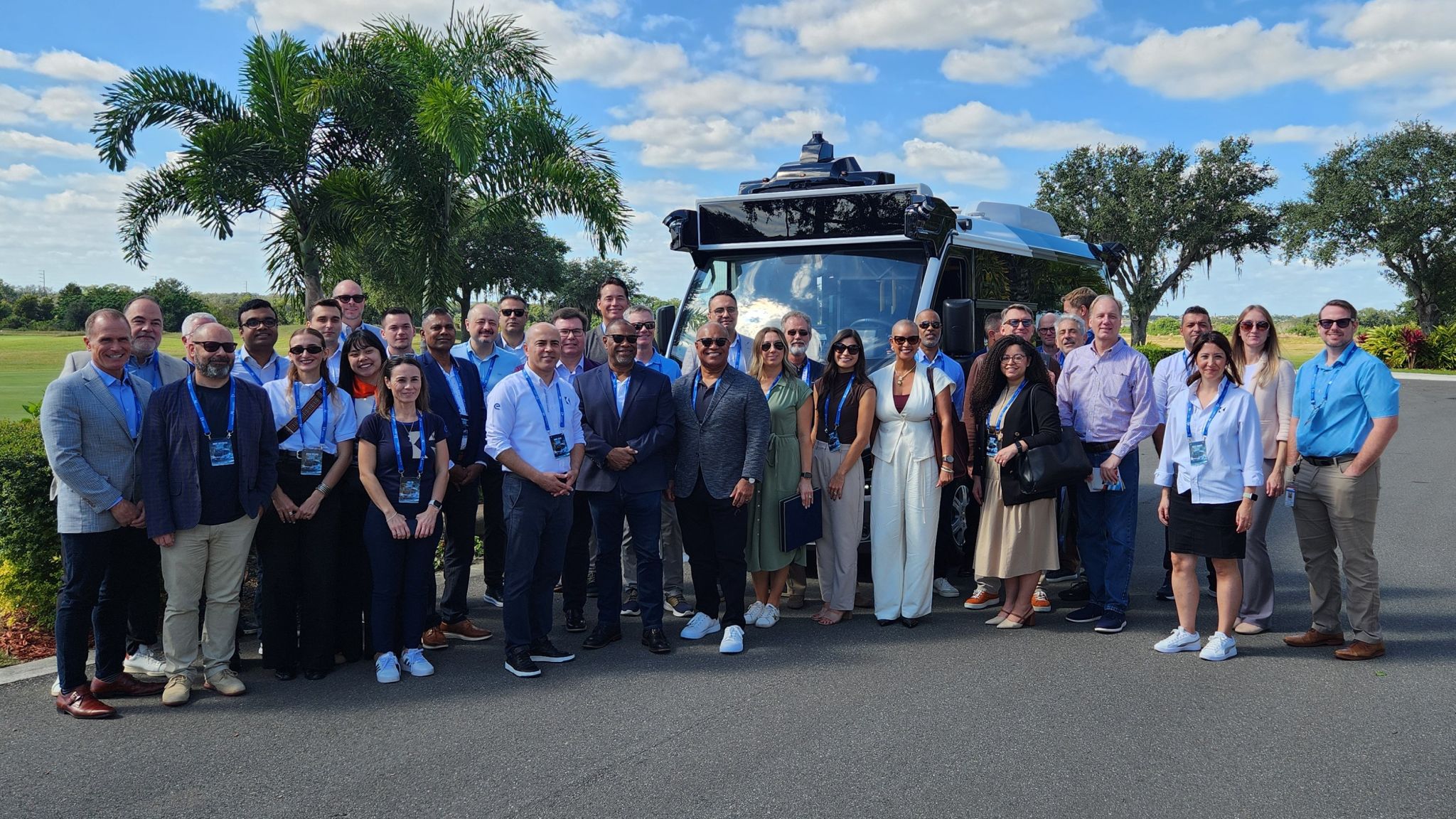
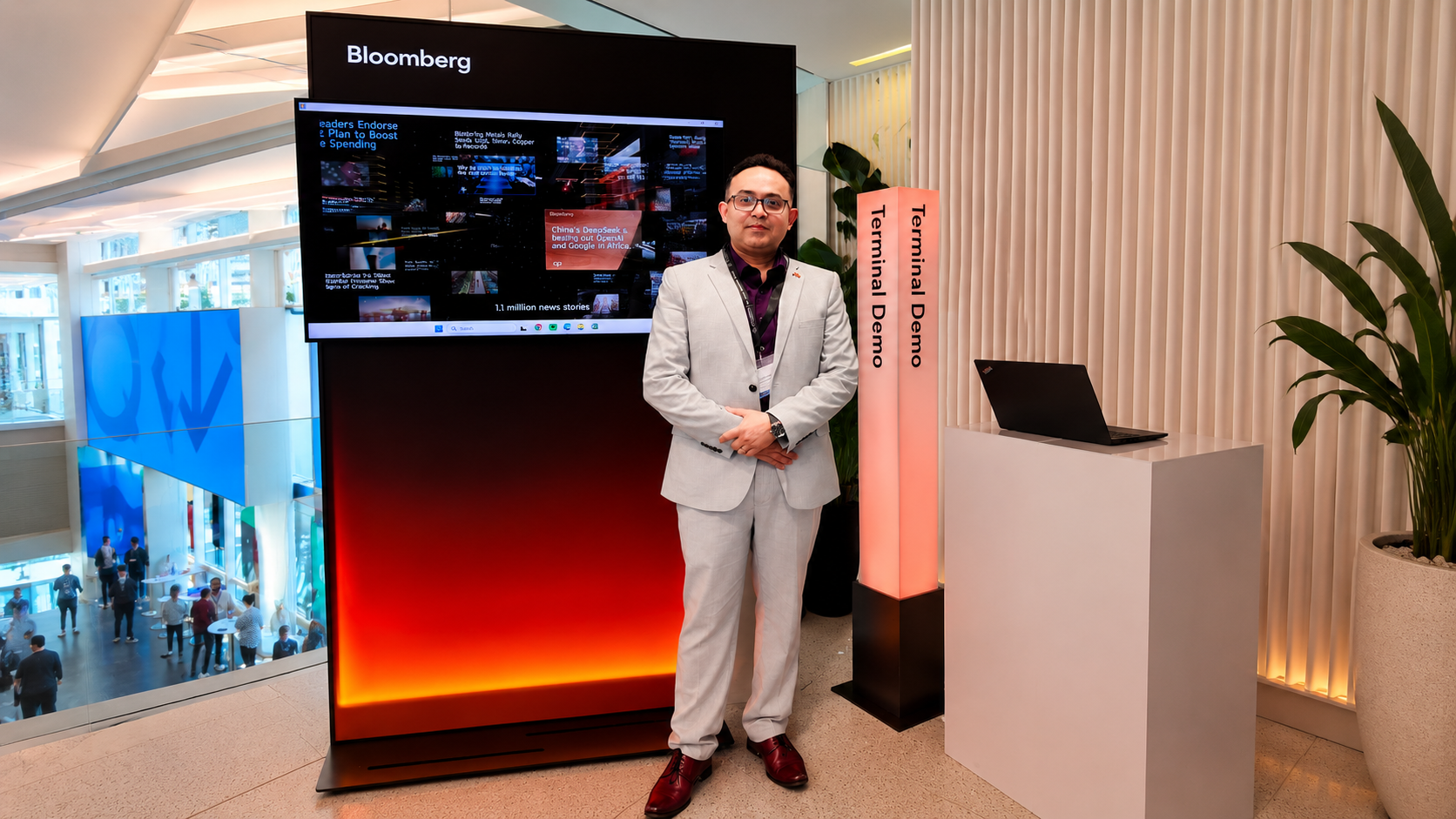
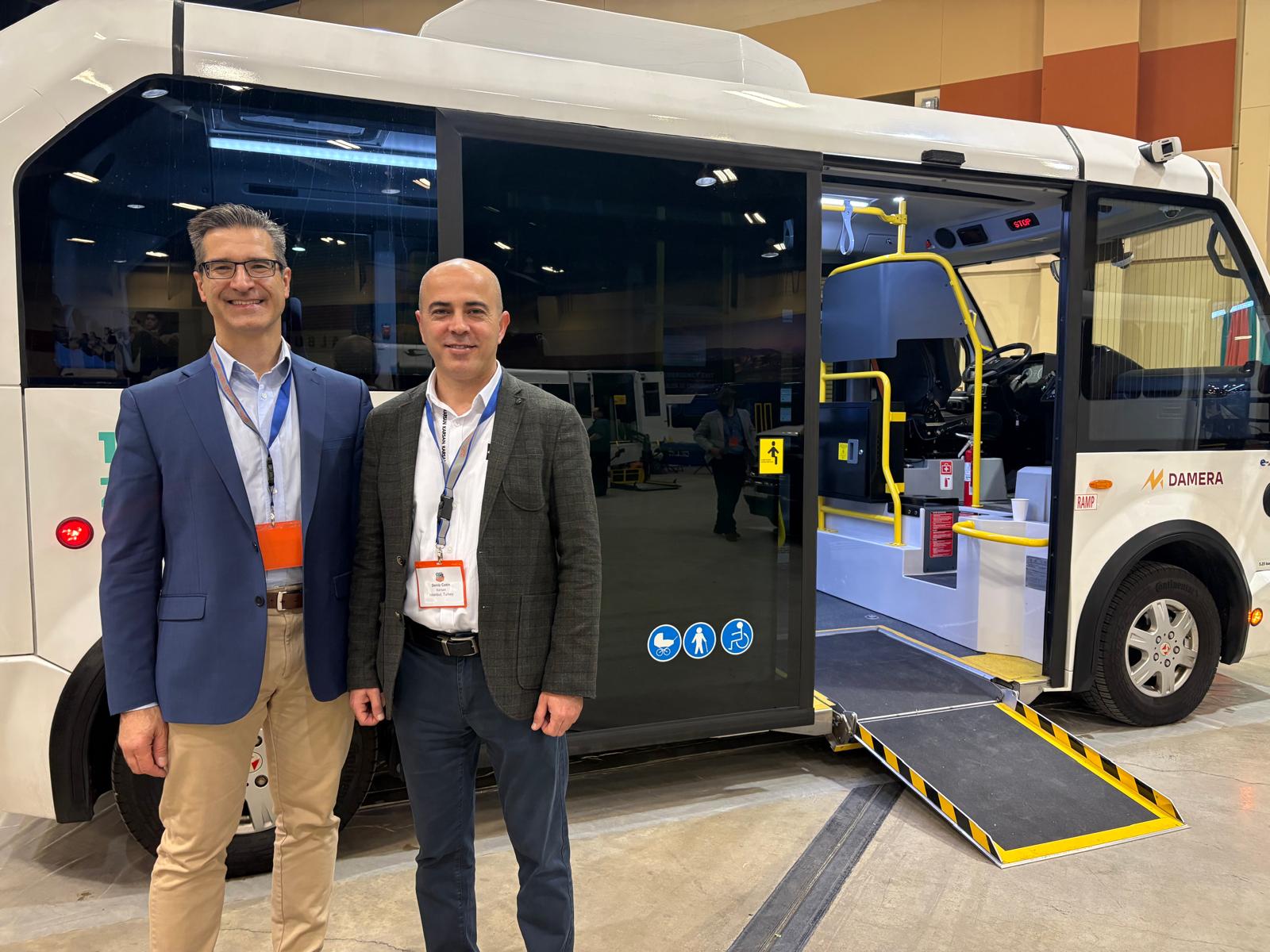
Roman Duplak, VP, America Sales, Damera Corporation, presenting the Karsan eJEST at NJ TransAction. Pictured with Louis End, WeDriveU, Inc.
Our vehicles are built to operate effectively in constrained urban and community environments — navigating narrow streets, supporting flexible routing, and integrating with on-demand transit platforms. This enables transit systems to become more responsive to real rider needs while supporting long-term sustainability goals.
For those interested in how we approach the development and deployment of electric transit solutions, we invite you to connect with our team at dameracorp.com and explore how these systems can be implemented in real-world operations.
At the same time, we see accessibility as more than a design element — it is a fundamental responsibility. It shapes how easily people can move, how connected communities feel, and how inclusive transit systems truly are.
This perspective closely reflects the mindset that defined TransAction from its earliest days:
👉 a readiness to confront real challenges 👉 confidence that better approaches can be developed 👉 and a commitment to building systems centered around people
One example shared by Frank T. Reilly, Founder of the TransAction Conference, captures this idea clearly.
In earlier transit systems, when bus doors opened, a gate would close against the driver — creating a physical and symbolic barrier between the system and the passenger.
Frank introduced a simple change. He placed a panel that read: “Welcome aboard.” From that moment, the first interaction a passenger experienced shifted — from separation to invitation.
It was a small adjustment, but it reflected a larger idea:
👉 moving from simply operating transit… to designing it around the people it serves.
That same principle continues to shape how we approach transit at Damera.
Today, we extend it further — not only by removing physical barriers through low-floor, fully accessible vehicles, but also by rethinking how service is structured and delivered.
We support:
▪️ on-demand service models, where transit adapts to actual rider needs ▪️ right-sized fleets, enabling agencies to deploy more vehicles instead of relying on a limited number of oversized units ▪️ higher service frequency, reducing wait times and improving reliability
One of the key challenges agencies face is clear:
👉 investing in large electric buses can require significant capital — yet in lower-demand environments, these vehicles are often not fully utilized.
With right-sized minibuses, the model shifts:
▪️ agencies can deploy a greater number of vehicles within a comparable budget ▪️ service frequency can be increased gradually, based on real demand ▪️ coverage can be expanded without adding operational complexity
This creates a meaningful change in how transit performs.
Service becomes:
▪️ more accessible ▪️ available when people need it ▪️ better aligned with actual travel patterns
When combined with thoughtful vehicle design — including low-floor access, quiet electric operation, and a comfortable interior environment — the experience improves beyond basic functionality. It becomes intuitive, convenient, and more inviting to use.
👉 Transit is no longer just a necessity — it becomes a preferred option.
In many ways, it all comes back to a simple principle:
👉 make transit welcoming 👉 make it accessible 👉 make it work
At the same time, we are advancing new approaches that continue to reshape how transit is delivered.
This includes the integration of emerging technologies — including autonomous solutions — that are transforming how microtransit systems operate. Autonomous vehicles are not just an innovation; they represent a shift in how service can be provided, particularly in environments where traditional models are difficult to sustain.
By introducing new vehicle platforms and scalable electrification strategies, we support transit systems that are more flexible, more efficient, and better suited to evolving community needs — while improving accessibility across the networks they serve.
Our vehicles are developed to support both microtransit and paratransit applications, helping create mobility systems that are inclusive and accessible for all riders.
What distinguishes Damera is our foundation in real operations. In many ways, this aligns with the spirit behind NJ TransAction. We don’t see innovation as introducing new technology for its own sake — we focus on addressing practical challenges that transit agencies face every day.
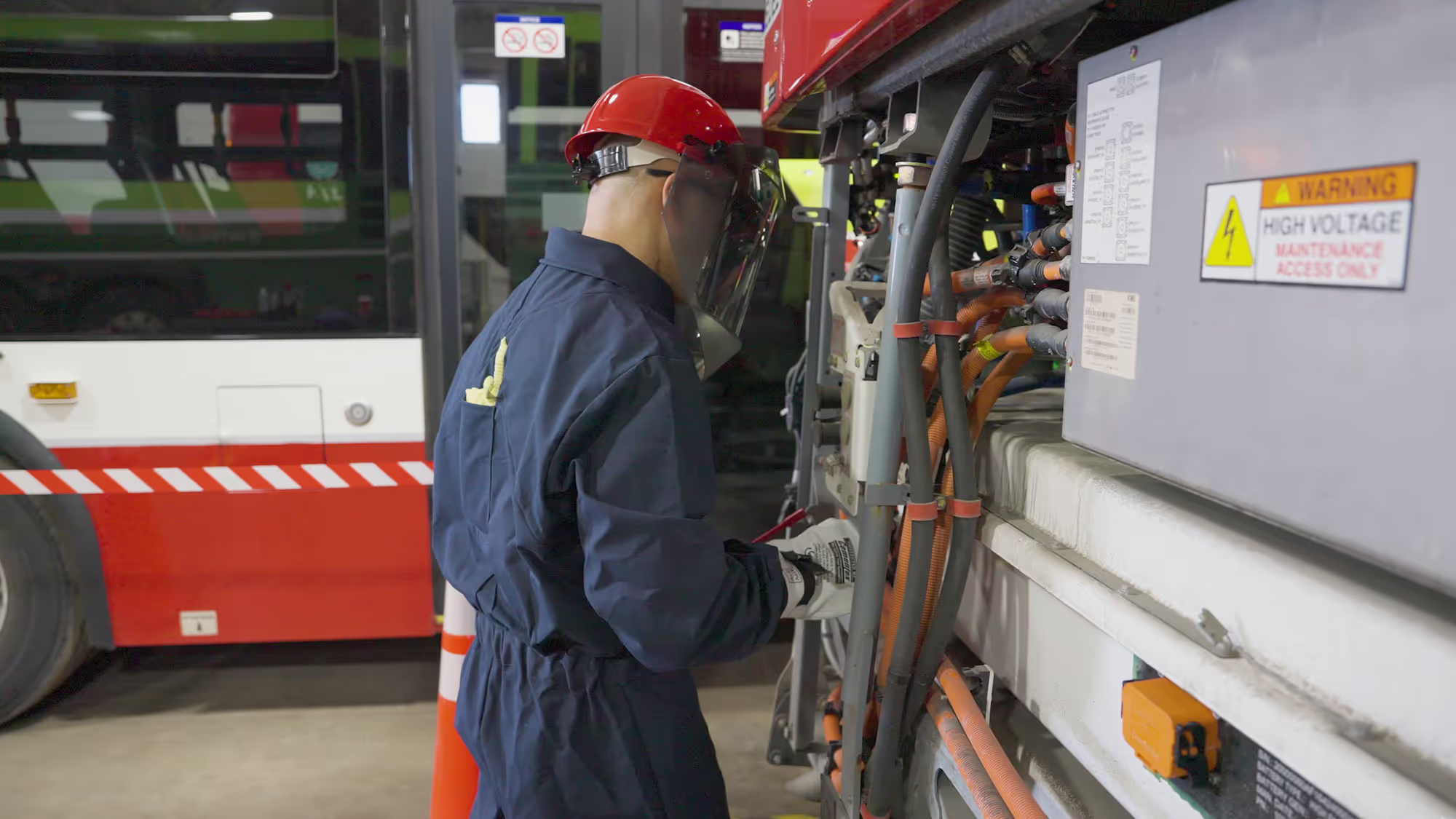
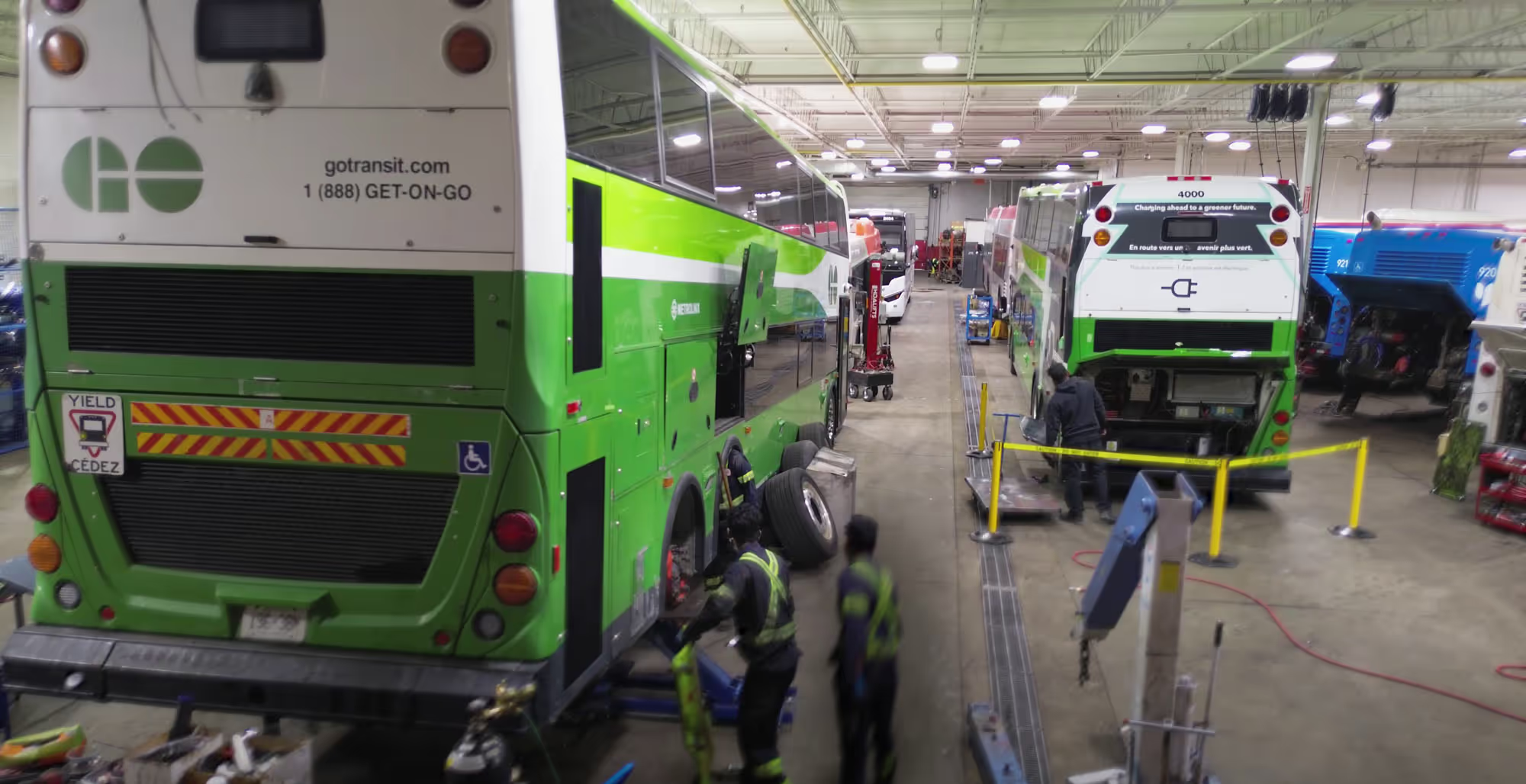
Our experience comes from working directly with vehicles, components, and systems across a wide range of platforms — from diagnostics and maintenance to full lifecycle support. This perspective allows us to deliver solutions grounded in real-world conditions, ensuring that vehicles and charging infrastructure are reliable, maintainable, and suited to daily operation.
This approach reflects the vision of Frank Reilly, Founder of the TransAction Conference, who brought the industry together around a simple but powerful idea — to build better transit systems through collaboration and shared understanding.
That principle continues to define the conference today — and it mirrors how we approach transit at Damera.


.svg.avif)




-p-500-p-500.avif)












.svg)


.jpg)



-web.jpg)






.svg)