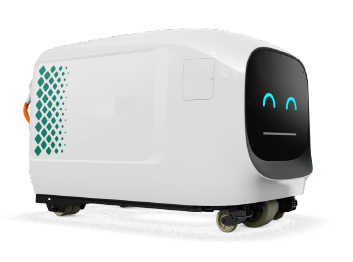
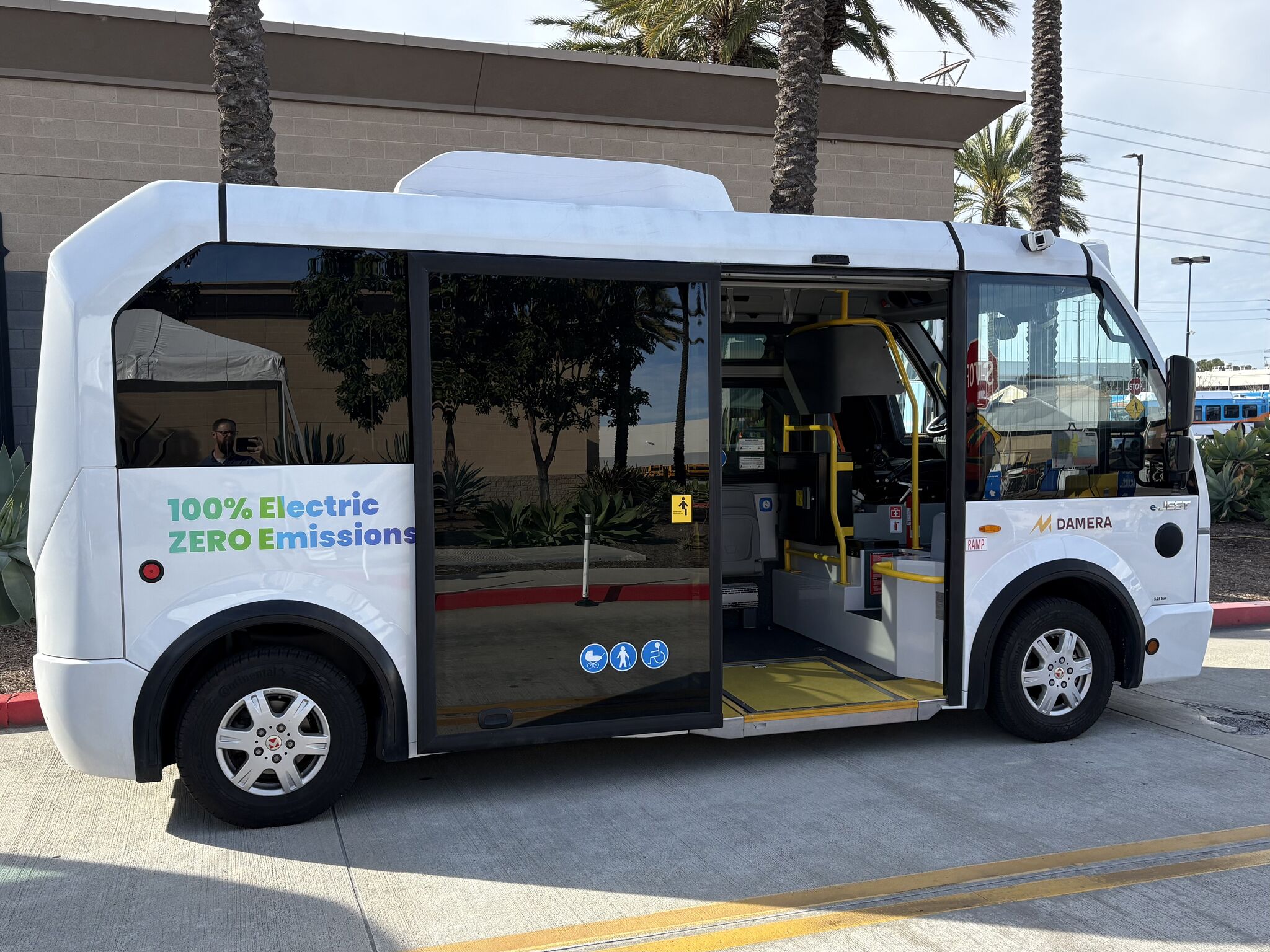
A quiet, efficient, fully accessible electric minibus. The eJEST delivers exceptional maneuverability, low operating costs, and smooth passenger experience.
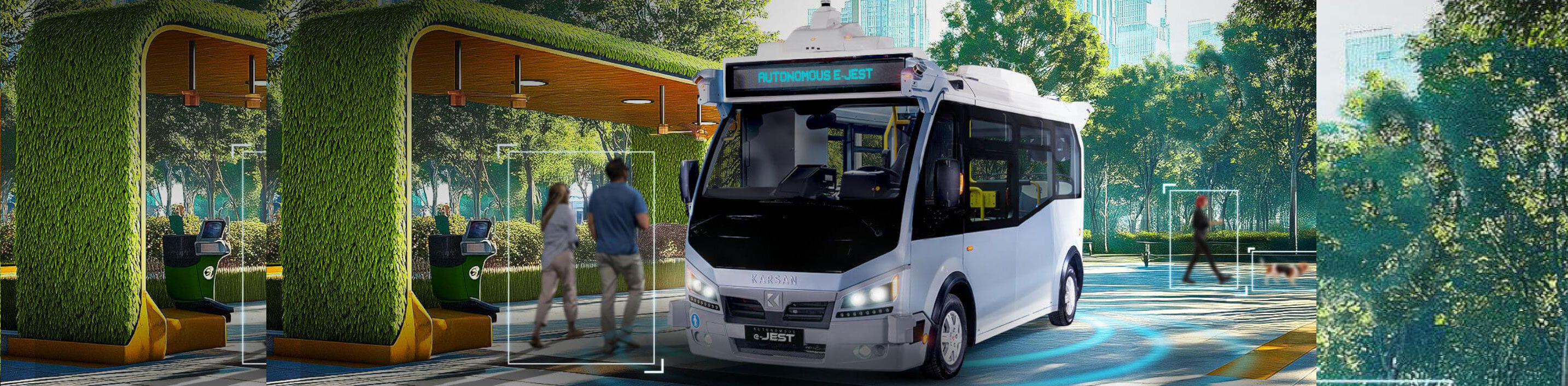
Built on the proven eJEST platform and automated by ADASTEC, this Level-4 autonomous minibus brings reliable, safe, and fully accessible automated transit to real-world routes.
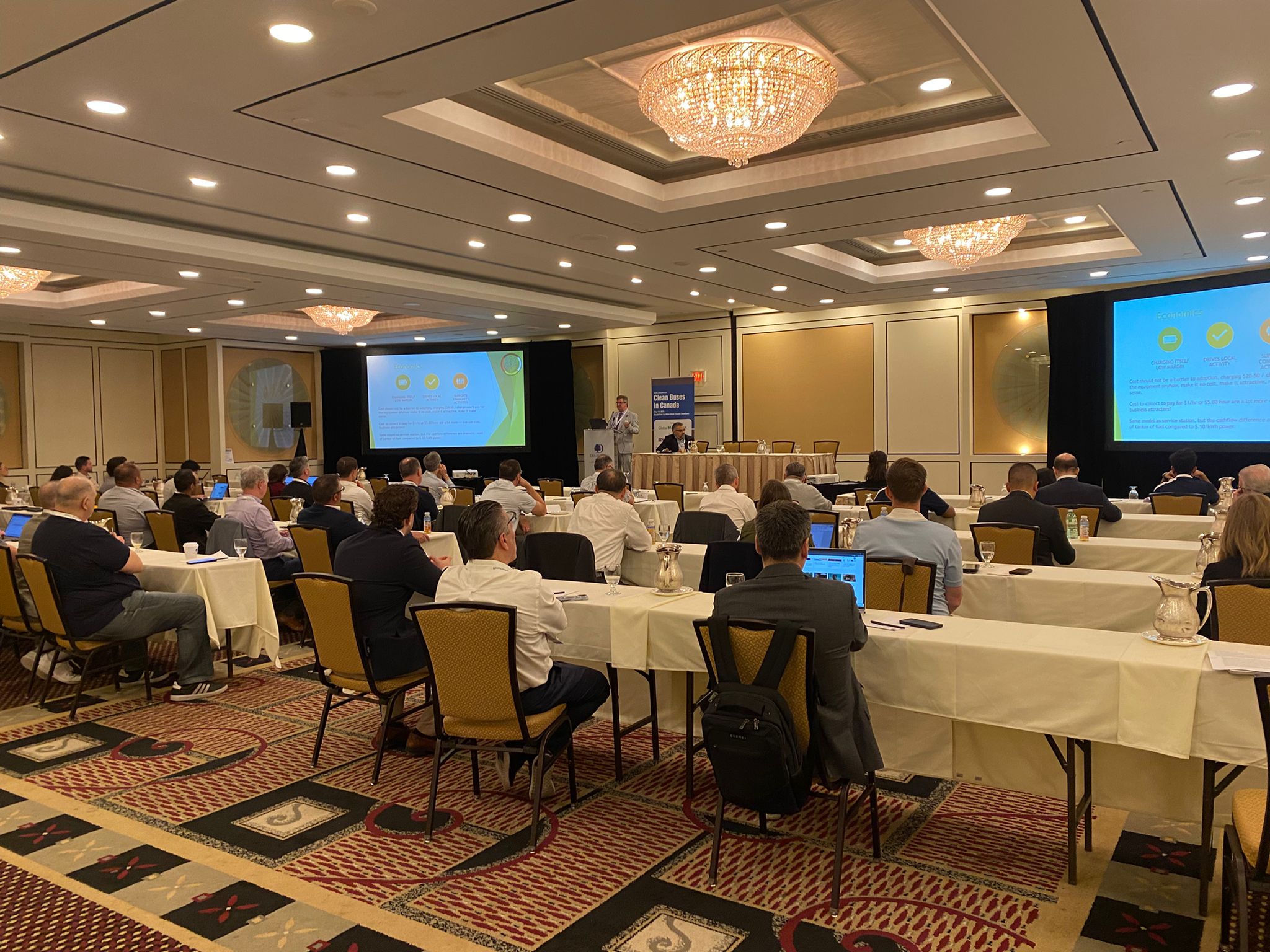
SWTA brings together transit agencies across eight U.S. states — Arizona, Arkansas, Colorado, Kansas, Louisiana, Oklahoma, New Mexico, and Texas — representing a wide range of operating environments, from dense urban areas to rural and regional systems.
SWTA’s mission to strengthen public transportation through leadership, education, communication, and advocacy is closely aligned with how we approach our work at Damera.
Our contribution to this environment comes from a practical perspective — sharing insight grounded in vehicle deployment, maintenance, and long-term fleet performance. As agencies explore electrification and new service models, the focus is increasingly on how solutions perform in real conditions, not just how they are specified.
This is why being part of SWTA is valuable to us. It creates an opportunity to engage with transit leaders, understand operational challenges firsthand, and contribute to conversations that move the industry forward in a meaningful and implementable way. Events like SWTA allow us to listen, to learn, and to share practical experience from the field — especially when it comes to electrification, maintenance, and long-term performance, because, progress in transit happens when experience, insight, and real-world needs come together.
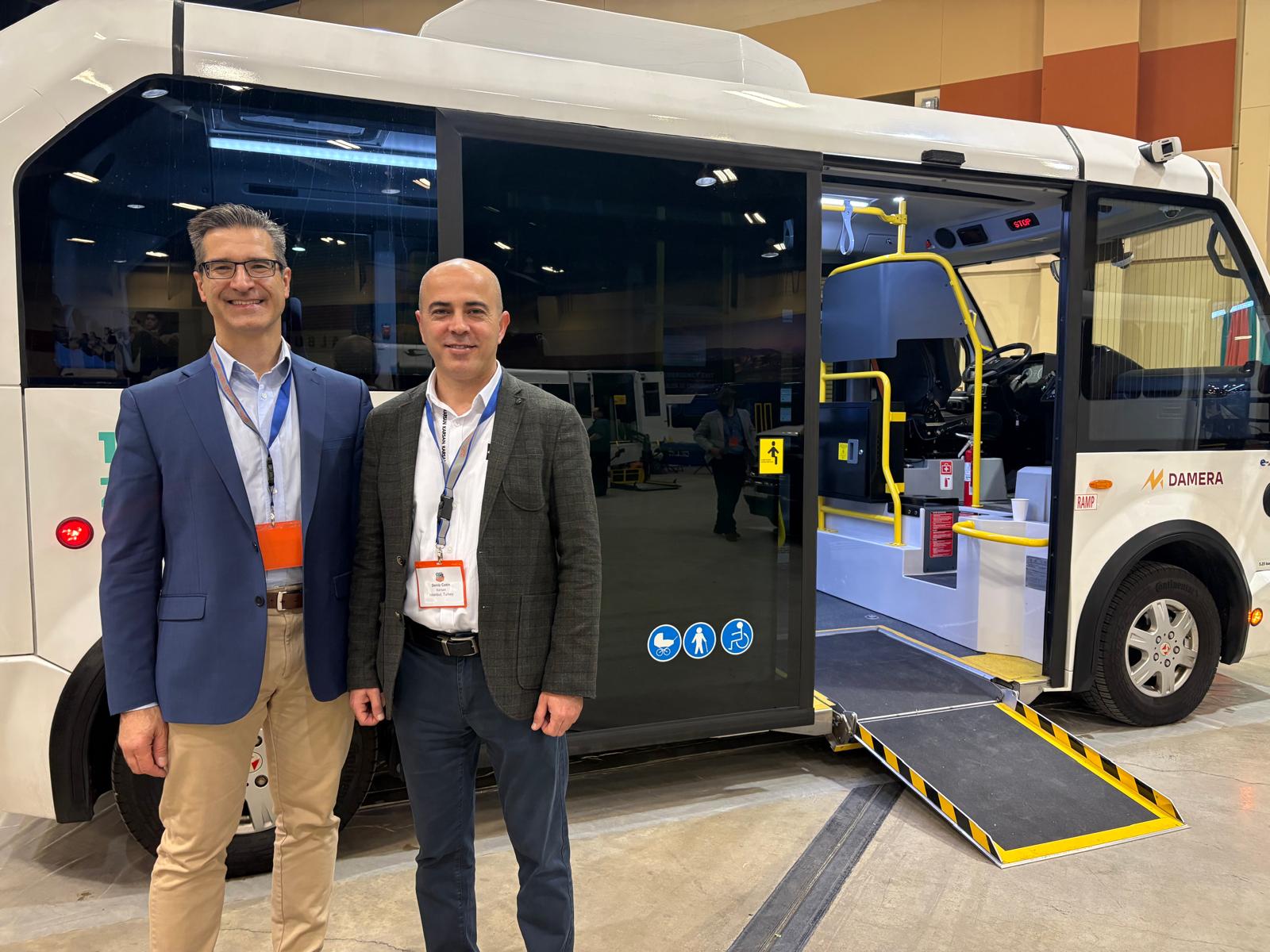
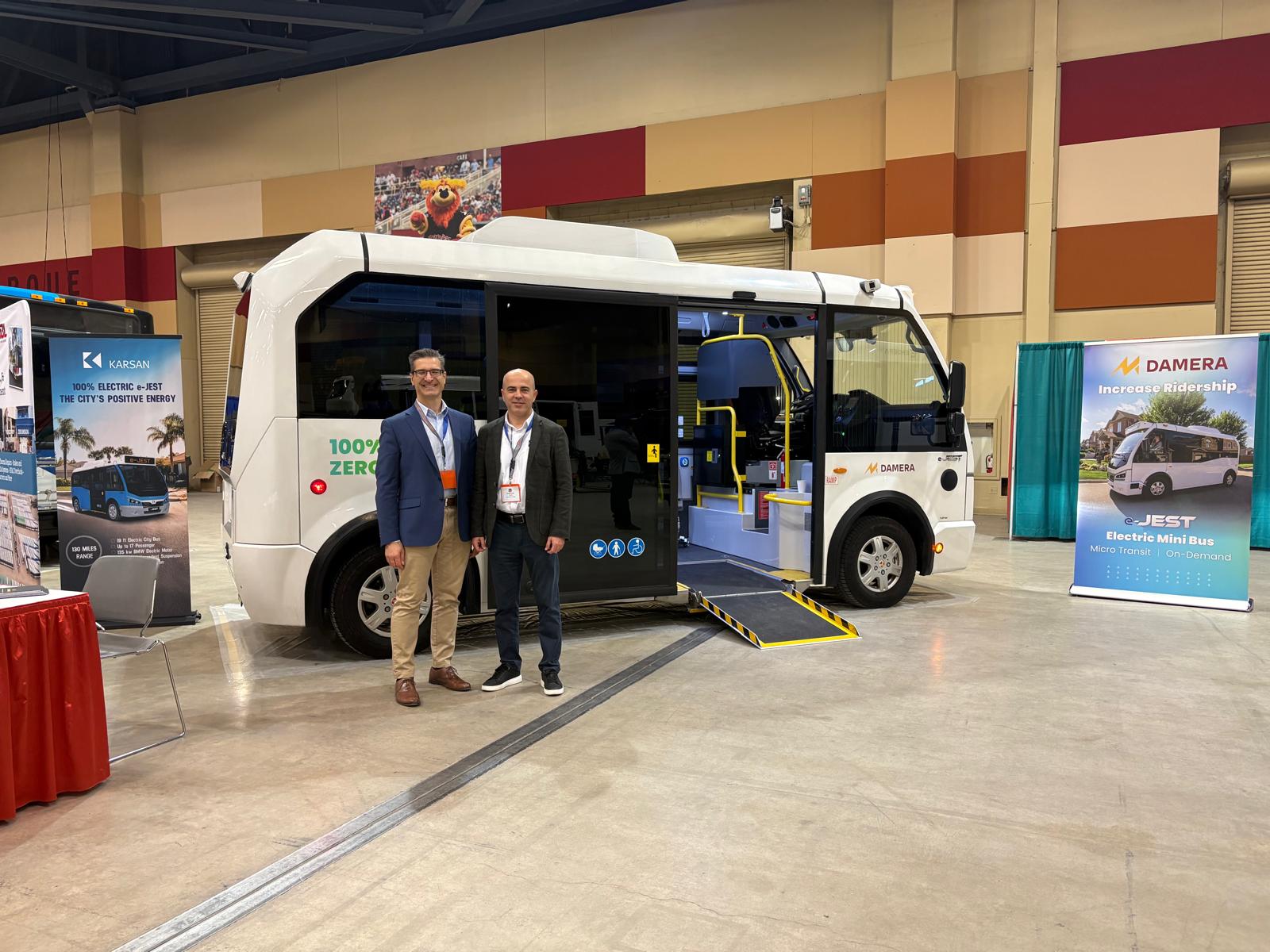
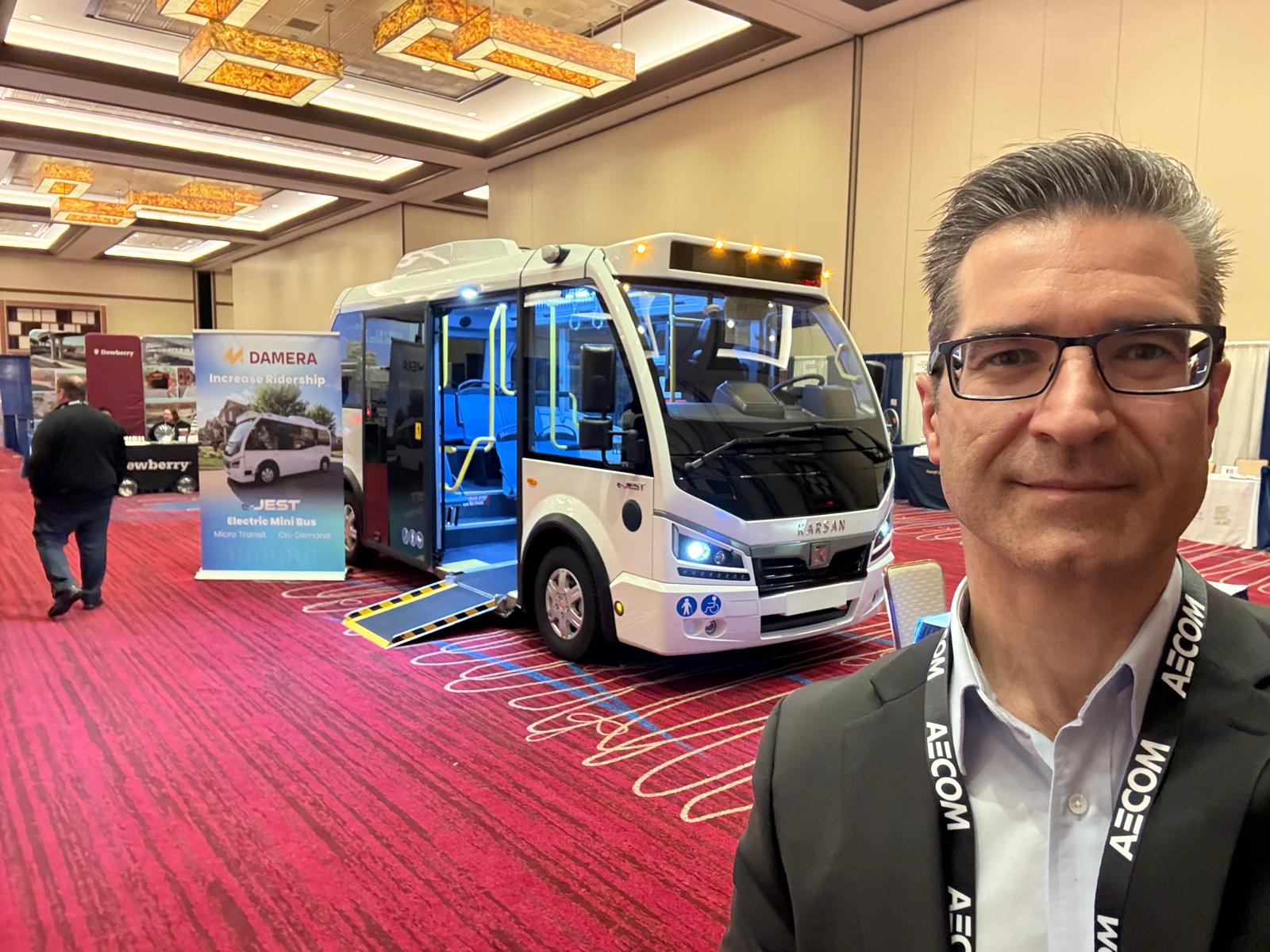
Our minibus, the Karsan eJEST, was presented on static display by:
• Deniz Çetin, Chief Commercial Officer, Karsan • Roman Duplak, P.Eng., M.Eng., Vice President, America Sales, Damera
Why microtransit — and why minibuses
Transit demand is changing, and with it, the way systems need to operate. Many routes today simply do not require large buses, yet they continue to be served by vehicles that are too big, often running below capacity and increasing operational costs. Microtransit emerges as a response to this shift — offering more flexible routing, better coverage in low-density areas, and a more efficient use of resources. But for microtransit to truly work, the vehicle must match the service. This is where minibuses play a critical role. Their size, maneuverability, and adaptability allow agencies to align capacity with real demand, making service more efficient, more responsive, and ultimately more effective for the communities they serve.
Why minibuses make sense
Minibuses naturally fit into community routes, first- and last-mile connections, on-demand services, and rural or regional environments — places where flexibility matters more than capacity alone.
They allow agencies to increase frequency without increasing cost, extend service into areas where large buses are not efficient, and improve overall system utilization. Instead of running oversized vehicles below capacity, agencies can deploy right-sized fleets that reflect real demand and operate more efficiently.
This is exactly where the Karsan eJEST stands out.
The eJEST is not simply a smaller bus — it is a purpose-built, low-floor electric minibus designed for daily transit use. Its compact footprint allows it to move easily through narrow streets and dense urban areas, while its high maneuverability supports flexible routing and community-based service.
At the same time, its true low-floor design improves accessibility for all riders, making it suitable not only for microtransit, but also for paratransit and inclusive mobility services.
What further strengthens its value is its versatility. The same vehicle can be deployed across multiple service types — from on-demand routes to campus shuttles — increasing fleet efficiency and reducing the need for specialized vehicles. We offer vhielces with over 12+ years of service life. eJEST is built like a robust city-bus, designed for frequent stops, consistent daily use, predictable maintenance and long-term reliability.
eJEST also delivers something essential for agencies: confidence in long-term performance.
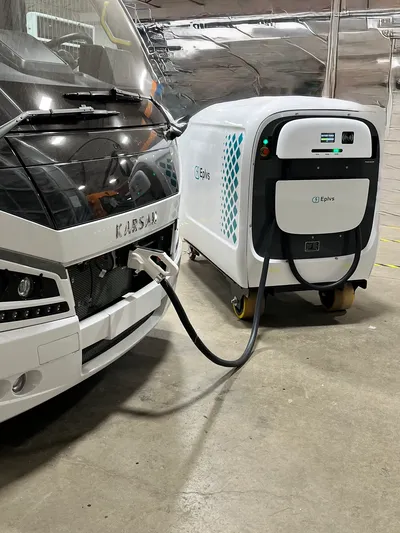
Combined with its fully electric drivetrain and lower energy demand compared to larger electric buses, the eJEST reduces infrastructure pressure and simplifies deployment. It provides a practical and scalable pathway to electrification—one that is easier to implement and better aligned with real operational conditions. This allows agencies to move from pilot projects to scalable implementation.
The impact of right-sized transit
When a system is built around vehicles that match real demand, the effects begin to show across the entire network. Service becomes more flexible and can reach areas that were previously difficult to serve. Communities gain better coverage, not by adding more complexity, but by using resources more effectively.
Accessibility also improves. A low-floor, easy-to-board vehicle makes transit more usable for a wider range of riders — including seniors, passengers with mobility needs, and those who rely on transit as a daily service.
At the same time, agencies benefit from lower operational costs. Smaller, more efficient vehicles reduce energy consumption, simplify infrastructure requirements, and allow for better fleet utilization. This makes it easier to scale services without significantly increasing expenses.
Electrification becomes more achievable as well. Instead of large, complex deployments, agencies can transition gradually, using solutions that are easier to integrate and expand over time.
And perhaps most importantly, the rider experience improves. More frequent service, quieter vehicles, and better accessibility contribute to a system that people are more willing to use — and rely on.
This is where real change happens.
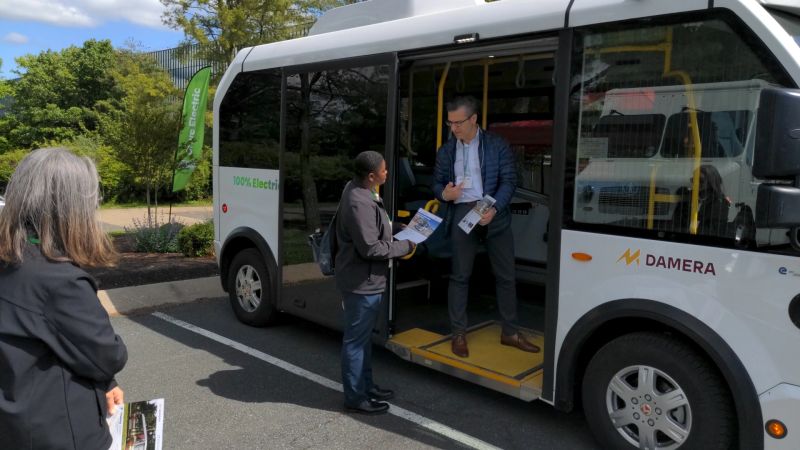
We bring our vehicles to events not only to present the technology, but to make it tangible.
Specifications can be explained. Performance can be described. But seeing the vehicle in person changes the conversation.
The eJEST stands out immediately — not just as a piece of technology, but as something people connect with. It’s compact, quiet, approachable — often described as a “cute bus,” yet built with the strength and capability of a true transit vehicle. It feels like something that belongs in a community. Something you would expect to see in your own city — and feel comfortable using every day.
That combination matters.
Because adoption doesn’t happen through technology alone. It happens when people can see how a solution fits into real life — how it moves, how it feels, how it serves.
If you’re exploring how to introduce solutions like this into your system, we welcome the opportunity to connect and continue the conversation with the Damera team.


.svg.avif)




-p-500-p-500.avif)












.svg)







-web.jpg)





.svg)