


.svg.avif)




-p-500-p-500.avif)








EV Buses

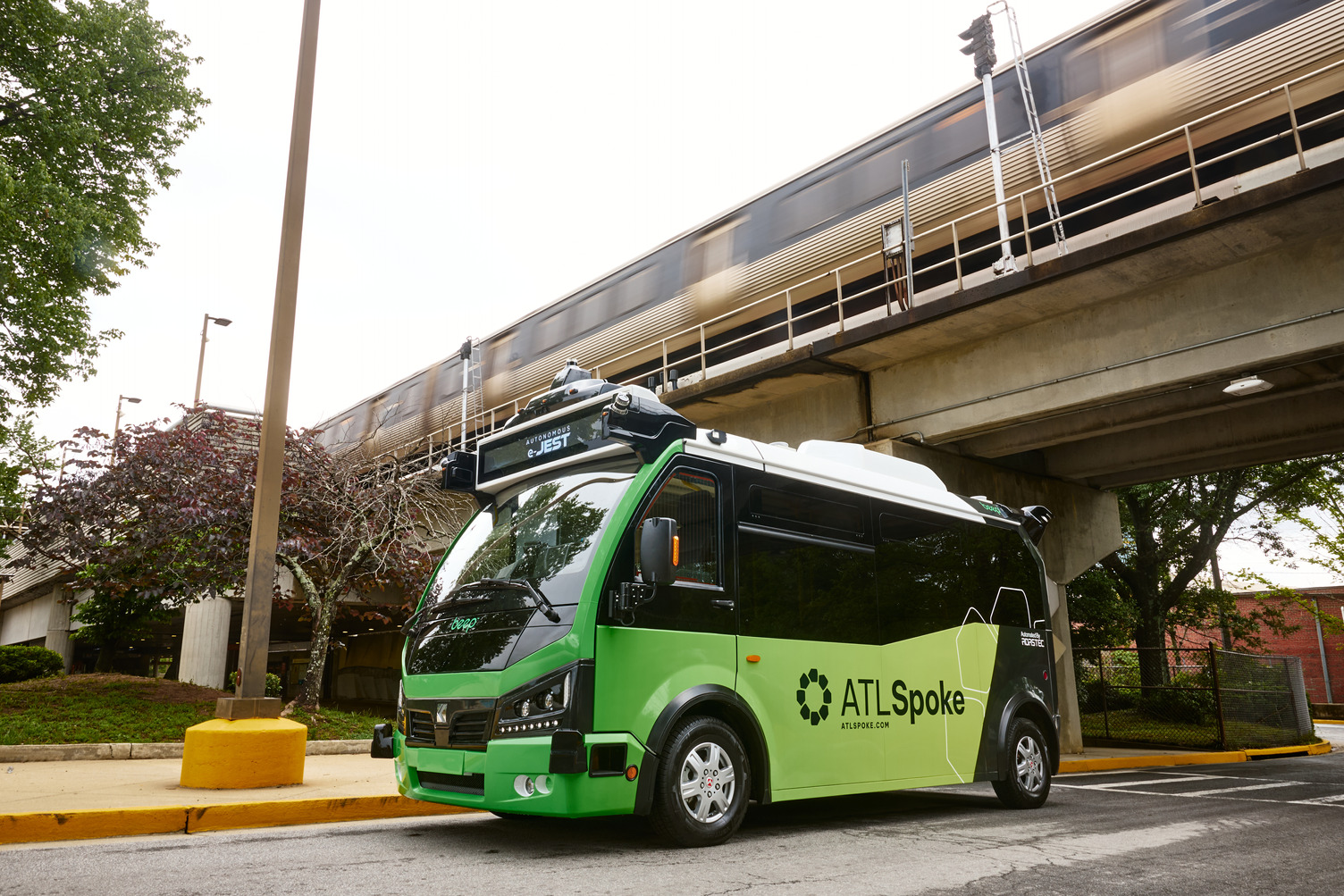
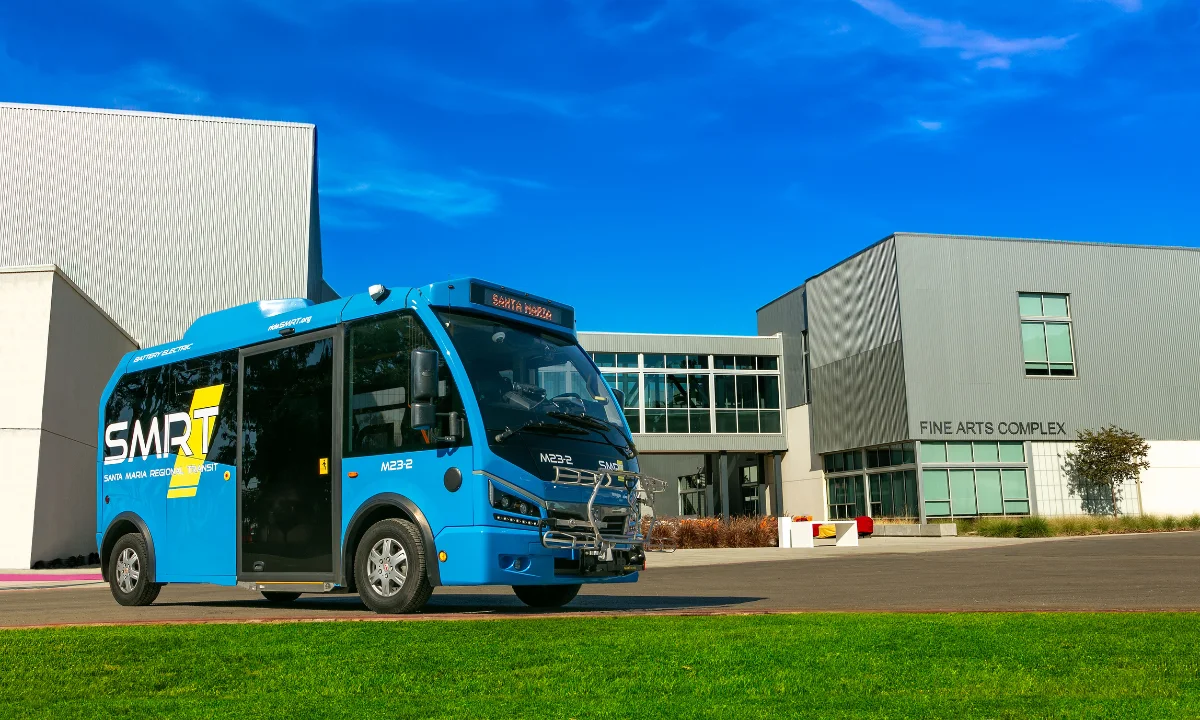
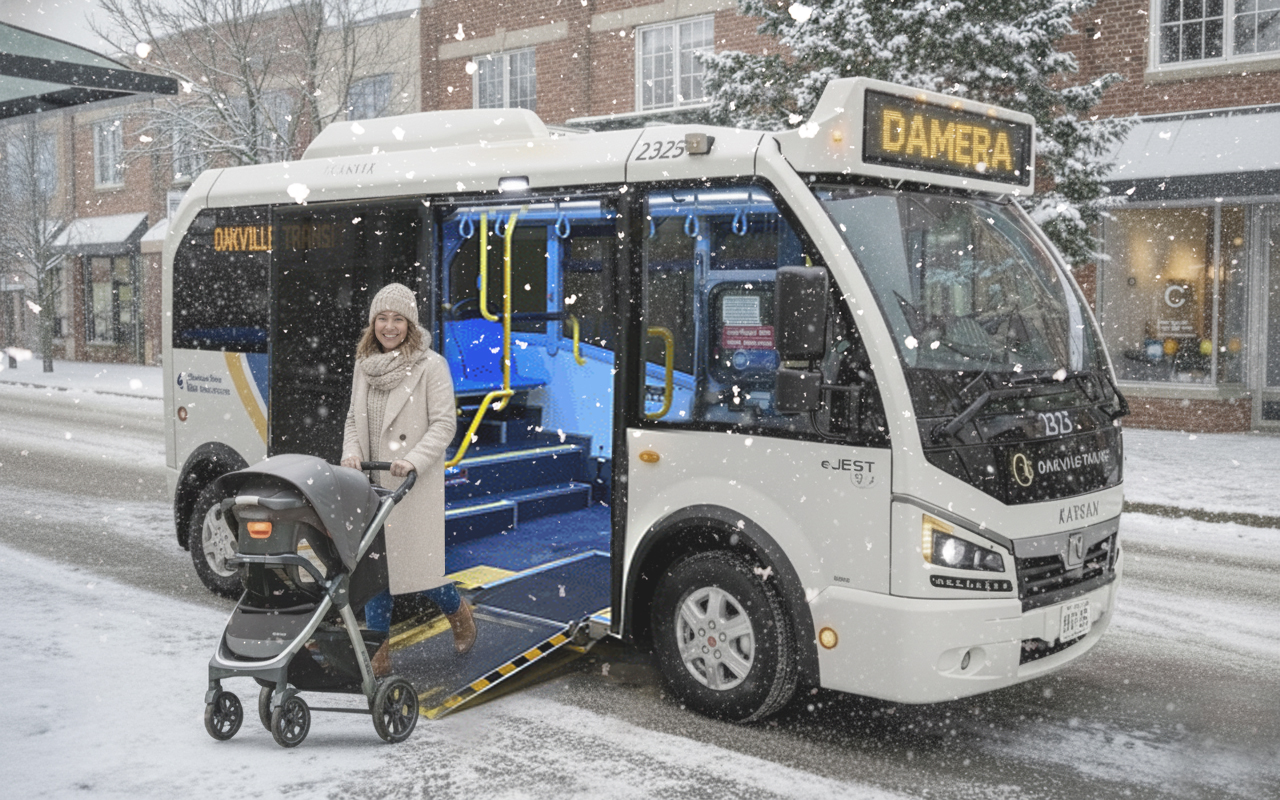
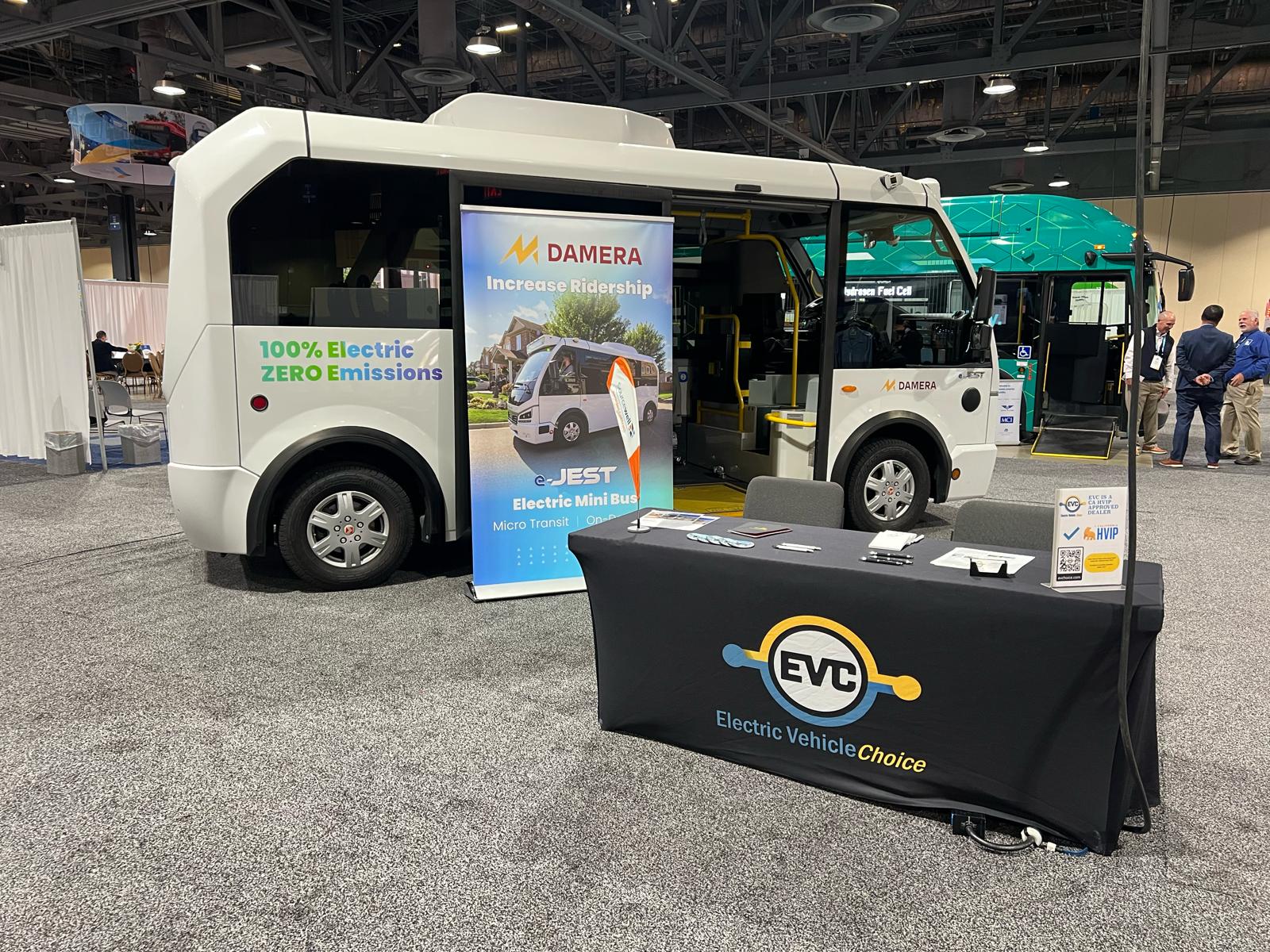
A quiet, efficient, fully accessible electric minibus. The eJEST delivers exceptional maneuverability, low operating costs, and smooth passenger experience.
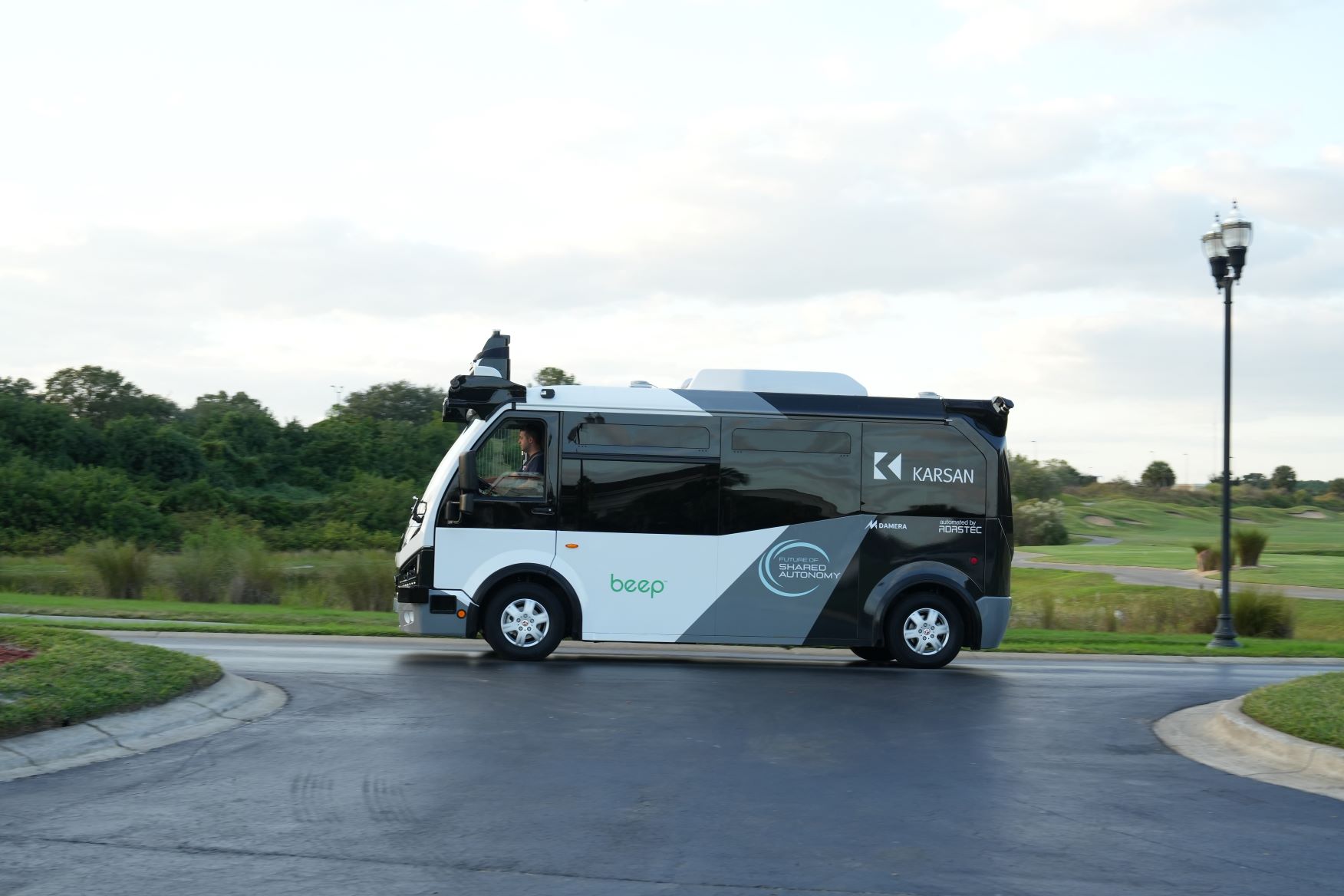
Built on the proven eJEST platform and automated by ADASTEC, this Level-4 autonomous minibus brings reliable, safe, and fully accessible automated transit to real-world routes.


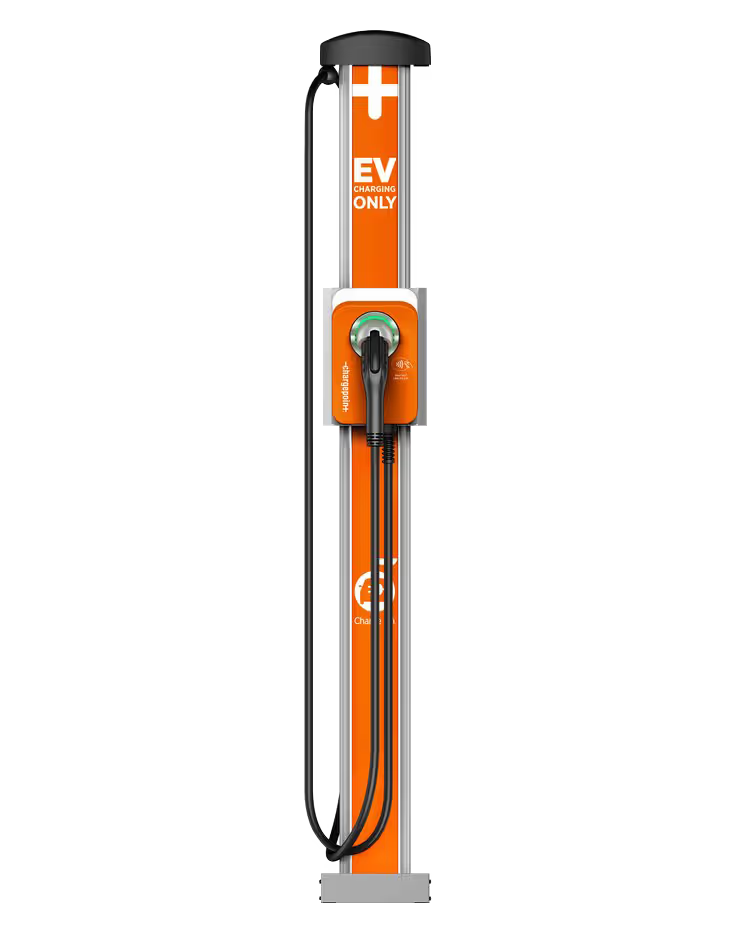
Chargers

All Chargers
Explore all charging options on one page
Services
TUV Level 3
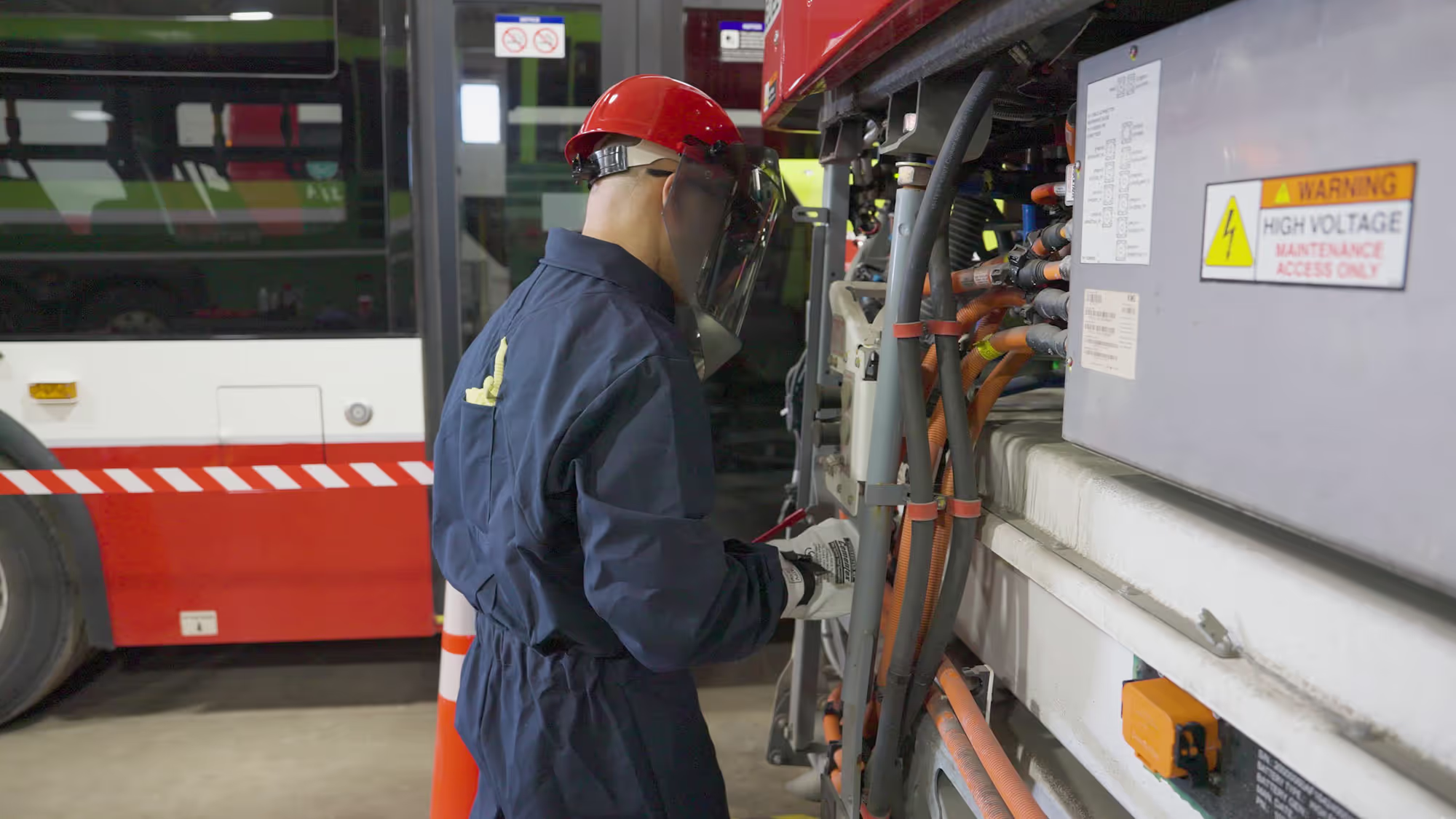
High Voltage Training

Work safely and effectively with high-voltage systems

Charger Installation
Contributes to the seamless integration of electric vehicles

Electrical Engineering
Get your skills in electrical engineering tailored to the transit industry
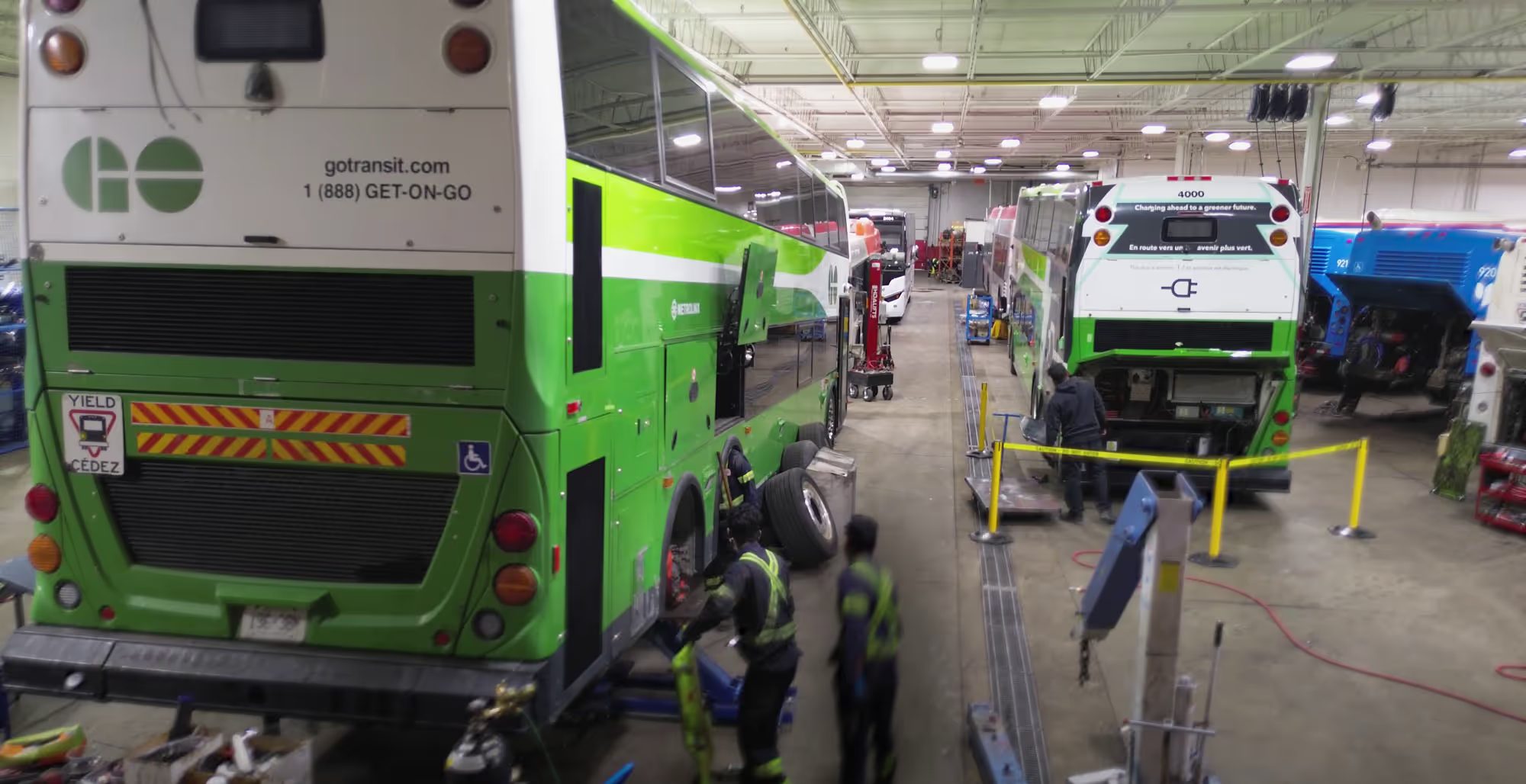
Bus Service (MBCT)
Comprehensive bus service ensuring reliable maintenance, repairs, and safety compliance.
MICROTRANSIT

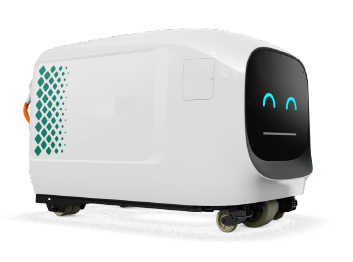
Paratransit Buses
Learn more about our paratransit vehicles and how we’re improving mobility for people with disabilities and underserved riders.

Micromobility Buses
Discover how our buses support both paratransit needs and provide efficient service in low-ridership areas.

Minibuses for Campuses
Learn how modern electric minibuses create smoother, safer, and more convenient transportation for students and staff.

.svg)
There is no previous post
Previous Post
Next Post
There is no next post
Right-Sized Transit in Action: A Minnesota Journalist’s Take from Mobility Matters and MVTA
No items found.
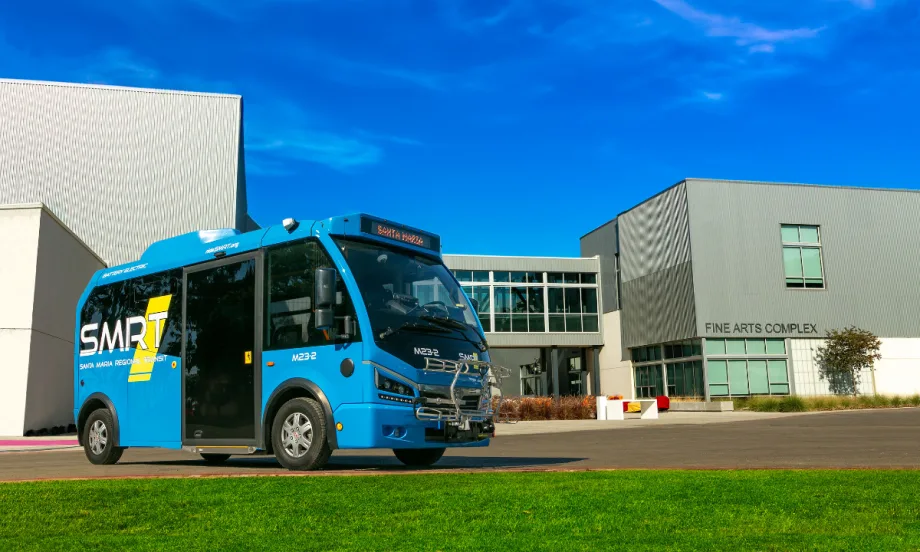
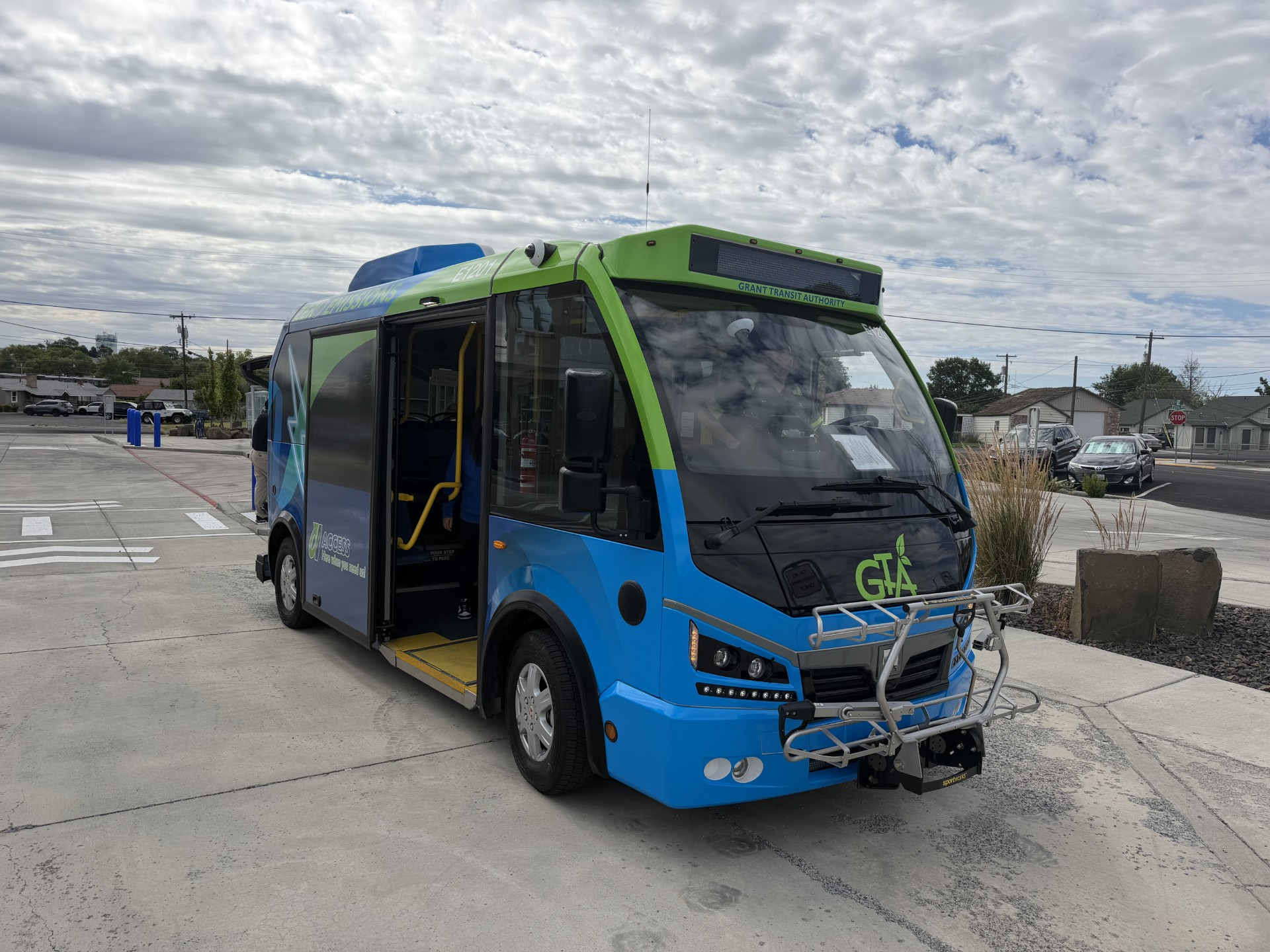
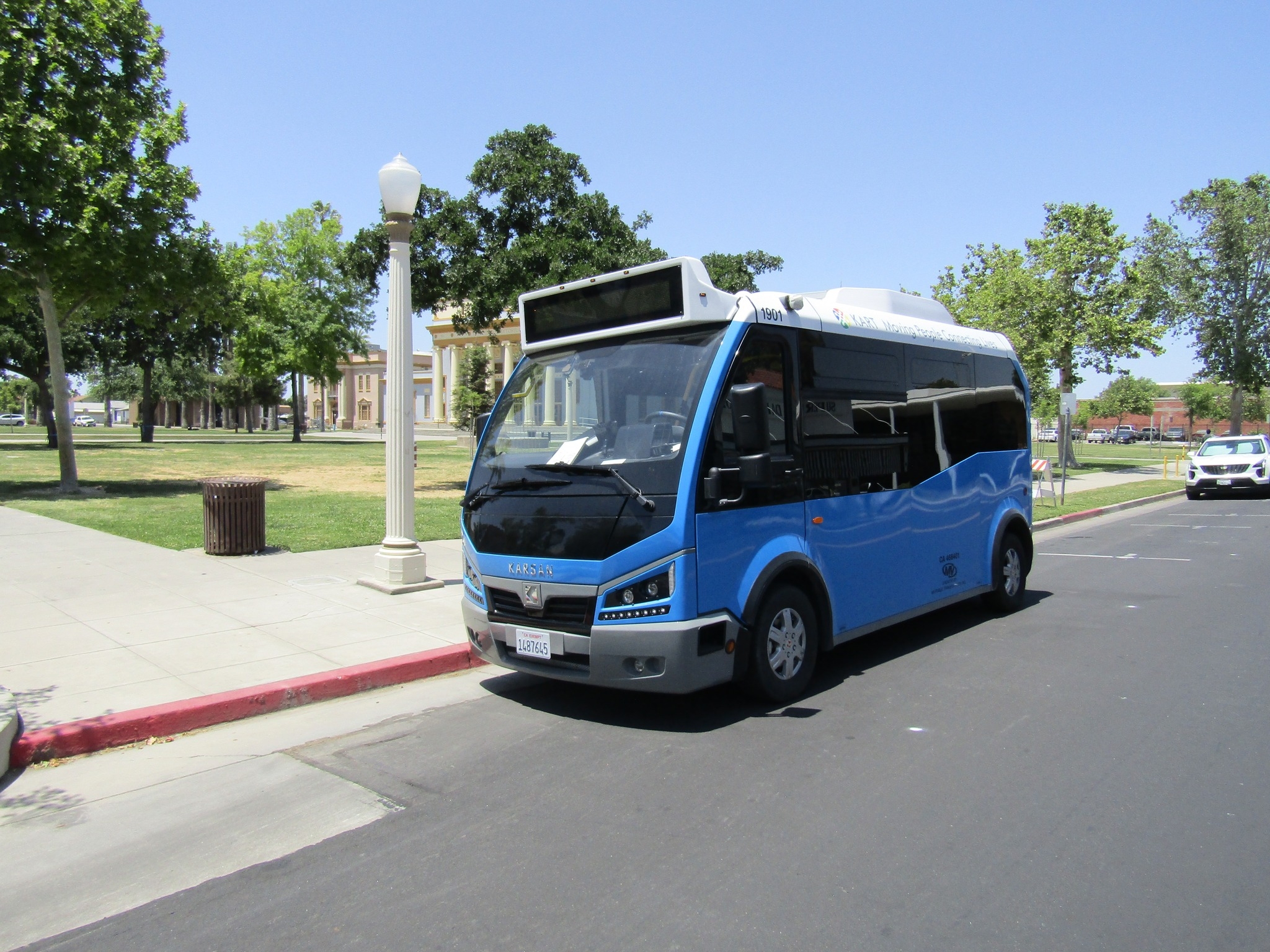
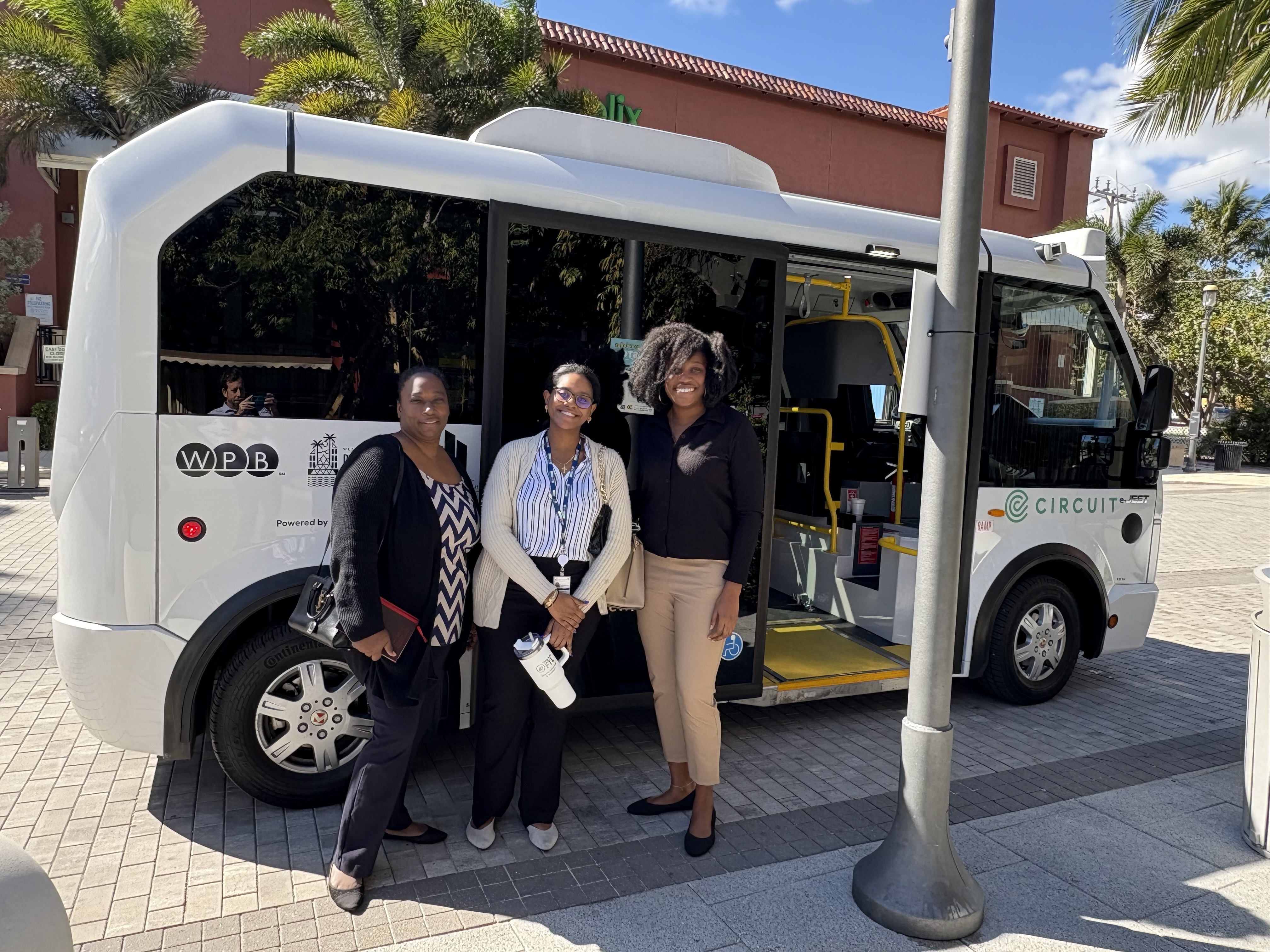
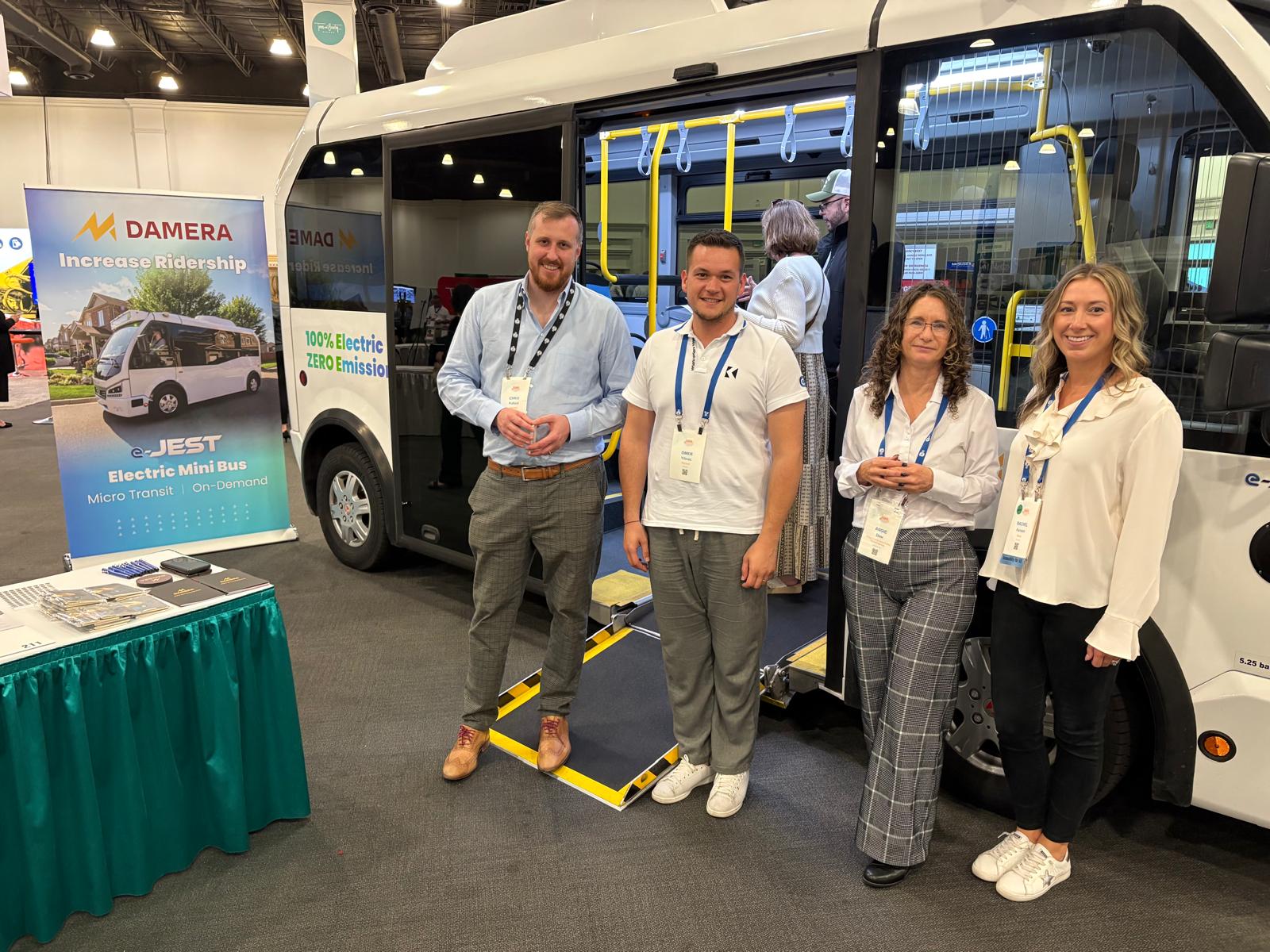
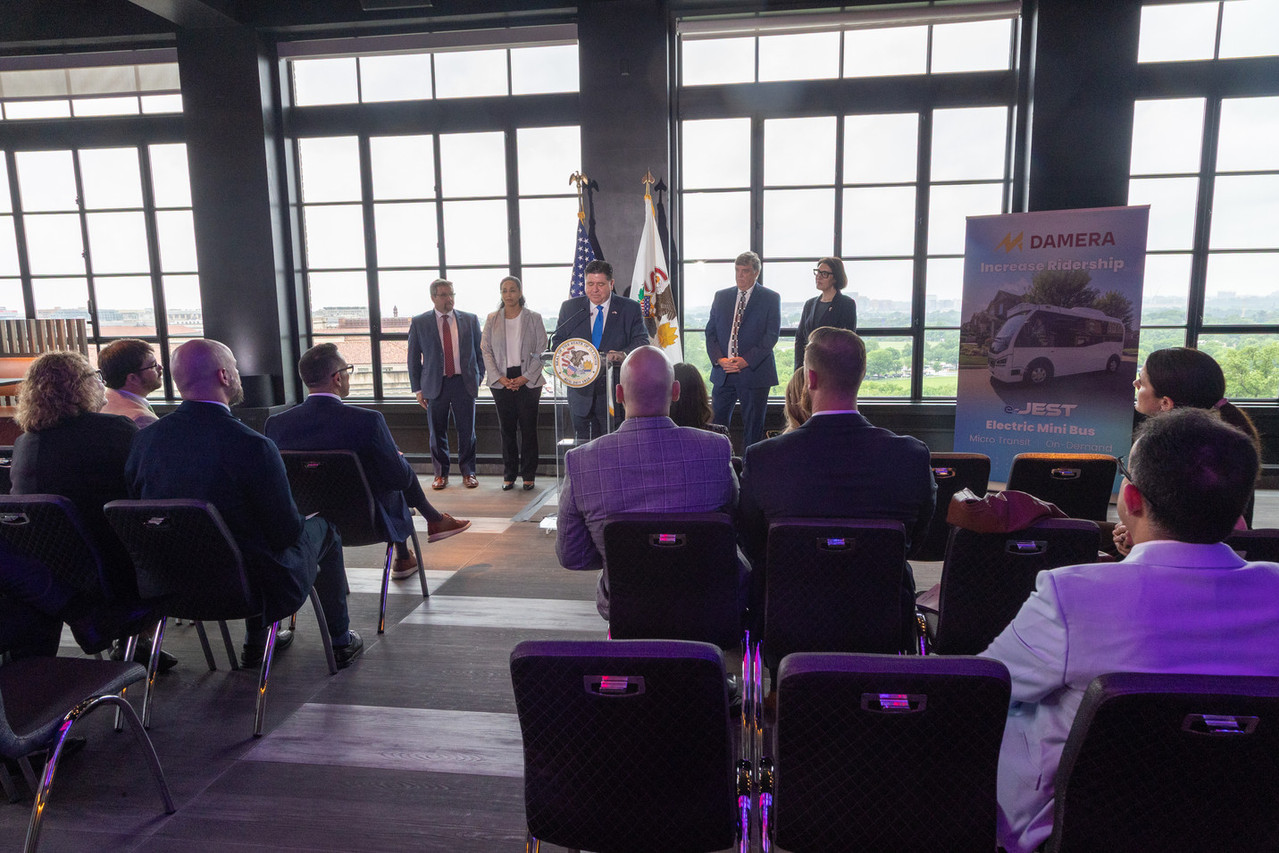
In March 2025, journalist Zack Mensinger shared a thoughtful article about the Mobility Matters conference in Burnsville, Minnesota, where he spoke with transit leaders — including representatives from the Minnesota Valley Transit Authority (MVTA), one of Damera’s clients — offering a first-hand look at how service design, vehicle choice, and funding realities shape mobility in practice. He also shared his impressions of the Karsan eJEST and documented his day-long transit experience — from winter walkability and suburban land use to funding realities and fleet decisions.
His observations closely reflect what Damera supports across North America: right-sized, electric vehicles are becoming one of the most effective ways for agencies to deliver more service with the funding they already have.
The perspectives shared by transit leaders, elected officials, and MVTA staff — one of Damera’s clients — reinforce a simple truth: improving transit today isn’t about building bigger systems. It’s about making smarter, more financially resilient decisions that align service with real demand.
At Damera, we work with transit agencies facing the same constraints every day: limited funding, aging infrastructure, changing travel patterns, and growing pressure to electrify responsibly.
That’s why we pay close attention when real-world experience confirms what agencies are already seeing on the ground.
When Funding Is Fixed, Strategy Matters More Than Ever
A consistent message at the Mobility Matters conference was clear: public transit remains essential to the health of cities, but success depends on accessibility, sustainability, and financial realism.

Dan Kealey, Burnsville City Councilmember, spoke candidly about a challenge nearly every transit agency recognizes. Funding is limited, often unpredictable, and rarely scales with community need. Compared to many international systems, U.S. agencies operate with tighter margins — constraining their ability to expand routes, increase frequency, modernize fleets, or invest in infrastructure.
In this environment, the question is no longer how to secure more funding — it’s how to use available funding more strategically to deliver visible, reliable service.
This is where service design — and especially vehicle choice — becomes a decisive factor.
Why Right-Sized Mobility Changes the Math
Operating large buses on low-demand routes, during off-peak hours, or for first- and last-mile connections often results in high cost per rider and visible underutilization. This isn’t a planning failure—it’s the legacy of networks built around a single vehicle size.
Right-sized mobility offers a practical correction.

Smaller, purpose-built transit vehicles allow agencies to preserve coverage and reliability without carrying the financial burden of oversized assets. By matching vehicle size to actual demand, agencies can protect service hours, improve frequency where it matters, and present transit as intentional and dependable rather than stretched thin.
Importantly, right-sizing does not replace large buses. It complements them, ensuring each vehicle type is used where it performs best.
The Financial and Operational Case for Minibuses
One of the most tangible points reinforced in Mensinger’s reporting is how closely right-sized vehicles align capital investment with real demand.
A modern, fully accessible electric minibus costs significantly less than a 40-foot electric bus. In many cases, agencies can deploy up to four right-sized vehicles—each with a 12+ year lifecycle—for the cost of a single full-size bus. That translates directly into better frequency, fewer empty seats, and a system that looks active rather than underused.

Operationally, smaller vehicles reduce fuel and maintenance expenses while simplifying electrification. Because minibuses typically do not require major depot-wide electrical upgrades, agencies can electrify incrementally—by zone, service type, or shift—rather than committing to large, capital-intensive transformations upfront.
This phased approach lowers risk, controls costs, and improves public confidence in transit as modern and well managed.
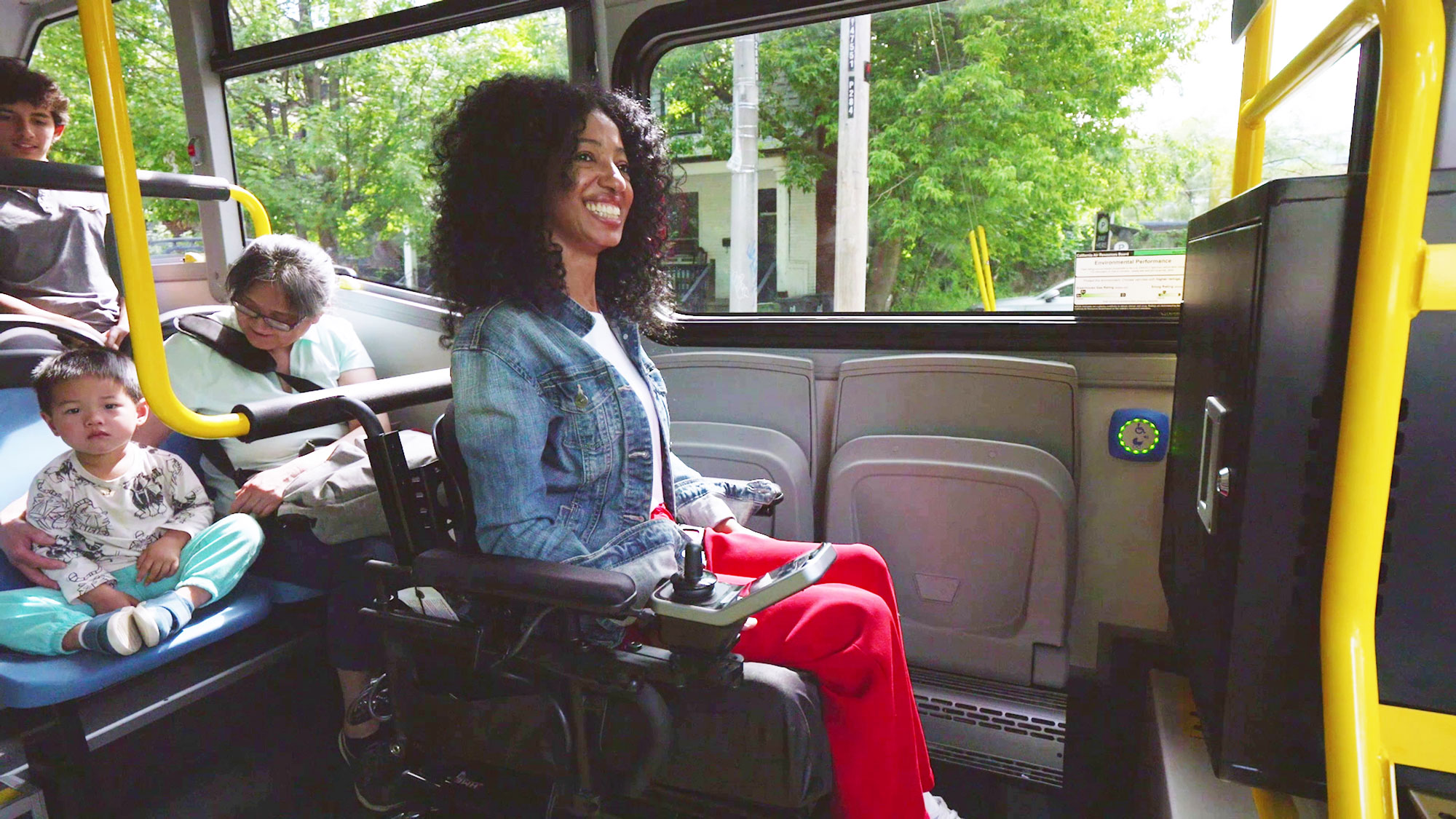
Accessibility, Flexibility, and Why Ridership Follows Service
Mensinger also highlights remarks from Steve Patterson, Mayor of Athens, Ohio, and President of the National League of Cities. Speaking on behalf of communities nationwide, Patterson emphasized that transit is not a luxury—it is essential infrastructure that must be accessible, safe, and practical for daily life.
When transit is difficult to reach, slow, or unreliable, entire groups of people are effectively excluded from opportunity. Service that works only on paper does not serve the public.
Right-sized vehicles help close this gap by enabling agencies to place service where it is actually needed—without the cost burden of running oversized buses. This flexibility makes service more affordable to operate, easier to adjust, and better aligned with how people travel today.
And ridership matters. Higher usage strengthens the case for continued funding, supports improved service levels, and reinforces transit’s role as a driver of economic and community vitality—not a financial liability.

Sustainability as a Requirement, Not a Slogan
The conference also recognized the Minnesota Valley Transit Authority (MVTA) for excellence in sustainability—underscoring how environmental performance is increasingly tied to long-term service viability.
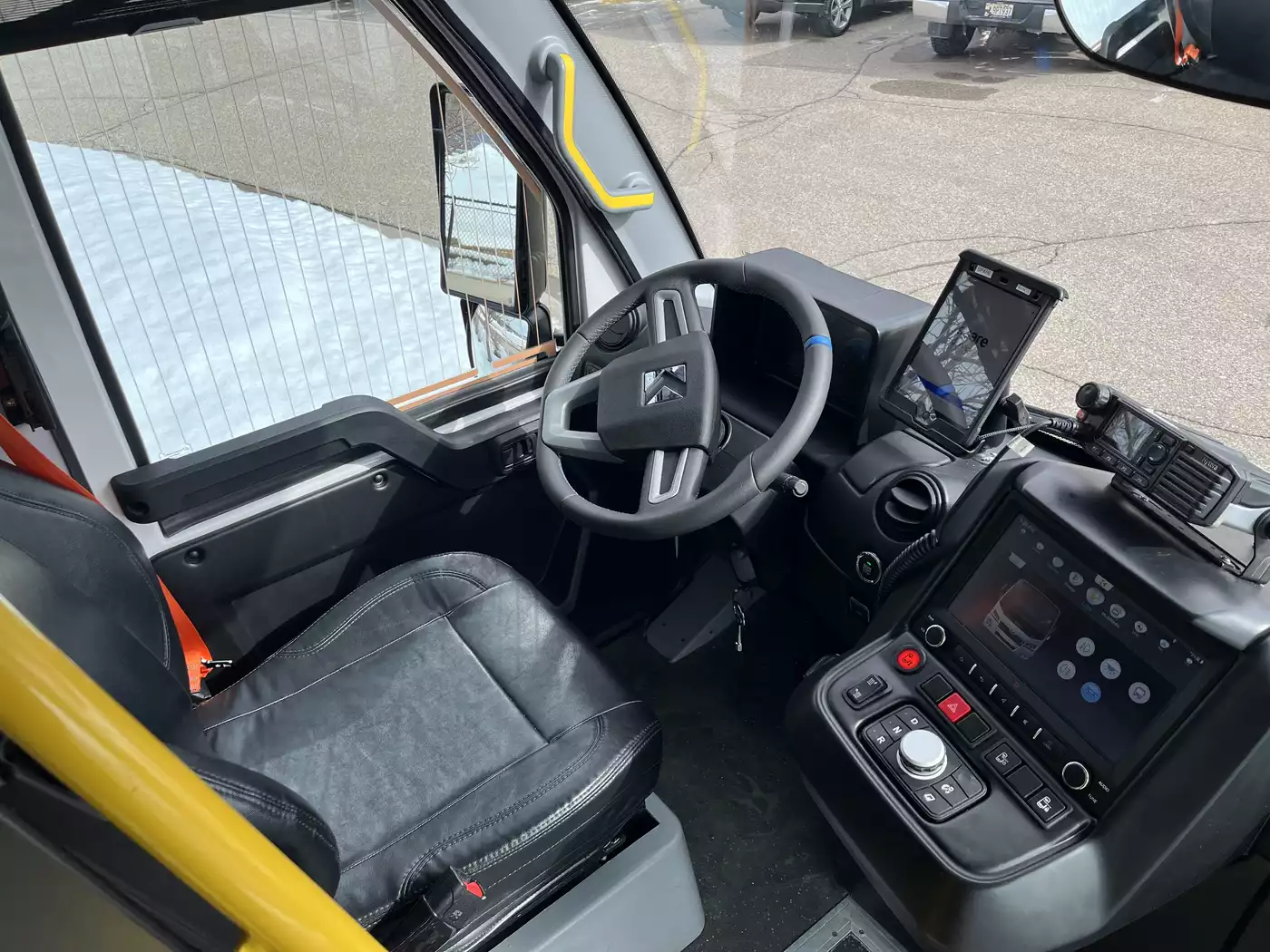
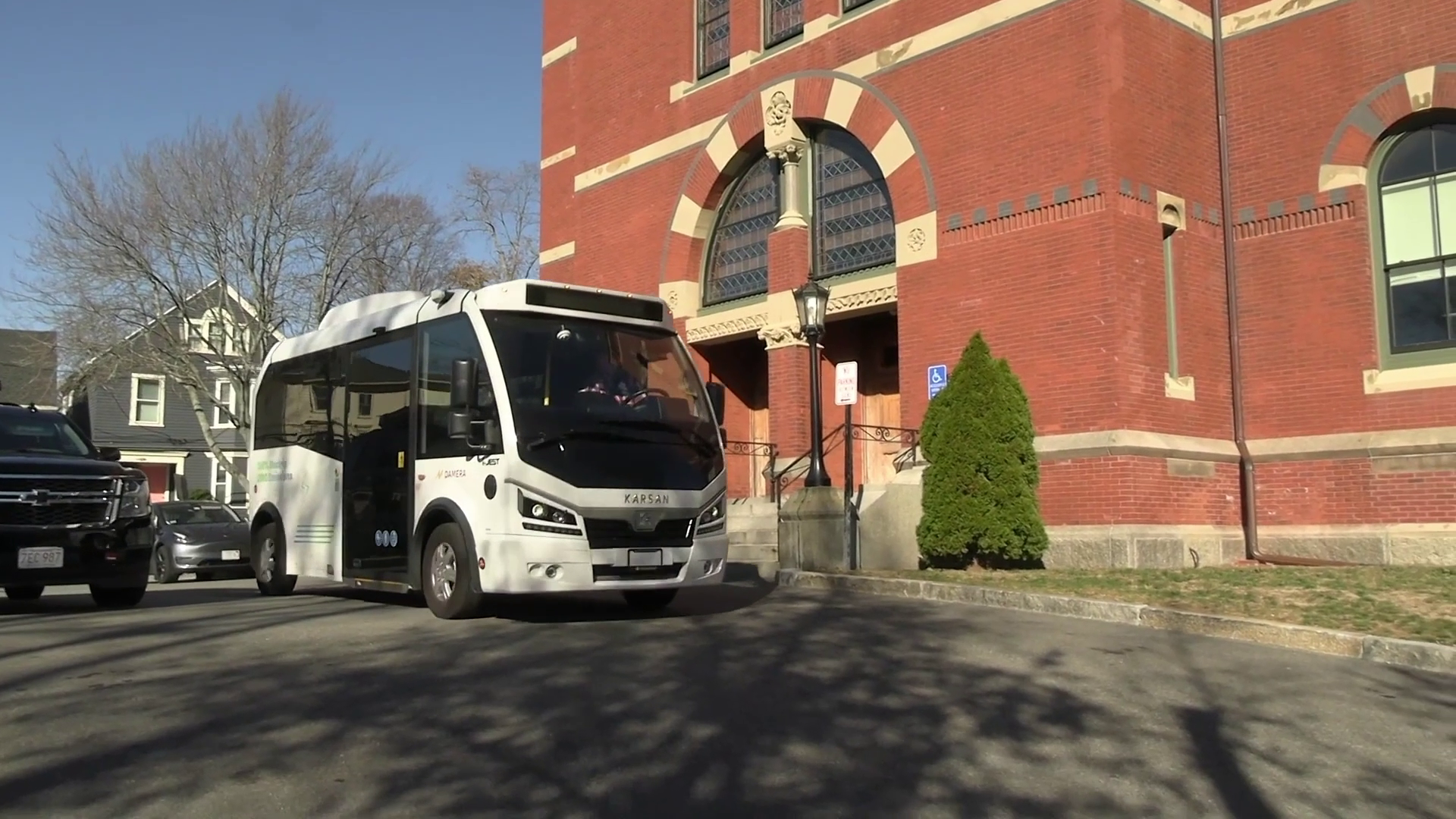
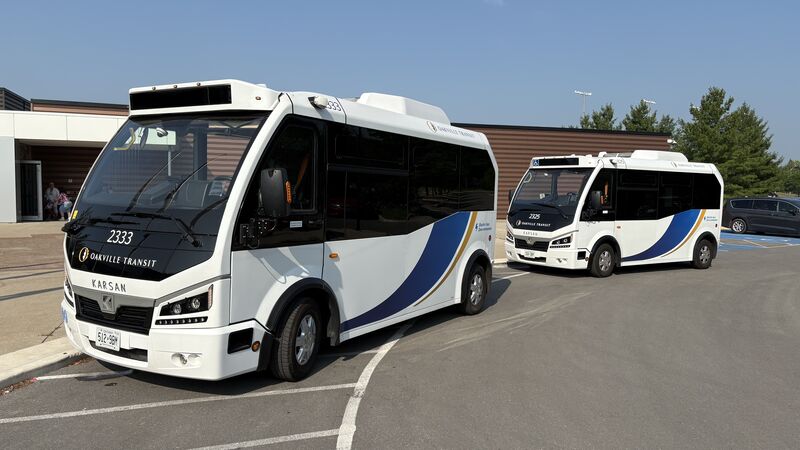
Introducing electric minibuses such as the Karsan eJEST contributes directly to these goals by reducing emissions, lowering energy use, and cutting noise in residential areas. But sustainability today extends beyond environmental outcomes.
In both the U.S. and Canada, a growing share of competitive transit funding is tied to criteria such as emissions reduction, lifecycle cost efficiency, fleet reliability, and operational readiness—even when “sustainability” isn’t explicitly named.
Having a proven, compliant vehicle allows agencies to meet these requirements confidently, strengthen grant applications, and focus staff time on service delivery rather than risk mitigation.
When Infrastructure Can’t Keep Up
Mensinger also references comments from Congresswoman Angie Craig, who noted that despite its wealth, the United States ranks only 13th globally in infrastructure.
This observation reflects a broader North American reality: much of our transit infrastructure was built for car-centric, low-density development. Maintaining these systems is expensive, and expanding them through large capital projects is often unrealistic within today’s budgets.
Right-sized, on-demand transit helps address this mismatch. Instead of forcing riders to walk long distances to fixed stops, smaller vehicles can reach people where they actually are—in suburban neighborhoods, employment zones, and areas with limited pedestrian infrastructure.

By aligning service with real land-use patterns, agencies can improve access without waiting for costly infrastructure investments that may never materialize.
New Travel Patterns Require New Tools
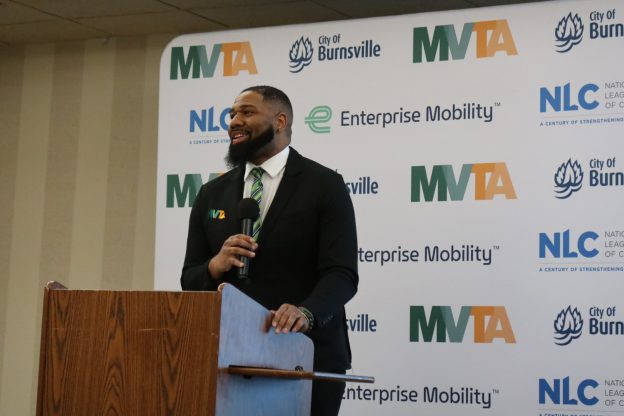
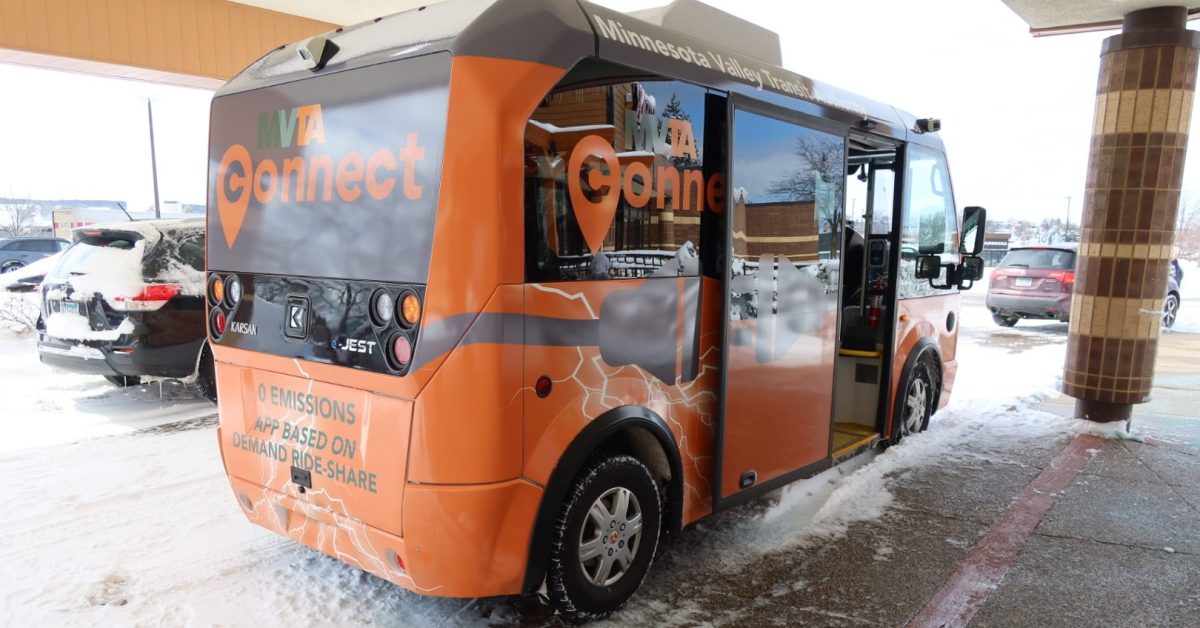
Mensinger notes that Luther Wynder, CEO of MVTA, highlighted the agency’s Connect service—the fastest-growing segment of its ridership, now delivering roughly 600 trips per day.
What makes Connect notable is how it complements fixed routes rather than competing with them. It provides point-to-point trips where demand exists while also acting as a first- and last-mile connector to higher-capacity services.
MVTA staff also observed a broader shift away from traditional park-and-ride, hub-and-spoke travel toward suburb-to-suburb and point-to-point trips. These patterns are difficult to serve efficiently with large fixed-route buses.
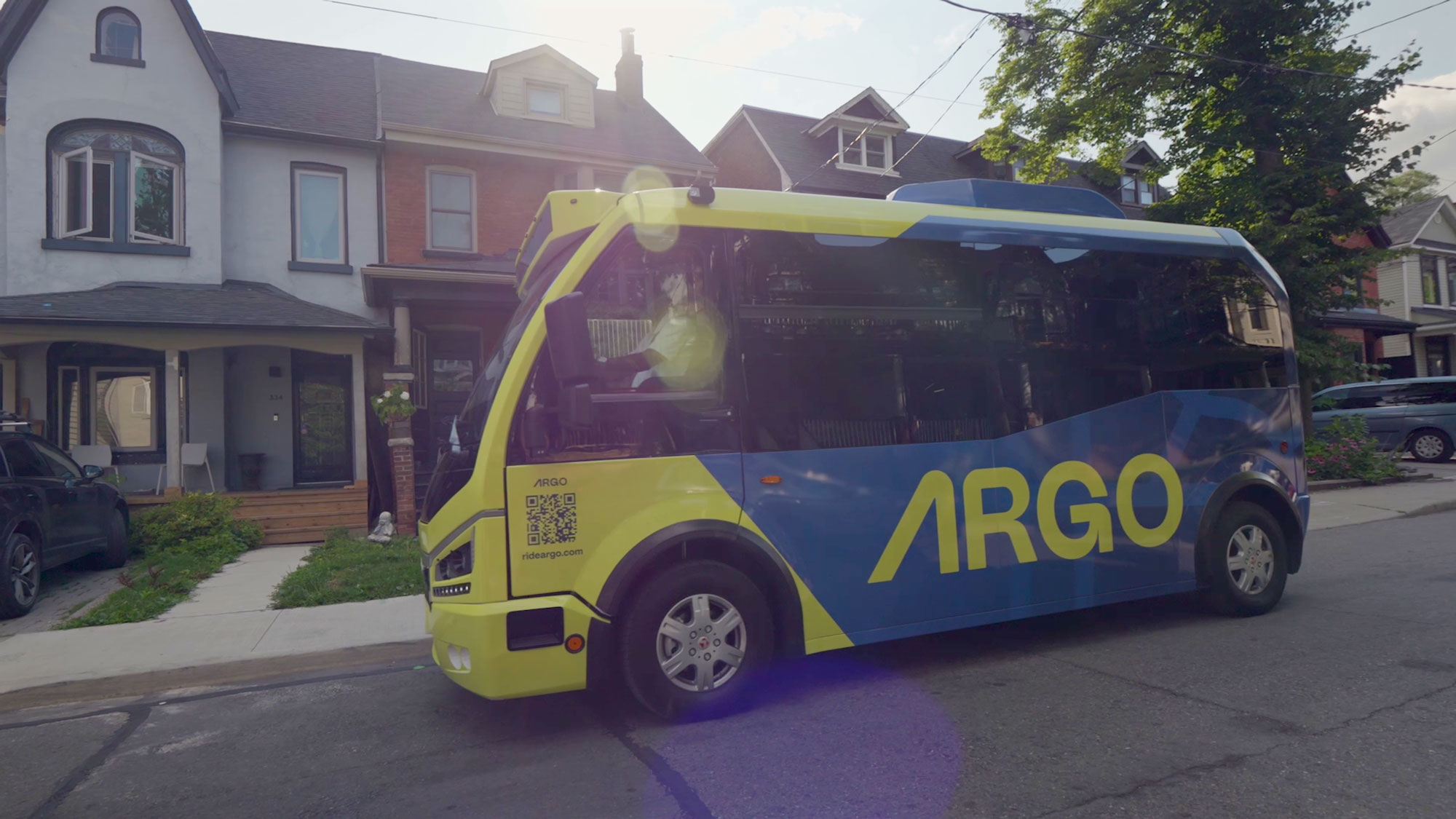
Within this model, Wynder pointed to the financial impact of deploying electric Karsan eJEST minibuses. MVTA expects $10,000–$14,000 per vehicle per year in fuel savings, with additional maintenance reductions compared to gas-powered cutaway vans. For agencies under budget pressure, those savings directly support service sustainability—freeing resources for coverage, frequency, and reliability.
Vehicles Enable Strategy—They Don’t Replace It
From an operational standpoint, Scott Poppenhagen, MVTA Fleet Manager, explained the agency’s plan to replace gas cutaway vans with electric eJEST minibuses. Cutaways are often costly to maintain and lack the durability of purpose-built transit vehicles.
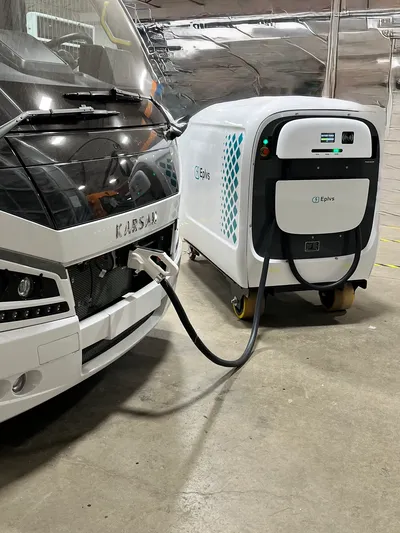
By shifting to a right-sized electric platform, agencies can improve reliability, control lifecycle costs, and better align fleet decisions with sustainability and service goals. Charging logistics remain part of the equation—underscoring that electrification is as much about planning as it is about technology.
Mensinger also shared a personal impression of the eJEST, noting that it reminded him of the compact, people-friendly minibuses common in European cities like Madrid. That reaction matters. Vehicle design shapes how riders perceive transit—particularly in suburban and lower-density contexts where oversized vehicles can feel out of place.
Why This Matters Now
Taken together, these perspectives explain why right-sized electric vehicles are gaining momentum across North America. They make transit more approachable for riders, more efficient for agencies, and more realistic to operate where demand is growing.
At Damera, this is the approach we support—combining proven right-sized EV platforms with practical deployment strategies, deep technical expertise, and long-term operational support. Effective transit isn’t defined by a single vehicle or technology. It’s built through thoughtful service design, disciplined execution, and partnerships grounded in real-world experience.
For agencies navigating funding constraints, evolving ridership, and electrification, these insights offer a clear framework for building systems that remain accessible, resilient, and financially sustainable.
If your organization is exploring how right-sized electric transit can support your service goals, Damera’s team is ready to continue the conversation.










.jpeg)








.jpeg)


.jpg)


.svg)