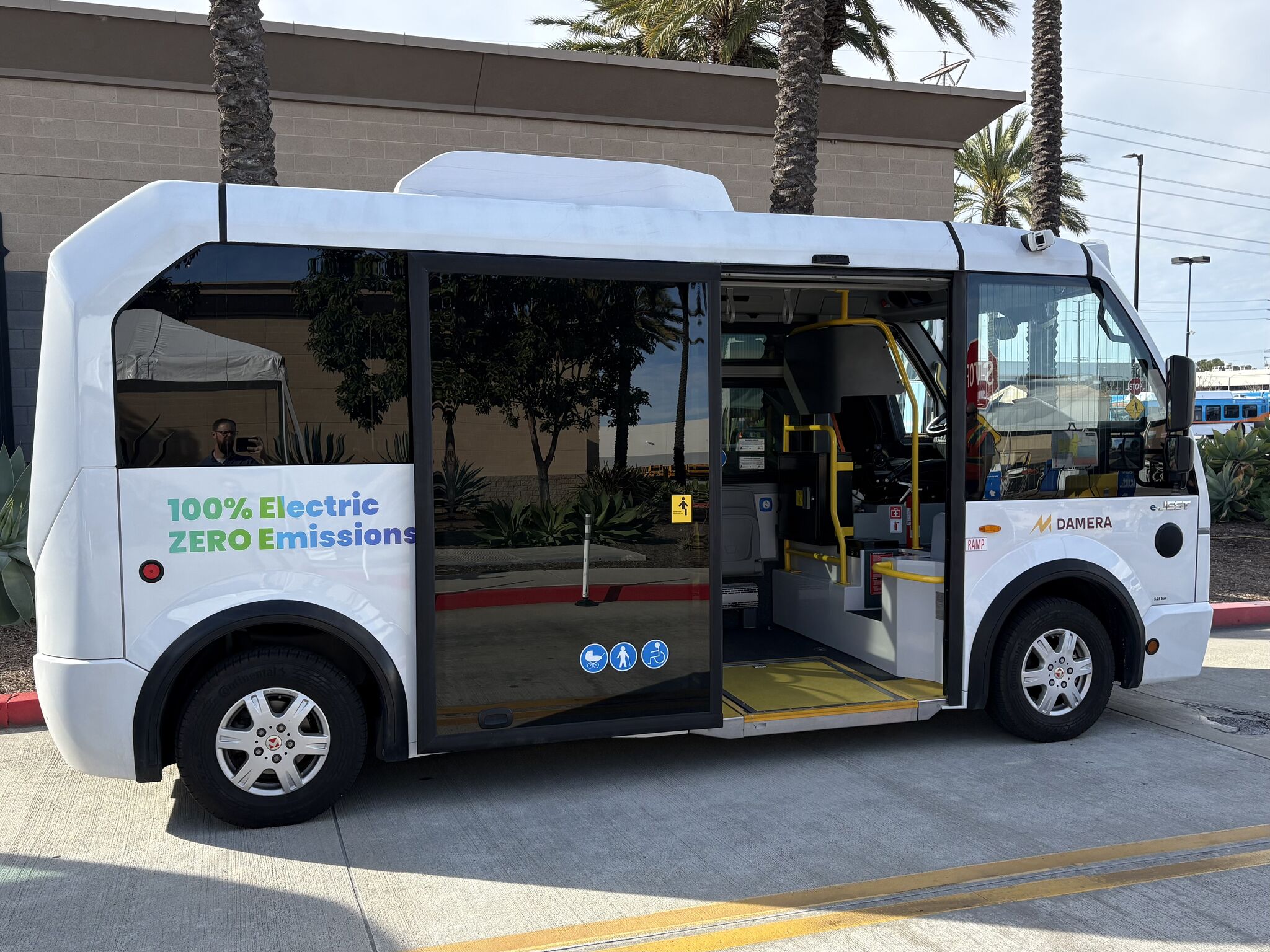
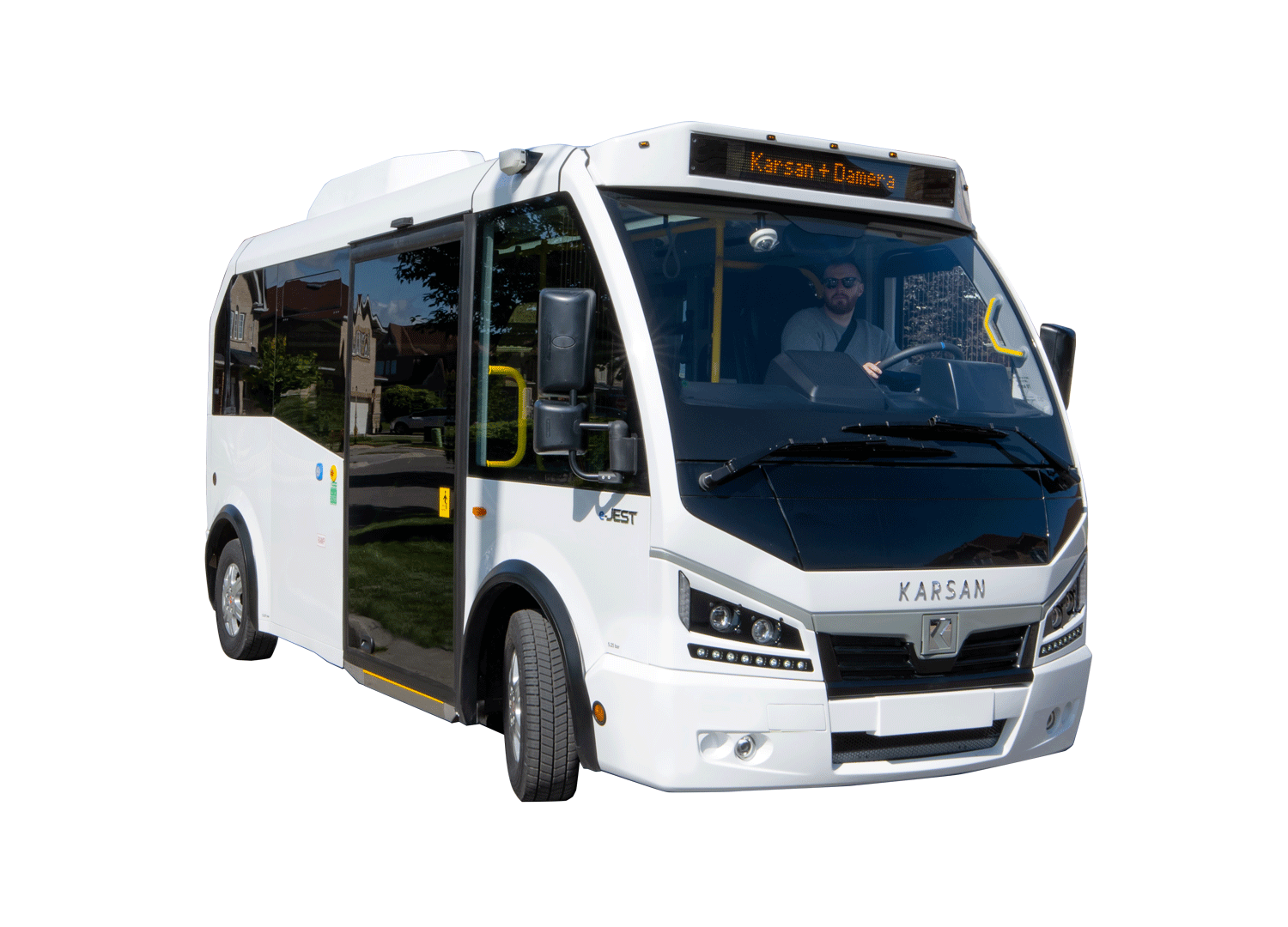
A quiet, efficient, fully accessible electric minibus. The eJEST delivers exceptional maneuverability, low operating costs, and smooth passenger experience.
Built on the proven eJEST platform and automated by ADASTEC, this Level-4 autonomous minibus brings reliable, safe, and fully accessible automated transit to real-world routes.
Across the evolving landscape of clean mobility, organizations like CALSTART play a defining role in moving zero-emission transportation from ambition to implementation. By connecting transit agencies, manufacturers, policymakers, and technology providers, CALSTART creates an environment where innovation is not only discussed—but tested.
With a broad network of industry participants, CALSTART supports the development of practical pathways toward decarbonization—accelerating adoption while ensuring solutions are grounded in operational reality.
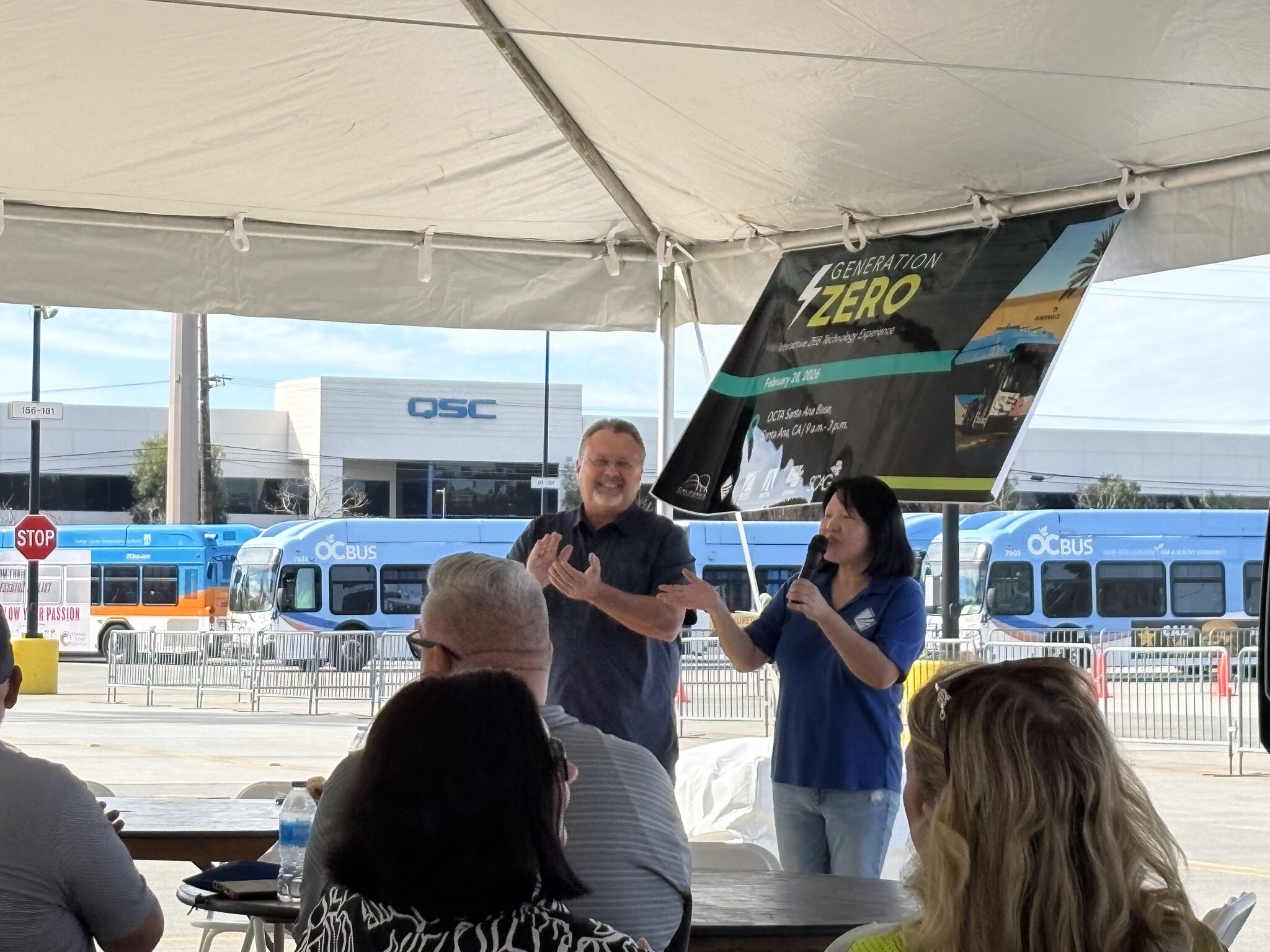
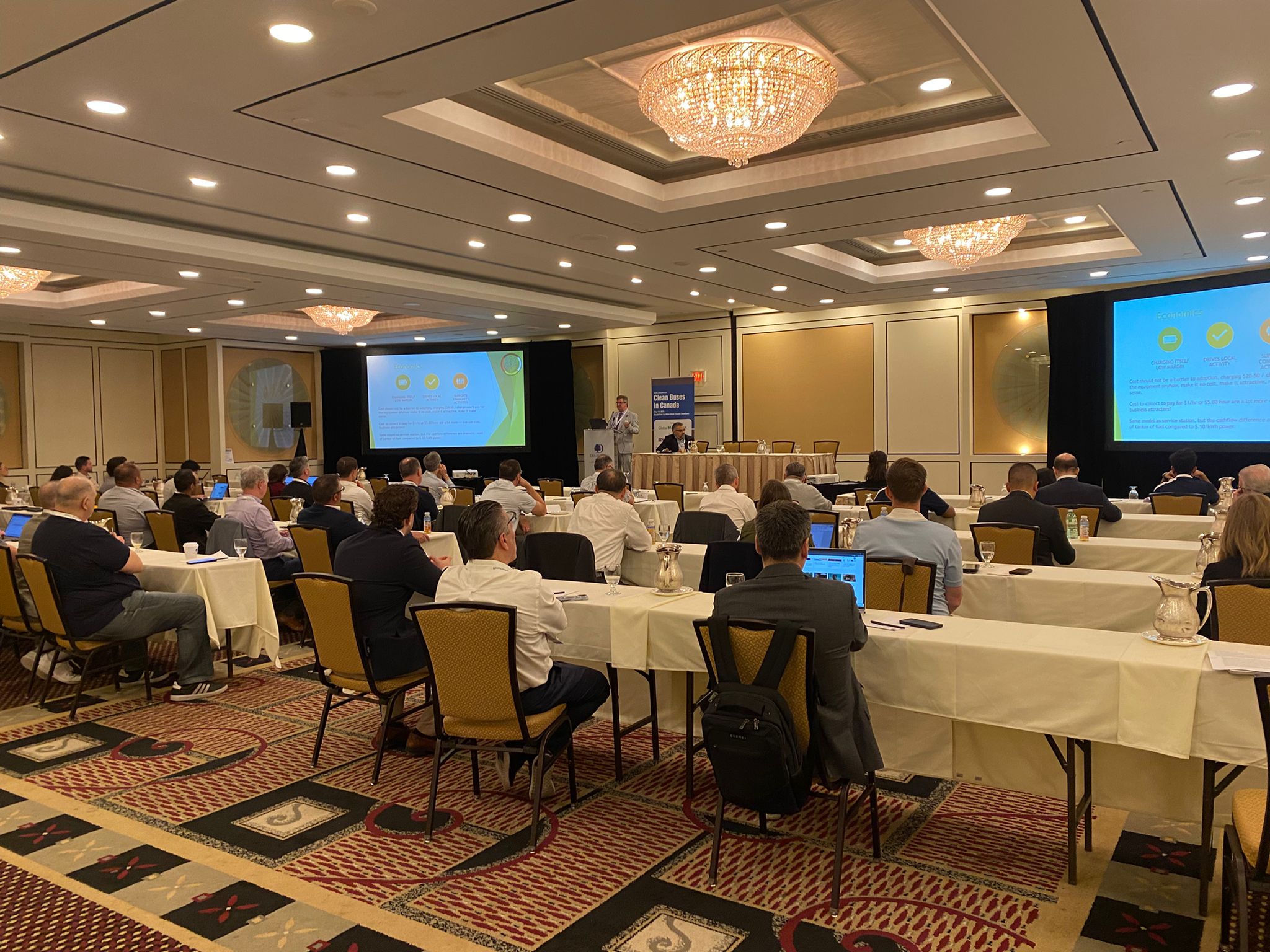
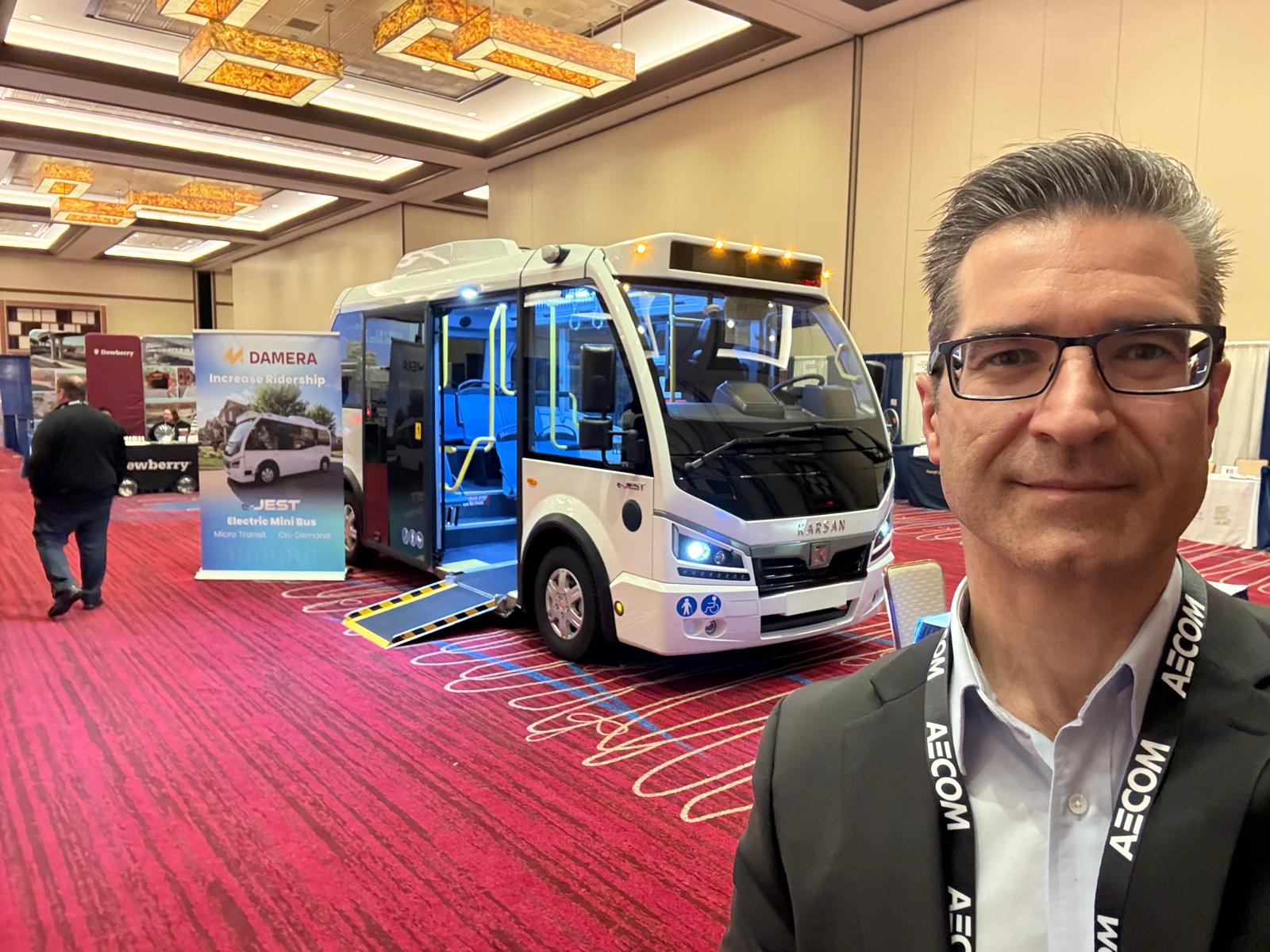
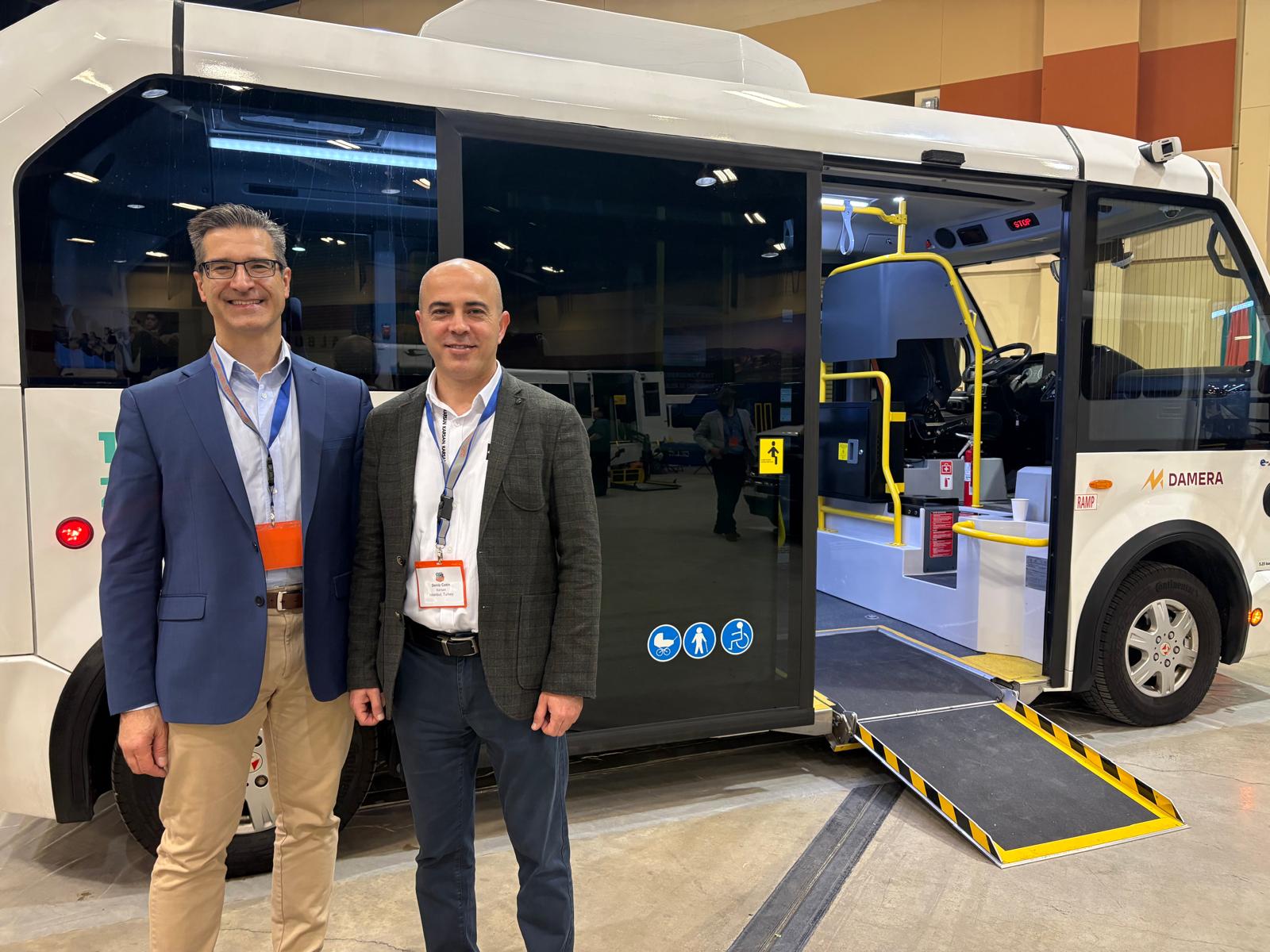
Events such as Generation Zero in Santa Ana go beyond traditional showcases. They function as working environments where electric buses are evaluated under real conditions, allowing agencies to assess how vehicles perform in the context of their own systems. Thank you to Mike Hynes, Deputy Director of Transit at CALSTART, for sharing the eJEST photo featured in this post.
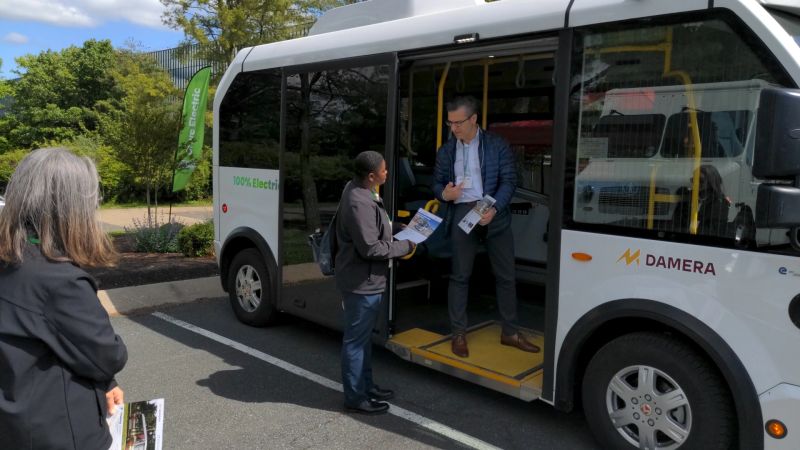
At this event, the Karsan eJEST was on display, providing agencies with an opportunity to experience its capabilities directly.
How CALSTART’s Mission for Transit Emissions Aligns with Damera’s Vision
Commercial vehicles fleets that operate continuously and often within dense urban environments.
Transit, however, holds a unique position.
While diesel buses contribute to emissions, well-designed transit systems significantly reduce overall environmental impact. A single vehicle operating at optimal utilization can replace multiple private car trips, lowering emissions per passenger.
When electrified and properly deployed, this effect is amplified.
Replacing a conventional 40-foot diesel bus with a right-sized electric vehicle like the eJEST can reduce emissions by approximately 80,000 kilograms of CO₂ annually, while also improving the quality of service experienced by the community.
Reducing complexity in electrification
One of the key challenges agencies face is not access to technology—but managing the complexity of implementation.
Large electric buses often require:
Significant capital investment
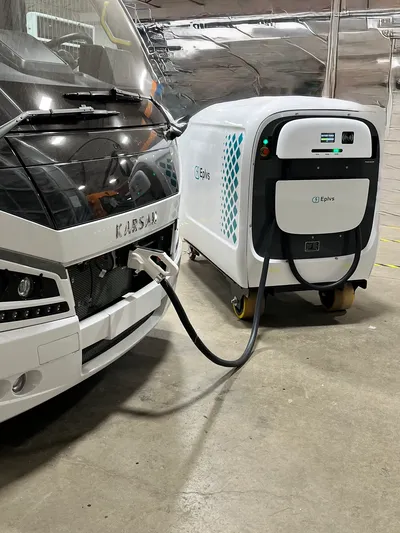
Extensive charging infrastructure upgrades
Grid capacity planning
Limited deployment flexibility
Right-sized vehicles offer a different approach.
The eJEST introduces a scalable entry point into electrification by reducing these barriers:
Lower energy demand simplifies charging requirements
Smaller battery systems reduce infrastructure pressure
Flexible deployment supports multiple service models
Faster rollout enables agencies to move beyond pilot phases
Lower vehicle cost — in many cases, up to four eJEST minibuses can be deployed for the price of one full-size electric bus, increasing service coverage and flexibility
This creates a pathway to scalable electrification.
How agencies evaluate electric buses in real conditions
At CALSTART events, vehicles are not judged by specifications alone. They are assessed based on how effectively they integrate into real transit environments.
Operational Fit Does the vehicle match actual route demand and service type? The eJEST demonstrates strong alignment with low- and medium-demand services, including feeder routes, on-demand systems, and community transit—where larger buses often operate below capacity.
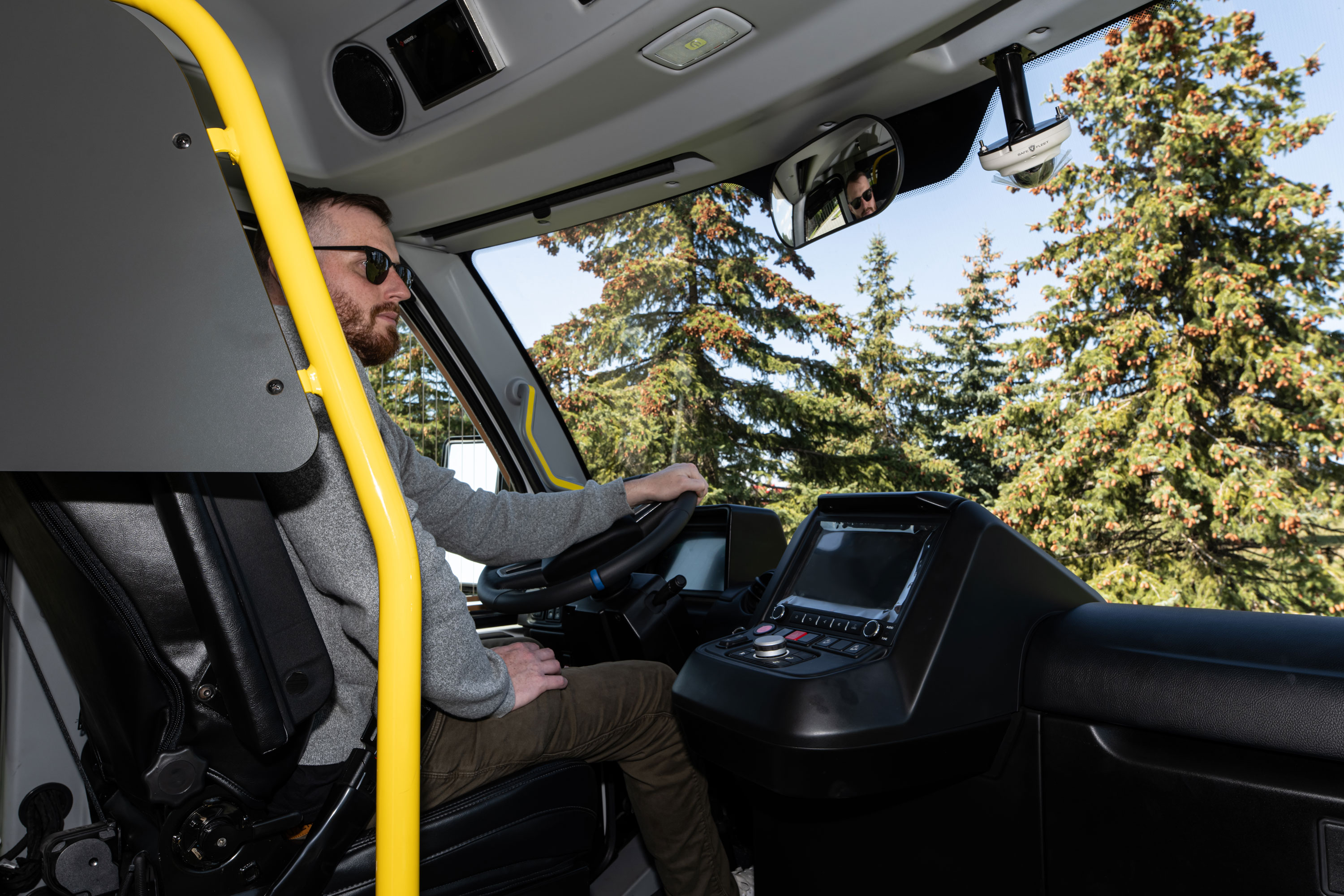
Driver and Rider Experience Is the vehicle intuitive to operate and comfortable to ride? With smooth handling, quiet operation, and accessible design, the eJEST improves both driver usability and passenger perception.
Infrastructure Compatibility How easily can the vehicle be integrated into existing depots and charging systems? Its lower energy requirements enable deployment with fewer infrastructure upgrades, accelerating adoption timelines.
Maintenance and Reliability Can the vehicle be supported consistently over time? Built on a proven platform with global deployment, and supported by Damera’s technical expertise, the eJEST offers a reliable lifecycle solution.
Economic Performance Does the vehicle improve cost efficiency and utilization? By aligning capacity with real demand, the eJEST supports lower cost per rider and higher fleet productivity.
Designed for real urban conditions
Karsan Automotive developed the eJEST as a right-sized electric minibus specifically for urban environments—prioritizing maneuverability, accessibility, efficiency, and seamless integration into transit systems.
In dense cities and constrained corridors, this design approach allows transit to extend service coverage without increasing operational strain.
Additional efficiency gains come from features such as regenerative braking, which captures energy during deceleration—reducing electricity consumption and minimizing brake wear in stop-and-go service.
Built on operational experience
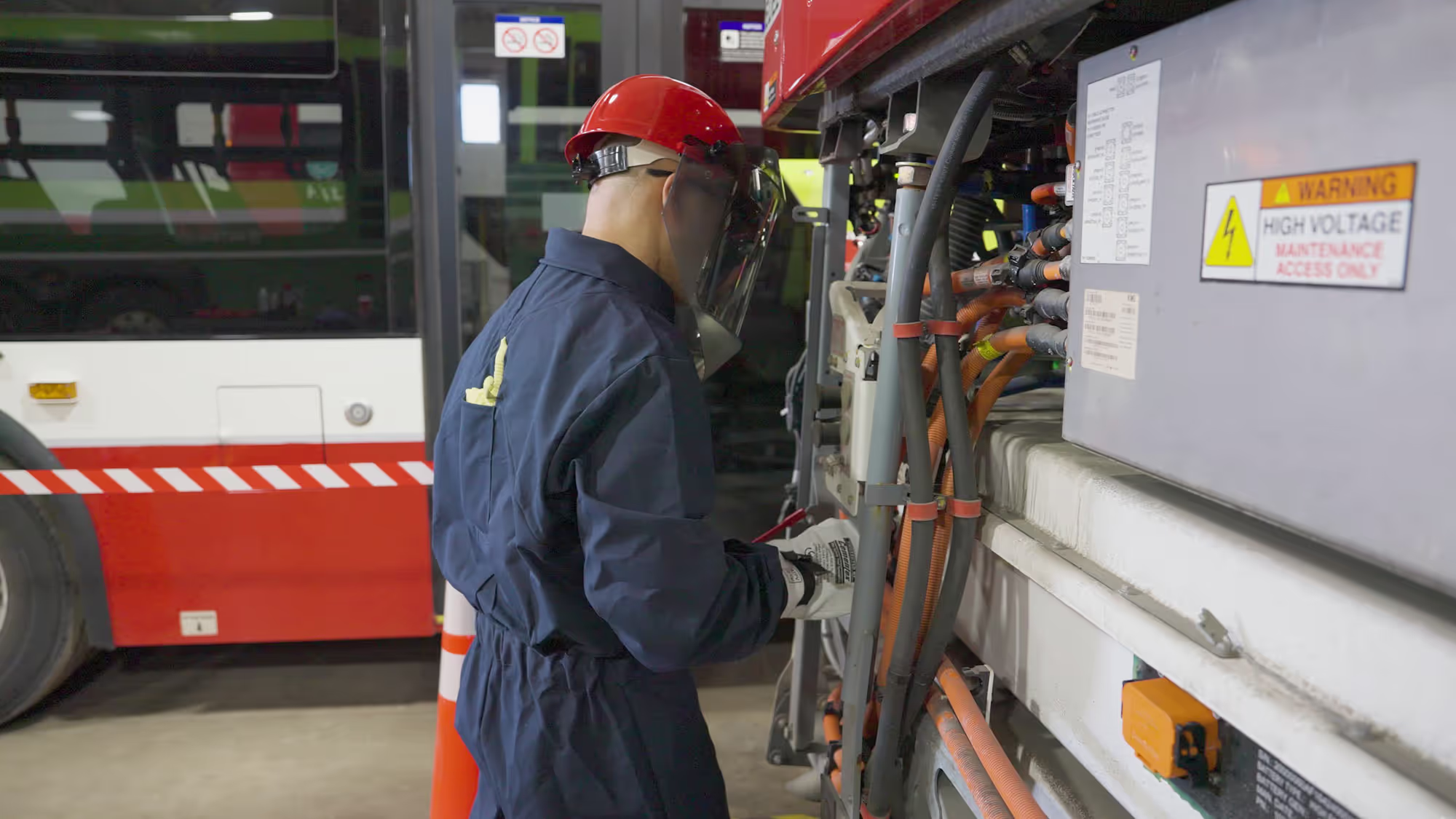
Damera’s approach to electrification is grounded in hands-on experience with maintenance, repair, and high-voltage systems—areas that directly determine whether a fleet succeeds or struggles after deployment.
This perspective goes beyond vehicle specifications.
From this foundation, we recognize what often determines success in electrification uptime, reliability, lifecycle cost.
This is exactly why we selected the Karsan eJEST as our flagship vehicle.
It reflects our criteria for real-world deployment: a right-sized architecture that reduces system complexity, proven components with global track record, and performance that aligns with actual transit operations. Its lower energy demand, regenerative braking, and simplified infrastructure requirements contribute to predictable operating costs and easier integration from day one.
At the same time, its maneuverability and flexible deployment support high utilization across multiple service types—ensuring it is not limited to pilot projects, but suited for continuous, daily operation.
Supported by Damera’s maintenance expertise and after-sales capabilities, the eJEST represents more than an electric bus—it is a deliberate choice for agencies seeking a reliable, scalable, and service-ready electrification solution.
A Practical Approach to Electrification
Events like CALSTART reinforce an important reality for transit agencies: success in electrification depends not only on the technology itself, but on how well it performs within real operating environments.
The focus today is on solutions that can be deployed with confidence—vehicles that fit service requirements, integrate with existing infrastructure, and are supported over the long term.
At Damera, our role is to bring that clarity to the process.
With a foundation in maintenance, repair, and high-voltage systems, we evaluate solutions through the lens of long-term performance, uptime, and lifecycle support. This allows us to offer vehicles and services that are not only technically sound, but operationally dependable.
The Karsan eJEST reflects that approach—selected as a solution that aligns with real transit needs and can be implemented without unnecessary complexity.
For agencies, this means a more structured path forward: clear deployment, manageable infrastructure, and support that continues beyond delivery.
If you are evaluating zero-emission transit and looking for solutions that can perform reliably in daily service, our team would be glad to connect and discuss how this approach can support your system.


.svg.avif)




-p-500-p-500.avif)













.svg)









-web.jpg)





.svg)