


.svg.avif)




-p-500-p-500.avif)








EV Buses

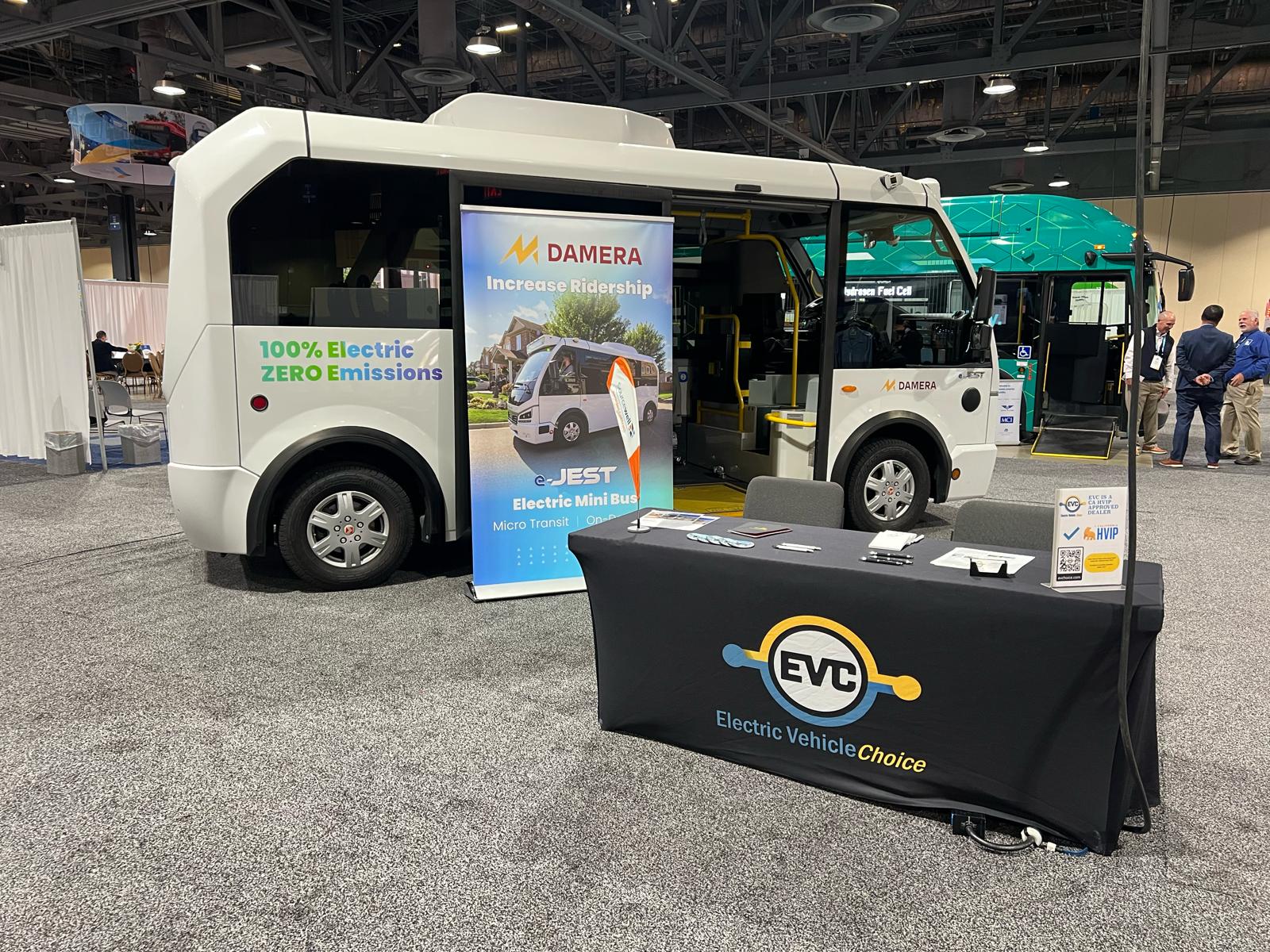
A quiet, efficient, fully accessible electric minibus. The eJEST delivers exceptional maneuverability, low operating costs, and smooth passenger experience.
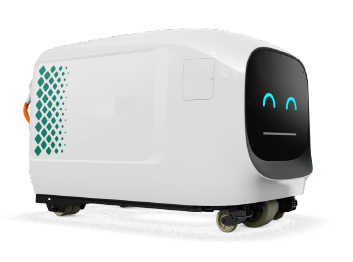
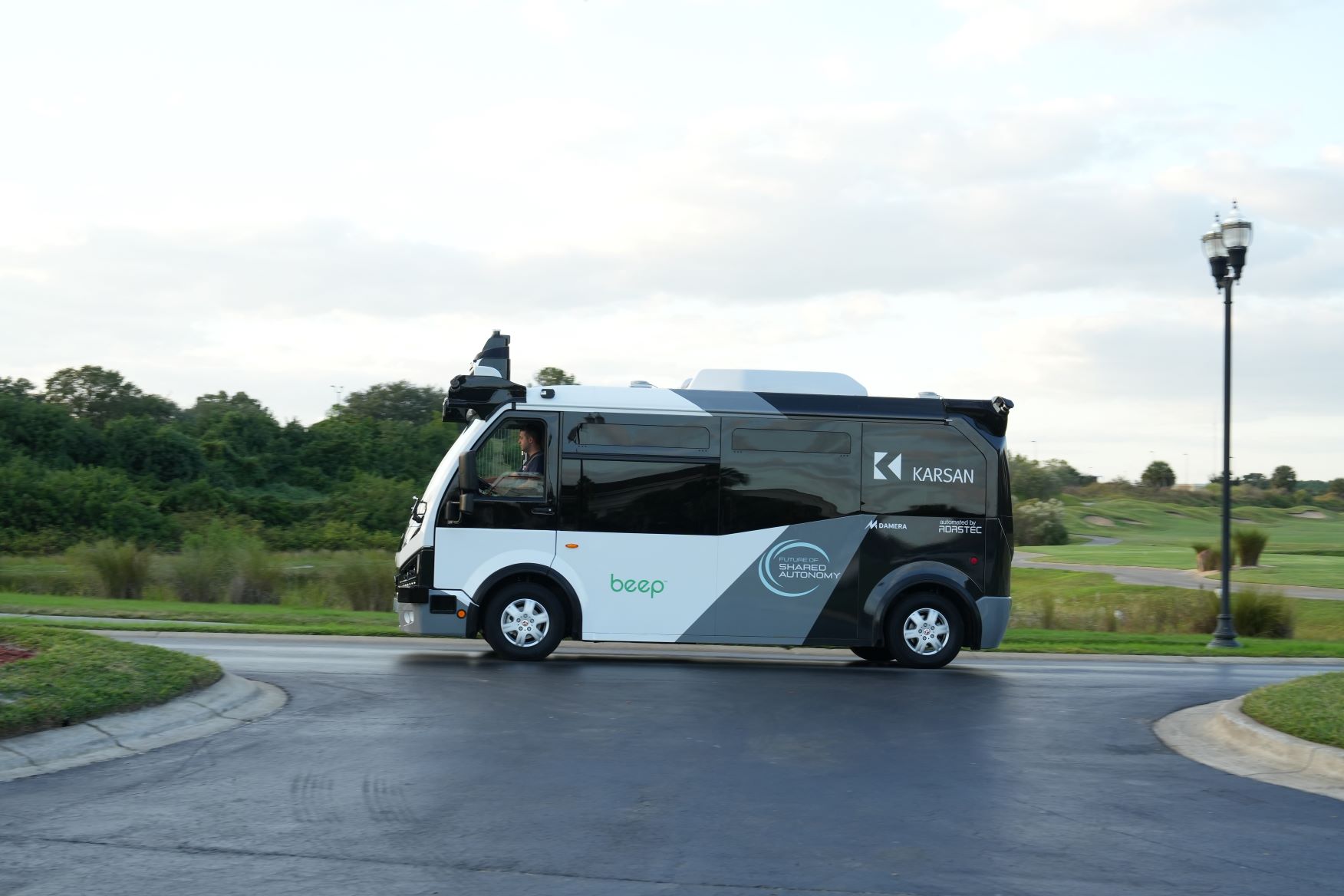
Built on the proven eJEST platform and automated by ADASTEC, this Level-4 autonomous minibus brings reliable, safe, and fully accessible automated transit to real-world routes.


Chargers

All Chargers
Explore all charging options on one page
Services
TUV Level 3
High Voltage Training

Work safely and effectively with high-voltage systems

Charger Installation
Contributes to the seamless integration of electric vehicles

Electrical Engineering
Get your skills in electrical engineering tailored to the transit industry
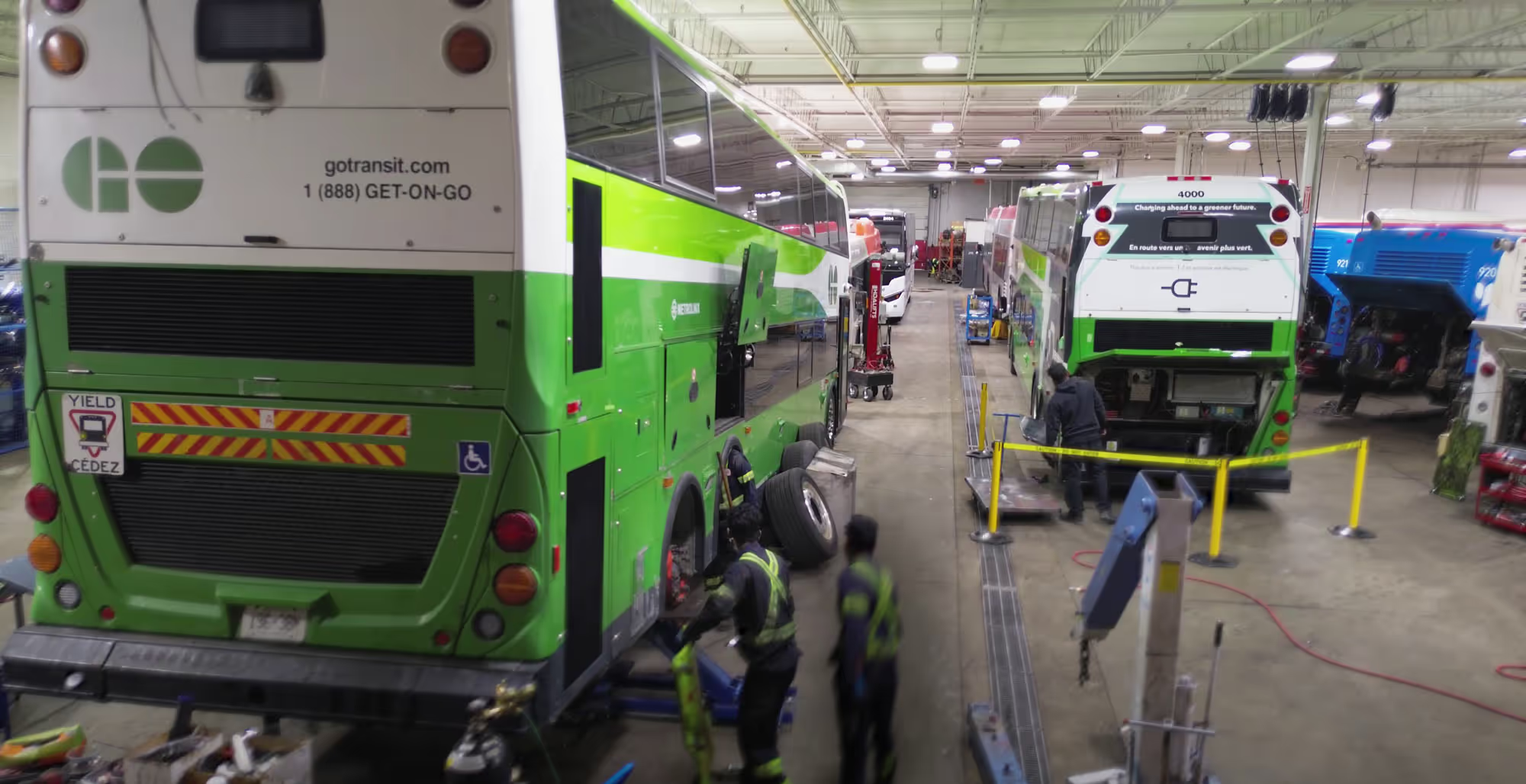
Bus Service (MBCT)
Comprehensive bus service ensuring reliable maintenance, repairs, and safety compliance.
MICROTRANSIT

Paratransit Buses
Learn more about our paratransit vehicles and how we’re improving mobility for people with disabilities and underserved riders.

Micromobility Buses
Discover how our buses support both paratransit needs and provide efficient service in low-ridership areas.

Minibuses for Campuses
Learn how modern electric minibuses create smoother, safer, and more convenient transportation for students and staff.

.svg)
There is no previous post
Previous Post
Next Post
There is no next post
Electric Minibuses: What Transit Agencies Need to Know
No items found.
Transitioning to battery-electric buses is about far more than replacing diesel vehicles. It changes how agencies train operators, manage energy, maintain vehicles, use fleet data, and plan daily operations.
Many agencies begin their electrification journey by comparing vehicle specifications such as battery capacity, charging time, or passenger capacity. While these are important considerations, long-term success depends on something much broader—building the operational knowledge required to manage electric fleets efficiently.
Understanding how battery-electric buses differ from conventional diesel vehicles helps transit agencies improve vehicle availability, reduce operating costs, maximize driving range, and deliver a better passenger experience.
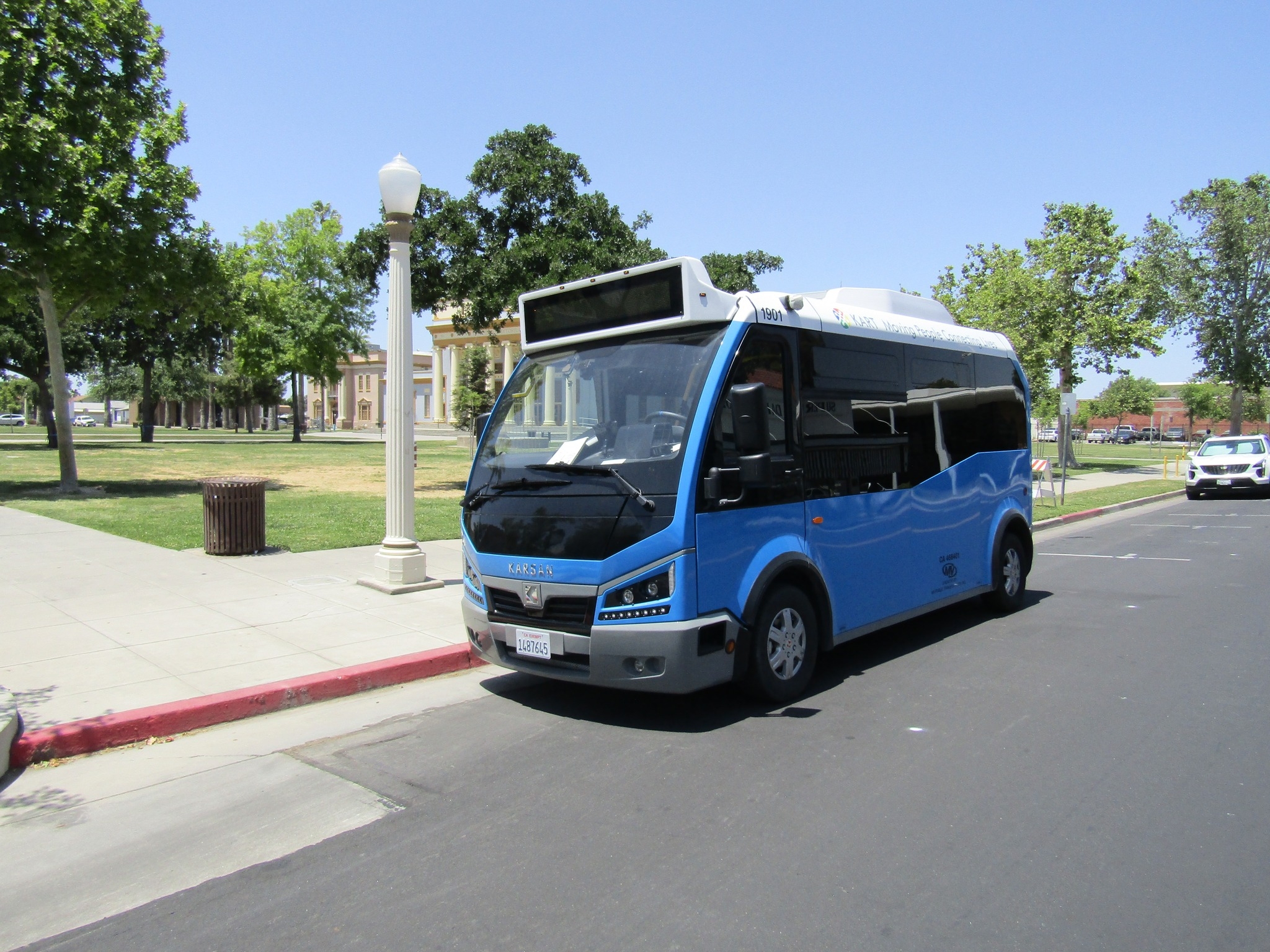
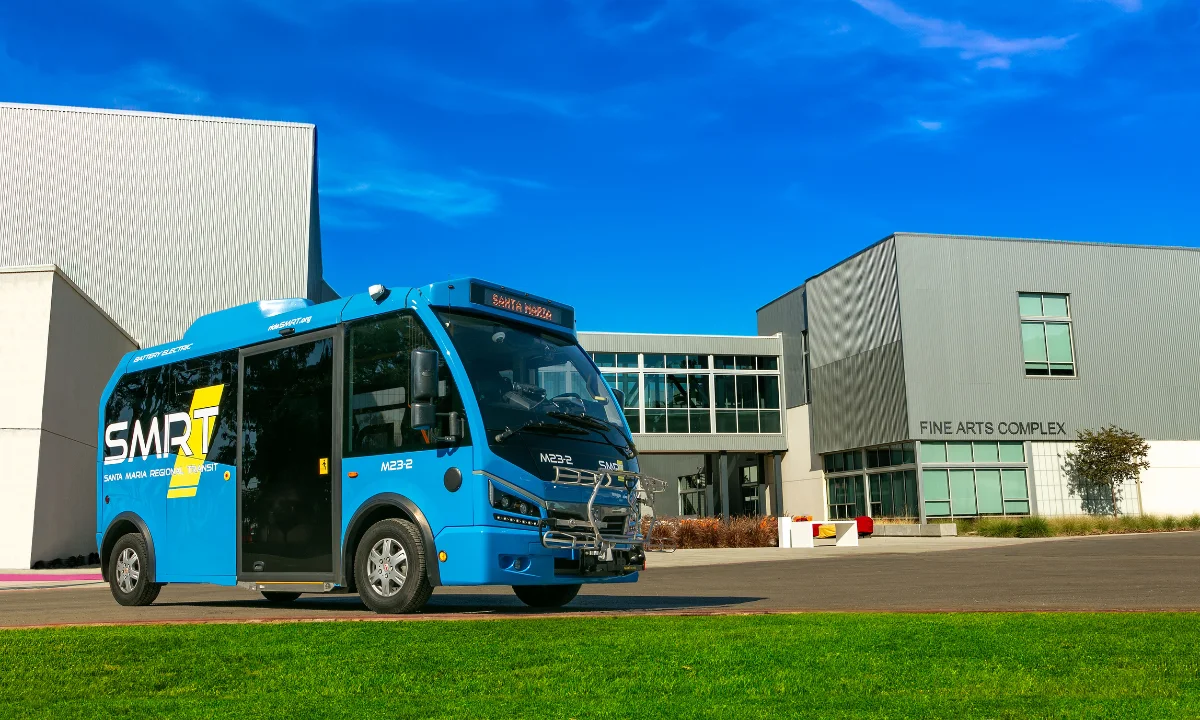
Right-sized battery-electric minibuses can provide a practical starting point. Their lower energy requirements, simpler charging infrastructure, and deployment on shorter or lower-demand routes allow agencies to gain real-world experience with charging strategies, energy management, operator training, maintenance practices, and fleet monitoring before expanding electrification across larger vehicle classes.
This phased approach helps reduce implementation risk, supports workforce development, and enables agencies to establish the operational processes needed for long-term fleet electrification. Understanding how battery-electric buses differ from conventional diesel vehicles ultimately helps improve vehicle availability, reduce operating costs, maximize driving range, and deliver a better passenger experience.
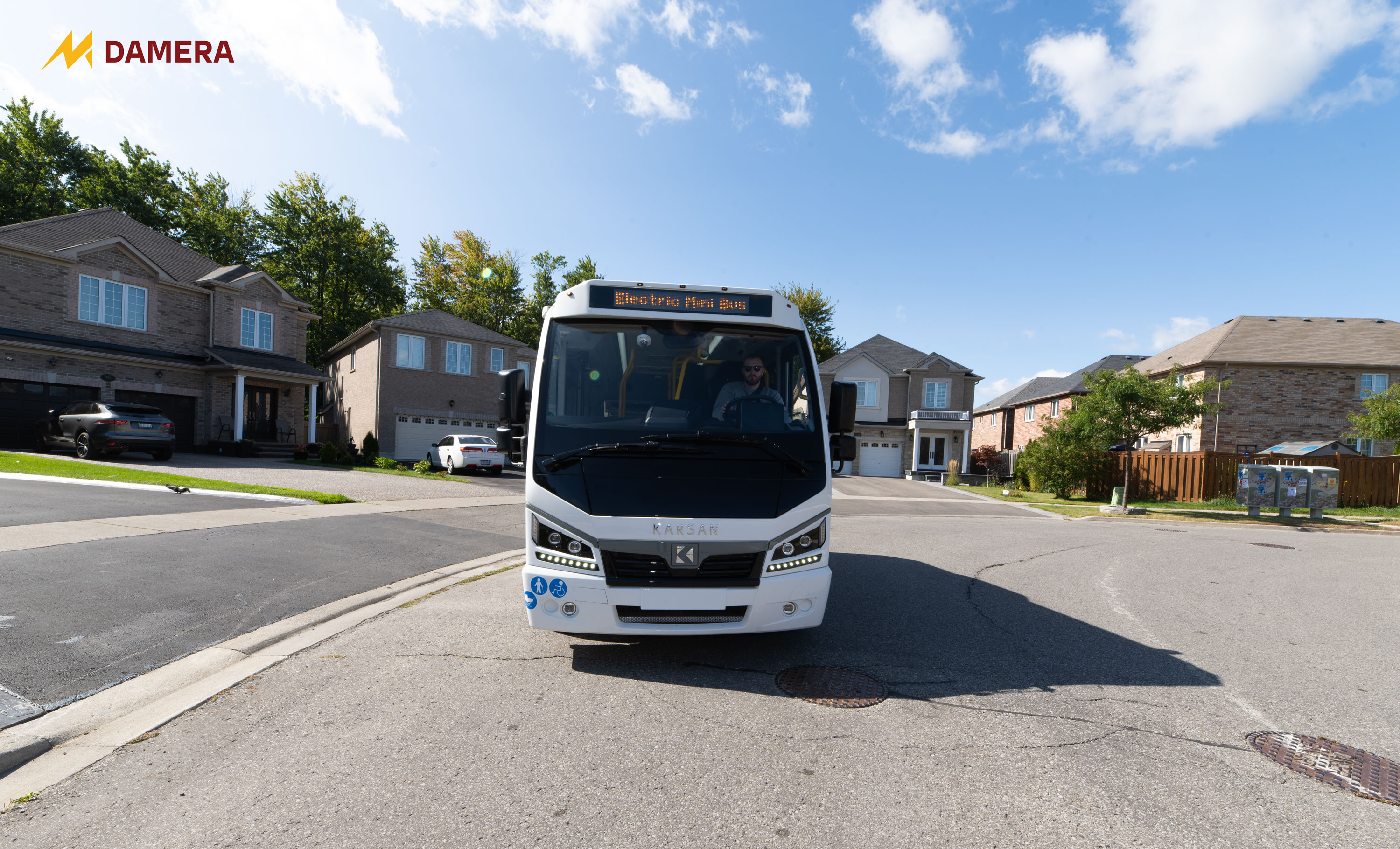
Electric buses reward efficient driving
One of the first observations operators make is how familiar an electric bus feels. Instant torque, smooth acceleration, and quiet operation make battery-electric buses intuitive to drive, but maximizing efficiency requires a different driving approach.
Unlike diesel buses, every acceleration and every braking event directly influences available driving range.
Professional operator training typically focuses on:
- anticipating traffic conditions
- maintaining smooth acceleration
- maximizing regenerative braking
- adapting driving style to weather conditions
- improving passenger comfort while reducing component wear
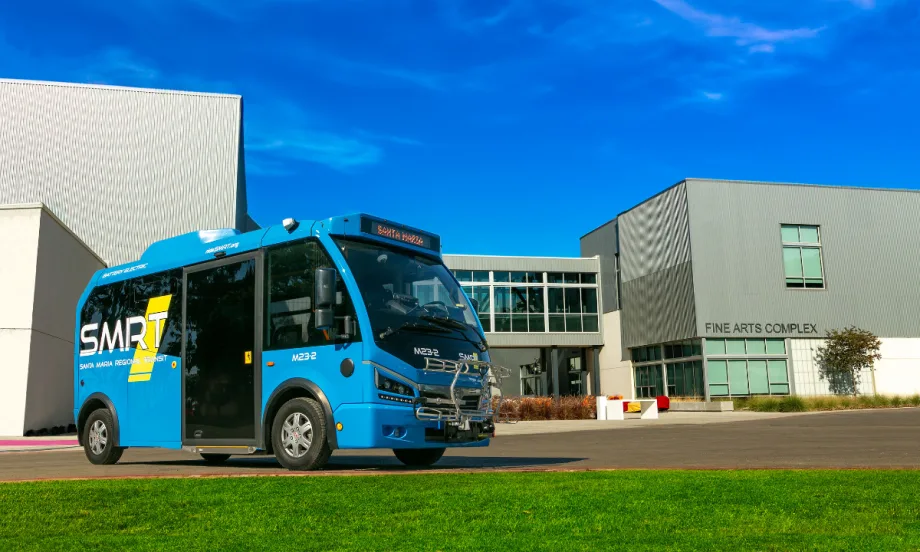
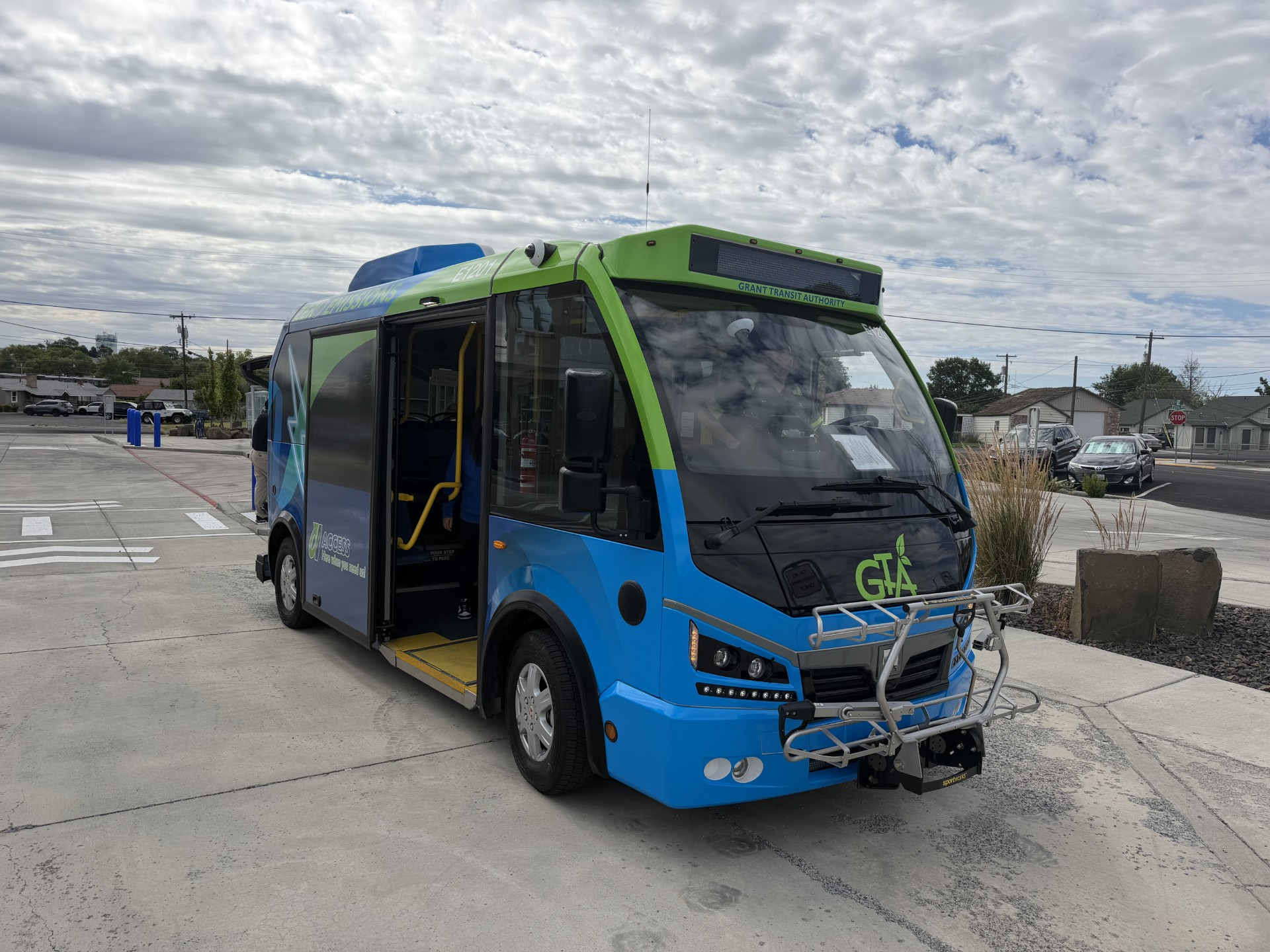
Modern battery-electric buses, including the Karsan eJEST, use regenerative braking to convert kinetic energy into electricity during deceleration. Rather than losing energy as heat through conventional braking alone, part of that energy is returned to the battery.
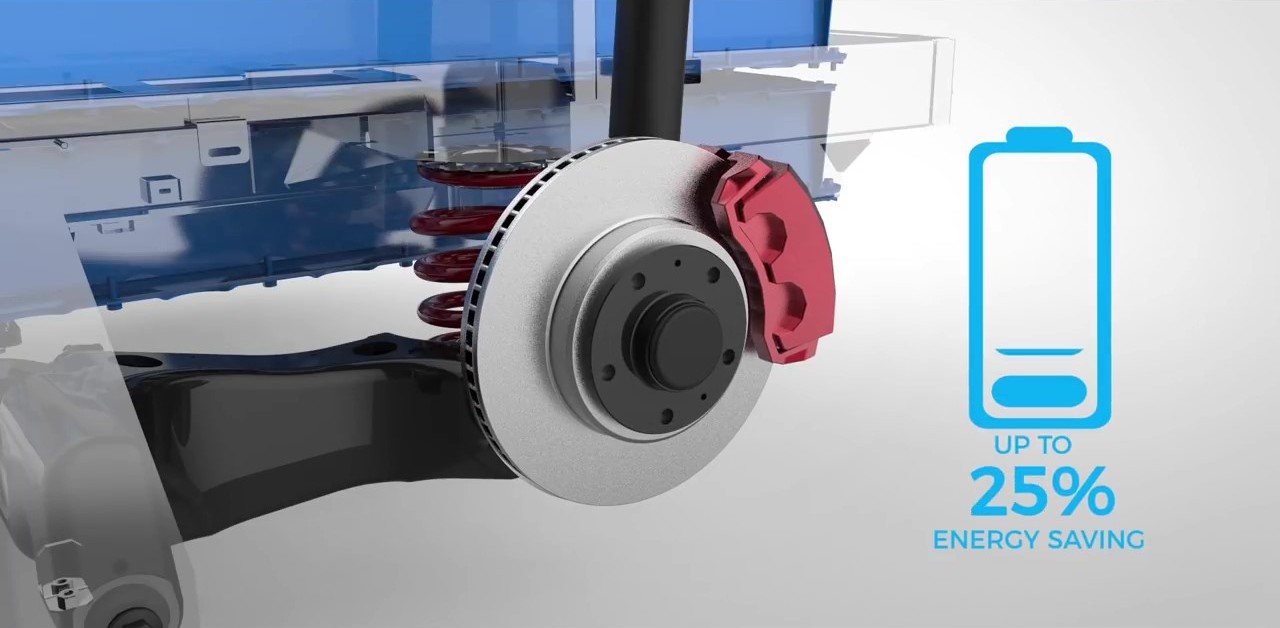
This not only extends driving range but also reduces brake wear and contributes to lower lifecycle maintenance costs.
Vehicle design influences ride quality
Electric buses also introduce engineering advantages that are not immediately visible.
Low-floor vehicle architecture combined with strategically positioned battery systems creates a lower center of gravity. This contributes to improved stability during cornering, reduced body roll, and a smoother ride for passengers while giving operators greater confidence in urban environments.
For vehicles operating frequent stop-and-go routes, these characteristics improve overall ride quality and reduce driver workload throughout the day.
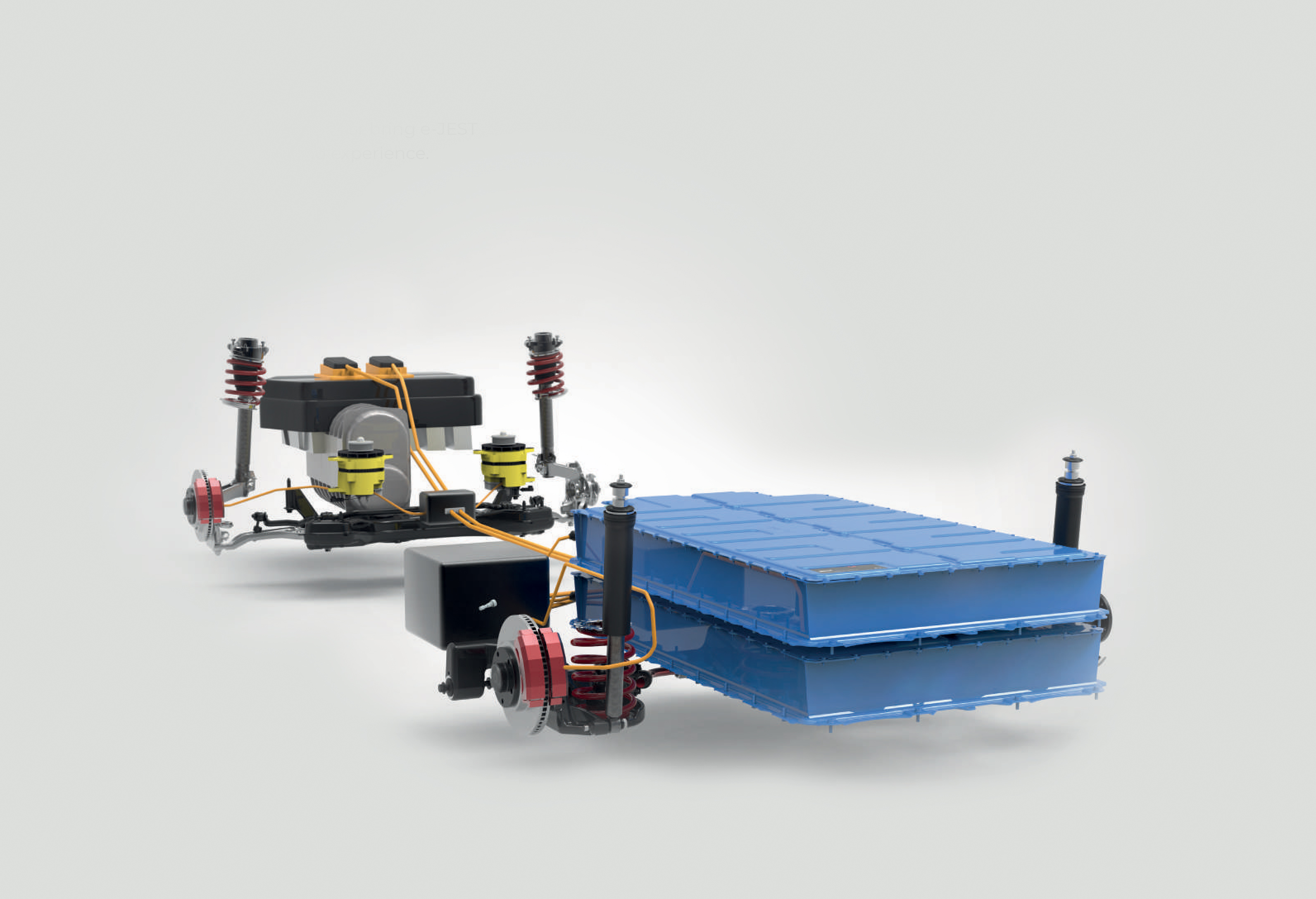
Driver comfort supports operational performance
Transit operators spend many hours behind the wheel every shift.
Driver ergonomics therefore become an operational consideration rather than simply a comfort feature.
Well-designed driver environments can help reduce physical fatigue, improve concentration, support safer vehicle operation, and contribute to more consistent service.
Features such as adjustable seating, ergonomic steering controls, improved visibility, and camera systems allow operators to maneuver confidently while reducing repetitive physical strain throughout long working days.
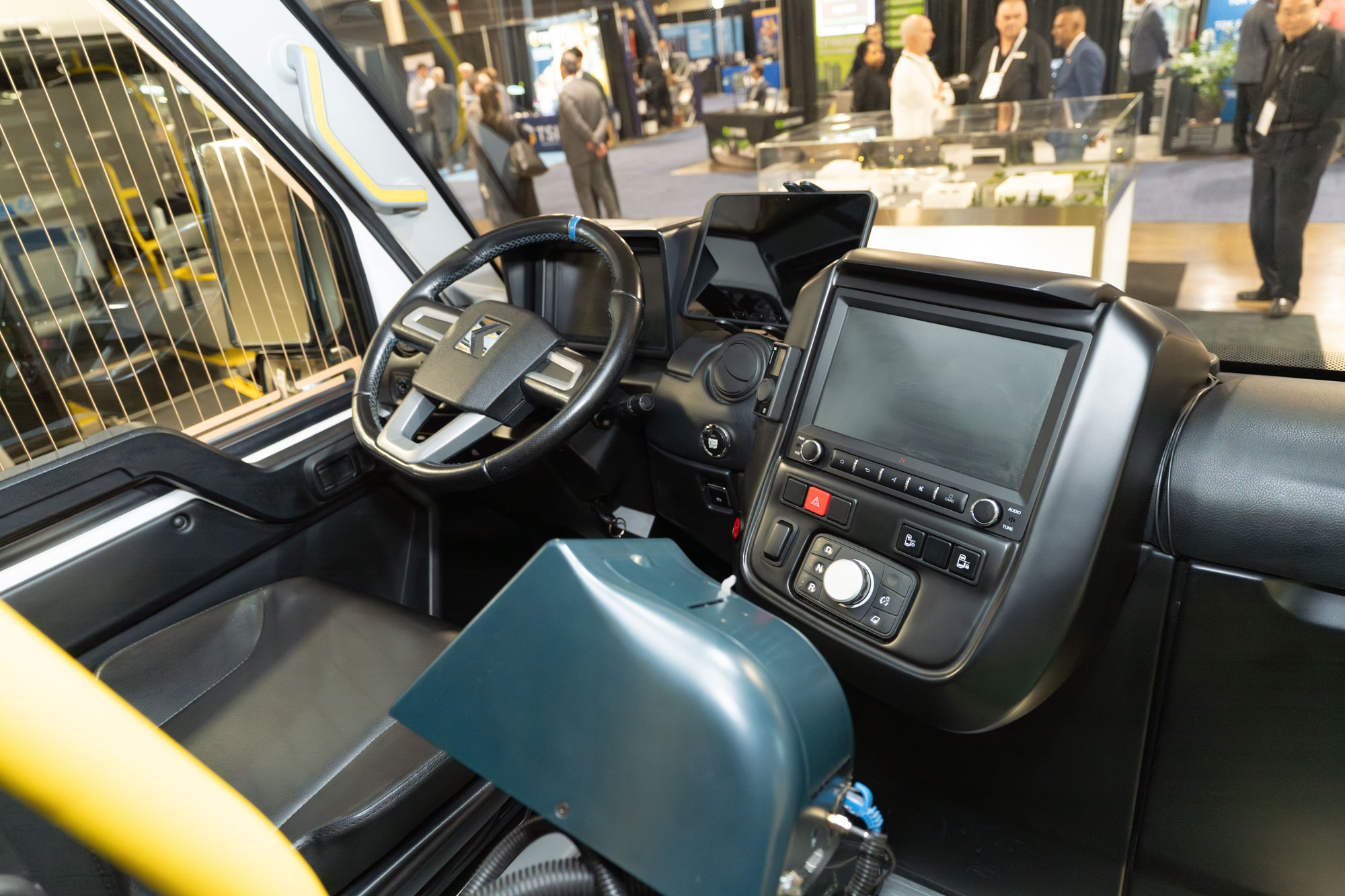
💡 The Karsan eJEST is designed with operator ergonomics in mind, featuring:
- 8-way adjustable pneumatic driver's seat
- tilt and telescopic steering wheel
- rear-view camera for improved visibility
Quiet operation requires new awareness
One noticeable difference between diesel and battery-electric buses is the absence of engine noise.
A quieter vehicle creates a more comfortable experience for passengers and operators alike, while also reducing vibration inside the cabin.
However, reduced noise also requires drivers to be even more attentive around pedestrians and cyclists, particularly in dense urban environments where vulnerable road users may not hear an approaching vehicle.

💡 Operator awareness remains one of the most important aspects of safe electric bus operation.
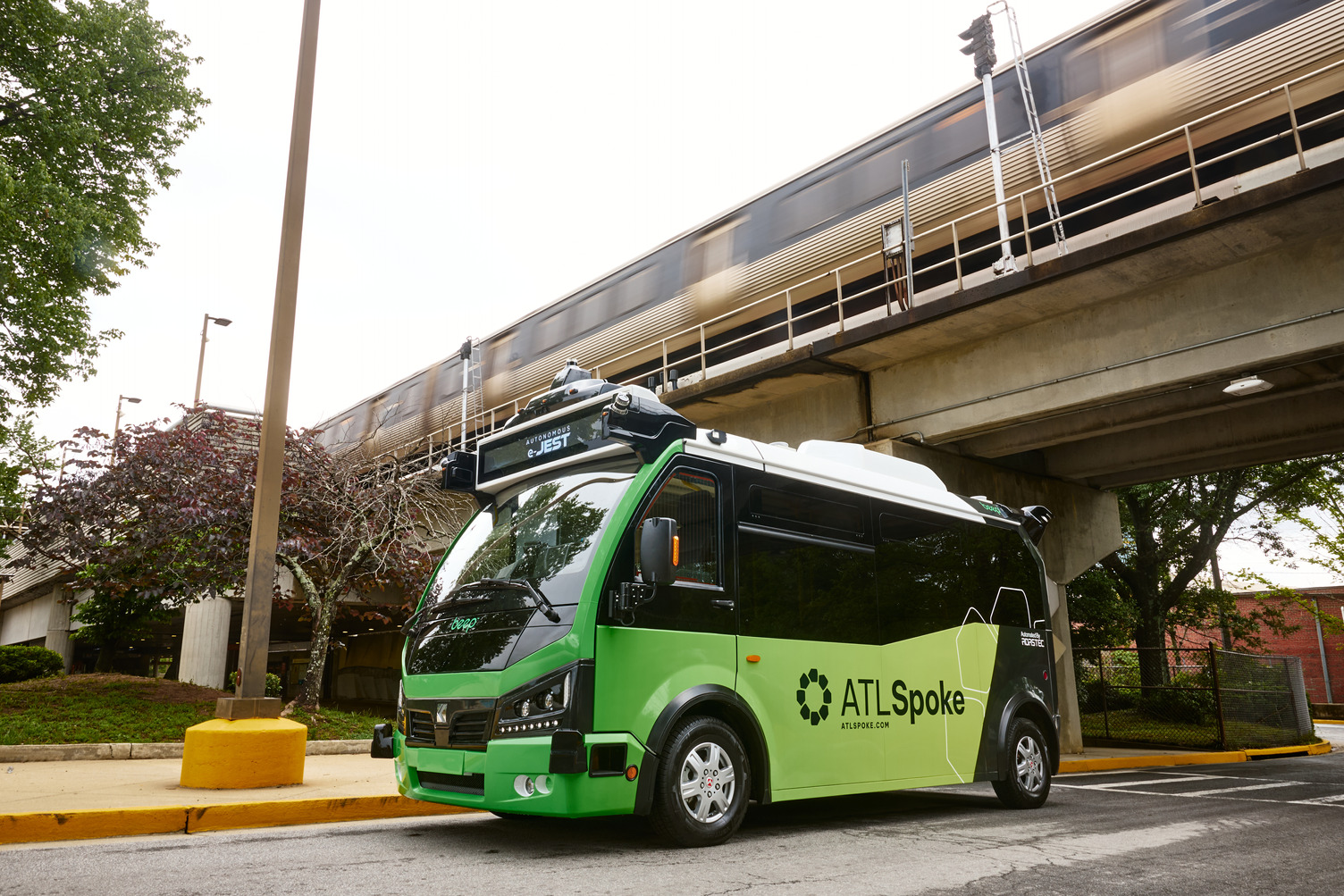
If your agency is interested in autonomous operation - please check Karsan eJEST Autonomous page.
Climate management affects efficiency
Heating and cooling systems play a larger role in battery-electric bus operation than many agencies initially expect.
Unlike diesel vehicles, which often use waste engine heat to warm the cabin, electric buses must generate heating using stored electrical energy. This makes climate management an important part of maximizing available driving range.
One of the simplest operational practices is cabin preconditioning.
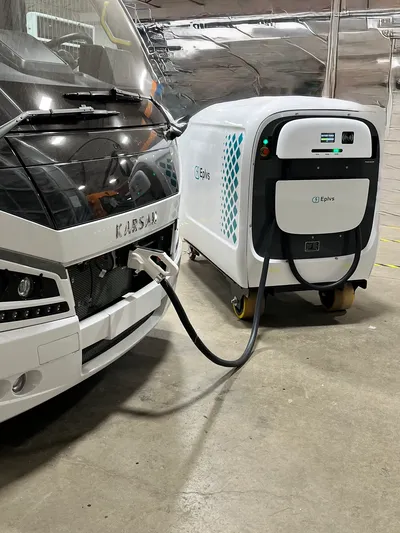
When a vehicle remains connected to a charger before entering service, electricity from the grid can be used to heat or cool the passenger compartment instead of drawing energy from the traction battery.

This allows operators to begin their routes with:
- a comfortable cabin
- more battery energy available for driving
- improved performance during extreme temperatures
- reduced warm-up time
For agencies operating in colder regions, vehicles such as the Karsan eJEST can also be equipped with optional auxiliary heating systems that help reduce battery demand during winter operation.
Telematics turns data into operational insight
Modern battery-electric buses continuously generate information about vehicle health, energy consumption, charging behaviour, and system performance.
Rather than simply displaying fault codes, today's telematics platforms allow agencies to transform operational data into practical decision-making tools.
Fleet managers can use these systems to:
- monitor battery performance
- identify maintenance needs before failures occur
- improve charging strategies
- coach drivers using operational data
- increase fleet availability
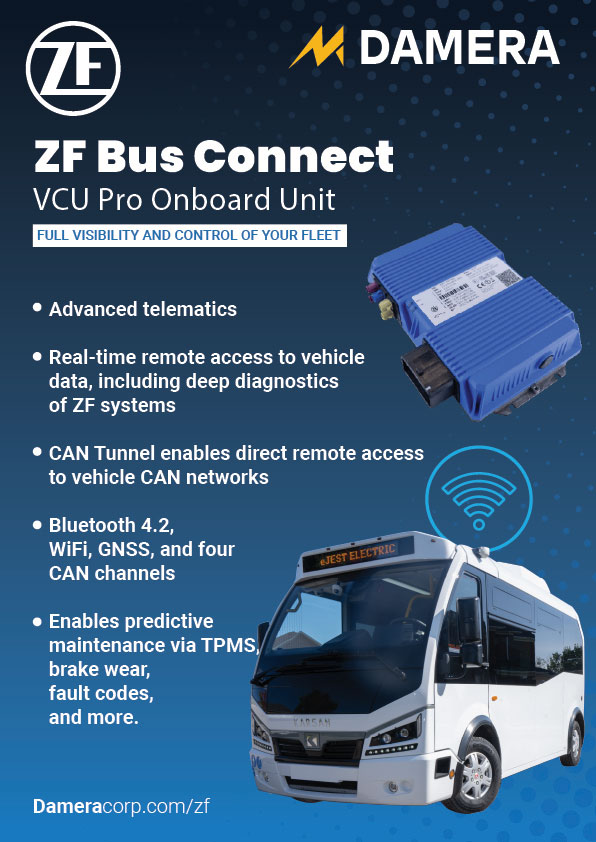
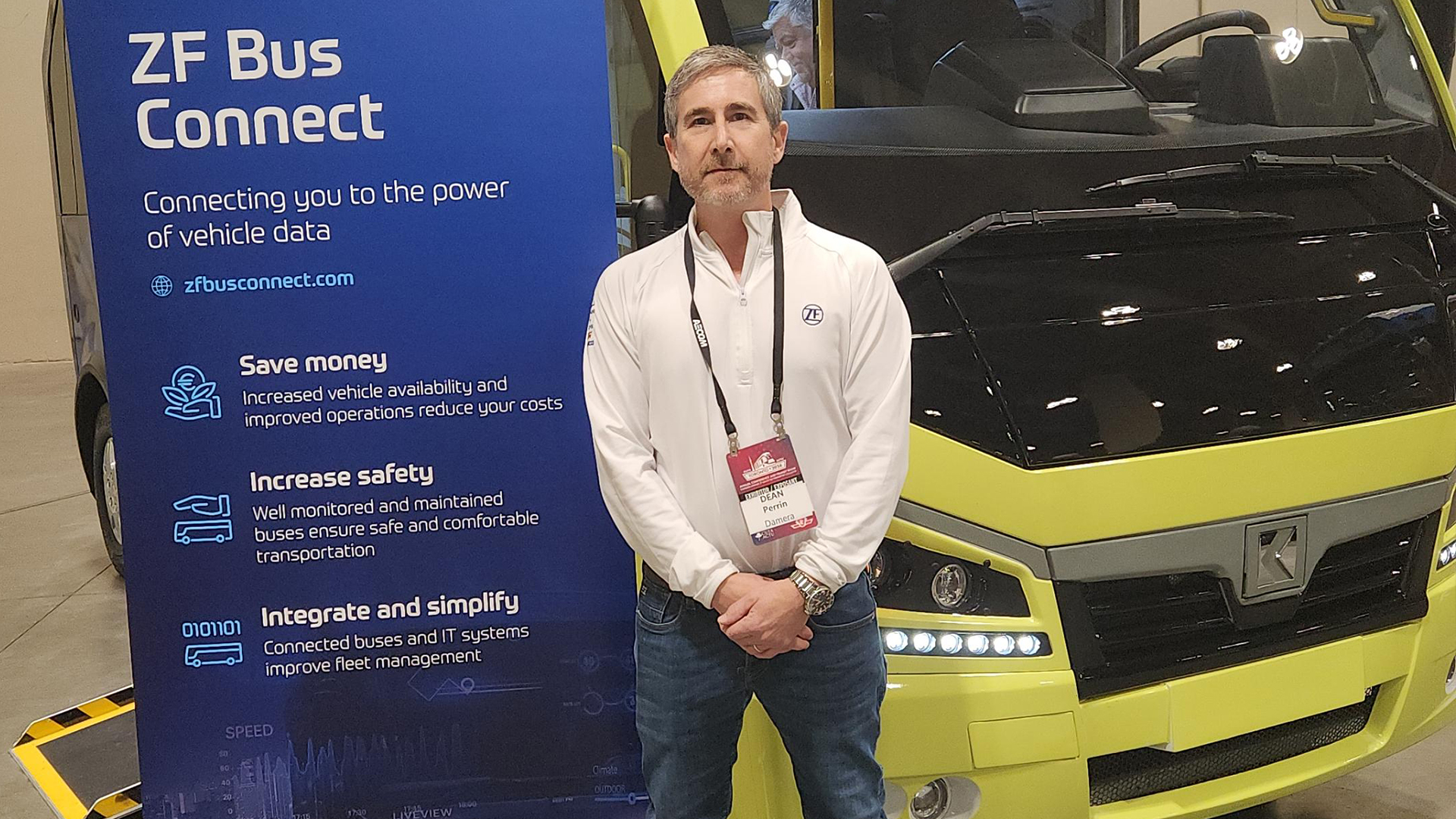
The Karsan eJEST comes equipped with the ZF Bus Connect telematics platform, while customers also have access to dedicated platform training directly from ZF to maximize its capabilities.
Electric bus maintenance is evolving
💡A common misconception is that electric buses require more maintenance.
In practice, maintenance becomes different rather than more difficult.
Battery-electric buses eliminate many traditional diesel service items, including:
- engine oil
- oil filters
- fuel filters
- turbochargers
- exhaust aftertreatment systems
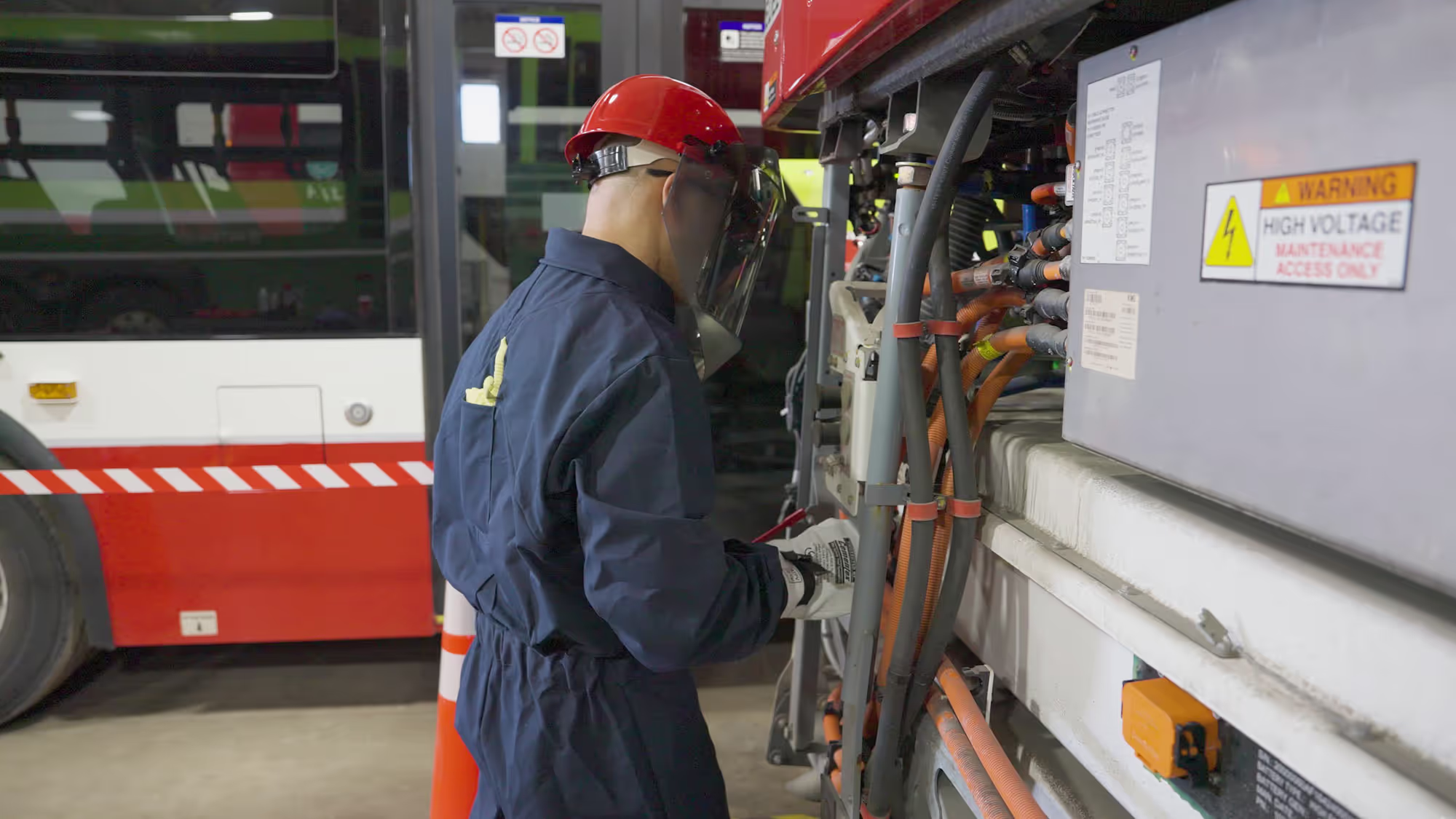
With fewer mechanical components requiring routine service, maintenance teams increasingly focus on electrical systems, battery technology, thermal management, charging equipment, and digital diagnostics.
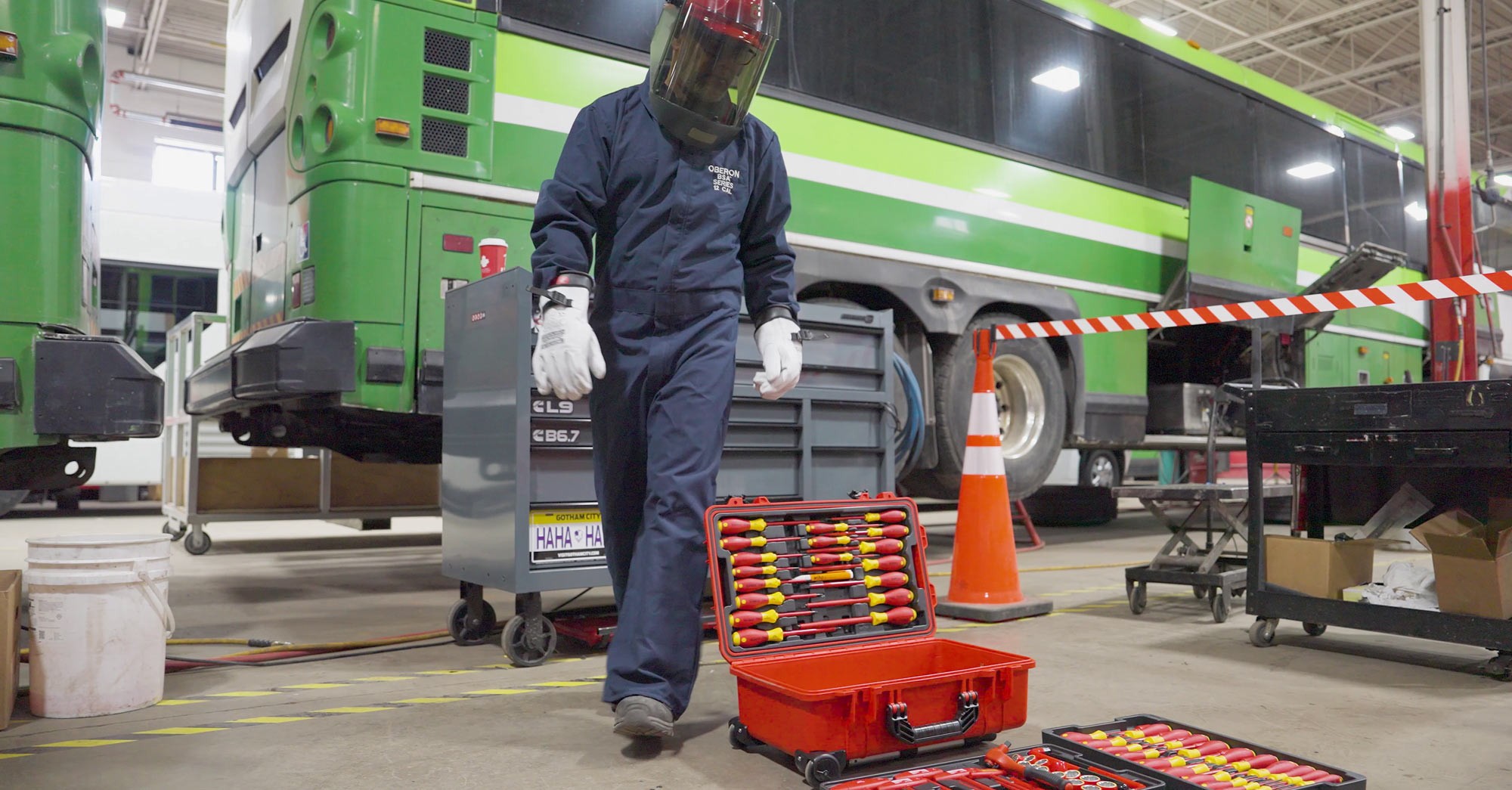
Technicians develop new competencies in:
- high-voltage safety
- battery systems
- electric drivetrains
- charging infrastructure
- software diagnostics
- predictive maintenance
The result is a maintenance approach that relies less on traditional mechanical repairs and more on diagnostics, preventive maintenance, and technical expertise.
Training is as important as the vehicle itself
Successful electrification depends on people as much as technology.
Operators, technicians, supervisors, and fleet managers all require new knowledge to fully realize the benefits of battery-electric transit.
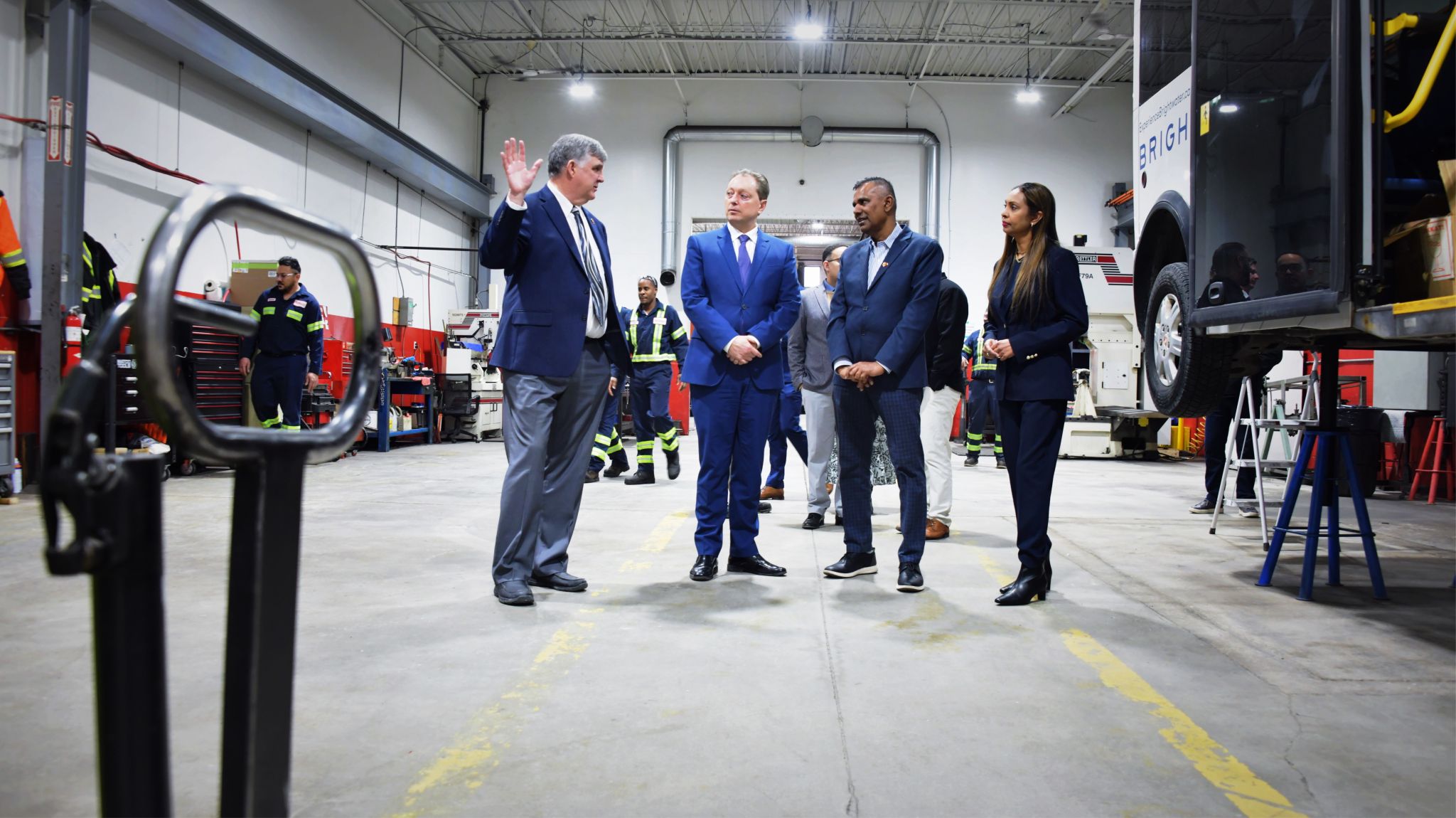
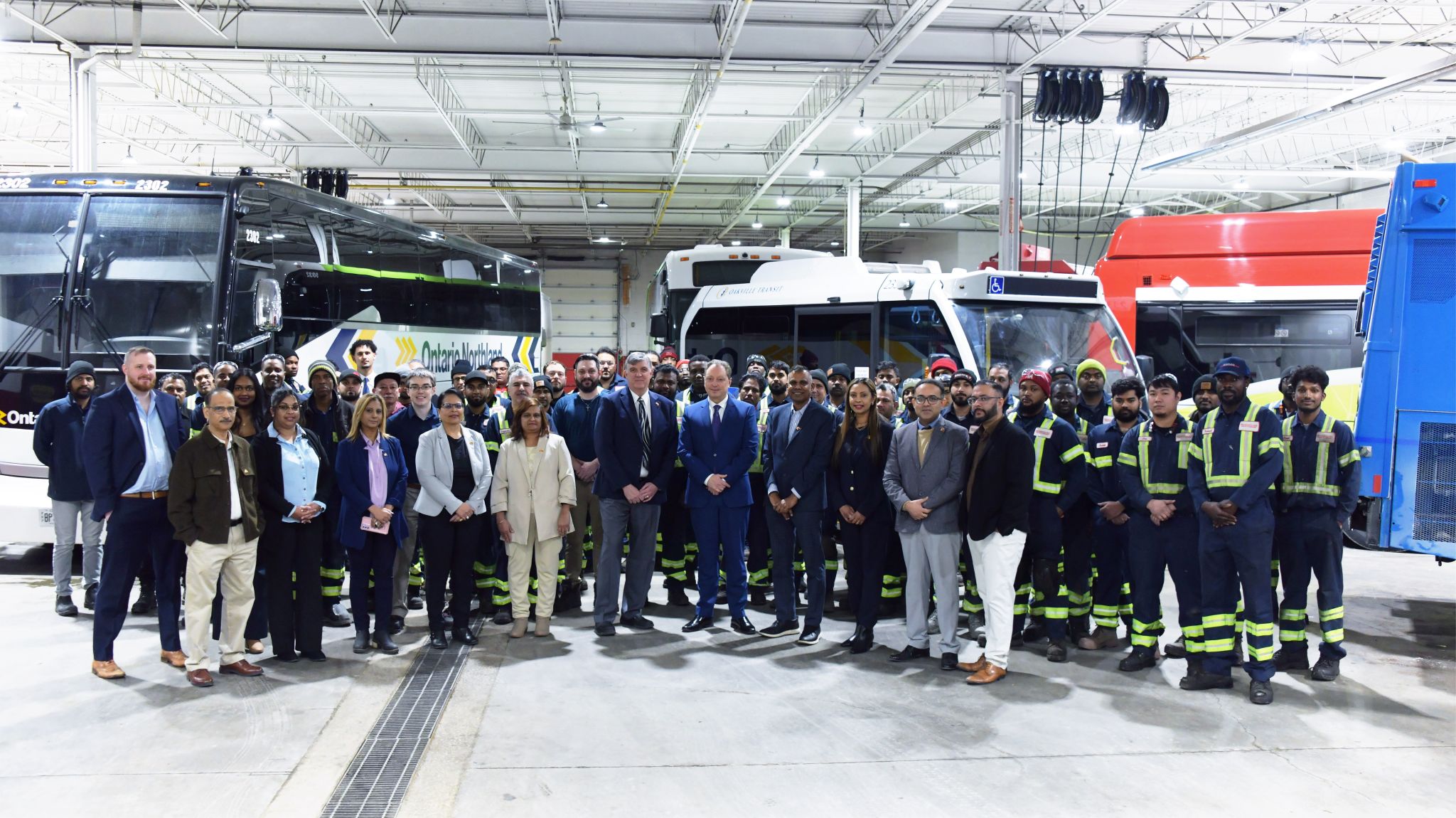
Through operator training, TÜV-certified high-voltage training, maintenance education, technical support, commissioning assistance, and ongoing parts support, Damera helps transit agencies build the confidence needed to successfully operate electric fleets.
Training programs cover electric vehicle fundamentals, high-voltage safety, preventive maintenance, charging systems, thermal management, battery technology, and the use of manufacturer-approved diagnostic software and specialized service tools.
By combining technical knowledge with long-term customer support, agencies are better positioned to maximize vehicle availability, improve operational reliability, and extend the value of their investment.
Ready to Build a More Efficient Electric Fleet?
Every transit agency's electrification journey is different. Whether you are evaluating your first battery-electric bus or expanding an existing zero-emission fleet, operational knowledge is just as important as vehicle selection.
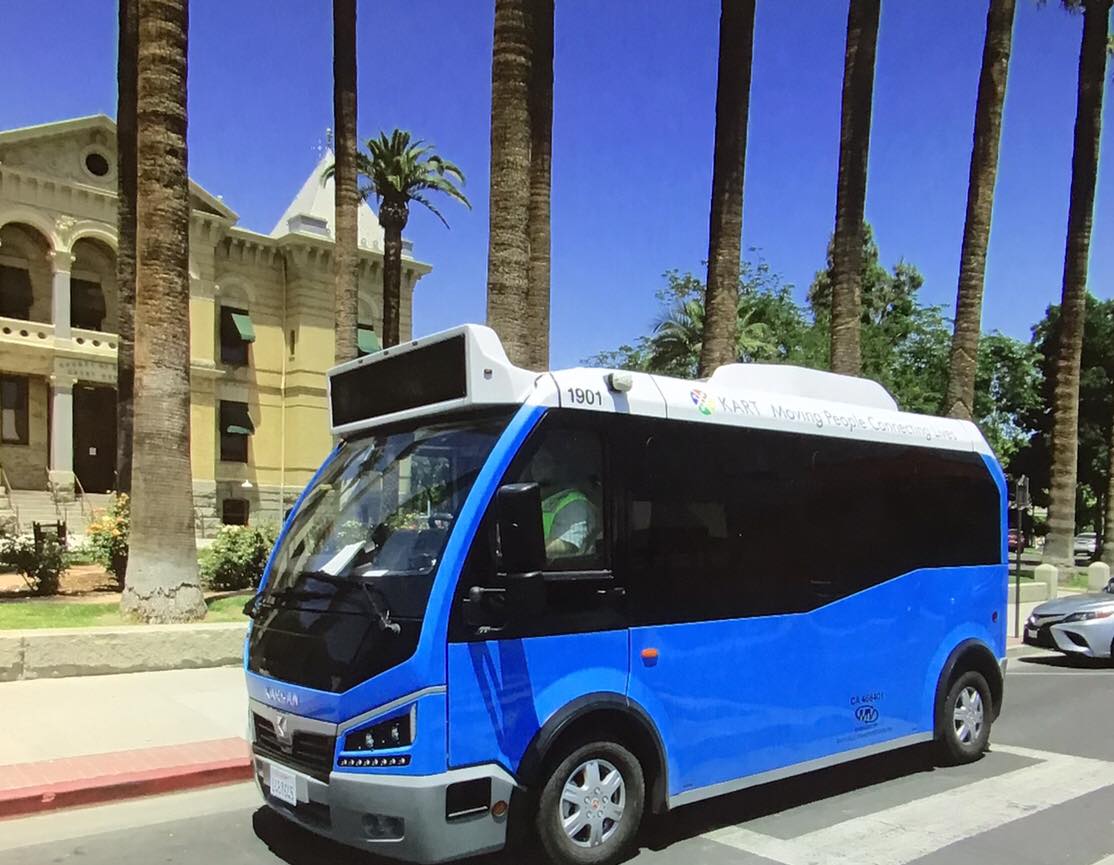
Connect with Damera Corporation to learn how operator training, maintenance education, technical support, and lifecycle services can help your agency confidently transition to electric transit and maximize fleet performance for years to come.










.jpeg)








.jpeg)


.jpg)


.svg)