


.svg.avif)




-p-500-p-500.avif)








EV Buses

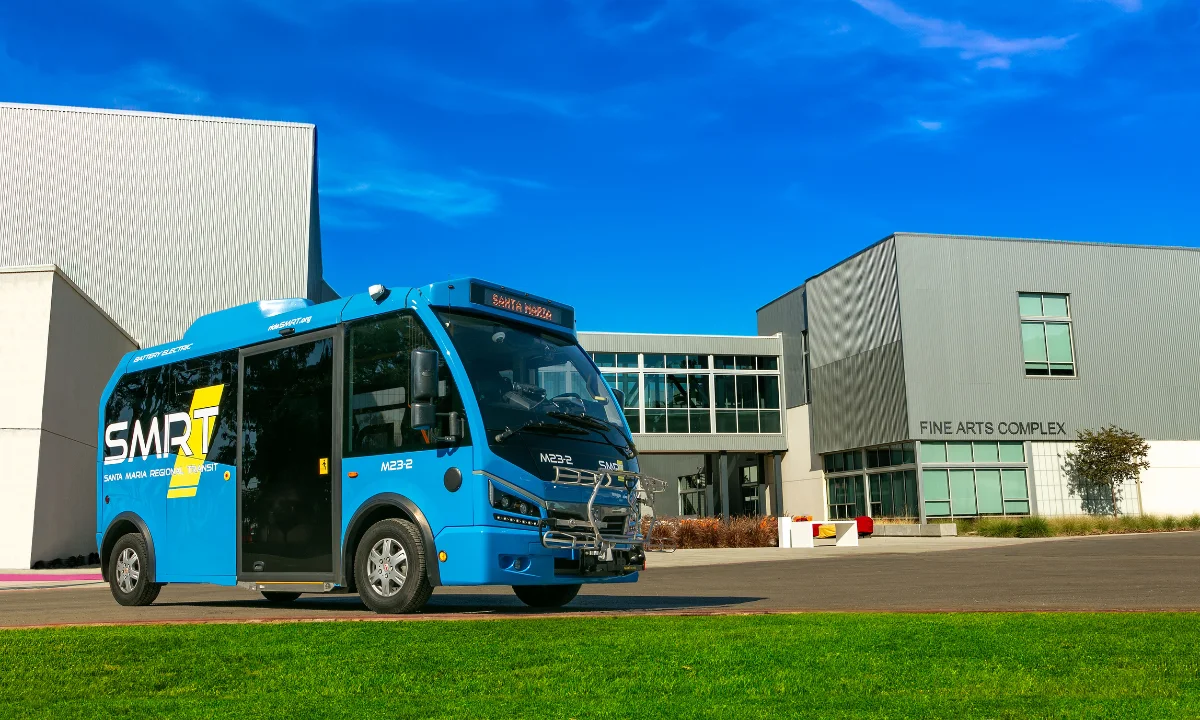
A quiet, efficient, fully accessible electric minibus. The eJEST delivers exceptional maneuverability, low operating costs, and smooth passenger experience.
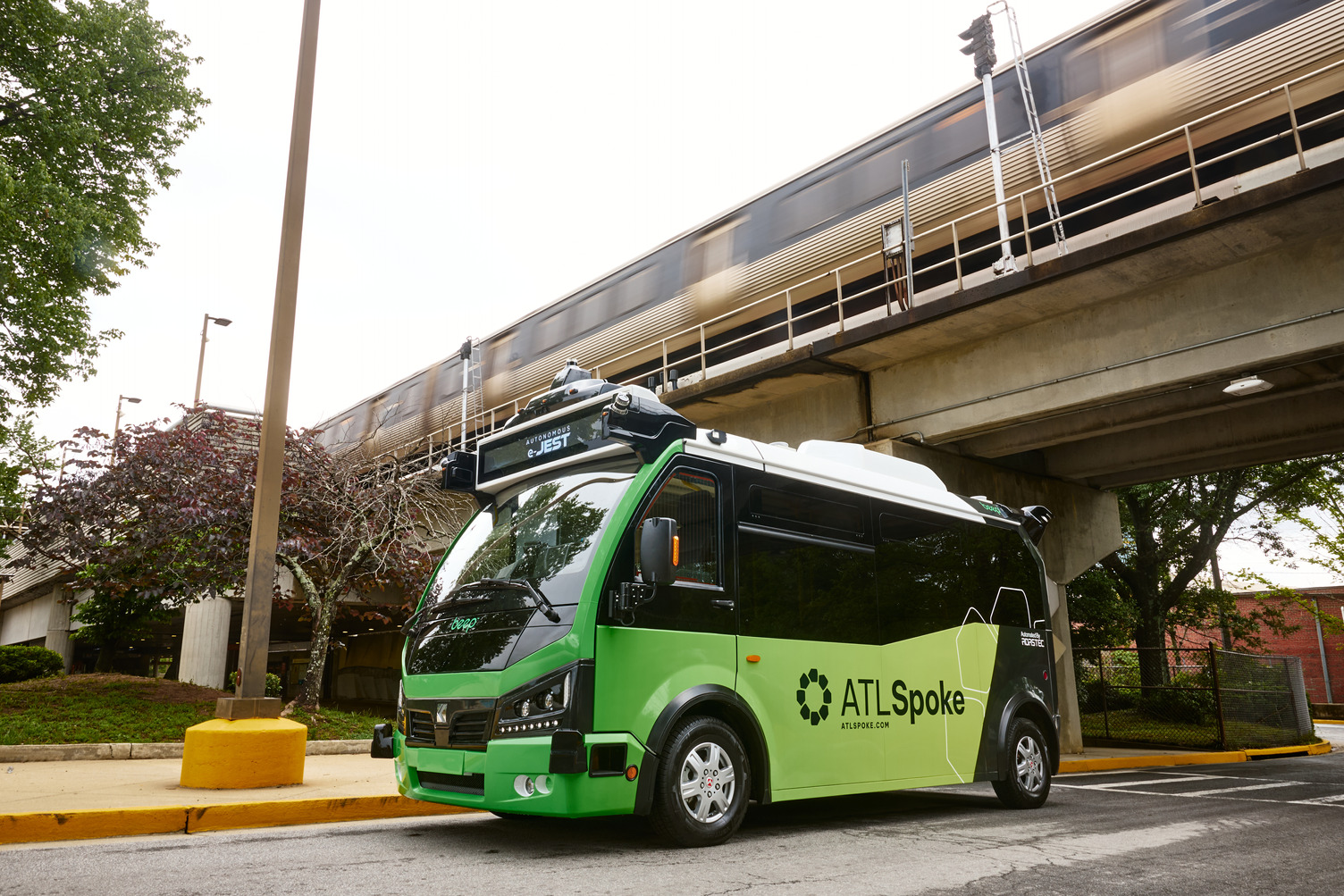
Built on the proven eJEST platform and automated by ADASTEC, this Level-4 autonomous minibus brings reliable, safe, and fully accessible automated transit to real-world routes.


Chargers

All Chargers
Explore all charging options on one page
Services
TUV Level 3
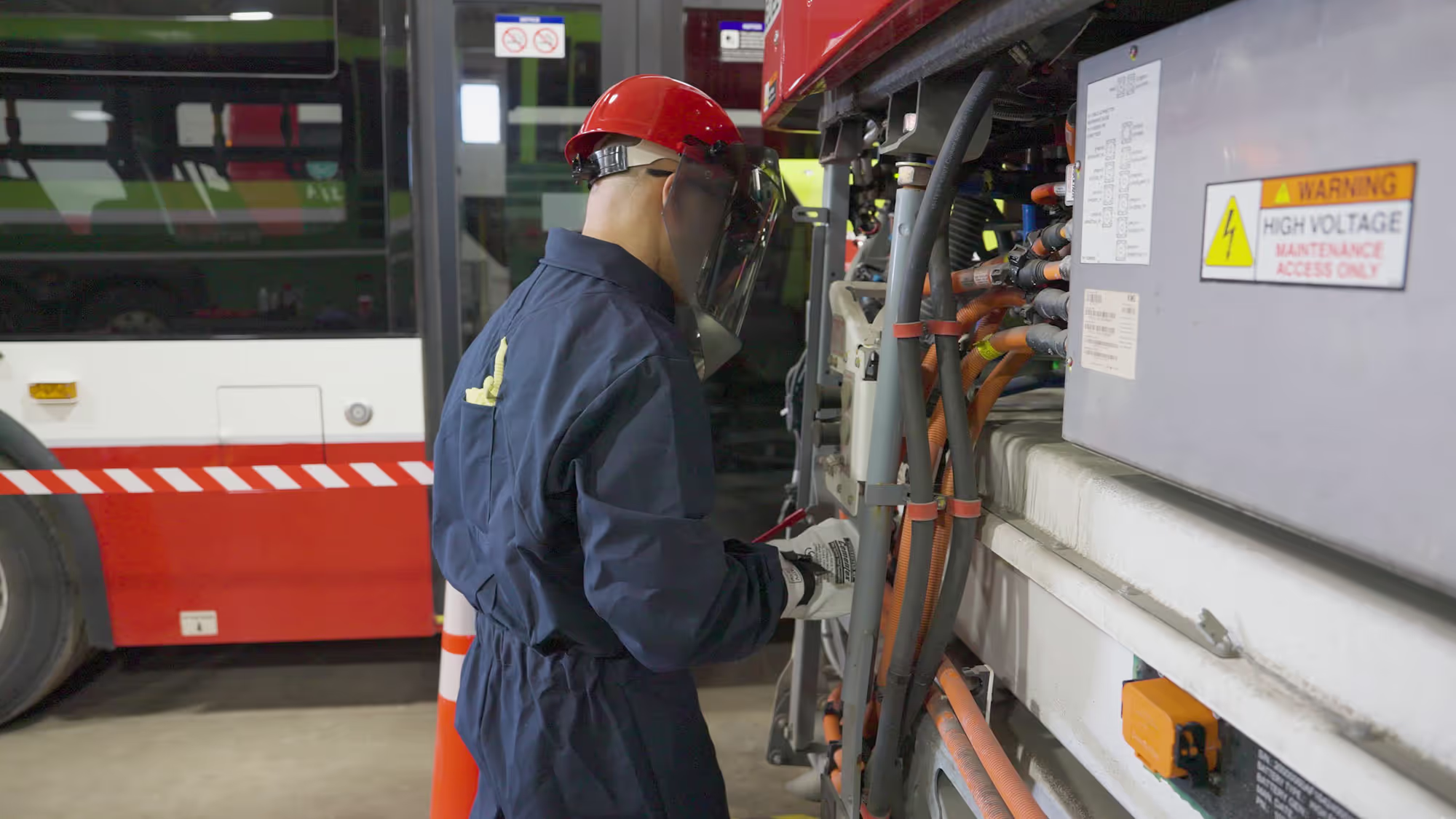
High Voltage Training

Work safely and effectively with high-voltage systems

Charger Installation
Contributes to the seamless integration of electric vehicles

Electrical Engineering
Get your skills in electrical engineering tailored to the transit industry
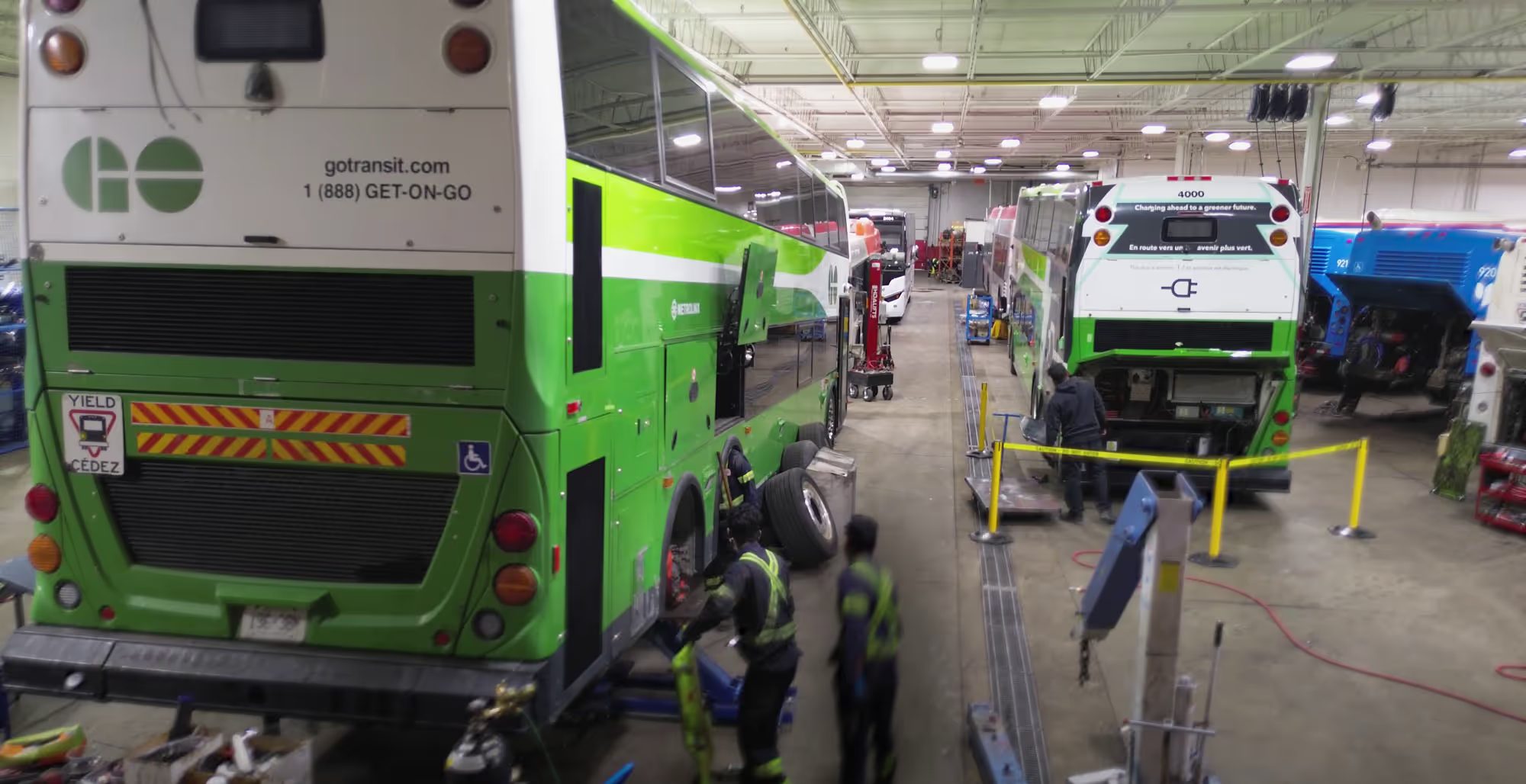
Bus Service (MBCT)
Comprehensive bus service ensuring reliable maintenance, repairs, and safety compliance.
MICROTRANSIT

Paratransit Buses
Learn more about our paratransit vehicles and how we’re improving mobility for people with disabilities and underserved riders.

Micromobility Buses
Discover how our buses support both paratransit needs and provide efficient service in low-ridership areas.

Minibuses for Campuses
Learn how modern electric minibuses create smoother, safer, and more convenient transportation for students and staff.

.svg)
There is no previous post
Previous Post
Next Post
There is no next post
Could a Right-Sized Electric Bus Work on Your Route? Test the Application Before Deployment
No items found.
Choosing a transit vehicle is ultimately a decision about service.
Can it navigate the intended route?
Does its capacity match actual passenger demand?
How easily can riders board?
What will operators experience behind the wheel?
How will maintenance teams work with the vehicle?
And can it integrate effectively into the agency’s broader fleet strategy?
These questions are difficult to answer from technical specifications alone.
A real-world vehicle demonstration gives transit agencies an opportunity to examine how a bus fits a specific application before moving toward deployment. Rather than evaluating the vehicle in isolation, teams can consider it within the context that matters most: their own routes, riders, operating conditions, infrastructure, and service objectives.
The Route Can Reveal What the Specification Sheet Cannot
Two routes with similar distances may place very different demands on a vehicle.
One may involve narrow neighbourhood streets and frequent stops. Another may connect a rail station with employment areas. A campus route may require repeated boarding throughout the day, while a suburban service may need to balance lower passenger volumes with reliable frequency.
For transit professionals, this is where practical evaluation becomes valuable.
A demonstration can help agencies examine:
▪️ Maneuverability on the intended road network
▪️ Turning requirements and access to constrained locations
▪️ Boarding and alighting patterns
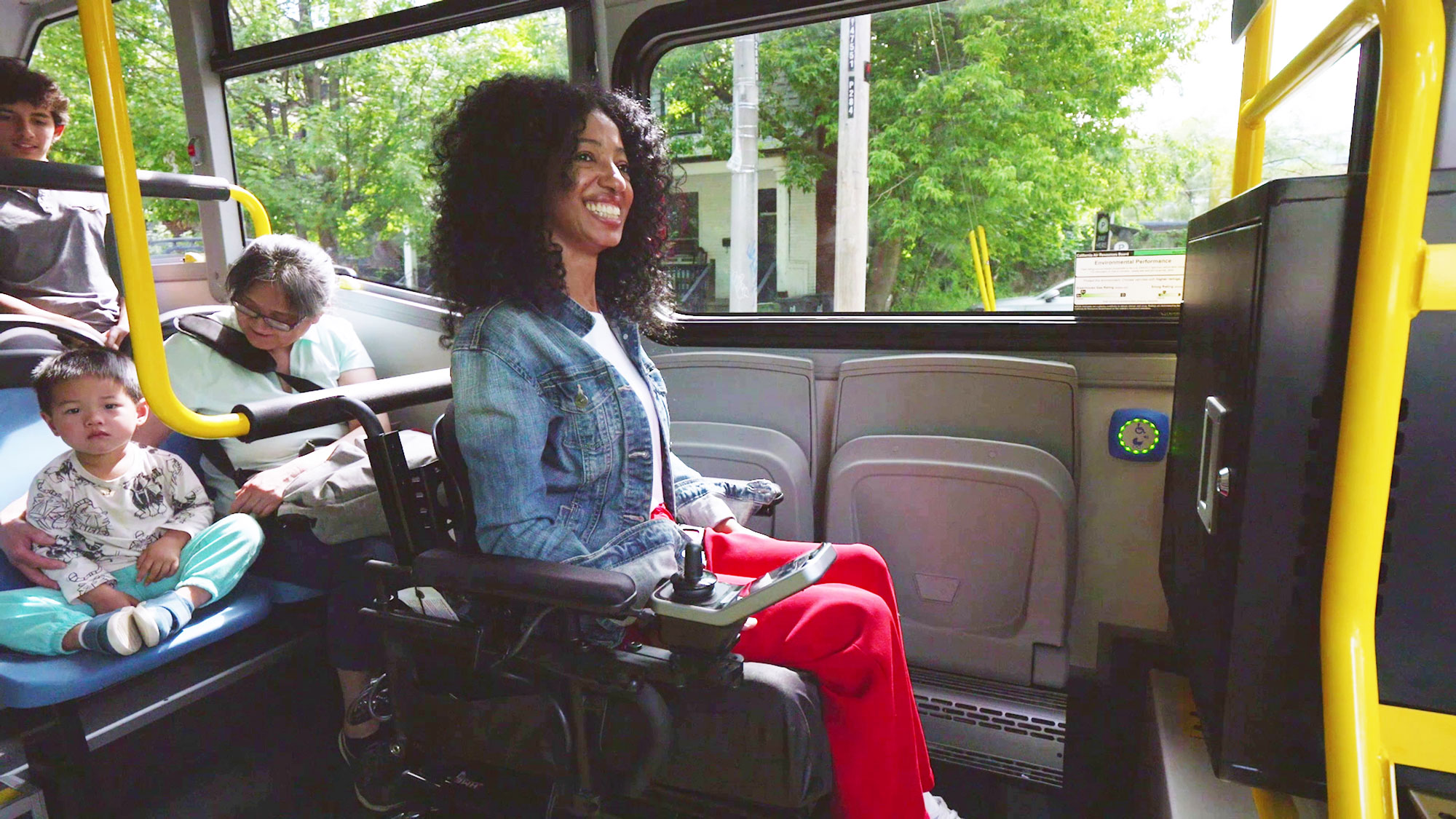
▪️ Low-floor accessibility in everyday passenger service
▪️ Operator visibility and vehicle handling
▪️ Passenger comfort and ride quality
▪️ Capacity relative to observed route demand
▪️ Energy use under local operating conditions
▪️ Maintenance access and technical considerations
▪️ Potential integration with current fleet operations
The objective is not simply to ask whether the bus performs well.
The more useful question is: Does this vehicle perform well for this particular service?
Why Right-Sizing Deserves Real-World Evaluation
Full-size buses remain essential on busy corridors and high-capacity routes. But not every transit application requires the same vehicle scale.
Neighbourhood circulators, first- and last-mile connections, campuses, on-demand services, suburban routes, and lower-demand periods can present a different operating challenge. In these environments, deploying more capacity than the route regularly requires may not always be the most effective use of fleet resources.
A compact, purpose-built electric transit bus can offer another option.
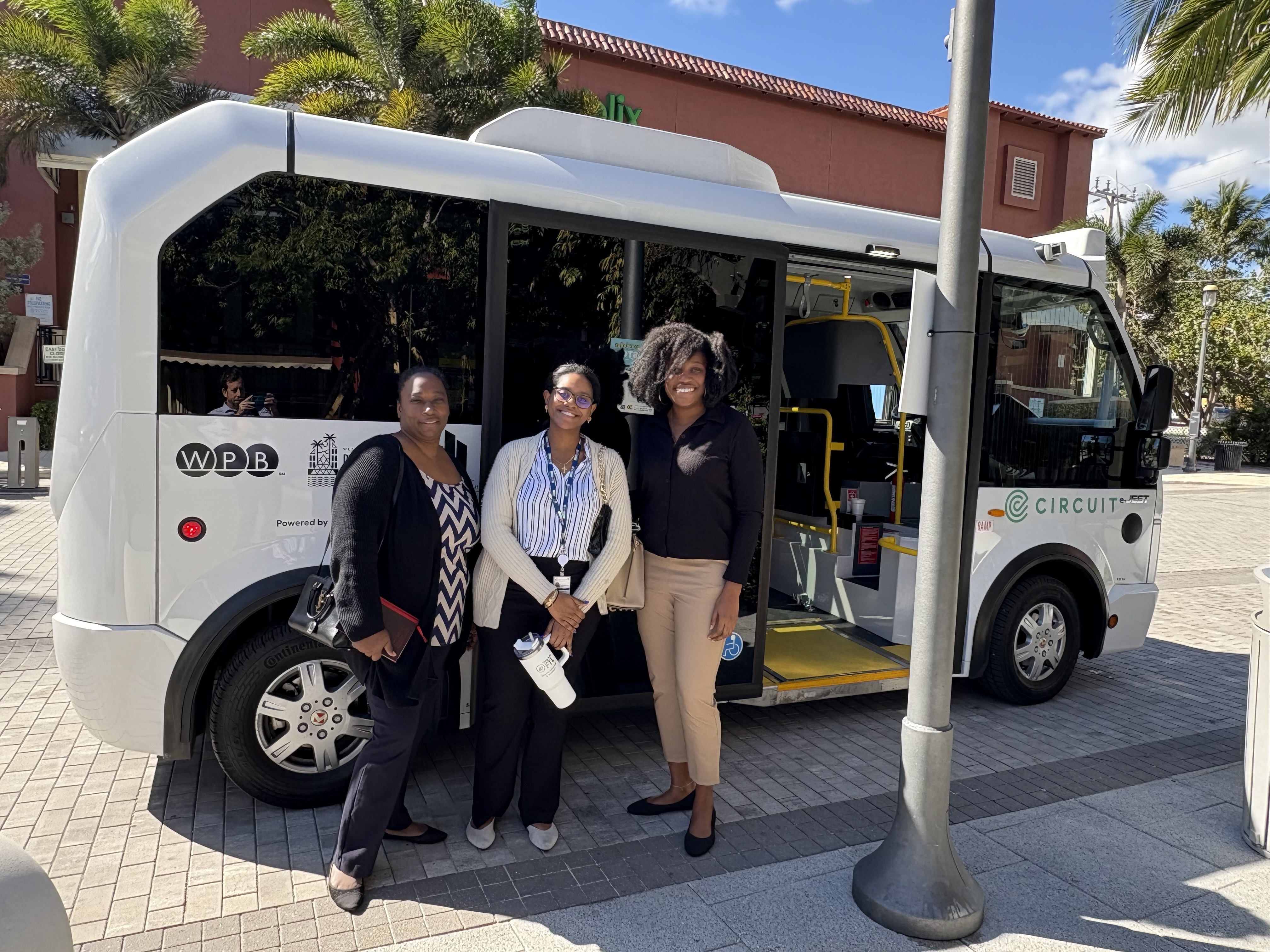
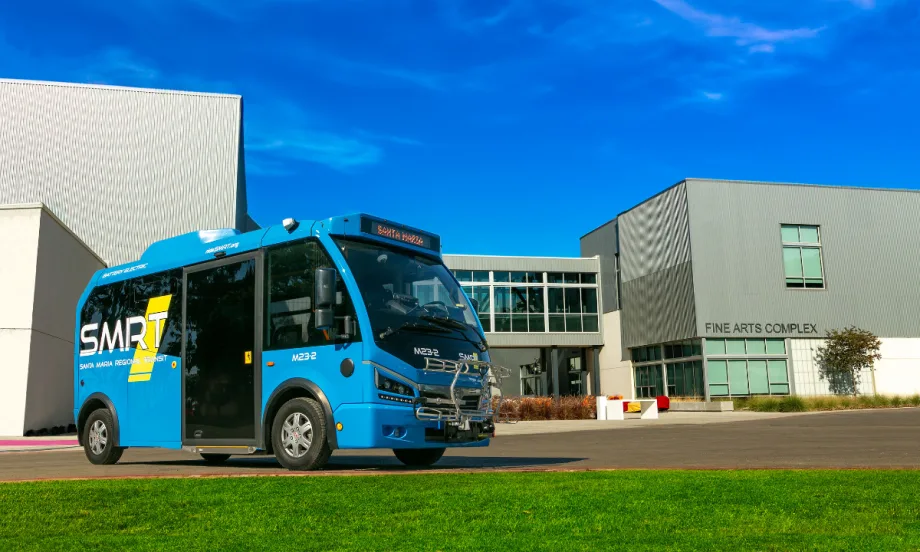
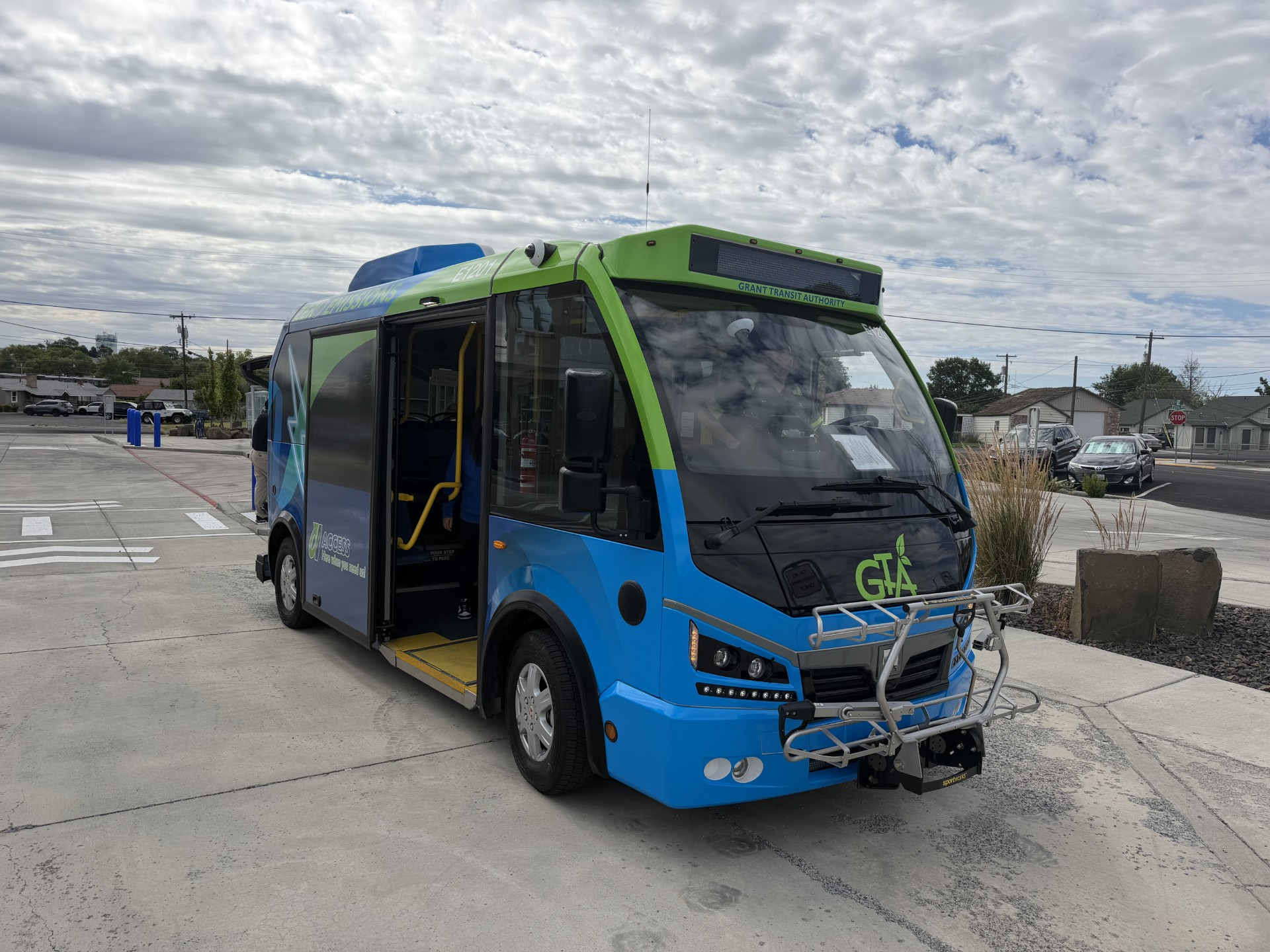
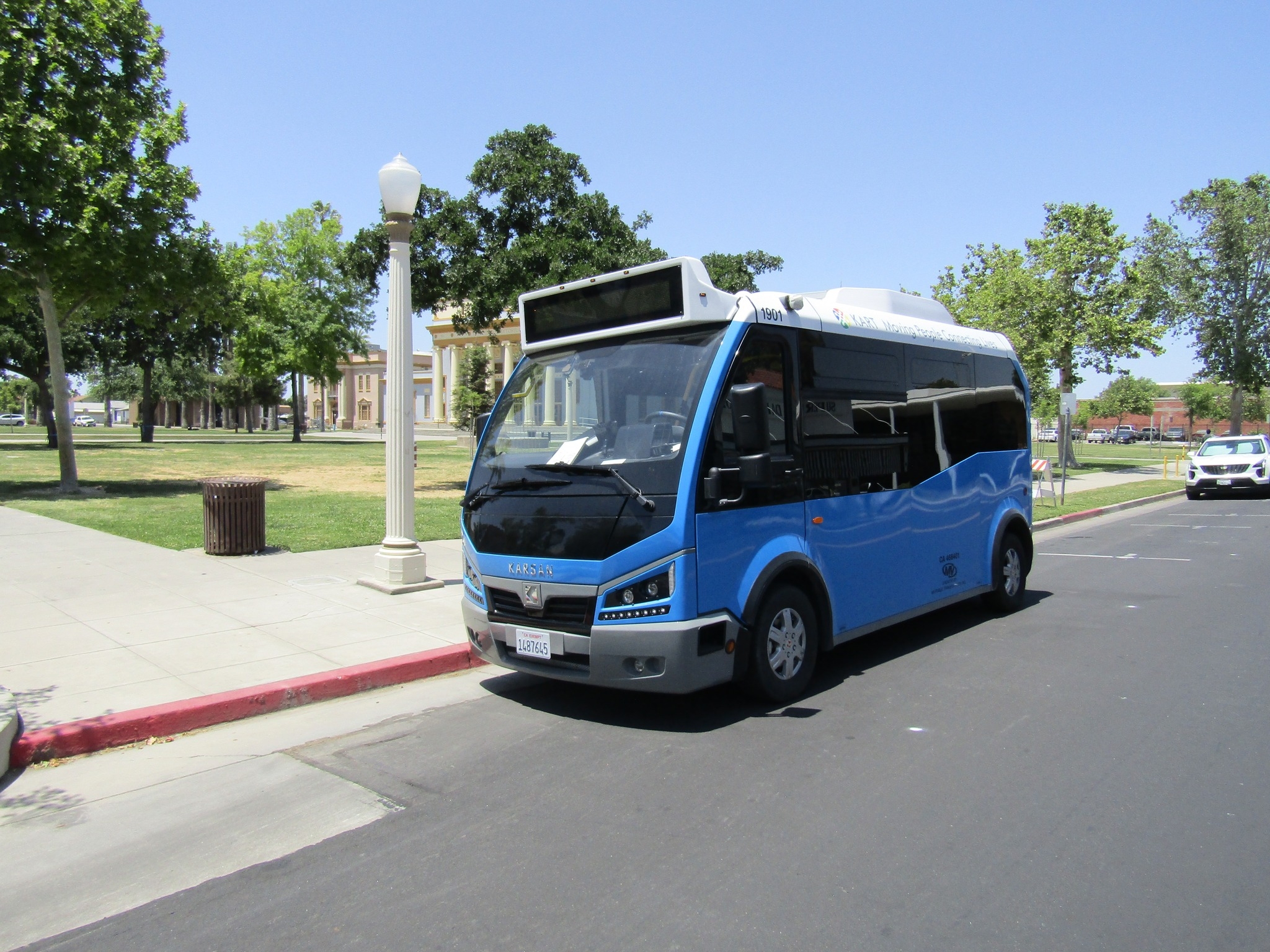
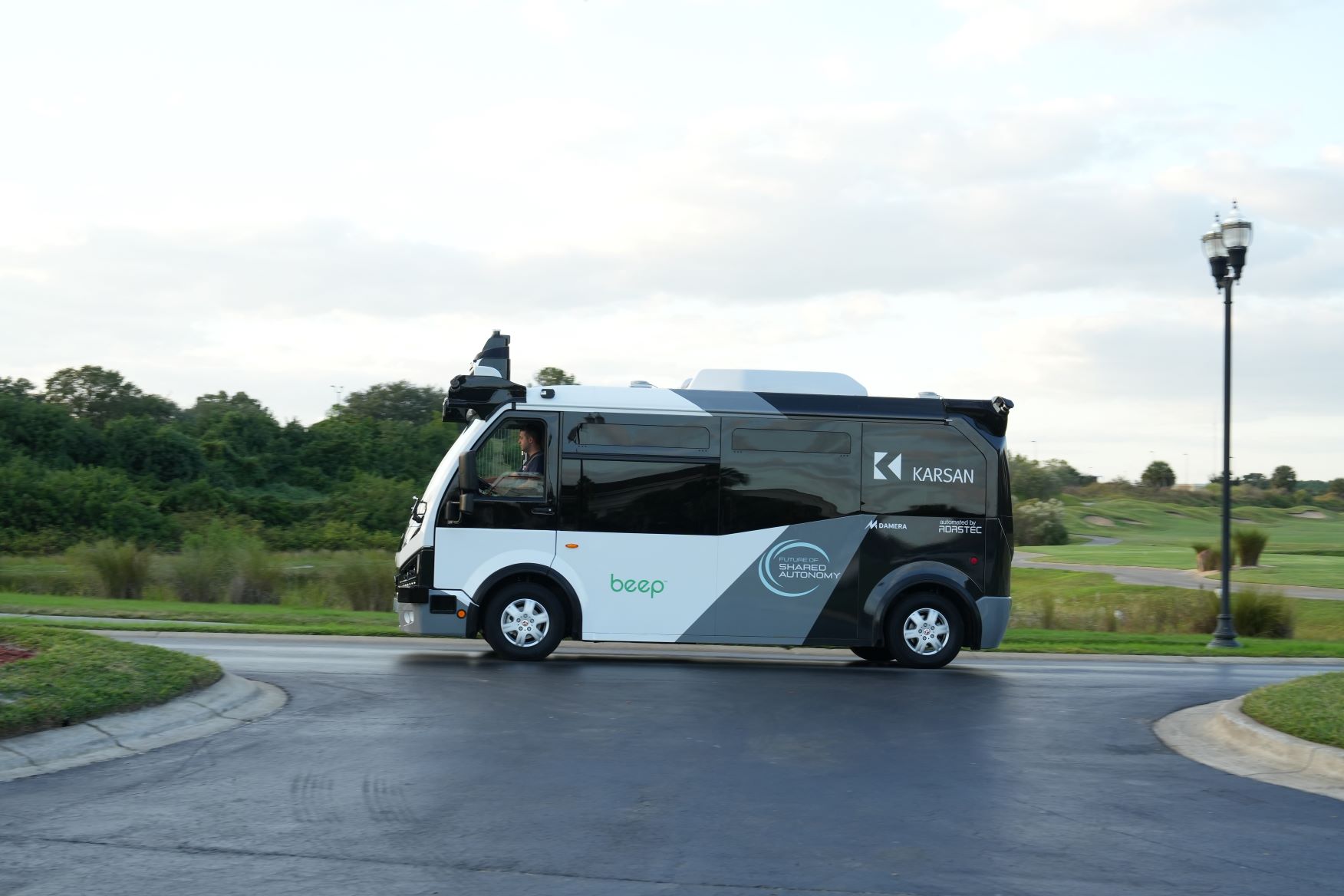
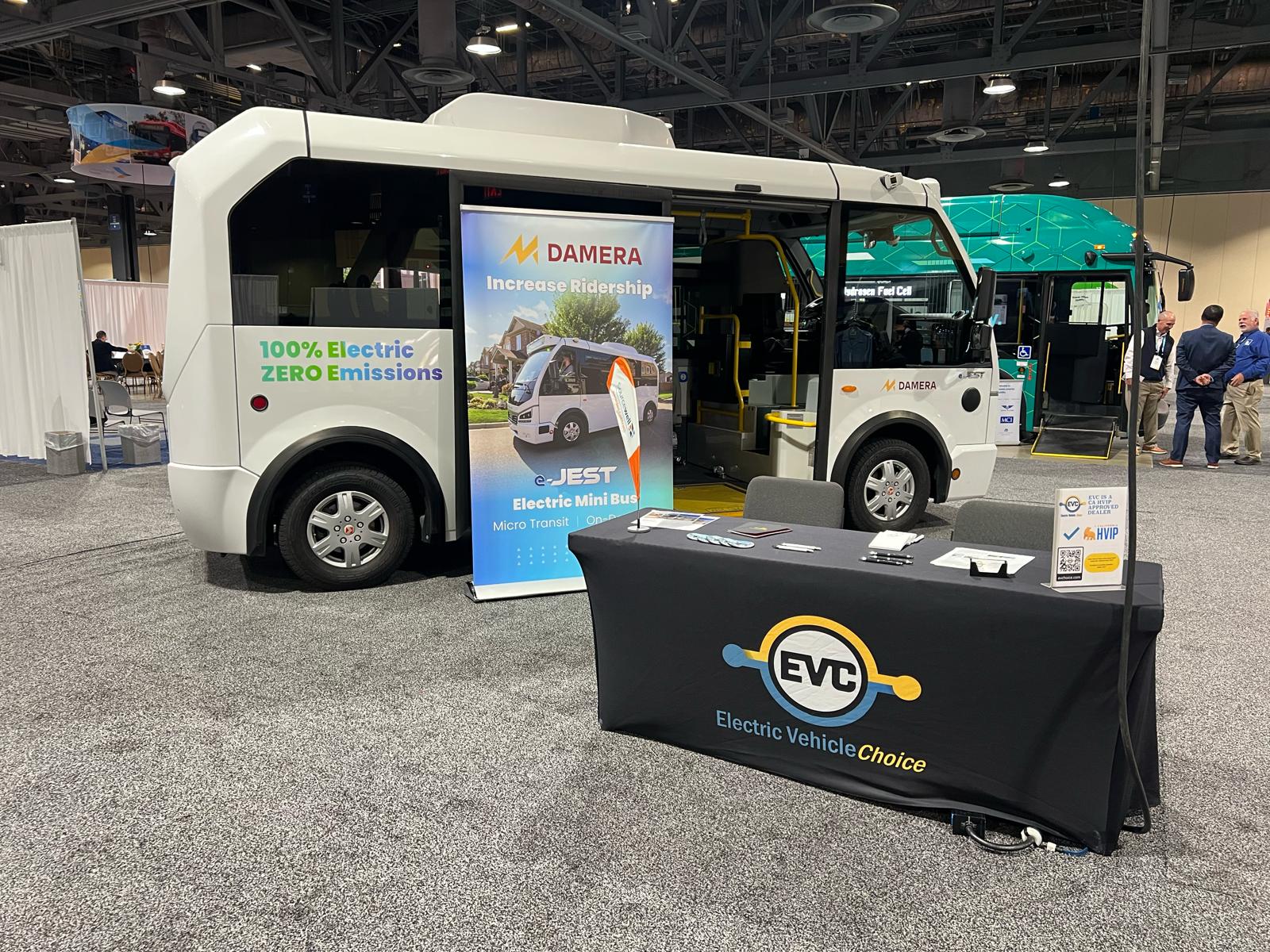
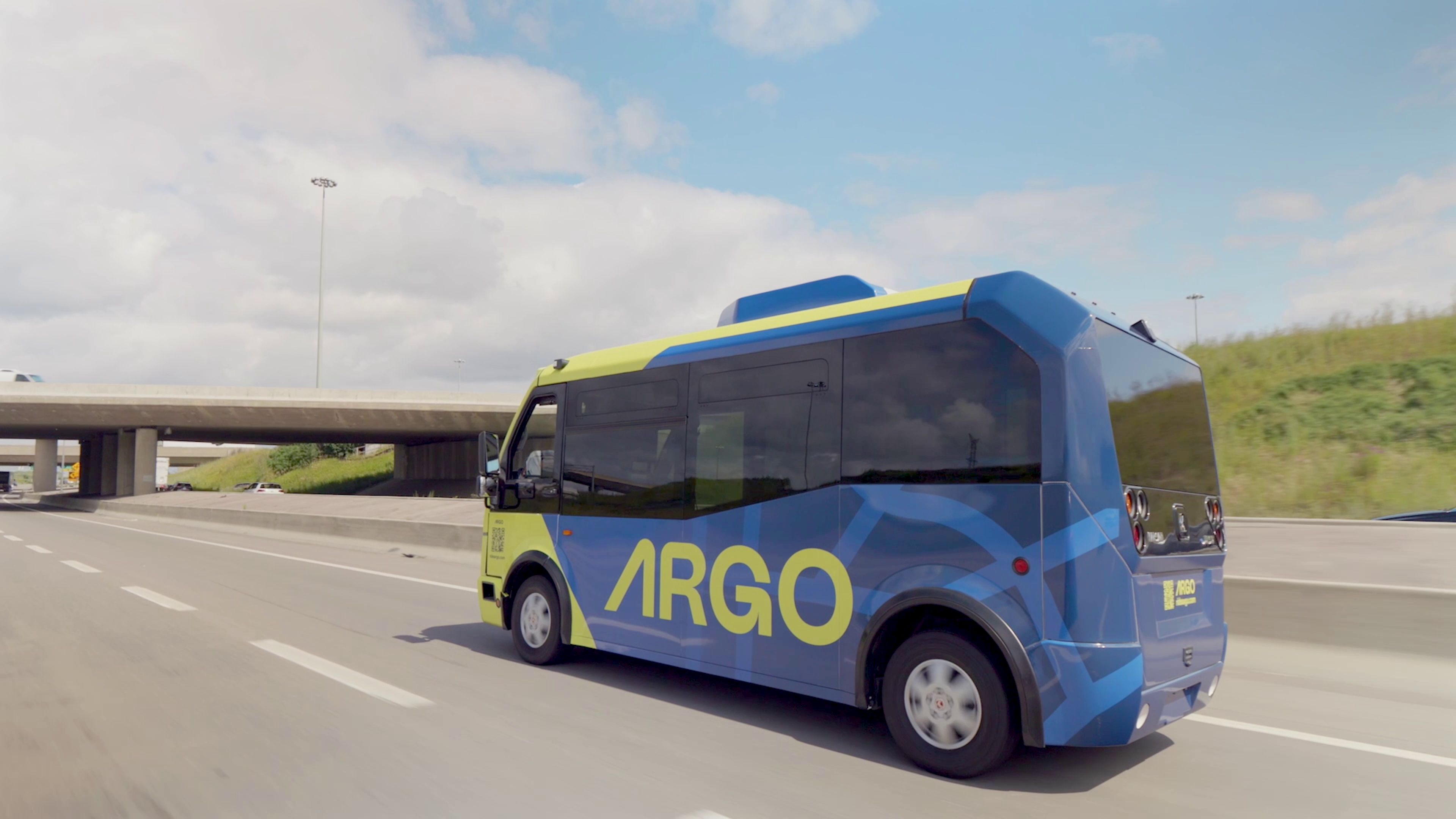
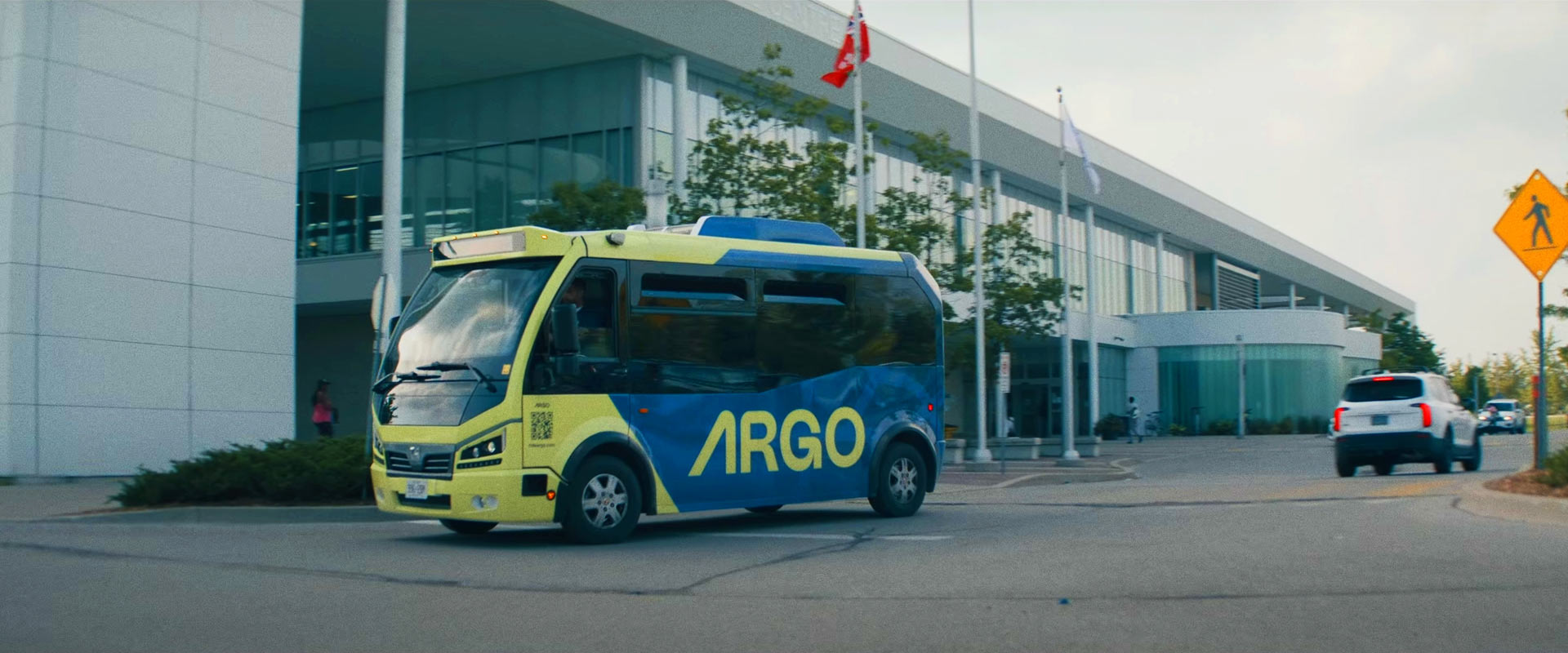
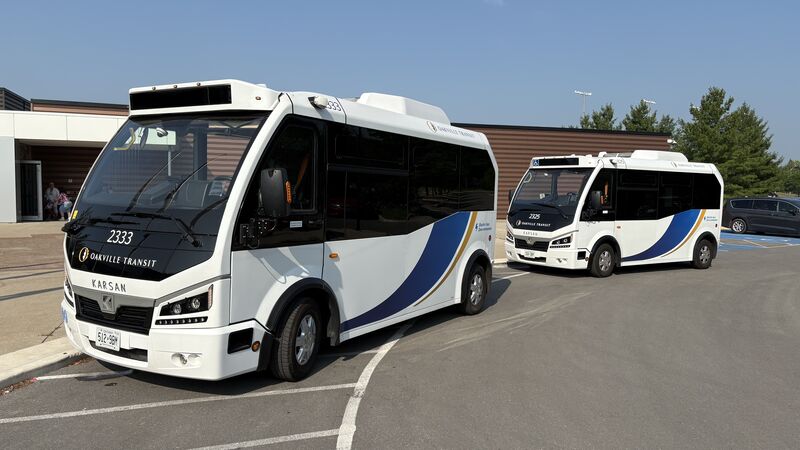
The Karsan eJEST combines a small vehicle footprint with low-floor accessibility, electric operation, maneuverability, and a passenger environment designed for public transportation. For agencies considering right-sized service, experiencing the vehicle in a relevant operating environment can help determine where those characteristics create practical value.

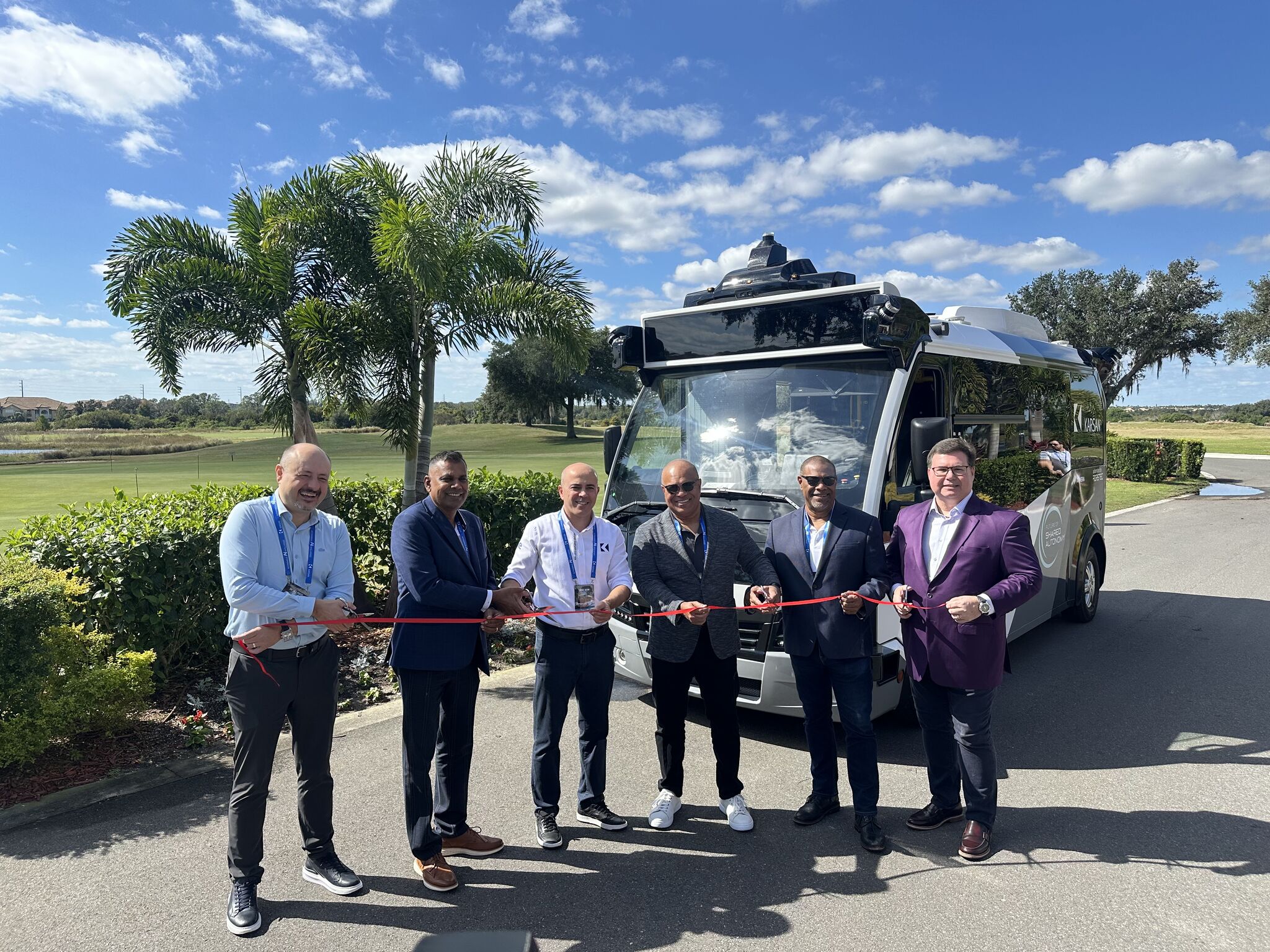
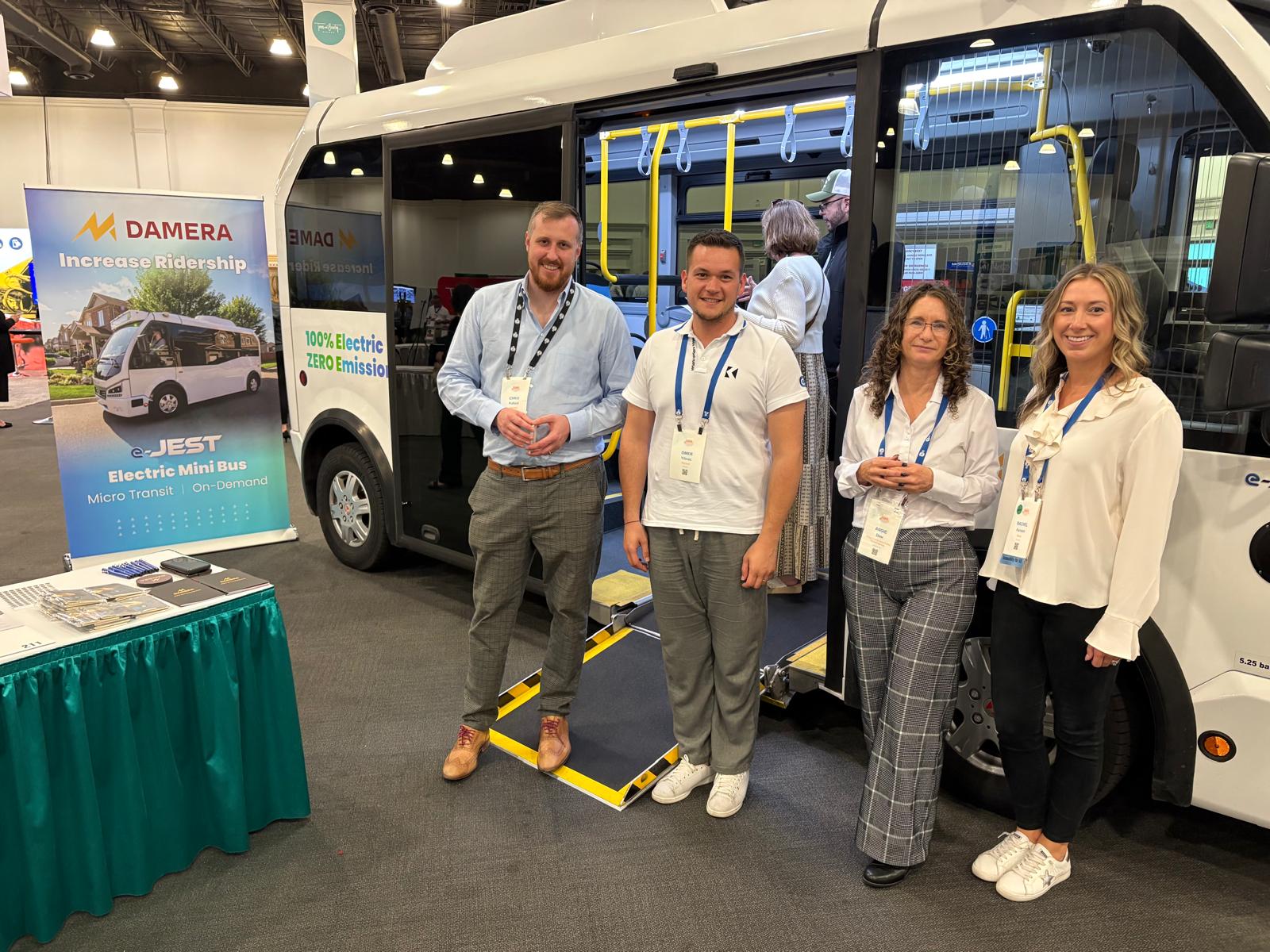
When it comes to the Karsan eJEST, we believe the best way to understand its value is to experience it firsthand.
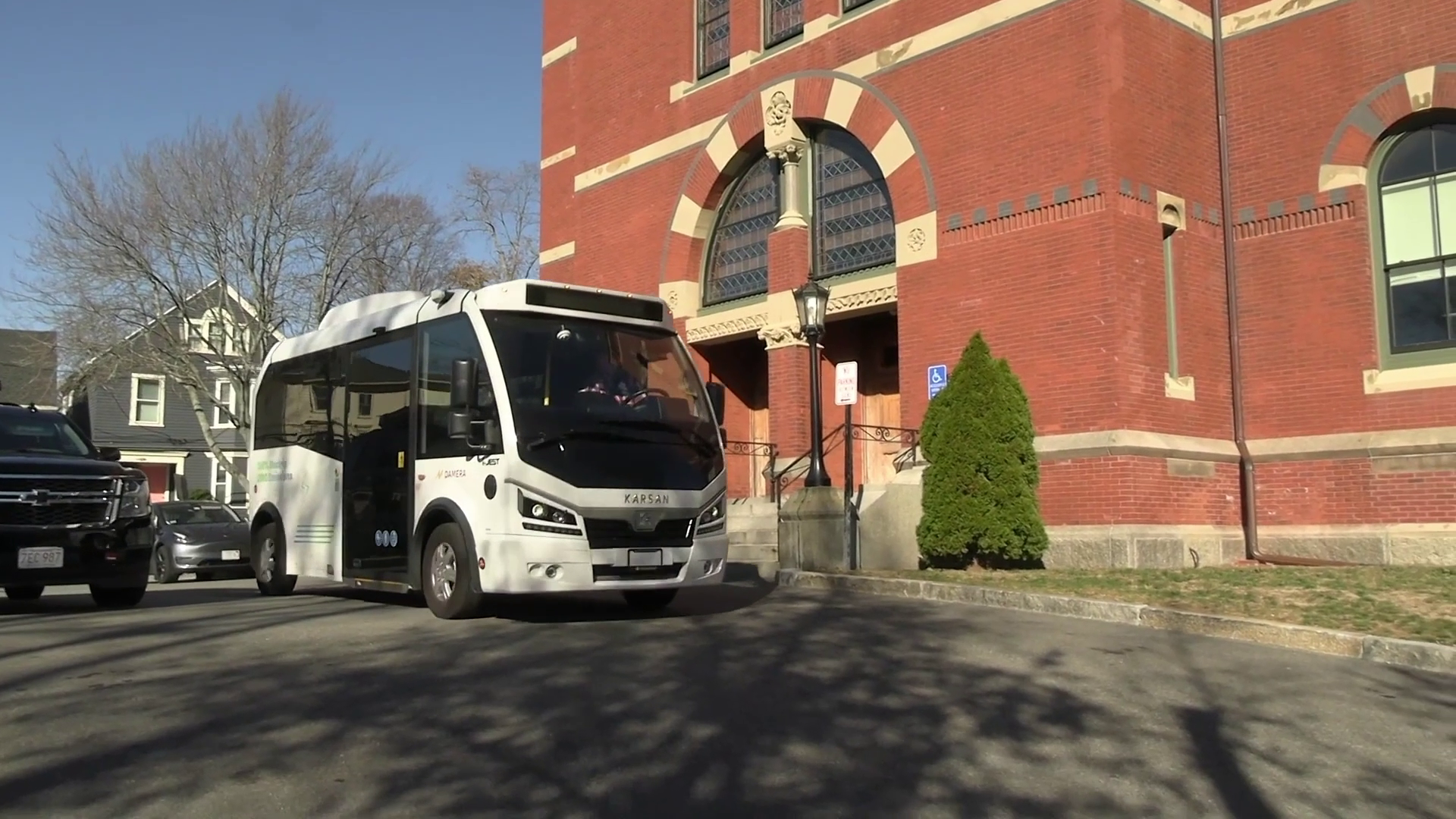
With a compact 19'2" (5.9 m) overall length and a 22'11" (7 m) turning radius, the eJEST can be tested on actual neighbourhood streets, campuses, transit hubs, downtown circulators, and constrained urban routes. Operations teams can assess turning movements, stop access, maneuverability, and whether a right-sized vehicle could serve locations where a larger bus may be less practical.
At the same time, a top speed of up to 65 mph (105 km/h) expands the range of potential applications beyond low-speed shuttle service. Agencies can evaluate whether the vehicle fits routes that combine local streets with higher-speed road segments, subject to local operating requirements.
See How Electric Performance Responds to the Route
The eJEST is equipped with a 135 kW electric traction motor, 290 Nm of torque, and up to 25% maximum gradeability. During a demonstration, drivers can experience immediate electric response, acceleration from stops, hill performance, braking behaviour, visibility, and handling under local conditions.
This is particularly relevant for transit because frequent stopping does not have to represent only wasted energy. Through regenerative braking, the electric drivetrain can recover part of the vehicle’s kinetic energy during deceleration and return it to the battery instead of losing all of that energy through conventional friction braking.
On stop-and-go routes, where buses repeatedly accelerate and decelerate, this can be especially valuable. Under suitable operating conditions, regenerative braking may contribute to meaningful energy recovery—potentially reaching up to approximately 25% depending on route profile, driving behaviour, traffic, terrain, and system conditions.
For fleet teams, this is something worth experiencing directly. A demonstration can show drivers how regenerative braking feels in practice and help agencies consider how operator technique, route characteristics, and frequent-stop service may influence energy efficiency.
Evaluate Range Against Your Actual Duty Cycle
The eJEST uses an 88 kWh lithium-ion battery and has a stated range of up to 130 miles (210 km).
But a published range figure is only the beginning of a fleet evaluation.
Actual energy consumption can vary with:
▪️ Route length and stop frequency
▪️ Average operating speed
▪️ Passenger load
▪️ Hills and terrain
▪️ Outside temperature
▪️ Heating and air-conditioning demand
▪️ Driver behaviour
▪️ Regenerative braking opportunities
A demonstration gives agencies the opportunity to compare the vehicle with their own duty cycle rather than relying on a theoretical number alone.
Experience the Operational Value of Zero Tailpipe Emissions
Zero-emission operation also creates benefits that are easy to overlook when comparing vehicles on paper.
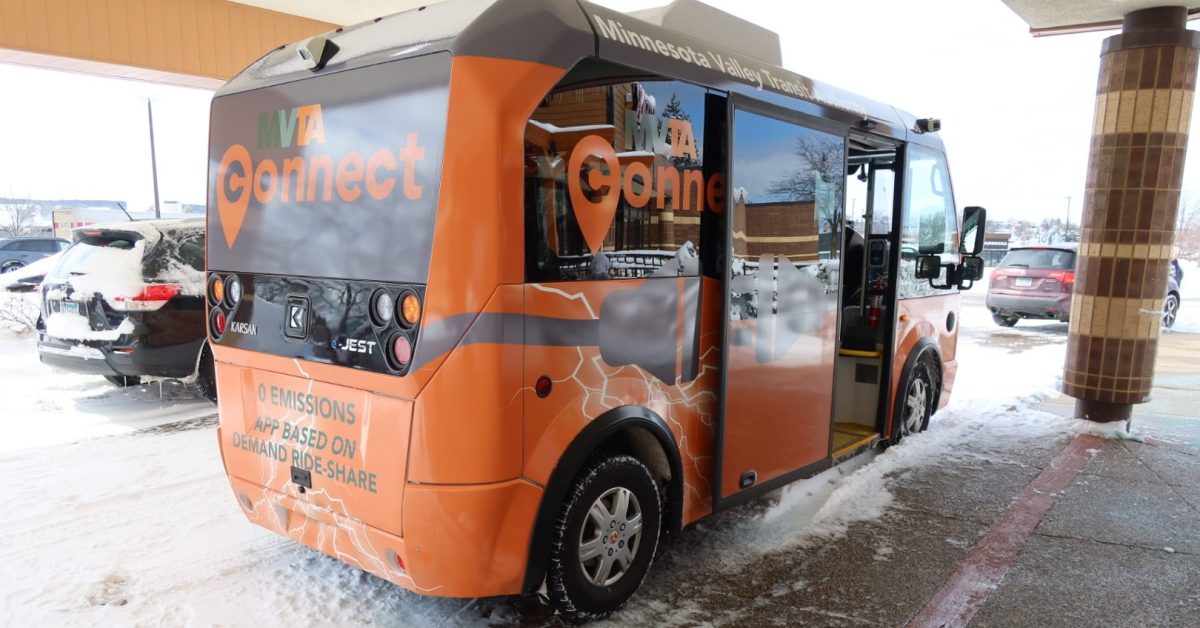
Because the eJEST has no combustion engine, it produces no tailpipe emissions during operation. This matters on city streets, but it can be particularly valuable for campuses, maintenance facilities, depots, covered loading areas, enclosed or semi-enclosed passenger zones, and other environments where people work or gather near vehicles.
For example, when the vehicle is powered on inside a facility, there is no diesel exhaust from idling or engine operation. That can reduce local exposure to combustion-related exhaust and create a cleaner, quieter working environment. Facilities must still follow applicable safety procedures for high-voltage electric vehicles and battery systems, but the absence of routine tailpipe exhaust is a meaningful operational difference.
The same advantage can improve the passenger environment at busy stops, campuses, healthcare facilities, senior communities, and neighbourhood routes—especially where vehicles operate close to pedestrians and buildings.
Evaluate More Than the Drivetrain
The demonstration also allows teams to experience characteristics that are difficult to communicate through a brochure:
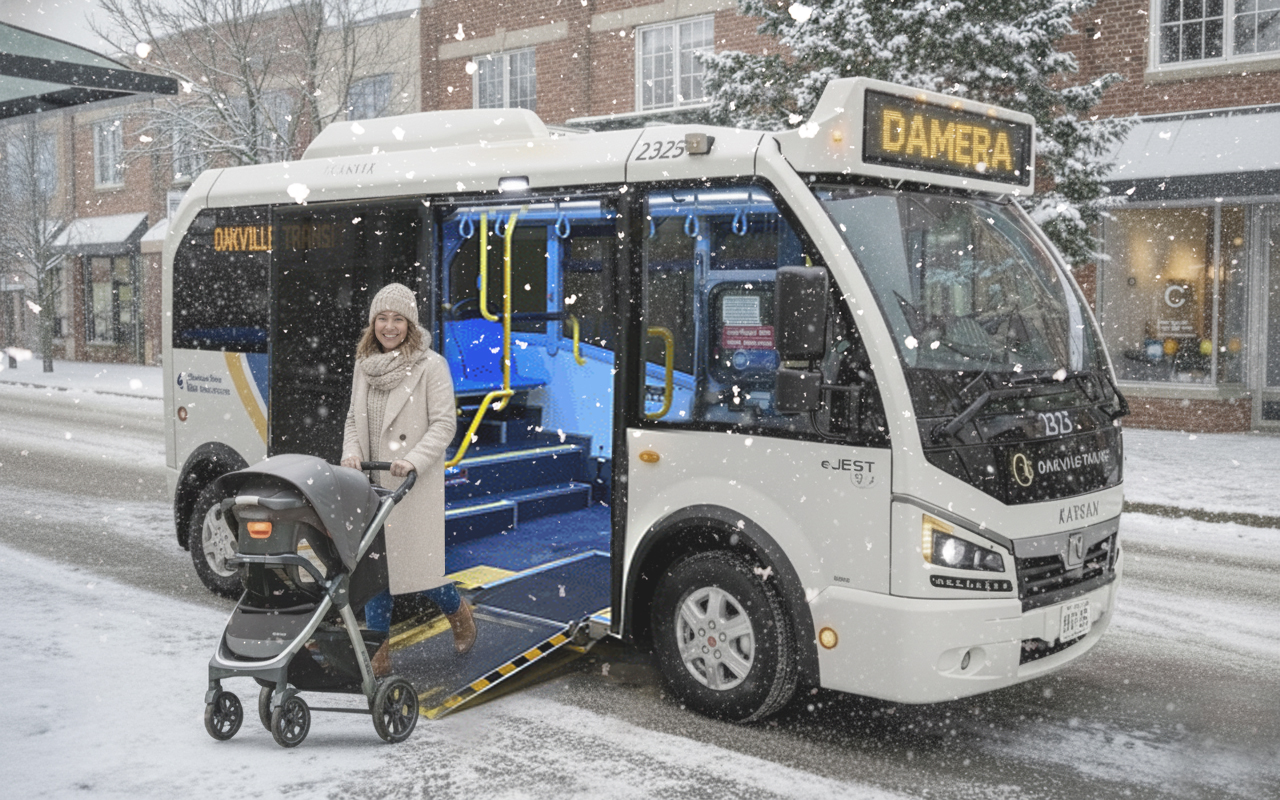
▪️ 10" (25 cm) low-floor step height
▪️ Accessible boarding and electricramp operation
▪️ Wide passenger entrance
▪️ Interior circulation and wheelchair accommodation
▪️ Capacity for up to 19 passengers
▪️ Four-wheel independent suspension
▪️ Driver visibility and controls
▪️ Passenger ride comfort
▪️ Maintenance and component access
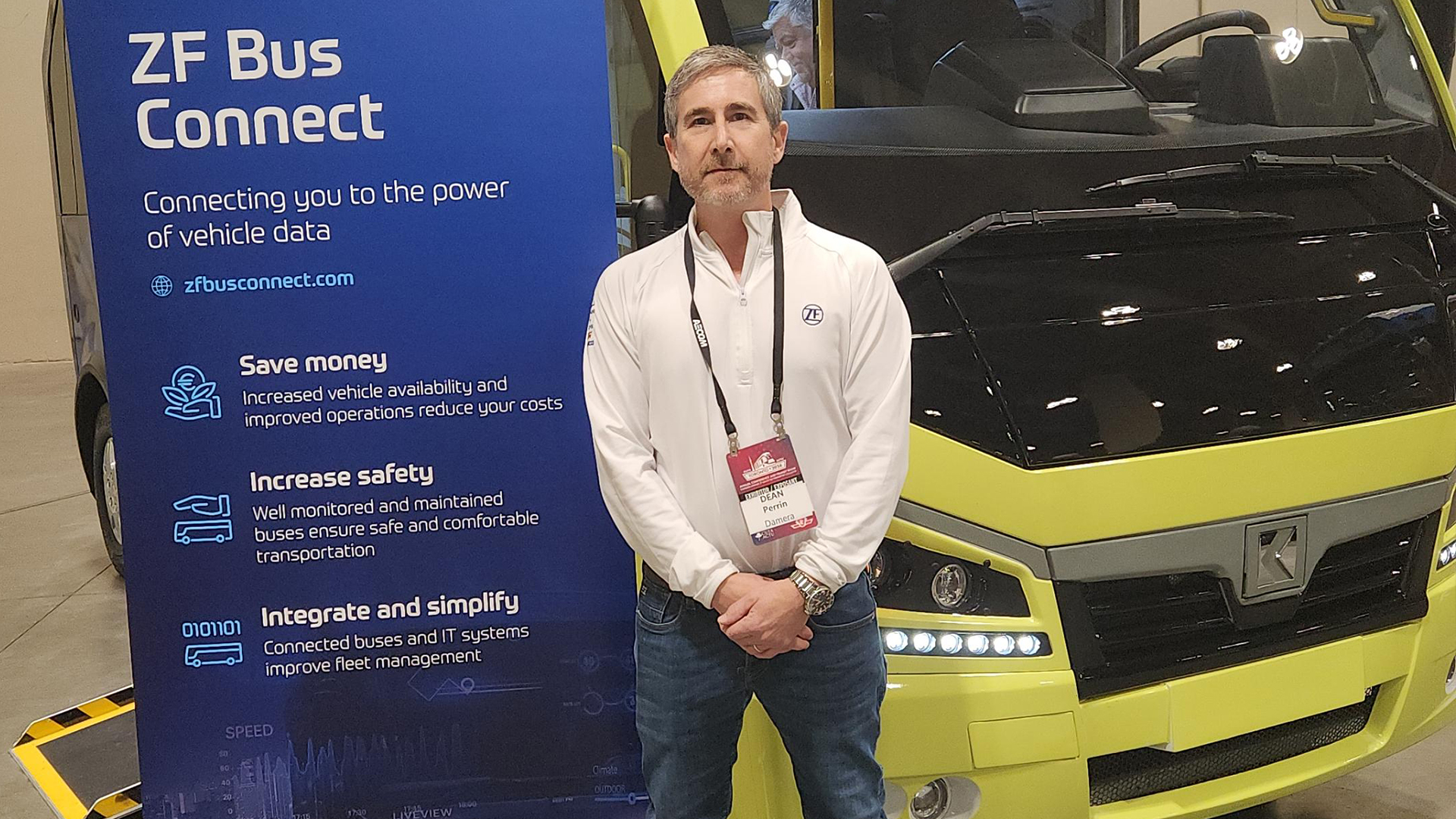
▪️ ZF Bus Connect pre-installed for connected fleet visibility

From Initial Interest to a Structured Evaluation
The process begins with a discussion with a Damera sales lead.
The first step is to understand the mobility challenge the agency is trying to solve and identify a realistic application for the vehicle. This may include a particular route, service gap, first- and last-mile connection, campus environment, neighbourhood service, or another use case where right-sized electric mobility is being considered.
Where there is a clear application and genuine interest in potential vehicle deployment, Damera works with the agency to coordinate the next steps. These include confirming trial requirements, completing the necessary documentation, and planning vehicle delivery.
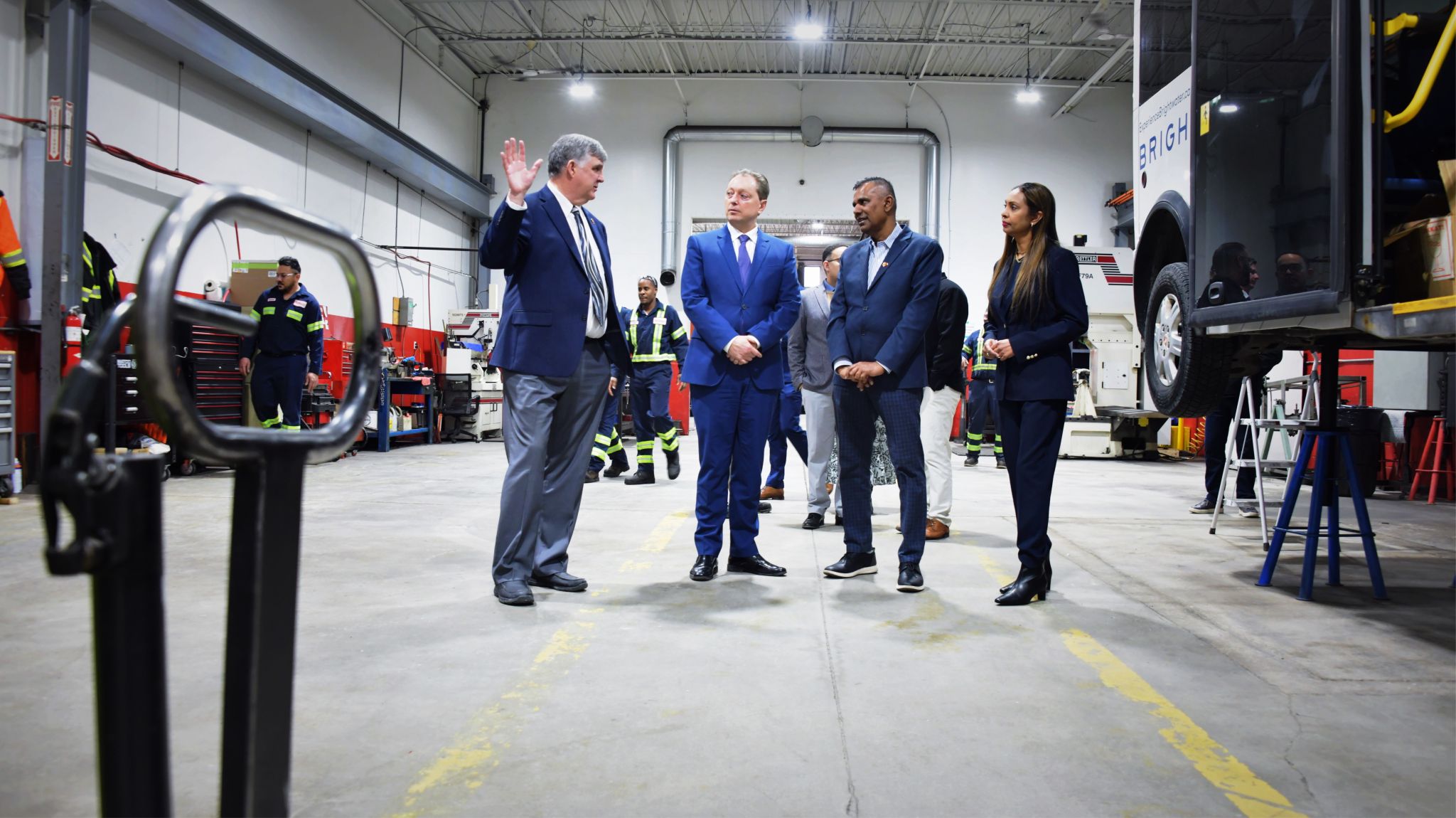
Once arrangements are in place, the bus is delivered with basic onsite orientation for operators and technical maintenance personnel. This helps the agency begin its evaluation with a practical understanding of the vehicle and creates a stronger foundation for meaningful feedback.
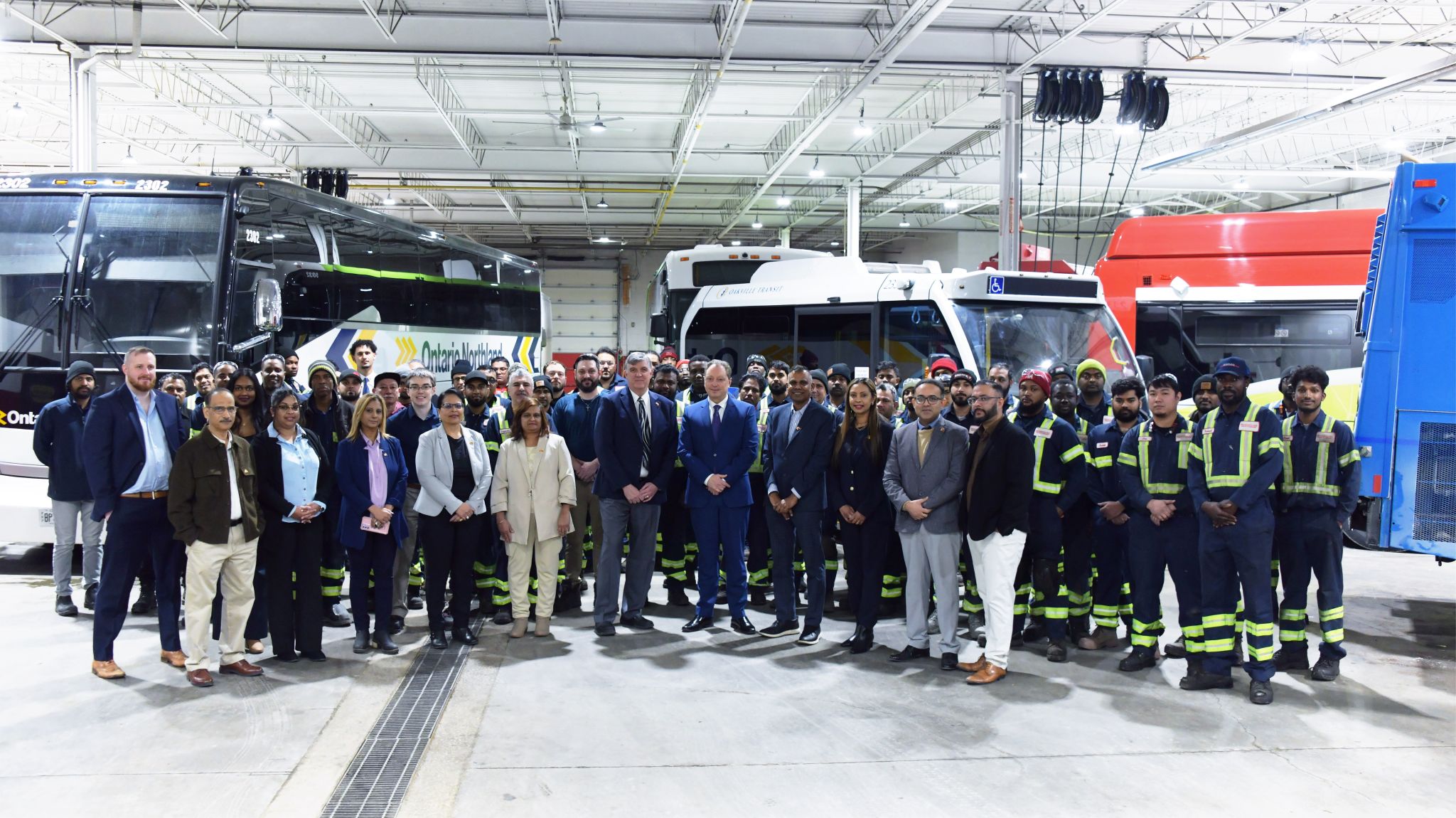
At Damera Corporation, our focus is not simply on introducing new technology. With a background in transit vehicle deployment, maintenance, diagnostics, technical training, parts support, and electrification, we understand that innovation must also deliver reliable performance in daily service. That is why real-world evaluation matters. We are confident in the eJEST platform, and we believe agencies should have the opportunity to experience how a right-sized electric transit vehicle performs before moving toward deployment. Connect with Damera Corporation to discuss your route, service application, and the opportunity for a real-world vehicle evaluation.
A great transit vehicle should not only look promising on paper. It should demonstrate how it can serve operators, riders, agencies, and communities in the environment where it is expected to work.
Interested in exploring whether the Karsan eJEST could fit a route or mobility application within your network? Connect with the Damera Corporation team to discuss your service goals and the next steps toward a structured vehicle evaluation.











.jpeg)








.jpeg)


.jpg)





.svg)