









Chargers

All Chargers
Explore all charging options on one page
Services
TUV Level 3
High Voltage Training

Work safely and effectively with high-voltage systems

Charger Installation
Contributes to the seamless integration of electric vehicles

Electrical Engineering
Get your skills in electrical engineering tailored to the transit industry
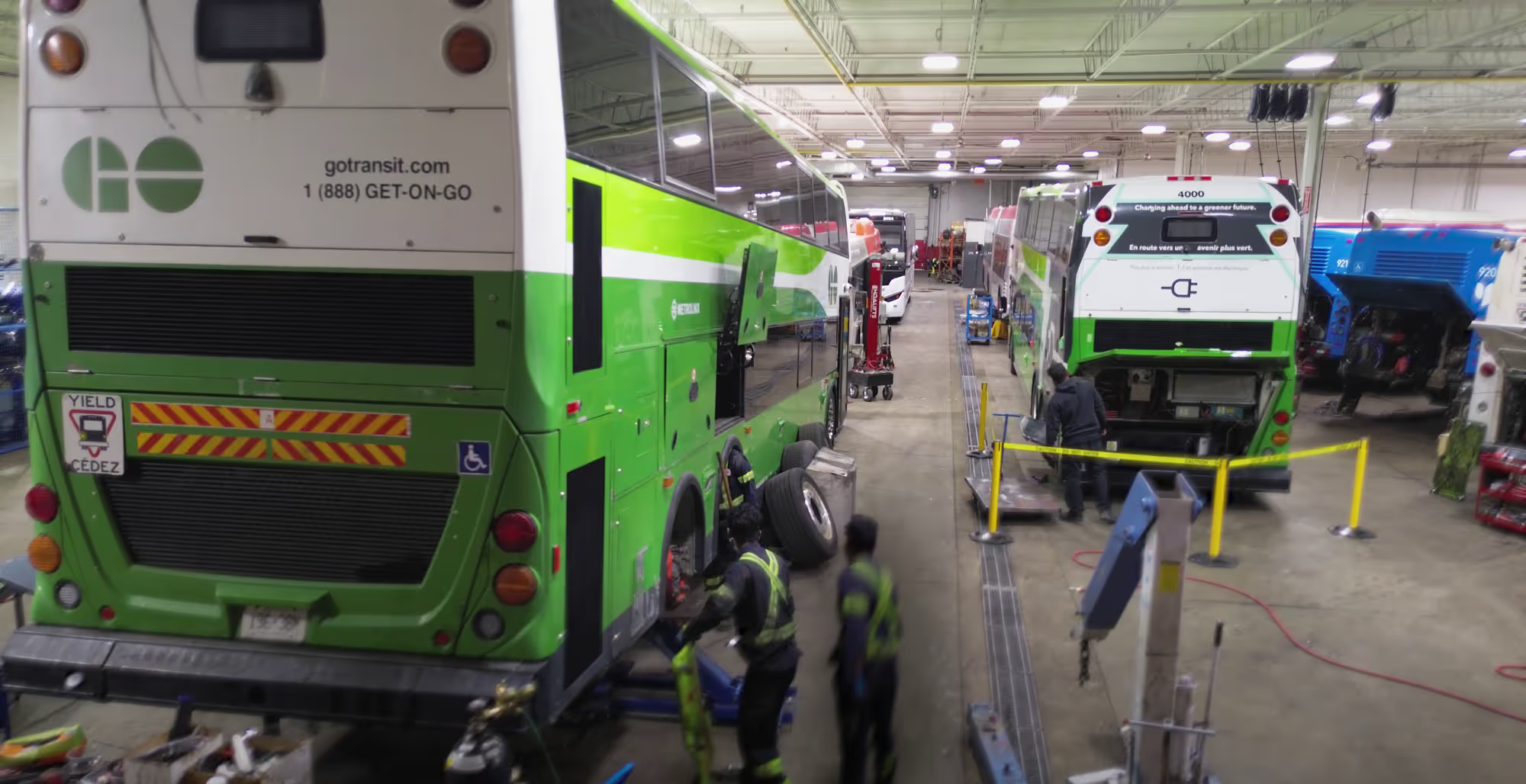
Bus Service (MBCT)
Comprehensive bus service ensuring reliable maintenance, repairs, and safety compliance.
MICROTRANSIT

Paratransit Buses
Learn more about our paratransit vehicles and how we’re improving mobility for people with disabilities and underserved riders.

Micromobility Buses
Discover how our buses support both paratransit needs and provide efficient service in low-ridership areas.

Minibuses for Campuses
Learn how modern electric minibuses create smoother, safer, and more convenient transportation for students and staff.


There is no previous post
Previous Post
Next Post
There is no next post
Electric Minibus Deployment Strategies: Seven Transit Challenges and Real-World Solutions
No items found.
A transit agency can face two very different problems on the same network. A busy corridor may need more capacity at rush hour, while a neighbourhood route may need more frequent service with fewer riders on each trip. Choosing the right bus starts with understanding the service gap and the conditions the vehicle will face every day.
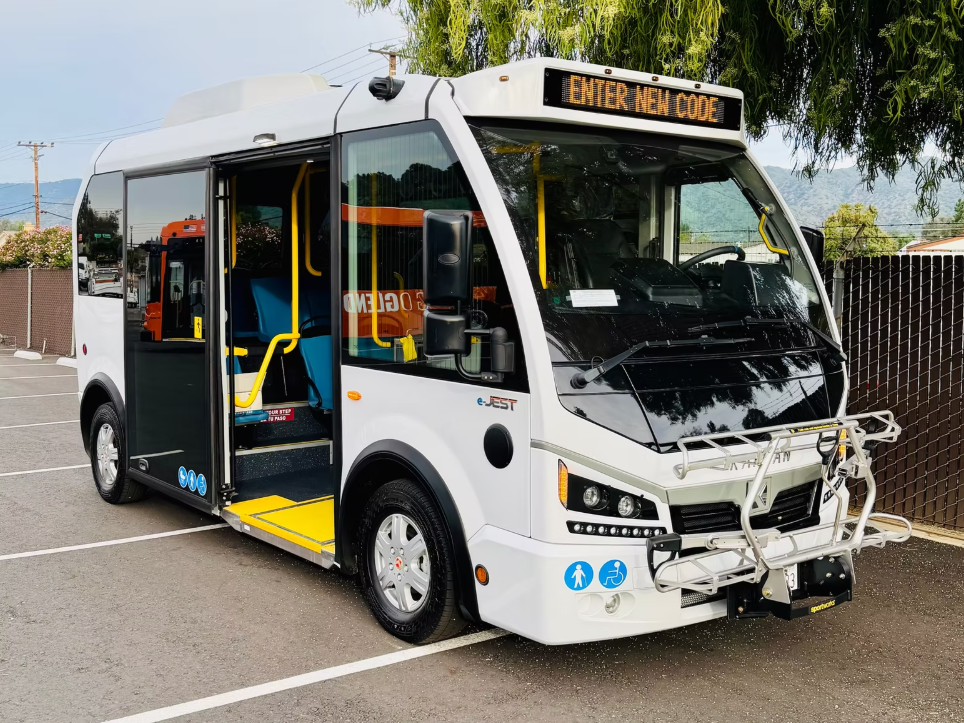
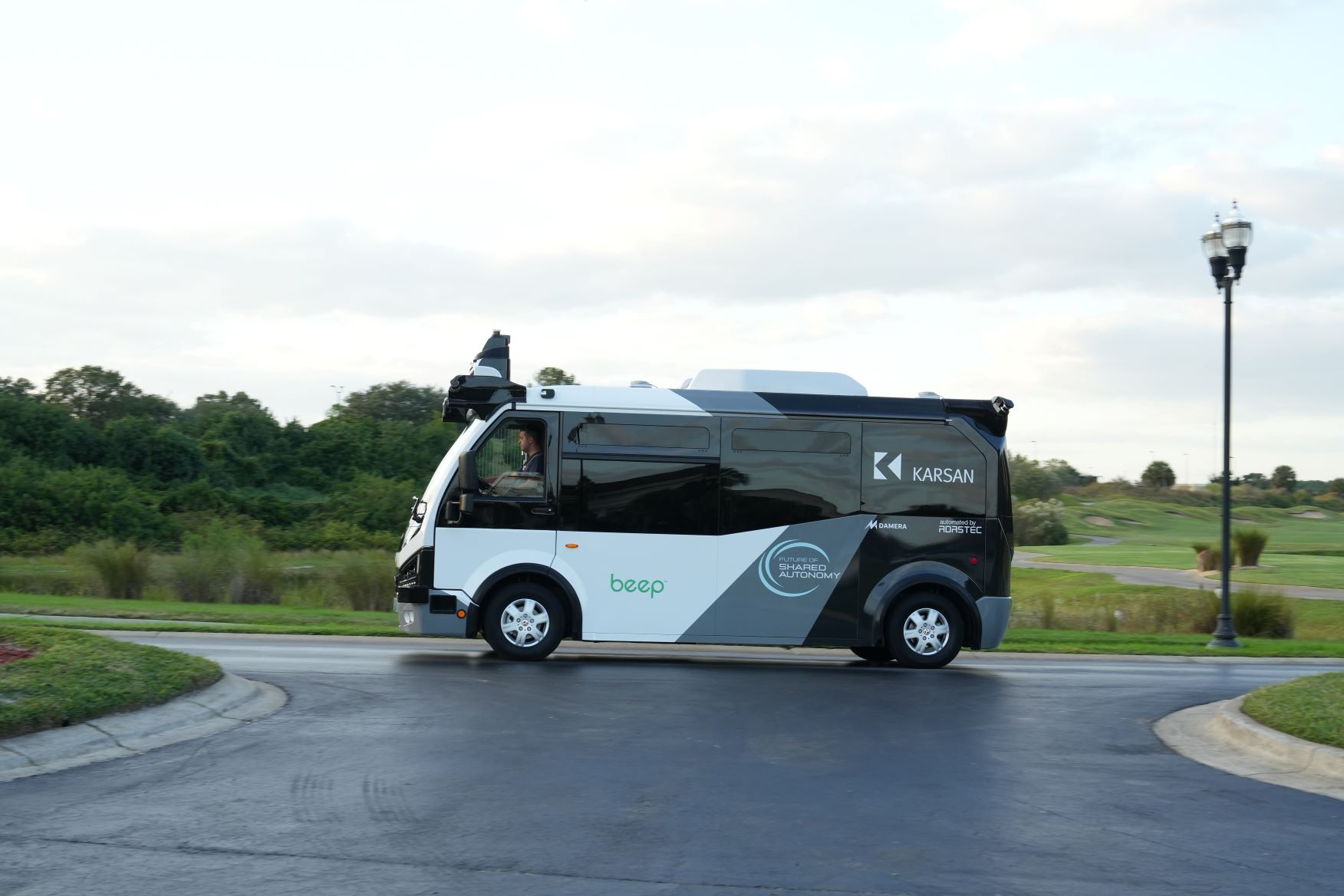
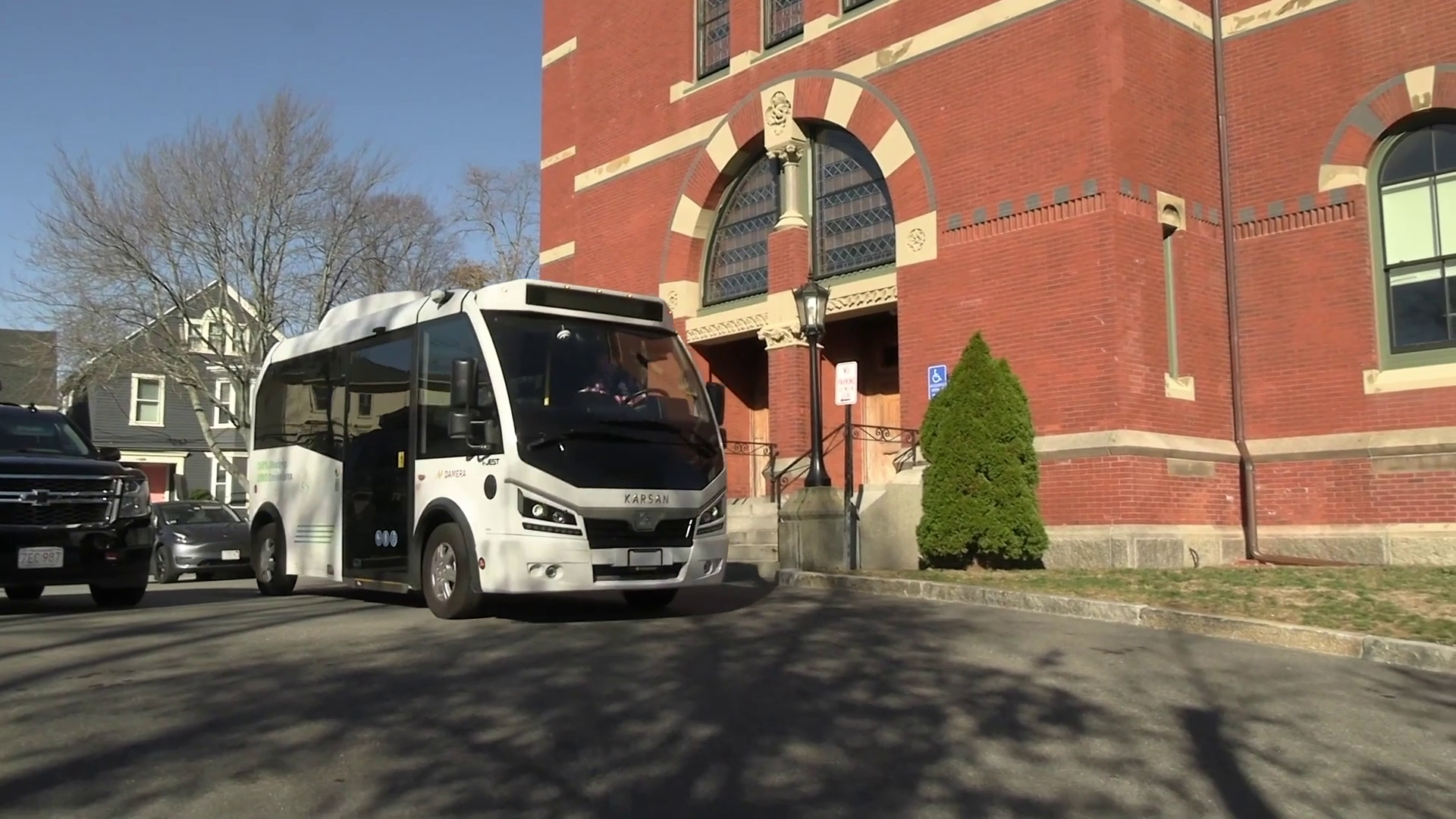
Across Canada and the United States, transit agencies and universities have used the fully electric, low-floor Karsan eJEST supplied by Damera Corporation in several operating models. These seven examples show what to look at when deciding whether a compact electric bus fits your service.
1. Campus shuttles — plan for demand between class peaks

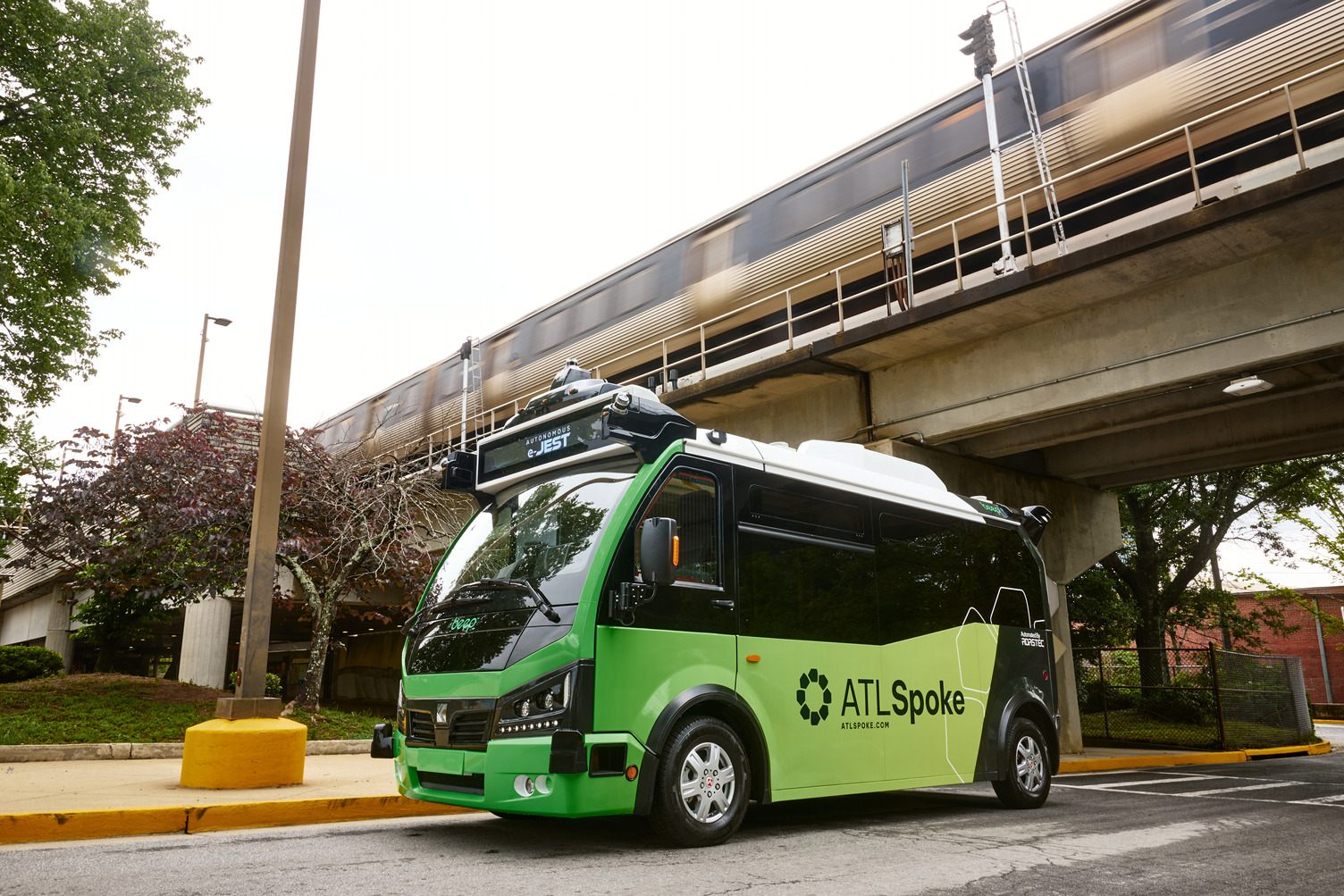
Rice University and the University of Virginia illustrate where electric minibuses can fit into campus fleets. At UVA, eJEST vehicles support midday service in areas of campus that are harder to reach. The campus setting makes vehicle manoeuvrability and convenient boarding important, especially where stops are close together and people are walking or cycling nearby. University of Virginia deployment
Review passenger loads around class changes, midday periods and campus events. Walk the proposed stops with operators and accessibility staff, and check whether the bus can lay over and charge without disrupting the timetable.
2. Lower-ridership fixed routes — size vehicles for the busiest trips

Tecumseh Transit introduced three electric eJEST minibuses while maintaining its existing routes. A familiar route gives planners a baseline for comparing energy use, maintenance and reliability before and after a vehicle change. Tecumseh Transit deployment
Use peak onboard loads by trip, including demand for wheelchair spaces, when testing a smaller vehicle. Average daily ridership can hide individual trips where more capacity is needed.
3. On-demand microtransit — integrate booking, fares and transfers
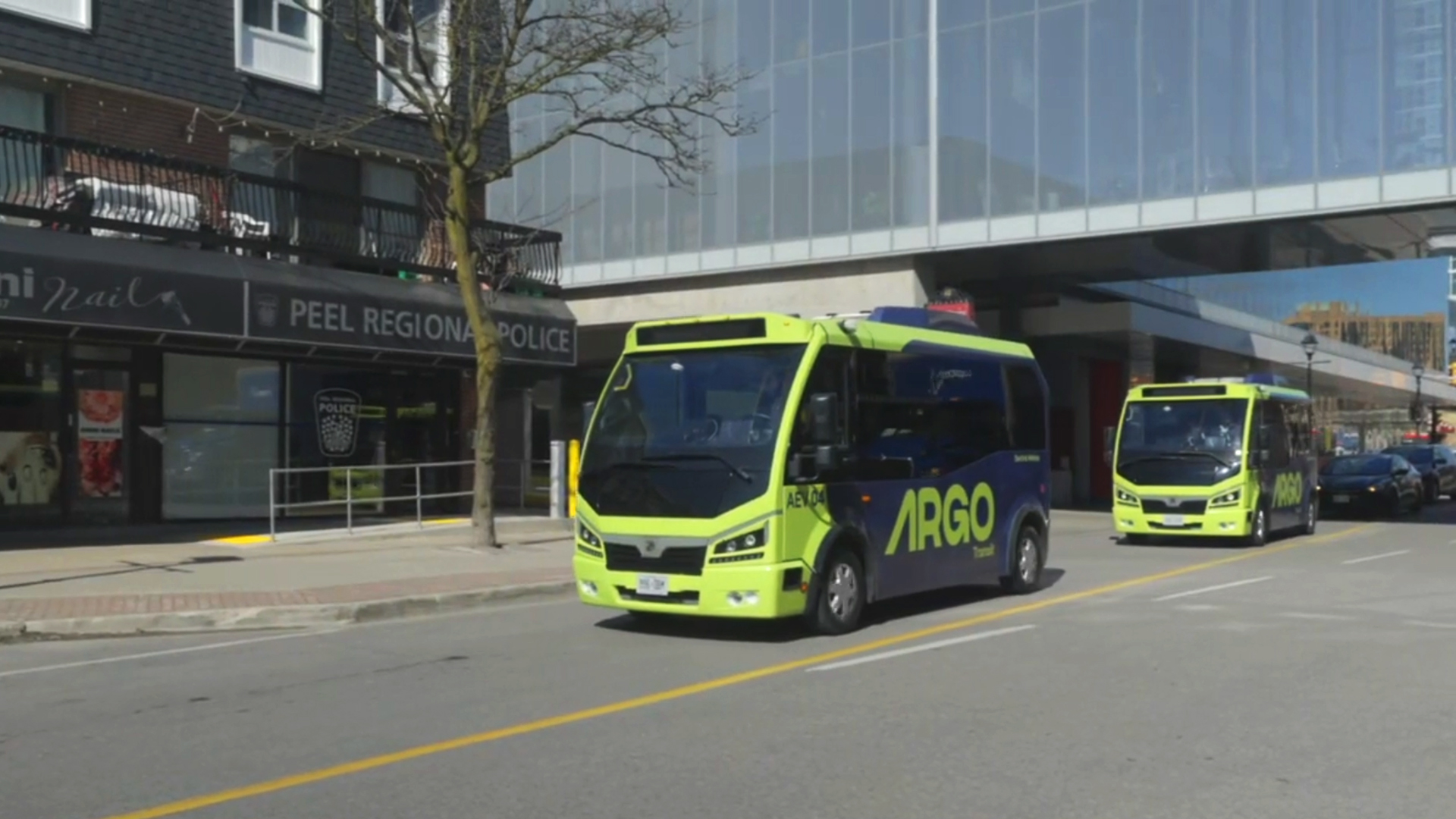
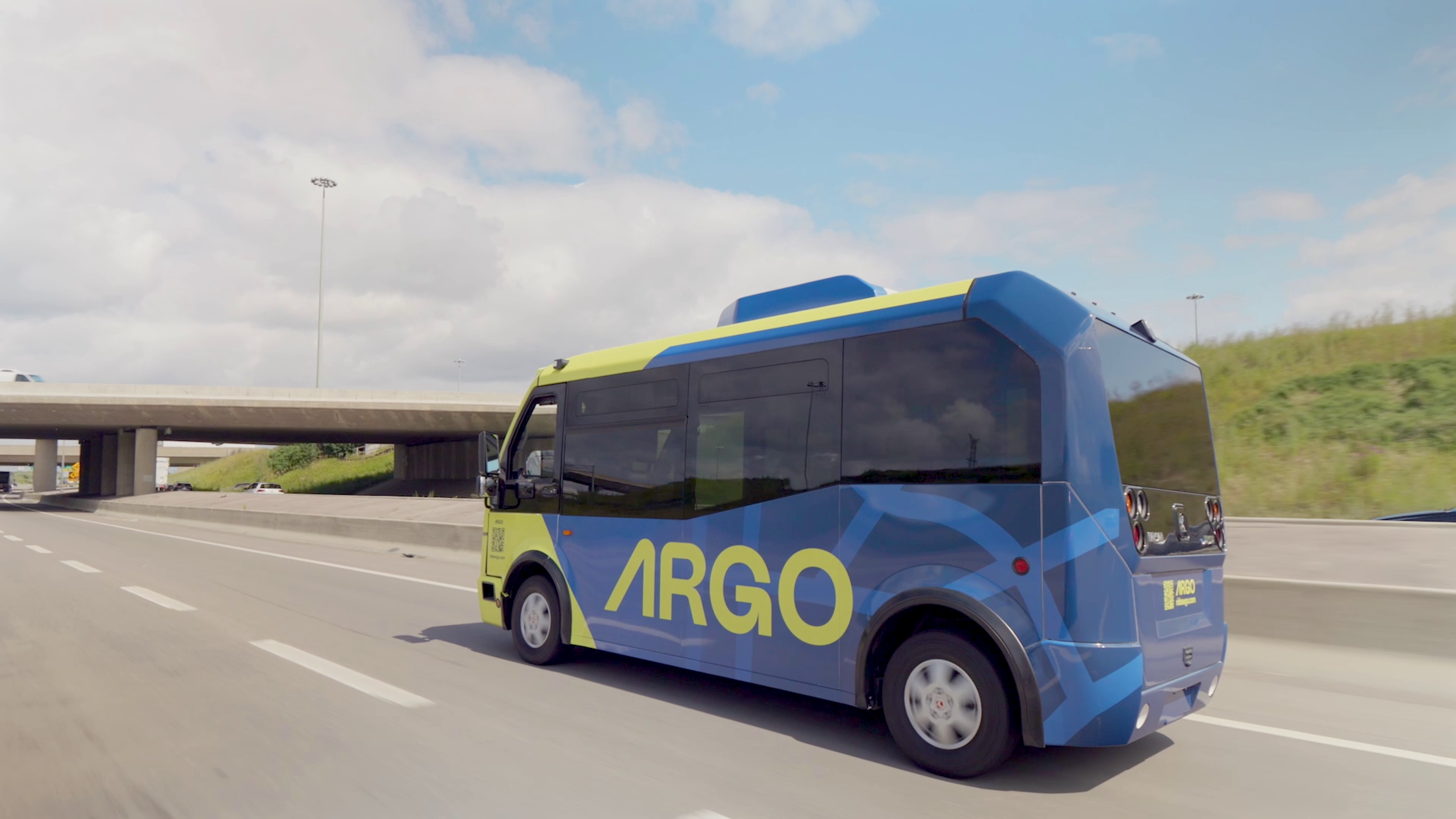
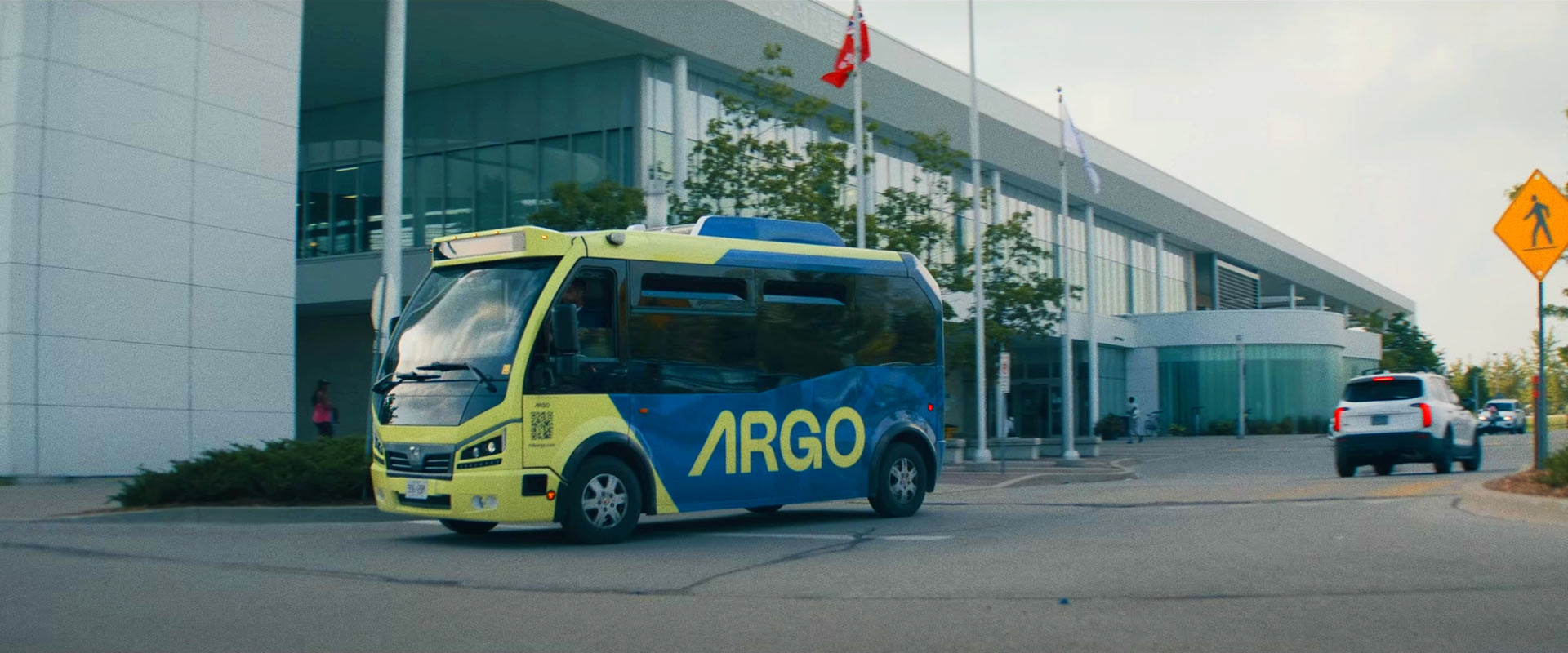
In Brampton, Ontario, Karsan eJEST minibuses support Argo’s Smart Routing™ service. The service uses designated pickup points and integrates PRESTO fare payment, with connections to Brampton Transit and GO Transit. Brampton deployment
Before expanding the zone or adding vehicles, track requests you could accommodate, requests you could not serve, pickup wait times and riders’ ability to complete onward trips. Include repositioning mileage when modelling energy use.
4. Flexible neighbourhood service — design the zone around how people book

Saint John Transit’s FLEX service connects designated stops within service zones. Passengers can book through an app or call a dispatcher, and the West FLEX Zone includes transfer points to scheduled routes. Saint John began piloting compact electric buses for FLEX in 2023. Saint John Transit FLEX
Test zone boundaries, stop locations and booking channels with riders. Monitor average and longest pickup waits as well as denied requests. A broad service area has limited value when vehicles are spread too thin to meet the promised pickup window.
5. First- and last-mile links — measure the connection riders came for

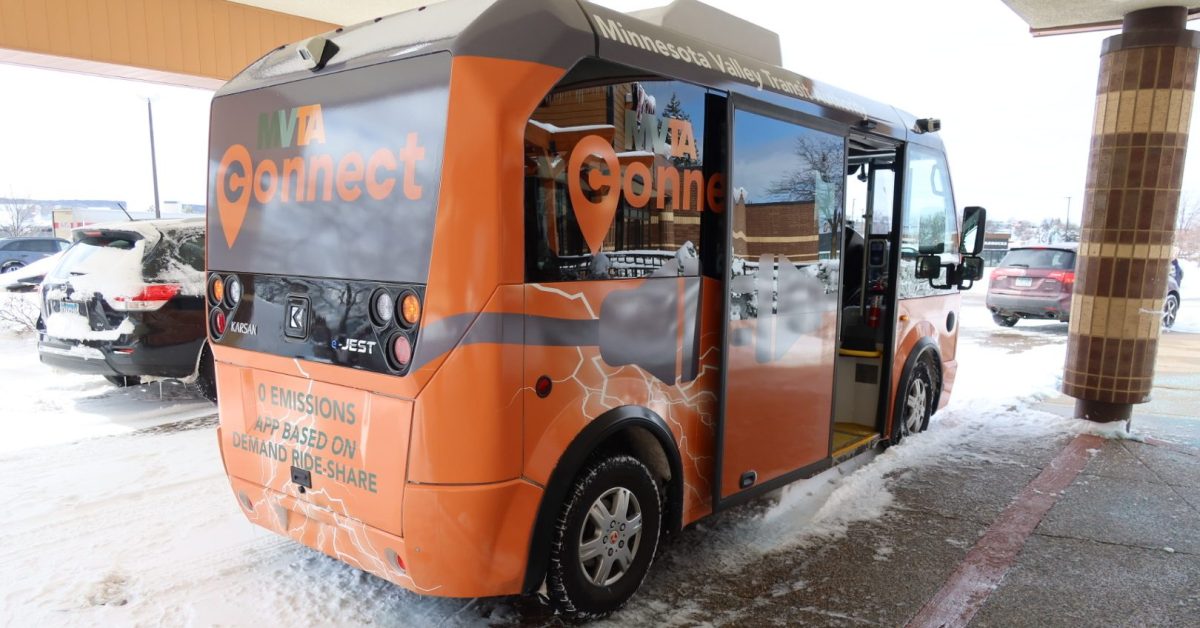
Minnesota Valley Transit Authority tested the eJEST on MVTA Connect, its on-demand service that connects riders with scheduled transit. A smaller vehicle can be evaluated on how well it feeds the wider network, especially in areas where the walk to a major stop is long. MVTA Connect demonstration
Measure how often riders reach their scheduled bus or train and how long they wait at the transfer point. Include the return trip when assessing whether the connection works for people travelling outside peak hours.
6. Community circulators — build the schedule around the destinations

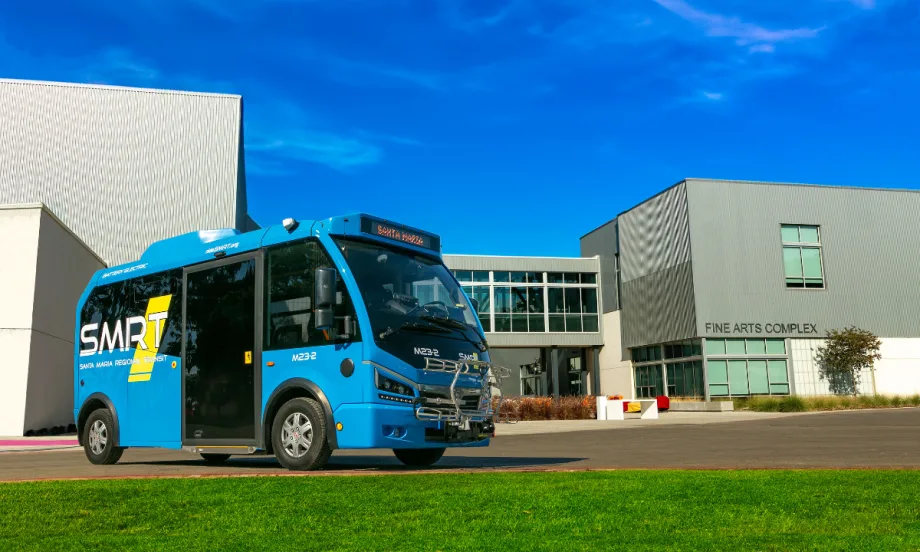
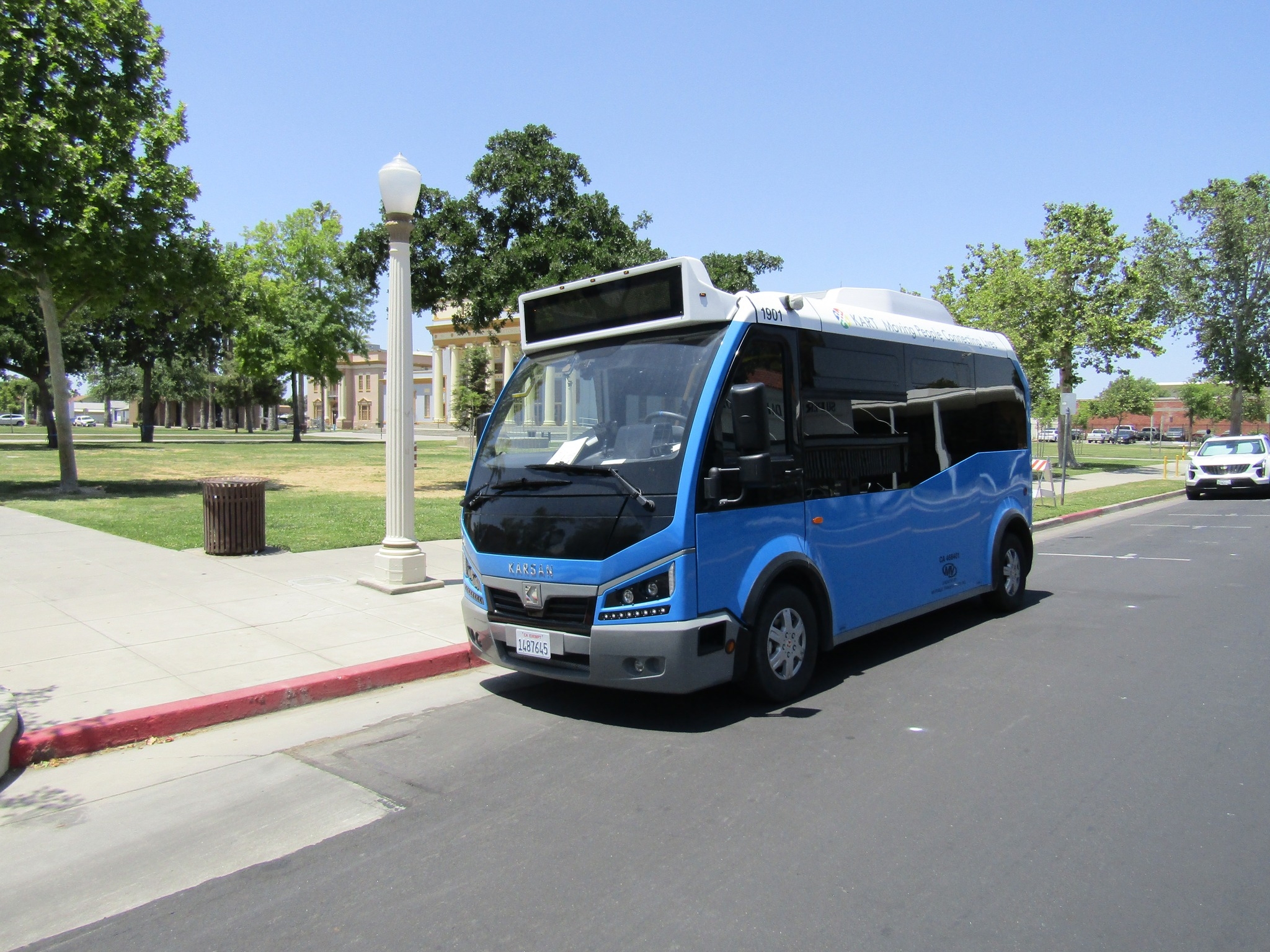
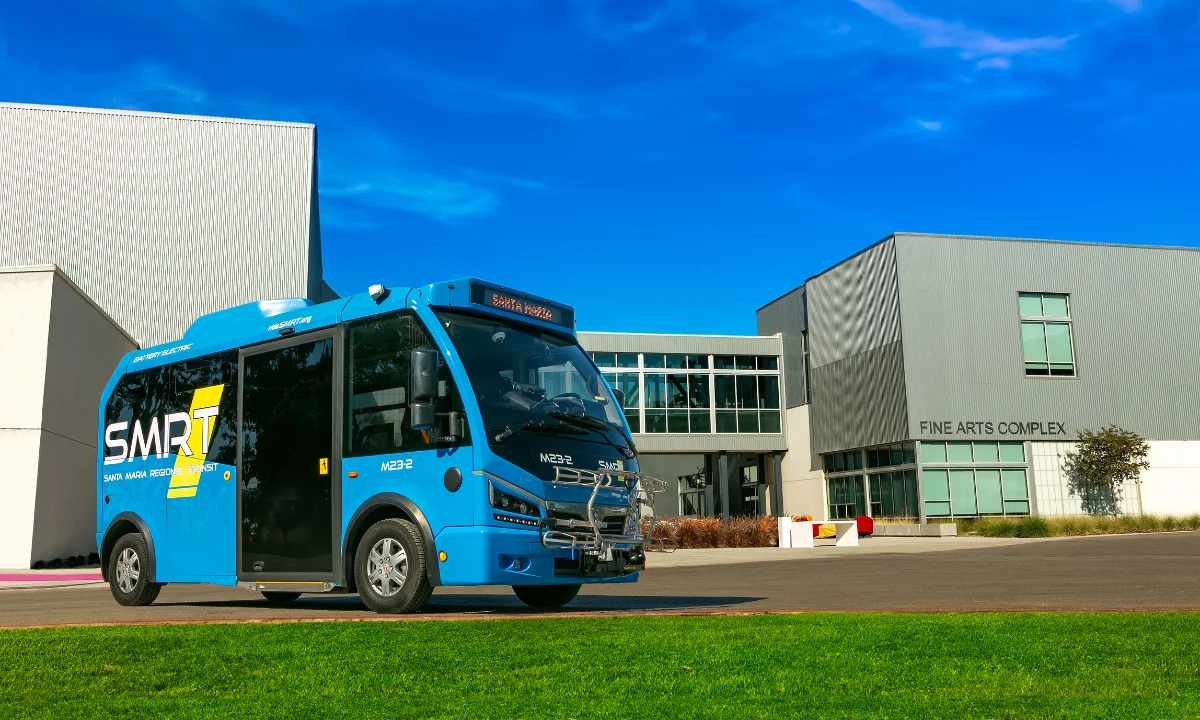
Santa Maria Regional Transit has used eJEST vehicles for daytime shuttle loops serving shopping centres and other local destinations, alongside separate evening microtransit. The two applications show how one vehicle platform can support different travel patterns. Santa Maria case study
Test the full round trip under normal traffic and boarding conditions. Build in enough recovery time to keep a short, frequent loop reliable, and look at which stops generate repeat trips before extending the route.
7. Accessible transit and paratransit — assess the full boarding experience
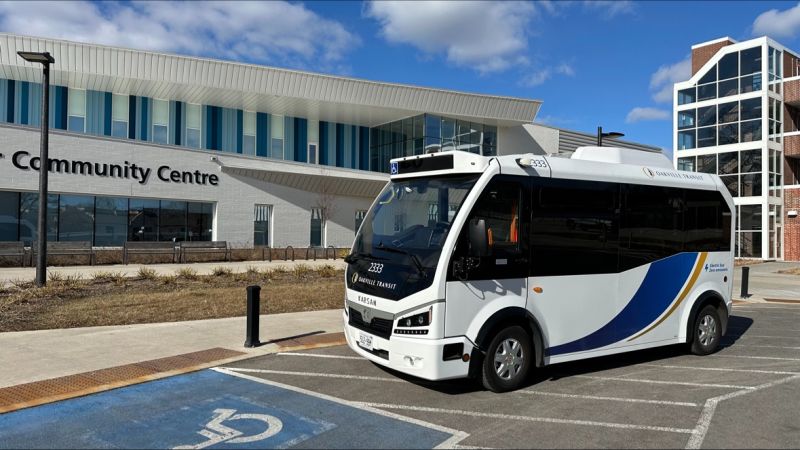
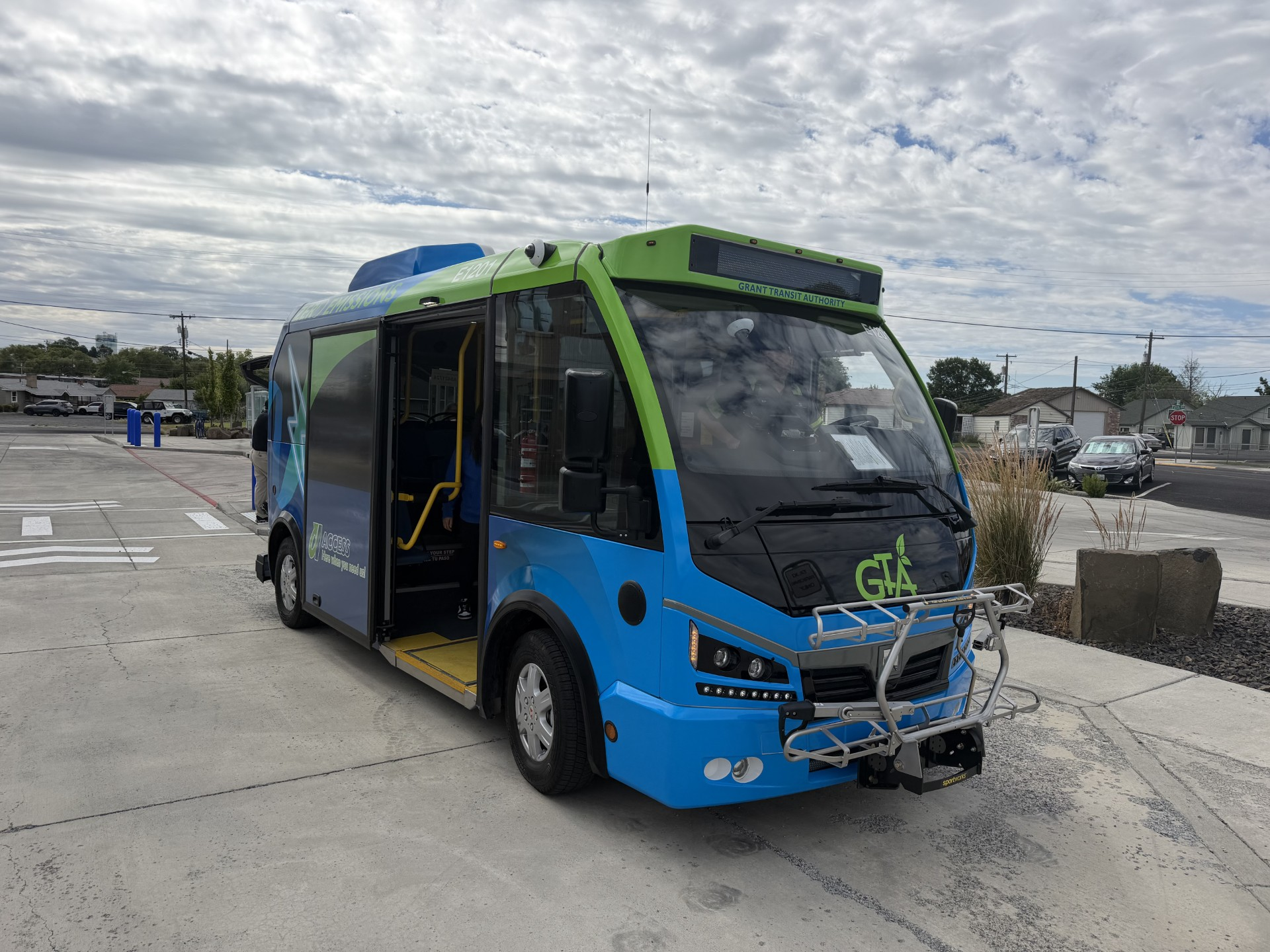
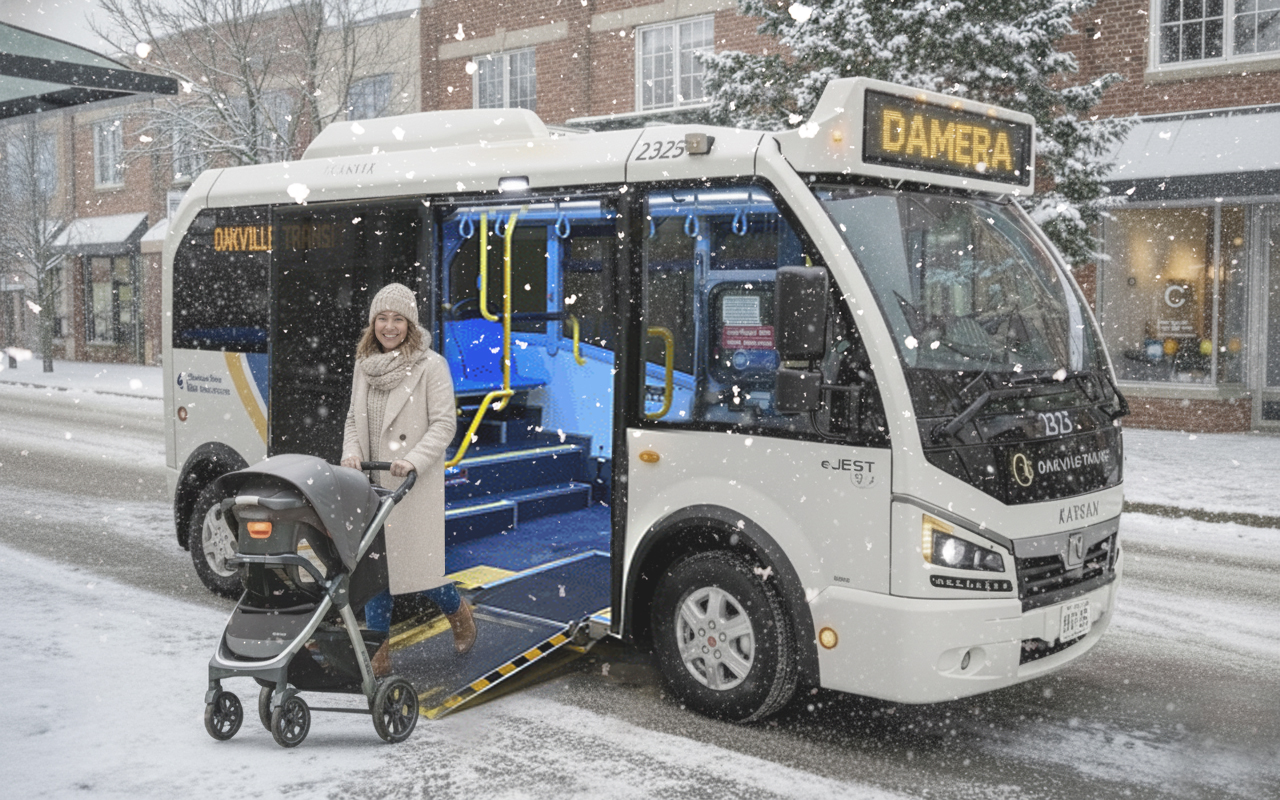
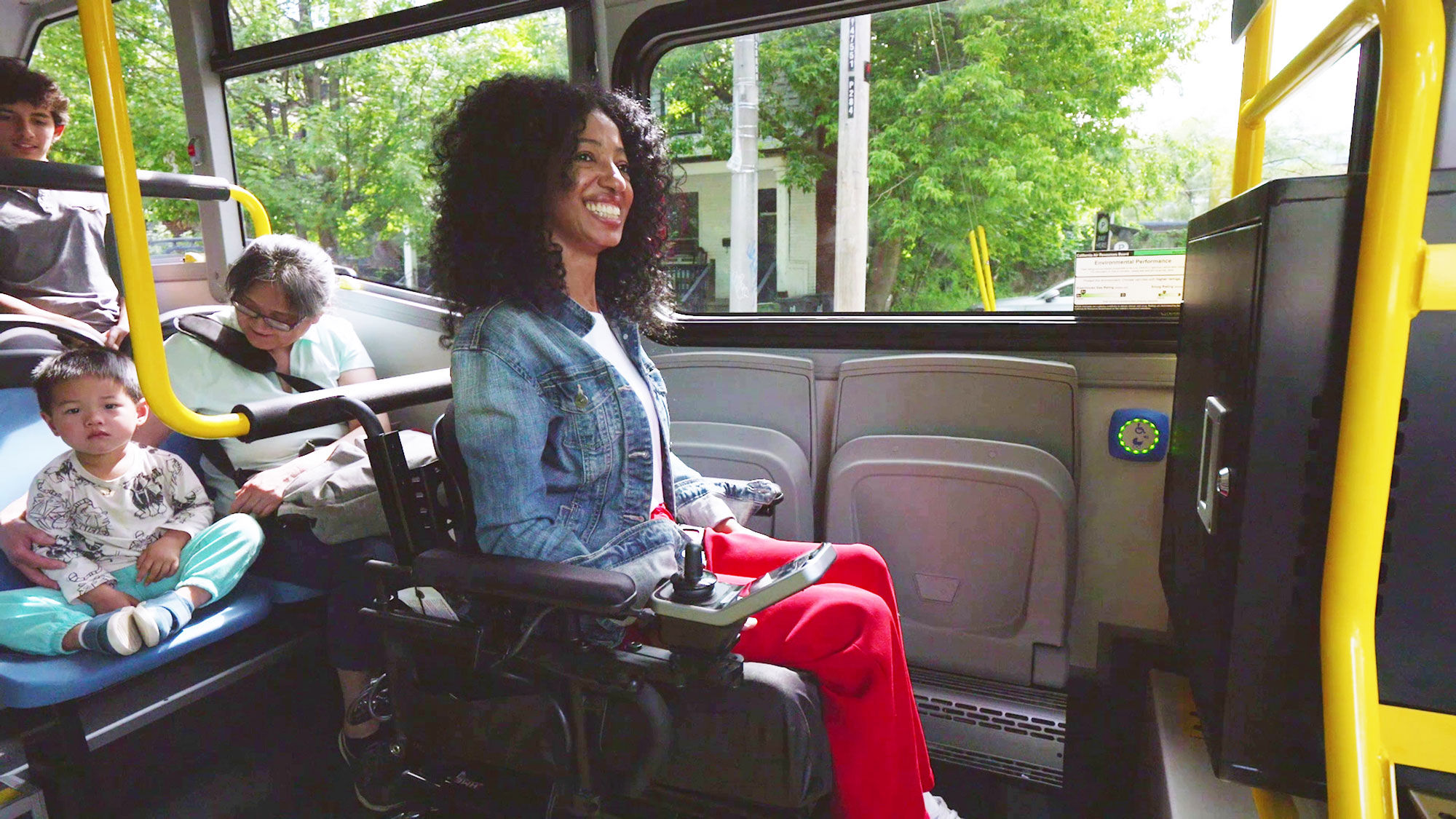
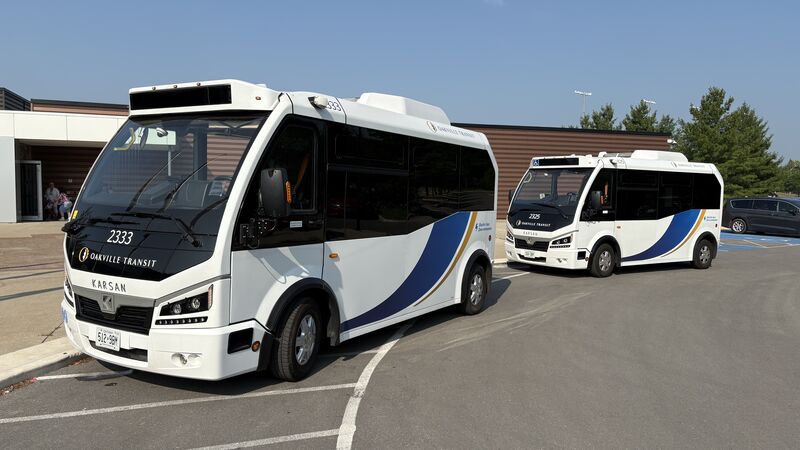
Oakville Transit has used the eJEST for specialized services including care-A-van. In Washington State, Grant Transit Authority introduced three eJESTs into its ACCESS ADA Paratransit program. The deployments offer examples of how low-floor electric vehicles can support distinct accessibility needs. Oakville Transit deployment · Grant Transit Authority deployment
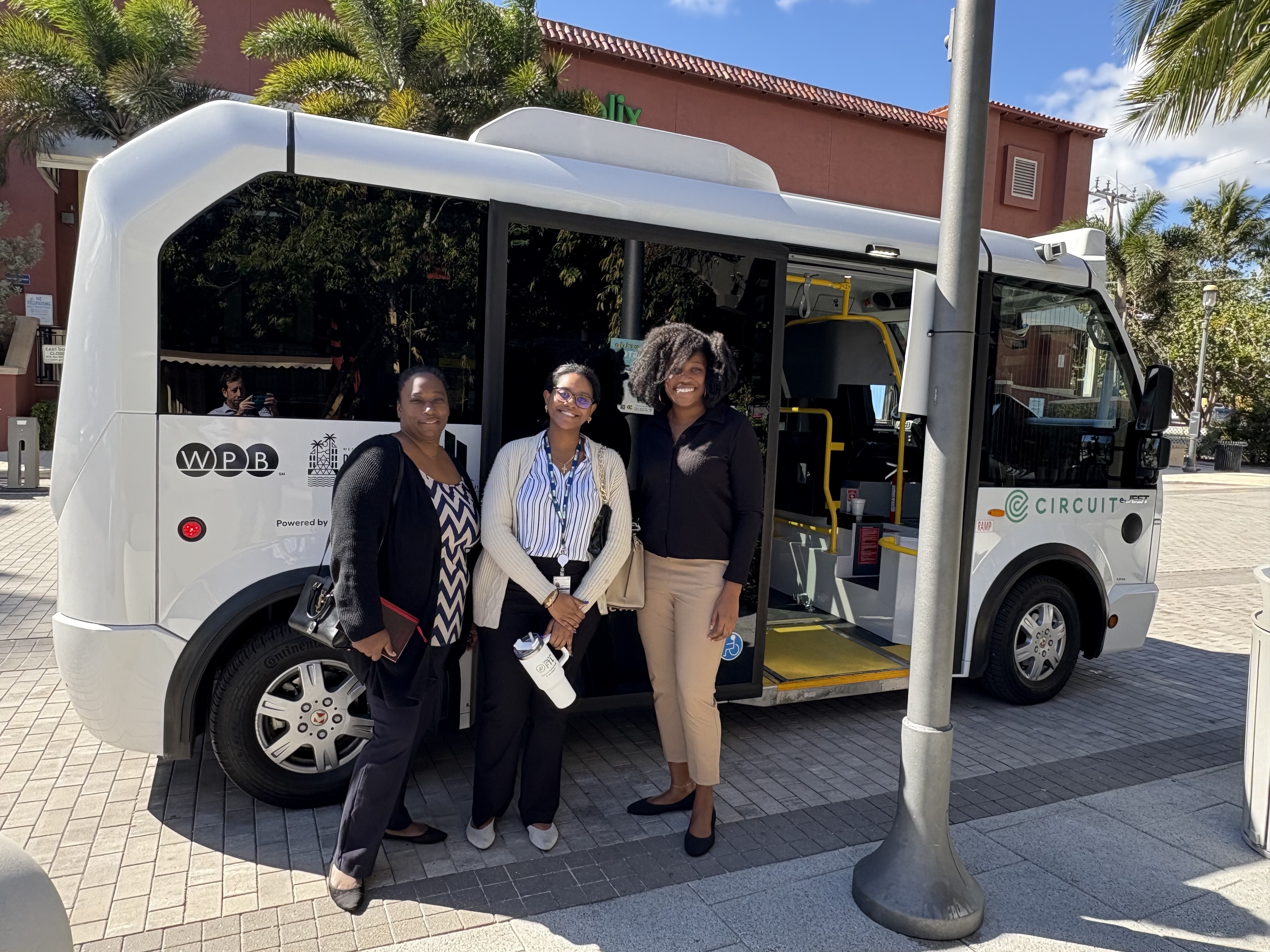
Evaluate the ramp at actual pickup locations and test mobility-device manoeuvring, securement, boarding time and the number of riders the vehicle can accommodate in each layout. Ask riders and operators to take part in the evaluation.
Turn the examples into a fleet decision
Start with one candidate route, zone or service period and document its current performance. Compare peak loads and required wheelchair capacity, operating cost per service hour, vehicle availability and the passenger outcomes that matter to that service. Model the entire operating day, including travel to and from the depot, time available for charging and energy use in seasonal weather. Include training, parts and technical support in the lifecycle comparison.
If your agency is evaluating an electric minibus for a specific route or community service, contact Damera Corporation to discuss your operating schedule, accessibility needs, charging requirements and options for a vehicle demonstration.