


.svg.avif)




-p-500-p-500.avif)







EV Buses

A quiet, efficient, fully accessible electric minibus. The eJEST delivers exceptional maneuverability, low operating costs, and smooth passenger experience.
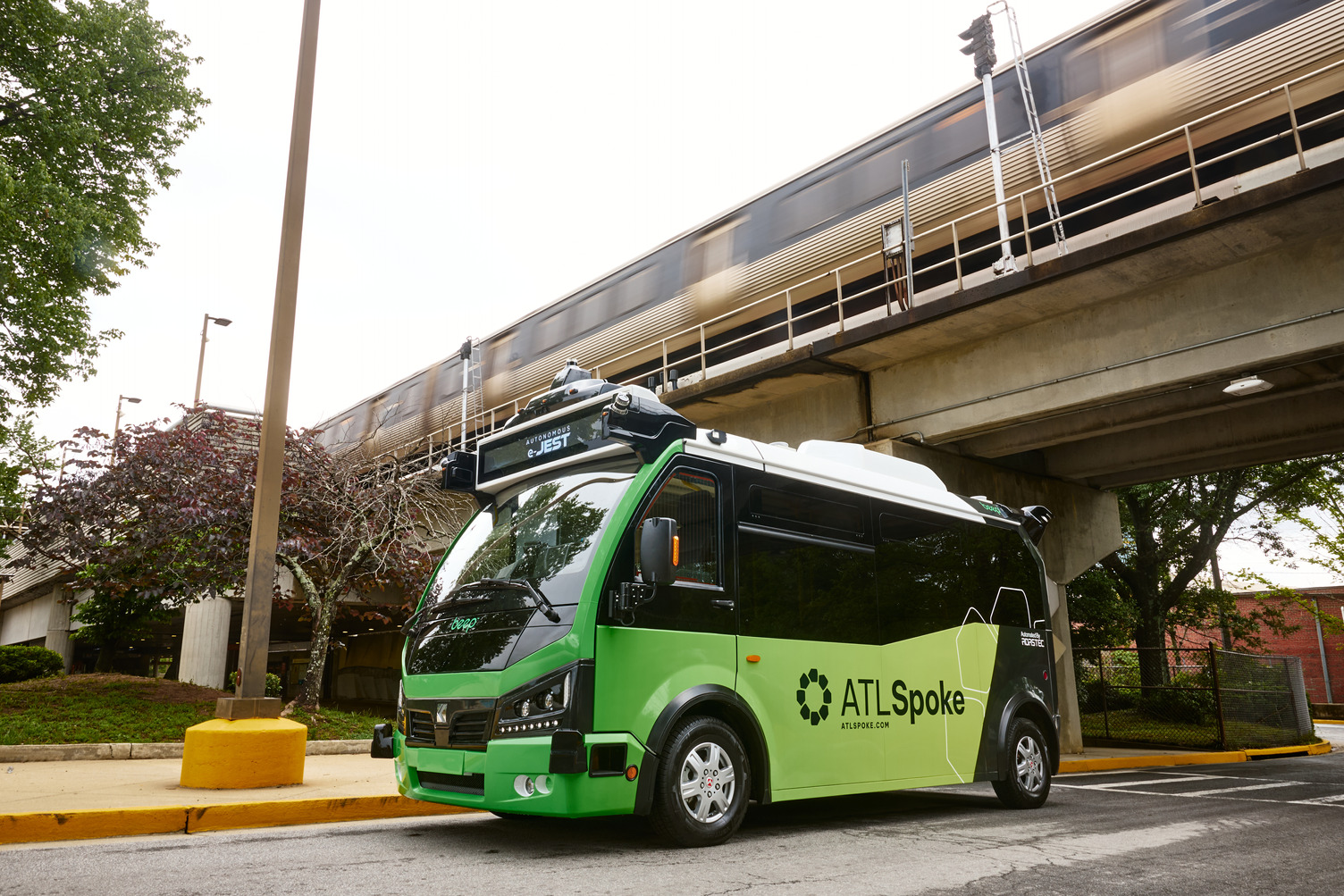
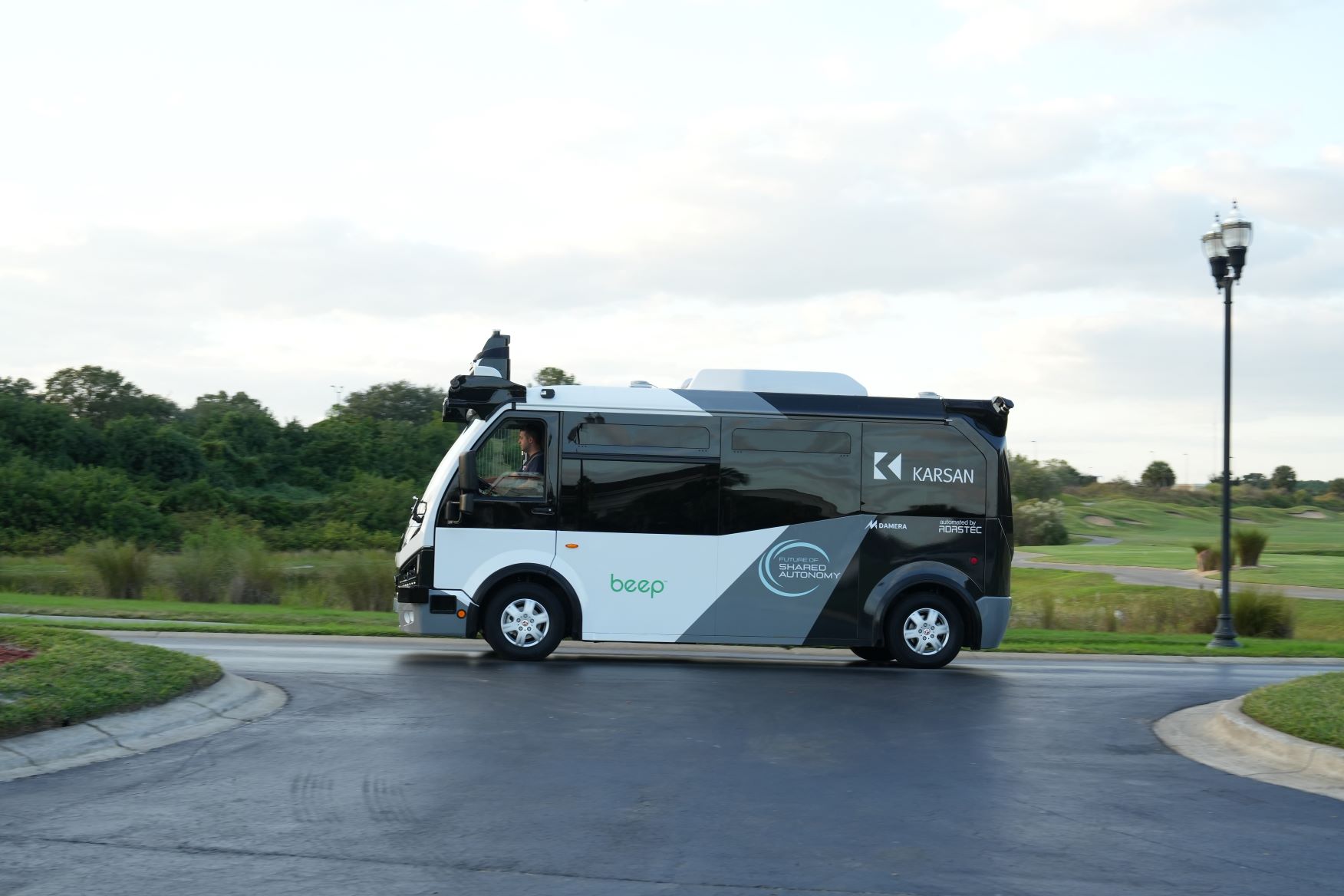
Built on the proven eJEST platform and automated by ADASTEC, this Level-4 autonomous minibus brings reliable, safe, and fully accessible automated transit to real-world routes.


Chargers

All Chargers
Explore all charging options on one page
Services
TUV Level 3
High Voltage Training

Work safely and effectively with high-voltage systems

Charger Installation
Contributes to the seamless integration of electric vehicles

Electrical Engineering
Get your skills in electrical engineering tailored to the transit industry
Bus Service (MBCT)
Comprehensive bus service ensuring reliable maintenance, repairs, and safety compliance.
MICROTRANSIT

Paratransit Buses
Learn more about our paratransit vehicles and how we’re improving mobility for people with disabilities and underserved riders.

Micromobility Buses
Discover how our buses support both paratransit needs and provide efficient service in low-ridership areas.

Minibuses for Campuses
Learn how modern electric minibuses create smoother, safer, and more convenient transportation for students and staff.

.svg)
There is no previous post
Previous Post
Next Post
There is no next post
How Karsan eJEST Supports Scalable Electric Transit
No items found.
Starting Small Is Not a Compromise — It’s a Strategy
True scalability means an agency can begin with a manageable deployment, learn from live service, and expand without adding operational complexity, infrastructure burden, or financial risk.
This approach reflects the reality transit agencies face every day: constrained funding, public accountability, and little tolerance for service disruption. Large, all-at-once electrification programs are often unrealistic — and unnecessary.
Many agencies want to start by answering fundamental questions in real service:
- How does the vehicle perform across seasons?
- What is the usable daily range?
- How does charging fit into existing operations?
- What are the true operating costs?
-
That’s where scalable platforms matter.
Why Right-Sized Electric Vehicles Matter
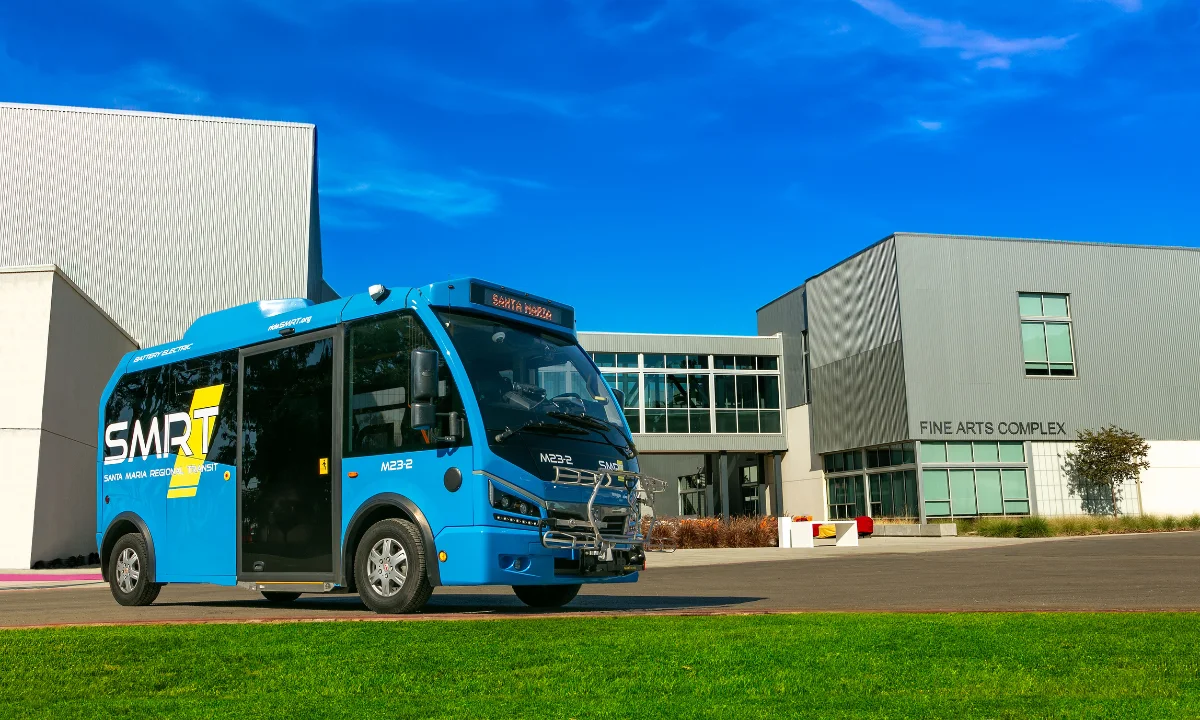
Damera focuses on a specific segment of the electric transit market: low-floor accessible electric minibuses engineered for daily public service.
These vehicles occupy the space between full-size buses that require significant infrastructure and smaller shuttles that lack durability, accessibility, or transit-grade performance.
The Karsan eJEST is a clear example of this balance.
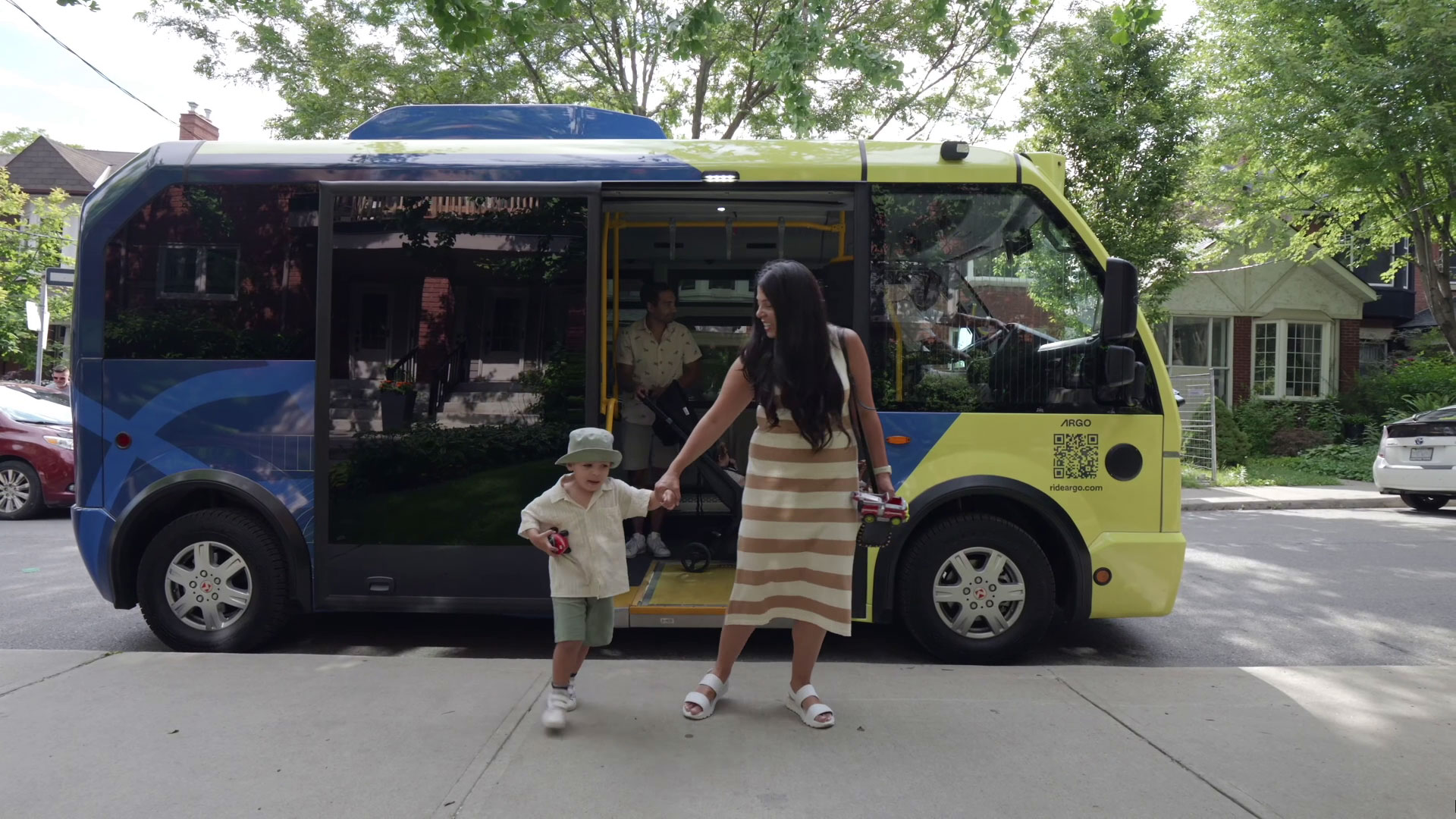
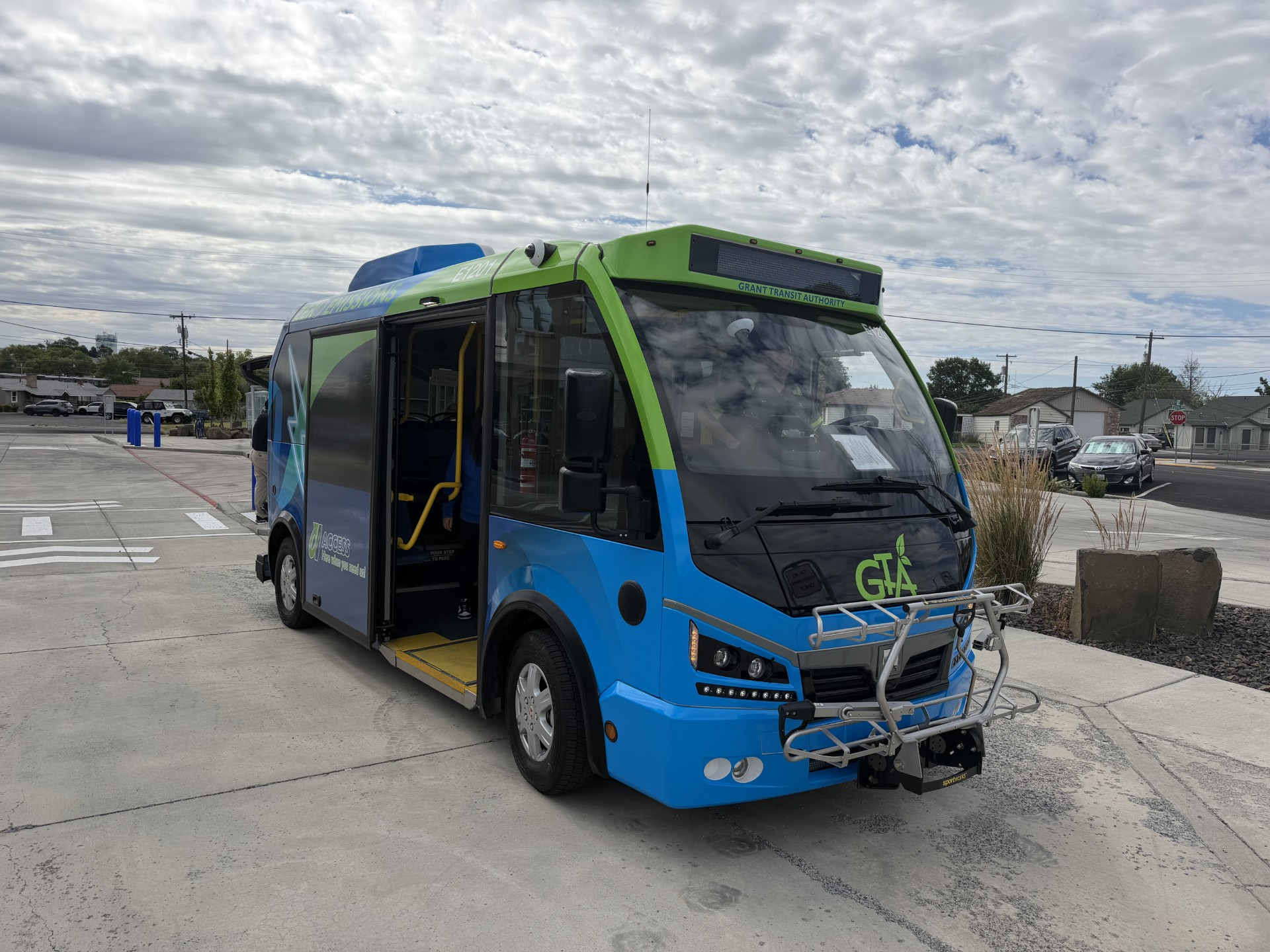
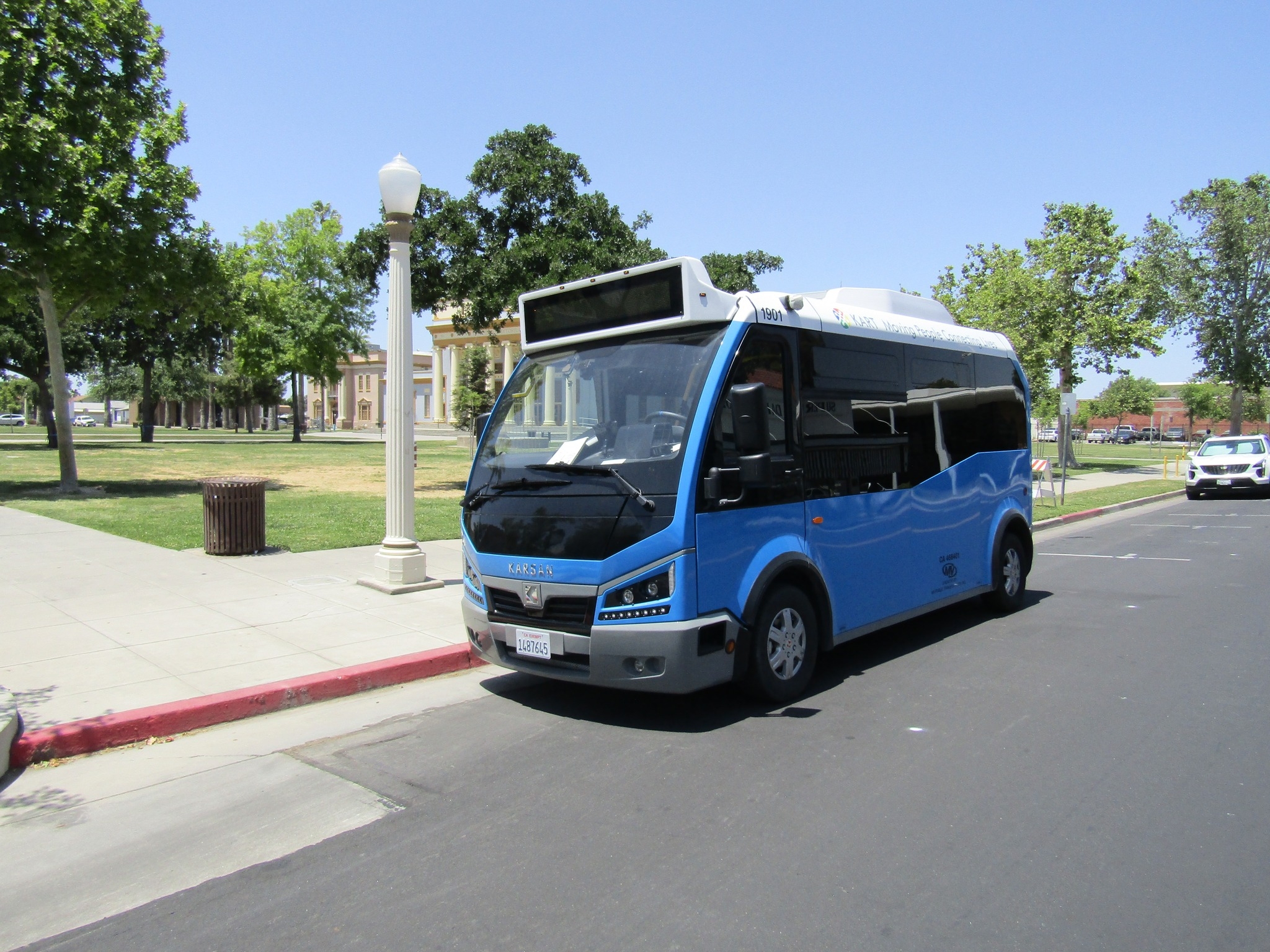
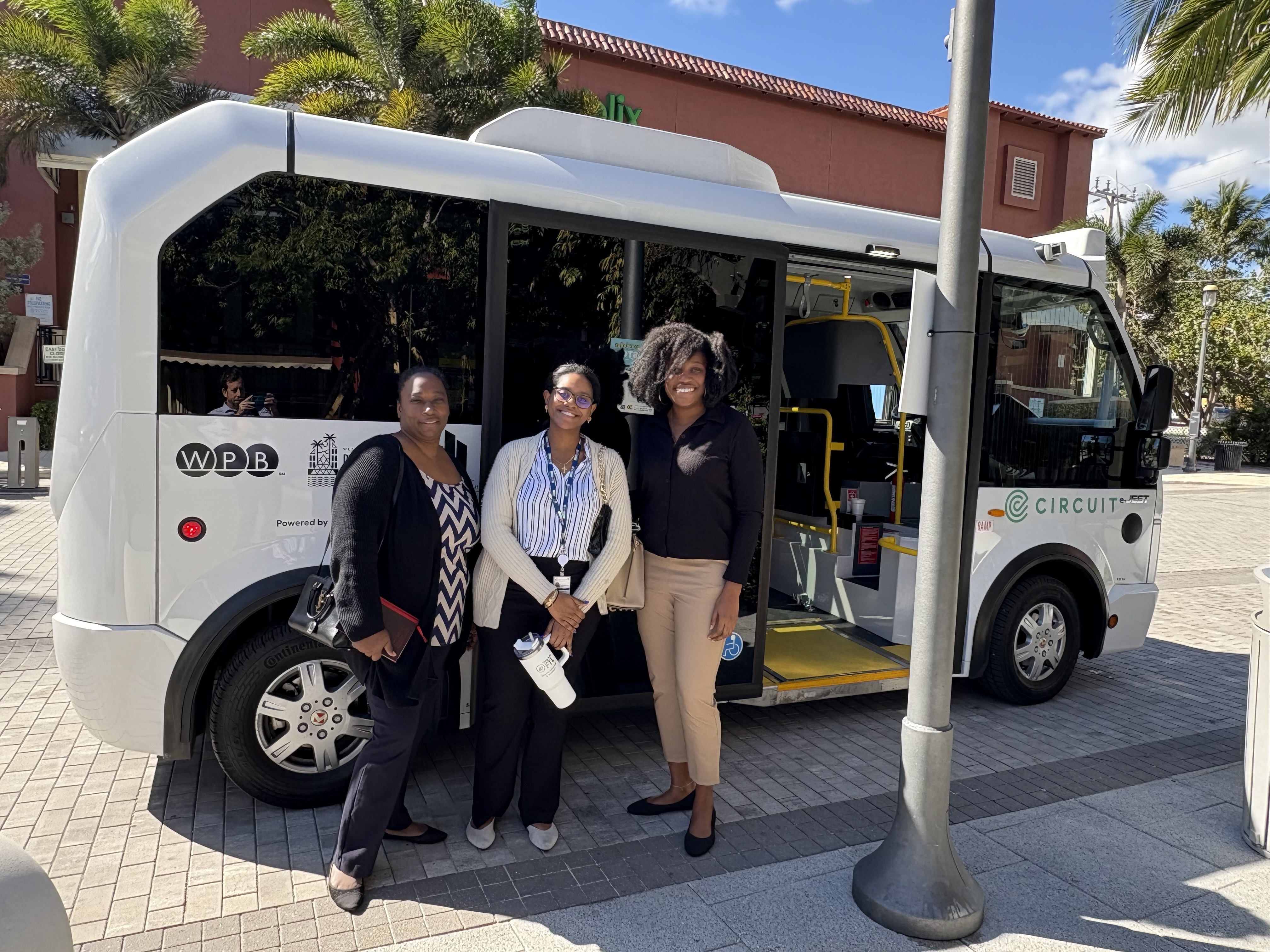
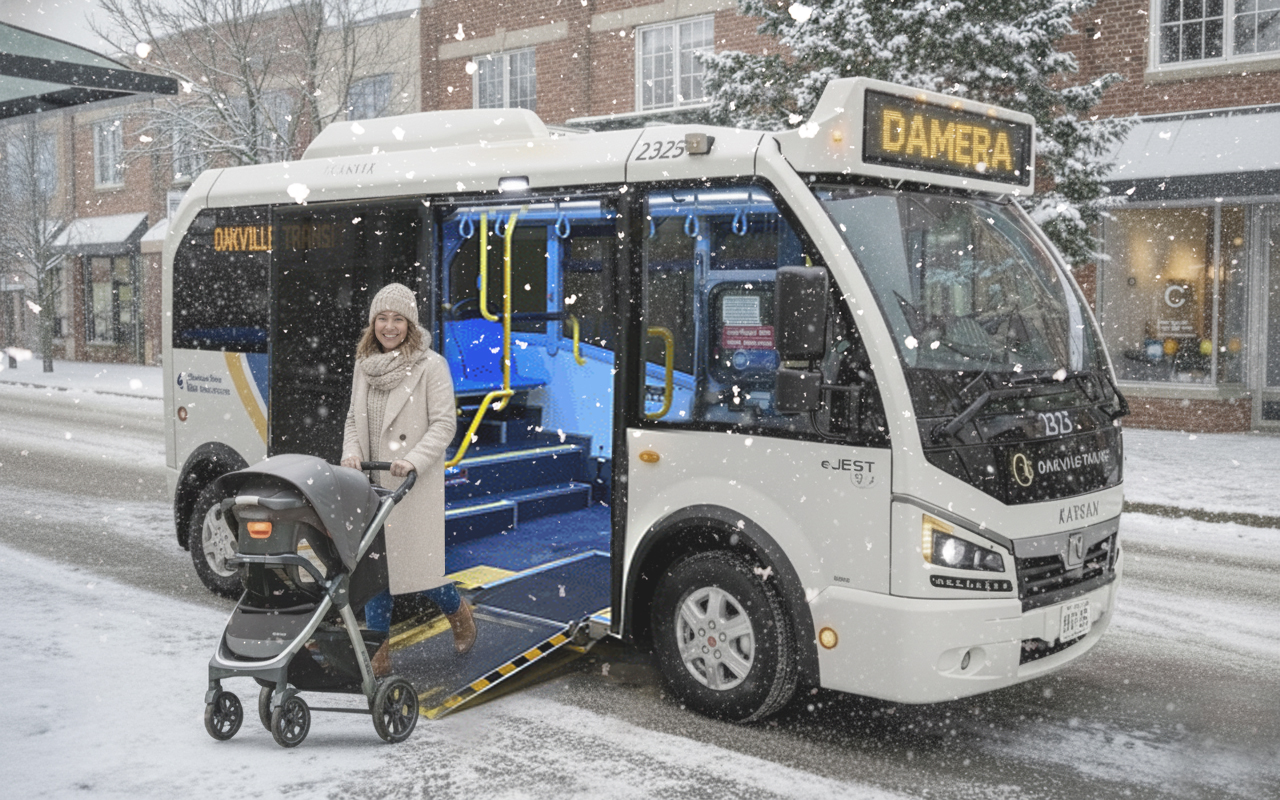
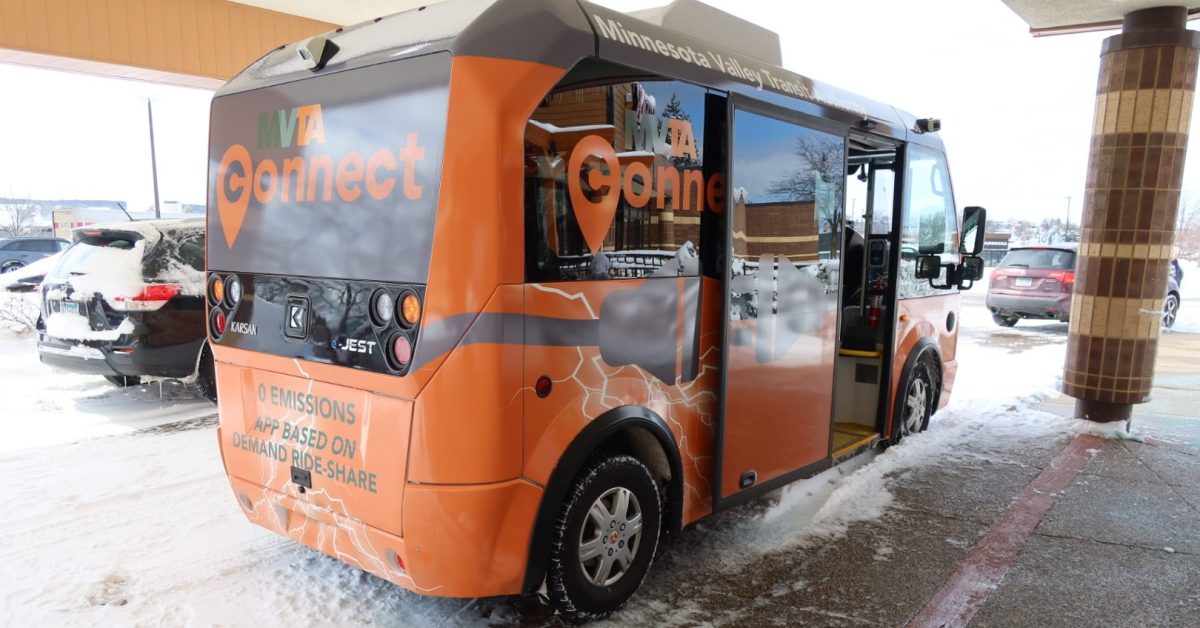
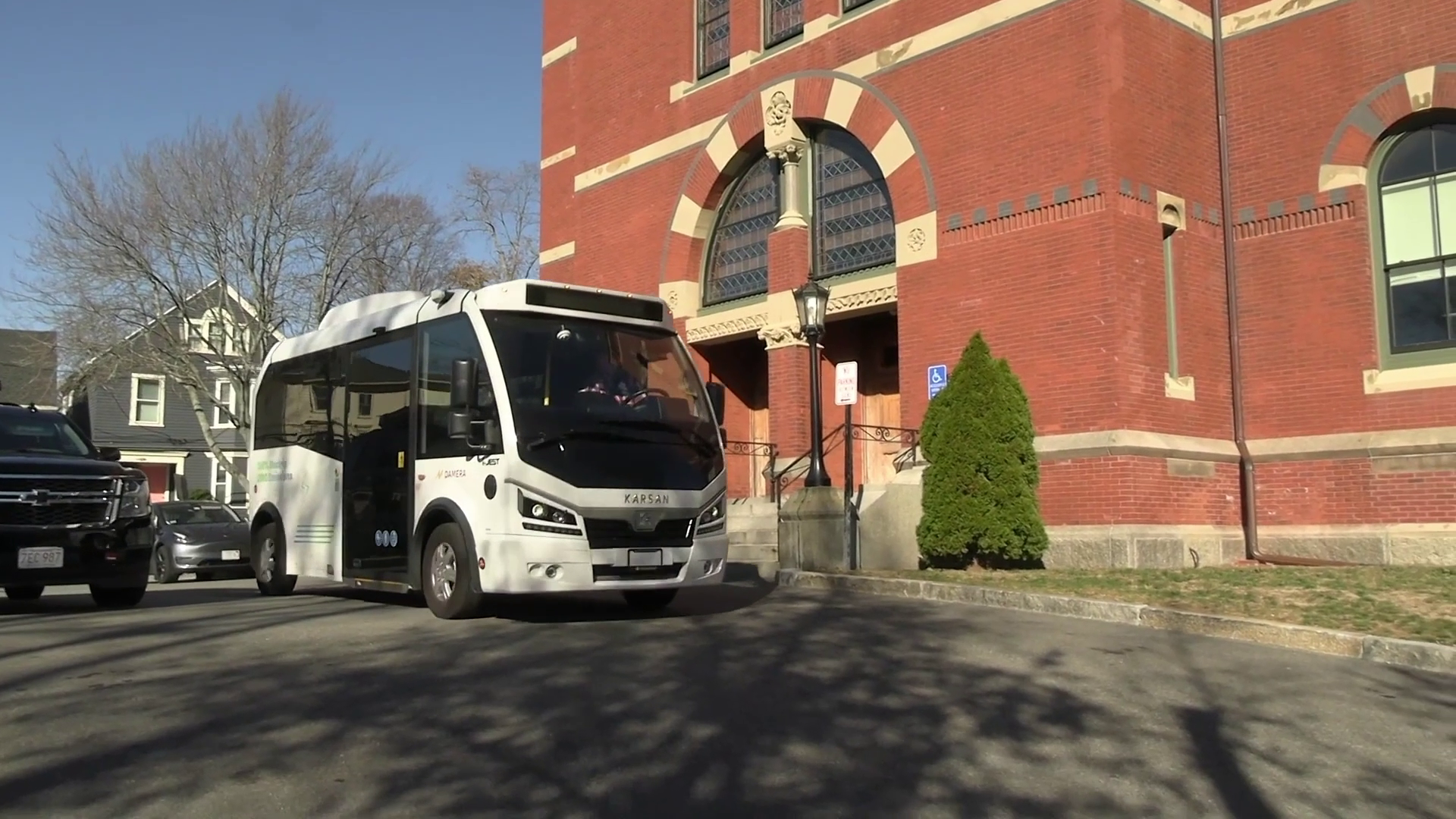
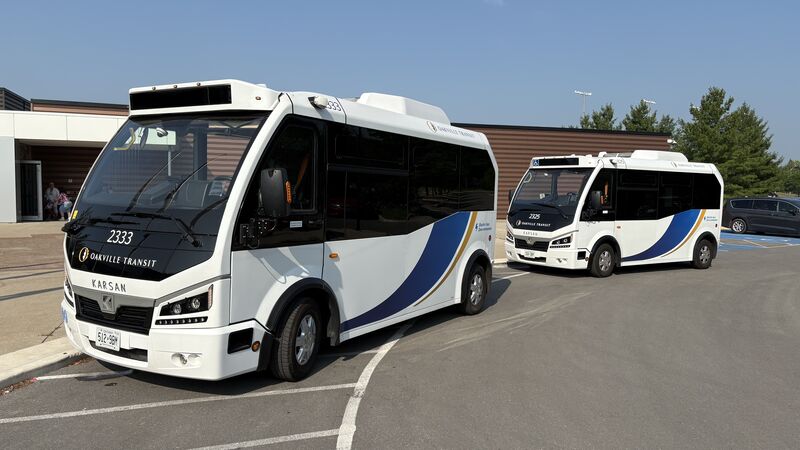
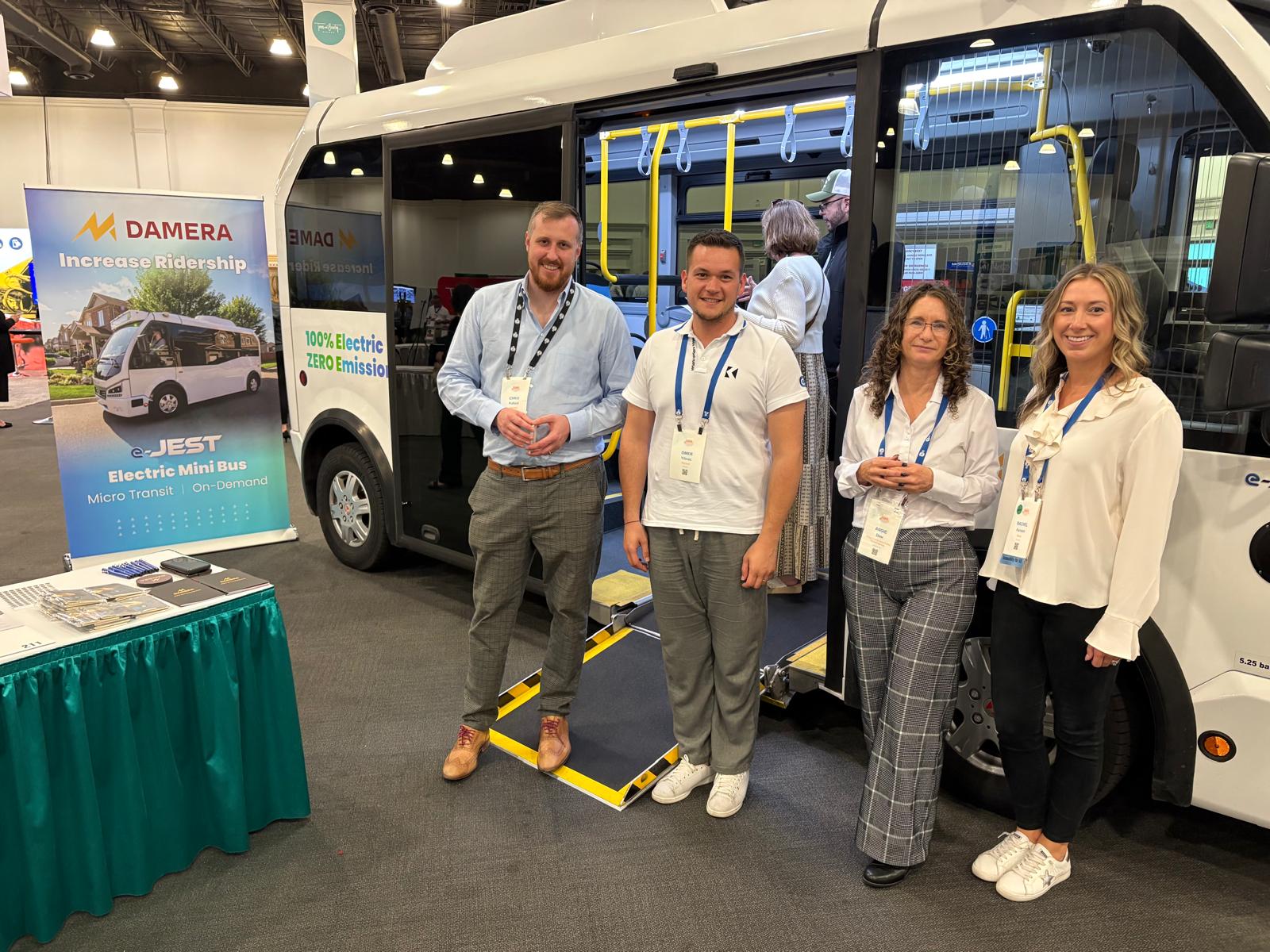
As a fully low-floor, accessible electric minibus, the eJEST is designed for environments where demand is real but variable — suburban routes, campus circulation, feeder services, on-demand zones, and community transit. Its size aligns capacity with actual ridership, allowing agencies to increase frequency and coverage before increasing fleet size.
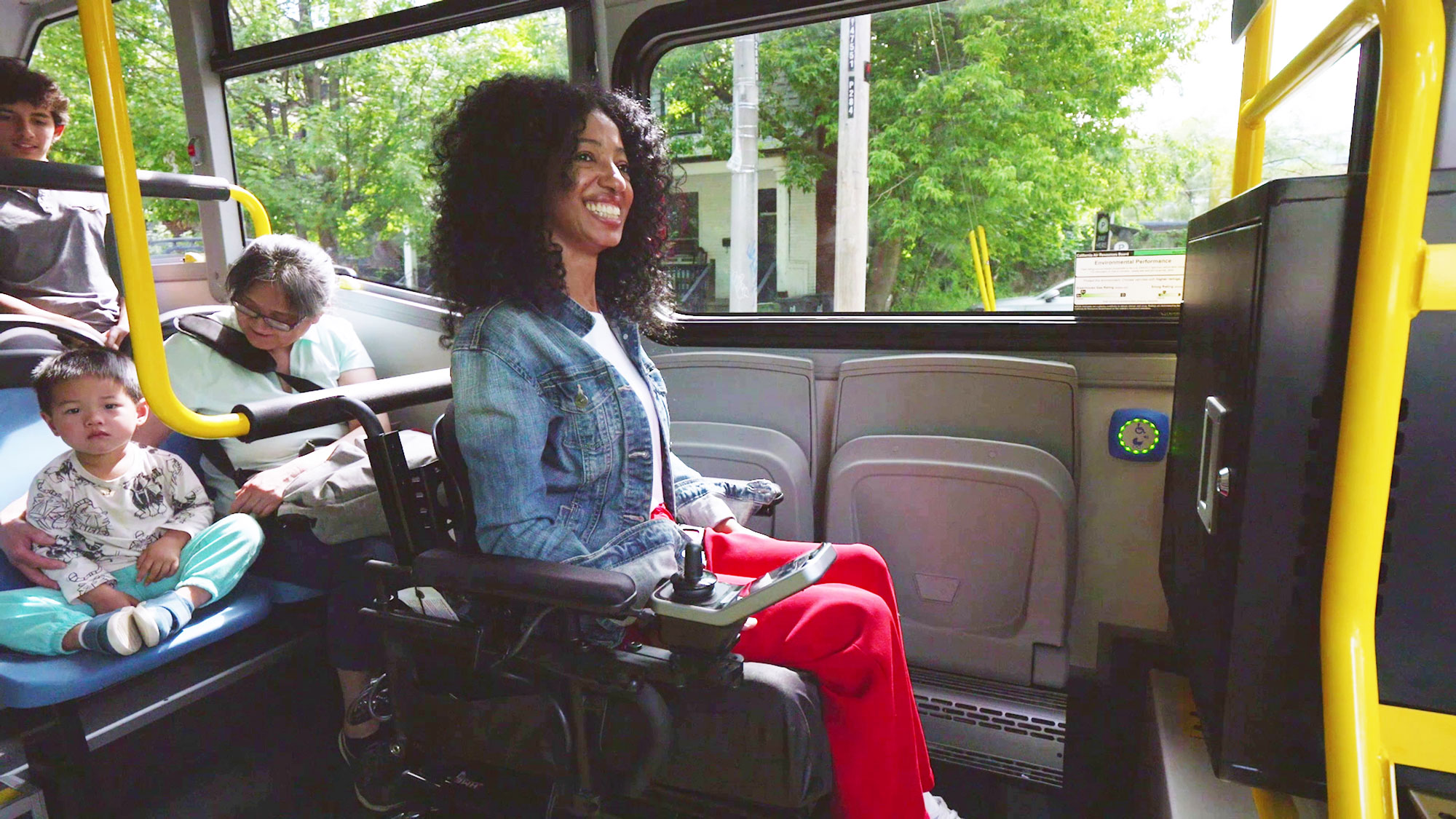
This alignment reduces underutilization, lowers operating cost per passenger, and supports service models that riders are more likely to trust and use.
Core Parameters of Scalability in Electric Transit
Scalable electrification depends on several interrelated factors:
- Vehicle size aligned with demand
Right-sized capacity prevents empty runs and enables higher frequency before fleet expansion.
- Predictable duty cycles and usable range
Vehicles must complete daily service reliably without mid-day disruption.
- Incremental charging infrastructure
Scalable fleets avoid full depot rebuilds upfront and allow charging to grow with service.
- Operational simplicity
Straightforward routing, manageable schedules, and minimal early-stage complexity reduce risk.
- Workforce flexibility
Vehicles that are easier to operate and staff support expansion without increasing labor strain.
- Data visibility
Real operational data is essential for validating assumptions and justifying growth.
- Cost-controlled entry point
Lower upfront risk makes it easier to begin and easier to continue.
- Multi-use capability
One platform supporting multiple service types protects long-term investment.
- Future readiness
Scalable platforms must be able to evolve with new service models and technology.
Scalability allows agencies to expand route by route or zone by zone — without changing vehicles, rebuilding infrastructure, or resetting strategy.
Telematics: Turning the First Vehicle into a Planning Tool
When an agency deploys its first electric bus, that vehicle becomes a live feasibility study.
Embedded telematics replaces assumptions with evidence.

The Karsan eJEST comes equipped with ZF telematics, giving agencies direct visibility into how the vehicle performs in everyday service. This includes real-world range behavior, route-level energy consumption, charging patterns, dwell times, and vehicle readiness.
With this data, agencies can:
- Confirm usable range instead of relying on specifications
- Understand seasonal and auxiliary load impacts
- Align charging schedules with operations
- Identify opportunities for higher frequency or extended hours
- Support funding and expansion decisions with documented performance
Telematics transforms the first vehicle into a reference point for scaling — reducing risk and enabling informed decisions.
Charging Without Overbuilding
Charging infrastructure is often the longest lead-time and highest-uncertainty element of electrification. Permitting, utility coordination, and construction can delay deployment even when vehicles are ready.
Right-sized electric vehicles change this equation.
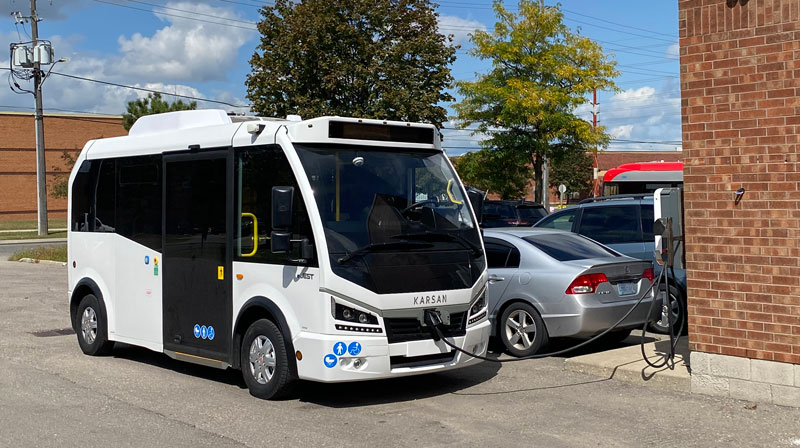
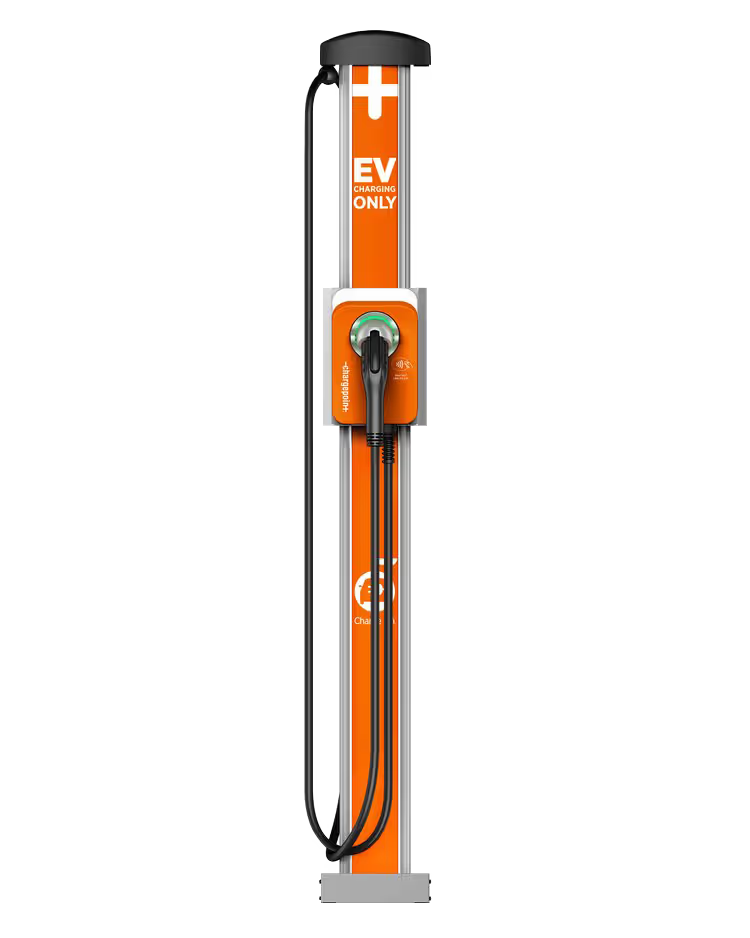
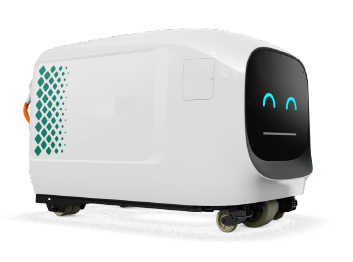
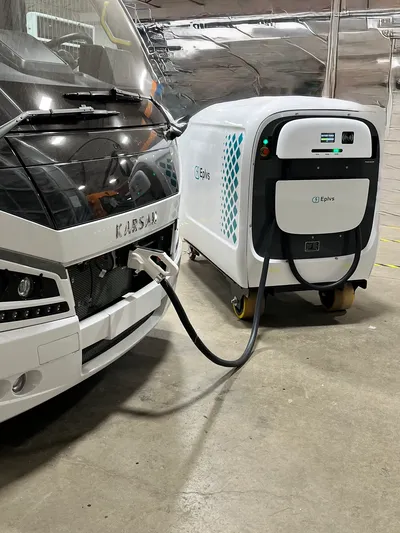
With predictable duty cycles and manageable energy requirements, the eJEST allows agencies to begin electrification without major electrical upgrades. Charging can be supported through widely available DC solutions such as ABB Wallbox DC, ChargePoint CPF 50, or WAV Energy mobile chargers.
Telematics then confirms when, where, and how often charging is actually needed — allowing infrastructure to scale alongside service rather than ahead of it.
Ridership: The Measure That Enables Growth
Scalability only works if people use the service.

Right-sized transit supports ridership by delivering frequent, reliable service that feels accessible and relevant to daily life. When buses arrive on time, are easy to board, and match the scale of their environment, riders build trust. Trust leads to repeat use — and repeat use justifies expansion.
This feedback loop enables agencies to extend hours, increase frequency, and expand coverage with confidence.
For cities, this supports broader goals: equitable access to jobs and education, reduced congestion and emissions, stronger neighborhood connectivity, and flexibility to respond to tourism, events, and seasonal demand.
Scalable transit isn’t about building bigger systems — it’s about building systems people actually use.
Reducing Friction Through Digital Access
Digital platforms further reduce barriers to ridership.
Apps that allow trip requests, vehicle tracking, and simple payment make transit more predictable and easier to choose.

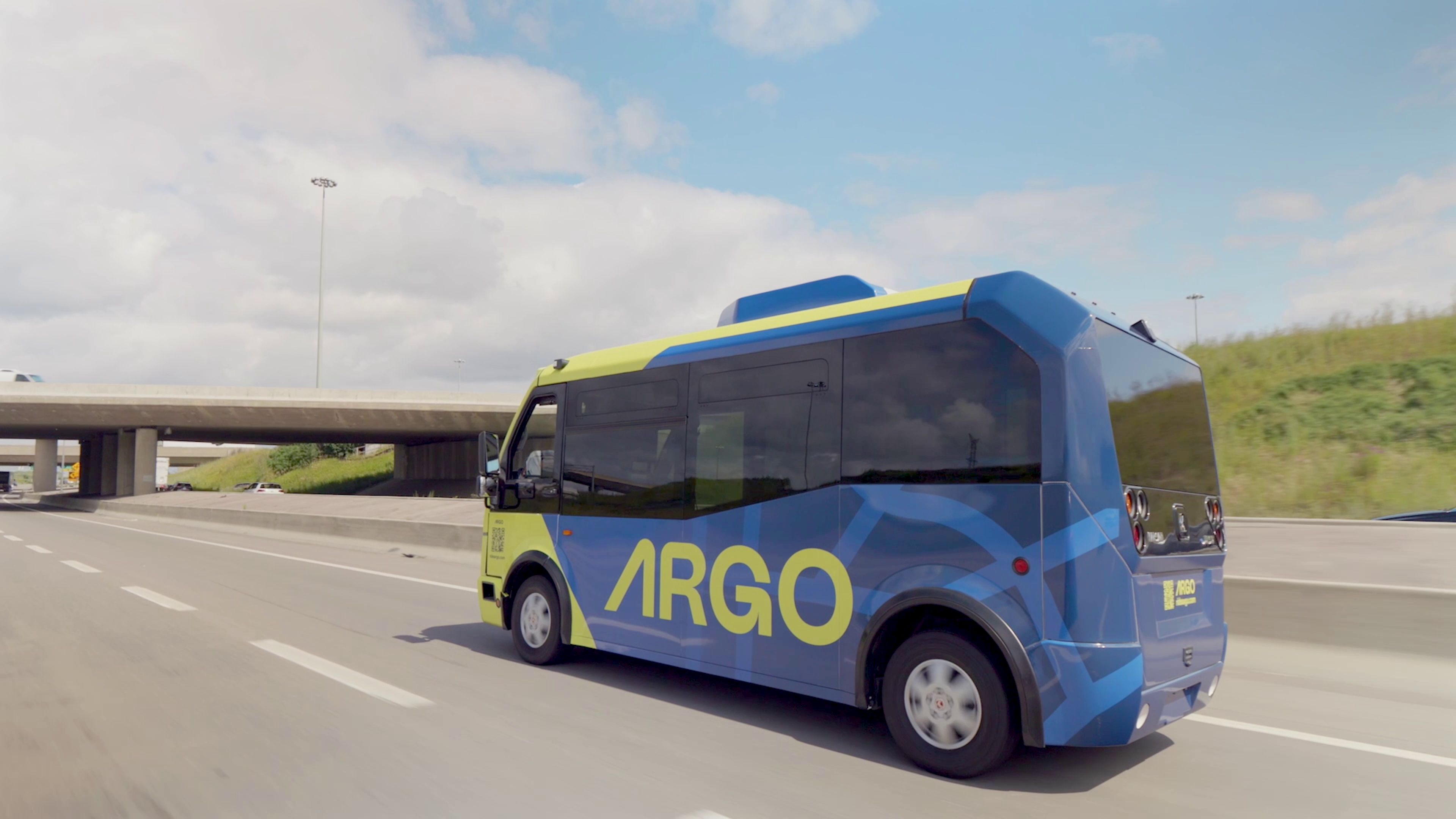
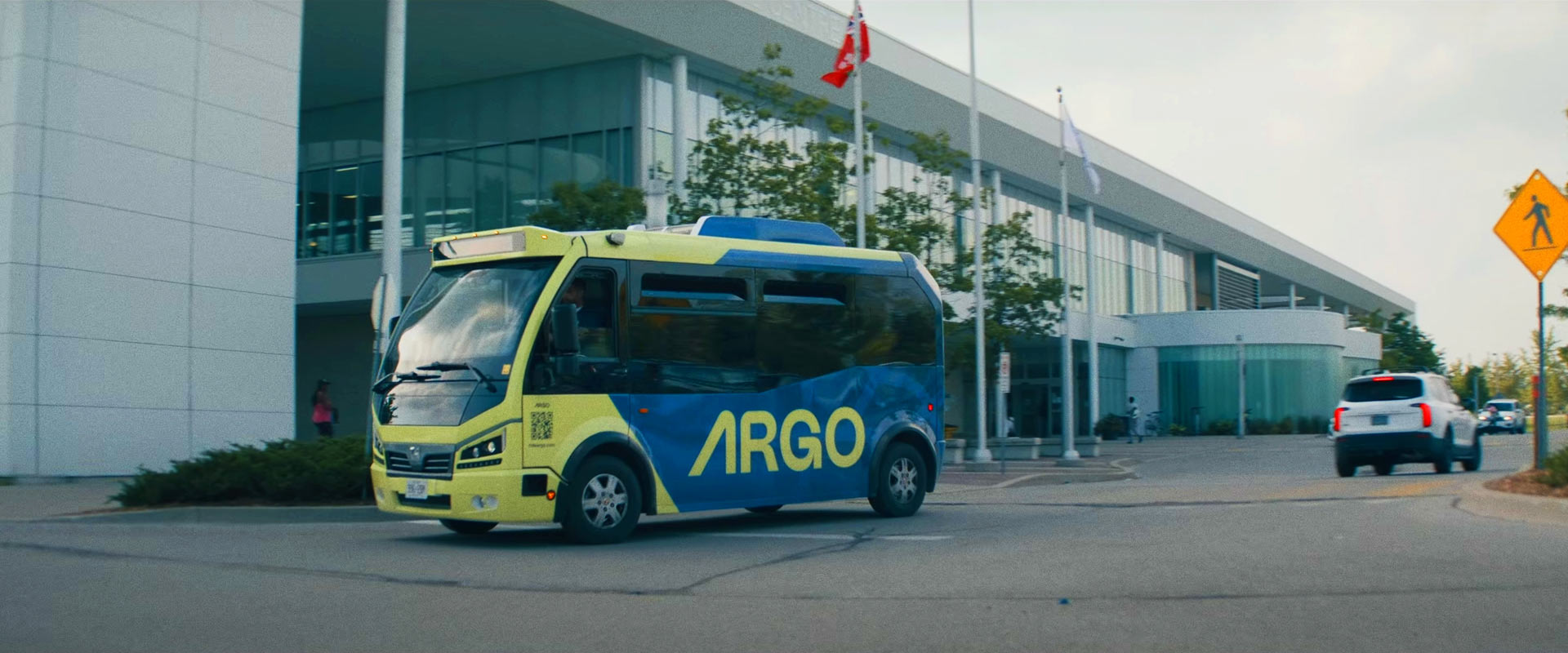
For agencies, platforms like Argo align supply with real demand through smart routing and dynamic dispatch. Combined with right-sized vehicles, this enables higher frequency without higher cost — one of the strongest drivers of ridership growth.
Operational data from these systems also feeds continuous improvement, refining service and strengthening rider confidence over time.
A Partner for Long-Term Transit Success
For us at Damera, scalability is not a concept — it’s a responsibility.
We focus on building transit systems that can grow sustainably, supported by proven vehicles, real data, and long-term service readiness. With decades of experience supporting heavy-duty fleets, strong technical teams, and established parts availability, we help agencies move from first deployment to confident expansion.
If you’re exploring electrification, the goal isn’t to move fast — it’s to move forward with certainty.
We’re here to help you do that.









.jpeg)









.jpeg)


.jpg)


.svg)