


.svg.avif)




-p-500-p-500.avif)









EV Buses

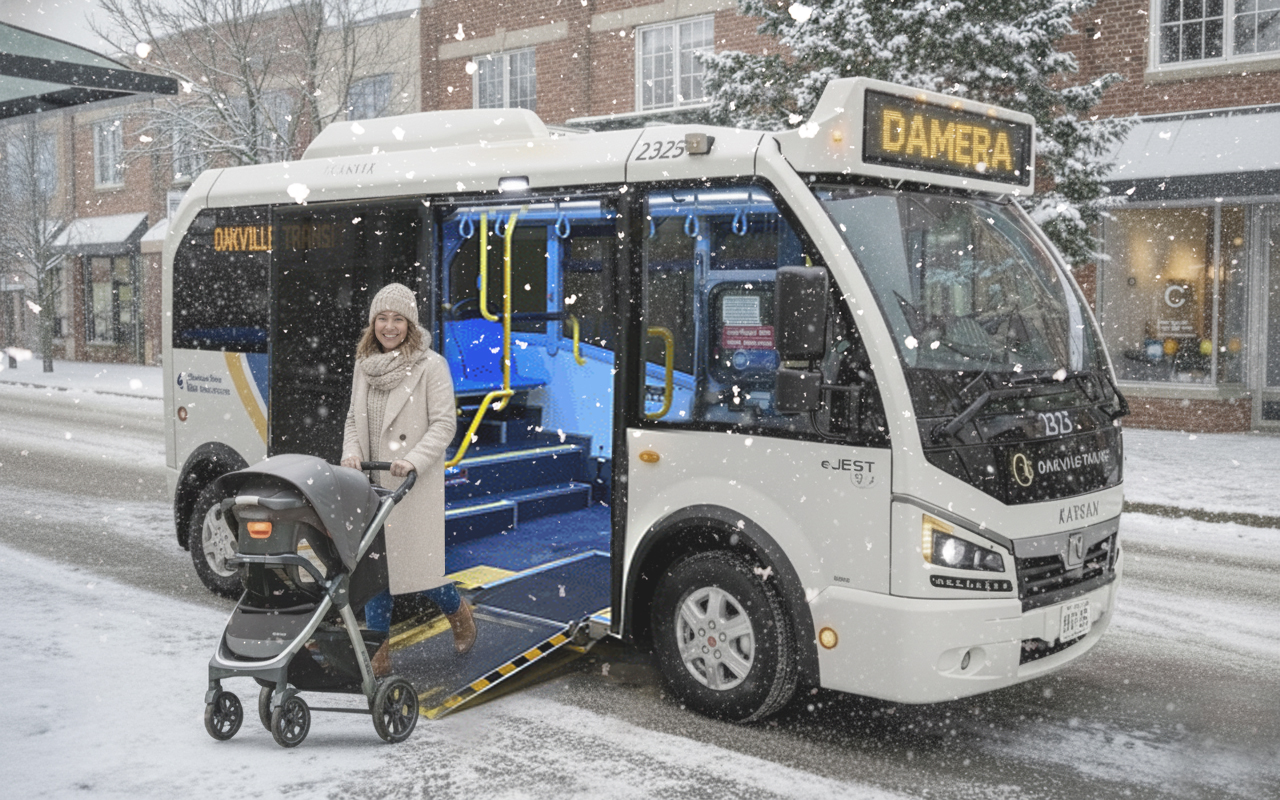
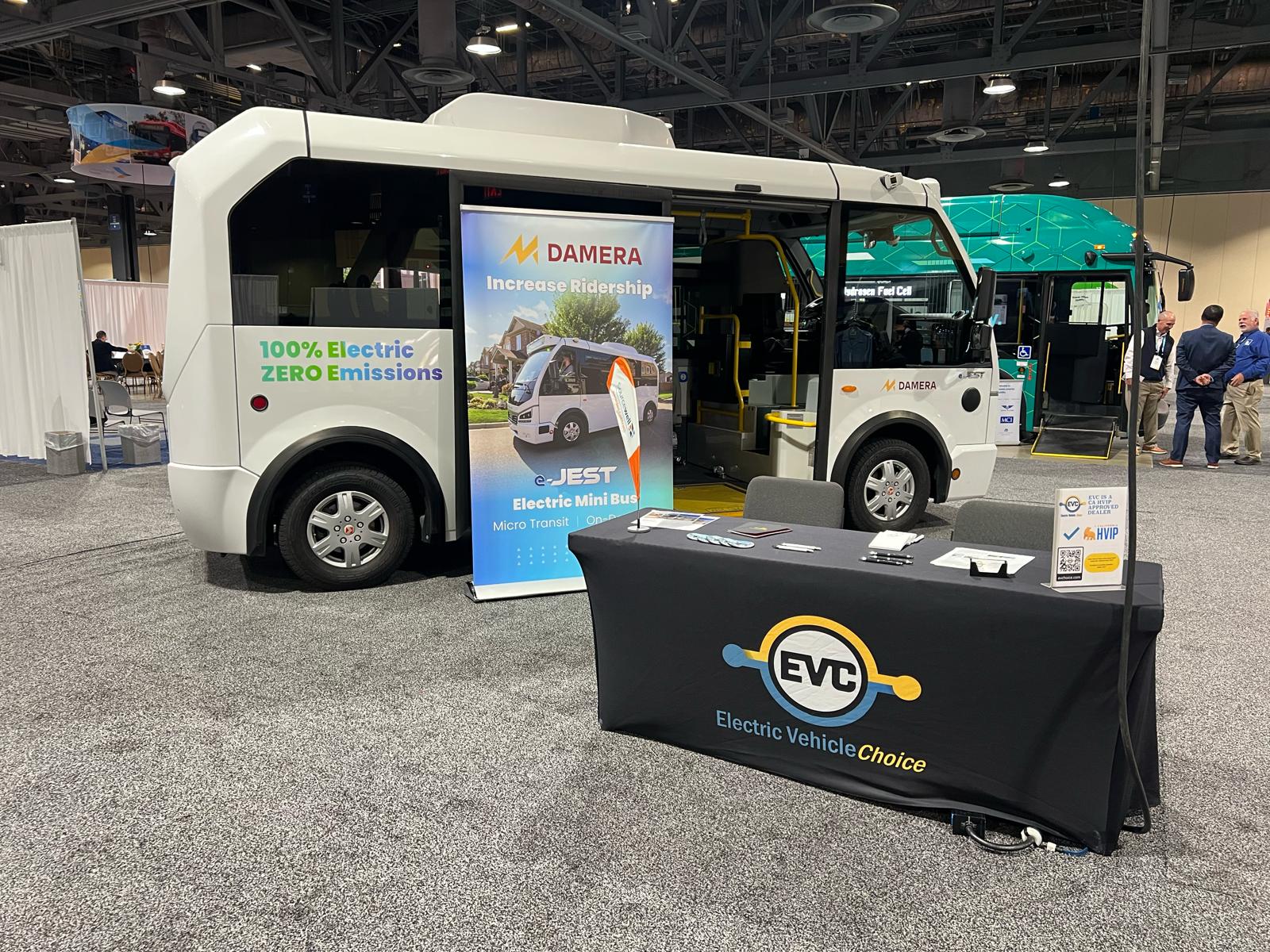
A quiet, efficient, fully accessible electric minibus. The eJEST delivers exceptional maneuverability, low operating costs, and smooth passenger experience.
Built on the proven eJEST platform and automated by ADASTEC, this Level-4 autonomous minibus brings reliable, safe, and fully accessible automated transit to real-world routes.


Chargers

All Chargers
Explore all charging options on one page
Services
TUV Level 3
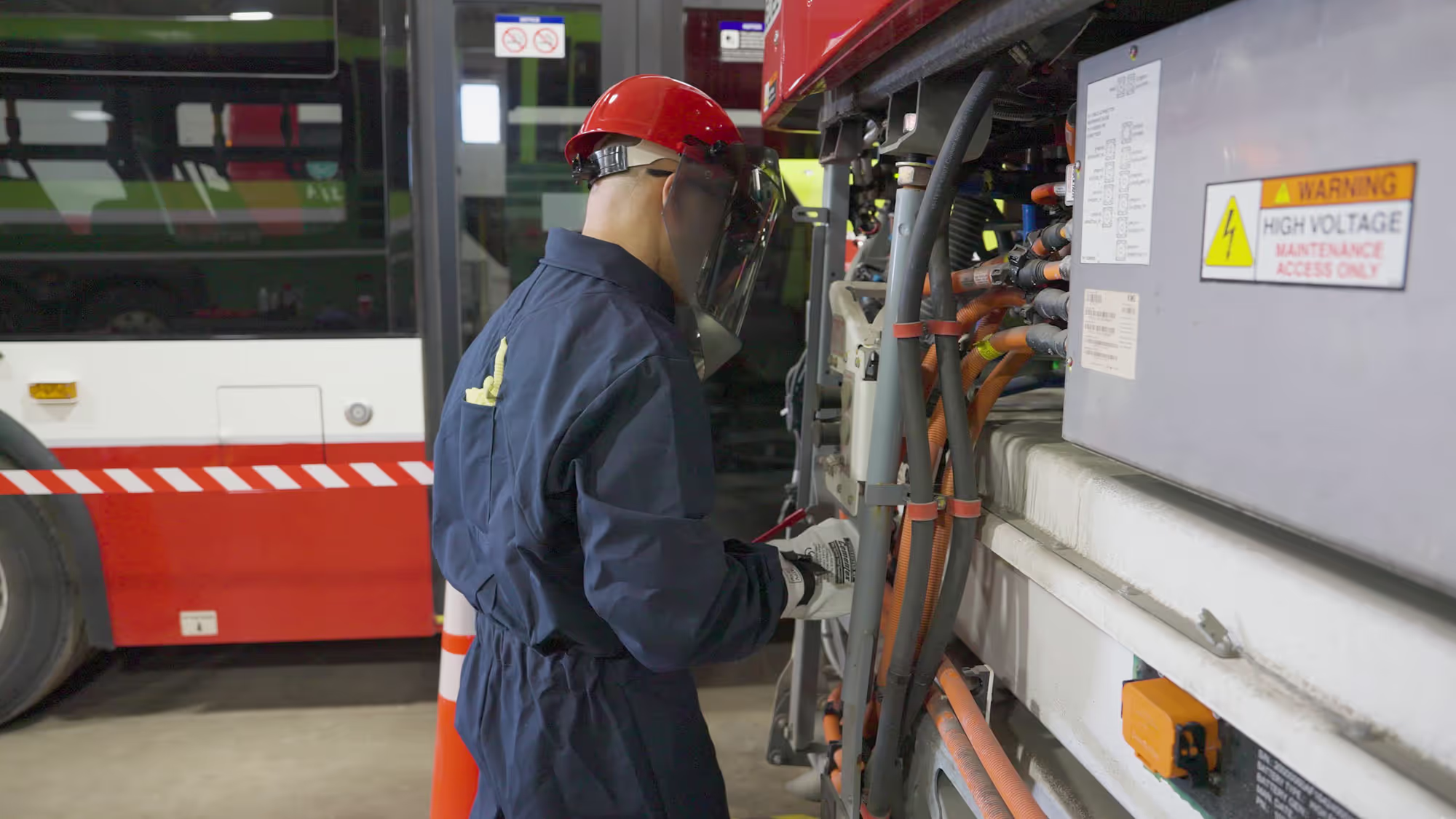
High Voltage Training

Work safely and effectively with high-voltage systems

Charger Installation
Contributes to the seamless integration of electric vehicles

Electrical Engineering
Get your skills in electrical engineering tailored to the transit industry
Bus Service (MBCT)
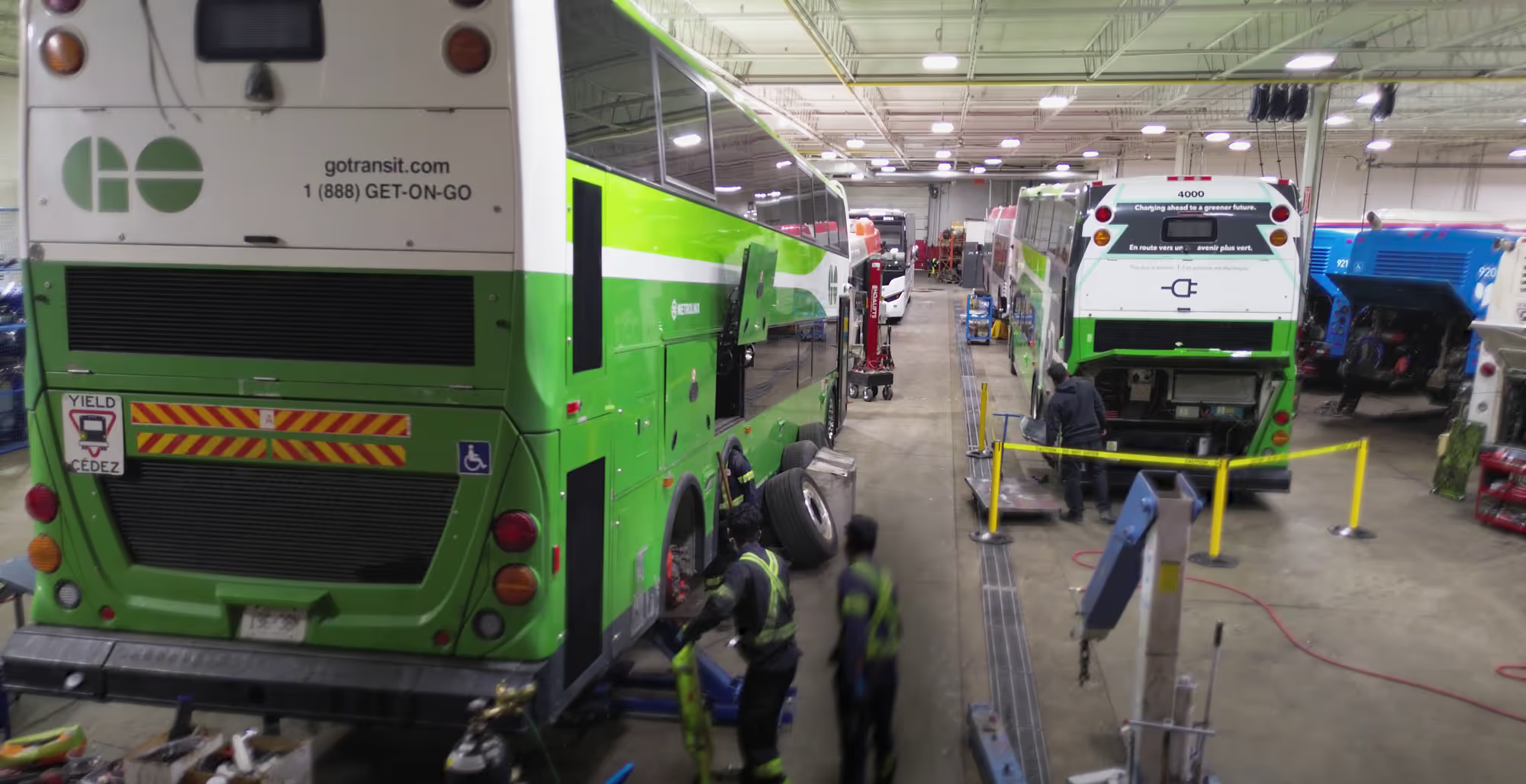
Comprehensive bus service ensuring reliable maintenance, repairs, and safety compliance.
MICROTRANSIT

Paratransit Buses
Learn more about our paratransit vehicles and how we’re improving mobility for people with disabilities and underserved riders.

Micromobility Buses
Discover how our buses support both paratransit needs and provide efficient service in low-ridership areas.

Minibuses for Campuses
Learn how modern electric minibuses create smoother, safer, and more convenient transportation for students and staff.

.svg)
There is no previous post
Previous Post
Next Post
There is no next post
eJEST and Operational Consistency: Why Service Stability Matters
No items found.
Operational consistency is one of the most underestimated drivers of transit system performance. Riders experience reliability not through specifications or fleet size, but through what happens day after day: buses arriving when expected, headways holding, and service adapting smoothly when demand shifts.
For transit agencies, consistency is what transforms planning into trust. When vehicles remain dependable, agencies can protect frequency, maintain schedules, and respond to seasonal or demand-driven changes without triggering cascading disruptions across the network. This stability is especially critical in today’s operating environment, where ridership patterns are more variable and resources are under pressure.
Why Consistency Is an Operational Advantage
Service stability allows agencies to operate with confidence. Reliable fleets support:
- predictable headways and on-time performance
- flexible response to off-peak, seasonal, or event-related demand
- smoother scaling of service without compromising core operations
When fleets are unreliable, even well-designed service plans struggle. Missed pull-outs, extended maintenance downtime, and uneven availability erode frequency and undermine rider confidence—often at the exact moments when service demand increases.
The Role of Vehicle Size in Service Stability
Operational consistency is shaped not only by schedules and staffing, but by vehicle strategy. Right-sized vehicles give agencies more control over how service is deployed.
Smaller electric buses make it possible to:
- place more vehicles in service across multiple corridors
- maintain shorter headways without oversupplying capacity
- absorb demand fluctuations without tying up capital in excess vehicle size
Lower unit cost changes the planning equation. When vehicles are more affordable to acquire and operate, agencies can prioritize frequency and coverage instead of concentrating service into fewer, larger buses. For riders, this often matters more than vehicle size: shorter waits, consistent service, and predictable connections.
Applying Right-Sized Vehicles in Real Operations
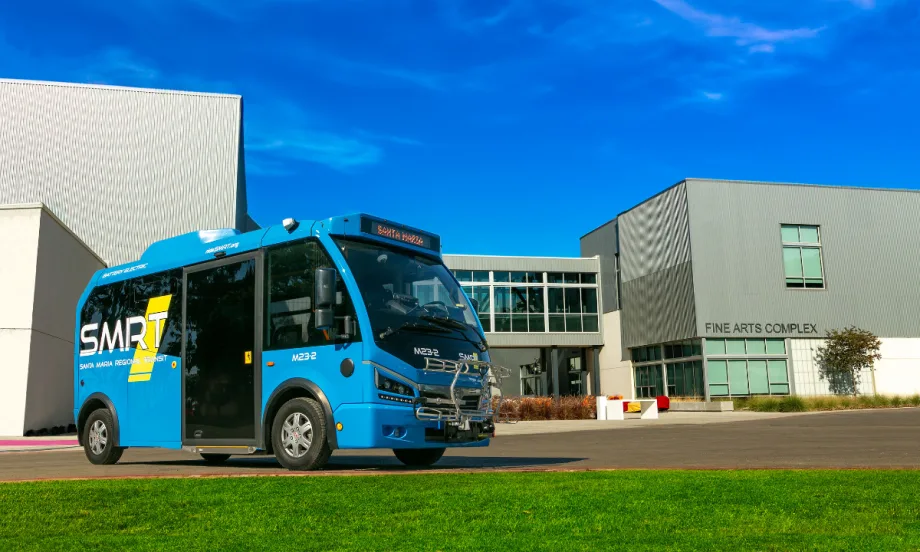
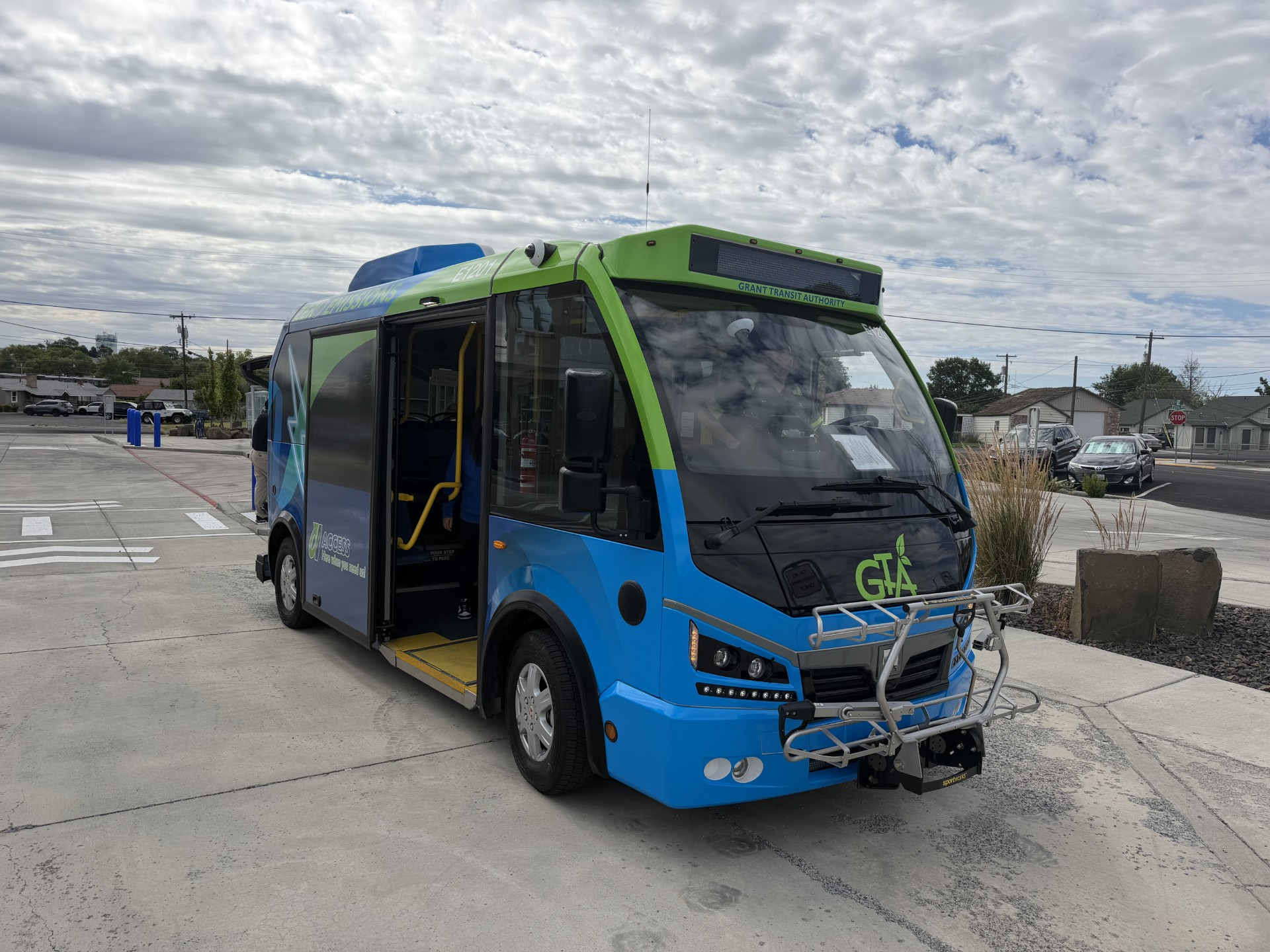
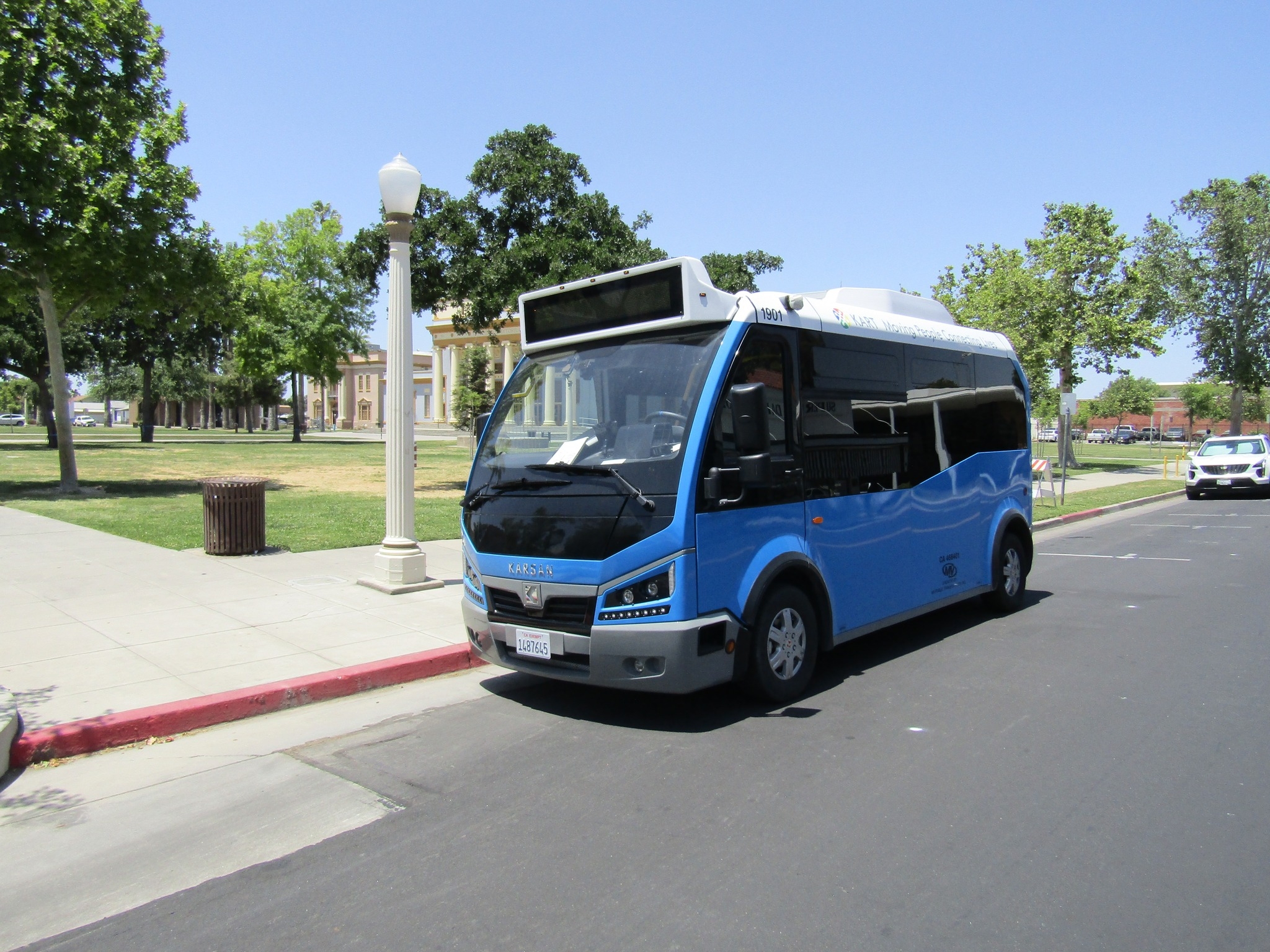
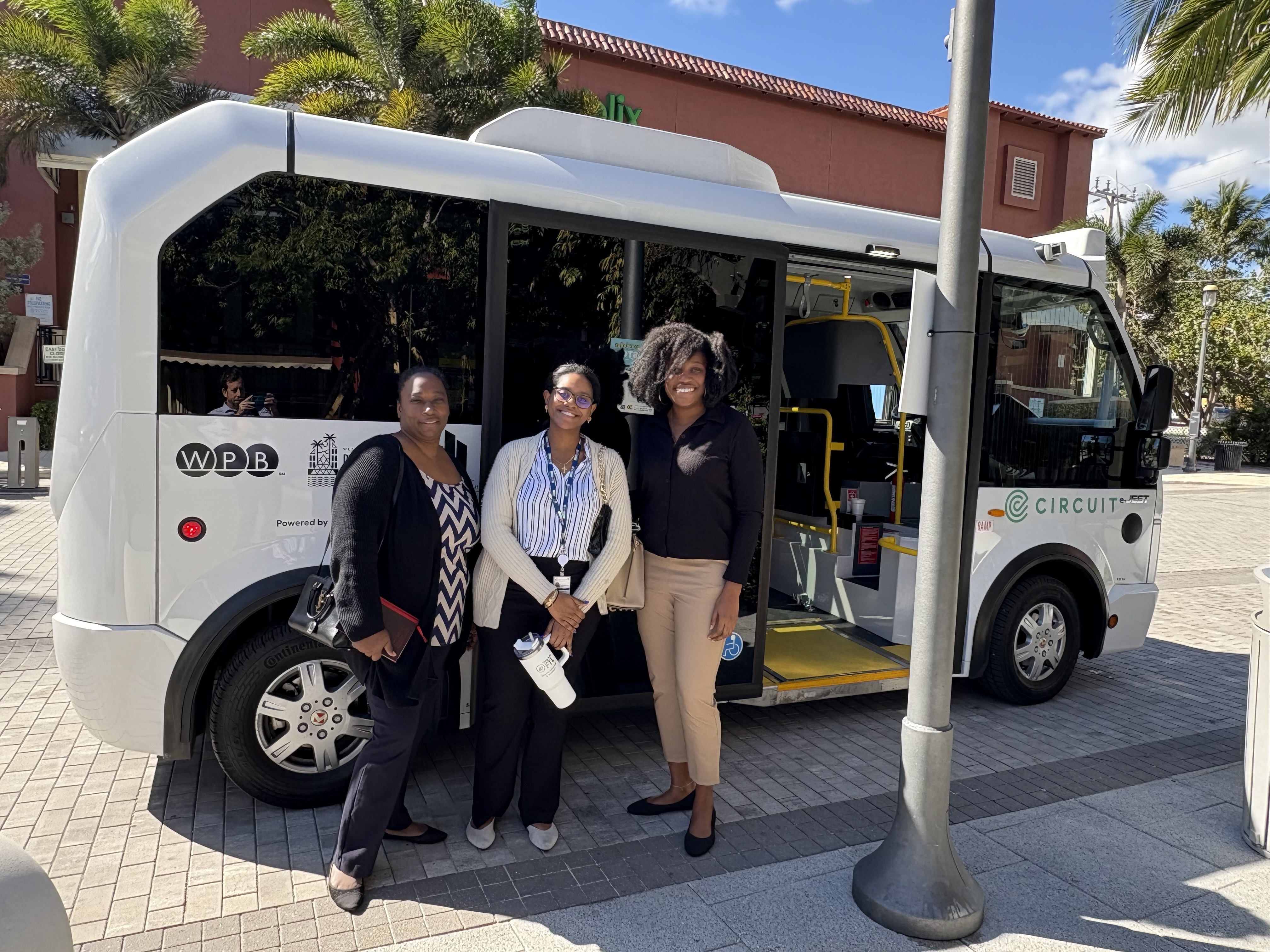
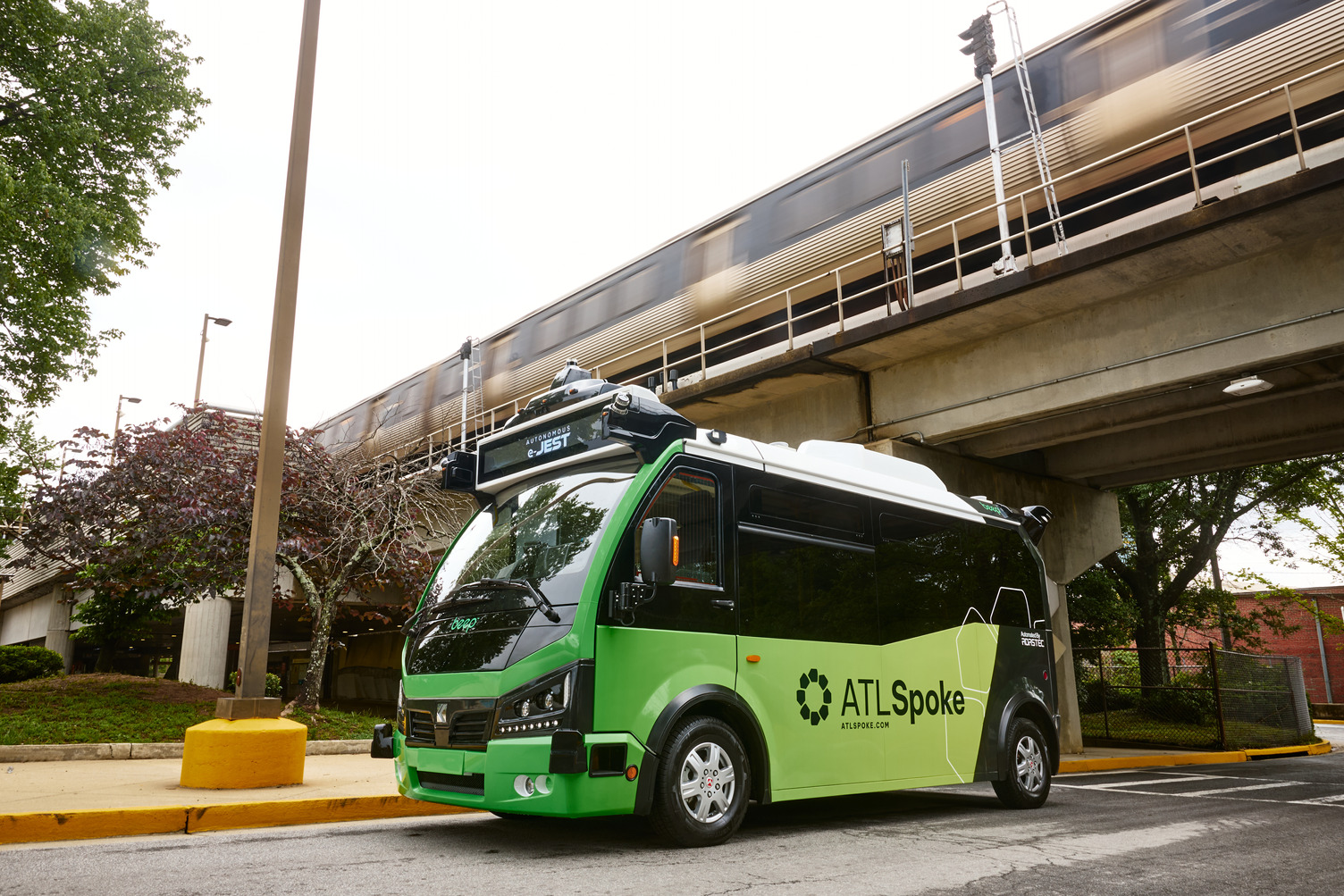
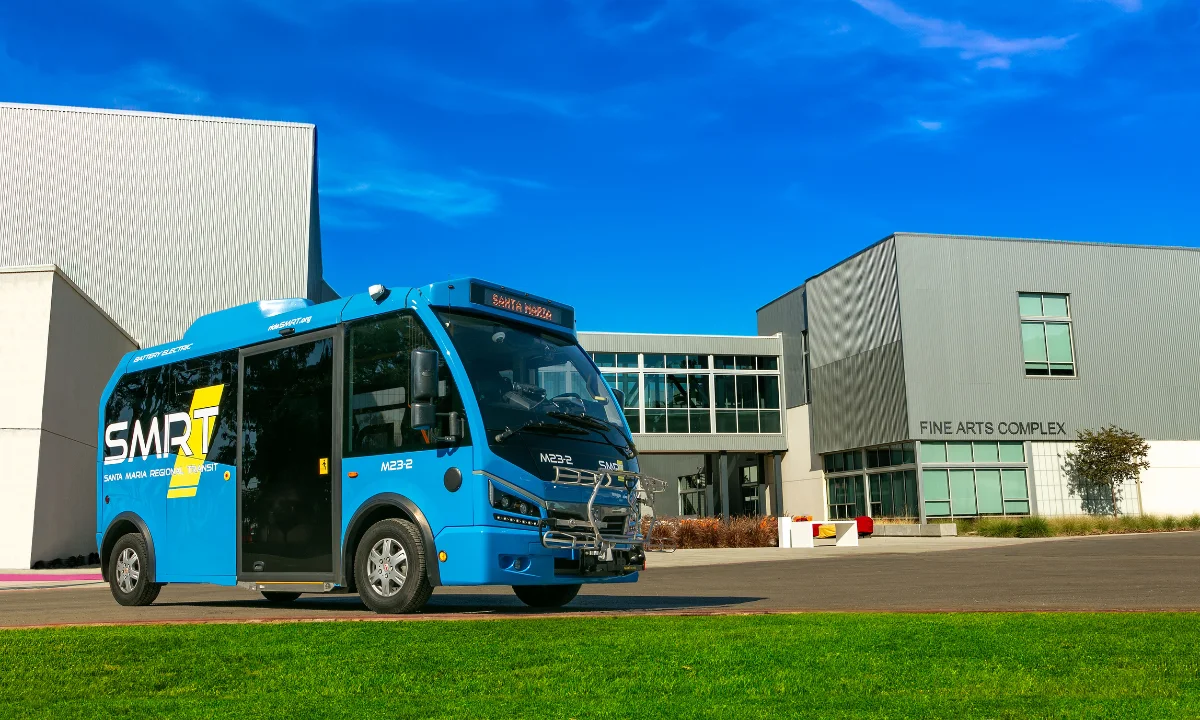
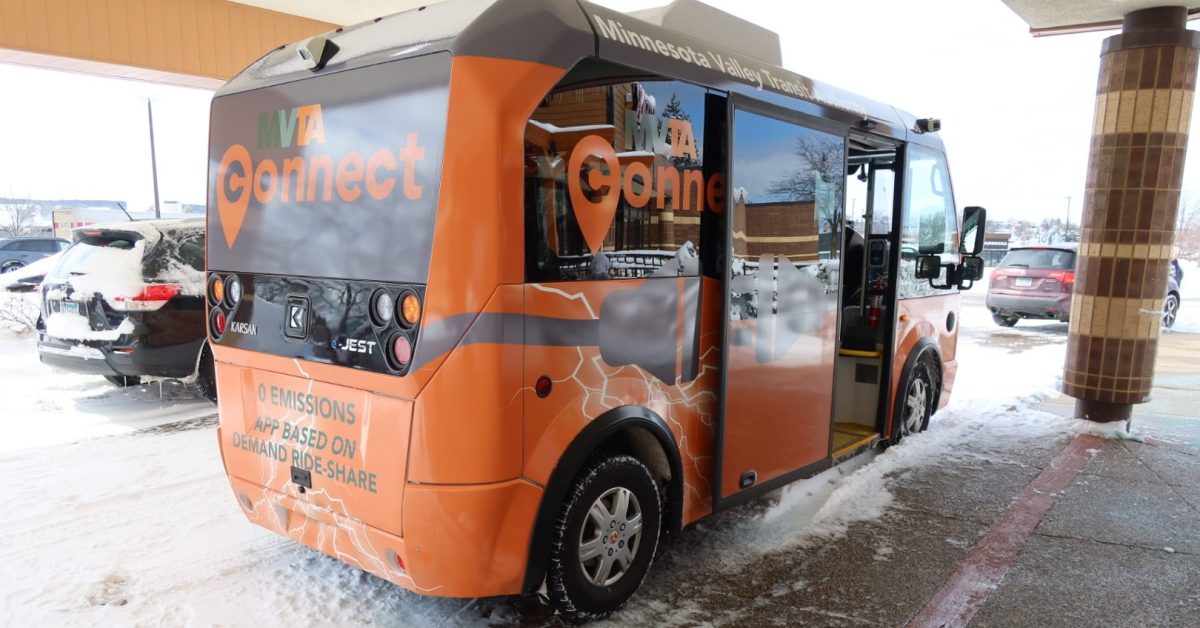
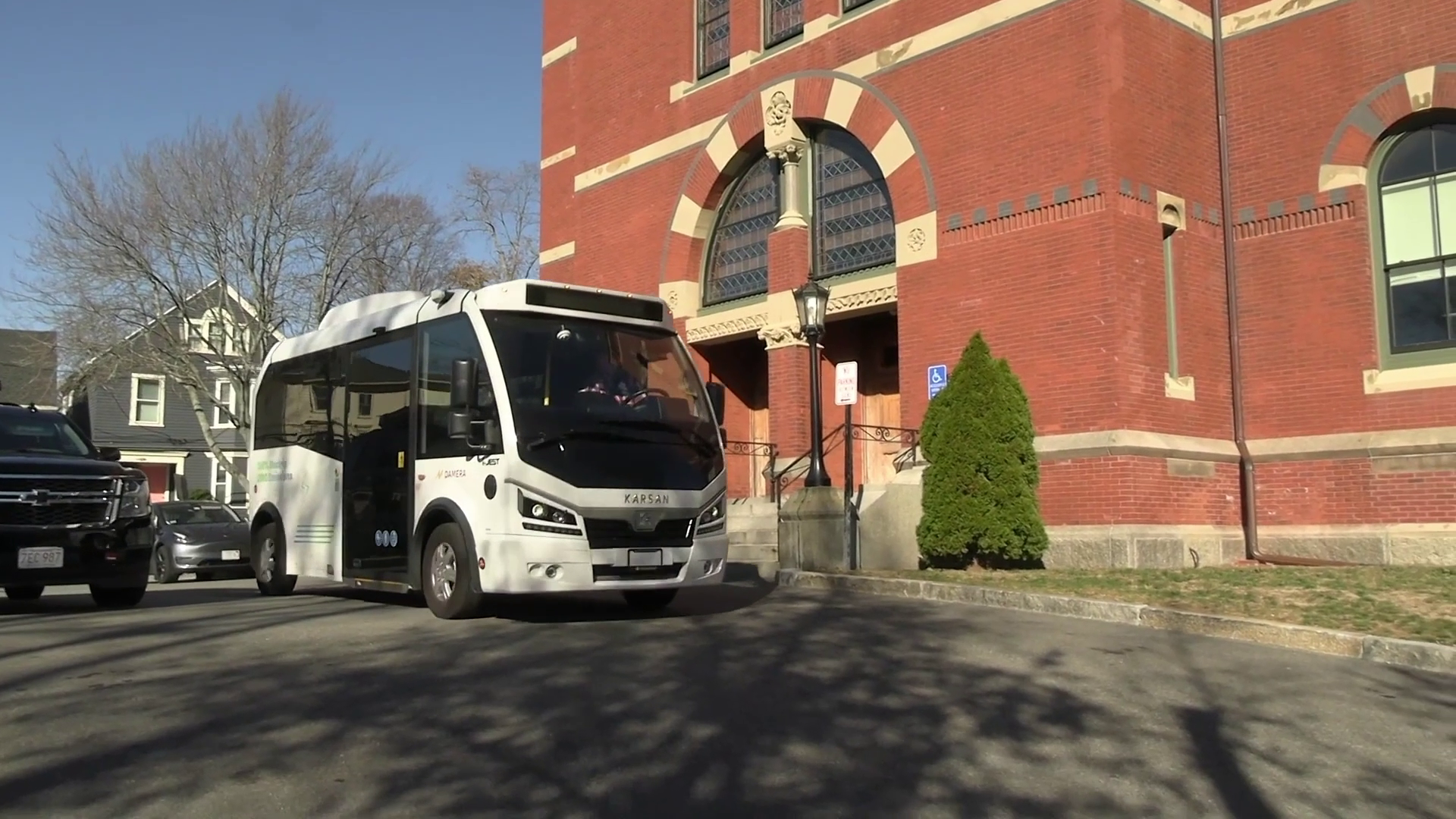
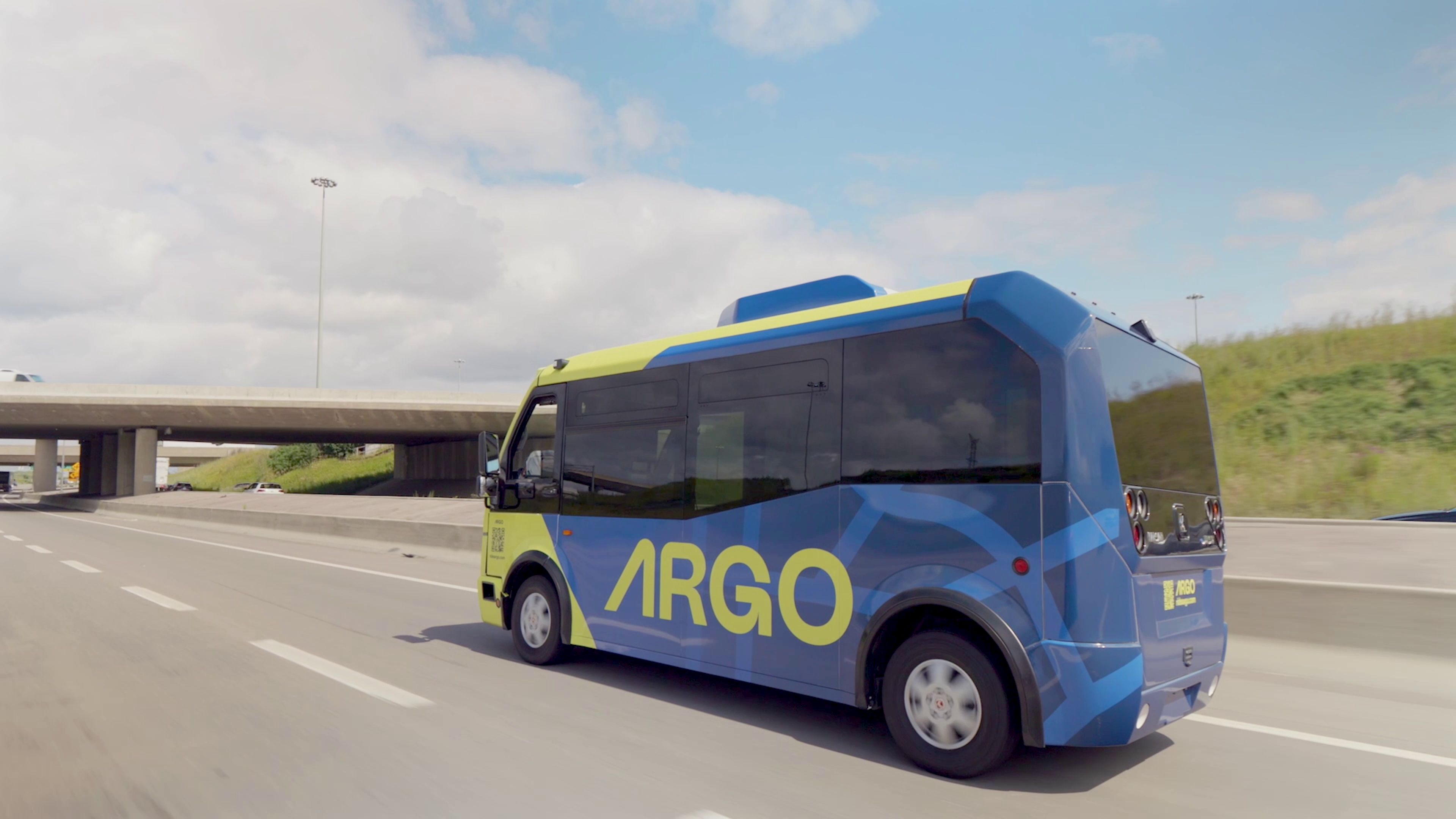
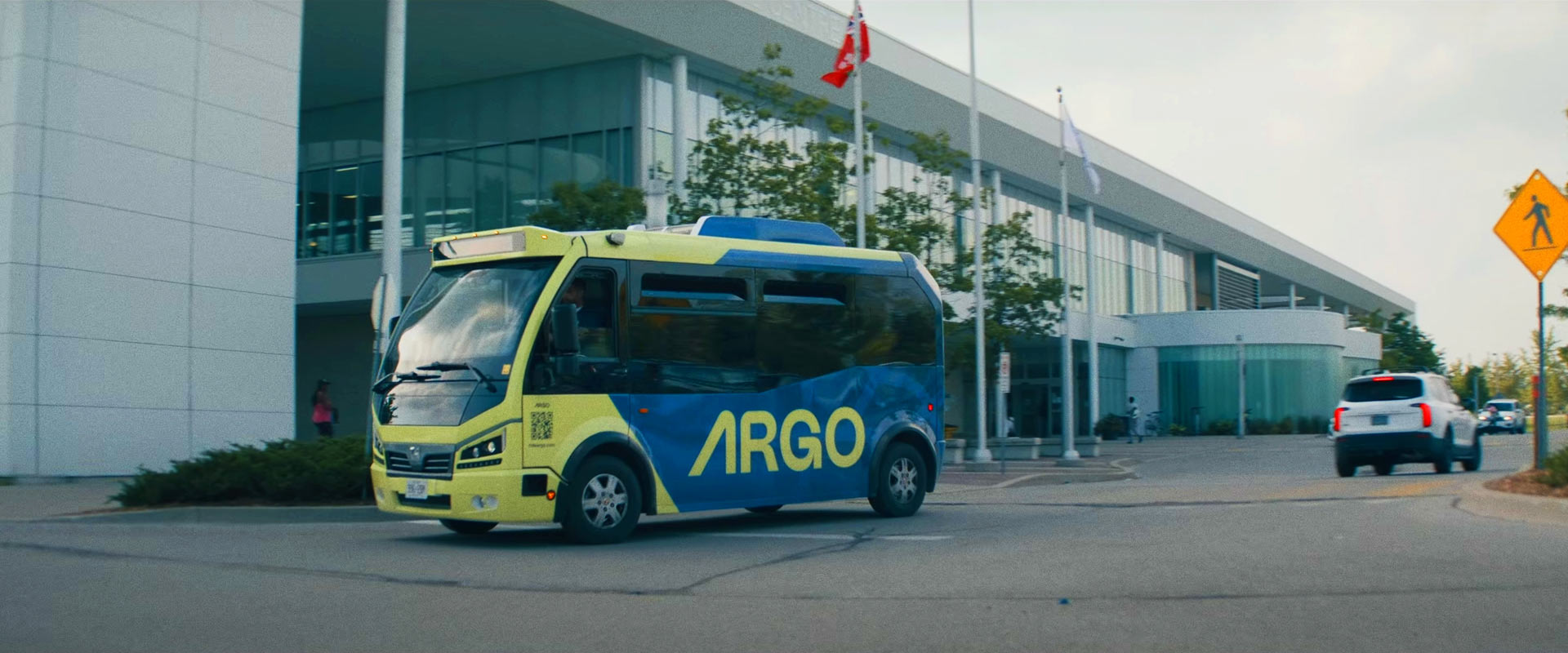
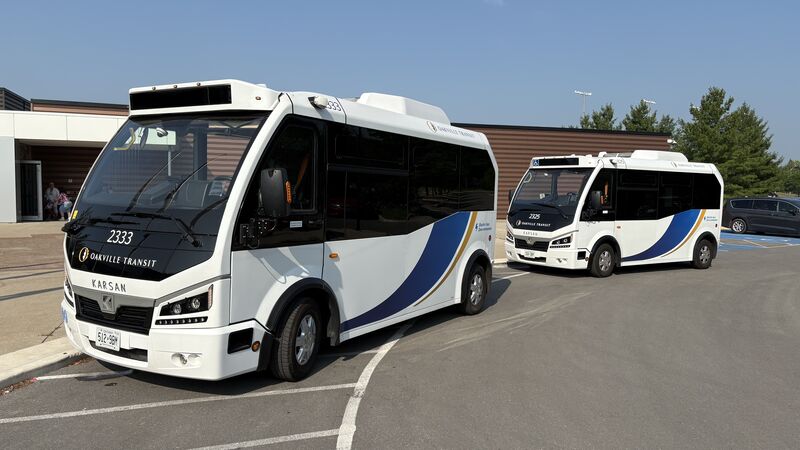
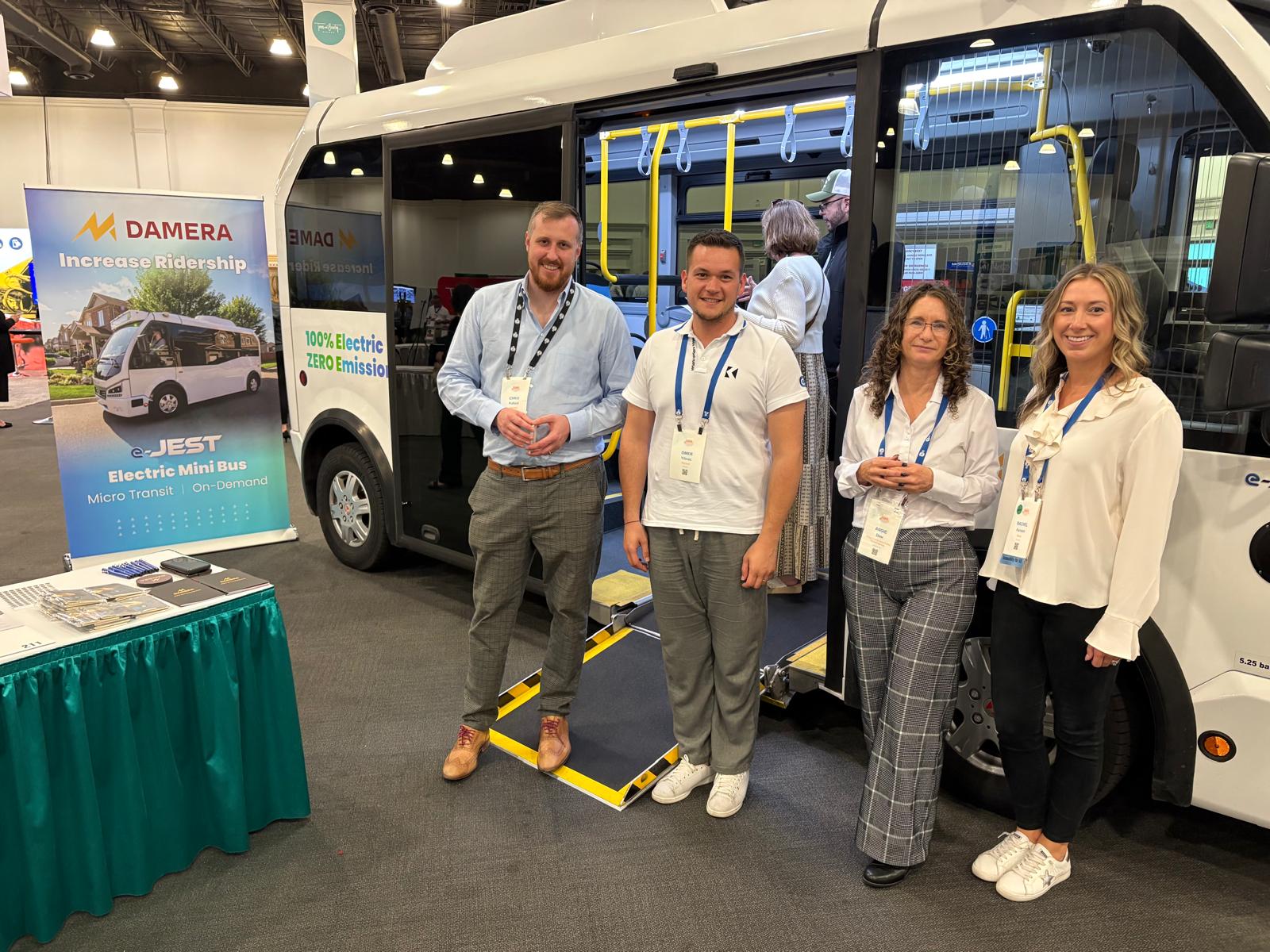
Vehicles such as the Karsan eJEST align well with this operating model. Their size and cost structure allow agencies to deploy multiple vehicles for the investment typically required for a single full-size electric bus. This enables:
- higher service frequency
- improved schedule adherence
- smoother response to seasonal, off-peak, and discretionary travel demand
Rather than overcommitting resources to excess capacity, agencies gain flexibility—using the same fleet across circulators, suburban routes, community service, and off-peak operations.
Sustaining Stability Over Time
Operational consistency is also reinforced through cost control. Right-sized vehicles typically consume less energy, rely on simpler systems, and require shorter maintenance cycles. Faster turnaround improves fleet availability and reduces long-term operating pressure.
Over time, this allows agencies to sustain frequent service without increasing system complexity. The result is a more resilient operation—one that protects public investment, supports stronger ridership outcomes, and delivers reliable service under real-world conditions.
Why This Matters Now
As transit systems adapt to evolving travel patterns, consistency becomes a strategic asset. Agencies that can scale service smoothly—without disruption—are better positioned to restore rider confidence, justify funding decisions, and demonstrate long-term value to cities and communities.
Operational stability is built through deliberate choices about vehicles, service models, and lifecycle performance.
Vehicles engineered for frequent-stop service and validated over 12+ years of real-world operation—like the Karsan eJEST—reduce uncertainty in fleet planning and help agencies maintain dependable service over time.
Transit systems that prioritize consistency don’t just operate more smoothly—they earn trust, strengthen relevance, and perform better over time.












.jpeg)










.jpeg)


.jpg)





.svg)