


.svg.avif)




-p-500-p-500.avif)







EV Buses

A quiet, efficient, fully accessible electric minibus. The eJEST delivers exceptional maneuverability, low operating costs, and smooth passenger experience.
Built on the proven eJEST platform and automated by ADASTEC, this Level-4 autonomous minibus brings reliable, safe, and fully accessible automated transit to real-world routes.


Chargers

All Chargers
Explore all charging options on one page
Services
TUV Level 3
High Voltage Training

Work safely and effectively with high-voltage systems

Charger Installation
Contributes to the seamless integration of electric vehicles

Electrical Engineering
Get your skills in electrical engineering tailored to the transit industry
Bus Service (MBCT)
Comprehensive bus service ensuring reliable maintenance, repairs, and safety compliance.
MICROTRANSIT

Paratransit Buses
Learn more about our paratransit vehicles and how we’re improving mobility for people with disabilities and underserved riders.

Micromobility Buses
Discover how our buses support both paratransit needs and provide efficient service in low-ridership areas.

Minibuses for Campuses
Learn how modern electric minibuses create smoother, safer, and more convenient transportation for students and staff.

.svg)
There is no previous post
Previous Post
Next Post
There is no next post
Why the Economic Return of Transit Investment Depends on Vehicle Choice
No items found.
In Canada, public transit continues to play a central role in daily mobility where service is well established. In urban centres and transit-served corridors, frequent and reliable service supports high ridership and consistent use. This is reflected in household spending: Canadian households spent approximately $1.1 billion on urban transit in a single quarter of 2023, indicating strong demand where transit is convenient, predictable, and accessible.
However, this demand is not evenly distributed. In many suburban and lower-density areas, transit access remains inconsistent or limited in frequency, coverage, or hours of operation. These gaps do not necessarily reflect a lack of interest in transit—but rather barriers to participation. When trips require long waits, multiple transfers, or unreliable service, transit becomes less viable for discretionary and off-peak travel such as shopping, appointments, or social activities.
This imbalance highlights a key challenge and opportunity for transit agencies. While urban cores demonstrate what strong service can achieve, extending similar benefits to surrounding communities requires service models that are scalable and cost-effective.
Right-sized transit solutions allow agencies to increase frequency, expand coverage, and improve reliability in suburban contexts without the cost or inefficiency of deploying full-size vehicles on lower-demand routes. Flexible, right-sized vehicles help agencies to unlock latent demand, broaden access to jobs and services, and strengthen the overall performance and equity of the transit system—supporting both ridership growth and better economic outcomes.

Public transit is not designed to generate profit in the traditional sense—it is civic infrastructure. Its return is measured in economic activity enabled, costs avoided, and public value created: access to employment and services, reduced congestion, lower emissions, fewer collisions, and lower household transportation costs. In the United States, national studies consistently show that every dollar invested in public transportation generates roughly five dollars in economic return—not through fare revenue alone, but through job creation, productivity gains, and regional income growth. Transit investment supports approximately 50,000 jobs per $1 billion invested across planning, construction, operations, maintenance, and supply chains.
These outcomes materialize only when service design, vehicle choice, and operational realities align with how people actually travel—and when systems perform reliably over their full lifecycle. This is why the economic return of transit investment depends not only on funding levels, but on vehicle strategy. In practice, vehicle strategy is not about buying more buses; it is about choosing the right buses to deliver the most value over time. When vehicle selection aligns with service needs, transit investment delivers stronger economic returns, better rider outcomes, and more resilient systems that communities can rely on year-round.
Economic Value Is Created in Daily Operations
Widely cited research shows that every dollar invested in public transit can generate multiple dollars in economic return across the broader economy. That return does not appear as direct agency revenue. It shows up in:
- increased business activity and local spending
- improved productivity and workforce participation
- avoided congestion, infrastructure, healthcare, and collision costs
- lower household transportation expenses
- stronger and more resilient tax bases
How much of that value is actually realized depends on whether transit works consistently, predictably, and at a scale that matches demand. This comes down to vehicle reliability, uptime, and suitability for the service being delivered.
Why Vehicle Choice Shapes Economic Outcomes
Even the best service plan fails to deliver value if vehicles are unreliable, difficult to maintain, or poorly matched to operating conditions. Transit agencies experience this reality every day.
Economic return is shaped by a set of interrelated, operational factors—many of which are directly influenced by vehicle size, design, and quality:
1️⃣ Reliability and Fleet Availability
Vehicles that remain consistently available—and experience fewer unplanned failures—play a critical role in preserving schedules, fare capture, and rider confidence. Reliability directly shapes how dependable a transit system feels to riders and how confidently agencies can plan service.
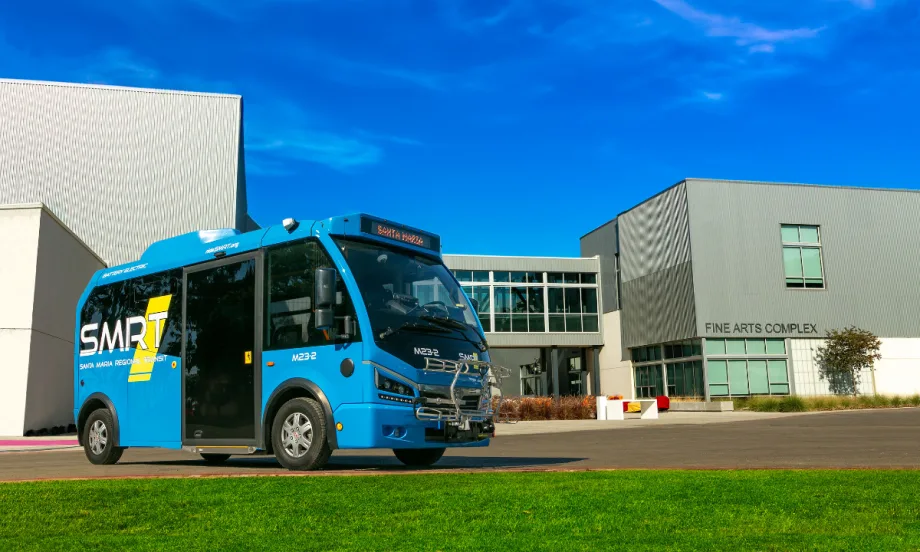
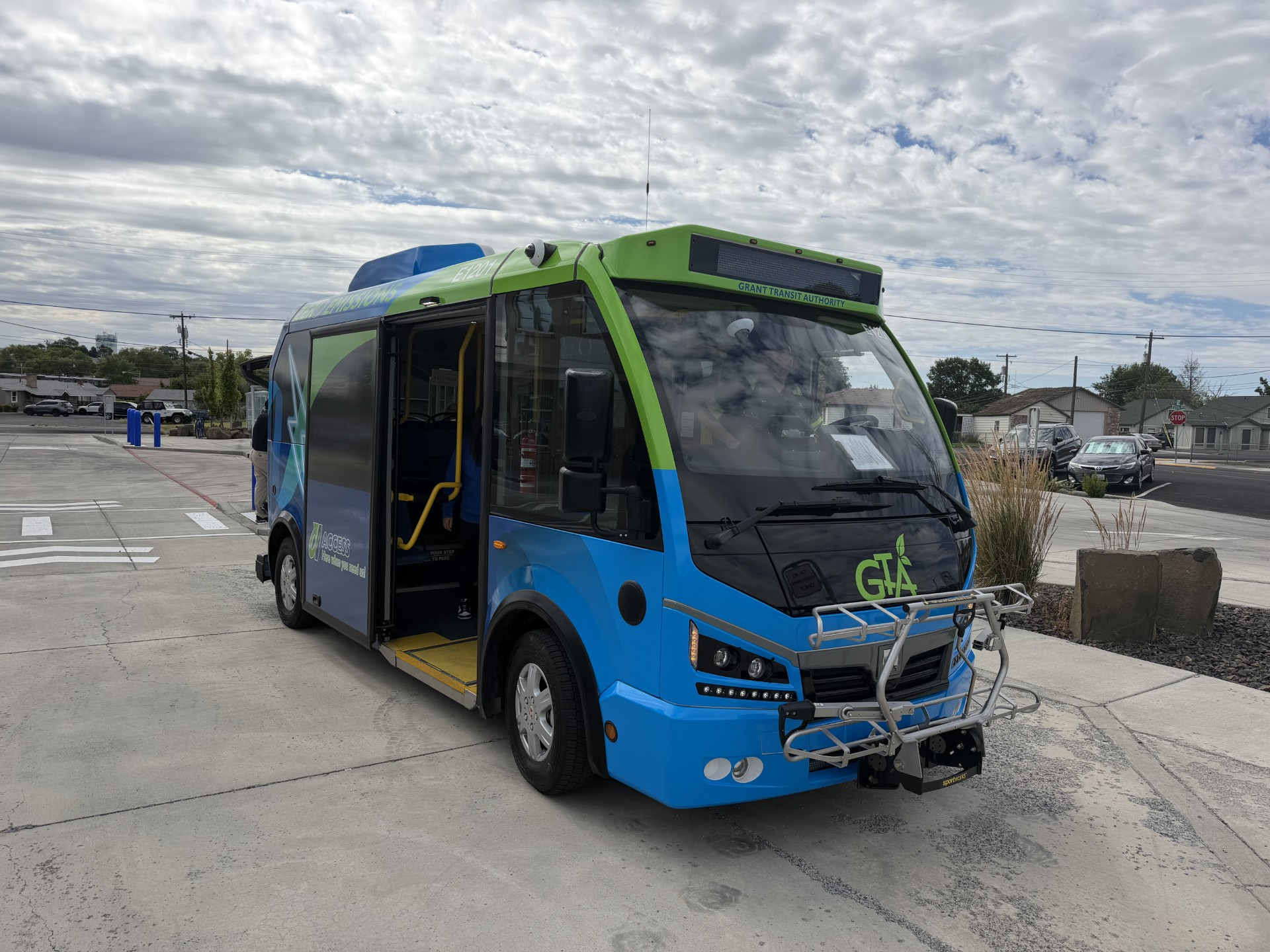
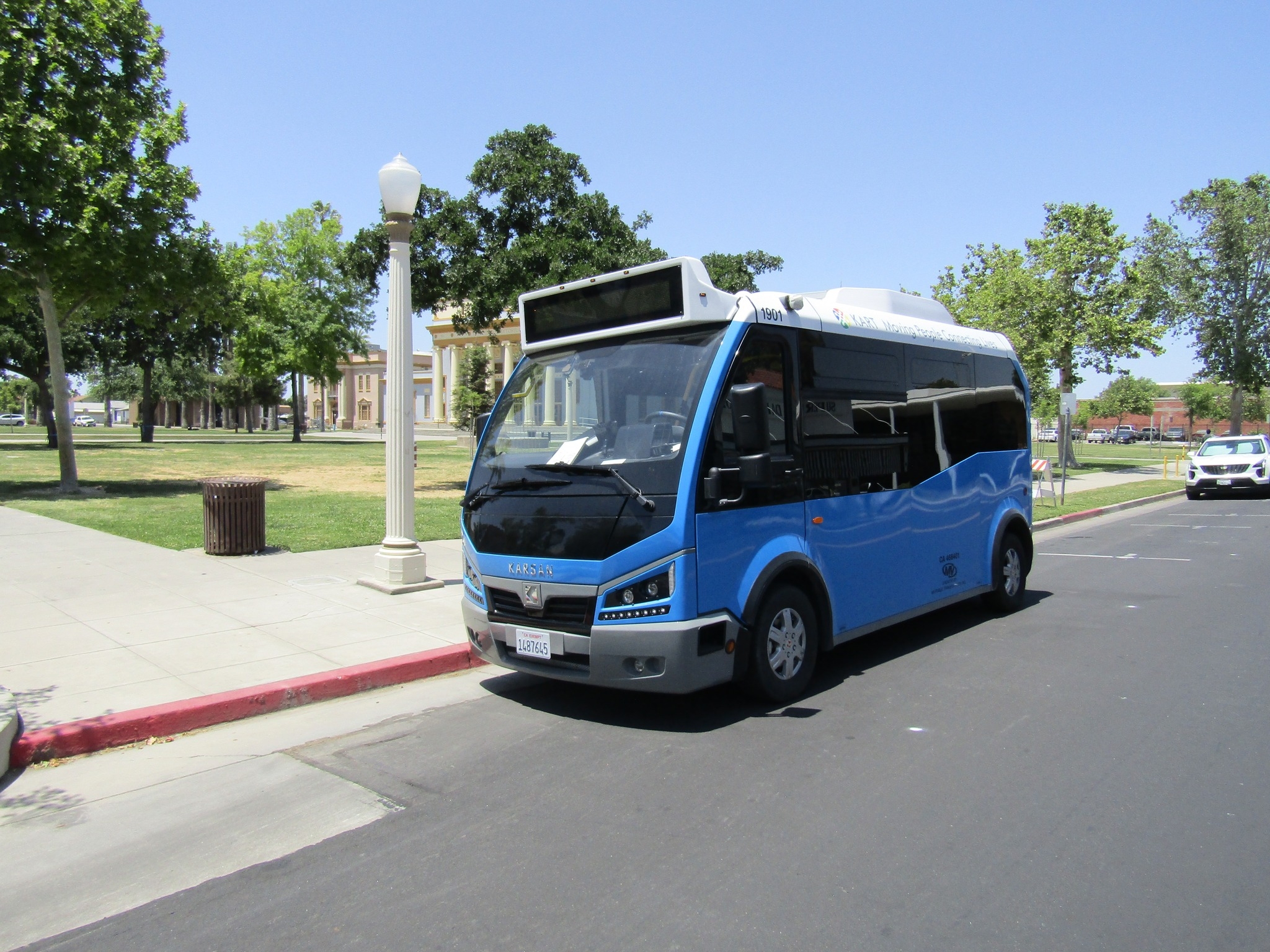
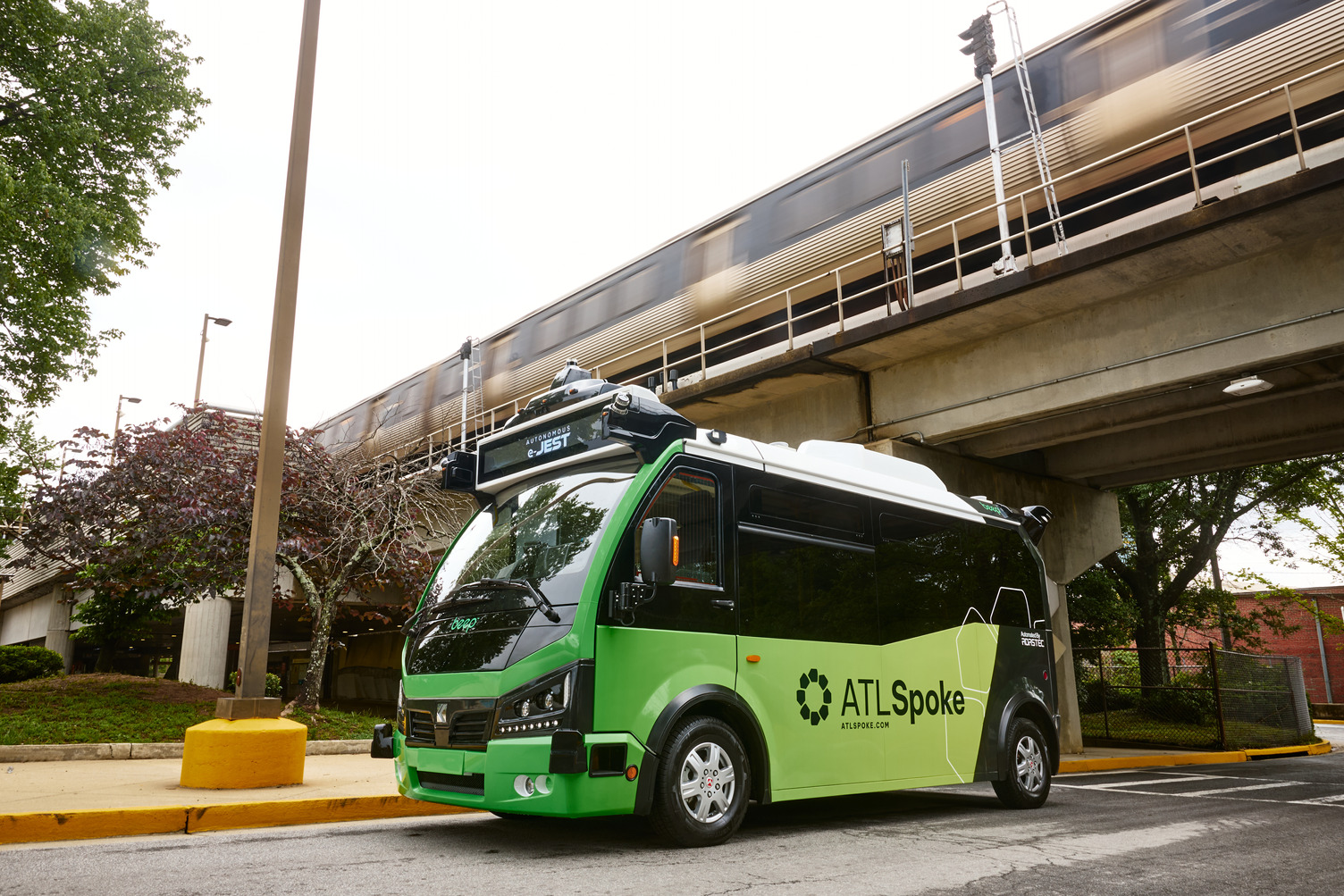
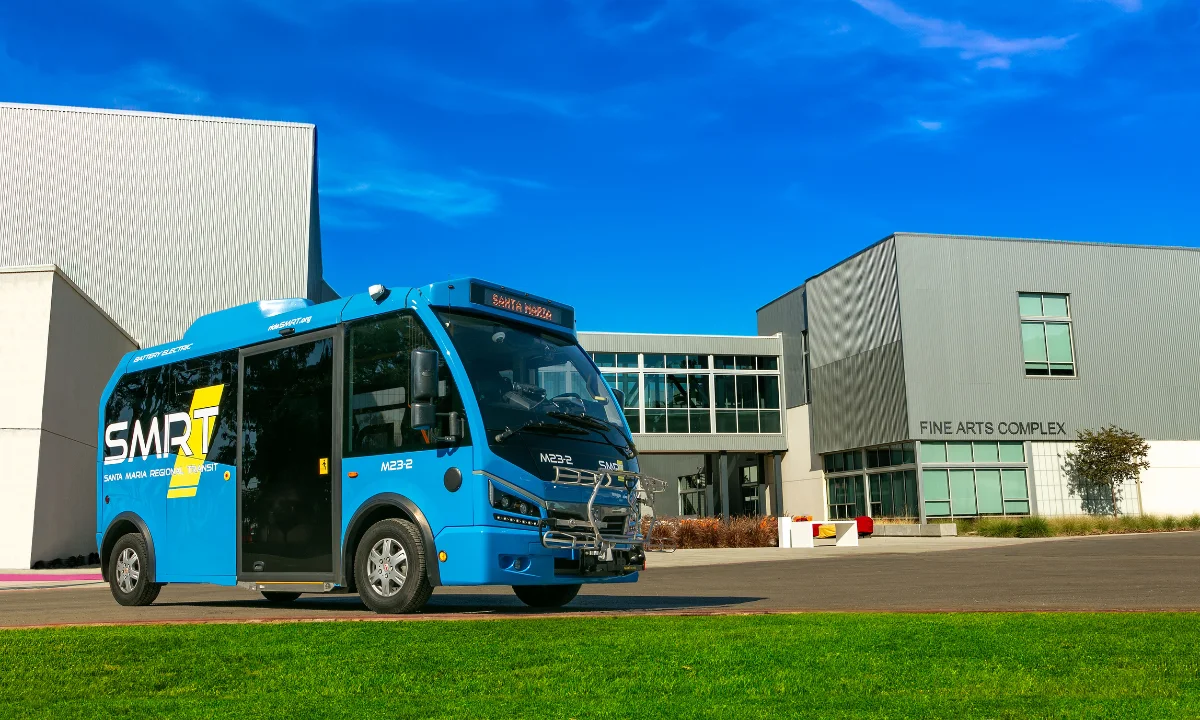
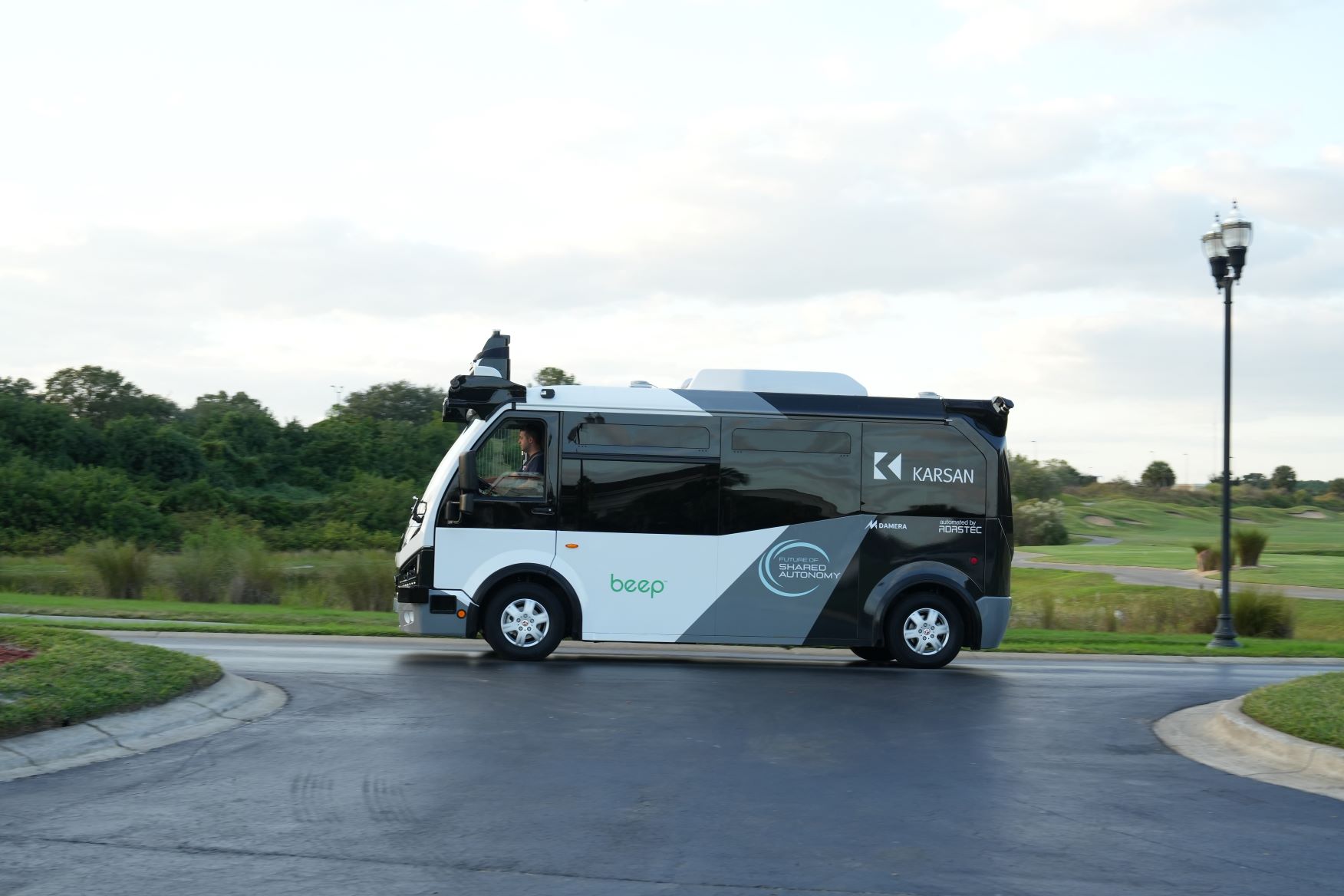
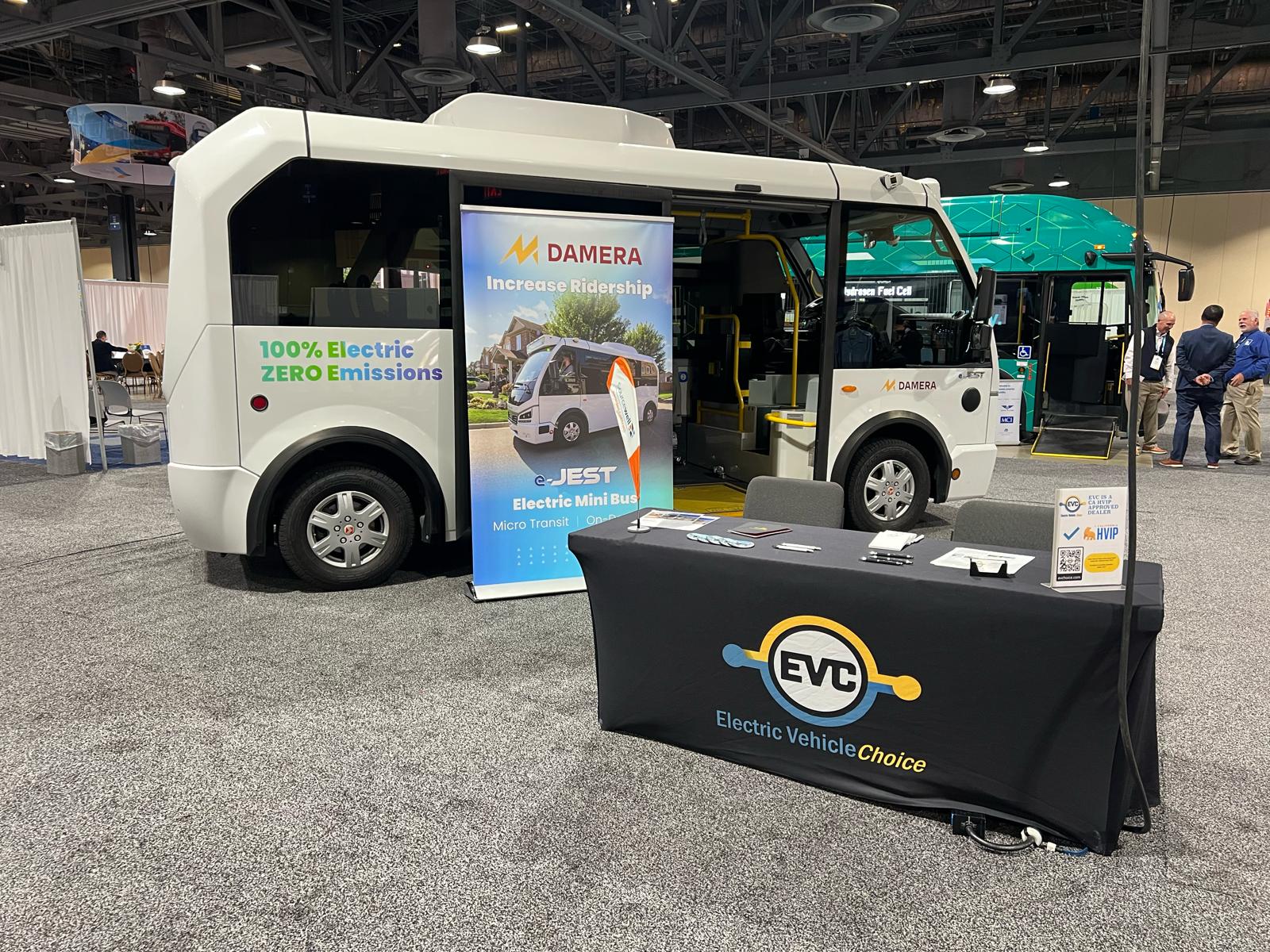
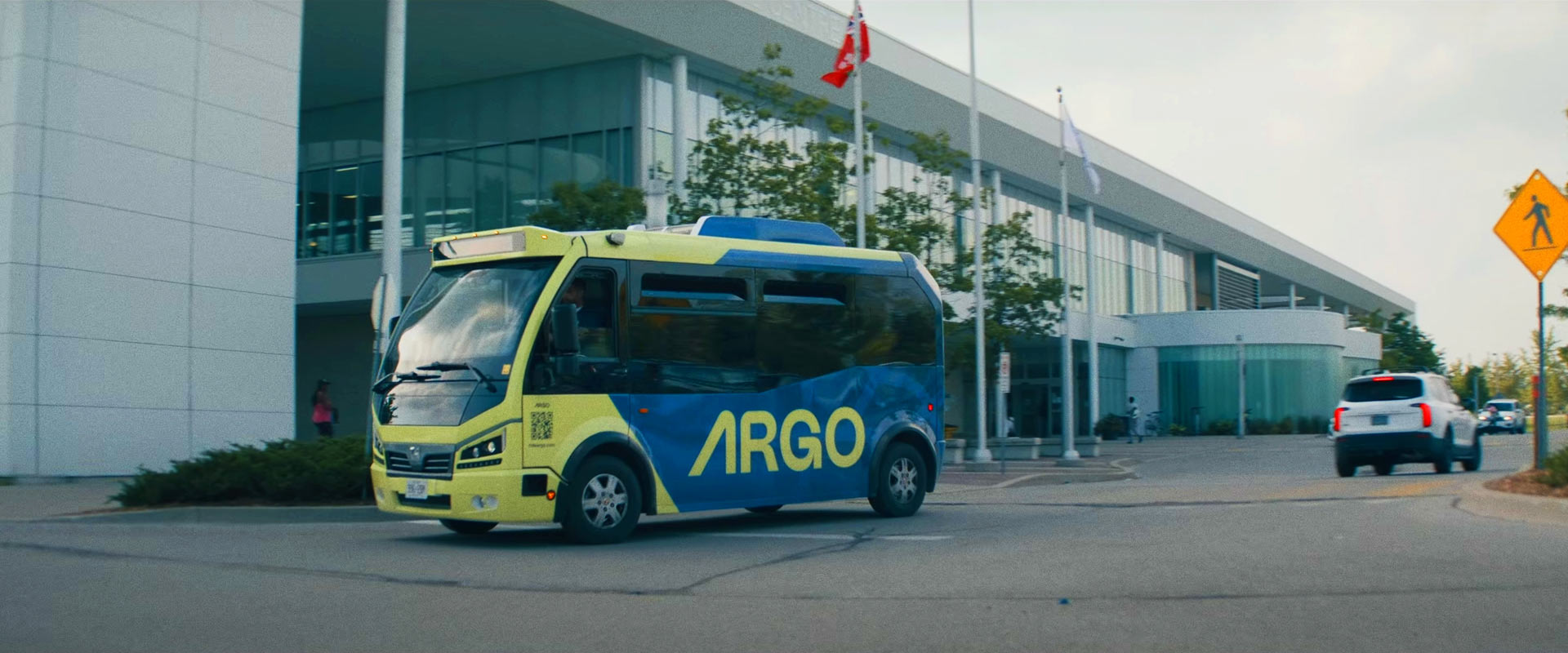
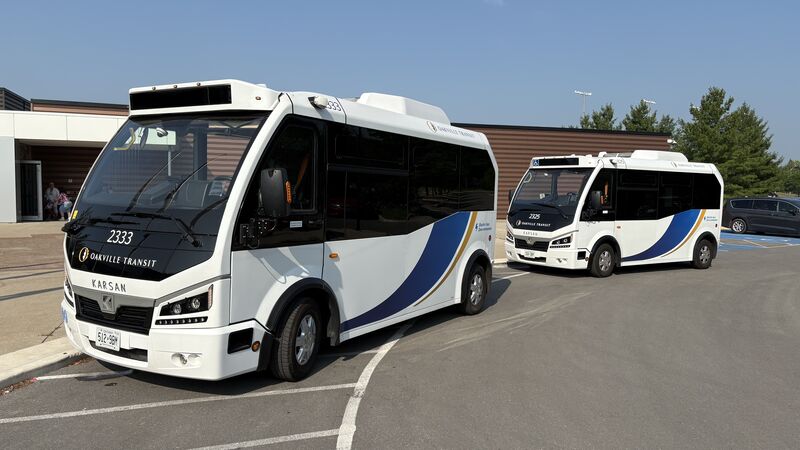
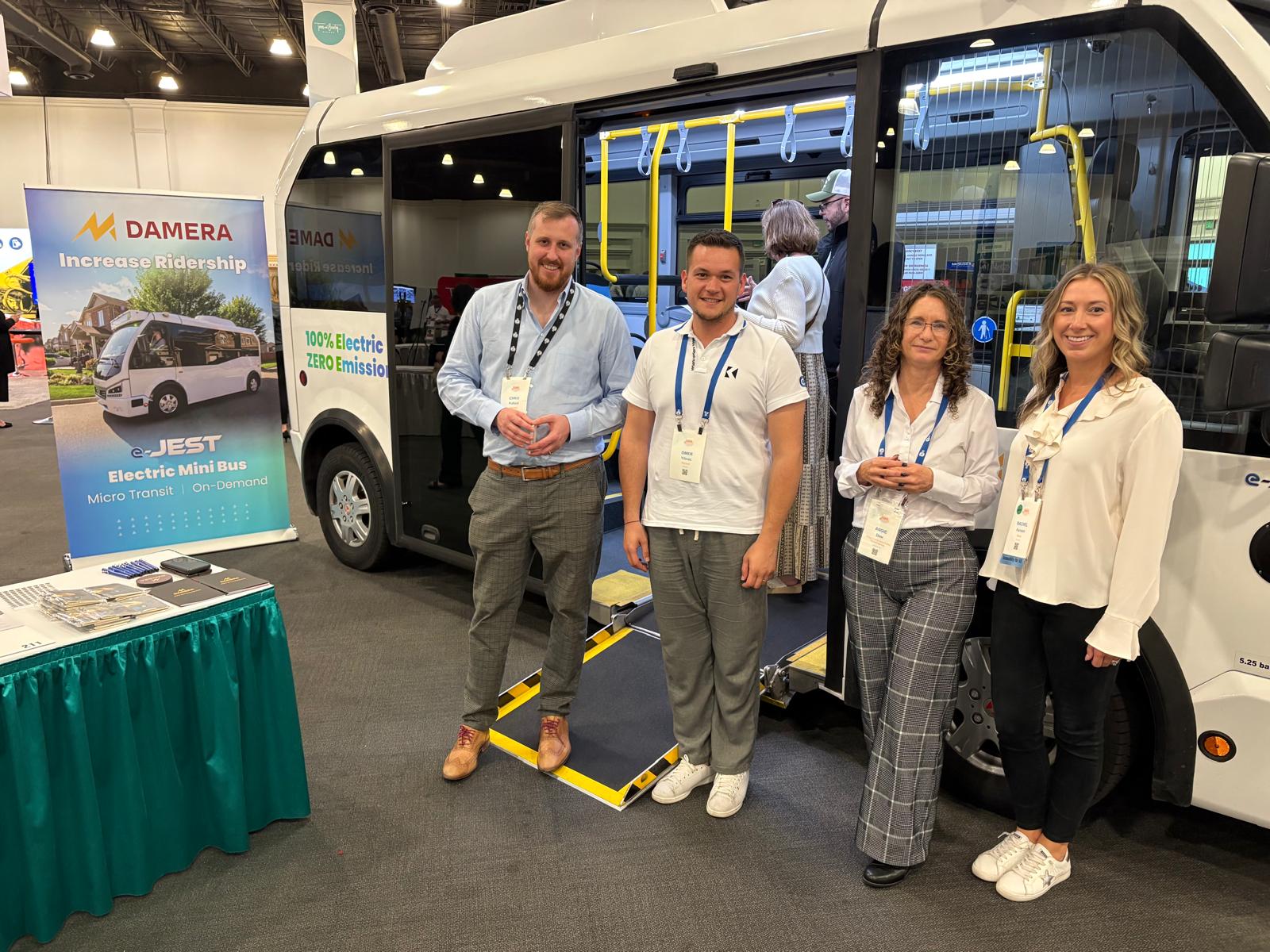
➡️ From our perspective at Damera Corporation, reliability is not an abstract metric—it is the outcome of matching vehicle design to real-world operating conditions. This is why we focus on right-sized platforms such as the Karsan eJEST, which are engineered specifically for frequent-stop, long-hour urban and community service rather than adapted from larger buses.
By operating within appropriate duty cycles, right-sized vehicles reduce mechanical and thermal strain, simplify maintenance, and improve overall fleet availability—particularly on routes with dense stop spacing and extended service hours. In practice, this translates into more vehicles on the street, fewer service disruptions, and greater confidence that published schedules will hold.
2️⃣ Durability and Lifecycle Value
Lifecycle performance is fundamental to responsible transit investment. Vehicles that remain dependable over a full operating life protect capital budgets, stabilize maintenance planning, and allow agencies to focus resources on service quality rather than premature replacement.
➡️ The Karsan eJEST is designed with a service life exceeding 12 years under these conditions. Its platform is purpose-built for frequent-stop urban and community service, rather than adapted from a commercial or cutaway chassis. By aligning structure, drivetrain sizing, and thermal management with real duty cycles, long-term reliability is supported without unnecessary weight, complexity, or over-engineering.
3️⃣ Service Stability and Operational Flexibility
Consistent vehicle performance allows agencies to plan service with confidence, maintain headways, and adapt smoothly to seasonal fluctuations or temporary demand increases. When fleets are reliable, agencies can respond to change without disruption.
➡️ Smaller vehicles contribute to this stability by allowing agencies to distribute fleet resources across more corridors. Because a right-sized vehicle represents a substantially lower capital investment than a full-size electric bus, agencies can often deploy additional units rather than relying on fewer, larger vehicles. This enables better frequency, improved coverage, and greater resilience during demand peaks—while using public funds more efficiently.
Lower energy consumption, simpler systems, and faster maintenance turnaround further reduce operating pressure, helping agencies sustain service levels over time.
4️⃣ Aligning Vehicle Capacity with Real Demand
Deploying oversized vehicles on routes with moderate or variable demand increases cost without proportionate benefit. Matching vehicle size to actual ridership patterns allows agencies to deliver service more efficiently while preserving access.
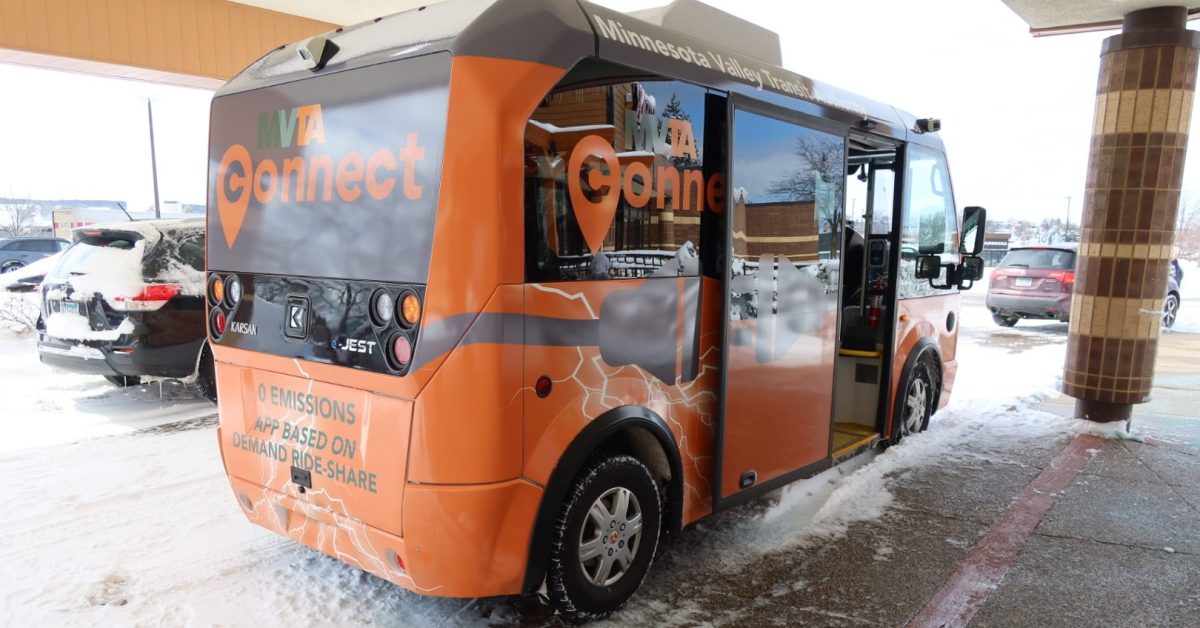
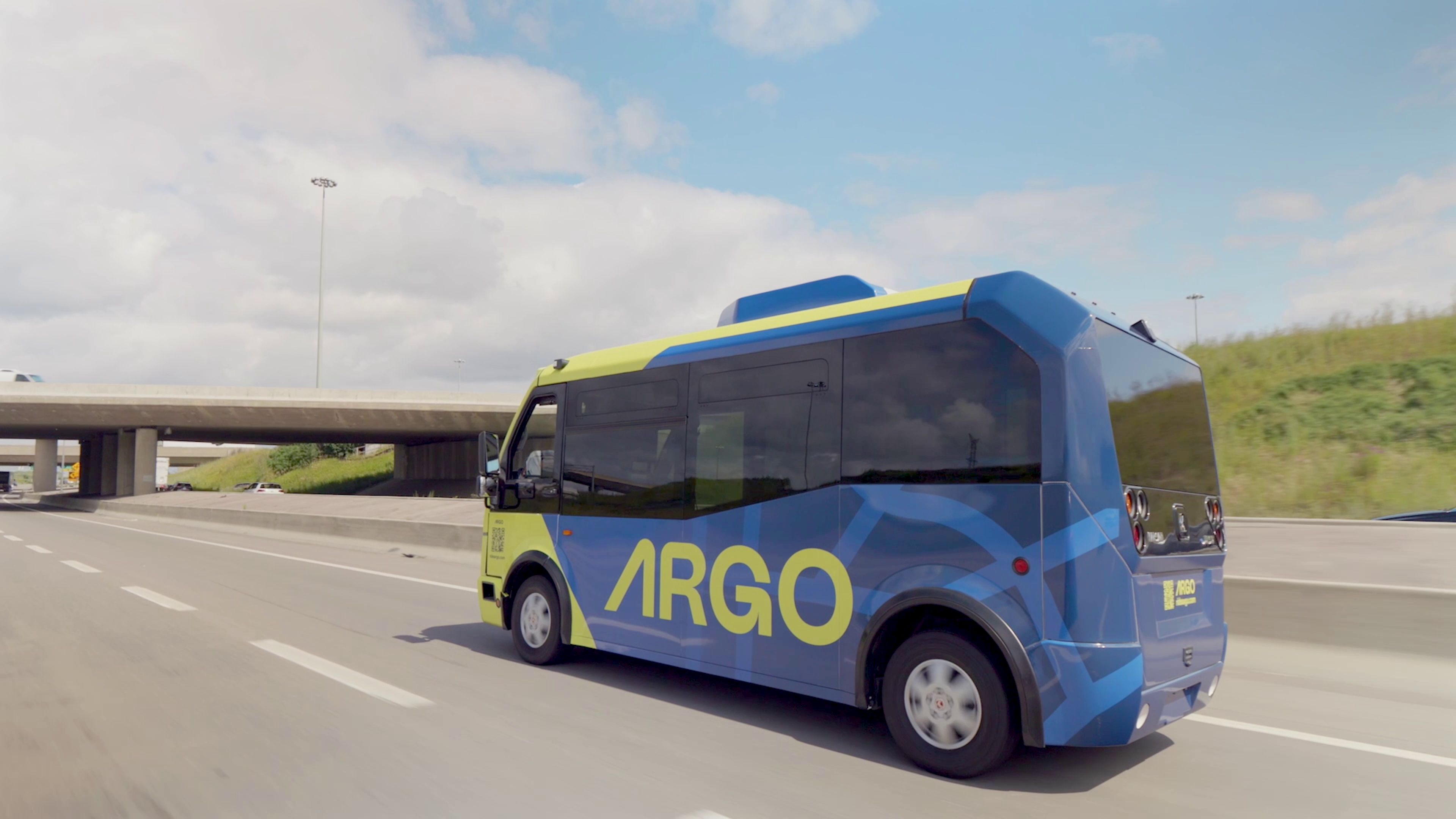
➡️ Right-sized vehicles reduce unused capacity and make higher frequency achievable—often a more meaningful improvement for riders than additional seating. The adaptability of platforms like the eJEST allows vehicles to shift between circulators, suburban routes, on-demand services, and off-peak operations, maximizing utilization across the network.
5️⃣ Frequency, Accessibility, and Rider Experience
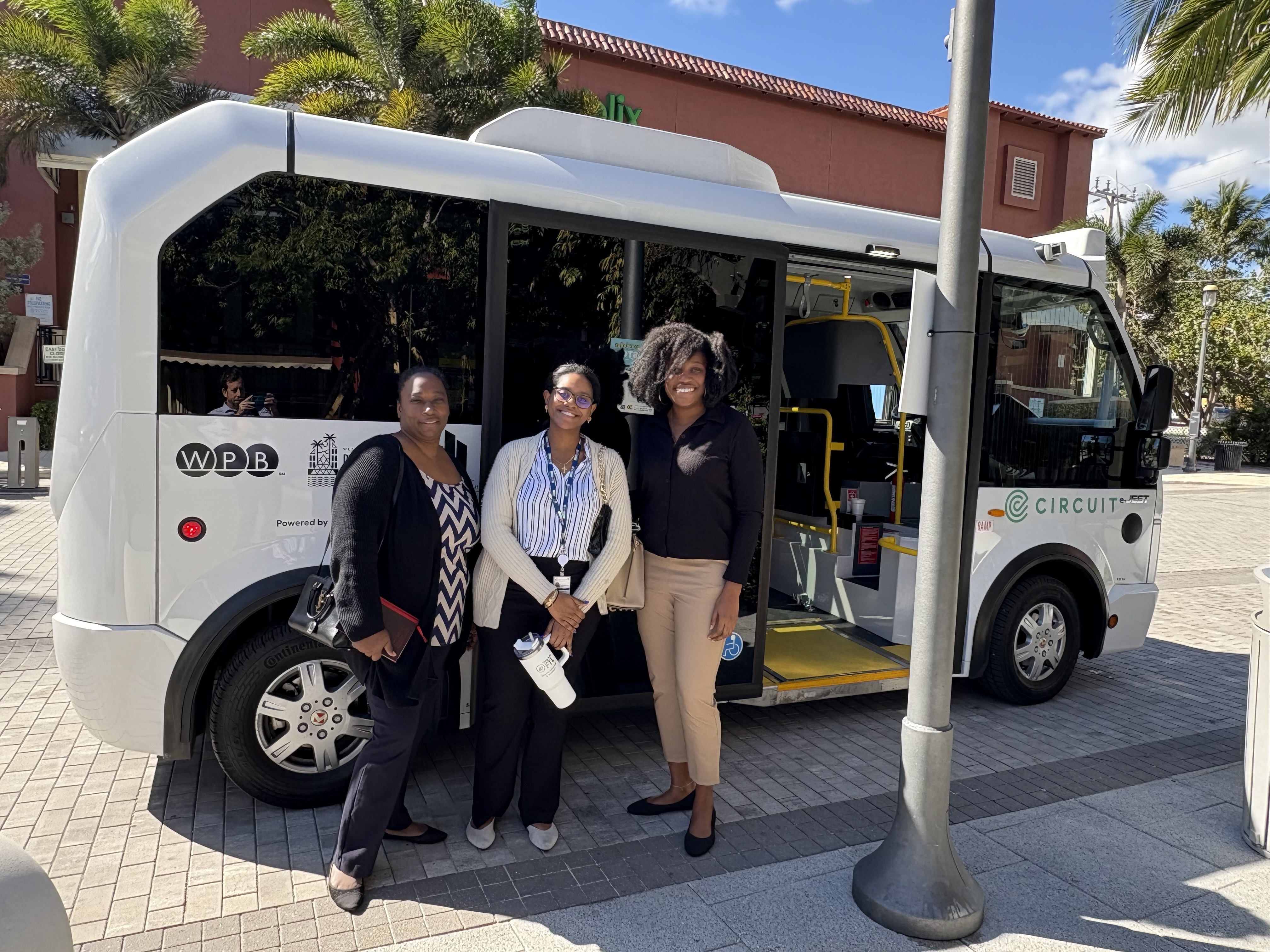
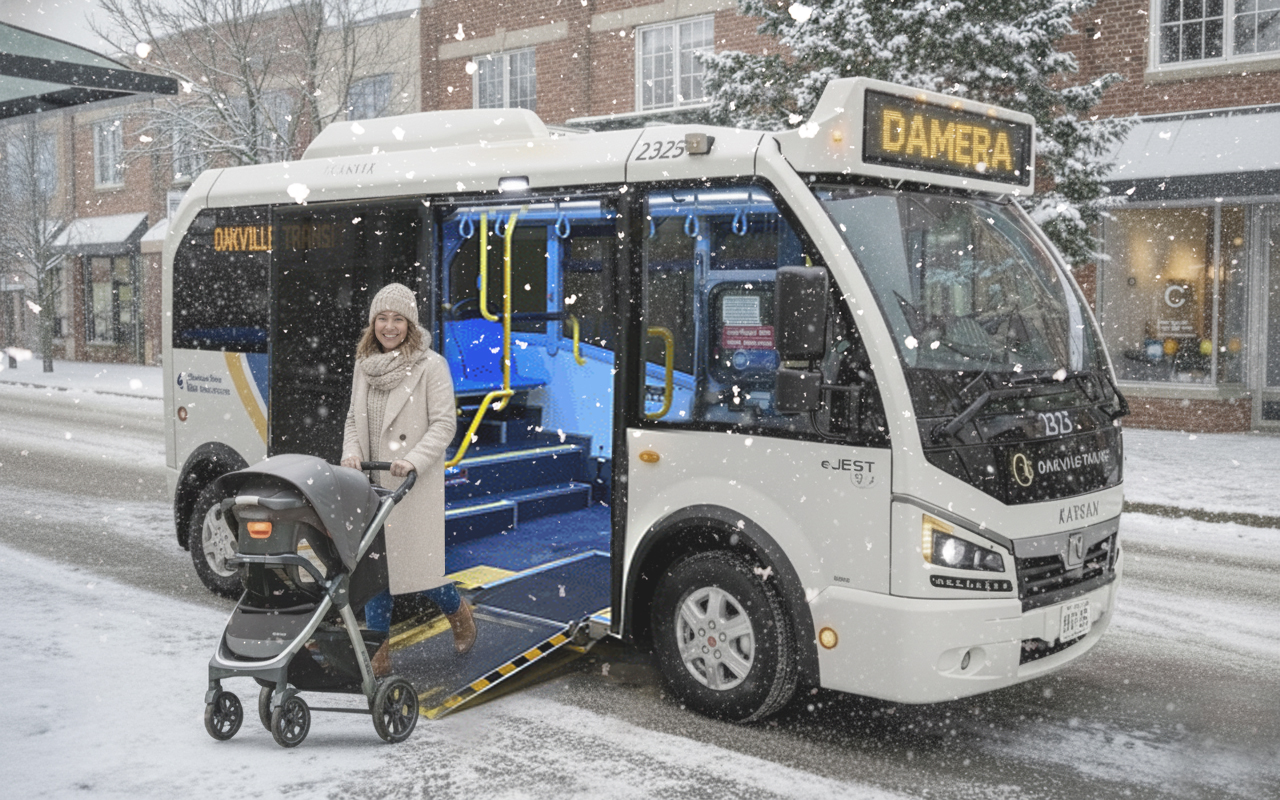
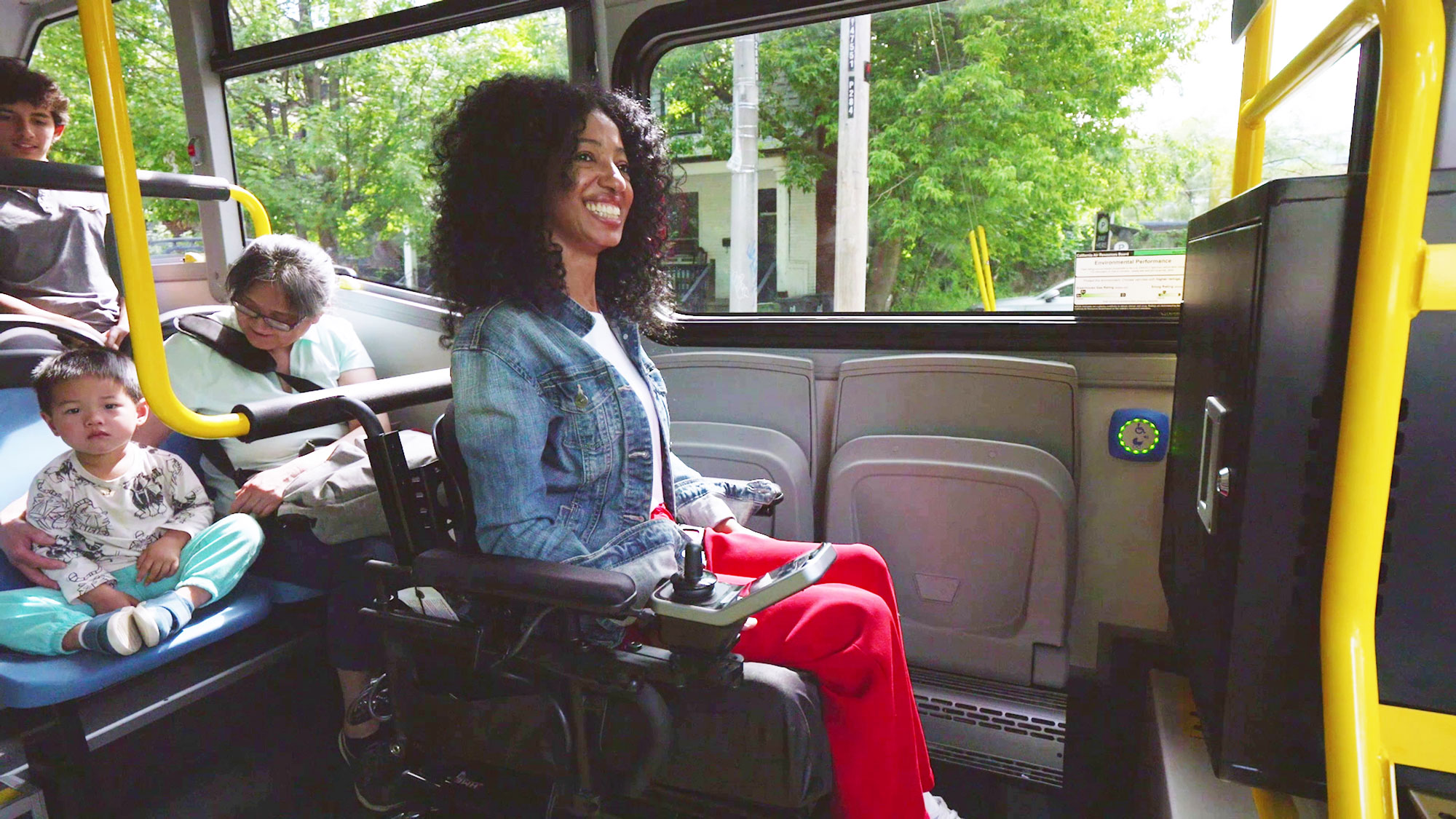
Shorter waits and consistent headways make transit practical not only for commuting, but also for discretionary trips. Vehicles that are quiet, low-floor, and easy to board improve comfort and reduce barriers for seniors, families, and riders with mobility needs—factors that directly influence ridership growth.
➡️ From an operational standpoint, the lower unit cost of right-sized vehicles allows agencies to place more service on the street for the same capital investment. Deploying multiple smaller vehicles instead of a single large bus improves frequency and reliability—often more impactful for rider satisfaction than vehicle size itself.
This approach is particularly effective in suburban and lower-density areas, where demand is dispersed and time sensitivity is high. Frequent, right-sized service reduces friction for everyday trips such as errands, appointments, and transfers to higher-capacity corridors.
In Practice
When lower acquisition cost, flexible deployment, and human-scale design come together, right-sized vehicles enable a service model centered on frequency, coverage, and reliability. In environments where traditional large-bus service is difficult to justify or sustain, this approach delivers stronger operational performance and better rider outcomes—without compromising efficiency or fiscal responsibility.
The Role of Vehicle Quality in Public Value
Economic return is ultimately protected by vehicle quality.
Service-ready vehicles reduce downtime, stabilize operating costs, and preserve rider trust. Over time, this reliability supports stronger ridership, improved fare recovery, and more effective use of public funding.
From a technical standpoint, reliability is not accidental. It results from vehicles engineered for their intended duty cycle, rather than adapted from platforms designed for different service profiles. Proper drivetrain sizing, balanced weight distribution, thermal stability, regenerative braking, and accessible component layout all contribute to predictable maintenance and long-term performance.
Vehicles that perform consistently in real-world conditions—across seasons, service hours, and operating environments—give agencies confidence that frequency and coverage can be sustained year after year.
Cost Structure and Service Outcomes
Vehicle cost structure directly affects service outcomes.
Because right-sized electric buses are less complex and lower in capital cost than full-size vehicles, agencies can often deploy multiple vehicles for the investment required for a single large bus. This has practical implications:
- higher frequency instead of longer headways
- shorter wait times and improved reliability
- better coverage without expanding infrastructure
- greater resilience during demand peaks
For riders, these outcomes matter more than capacity alone. For agencies, they strengthen the case for funding by demonstrating visible, measurable public benefit.
Safety as an Economic Outcome
Right-sizing and electrification are not only operational or financial decisions—they also influence safety.
Matching vehicle size to demand improves maneuverability, reduces operator fatigue, lowers collision severity, and creates safer interactions with pedestrians, cyclists, and work zones. When service, assets, and infrastructure are aligned realistically, safety becomes a built-in outcome rather than a retrofit.
Reduced collisions and injuries translate directly into avoided economic and social costs—another component of transit’s long-term return.
A Practical Framework for Transit Leaders
For agencies seeking funding approvals, fleet modernization support, or electrification investment, vehicle strategy is no longer a secondary consideration. It is central to demonstrating:
- fiscal responsibility
- operational readiness
- measurable public value
- long-term sustainability
Right-sized transit provides a practical framework for aligning service, assets, and funding with real travel patterns—without overbuilding capacity or compromising reliability.
Damera’s Perspective
At Damera Corporation, our focus on right-sized, zero-emission transit is grounded in operational reality. We work with At Damera Corporation, our focus on right-sized, zero-emission transit is grounded in operational reality. We work with transit agencies operating under real constraints—limited capital, long service hours, frequent stops, and demanding climate conditions—where reliability and lifecycle performance matter as much as technology choice.
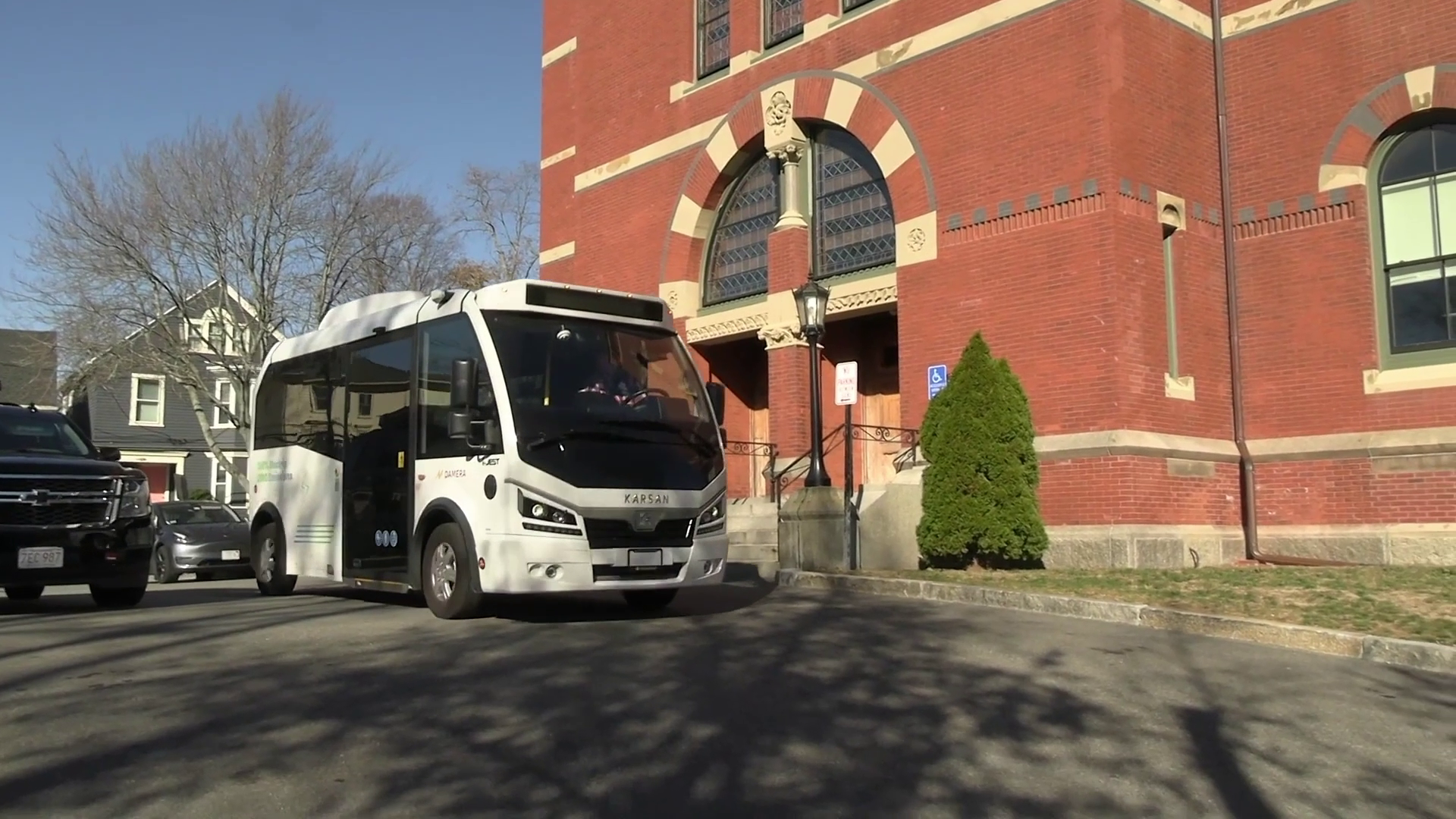
Our role is to introduce and support proven right-sized transit platforms, such as the Karsan eJEST, that are specifically engineered for these operating environments. Rather than adapting oversized vehicles to lower-demand service, we advocate for vehicles designed from the outset for frequent-stop, community, suburban, and circulator operations.
By focusing on right-sized electrification, we help agencies deploy vehicles that are reliable in daily service, practical to maintain, and sustainable over their full lifecycle. This approach supports stable operations, responsible use of public funding, and service models built around frequency and access—rather than excess capacity.
Reliable buses are more than assets. They are commitments—to riders, to cities, and to the economic and social value transit delivers every day. When vehicle choice reflects how people actually move, transit systems are better positioned to deliver strong outcomes—operationally, economically, and over the long term.









.jpeg)











.jpeg)


.jpg)


.svg)