


.svg.avif)




-p-500-p-500.avif)









Chargers

All Chargers
Explore all charging options on one page
Services
TUV Level 3
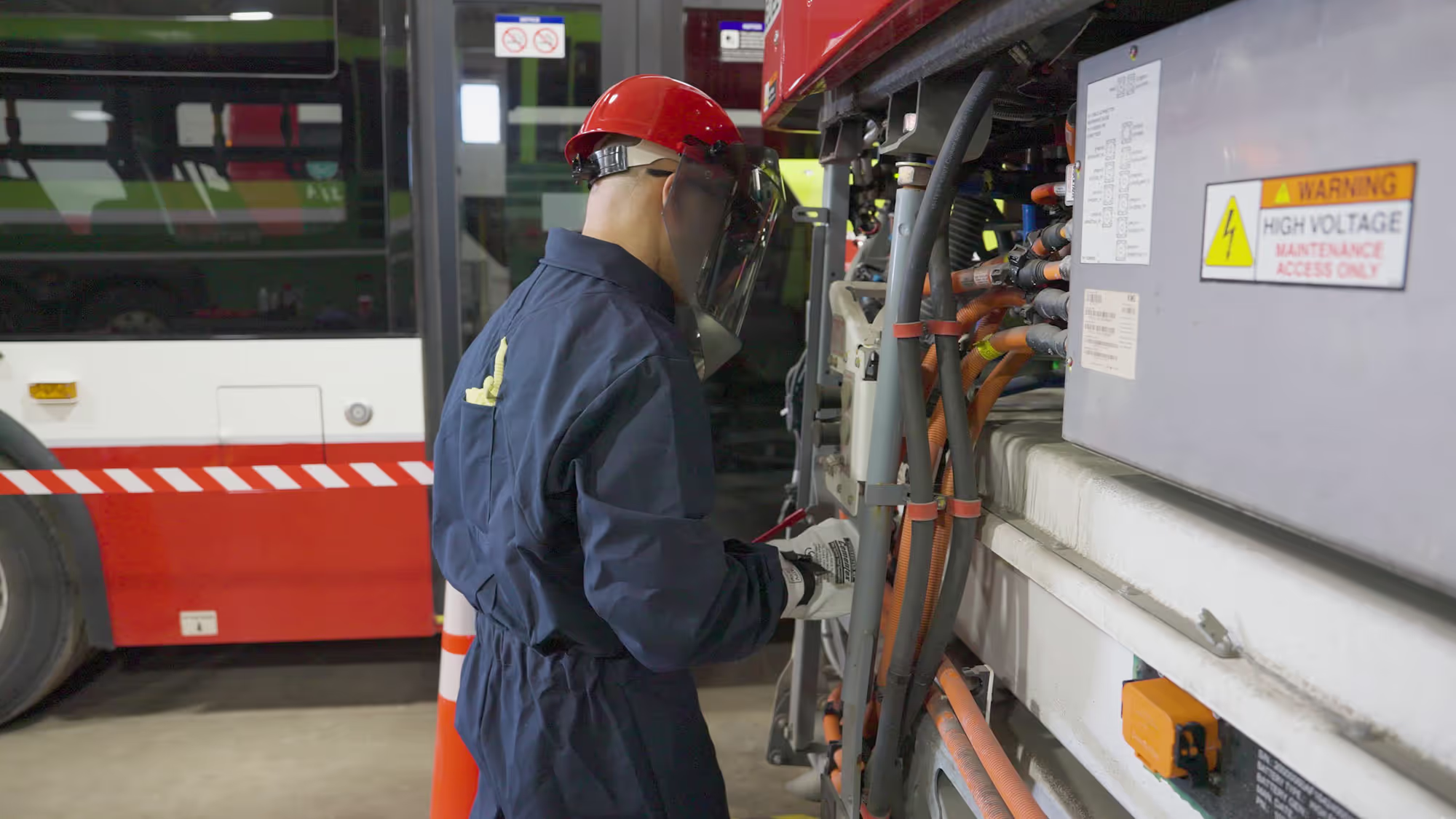
High Voltage Training

Work safely and effectively with high-voltage systems

Charger Installation
Contributes to the seamless integration of electric vehicles

Electrical Engineering
Get your skills in electrical engineering tailored to the transit industry
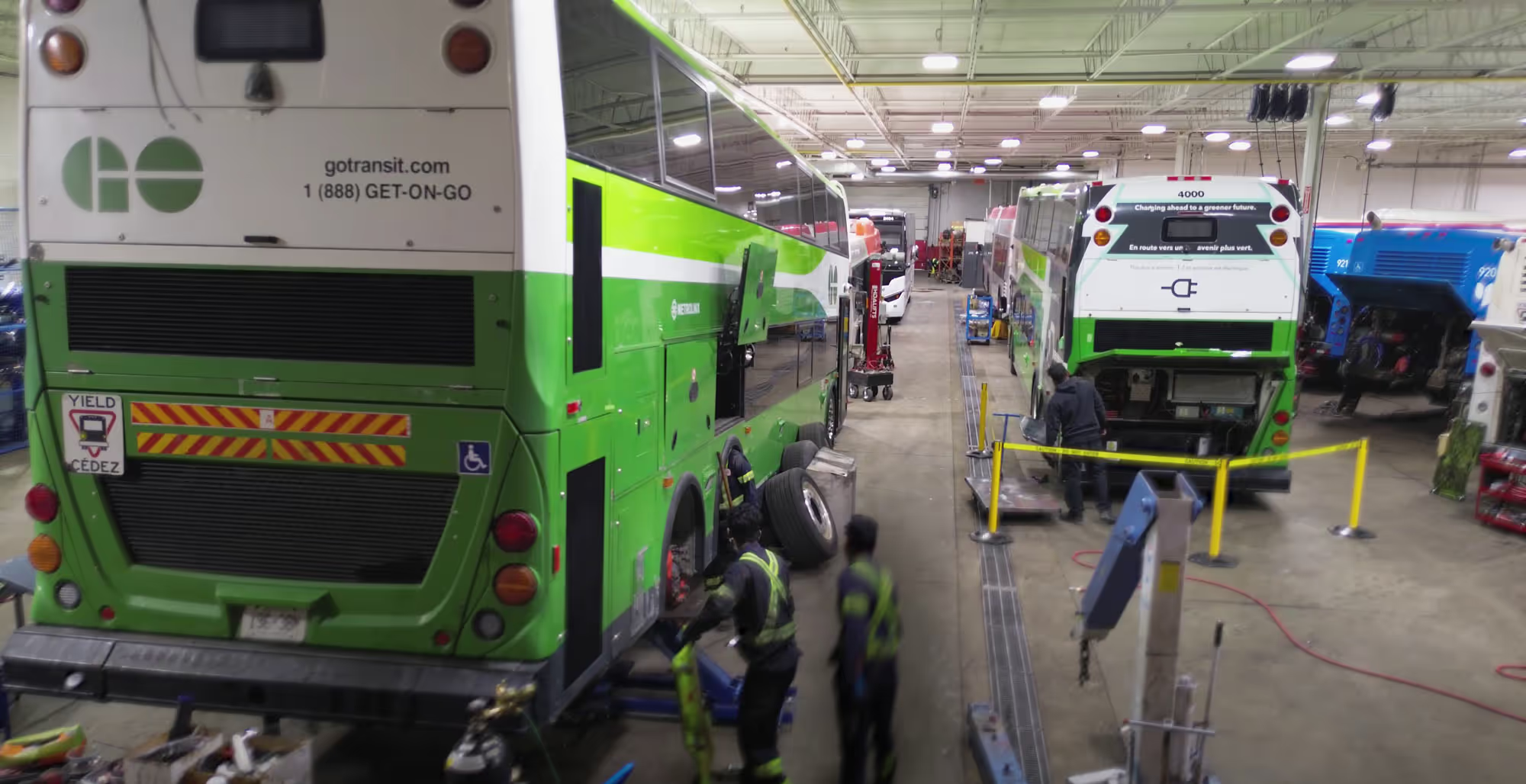
Bus Service (MBCT)
Comprehensive bus service ensuring reliable maintenance, repairs, and safety compliance.
MICROTRANSIT

Paratransit Buses
Learn more about our paratransit vehicles and how we’re improving mobility for people with disabilities and underserved riders.

Micromobility Buses
Discover how our buses support both paratransit needs and provide efficient service in low-ridership areas.

Minibuses for Campuses
Learn how modern electric minibuses create smoother, safer, and more convenient transportation for students and staff.

.svg)
There is no previous post
Previous Post
Next Post
There is no next post
Atlanta's Autonomous eJEST Pilot and Its Role During FIFA World Cup 2026™ and Beyond
No items found.
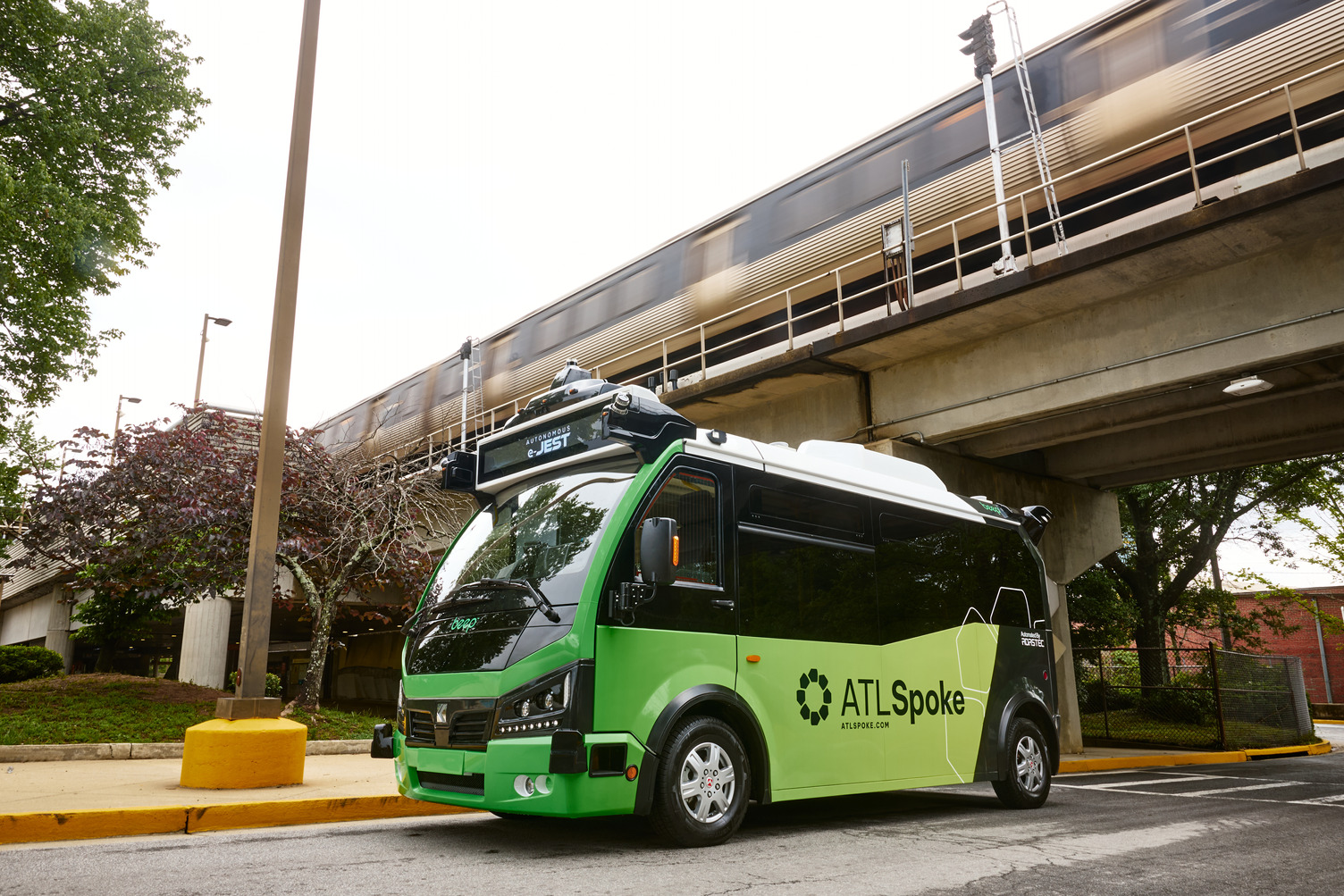
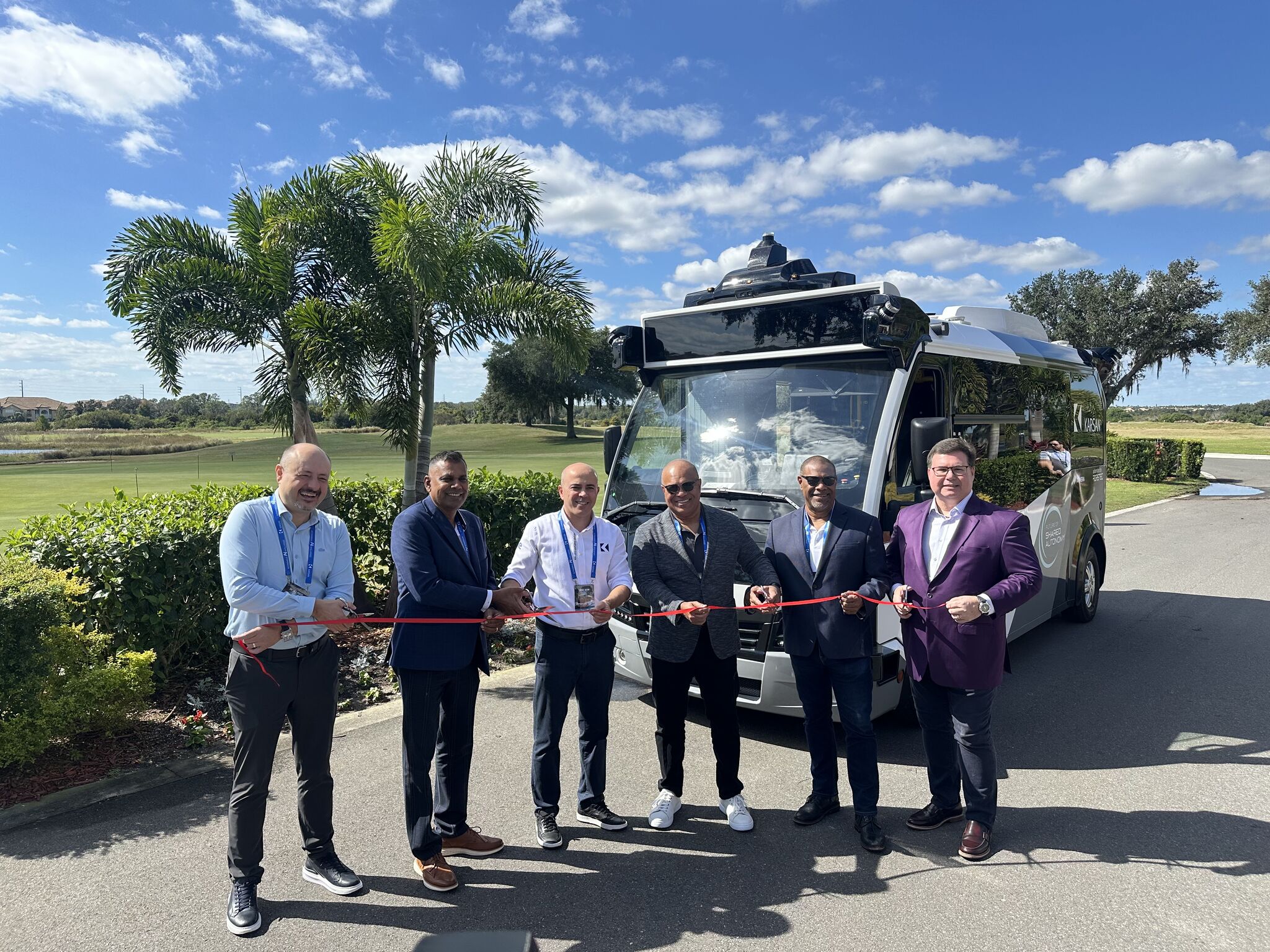
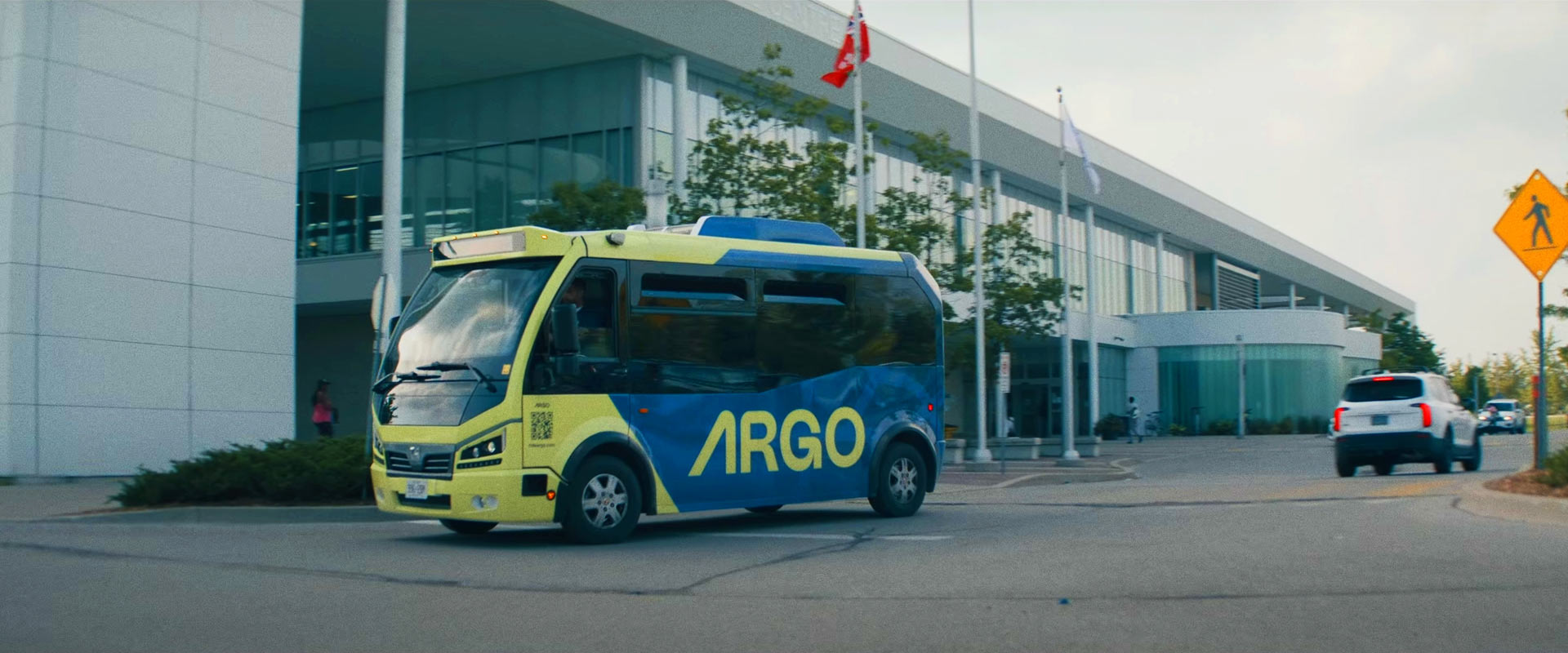
Today, June 5, 2026, Atlanta launched ATL Spoke, the city's first autonomous public transit pilot, bringing the Autonomous Karsan eJEST into real-world public transportation service and marking an important milestone for autonomous mobility in North America.
The year-long program introduces the Autonomous Karsan eJEST into real-world public service, connecting MARTA West End Station with destinations along the Atlanta BeltLine Southwest Trail. More than a technology demonstration, the pilot is designed to evaluate how autonomous transit can improve accessibility, strengthen first- and last-mile connectivity, and support broader community mobility goals.
For transit agencies across North America, projects like ATL Spoke provide valuable insights into how autonomous technology may complement existing transportation networks while addressing challenges related to accessibility, connectivity, service coverage, and operational efficiency.

First- and Last-Mile Connectivity with a Purpose-Built Autonomous Transit Vehicle
Connecting riders between major transit services and the destinations they need to reach remains an important challenge for many transit agencies. While rail systems and fixed-route buses can move large numbers of passengers efficiently, accessing workplaces, healthcare facilities, educational institutions, shopping districts, and recreational destinations beyond transit stations often requires additional transportation options.
The ATL Spoke pilot is designed to help bridge this gap by providing a high-frequency connection between MARTA West End Station and key destinations along the Atlanta BeltLine. By strengthening links between regional transit and community destinations, the service aims to improve accessibility, enhance mobility, and make public transportation more convenient for residents, workers, students, and visitors.
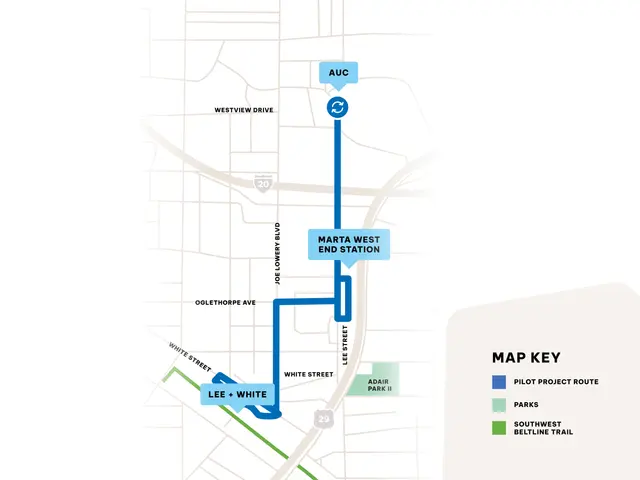
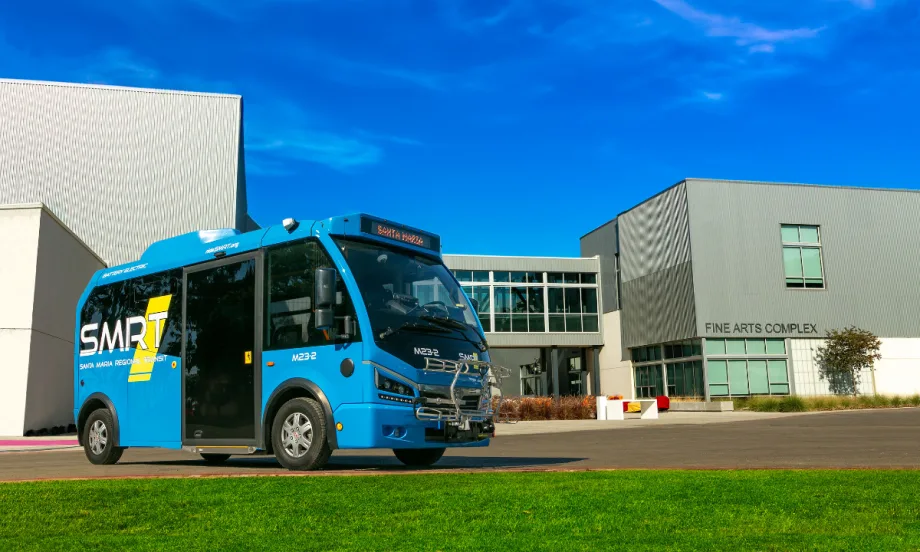
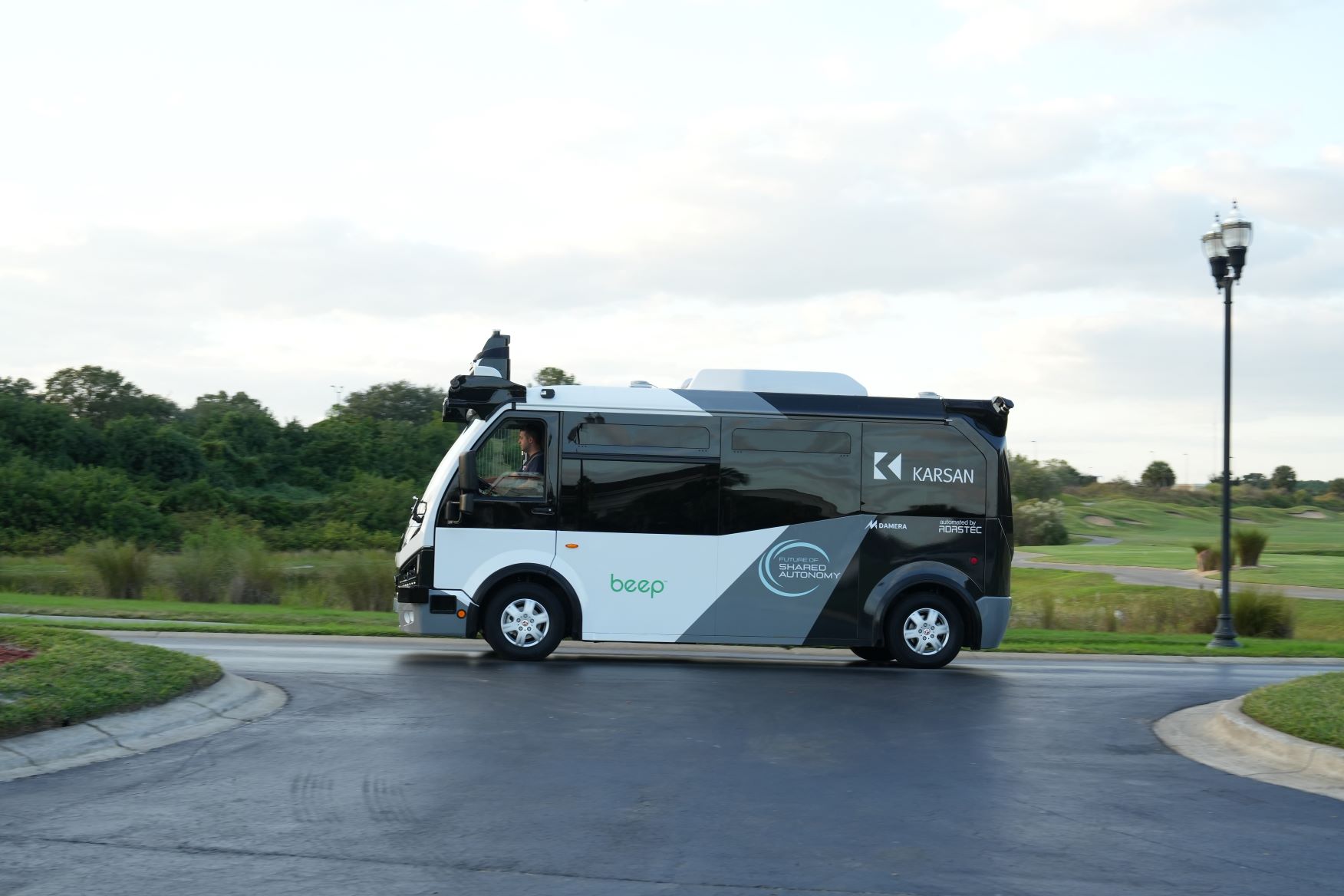
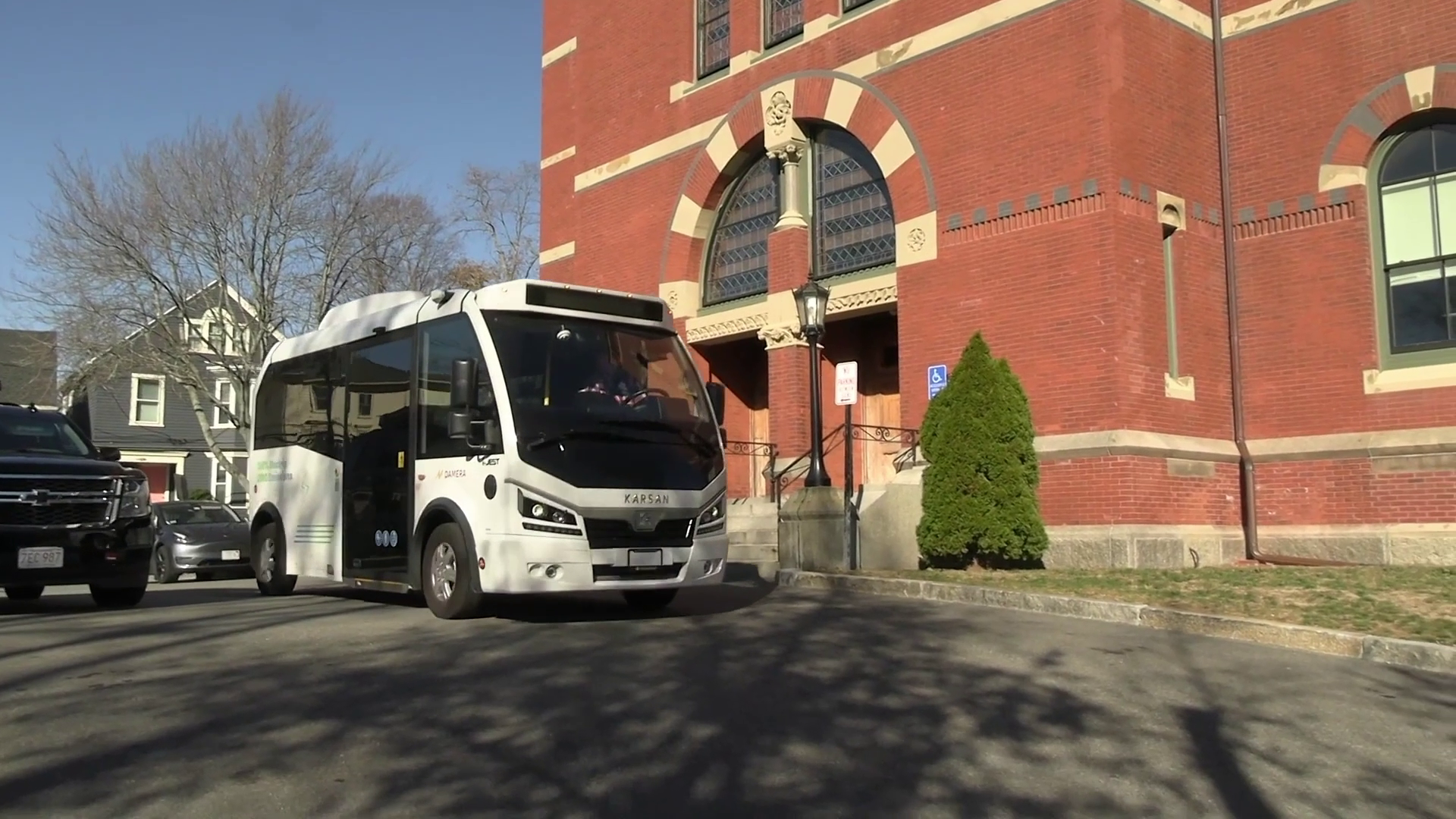
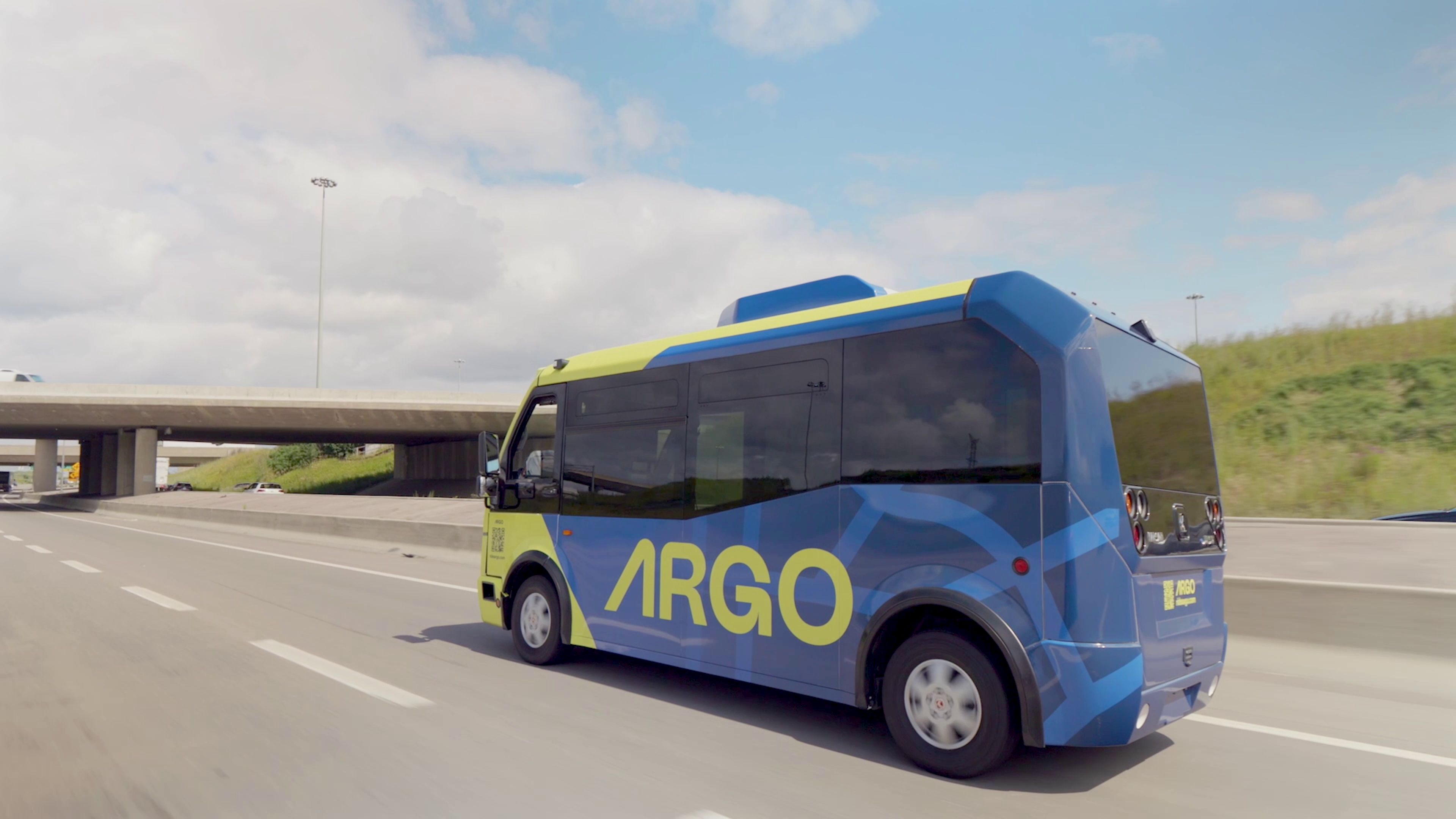
The service utilizes the Autonomous Karsan eJEST, combining Karsan's proven electric transit platform with ADASTEC's SAE Level-4 autonomous driving technology.
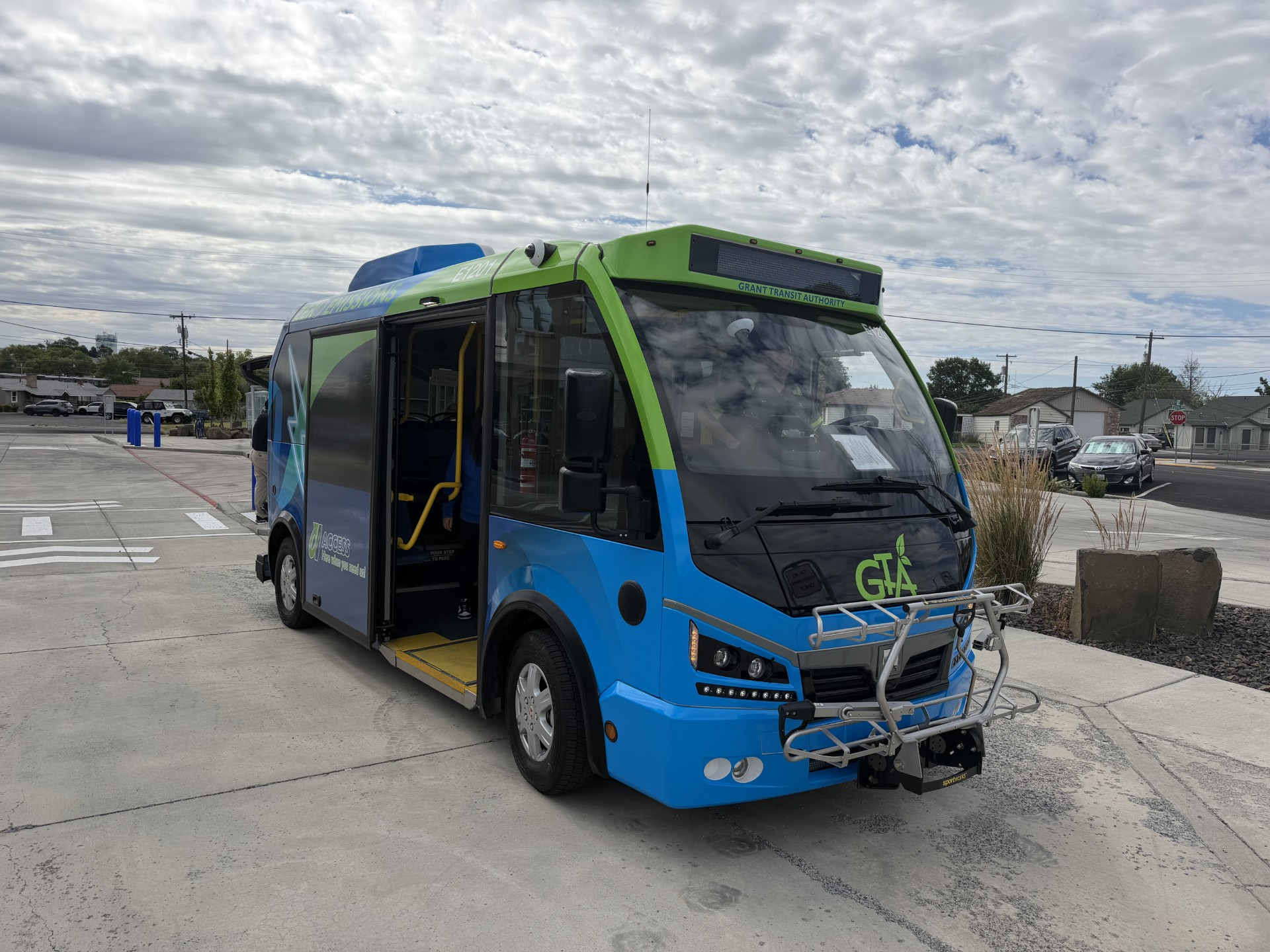
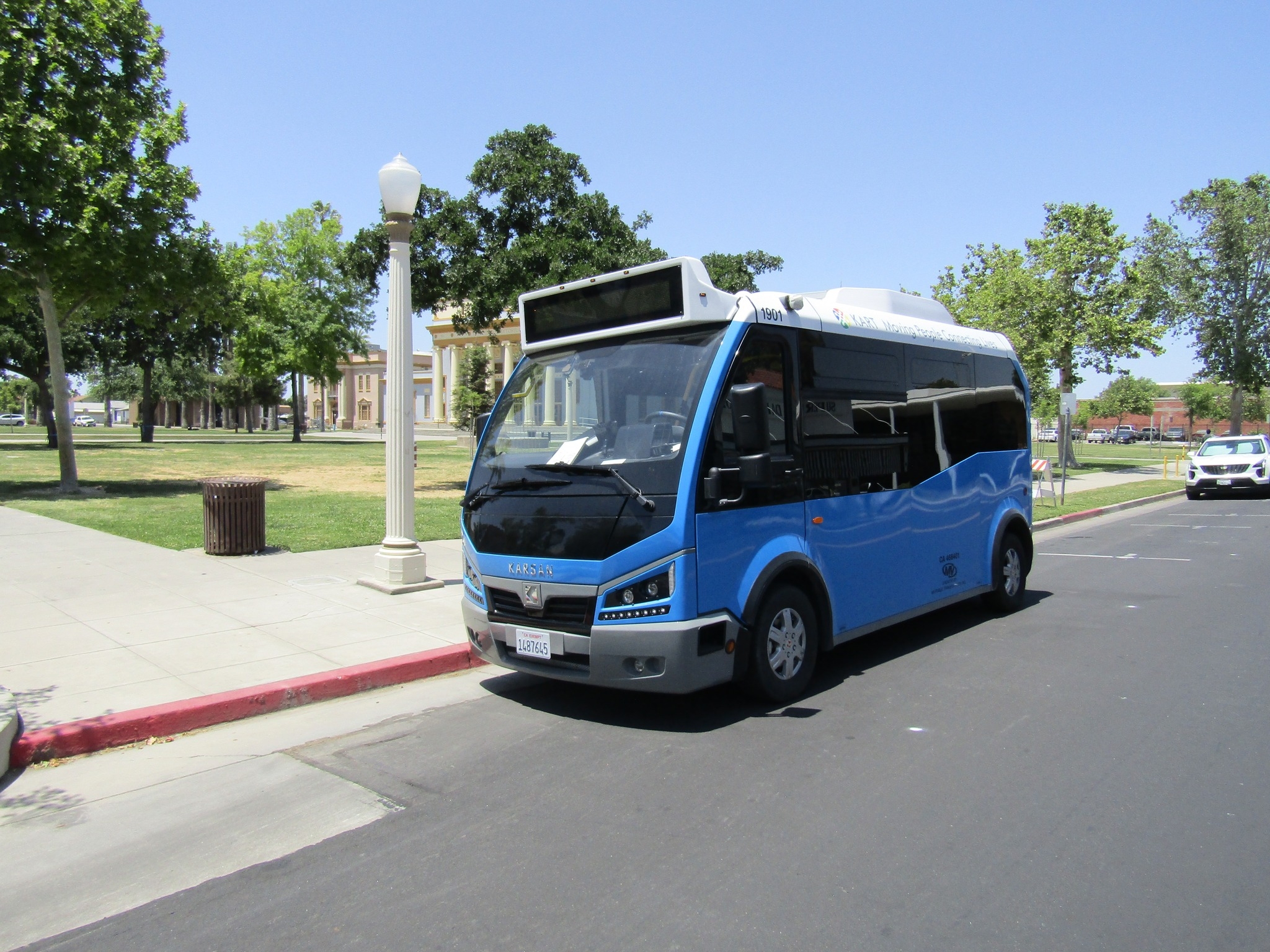
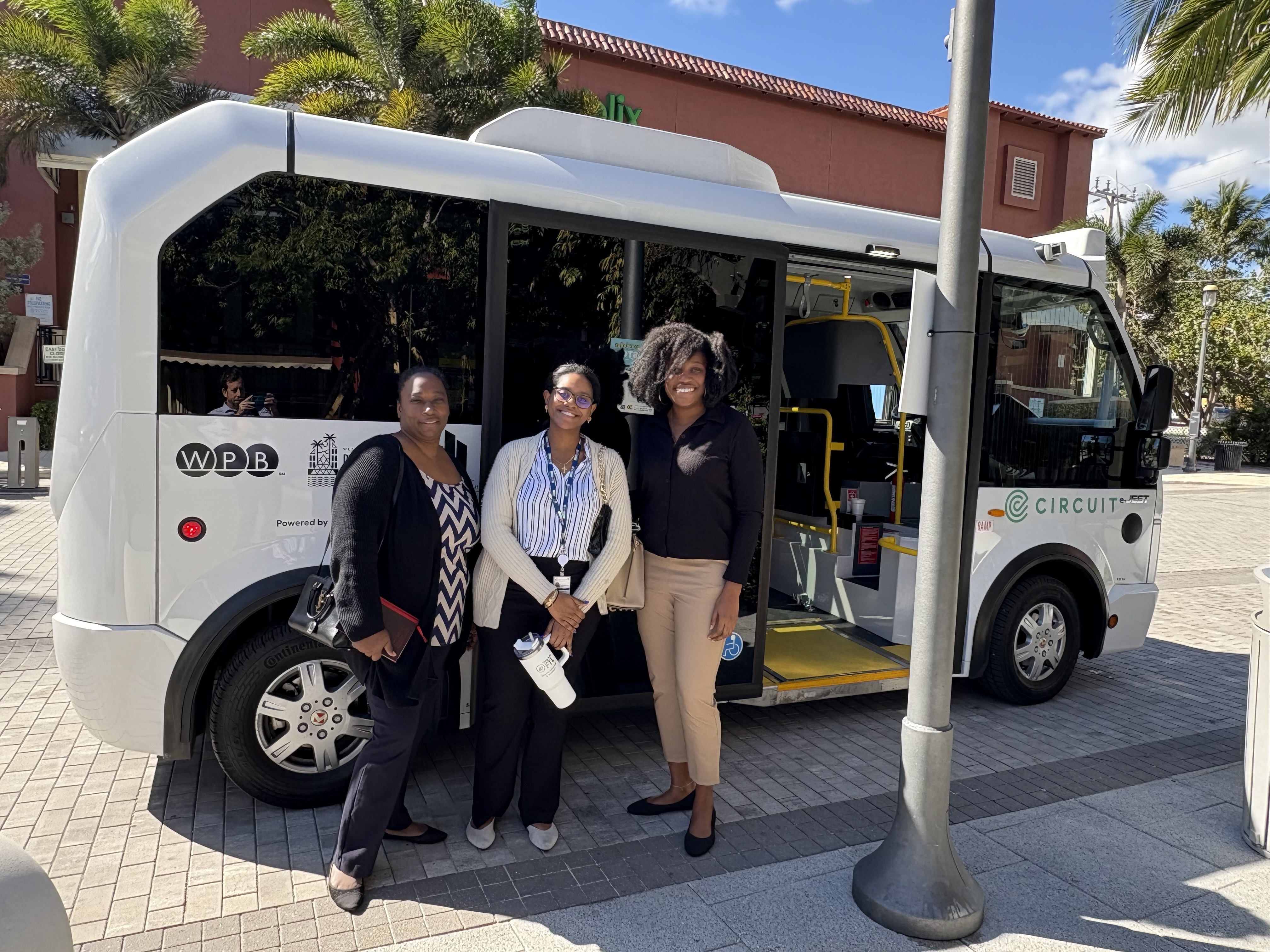
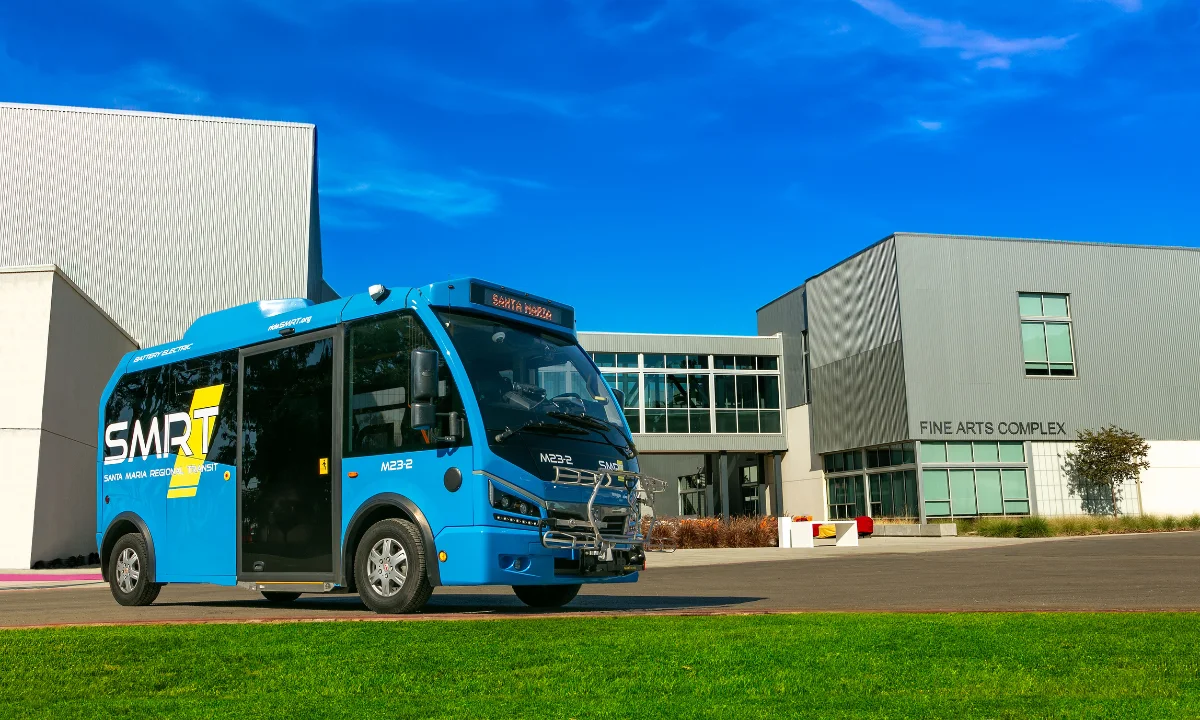
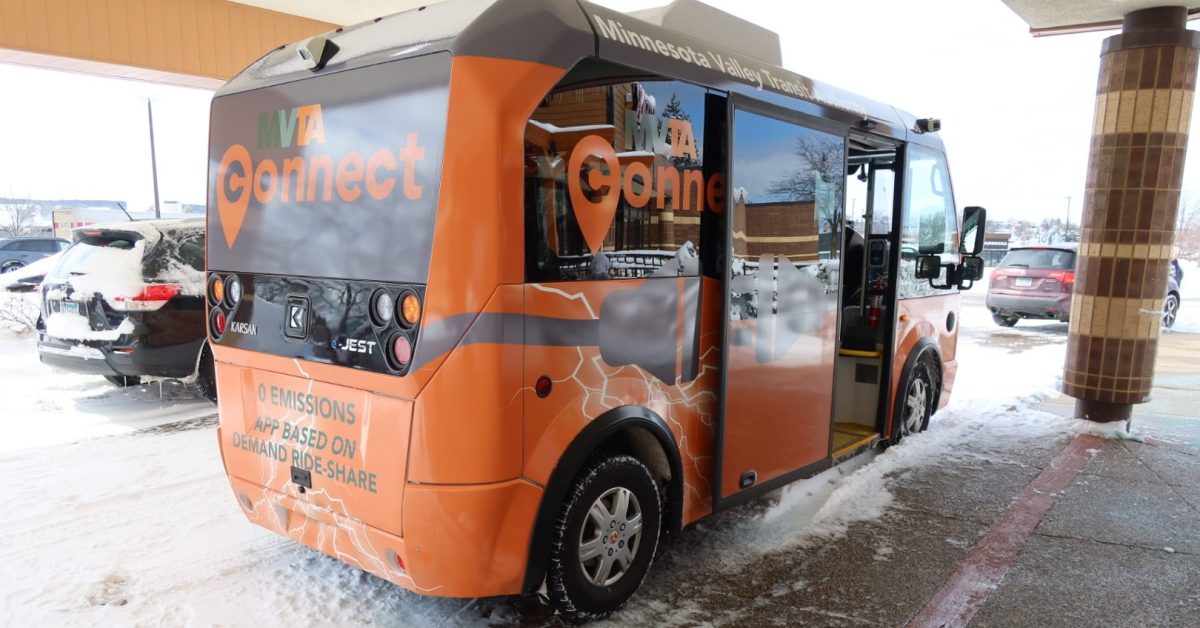
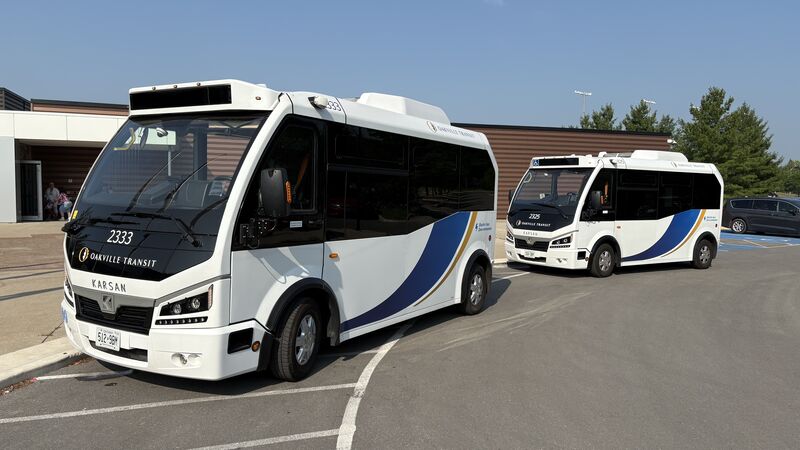
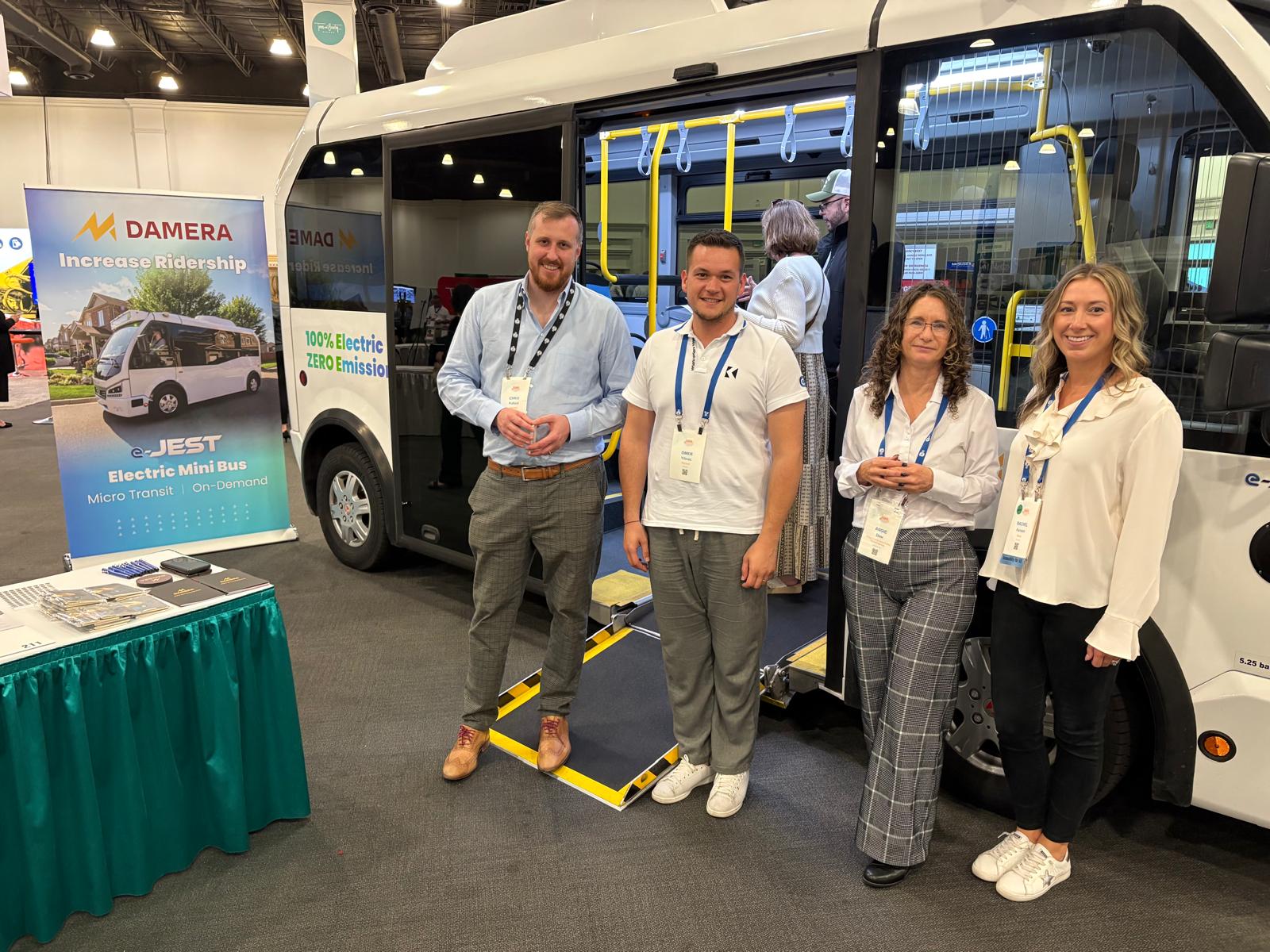
Unlike many autonomous shuttles derived from commercial van platforms, the eJEST was designed as a transit vehicle from the ground up. Its low-floor design, accessibility systems, passenger layout, 4-wheel suspension, and operational characteristics were developed specifically for public transportation environments.
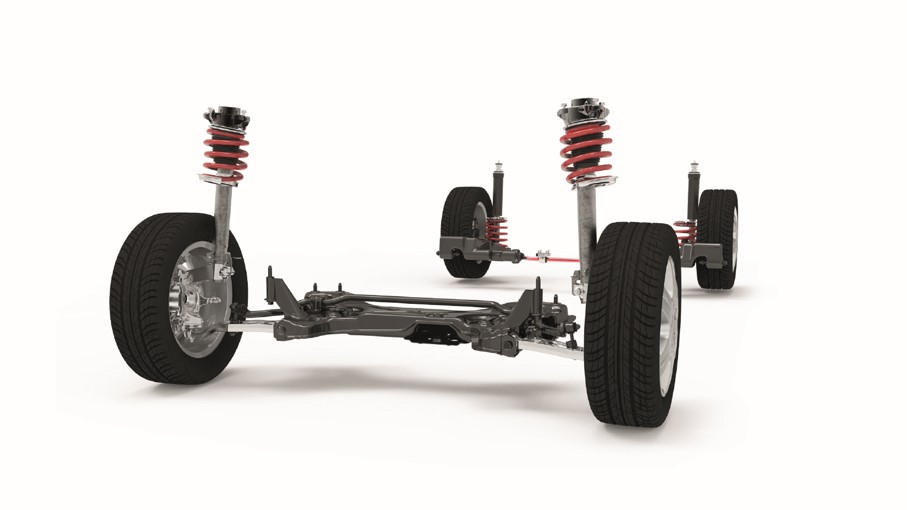
This distinction matters because transit agencies must evaluate more than autonomous technology alone. Vehicle durability, maintainability, passenger accessibility, fleet availability, and lifecycle performance remain critical considerations when introducing new mobility solutions.
Built upon a platform with more than 10,000 JEST vehicles operating globally, including more than 1,000 electric units, the Autonomous eJEST benefits from both proven transit vehicle experience and established autonomous driving technology.
Accessibility at the Center of Mobility
Accessibility is one of the most important measures of a successful transit system.
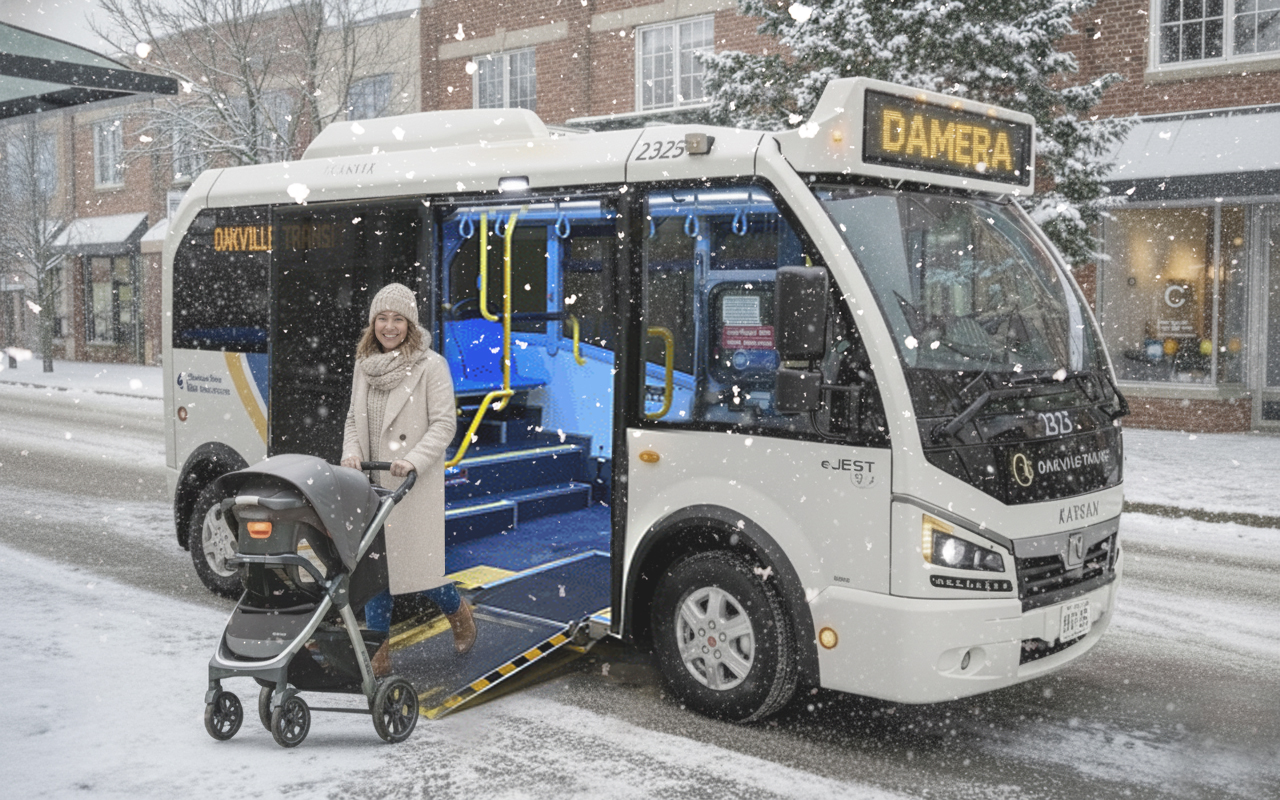
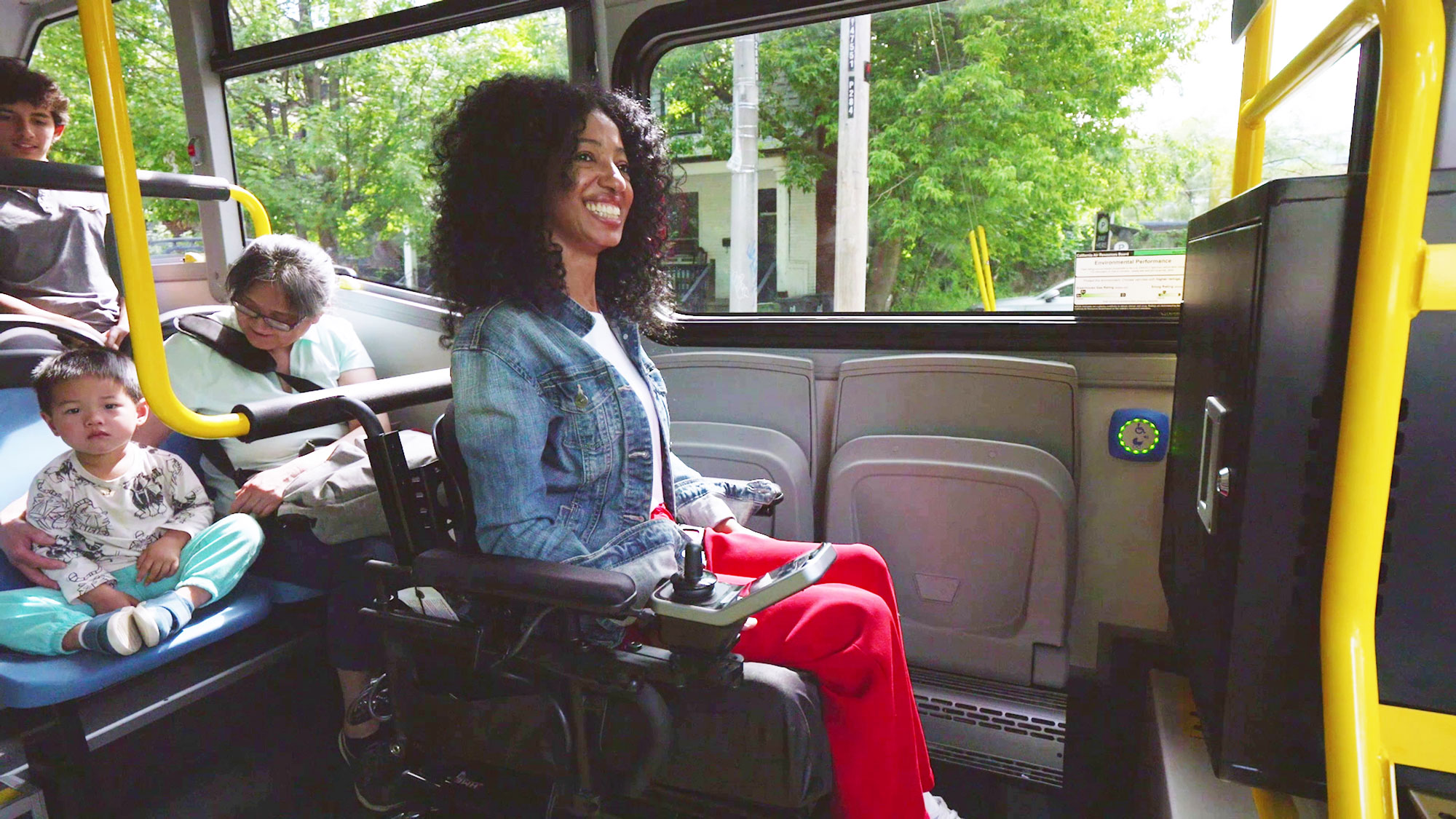
The Autonomous eJEST features a low-floor entrance, integrated accessibility solutions, and a passenger-friendly layout designed to accommodate riders of varying ages and mobility levels.
For many communities, accessible transportation serves as a gateway to employment, healthcare, education, shopping, and social participation. Expanding mobility options for seniors, passengers using mobility devices, and individuals with limited transportation alternatives remains a key objective of modern public transportation planning.
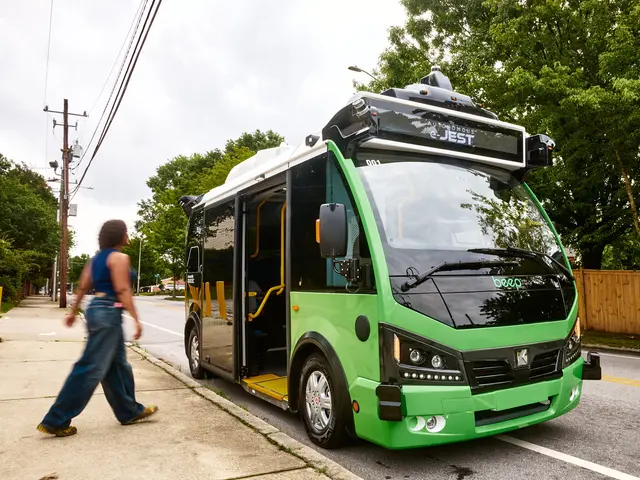
Learning Through Real-World Operations
The ATL Spoke pilot is structured as a year-long deployment, providing transportation agencies, project partners, and the public with an opportunity to evaluate autonomous transit across a variety of operating conditions.
The service will operate throughout the year and will continue during FIFA World Cup 2026™, allowing stakeholders to observe how autonomous transit performs during periods of increased travel demand and heightened public activity.

By offering free service during the pilot, project partners aim to encourage community participation while collecting valuable information related to rider experience, accessibility, operational performance, reliability, and public acceptance.
A Collaborative Approach to Innovation
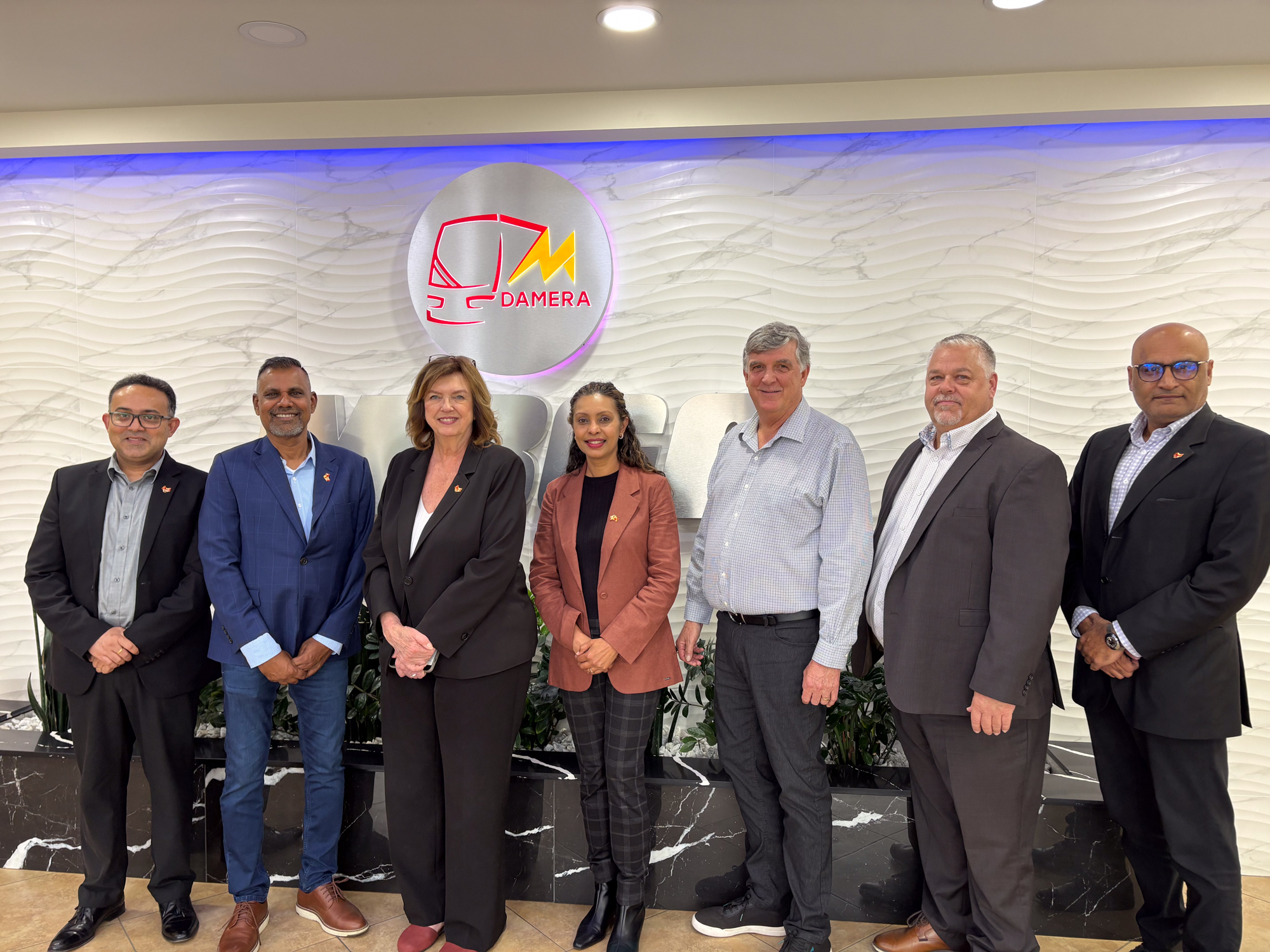
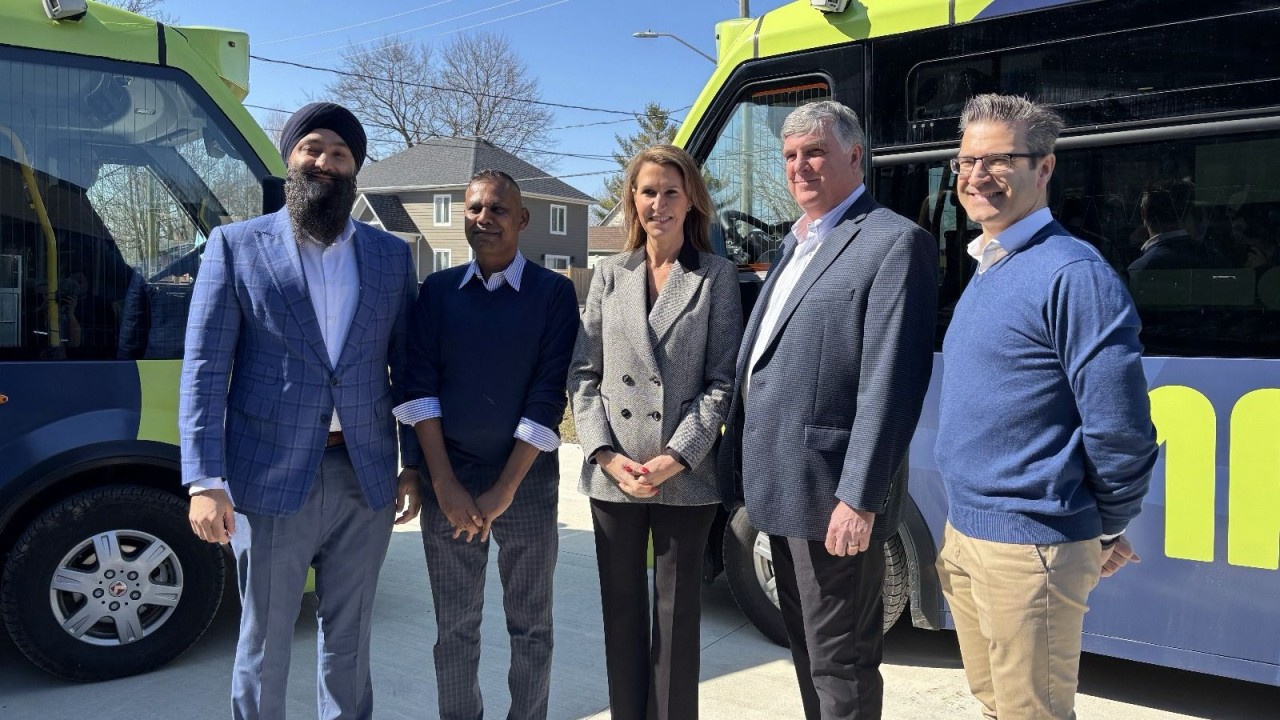
The pilot brings together Atlanta BeltLine, Beep, the Georgia Transportation Efficiency Authority (GTEA), MARTA, the City of Atlanta, ADASTEC, Karsan, and our company Damera Corporation.
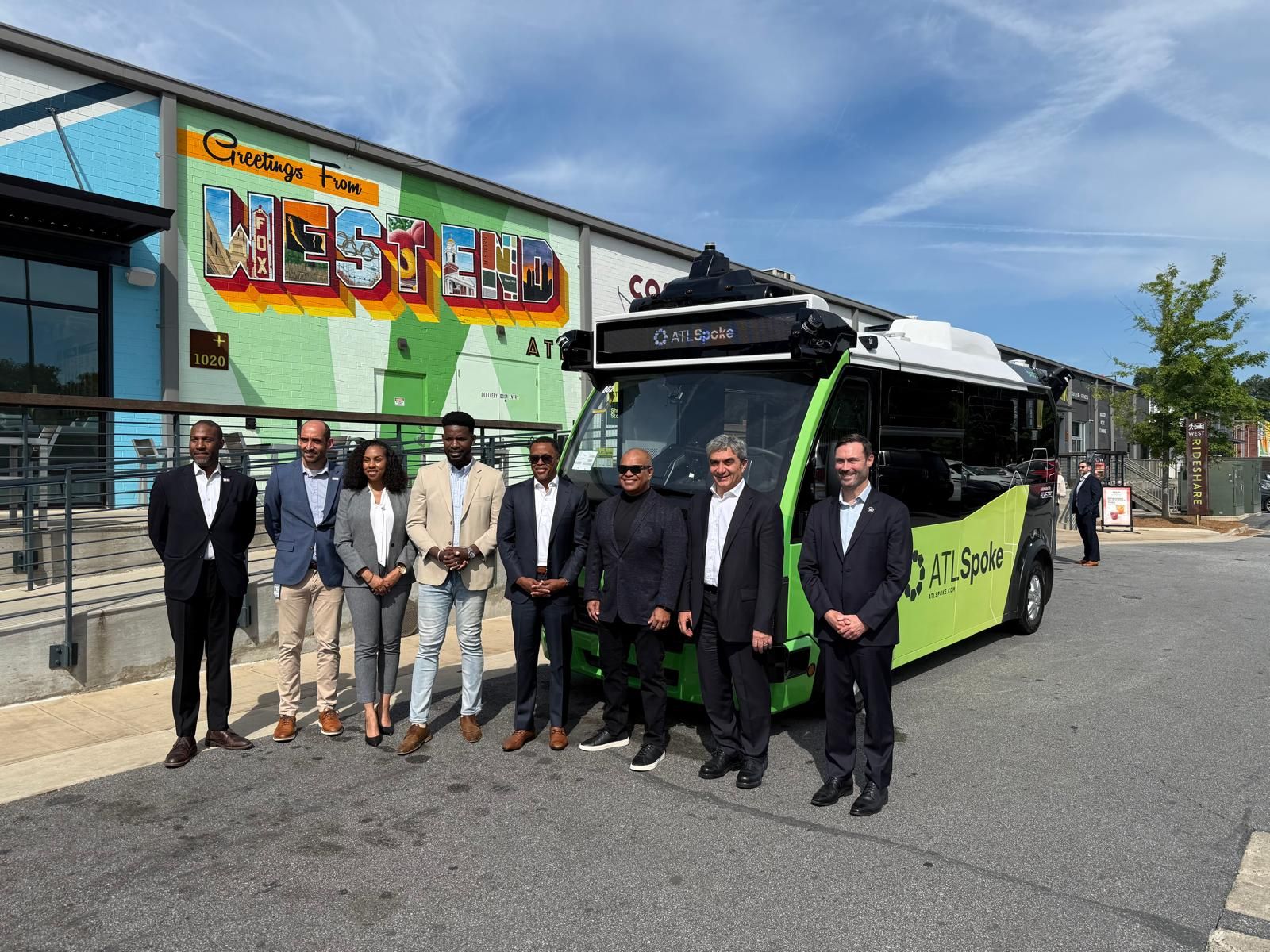
Projects like ATL Spoke require collaboration between transit agencies, vehicle manufacturers, technology providers, mobility operators, and local stakeholders. Each partner contributes a different area of expertise to help bring autonomous transit into everyday public service.
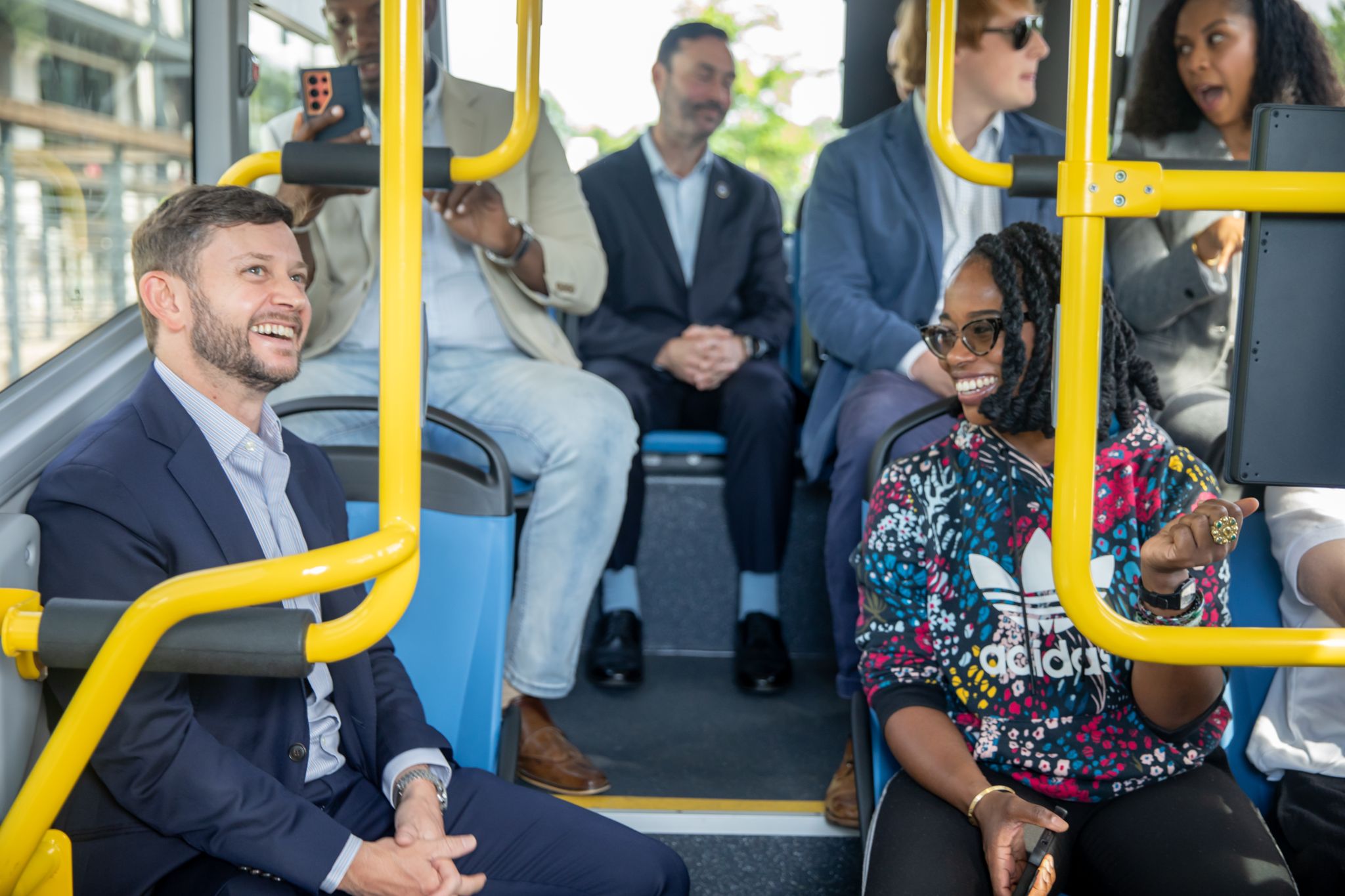
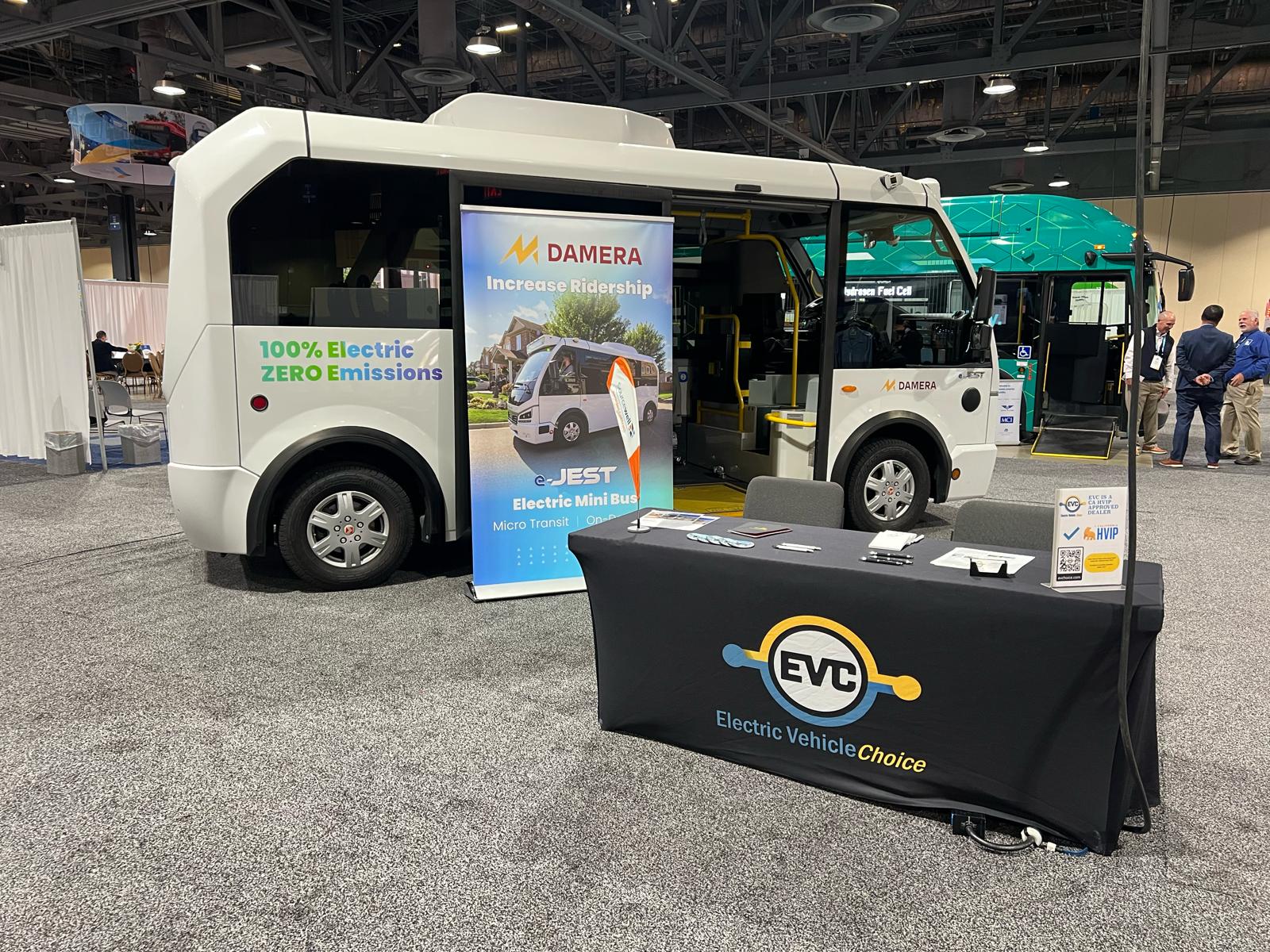
As the North American distributor of the Autonomous Karsan eJEST, Damera is proud to support initiatives that help transit agencies evaluate innovative approaches to improving mobility, accessibility, and community connectivity.
For transit professionals, ATL Spoke represents an opportunity to observe how autonomous transit performs in a real-world public transportation environment and what lessons may be applied to future mobility programs across North America.
If your agency is exploring autonomous transit, first- and last-mile mobility solutions, or new ways to improve accessibility and connectivity, contact the Damera team to learn more about the Autonomous Karsan eJEST and its applications in North American transit environments.











.jpeg)









.jpeg)


.jpg)





.svg)