


.svg.avif)




-p-500-p-500.avif)









Chargers

All Chargers
Explore all charging options on one page
Services
TUV Level 3
High Voltage Training

Work safely and effectively with high-voltage systems

Charger Installation
Contributes to the seamless integration of electric vehicles

Electrical Engineering
Get your skills in electrical engineering tailored to the transit industry
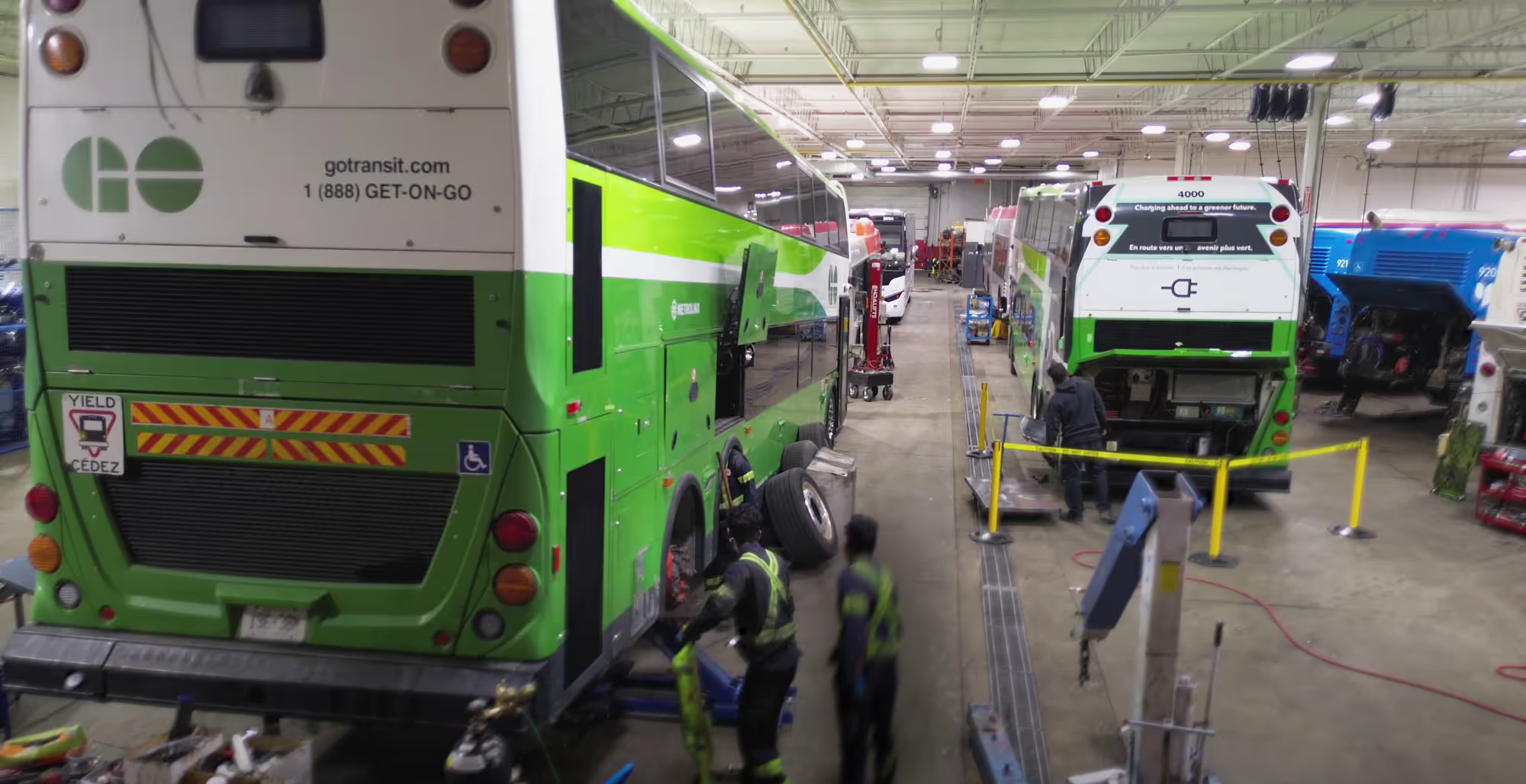
Bus Service (MBCT)
Comprehensive bus service ensuring reliable maintenance, repairs, and safety compliance.
MICROTRANSIT

Paratransit Buses
Learn more about our paratransit vehicles and how we’re improving mobility for people with disabilities and underserved riders.

Micromobility Buses
Discover how our buses support both paratransit needs and provide efficient service in low-ridership areas.

Minibuses for Campuses
Learn how modern electric minibuses create smoother, safer, and more convenient transportation for students and staff.

.svg)
There is no previous post
Previous Post
Next Post
There is no next post
Karsan eJEST: Why Reliability, Delivery Timelines, and Technical Support Matter to Transit Agencies
No items found.
When transit agencies evaluate electric transit vehicles, acquisition cost is often one of the first factors considered. While capital investment remains important,
the true value of a vehicle is determined over years of operation.
Reliability, fleet availability, maintenance requirements, delivery timelines, technical support, and workforce readiness all influence the long-term success of a transit program.
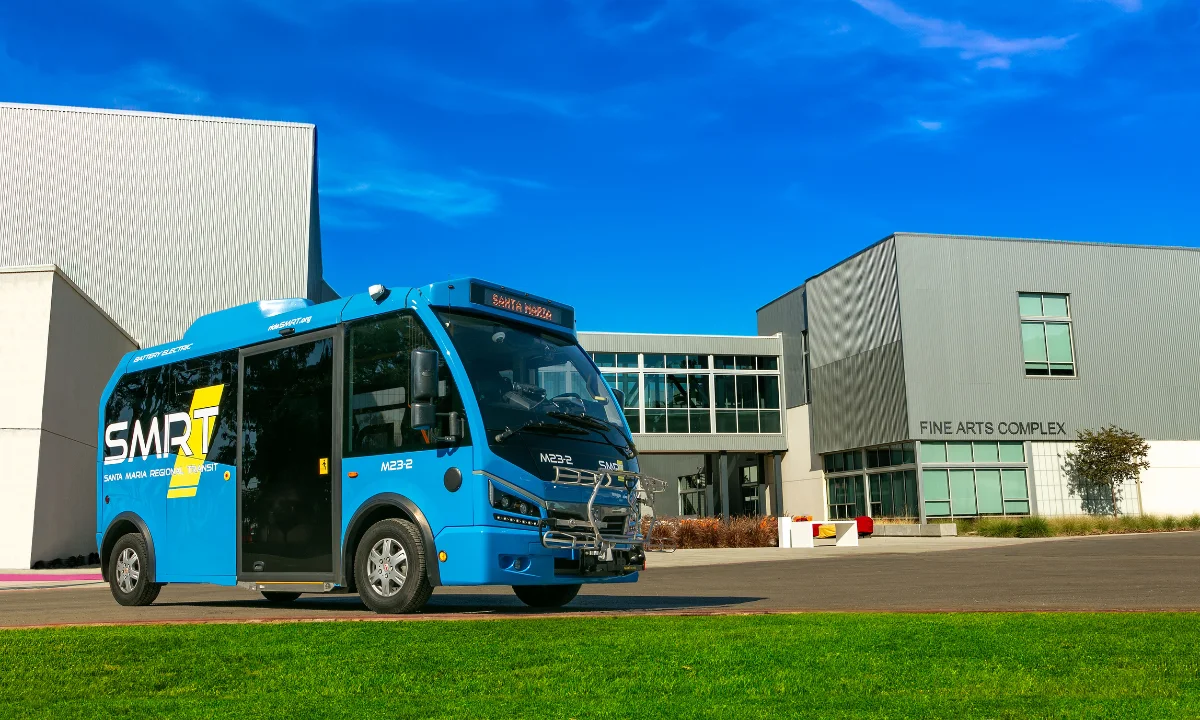
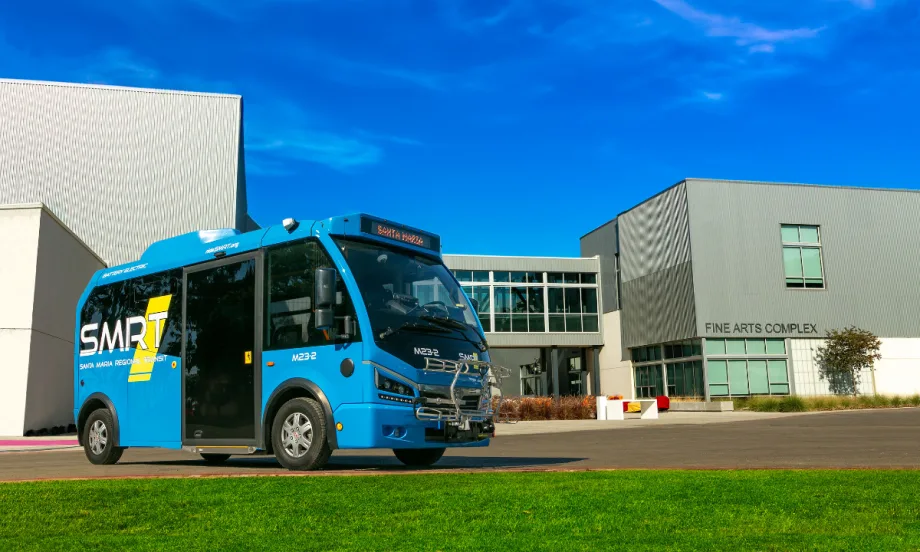
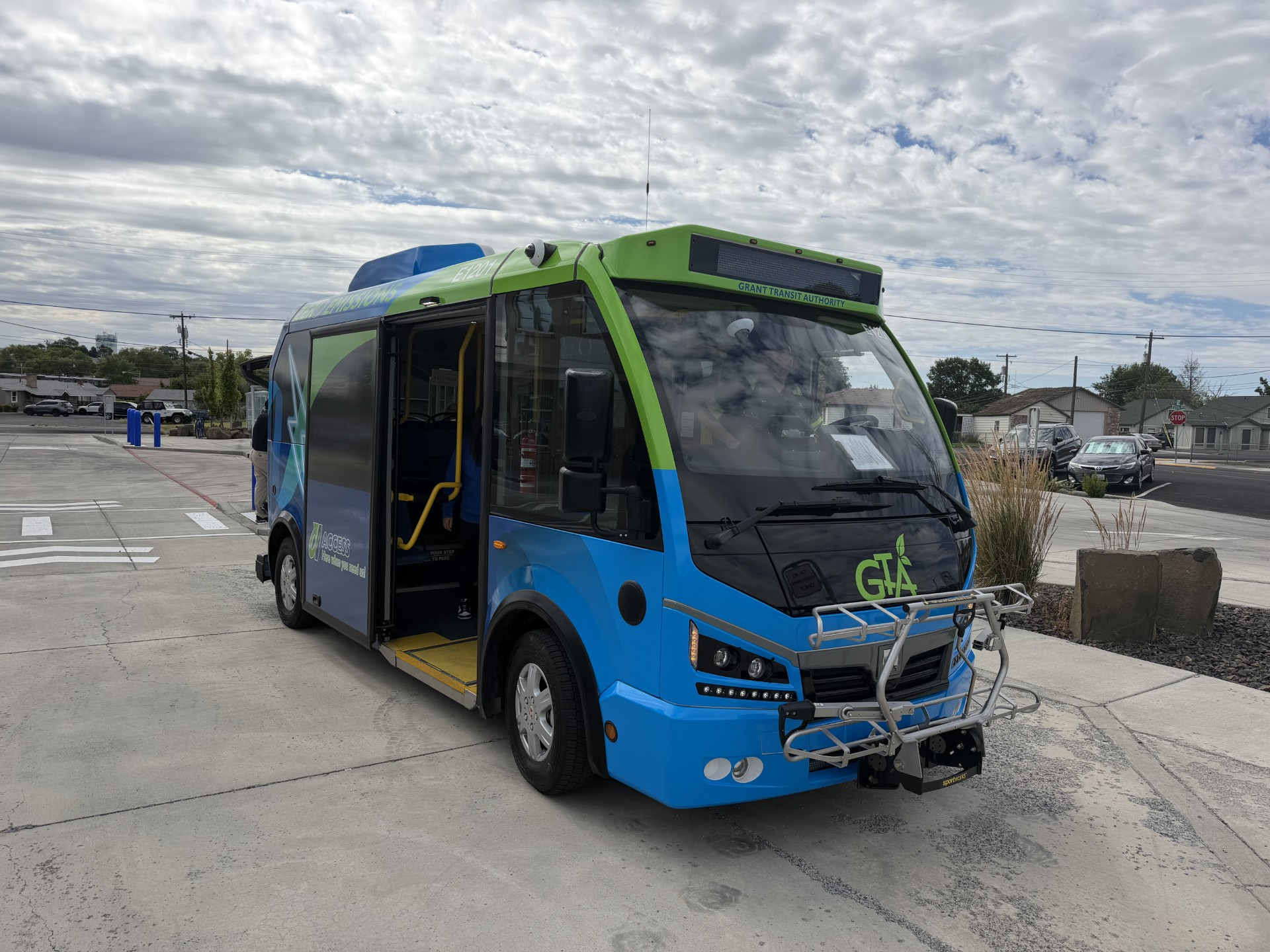
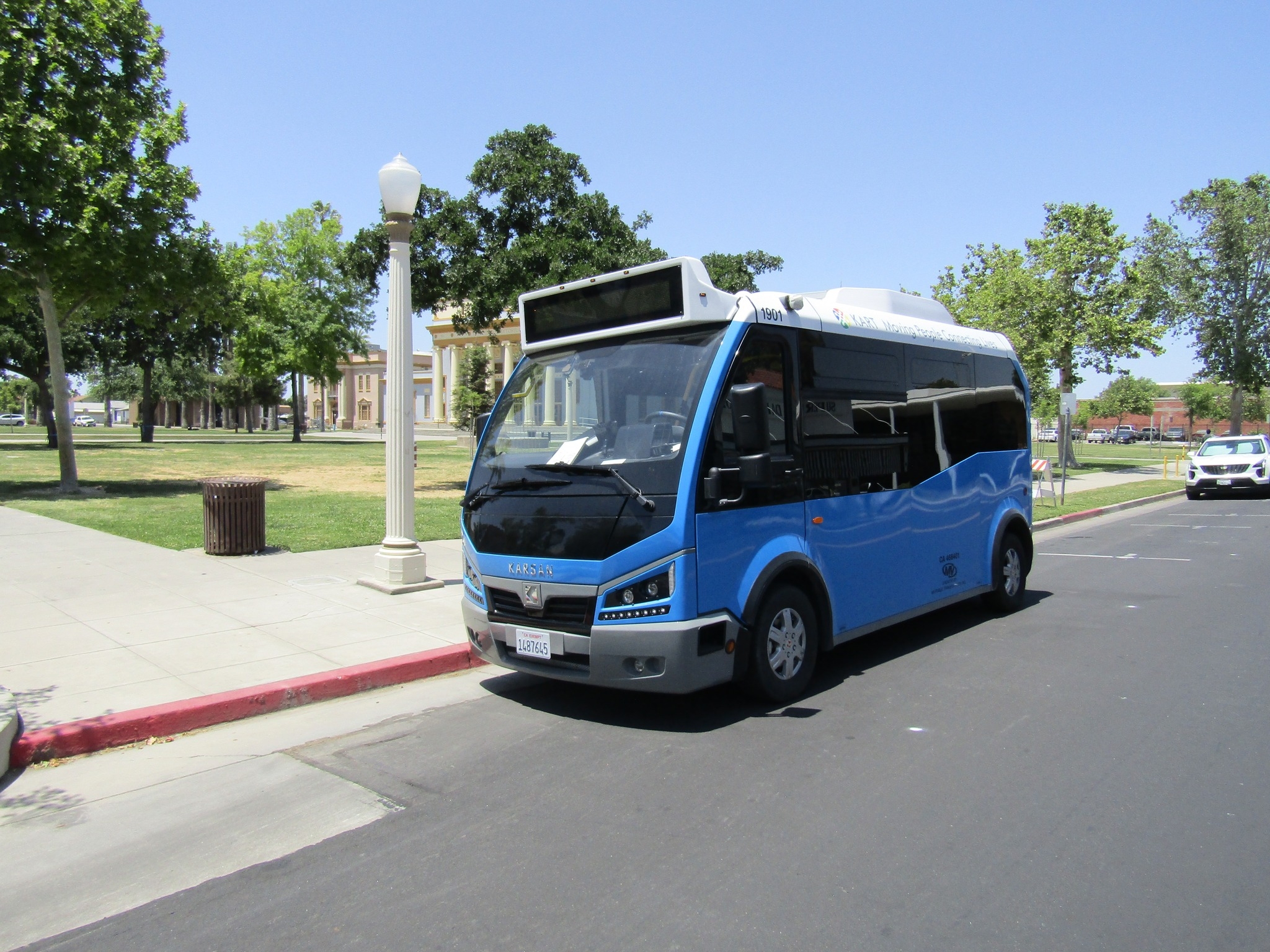
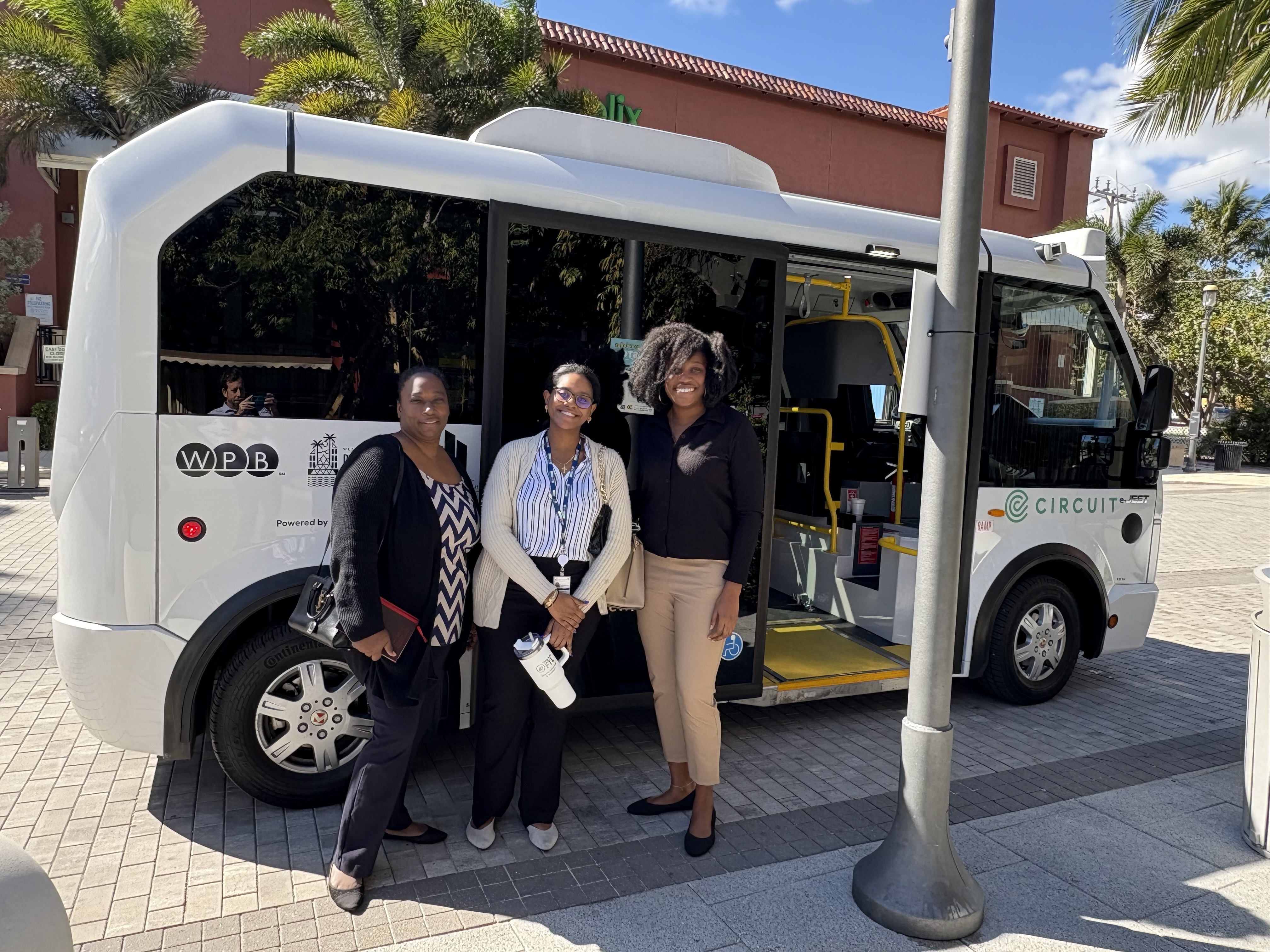
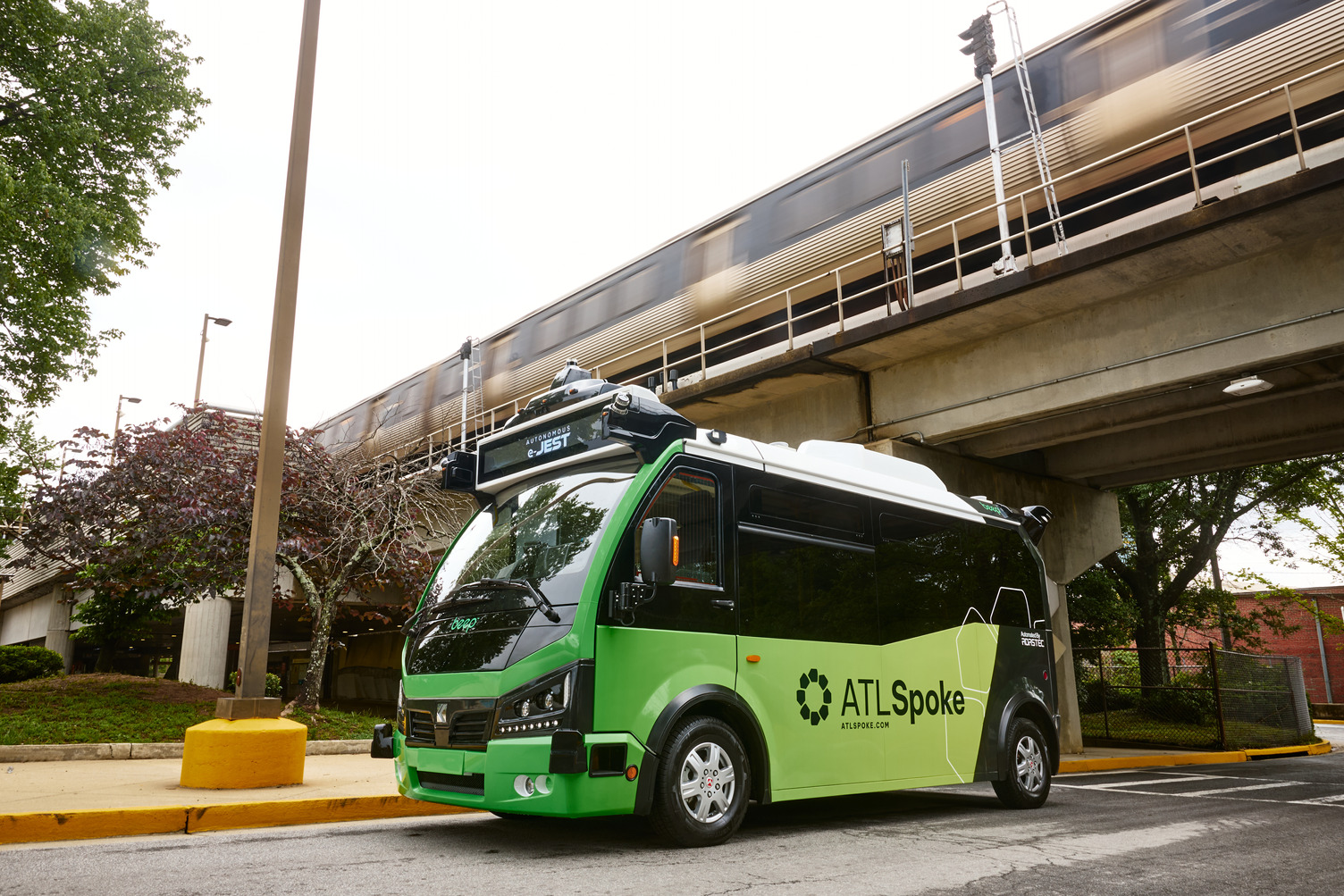
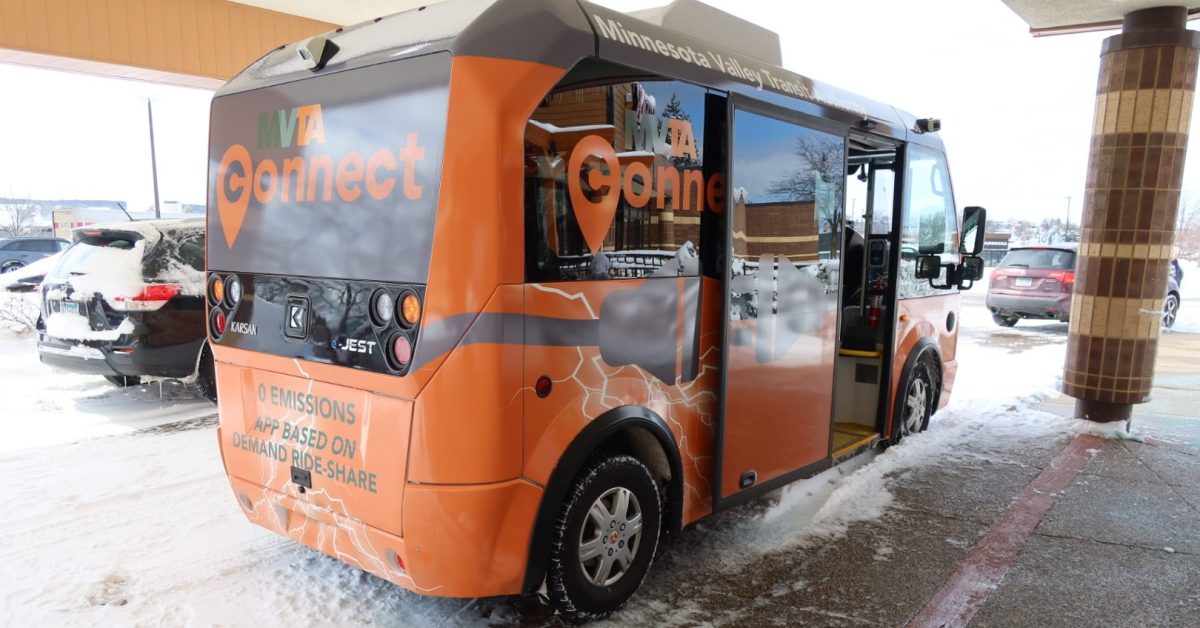
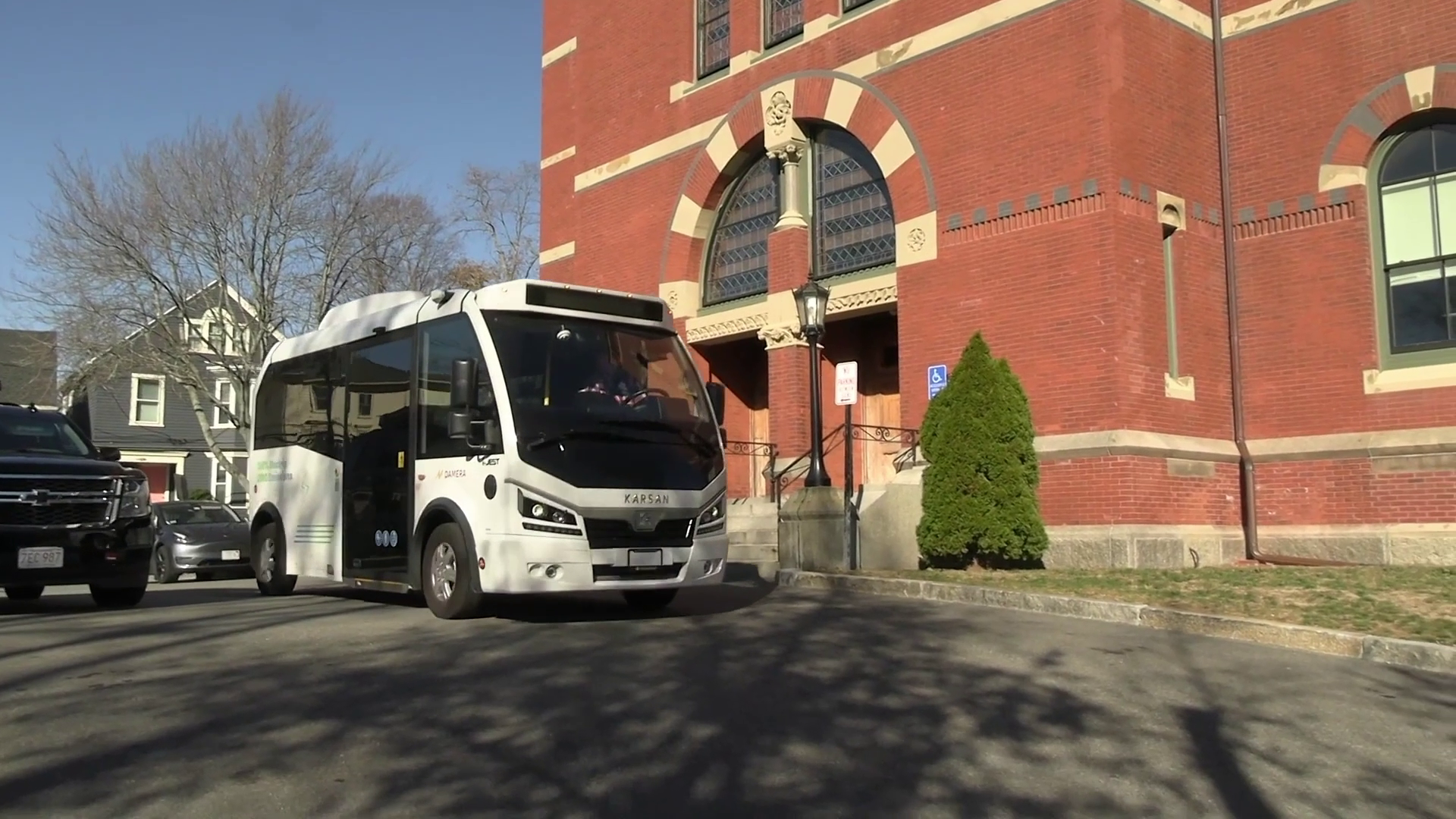
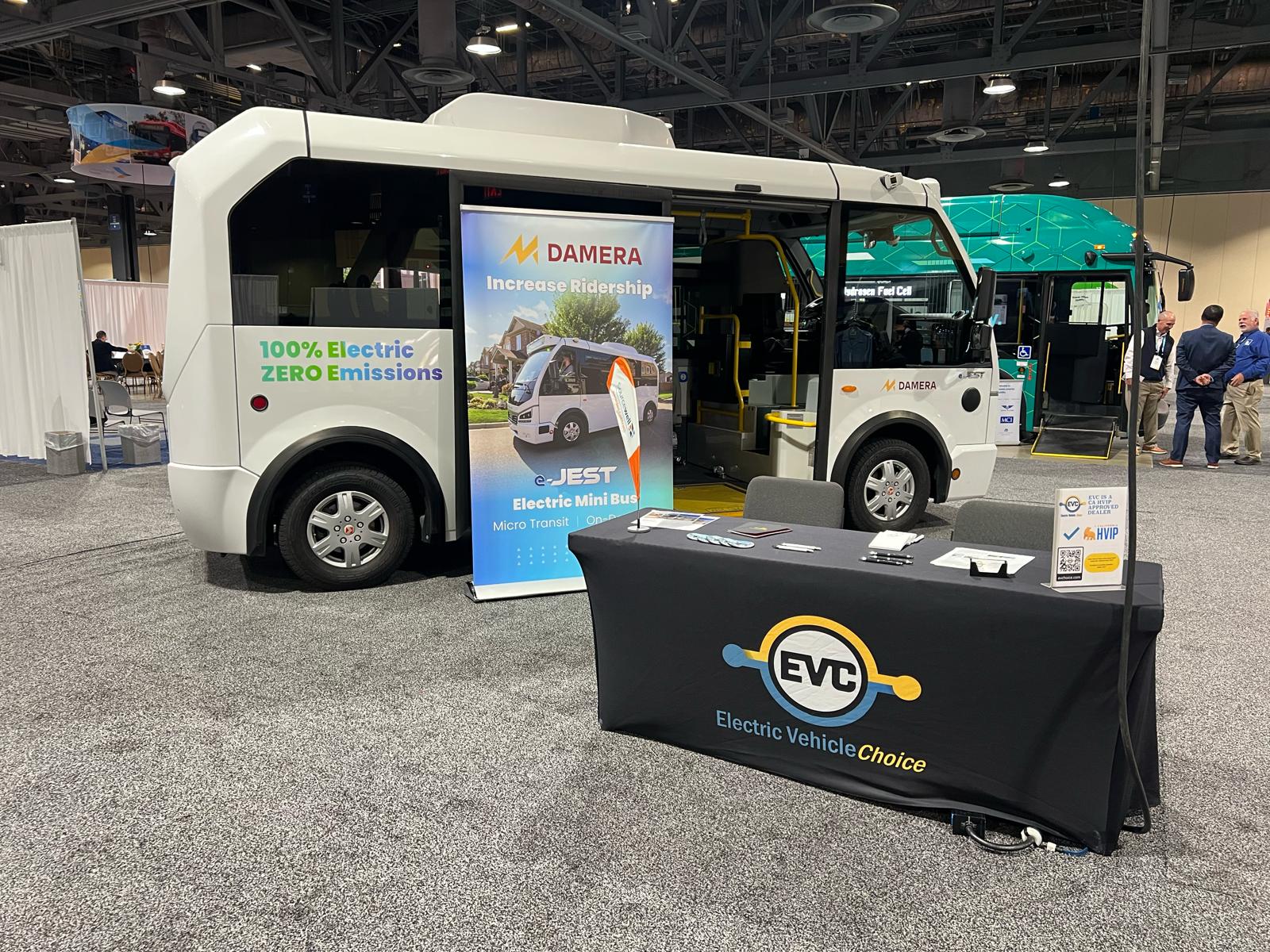
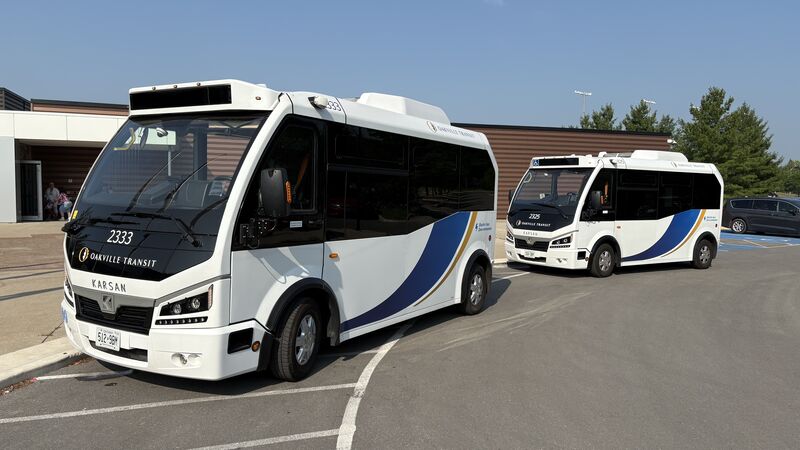
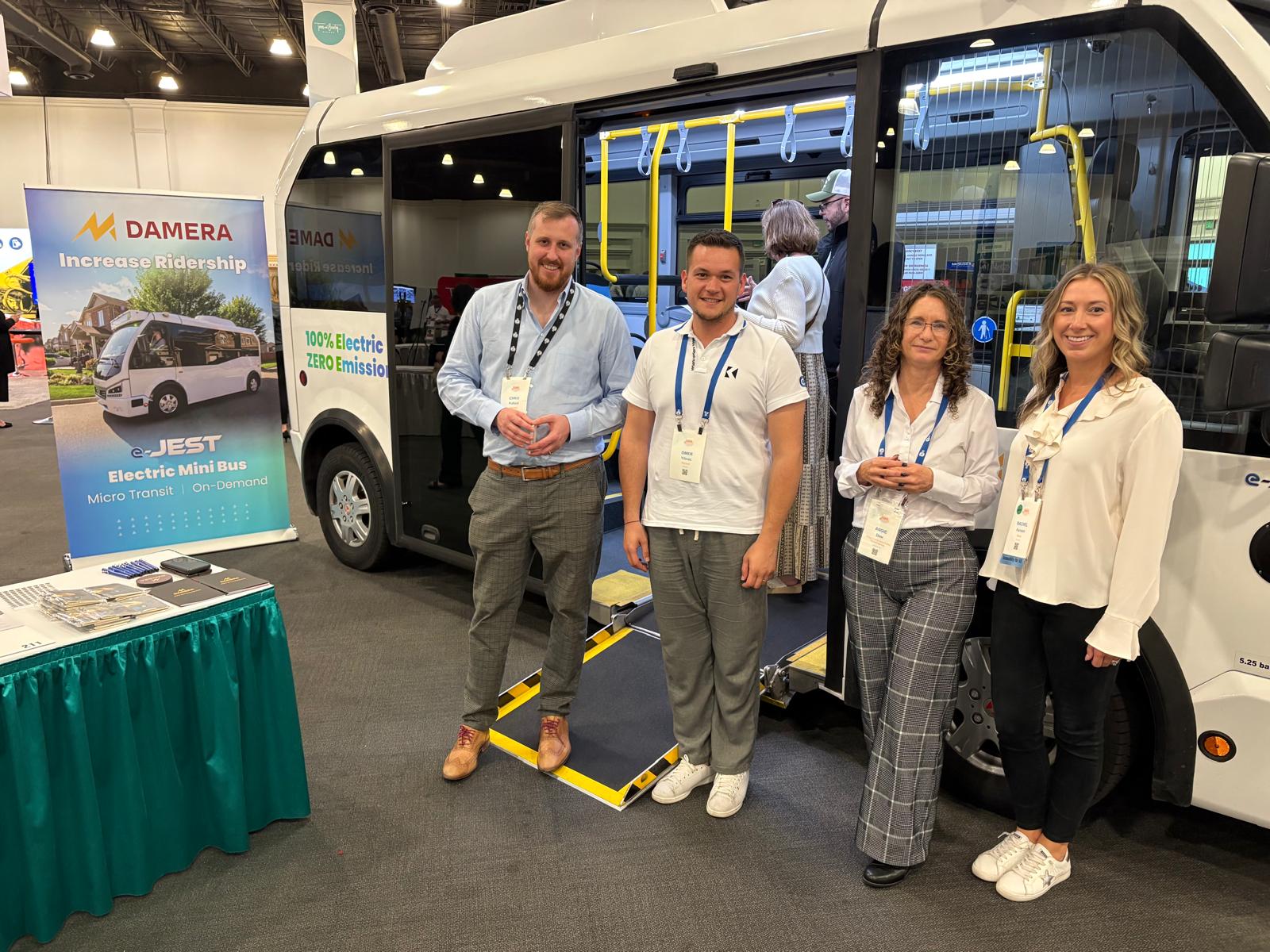
This is particularly relevant when evaluating minibuses like our Karsan eJEST for microtransit, paratransit, community transportation, and lower-ridership routes.
Looking Beyond the Purchase Price
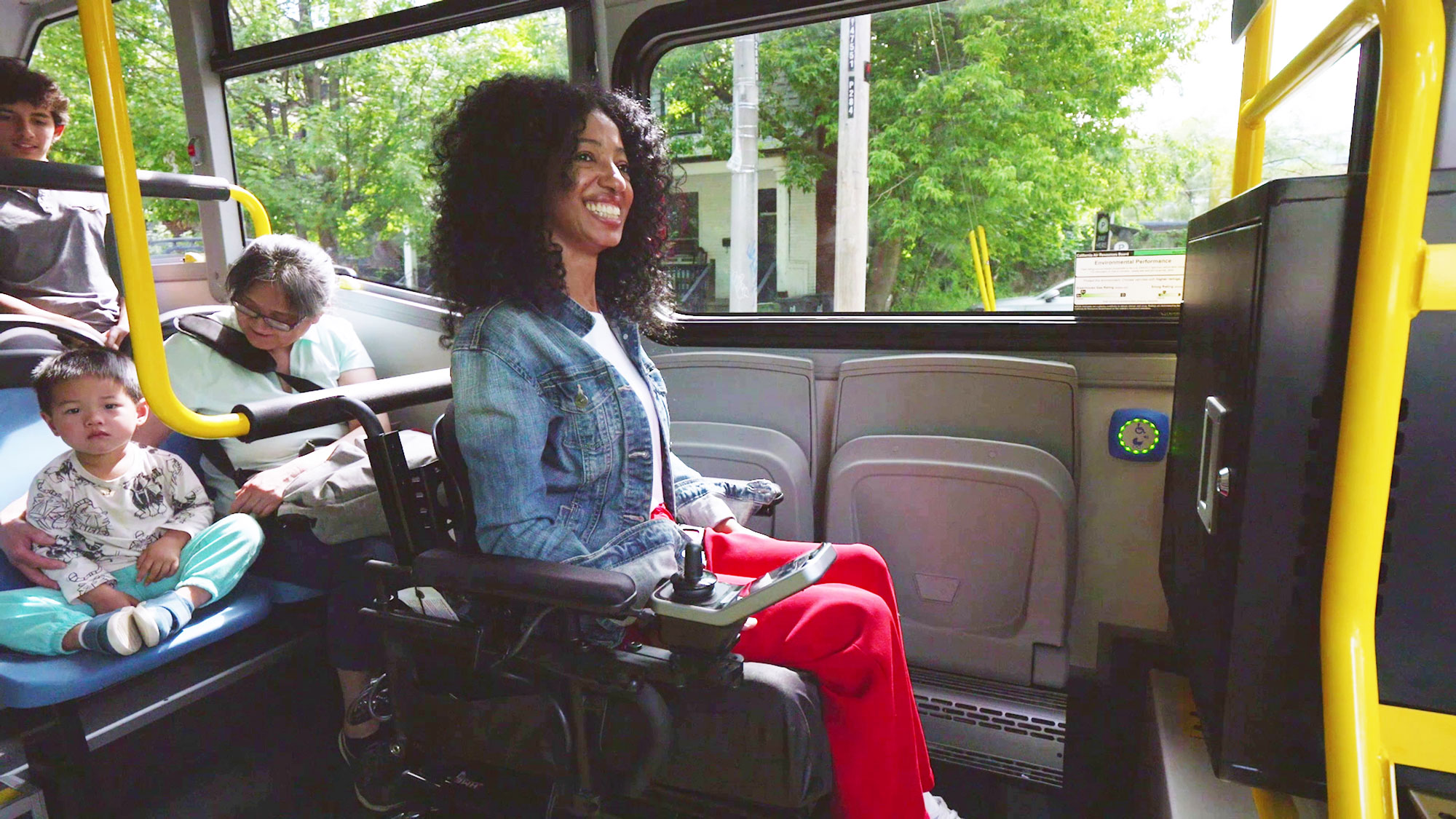
Right-sized transit vehicles can create opportunities to improve accessibility, increase service frequency, and expand transportation coverage while making efficient use of available resources.
In many applications, agencies can deploy multiple (up to four) electric minibuses for the capital cost of a single full-size electric bus.
However, the decision extends beyond vehicle acquisition. Transit agencies must also consider how the vehicle will perform throughout its operational life.
Vehicle uptime, passenger experience, maintenance efficiency, and support availability often have a greater impact on lifecycle value than the initial purchase price alone.
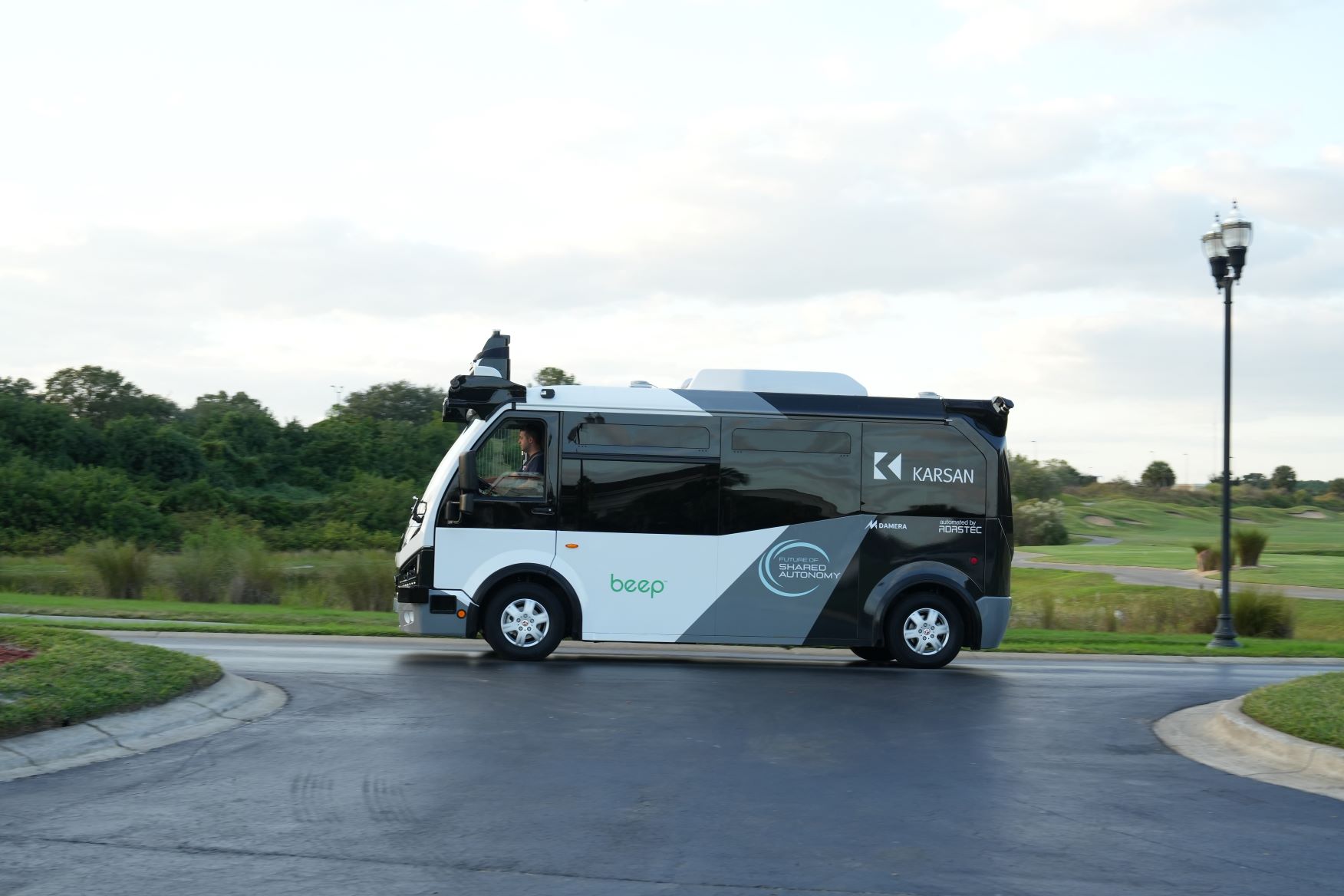
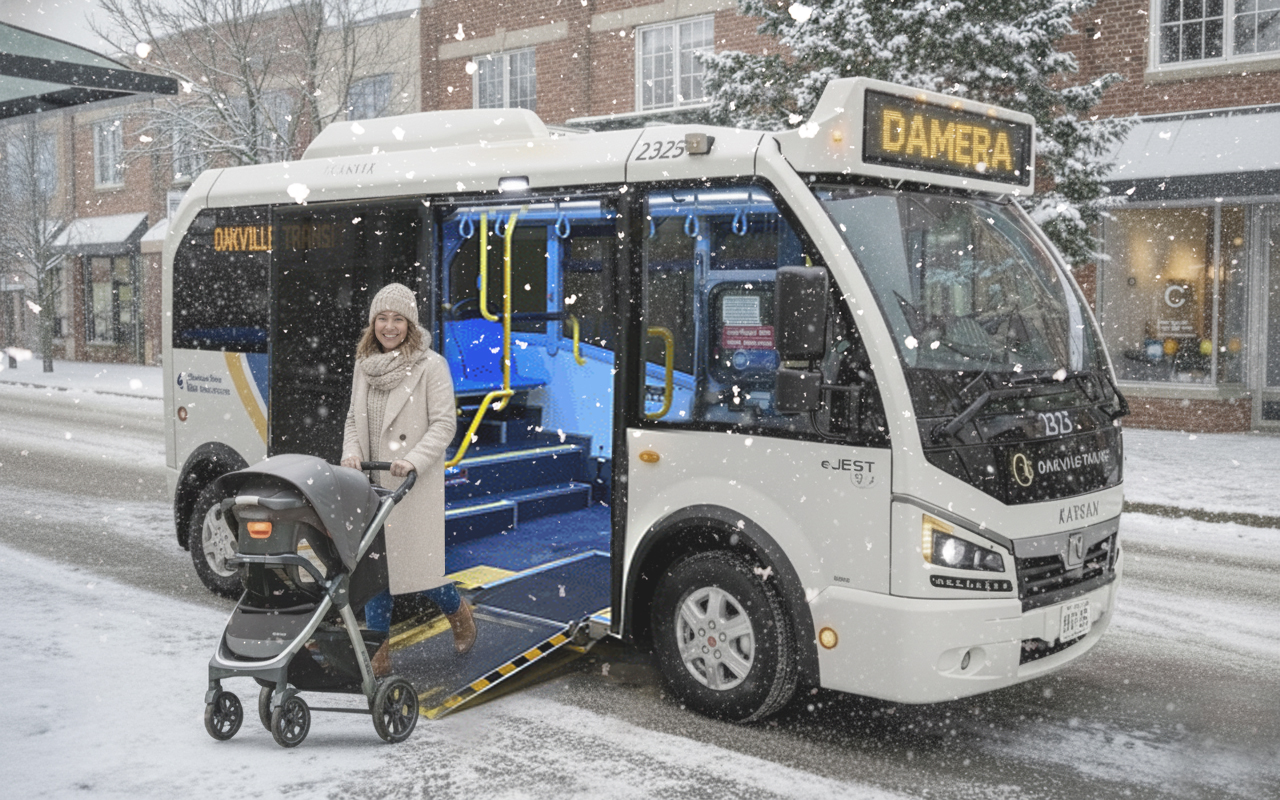
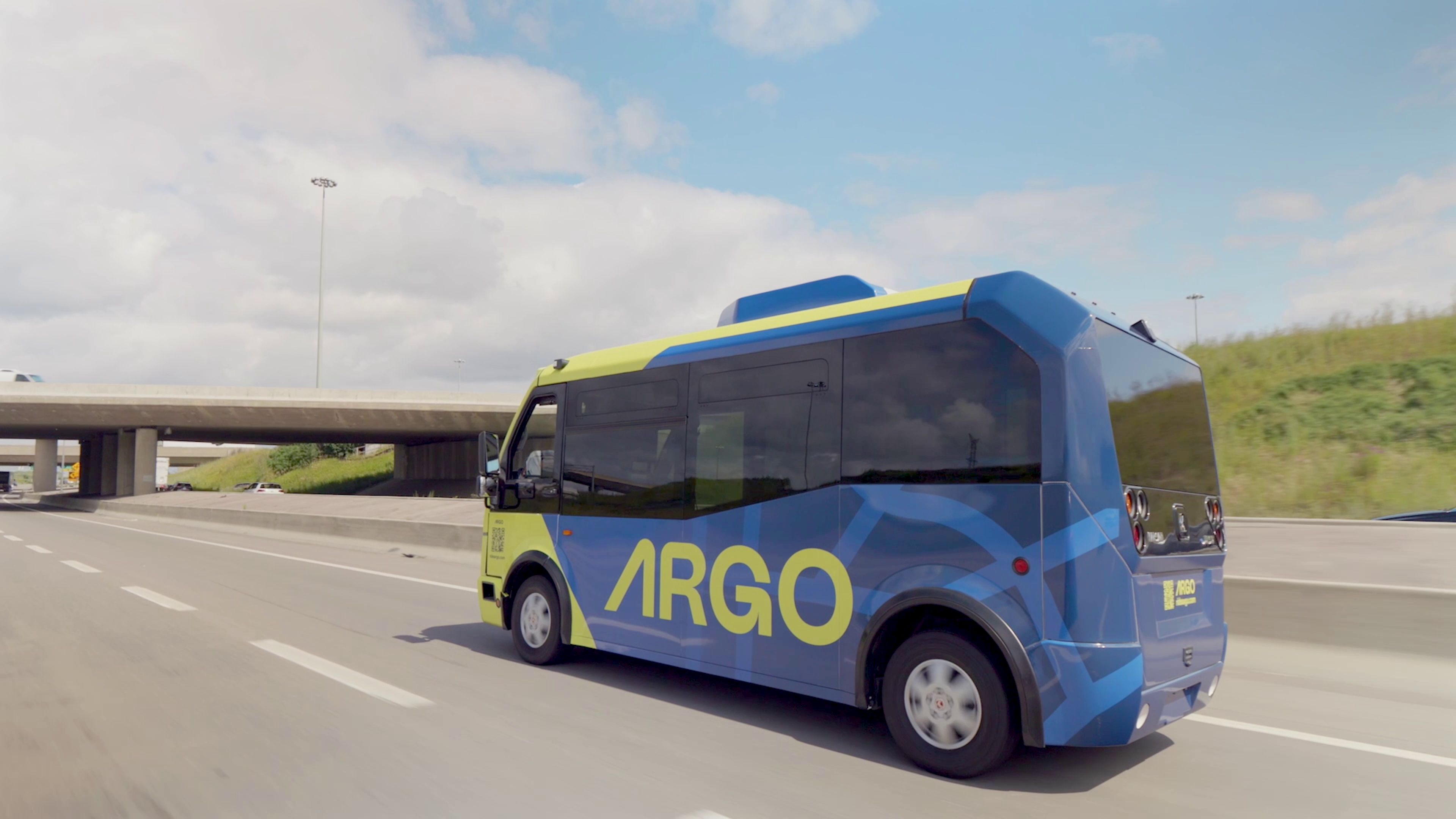
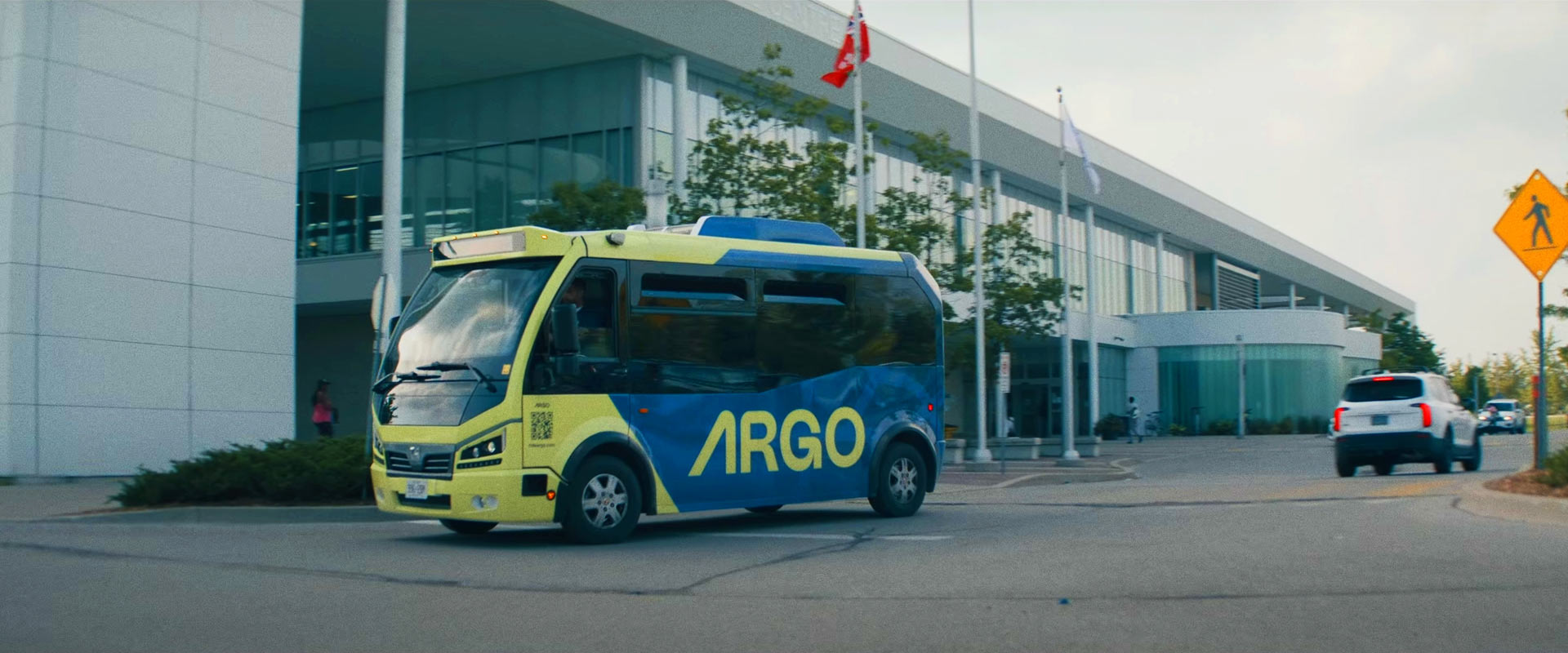
The Karsan eJEST was built as a transit bus from the ground up—not adapted from a commercial van platform. Every aspect of the vehicle, from its structure and suspension to its accessibility systems and passenger layout, was designed specifically to meet the demands of public transportation.
This purpose-built approach helps support long-term durability, operational reliability, passenger comfort, and maintainability throughout the vehicle's service life.

Why Delivery Timelines Matter
Transit agencies often face extended vehicle procurement timelines, creating challenges for fleet replacement plans, service expansion programs, grant-funded initiatives, and electrification projects.
Vehicle availability can directly impact how quickly agencies are able to place new services into operation, replace aging assets, or respond to changing community transportation needs.
Through established relationships with global manufacturers, technology providers, and component suppliers, Damera has developed a supply chain designed to support reliable delivery and long-term fleet support.
For many applications, the Karsan eJEST can be delivered in approximately three months, allowing agencies to move forward with fleet modernization initiatives more efficiently.
Reliable delivery schedules also help transit organizations coordinate infrastructure readiness, operator training, maintenance preparation, and deployment planning.

Karsan eJEST Operator Training, Technical Maintenance, and High-Voltage Safety
Successfully introducing electric transit vehicles requires more than new equipment. It requires knowledgeable operators, maintenance personnel, and technical teams.
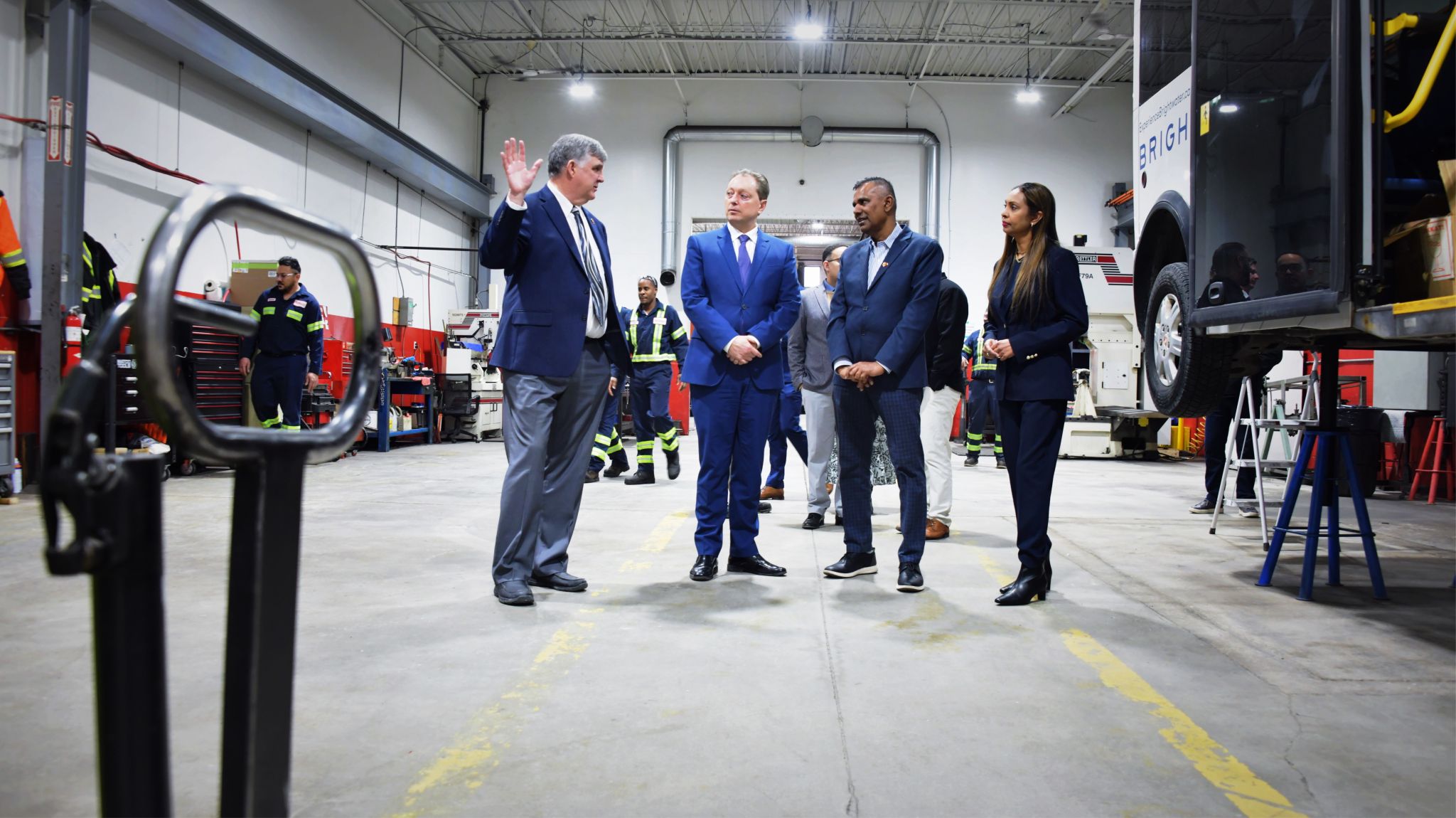
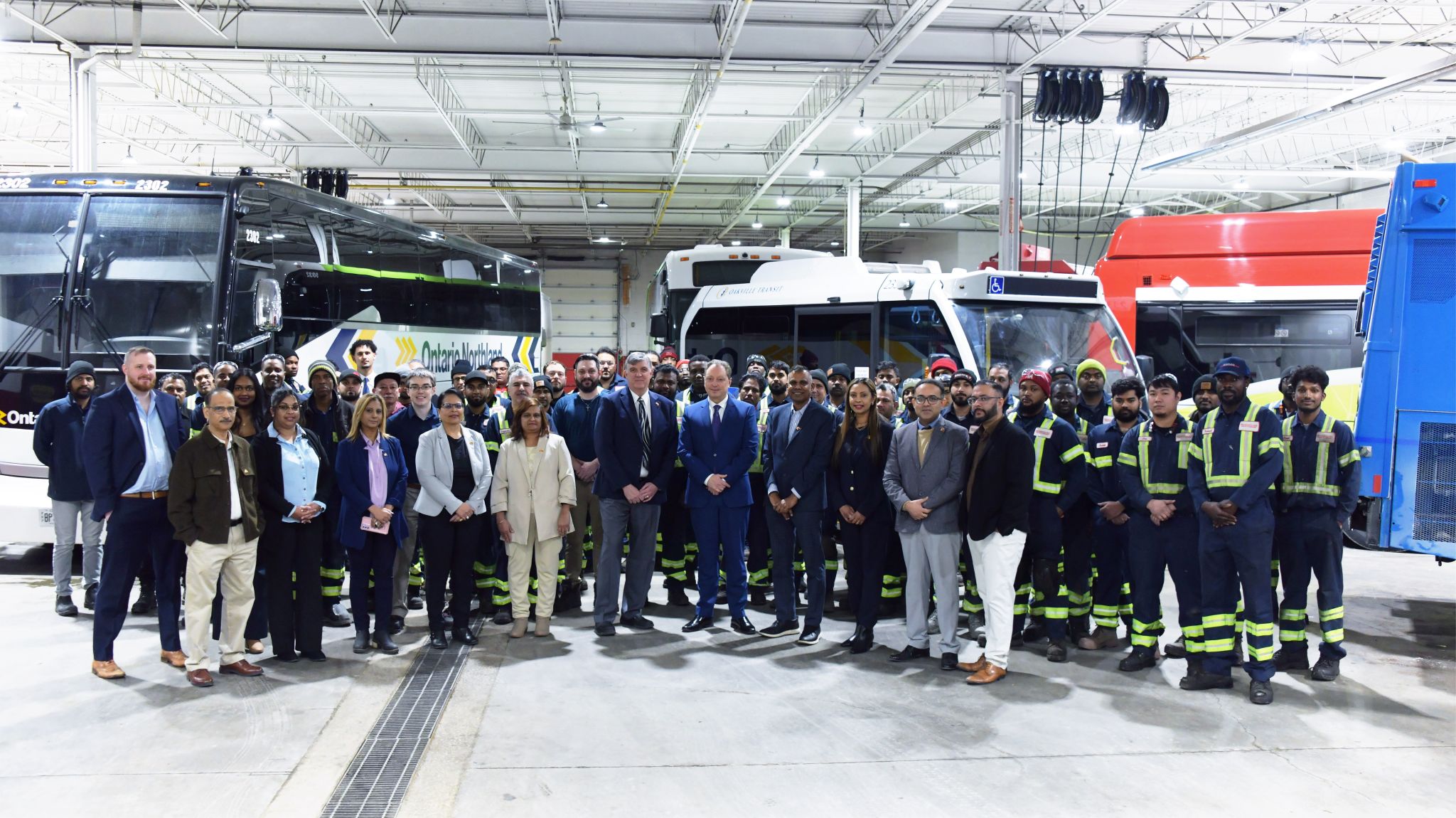
To support customers throughout the transition process, Damera provides structured training and knowledge-transfer programs designed to build confidence and operational readiness.
Operator training focuses on:
• Vehicle operation
• Accessibility features
• Efficient driving techniques
• Regenerative braking
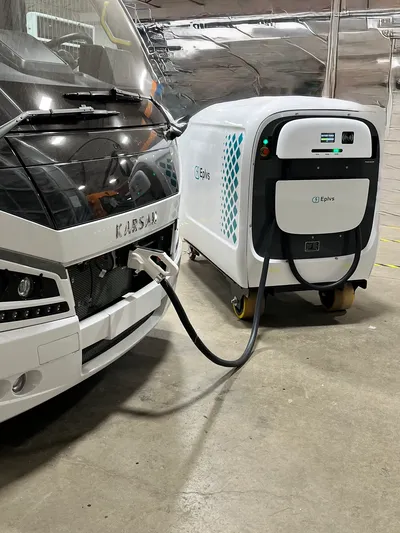
• Charging procedures
• Daily operating best practices
Technical maintenance training includes:
• Vehicle familiarization
• Inspection and service procedures
• Preventive maintenance
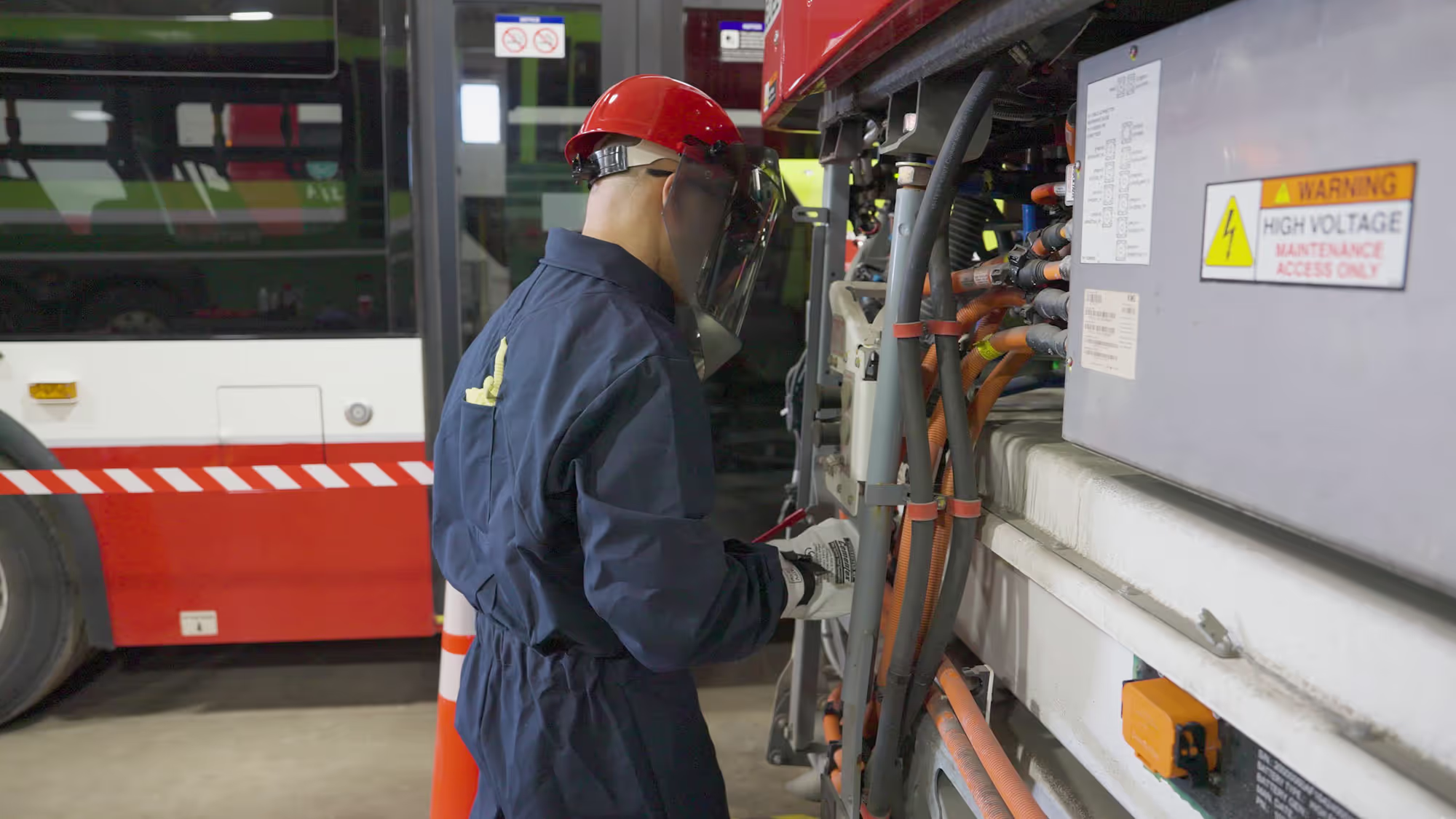
• High-voltage safety
• Troubleshooting methodologies
• Diagnostic systems
Charging infrastructure education is also provided to help operators and technicians understand charger operation, charging procedures, and practical day-to-day charging management.
Because many questions emerge only after vehicles have entered service, Damera continues supporting customers after deployment through follow-up training sessions designed to reinforce best practices and address real-world operational experiences.
Reliable Vehicle. Reliable Supply Chain. Reliable Support.
Fleet success depends on more than selecting the right vehicle. It requires dependable delivery, technical expertise, workforce development, parts availability, and ongoing support.
The Karsan eJEST combines the advantages of a purpose-built transit vehicle with the flexibility needed for microtransit, paratransit, community transportation, and lower-ridership routes. Supported by Damera's engineering expertise, training programs, supply chain network, and after-sales support, agencies gain access to the resources needed to deploy and operate electric transit solutions with confidence.
If your agency is evaluating right-sized transit vehicles, fleet electrification strategies, or accessible transportation solutions, we welcome the opportunity to discuss how practical transit technologies and long-term support can contribute to your operational goals.











.jpeg)









.jpeg)


.jpg)





.svg)