


.svg.avif)




-p-500-p-500.avif)







EV Buses

A quiet, efficient, fully accessible electric minibus. The eJEST delivers exceptional maneuverability, low operating costs, and smooth passenger experience.
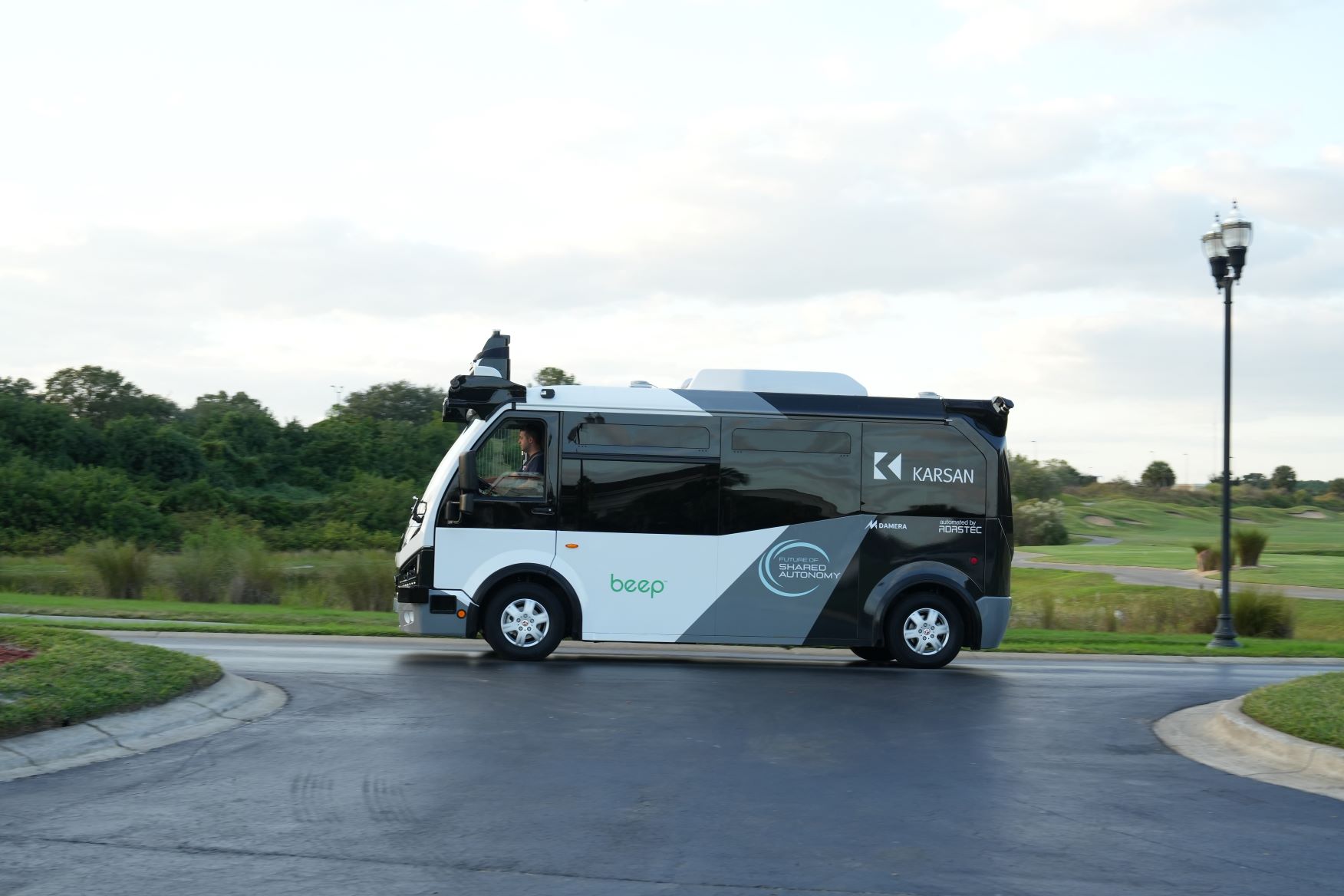
Built on the proven eJEST platform and automated by ADASTEC, this Level-4 autonomous minibus brings reliable, safe, and fully accessible automated transit to real-world routes.


Chargers

All Chargers
Explore all charging options on one page
Services
TUV Level 3
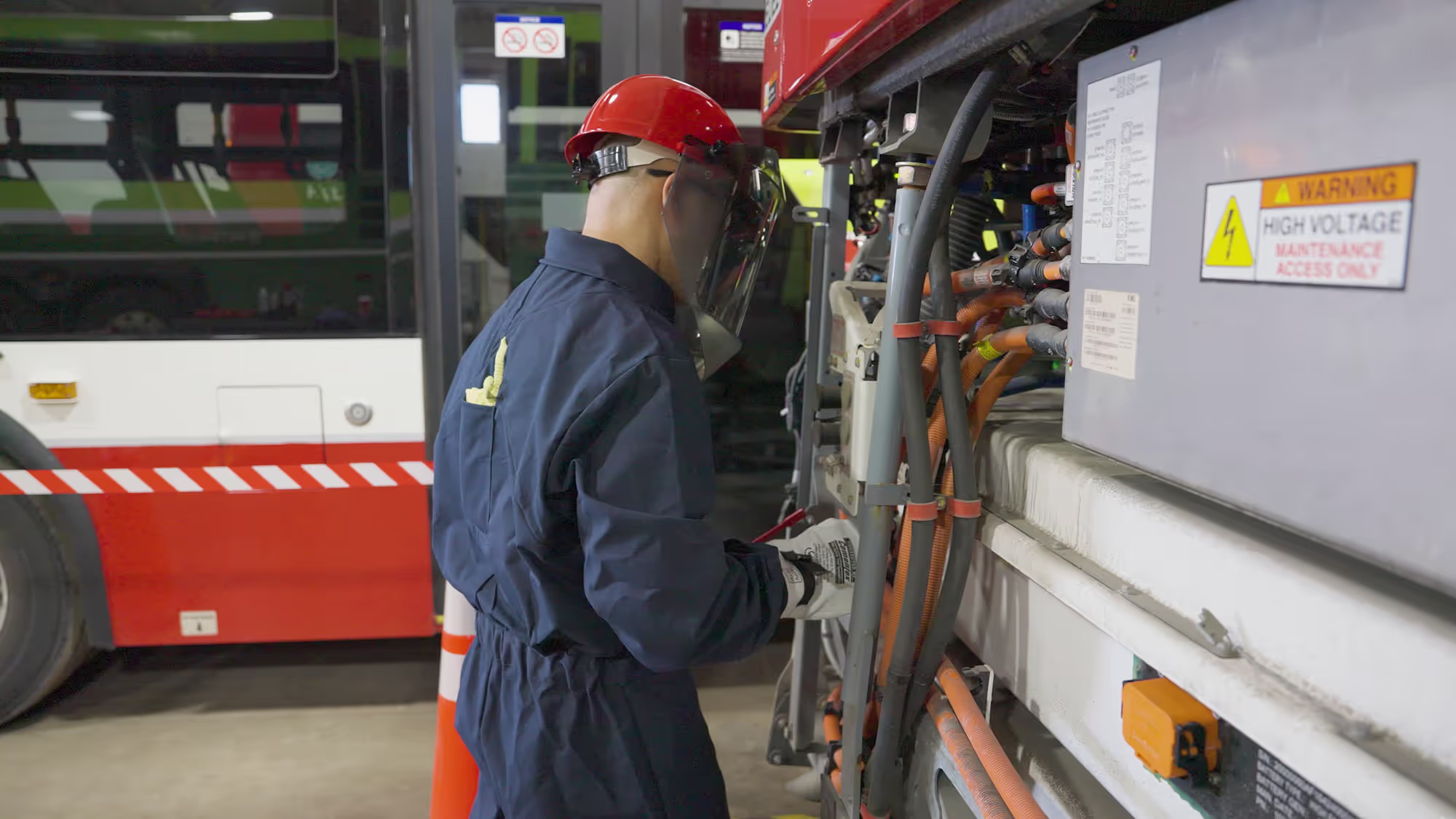
High Voltage Training

Work safely and effectively with high-voltage systems

Charger Installation
Contributes to the seamless integration of electric vehicles

Electrical Engineering
Get your skills in electrical engineering tailored to the transit industry
Bus Service (MBCT)
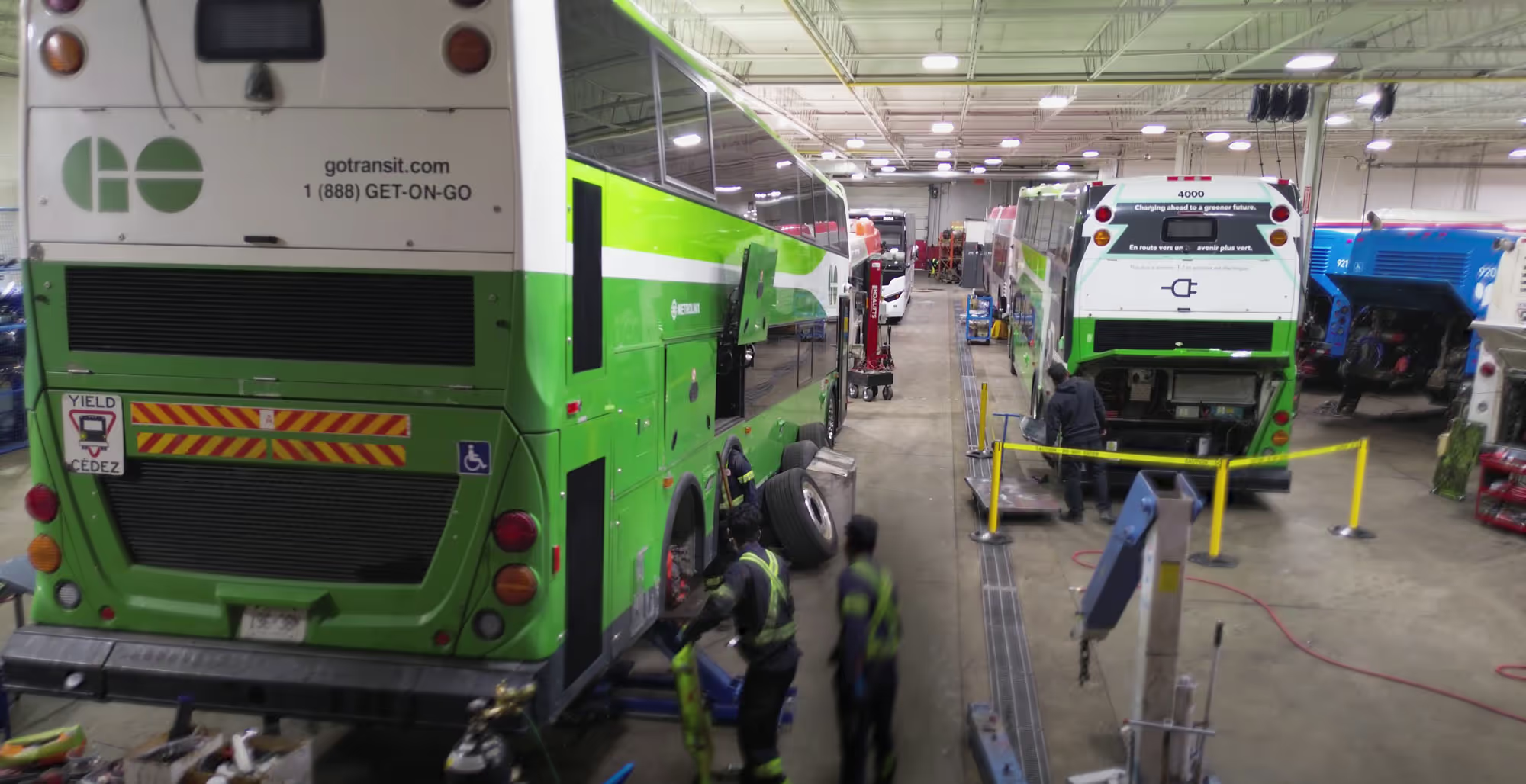
Comprehensive bus service ensuring reliable maintenance, repairs, and safety compliance.
MICROTRANSIT

Paratransit Buses
Learn more about our paratransit vehicles and how we’re improving mobility for people with disabilities and underserved riders.

Micromobility Buses
Discover how our buses support both paratransit needs and provide efficient service in low-ridership areas.

Minibuses for Campuses
Learn how modern electric minibuses create smoother, safer, and more convenient transportation for students and staff.

.svg)
There is no previous post
Previous Post
Next Post
There is no next post
Right-Sized Electric Transit: Matching Vehicle Capacity to Real Community Demand
No items found.
As cities continue to expand beyond their urban cores, creating well-connected communities has become one of the most important priorities in urban planning. New housing developments are growing in suburban areas, and with them comes the need for reliable public transportation that connects residents to employment, education, healthcare, shopping, and other essential destinations.

Yet many neighbourhoods remain underserved, making it difficult for people to access everyday opportunities without relying on a private vehicle.
For many passengers—including seniors, students, people with disabilities, newcomers, and families—reliable transit is not simply a convenience. It is an essential connection to everyday life and a key part of building inclusive, accessible communities.

Despite this, the vehicles available to transit agencies are not always the best fit for every service environment. Routes with lower or variable demand often require a different approach than high-capacity urban corridors, yet agencies have traditionally had limited options between a full-size transit bus and a conventional shuttle.
At Damera Corporation, we believe better transit begins with providing agencies with the right tools for the right applications. Our focus extends beyond introducing new vehicles—we work to help transit operators improve service reliability, strengthen operational efficiency, expand accessibility, and create a more attractive passenger experience.
When transit is designed around the way people actually travel, communities benefit.
Riders are more likely to choose public transportation when it is convenient, comfortable, accessible, and dependable. For transit agencies, growing ridership is one of the strongest indicators that a service is meeting community needs and delivering long-term value. Our customers consistently report increased ridership after introducing the Karsan eJEST into their networks, demonstrating how the right vehicle can contribute to a stronger overall transit experience.
Ridership is one of the strongest indicators that transit is creating value for the community. When service becomes easier to access, more comfortable to use, and better aligned with how people travel, more people choose public transportation.
Vehicle choice plays an important role in that equation. Rather than relying on a single vehicle type for every route, agencies can select the vehicle that best matches passenger demand, service frequency, street conditions, accessibility requirements, and long-term operating objectives.
Many suburban and neighbourhood routes do not require the capacity of a full-size bus.
Agencies often find themselves operating what we sometimes refer to as "air buses"—large vehicles carrying only a small number of passengers. At the same time, the alternative is often a conventional shuttle that may not offer the accessibility, passenger capacity, or transit features expected of modern public transportation. Longer wait times, less convenient transfers, and limited accessibility can all reduce the overall attractiveness of the service.
As the result ridership declines. This is the problem our buses address, providing passengers with the accessible, comfort, and reliability of a modern transit vehicle.
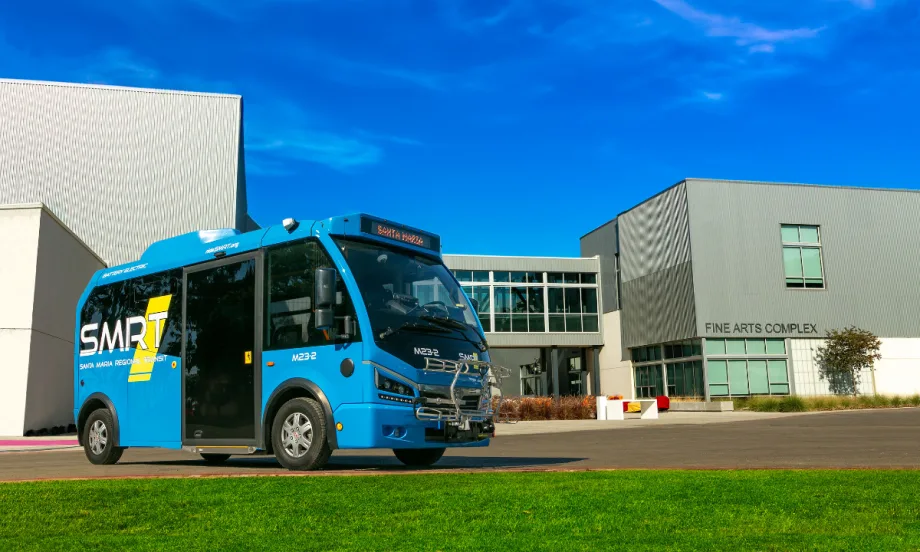
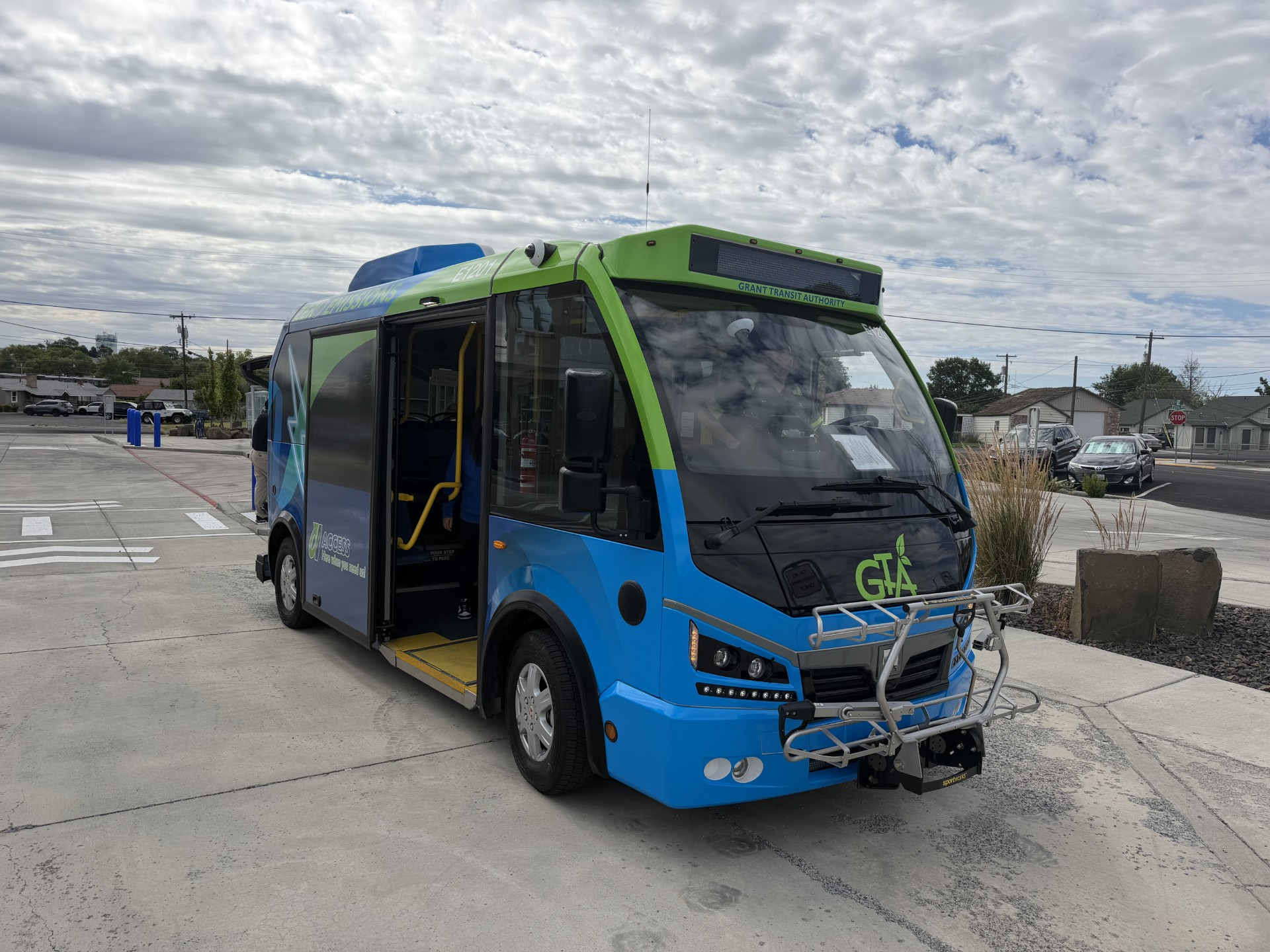
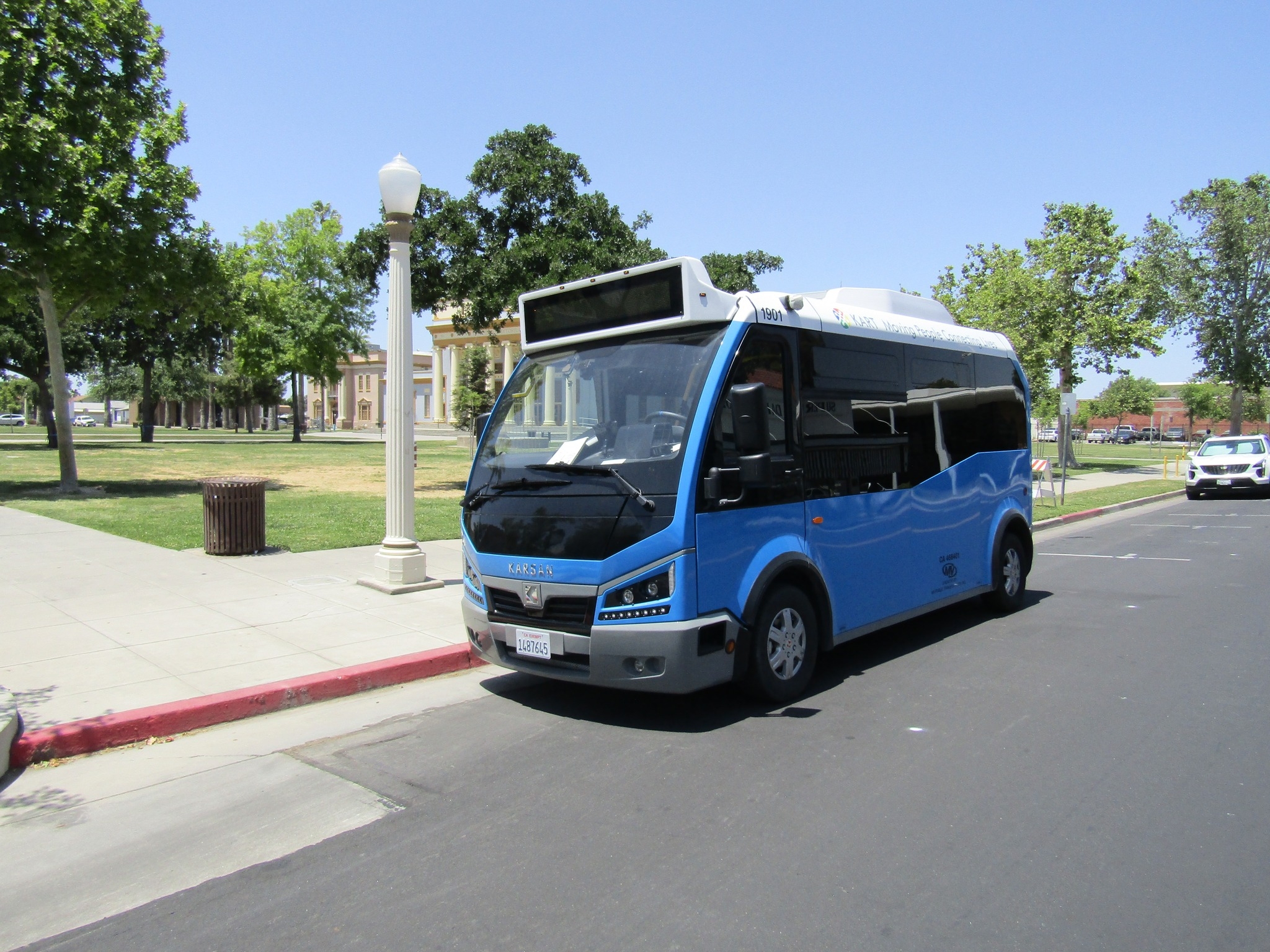
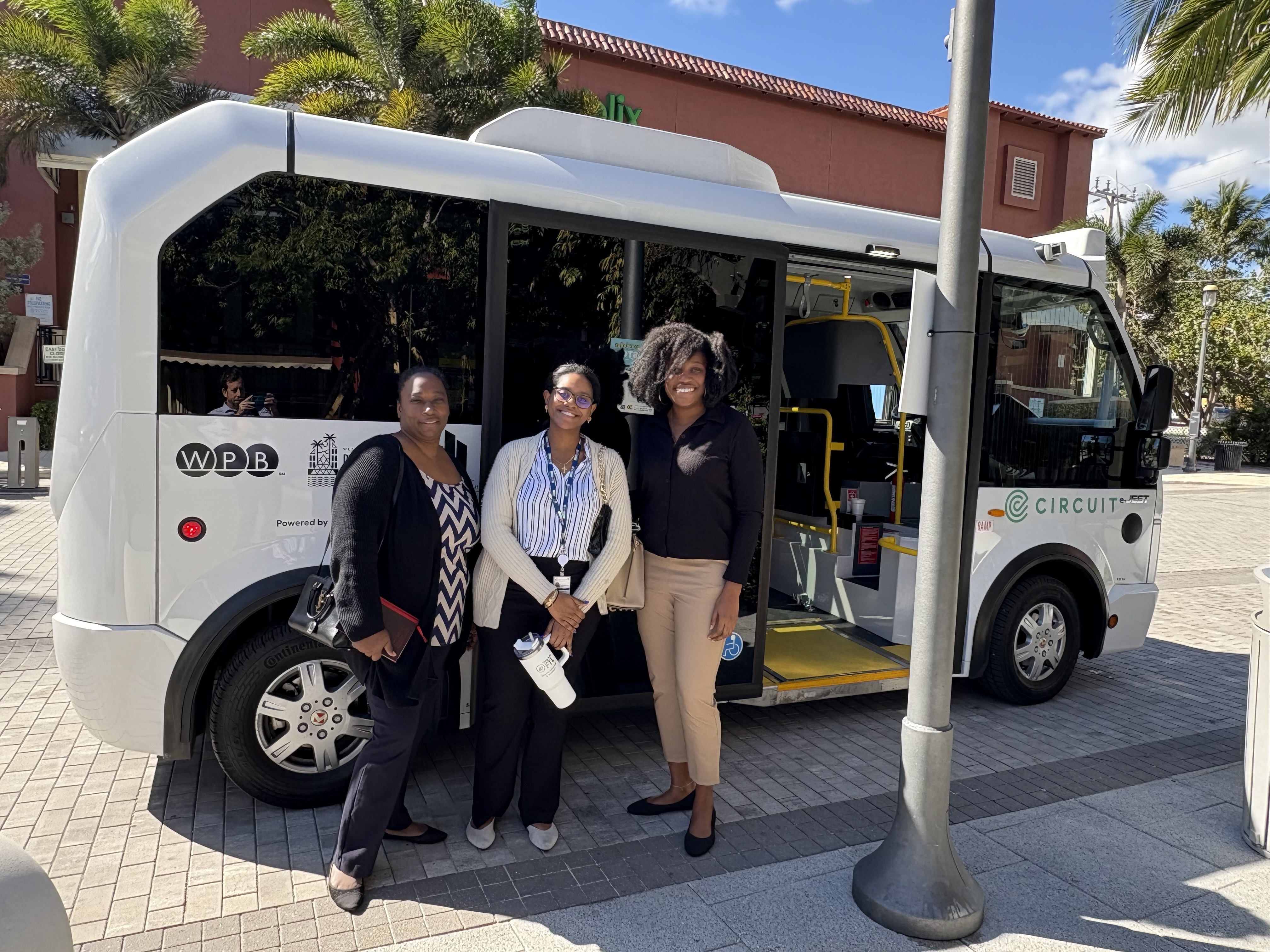
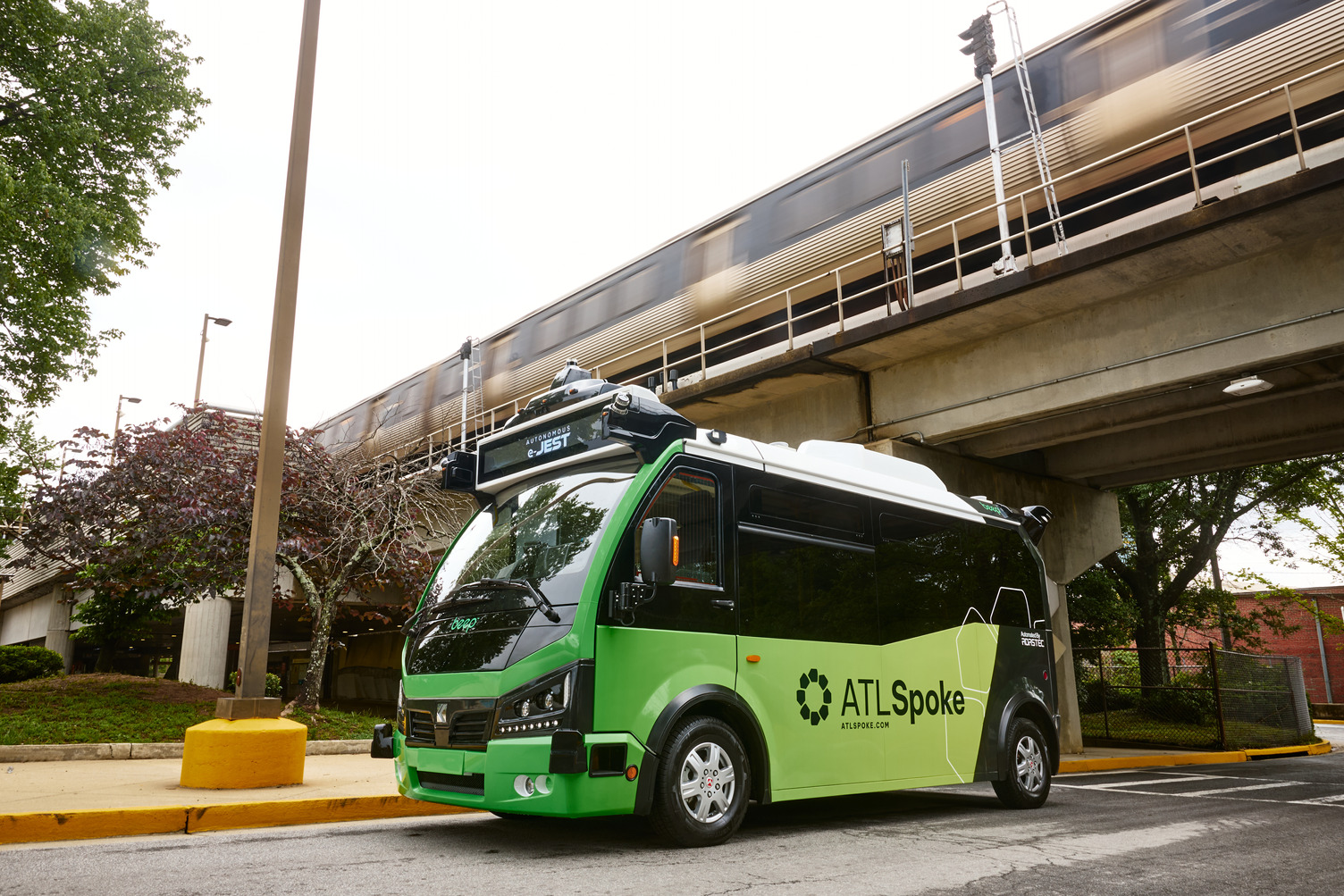
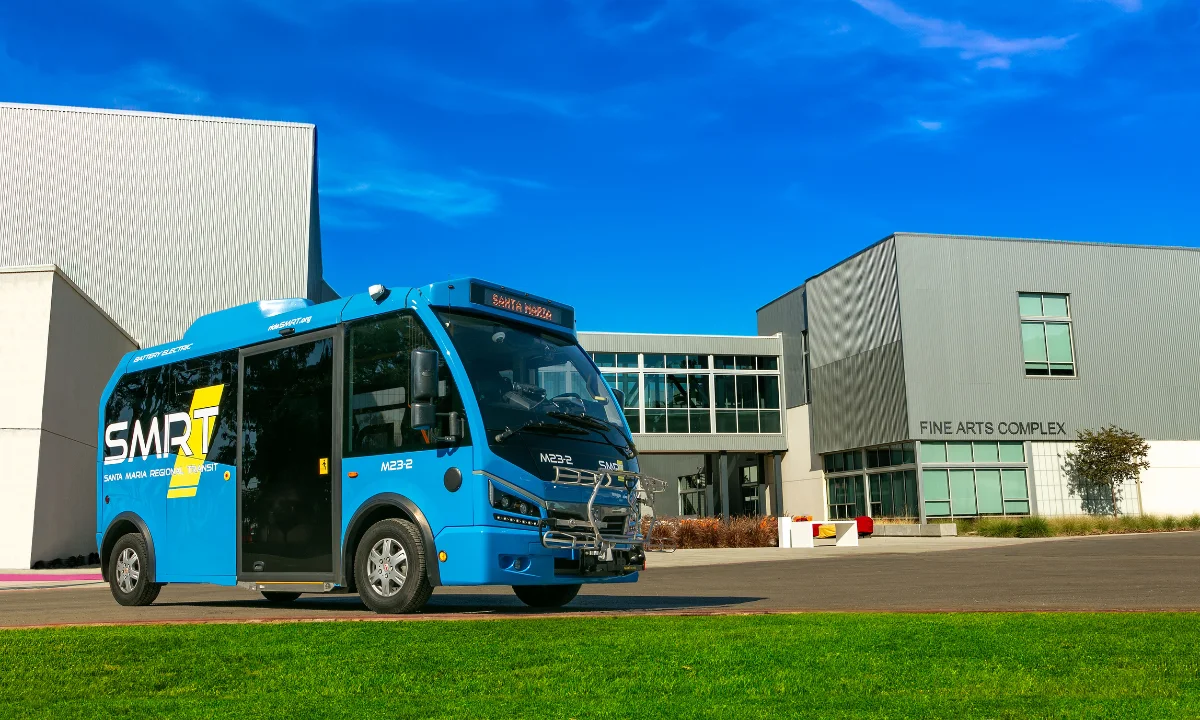
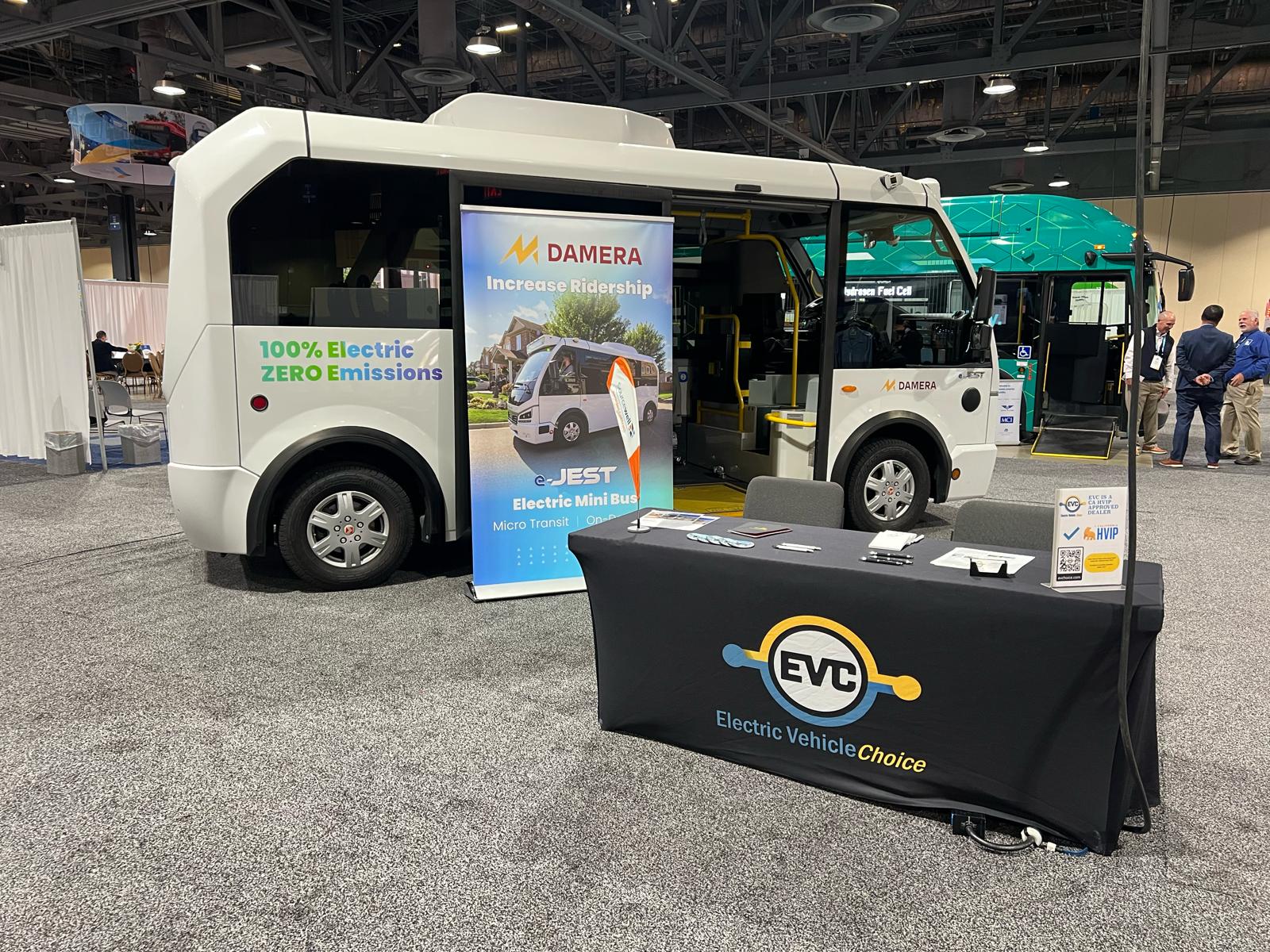
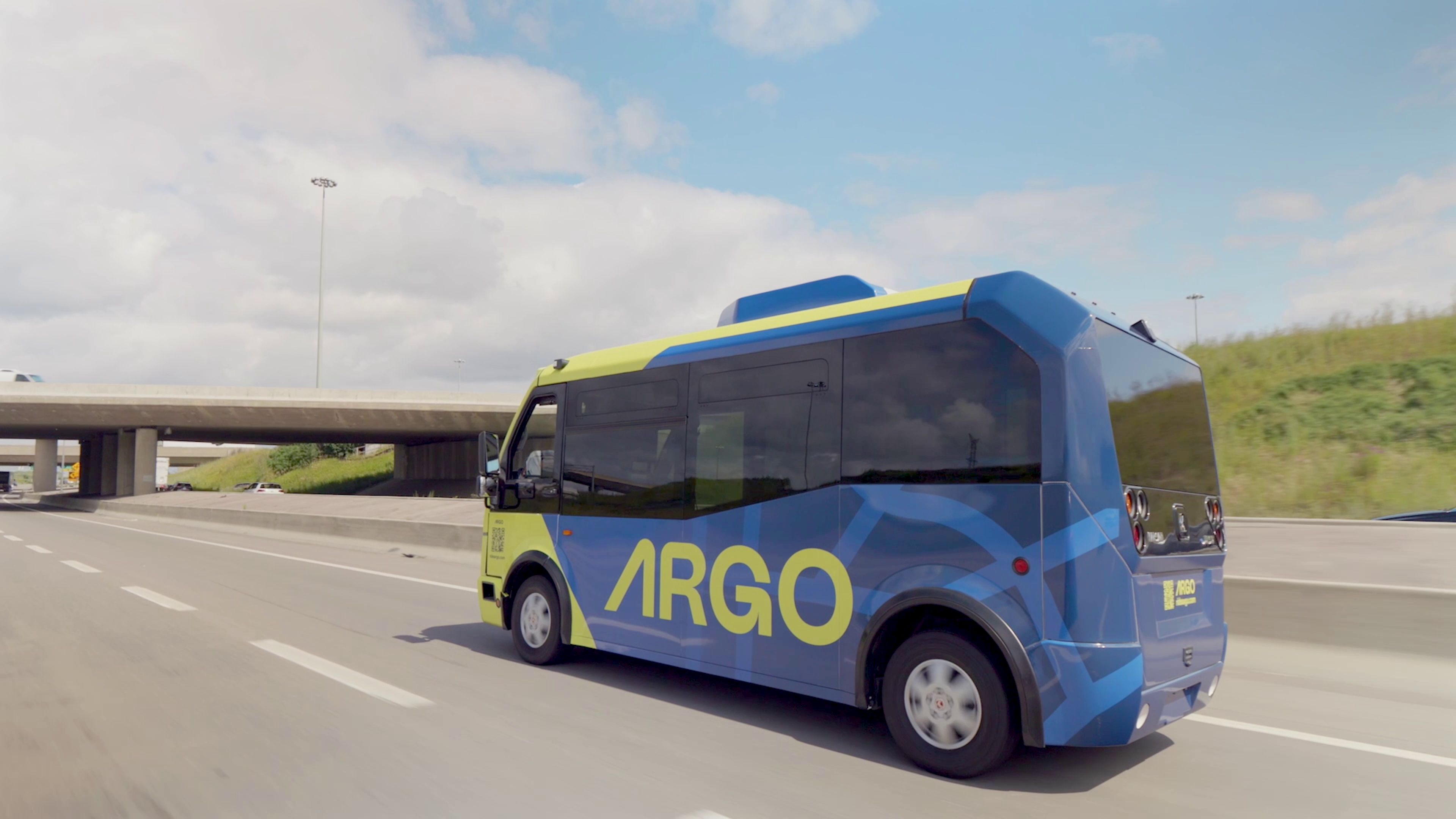
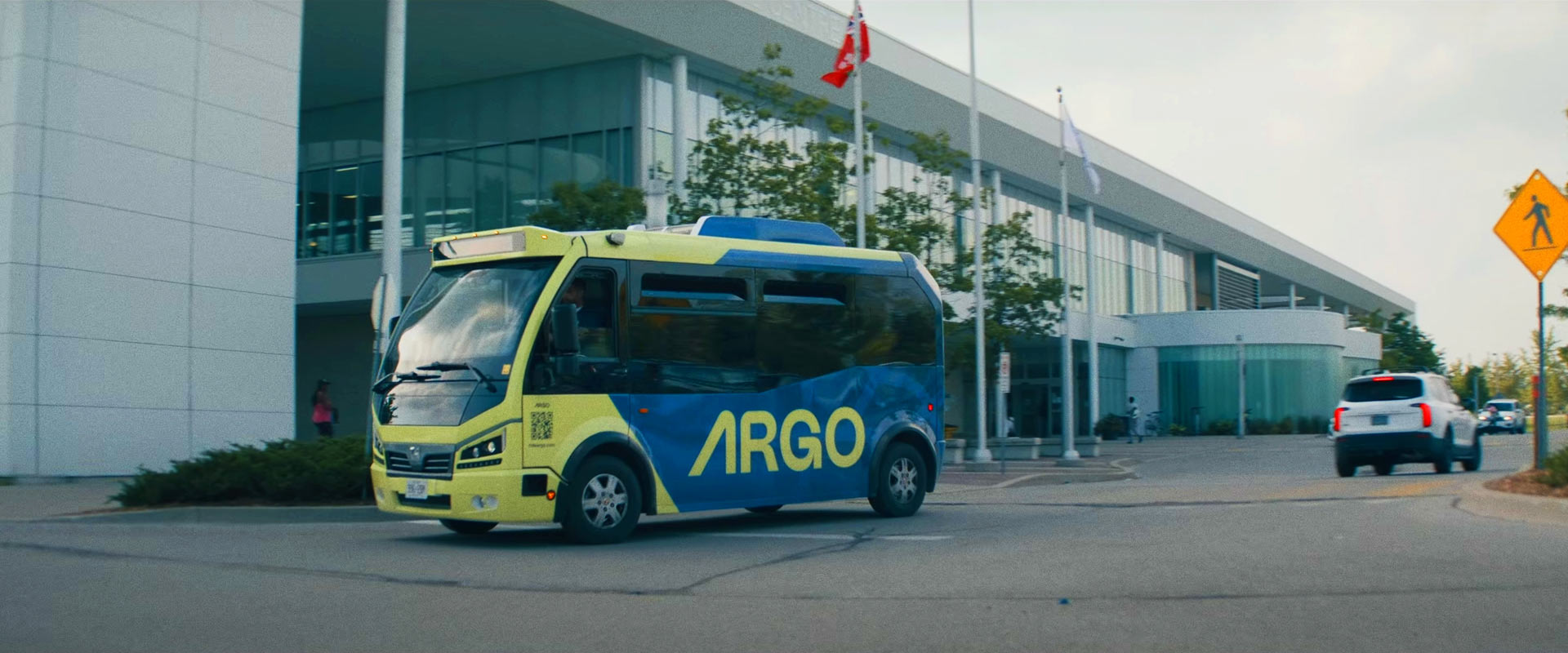
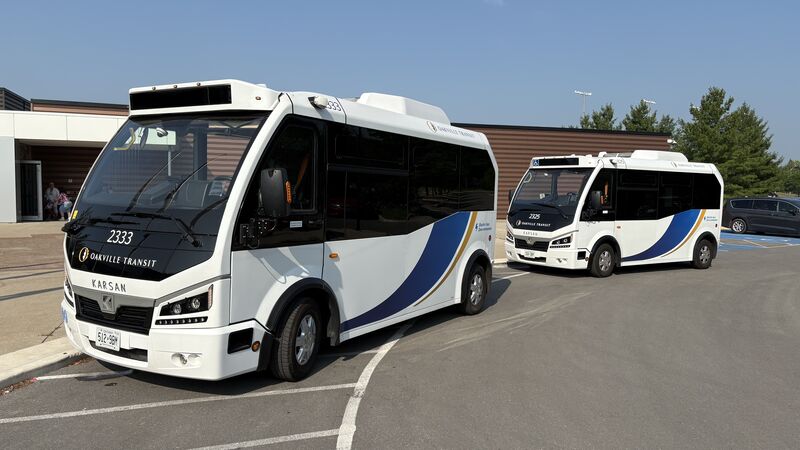
The versatility of Damera's minibuses and Karsan eJEST in particular comes from its combination of compact dimensions, purpose-built transit architecture, accessible low-floor design, and battery-electric propulsion.
This bus is well-suited for a variety of applications, including:
- First- and last-mile connections to rail, BRT, and major bus corridors
- Neighbourhood and suburban circulators
- Lower-demand fixed routes
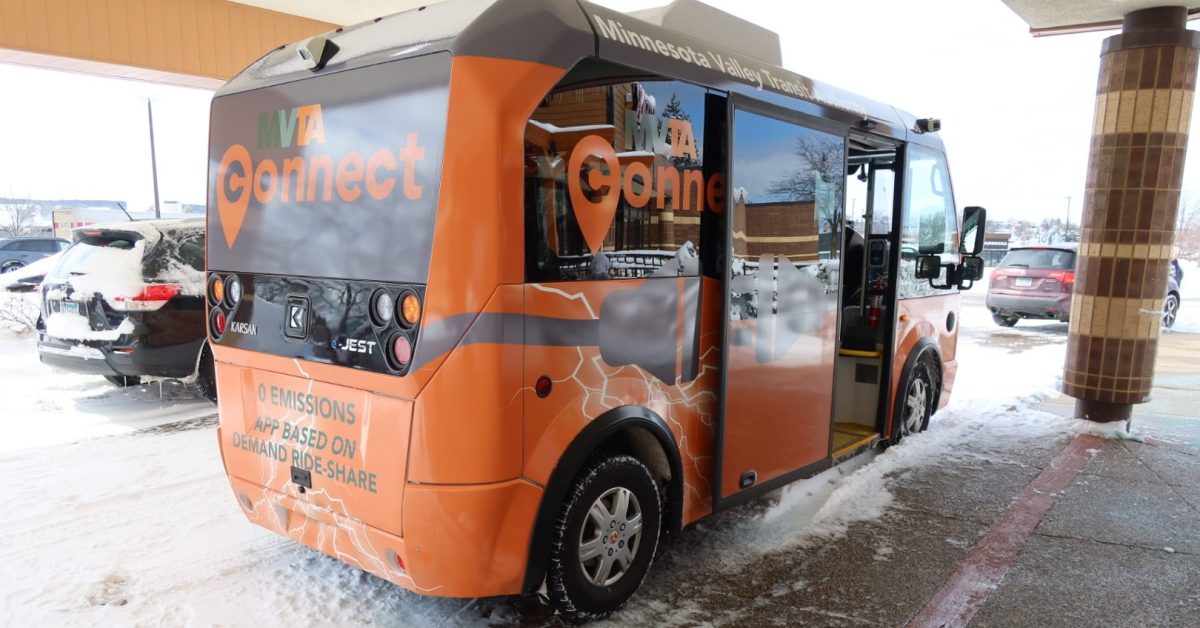
- Microtransit and on-demand services
- Paratransit and community transportation
- University, hospital, and corporate campus mobility
- Airport and remote-parking connections
- Downtown, waterfront, and tourism circulators
- Off-peak services where demand does not require a full-size bus
- New or temporary routes where agencies are building ridership over time
So transit agencies are having greater flexibility when planning and operating a transit network, having those minibuses in their fleet.
Our minibuses help transit agencies to improve service where it is needed most—bringing together operational efficiency, zero-emission technology, and accessible public transit in one purpose-built platform.
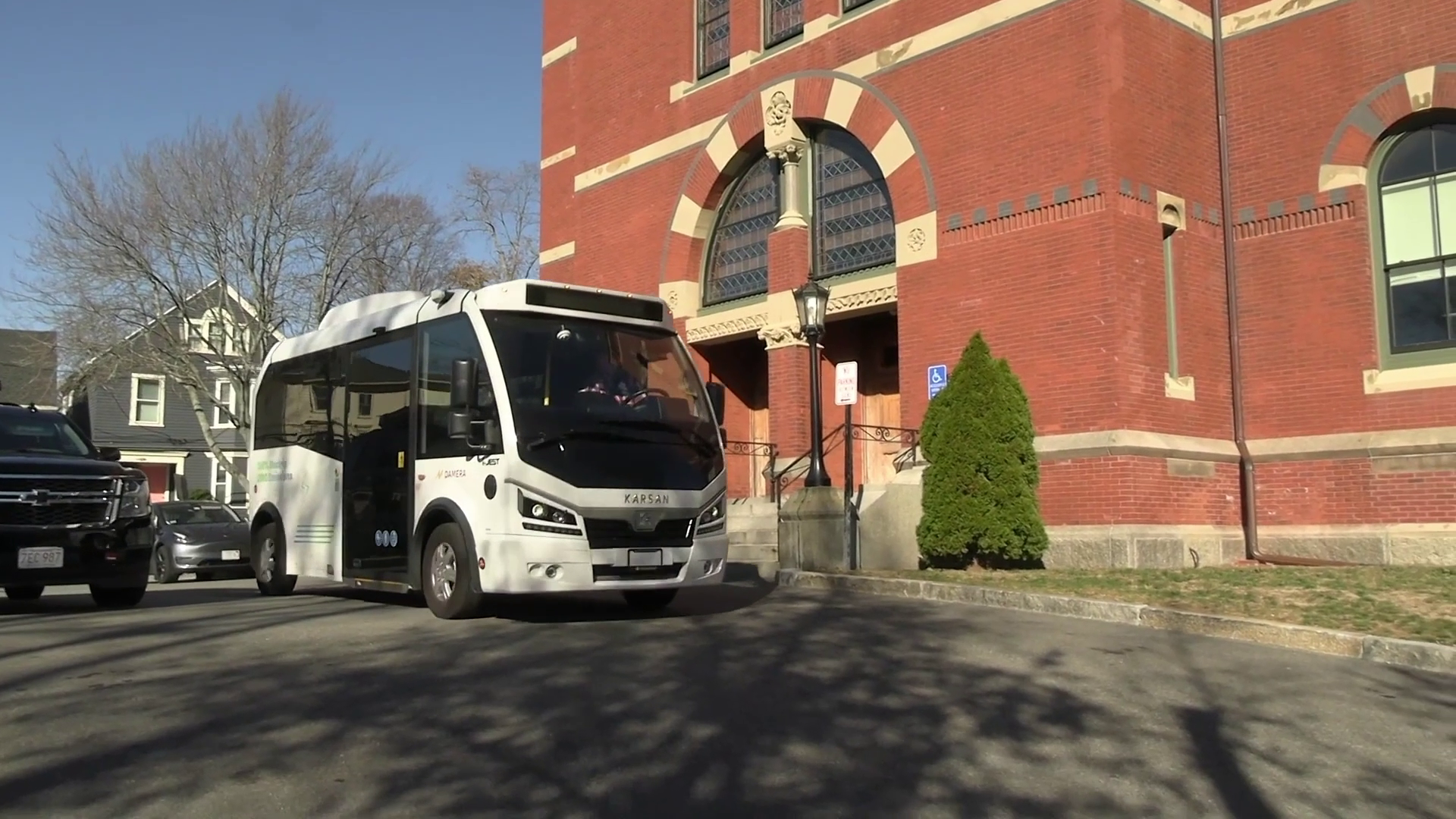
See how the Karsan eJEST is supporting the Nantucket Regional Transit Authority (NRTA) by watching the customer video below.
Looking Beyond Procurement: Lifecycle Value Matters
For publicly funded transit agencies, selecting a vehicle is not simply a procurement decision—it is a long-term investment. Every fleet decision influences operating costs, maintenance planning, infrastructure requirements, service reliability, and the overall return on public investment throughout the vehicle's service life.
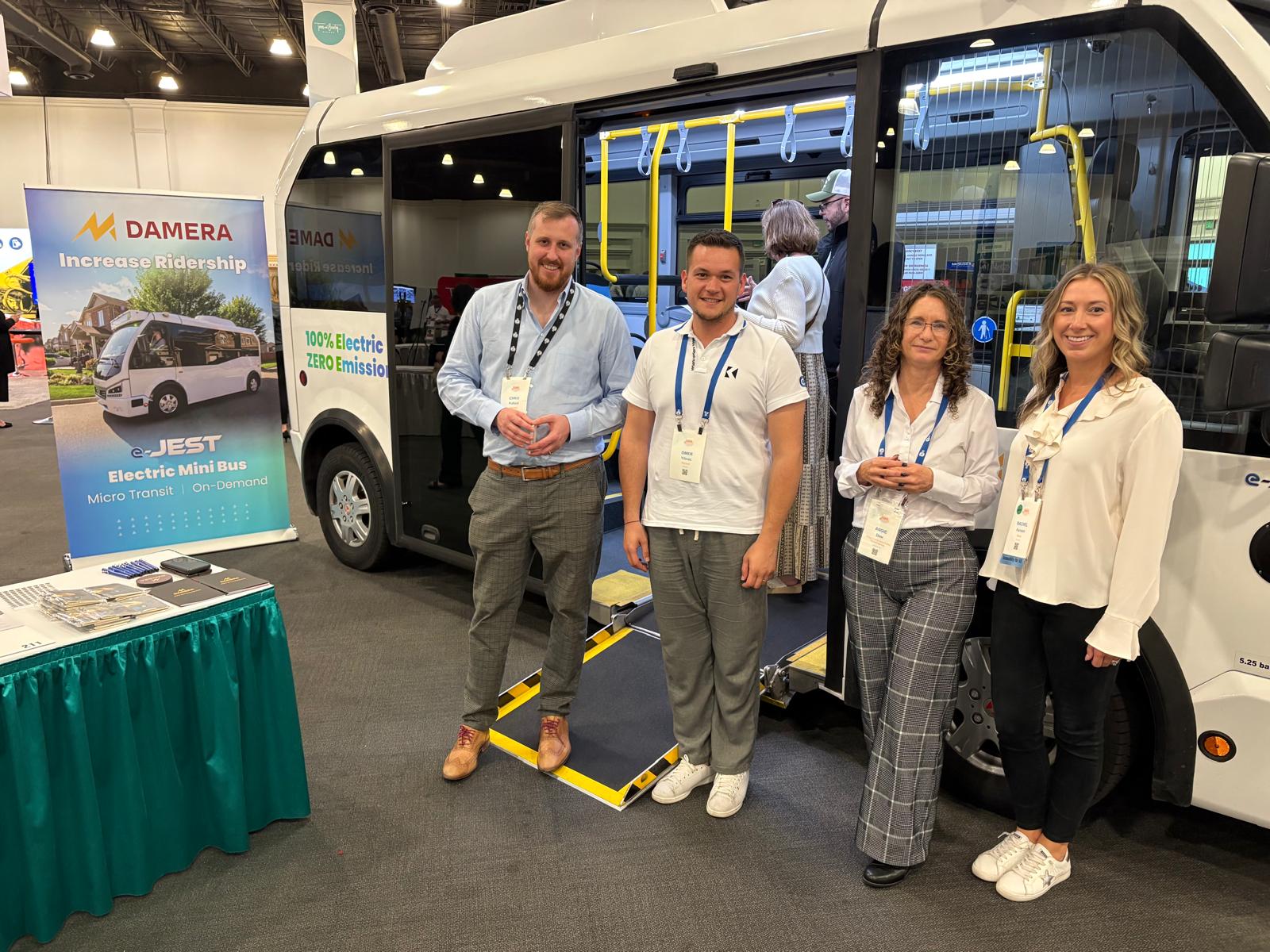
The Karsan eJEST is engineered for demanding transit operations. Its monocoque construction, low-floor architecture, electric accessibility ramp, cataphoresis corrosion protection, and design life of more than 12 years reflect the durability and reliability expected from a purpose-built transit vehicle operating in daily service. Check the testimonials here.
Passenger Experience Influences Ridership
While operational performance is essential, passenger experience should not be overlooked.
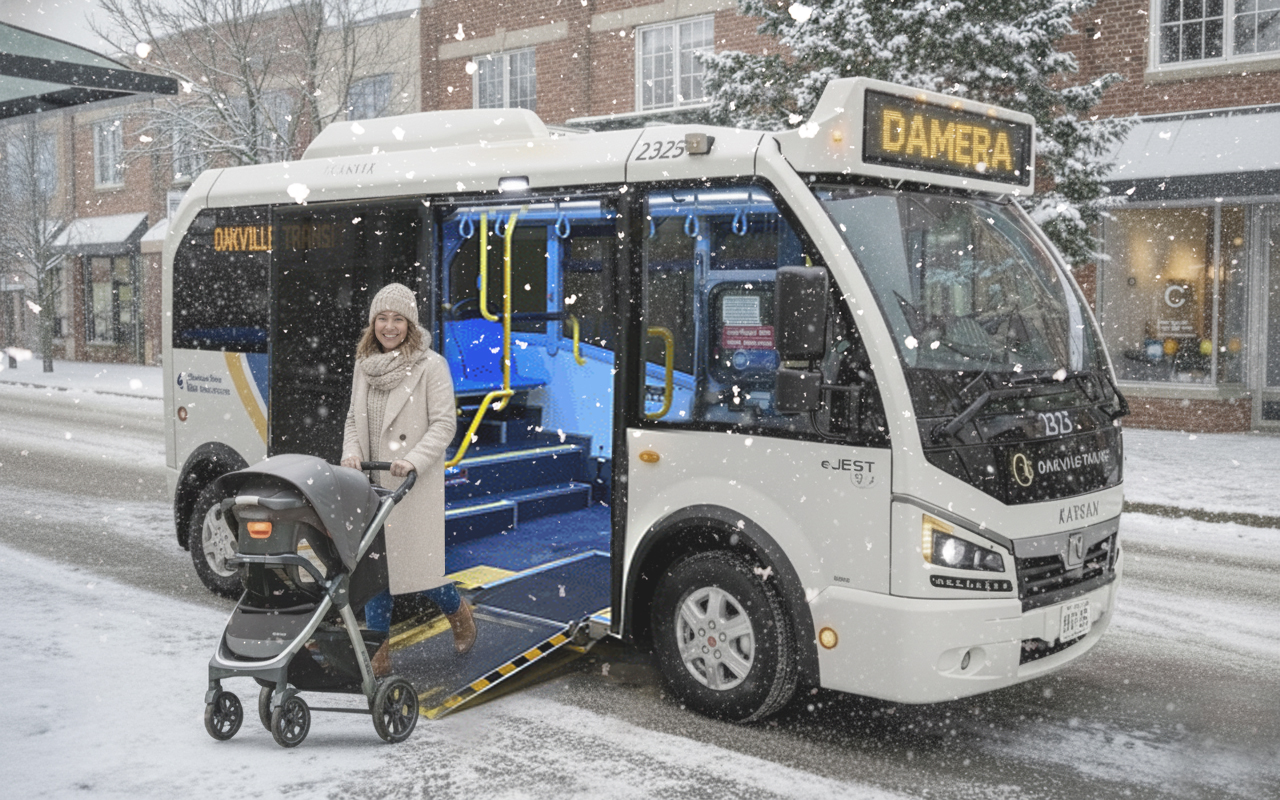
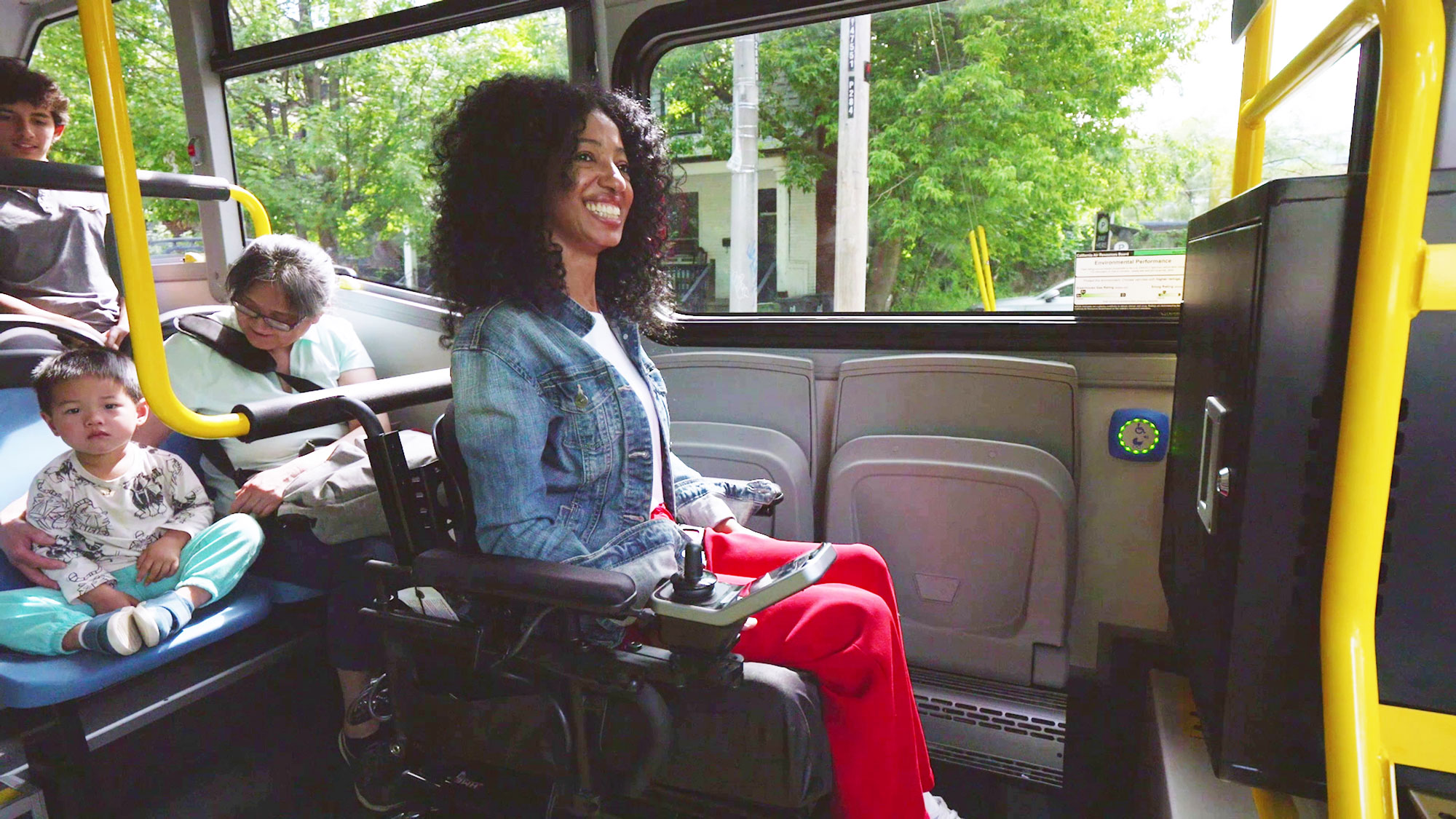
The way a vehicle feels when passengers board, travel, and exit can influence how they perceive public transportation as a whole. Features such as a bright interior, large windows, wide-entrance boarding with the electric ramp, climate control, passenger information systems, onboard charging, fare collection technology, and an open interior layout contribute to making transit more intuitive, comfortable, and welcoming.

This is particularly important as agencies seek to attract new riders while encouraging existing passengers to choose transit more frequently. For seniors, students, families with strollers, visitors, and passengers using personal mobility devices, an accessible and user-friendly environment can significantly improve confidence in using public transportation.

Modern transit vehicles also contribute to how a community presents itself. A contemporary zero-emission fleet reflects continued investment in accessibility, sustainability, innovation, and high-quality public services.
Supporting a Practical Path to Electrification
Electrification is transforming public transportation, but adopting battery-electric vehicles involves much more than replacing one vehicle with another.
Transit agencies must evaluate charging infrastructure, electrical capacity, depot readiness, route energy requirements, charging strategies, operational schedules, workforce training, and long-term fleet planning.
Vehicle size becomes an important part of that discussion.
With an 88 kWh battery and DC fast charging capability of up to 50 kW, the Karsan eJEST provides agencies with an electric solution suited to many lower-demand applications while requiring less onboard energy than larger battery-electric buses. For appropriate duty cycles, this can simplify infrastructure planning and provide a practical entry point for agencies expanding zero-emission operations.

Successful electrification is ultimately about selecting technology that aligns with operational requirements, available infrastructure, and long-term service goals. Providing transit agencies with a broader range of purpose-built electric vehicles gives them greater flexibility to build resilient, efficient, and sustainable transit networks.
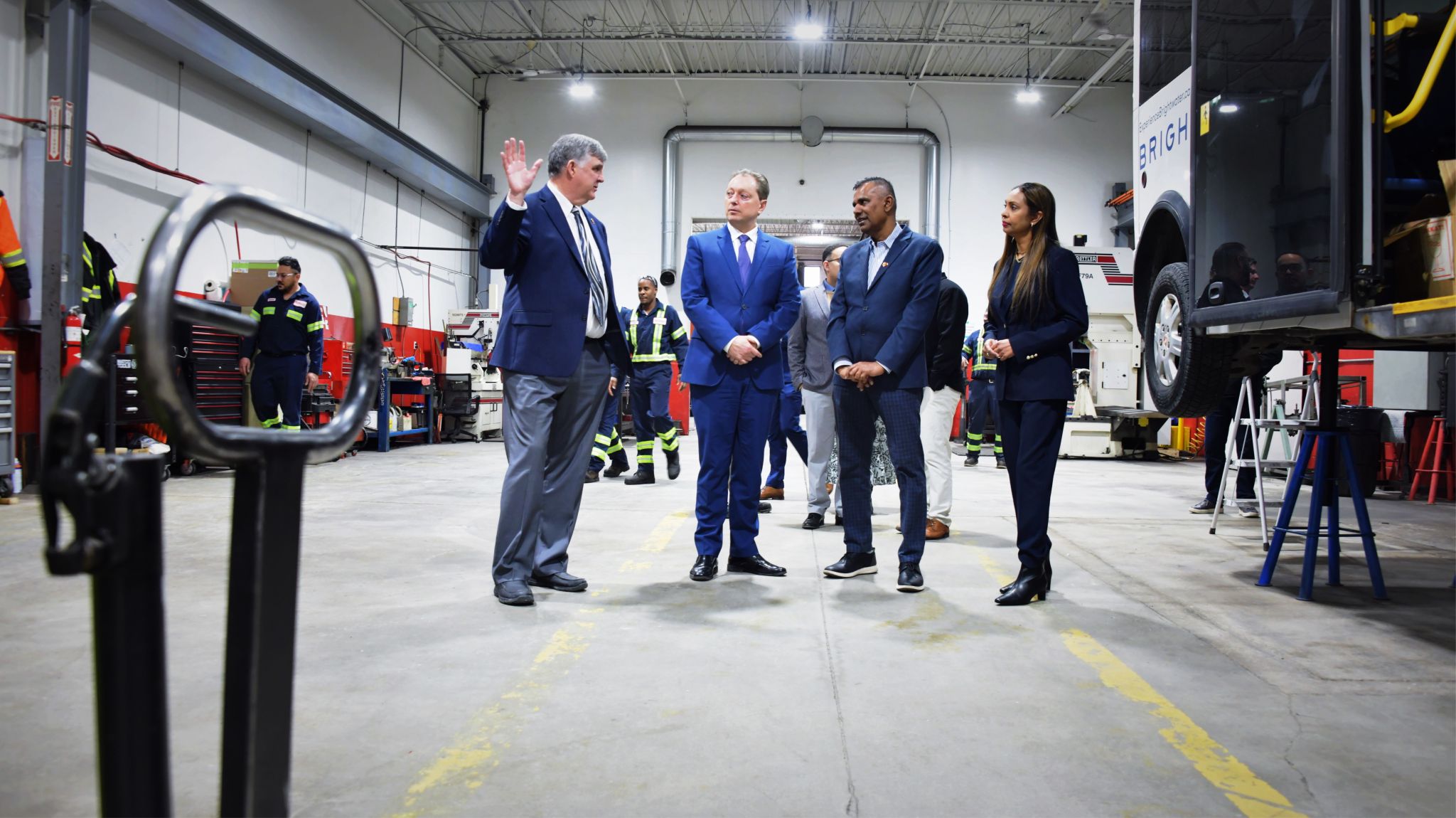
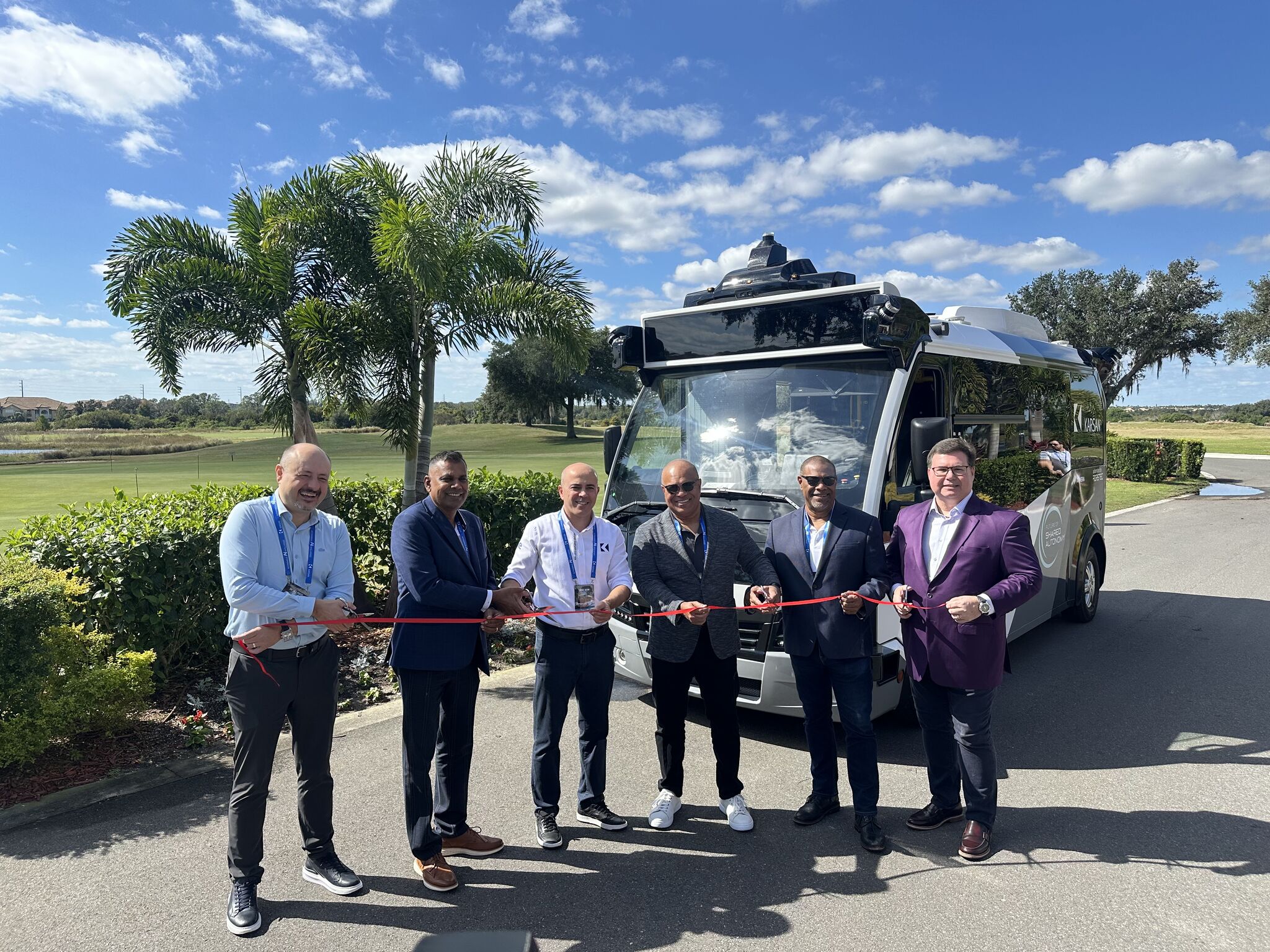
Through projects across Canada and the United States, we continue to work alongside transit agencies and industry partners to understand how innovative mobility solutions perform in real-world operating environments and how they can contribute to stronger, more connected communities.
If your organization is exploring fleet electrification, neighbourhood mobility, first- and last-mile connectivity, on-demand transit, or strategies to improve accessibility and network performance, we invite you to connect with our team. We would be pleased to share insights from deployments across North America and discuss how right-sized electric transit can support your operational objectives.










.jpeg)









.jpeg)


.jpg)





.svg)