


.svg.avif)




-p-500-p-500.avif)







EV Buses

A quiet, efficient, fully accessible electric minibus. The eJEST delivers exceptional maneuverability, low operating costs, and smooth passenger experience.
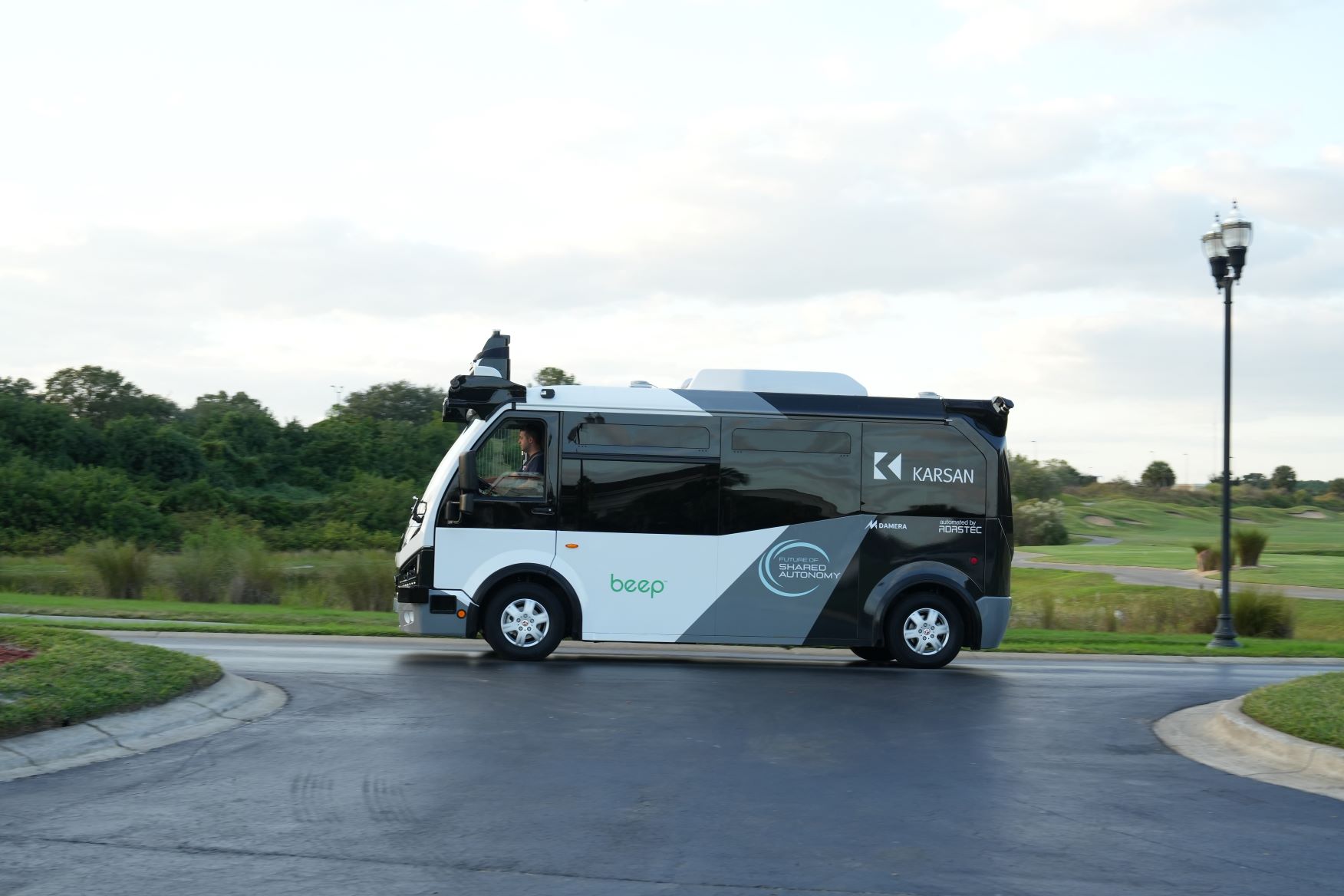
Built on the proven eJEST platform and automated by ADASTEC, this Level-4 autonomous minibus brings reliable, safe, and fully accessible automated transit to real-world routes.


Chargers

All Chargers
Explore all charging options on one page
Services
TUV Level 3
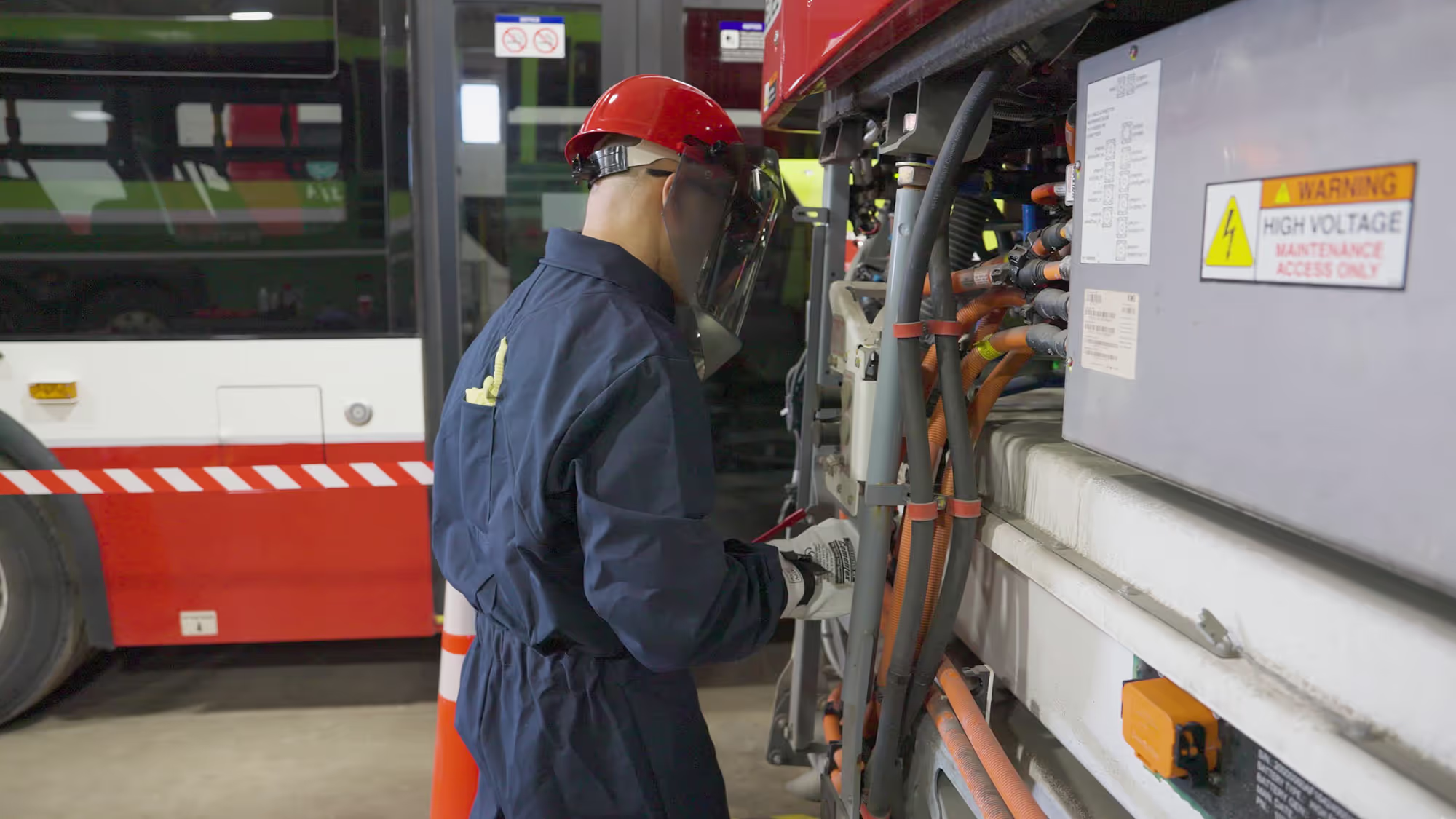
High Voltage Training

Work safely and effectively with high-voltage systems

Charger Installation
Contributes to the seamless integration of electric vehicles

Electrical Engineering
Get your skills in electrical engineering tailored to the transit industry
Bus Service (MBCT)
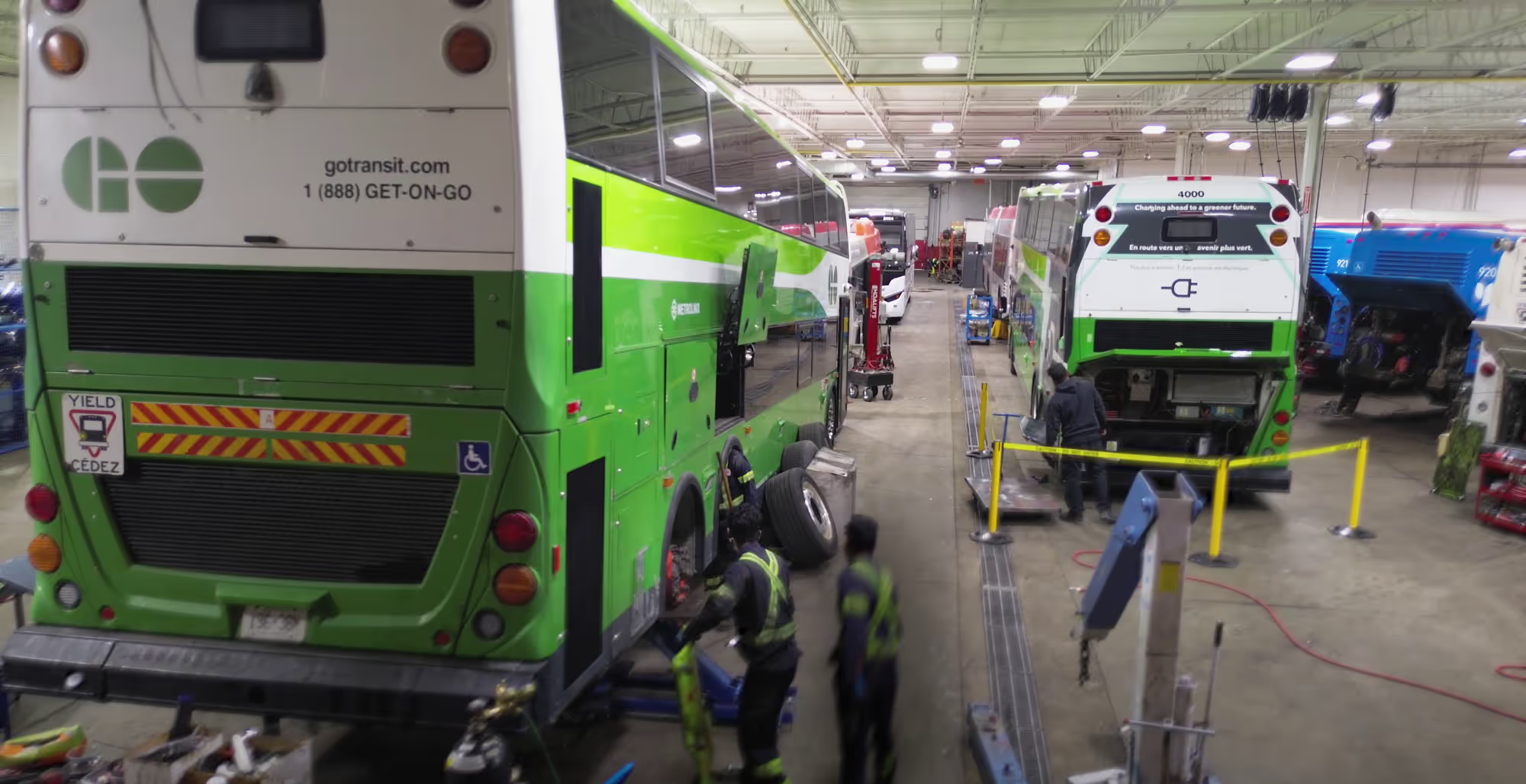
Comprehensive bus service ensuring reliable maintenance, repairs, and safety compliance.
MICROTRANSIT

Paratransit Buses
Learn more about our paratransit vehicles and how we’re improving mobility for people with disabilities and underserved riders.

Micromobility Buses
Discover how our buses support both paratransit needs and provide efficient service in low-ridership areas.

Minibuses for Campuses
Learn how modern electric minibuses create smoother, safer, and more convenient transportation for students and staff.

.svg)
There is no previous post
Previous Post
Next Post
There is no next post
Beyond Electrification: Why Right-Sized Transit Is the Future of Sustainable Mobility
No items found.
Across North America, transit agencies are being asked to do more than simply replace diesel buses with electric vehicles. They are expected to reduce emissions, improve rider experience, optimize operating budgets, expand accessibility, and build transportation systems that can adapt to future growth.
These objectives require more than new technology—they require smarter transportation strategies.
Public transit has always been one of the most effective ways to reduce congestion, lower fuel consumption, and move large numbers of people efficiently. As the industry transitions toward zero-emission fleets, the opportunity is no longer just to electrify buses, but to rethink how transit is delivered.
Sustainability Starts with the Right Vehicle
One of the biggest opportunities for improving sustainability lies in matching vehicle capacity to actual passenger demand.
For many community routes, neighbourhood circulators, airports, business parks, university campuses, and on-demand services, a traditional 40-foot transit bus may operate with only a small number of passengers during much of the day. While these vehicles remain essential on high-capacity corridors, deploying them on every route is not always the most efficient use of energy or infrastructure.
This is where right-sized transit delivers measurable value.
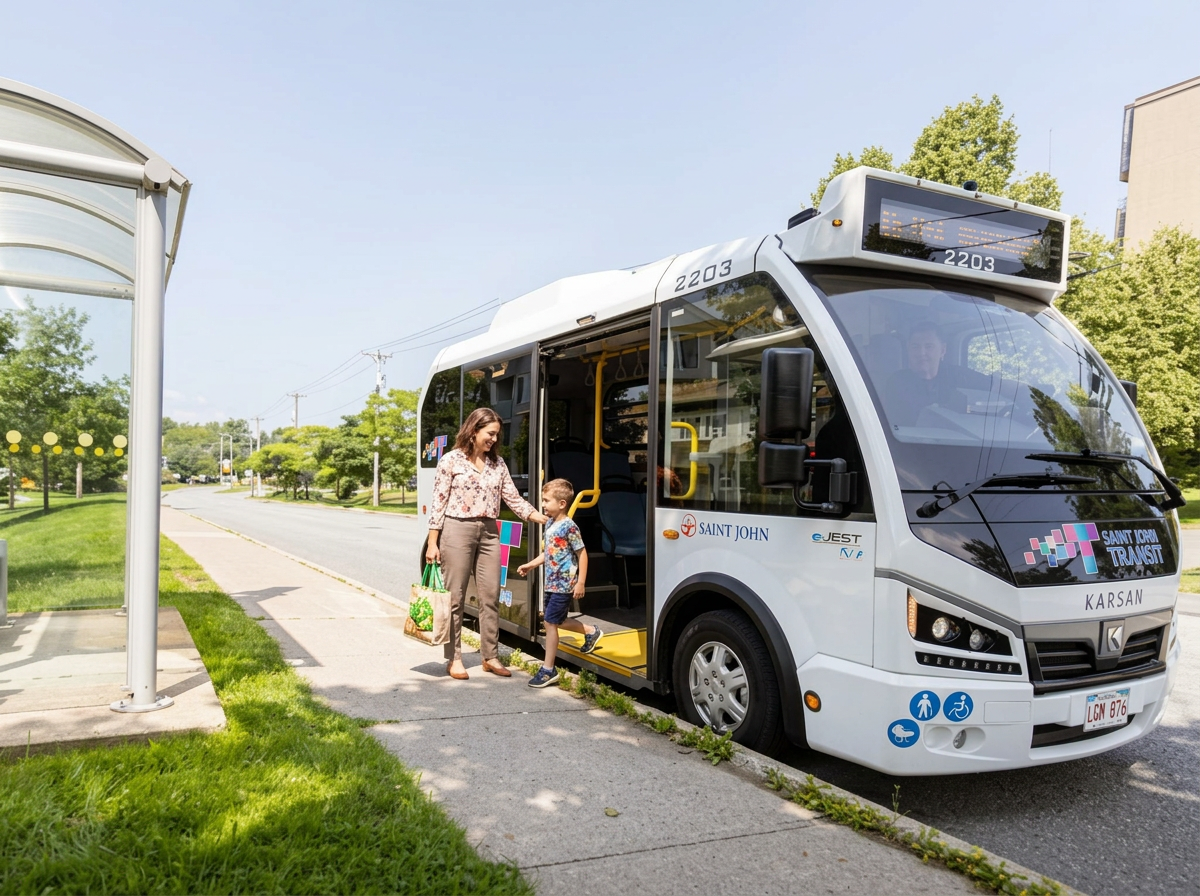
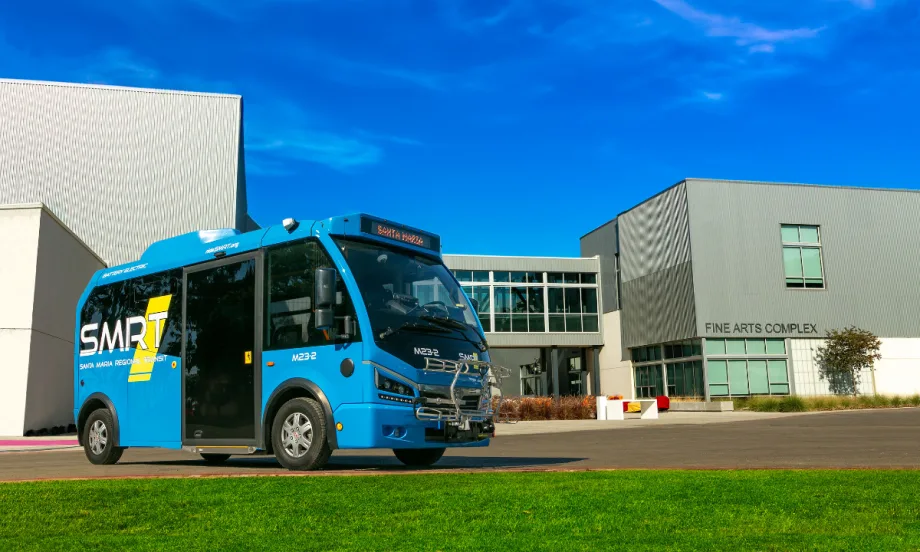
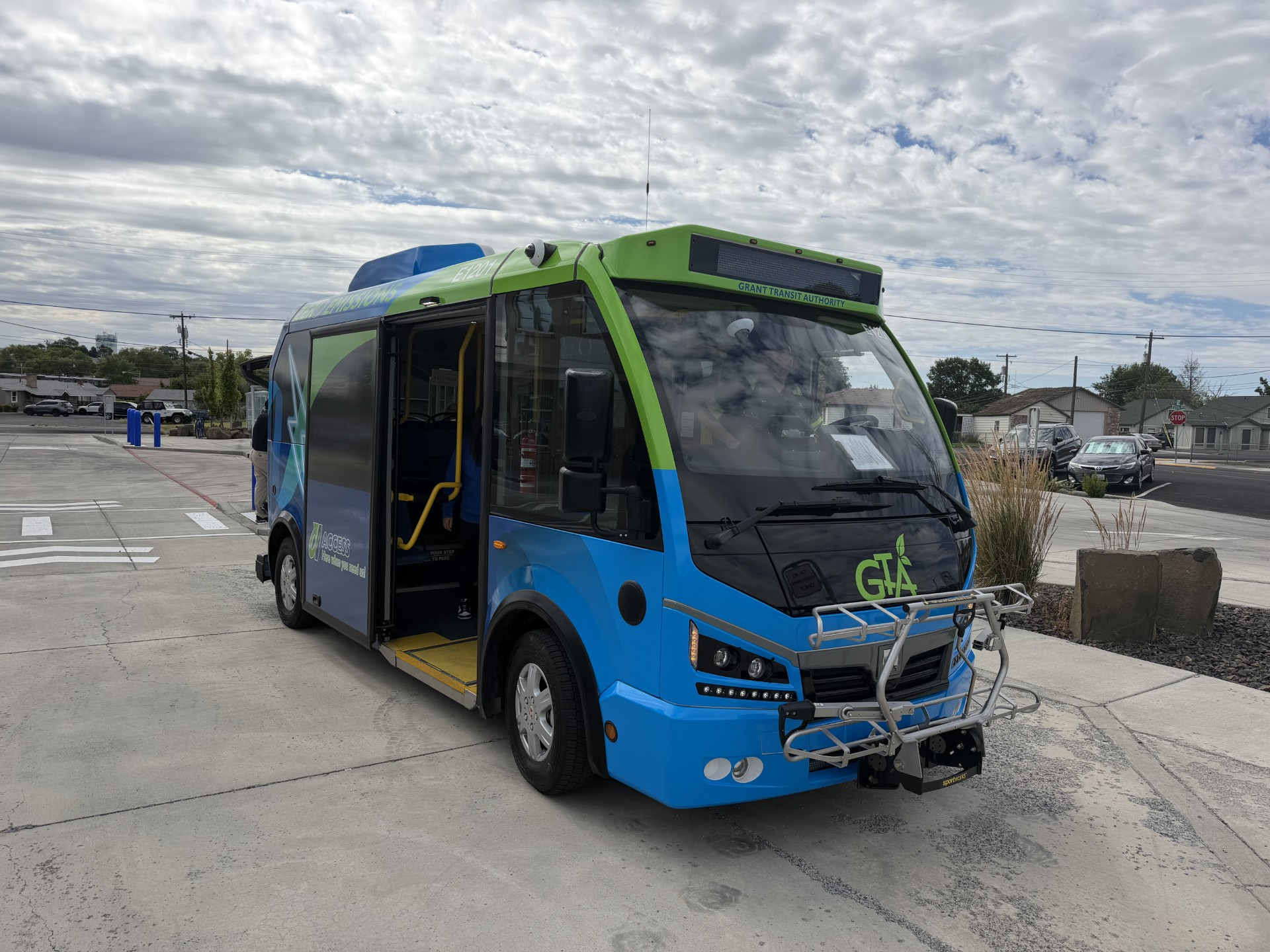
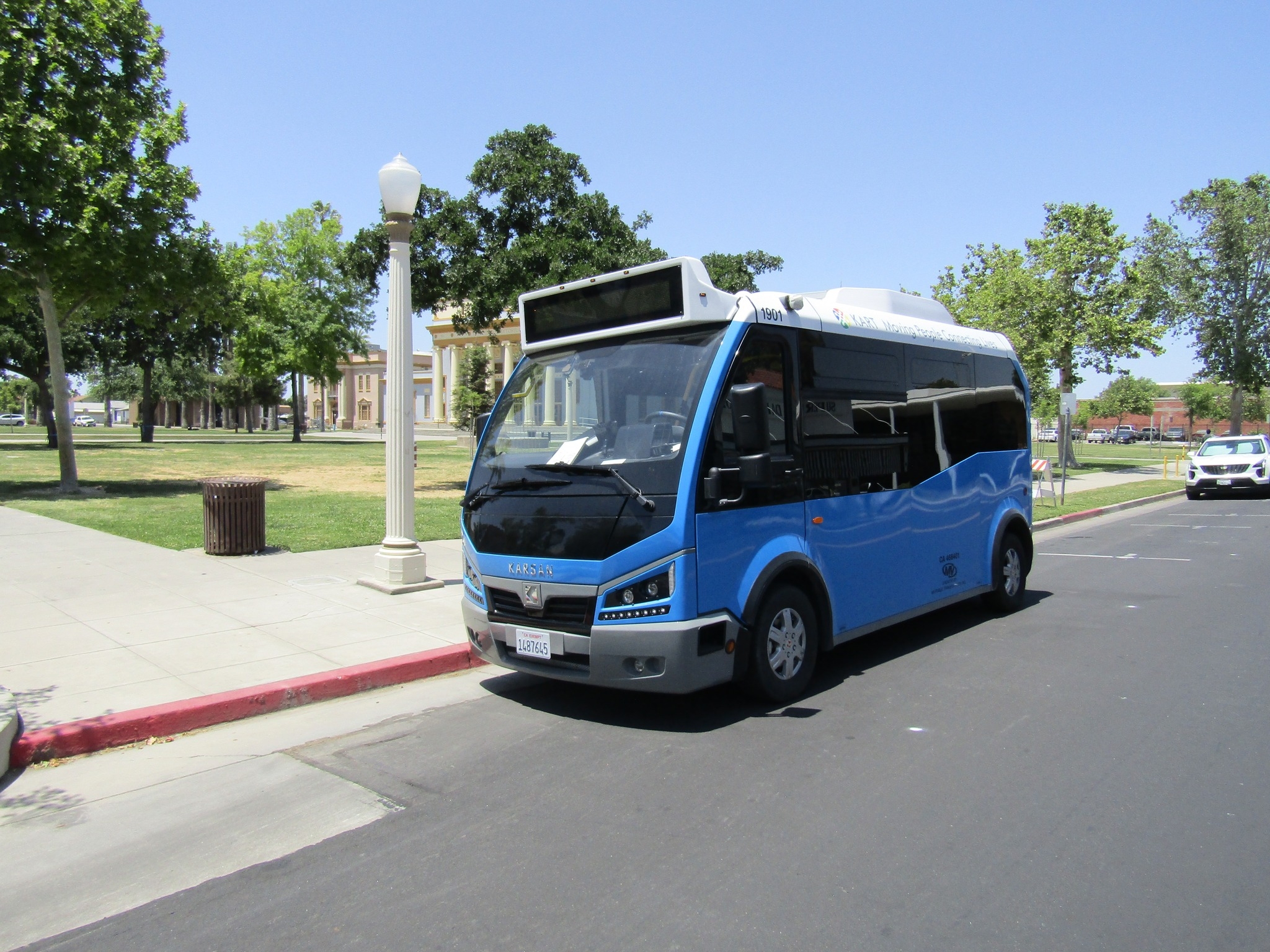
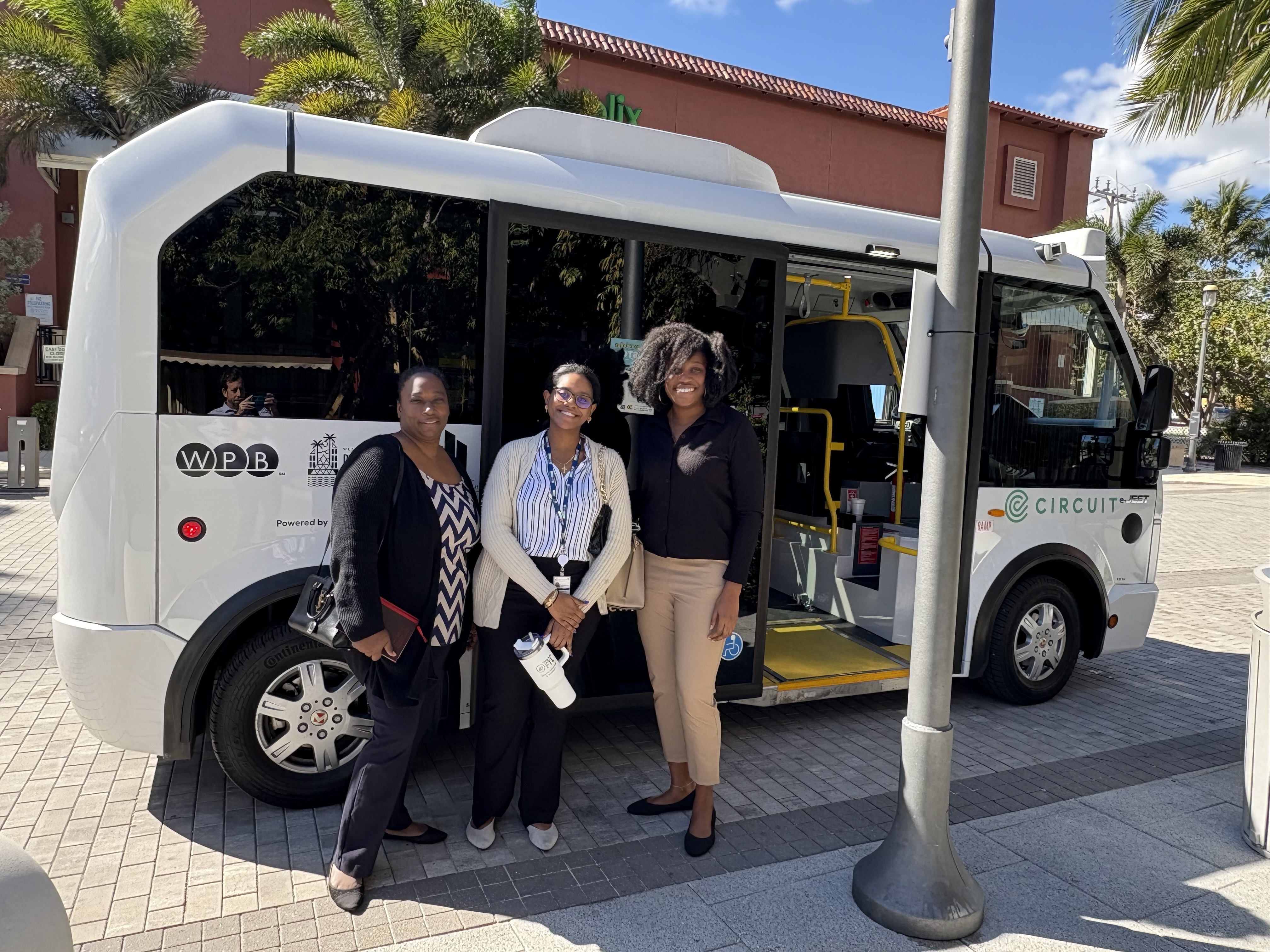
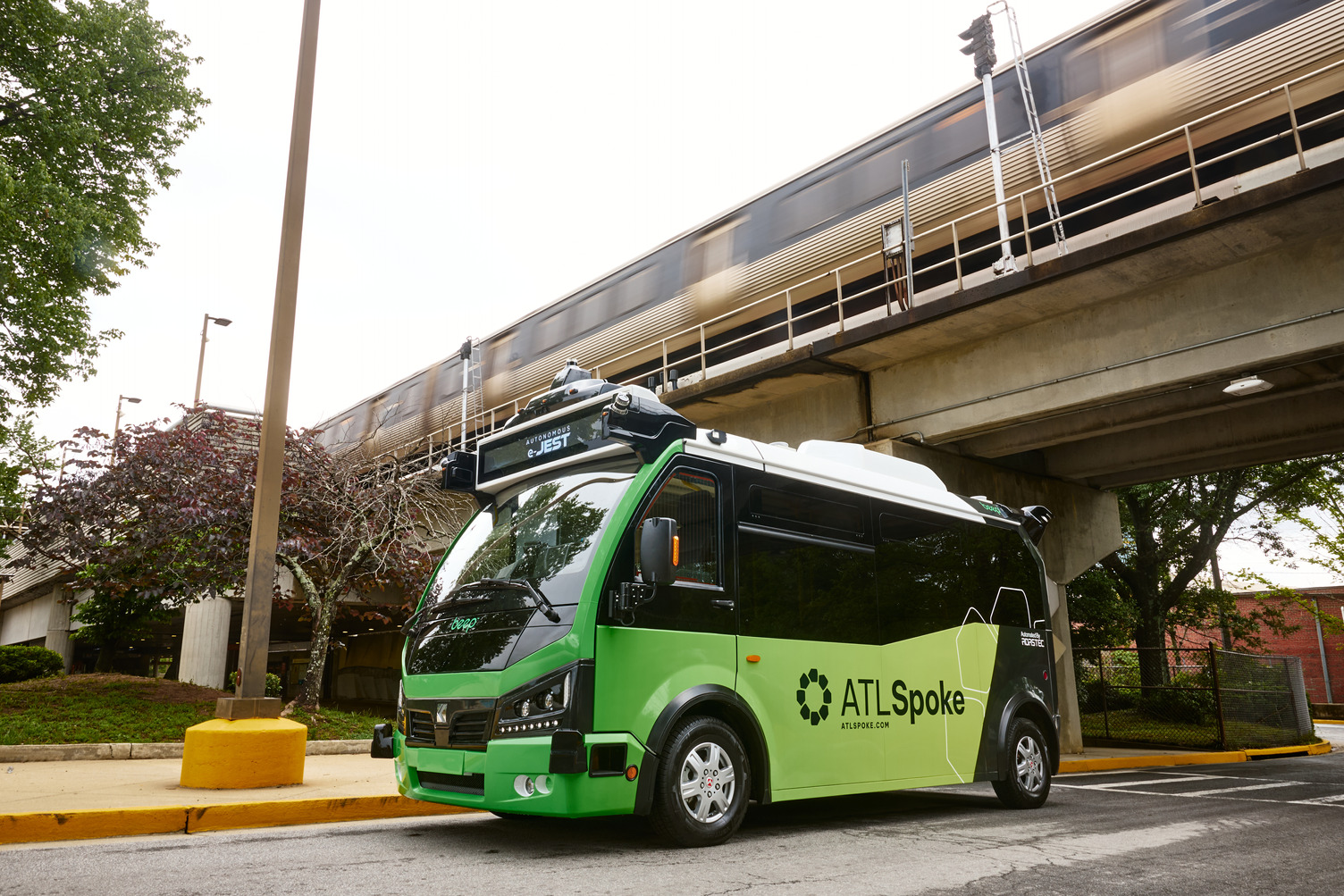
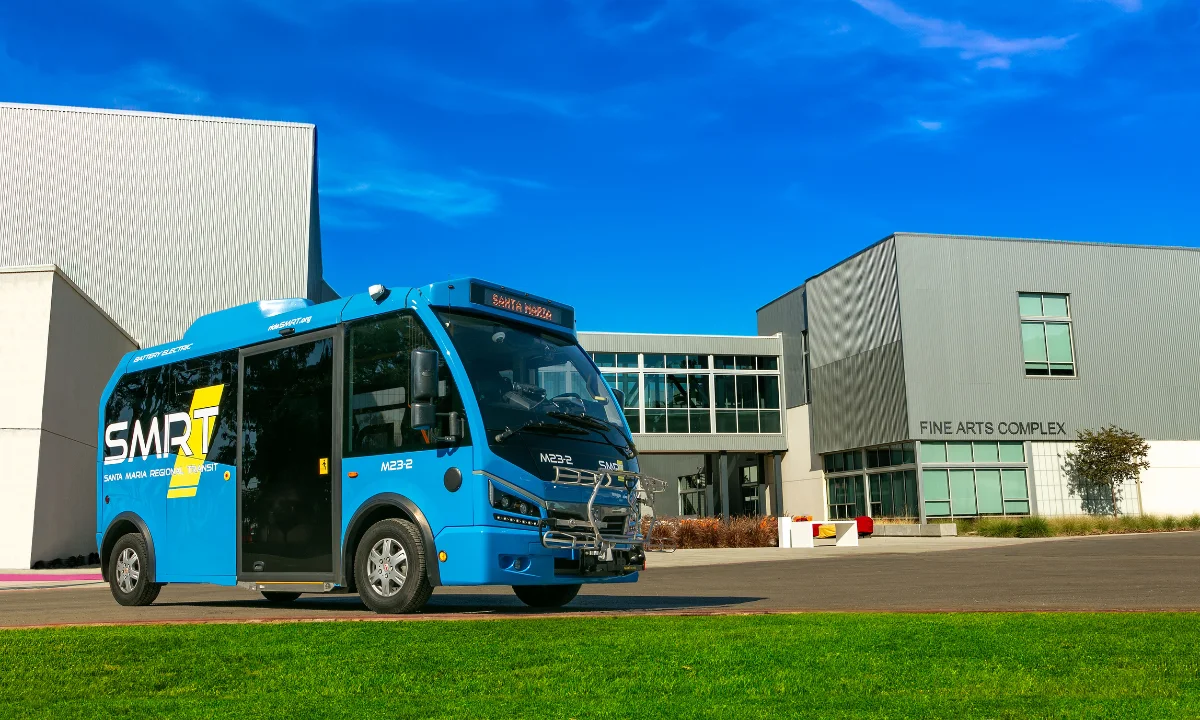
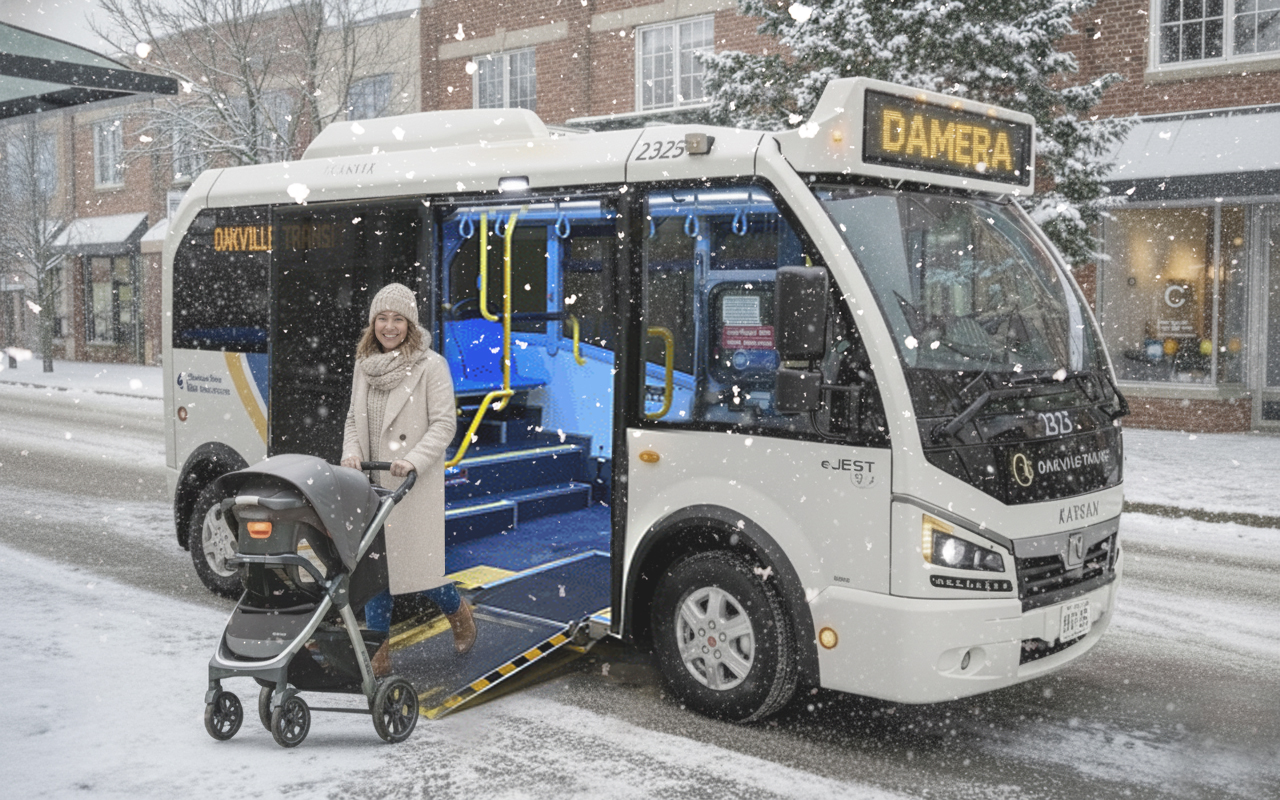
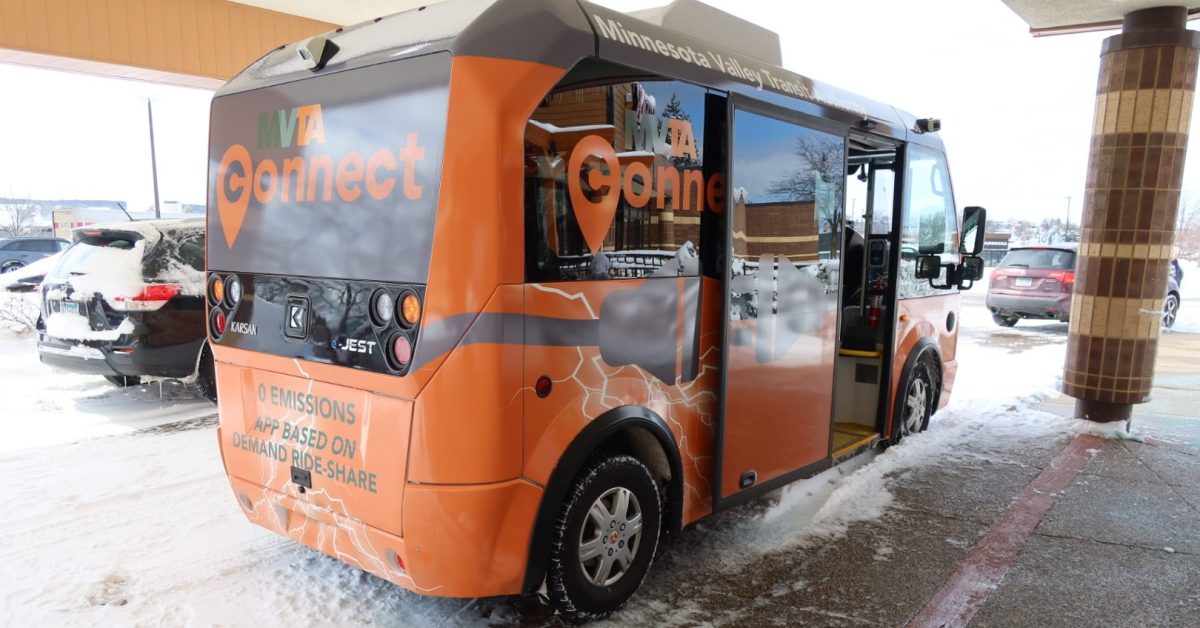
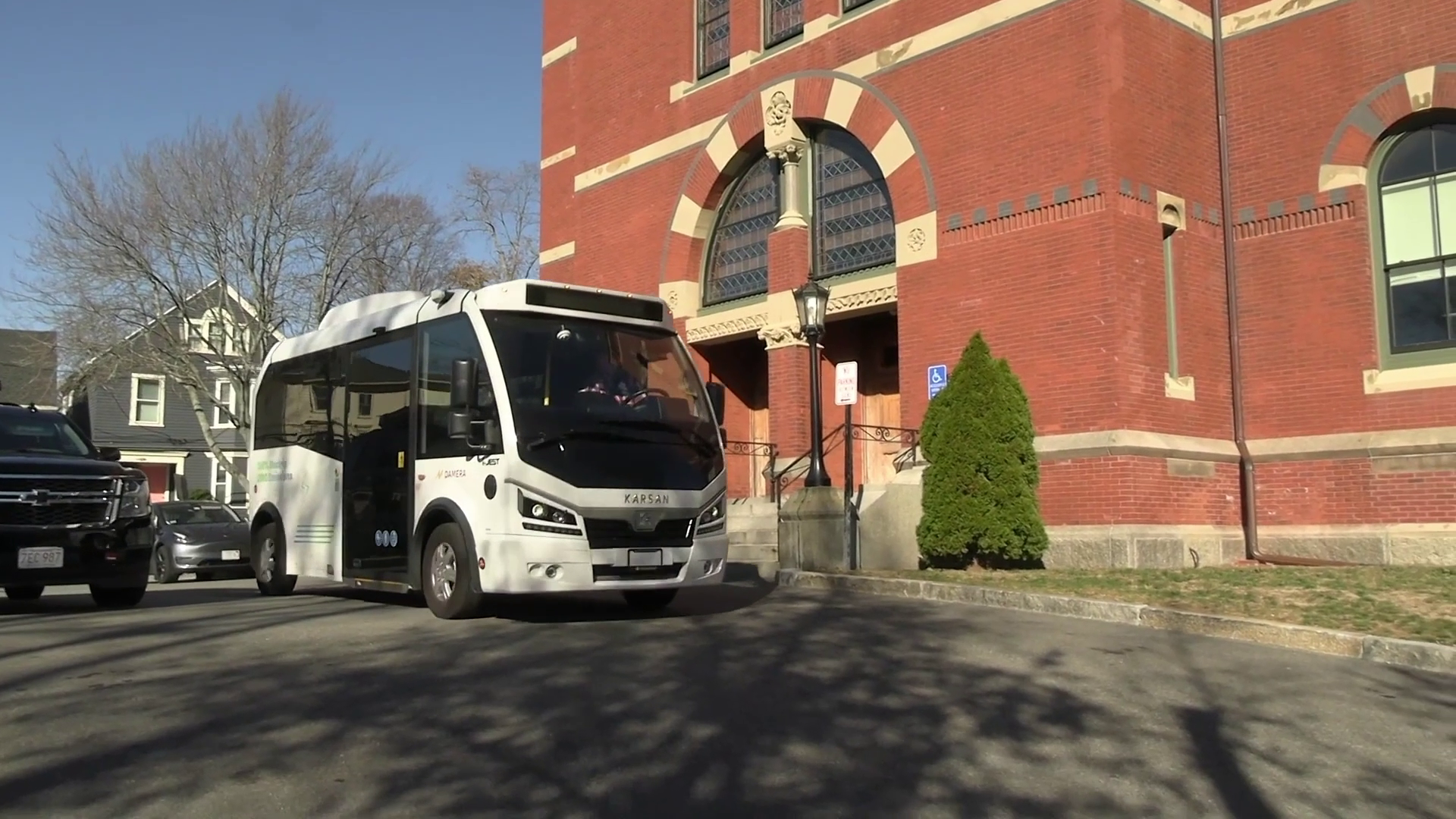
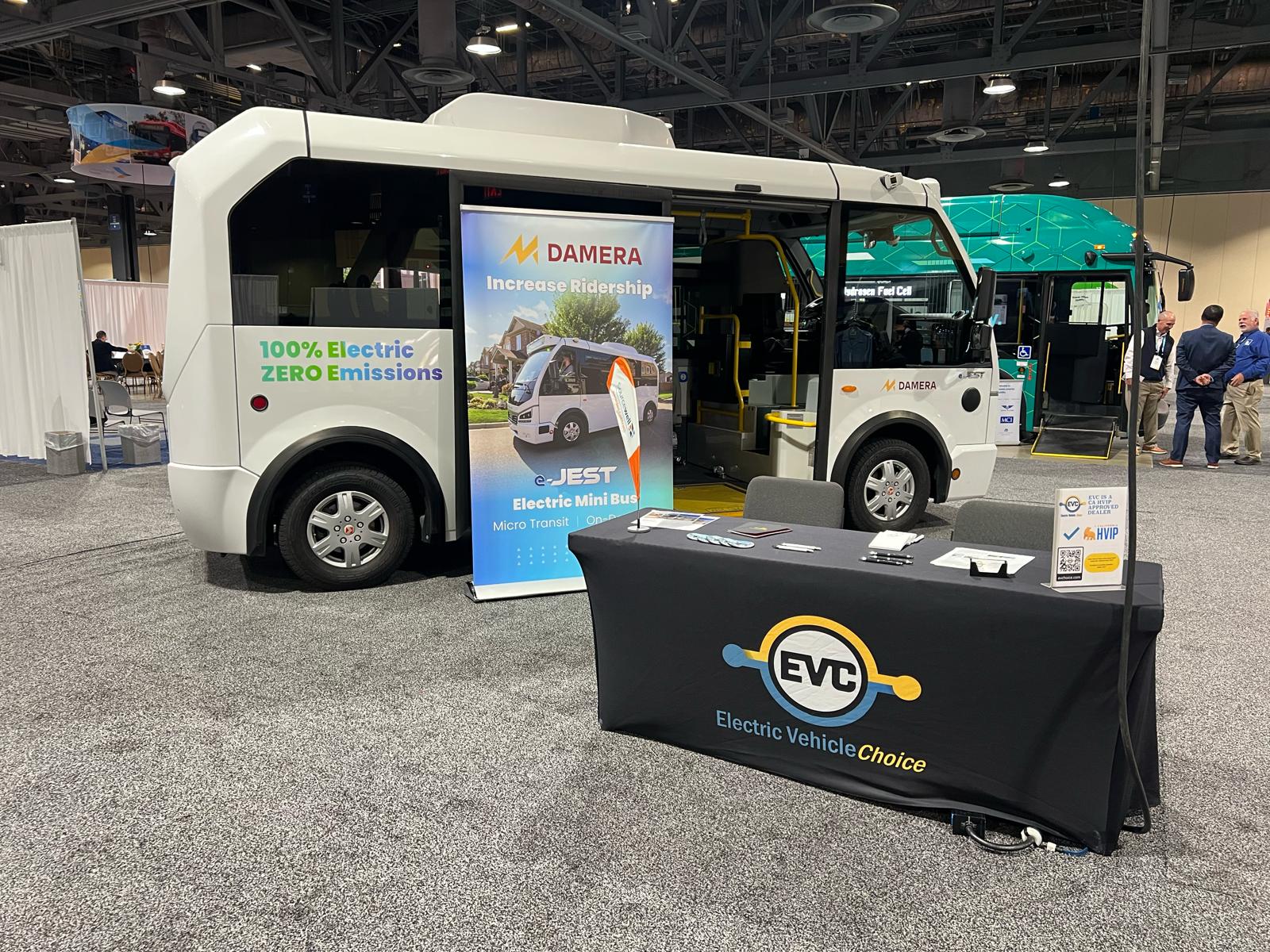
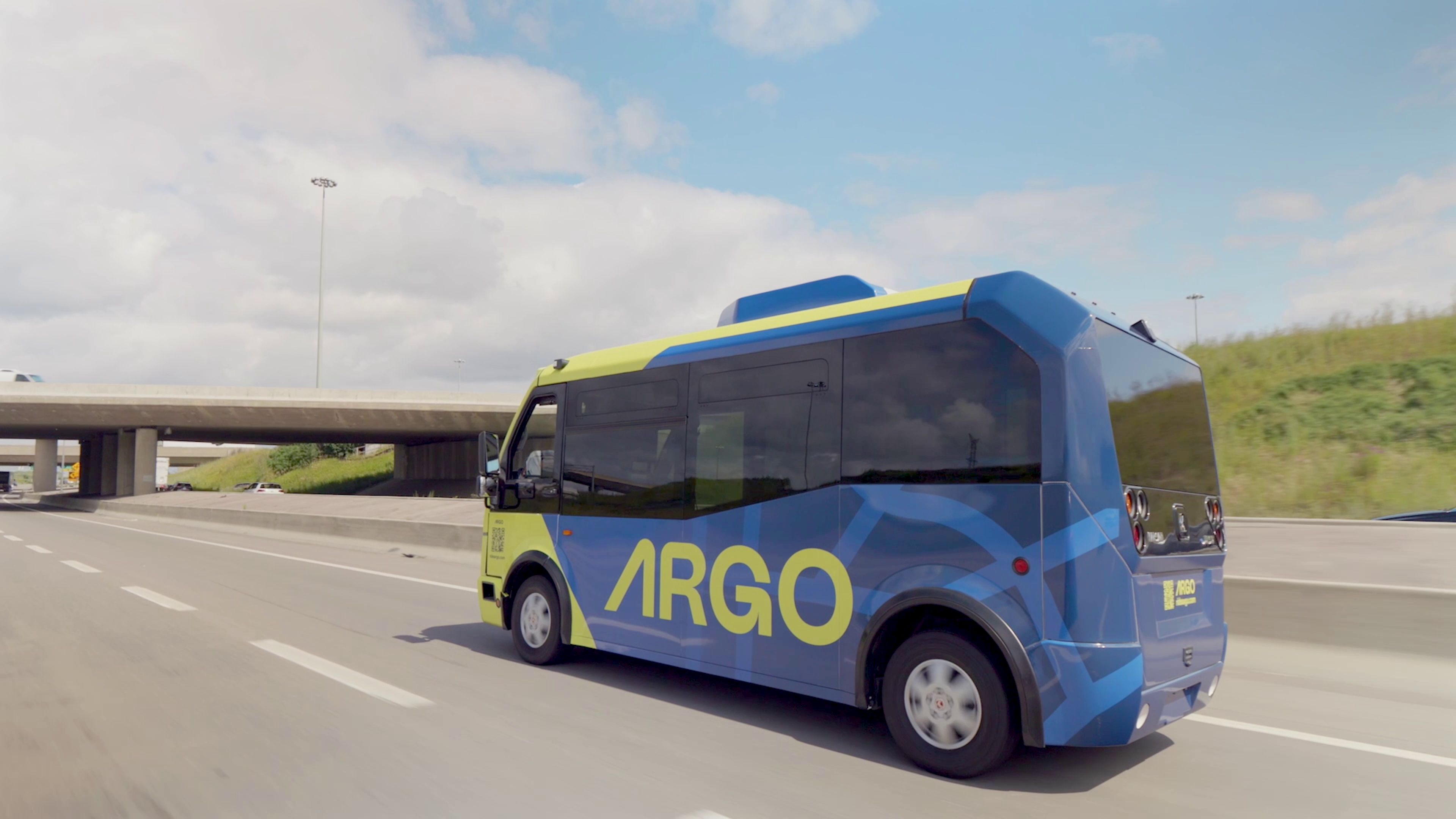
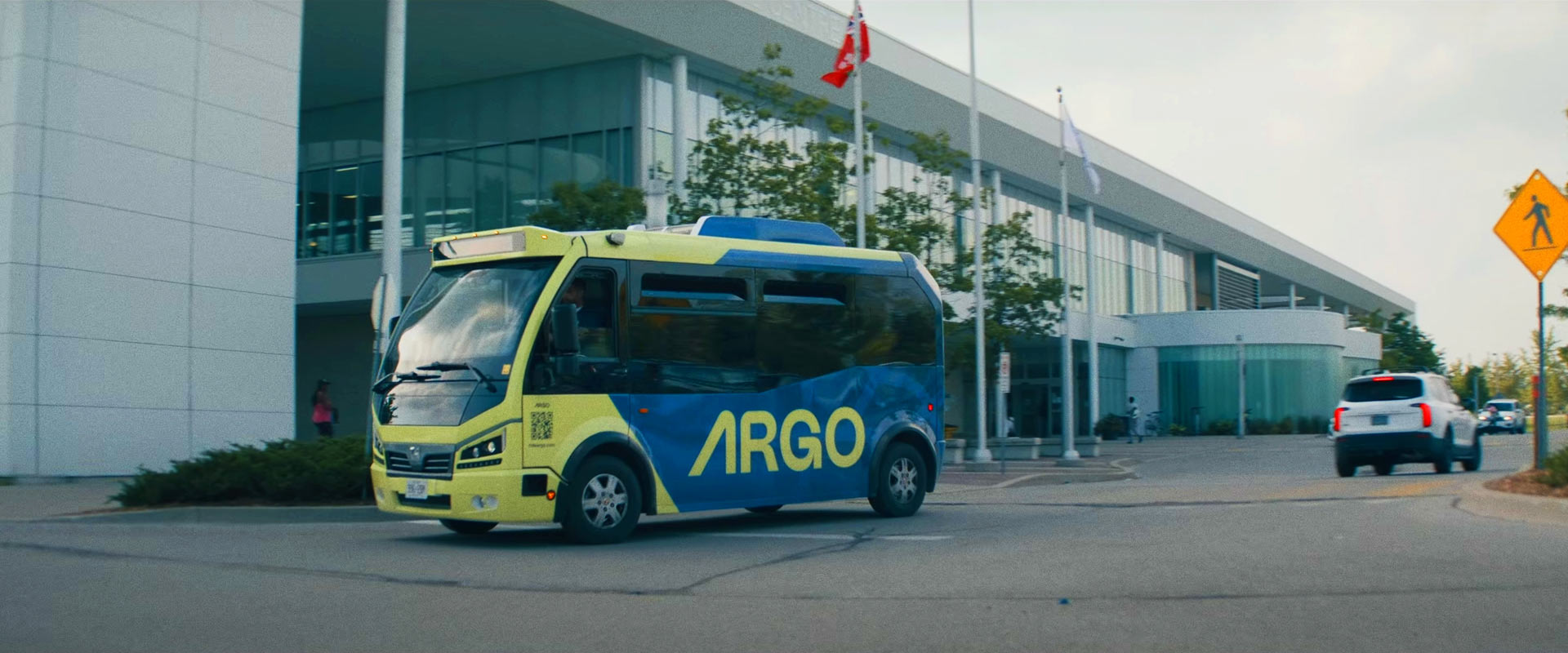
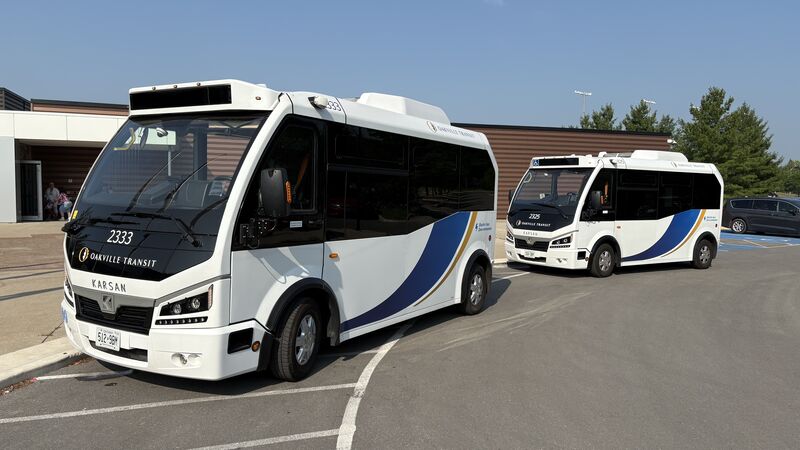
Purpose-built vehicles such as the Karsan eJEST provide the accessibility, comfort, durability, and passenger experience expected from modern public transportation while using significantly less energy than larger buses operating below capacity.
Right-sizing is not about reducing service—it's about delivering the same level of mobility with greater efficiency.
Better Passenger Experience Drives Better Transit
Successful transit systems are built around people.
Passengers are more likely to choose public transportation when vehicles are comfortable, quiet, accessible, and dependable. A modern transit vehicle creates confidence in the system itself.
Purpose-built electric vehicles offer several advantages:
- Quiet, zero-emission operation
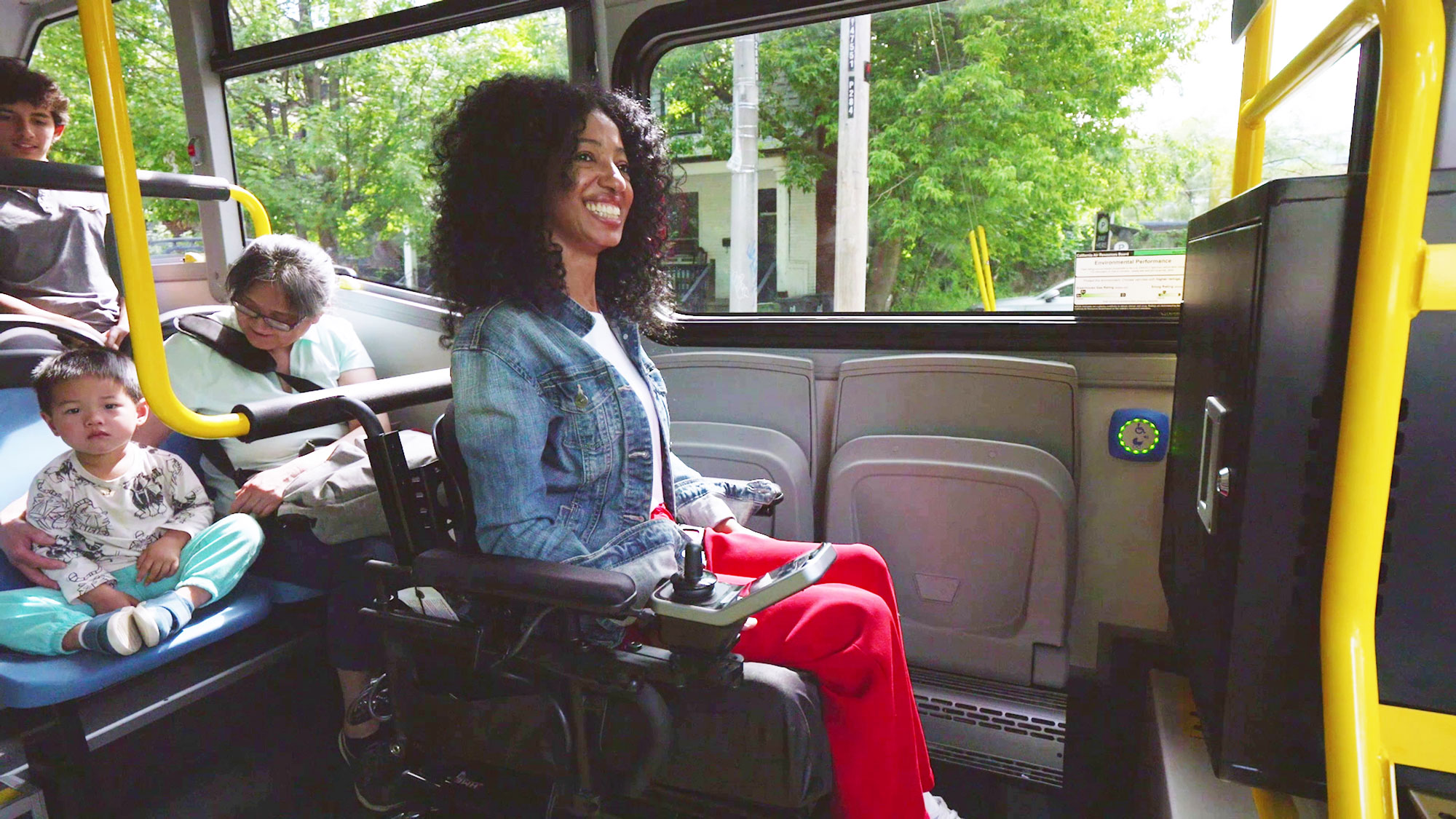
- True low-floor accessibility
- Spacious, welcoming interiors
- Improved ride quality
- Modern styling that reflects investment in the community
Whether serving a university campus, downtown circulator, airport connector, or corporate shuttle, attractive vehicles can help improve the perception of public transportation and encourage more people to leave their cars behind.

Sustainability Goes Beyond Zero Emissions
Reducing emissions is only one part of sustainable transportation.
Transit professionals must also consider:
- Overall energy consumption
- Vehicle utilization
- Battery size
- Charging infrastructure
- Fleet flexibility
- Lifecycle costs
- Long-term asset management
A vehicle designed specifically for right-sized operations can deliver environmental benefits throughout its entire lifecycle.
Compared with larger buses operating at low passenger loads, right-sized electric vehicles generally require:
- Less energy
- Smaller battery packs
- Lower charging demand
- Reduced infrastructure investment
- Lower operating costs
These efficiencies allow agencies to maximize the environmental return on every kilometre travelled.
Infrastructure Should Grow with the Fleet
One of the most common concerns surrounding electrification is infrastructure.
Many organizations assume that adopting electric transit requires immediate, large-scale electrical upgrades.
In reality, successful fleet electrification is typically phased.
Transit agencies often begin with a small number of vehicles, gather operational data, evaluate charging patterns, and expand infrastructure as their fleets grow.
A scalable approach helps reduce financial risk while allowing organizations to build experience with electric operations before making larger investments.

Infrastructure planning, simpler charging solutions, operator training, and technical support are all essential components of a successful transition.
One Platform, Many Applications
Modern communities rarely rely on a single type of transit service.
Today's mobility networks may include:
- Community transit
- Airport circulators
- University shuttles
- Corporate campus transportation
- Downtown loops
- Healthcare mobility
- On-demand microtransit
- Neighbourhood connectors
Using a versatile platform across multiple applications simplifies fleet management while improving vehicle utilization.
Rather than purchasing different vehicles for every service, agencies can deploy one proven platform across a wide range of operating environments.
This flexibility improves operational resilience while supporting long-term sustainability.
Sustainability Is a Long-Term Commitment
The environmental benefits of electrification do not end when a vehicle enters service.
Maintaining those benefits requires ongoing investment in:
- Engineering
- Preventive maintenance
- Technician training
- Charging infrastructure
- Lifecycle planning
- Operational optimization
Organizations that view electrification as a long-term strategy—not simply a vehicle purchase—are better positioned to maximize reliability, extend asset life, and protect their investment.
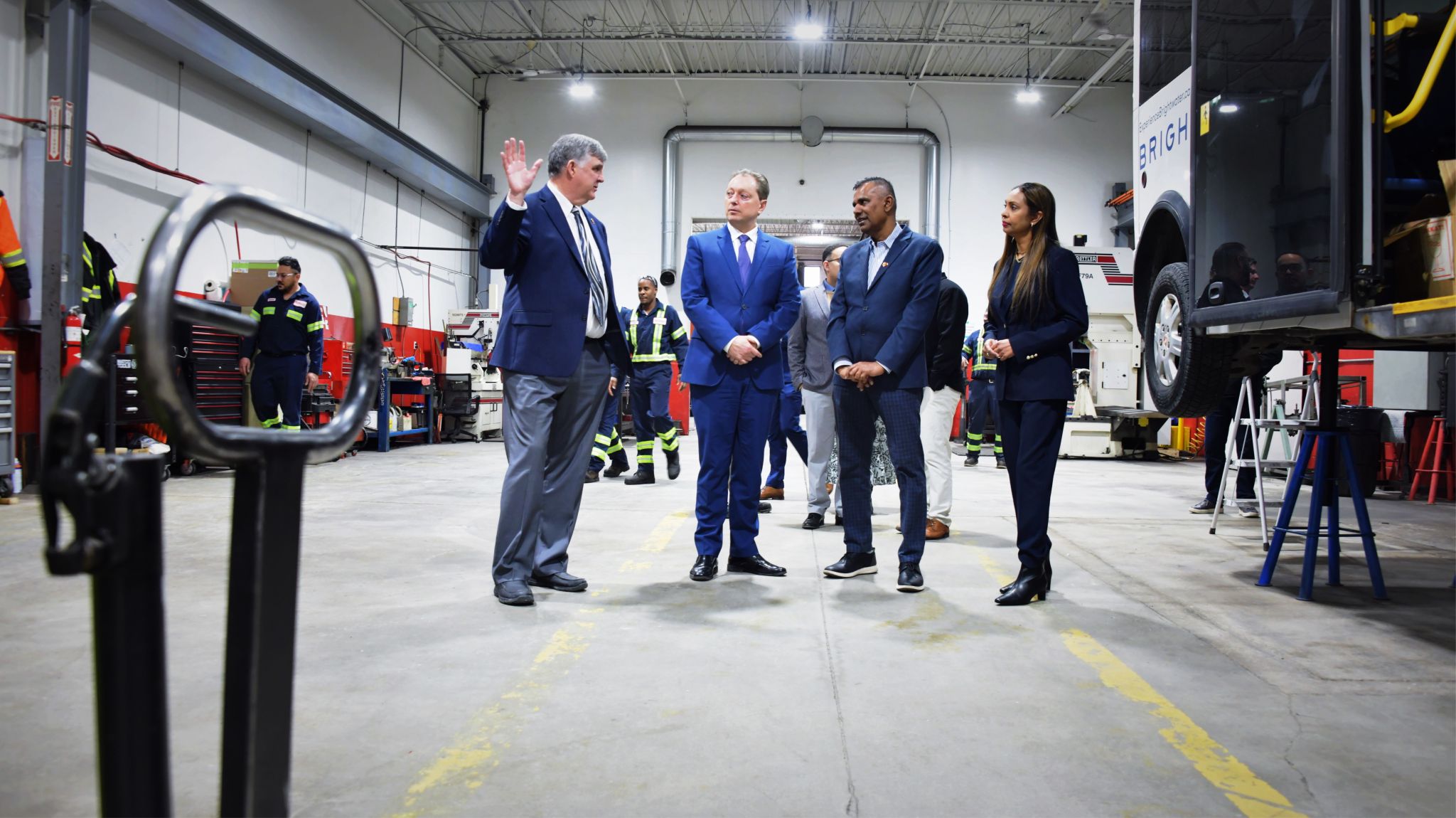
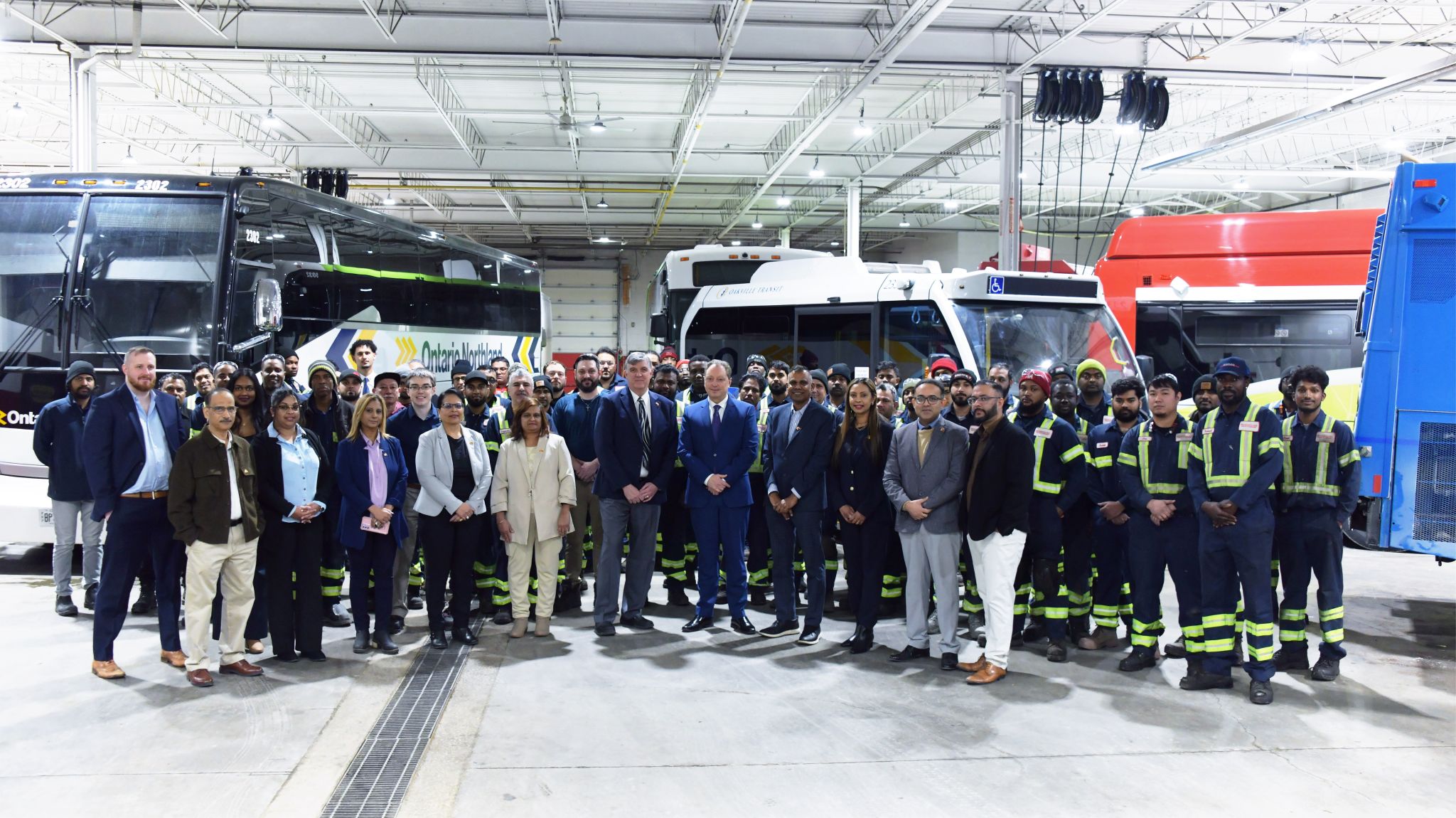
Through the Damera Group of Companies, customers have access to comprehensive maintenance services, technical expertise, and specialized training designed to support electric transit throughout its lifecycle.
By investing in workforce development and lifecycle maintenance, transit agencies and fleet operators can maximize vehicle uptime, extend service life, improve operational reliability, and protect their investment for years to come.
A well-trained workforce and a proactive maintenance strategy are essential to building safe, reliable, and sustainable zero-emission transportation systems.
A Practical Path Forward
The future of public transportation will not be defined by the largest battery or the biggest vehicle.
It will be defined by smarter decisions.
Choosing the right vehicle for each application allows agencies to improve efficiency, reduce energy consumption, enhance accessibility, and deliver the high-quality service that passengers expect.
For many operations, right-sized electric transit represents a practical step toward cleaner transportation without compromising performance.
As communities continue building more sustainable mobility networks, success will depend on balancing innovation with operational realities.
That philosophy is at the heart of Damera's approach to electrification—helping transit agencies, universities, airports, municipalities, and businesses adopt practical, scalable, and reliable zero-emission transportation solutions that deliver lasting value.
Ready to explore how right-sized electric transit can support your operation? Contact the Damera Corporation team to learn more about the Karsan eJEST, charging infrastructure solutions, and our comprehensive approach to fleet electrification.









.jpeg)









.jpeg)


.jpg)


.svg)