


.svg.avif)




-p-500-p-500.avif)







EV Buses

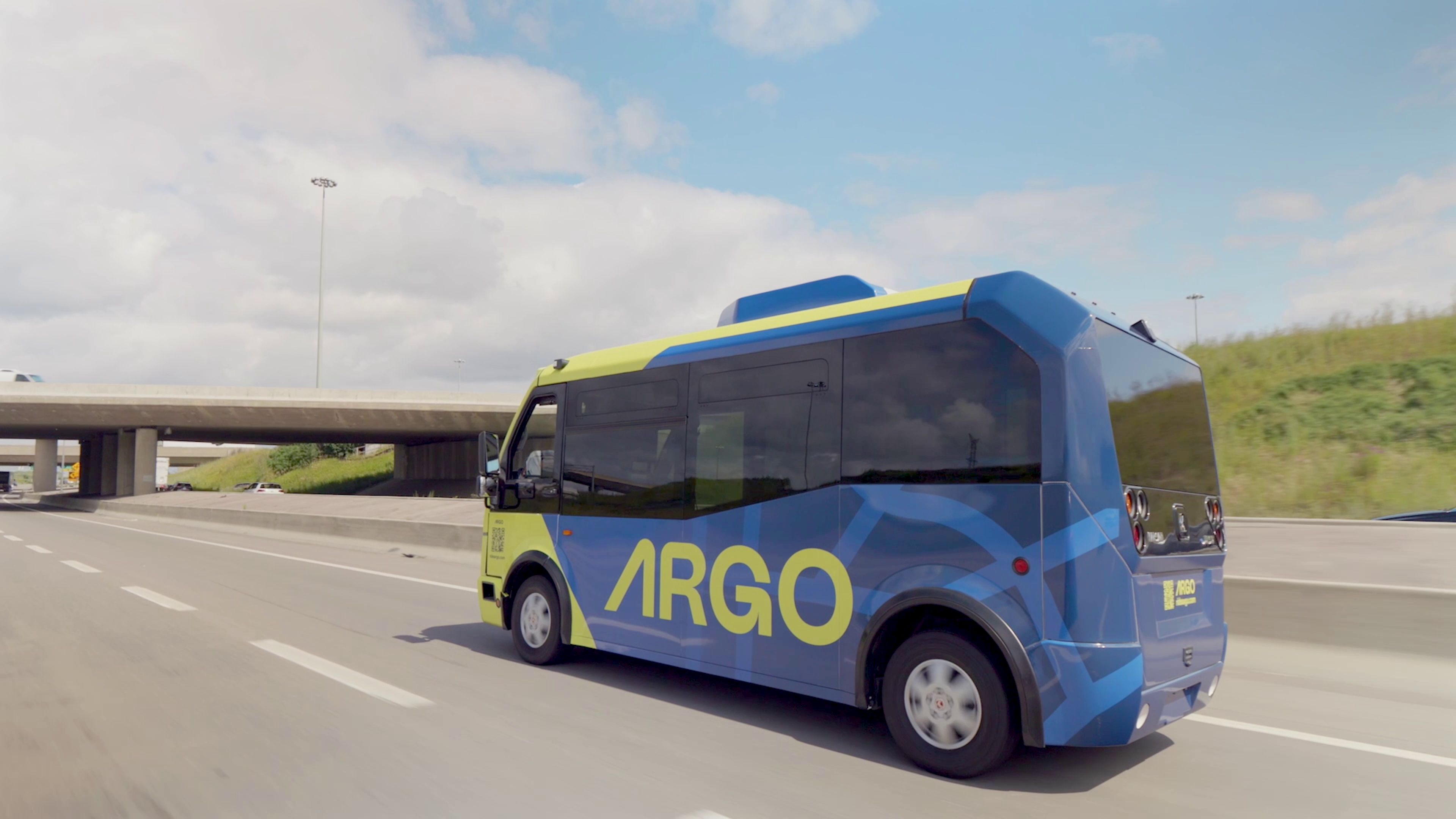
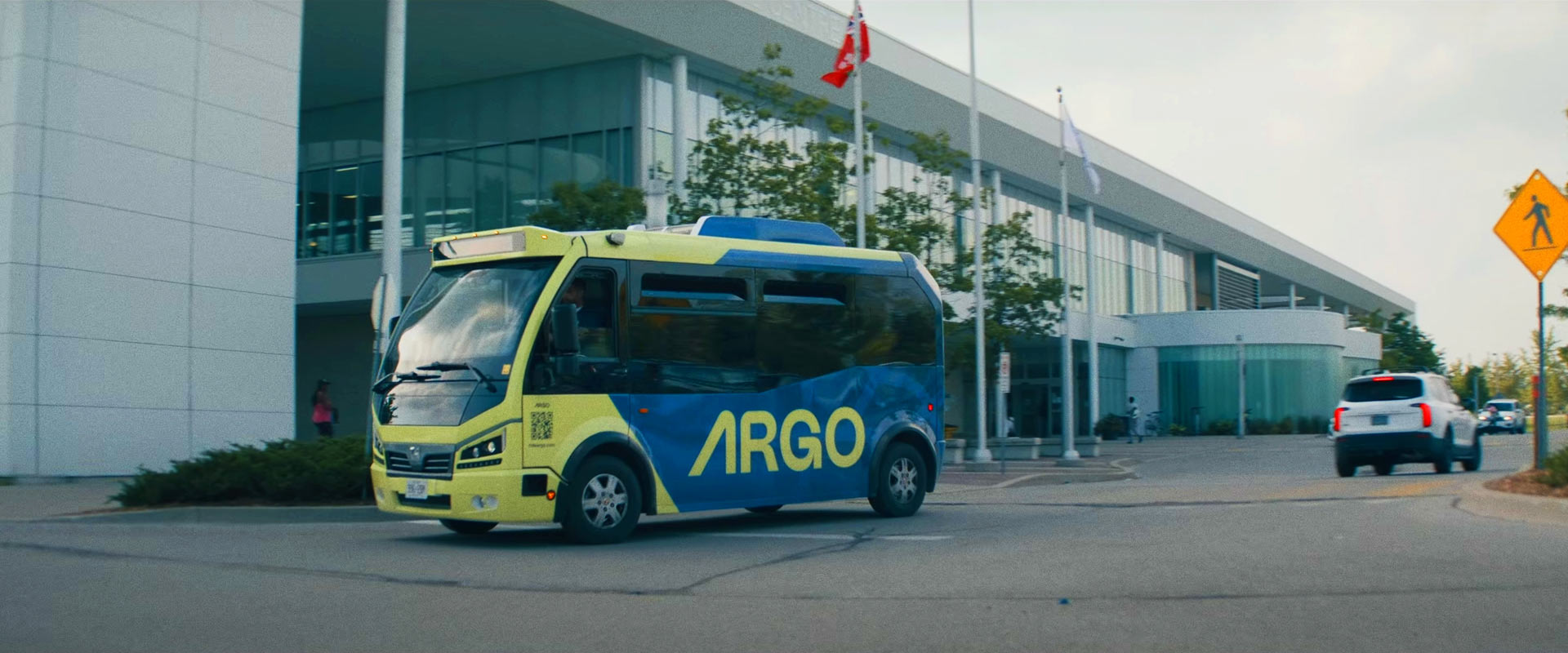
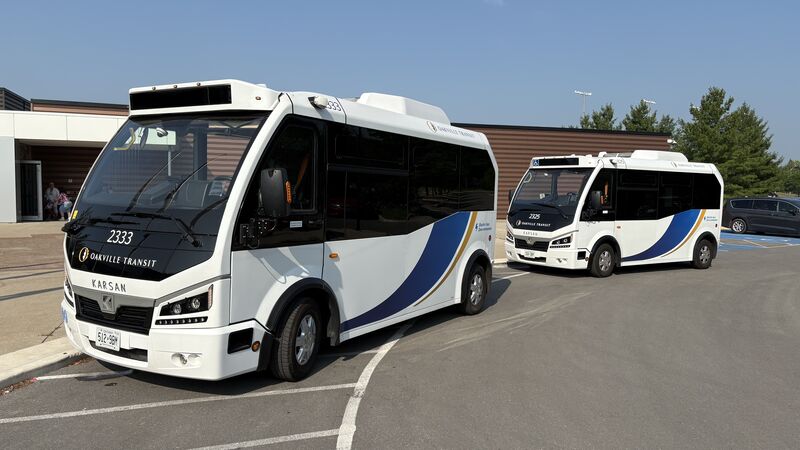
A quiet, efficient, fully accessible electric minibus. The eJEST delivers exceptional maneuverability, low operating costs, and smooth passenger experience.
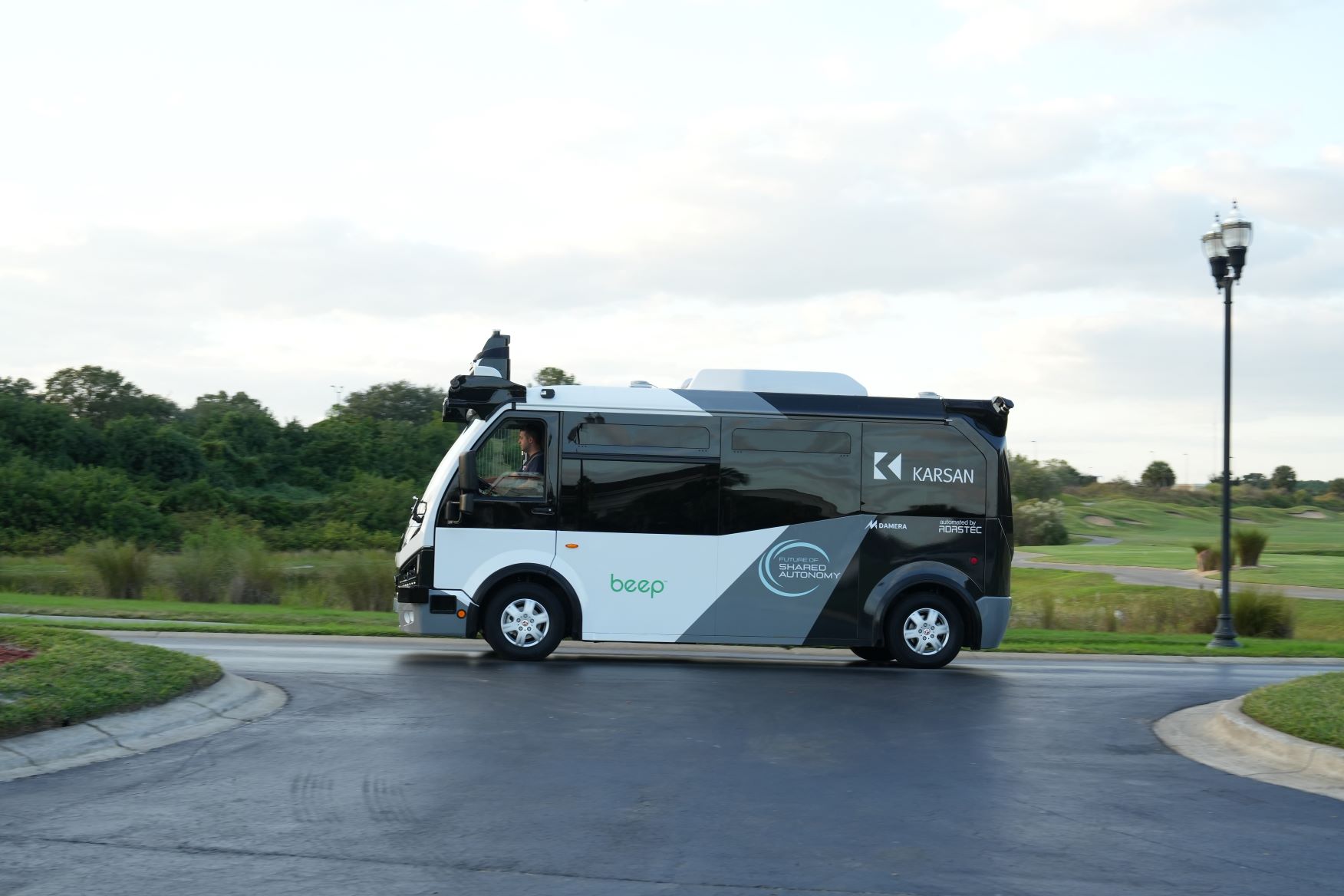
Built on the proven eJEST platform and automated by ADASTEC, this Level-4 autonomous minibus brings reliable, safe, and fully accessible automated transit to real-world routes.


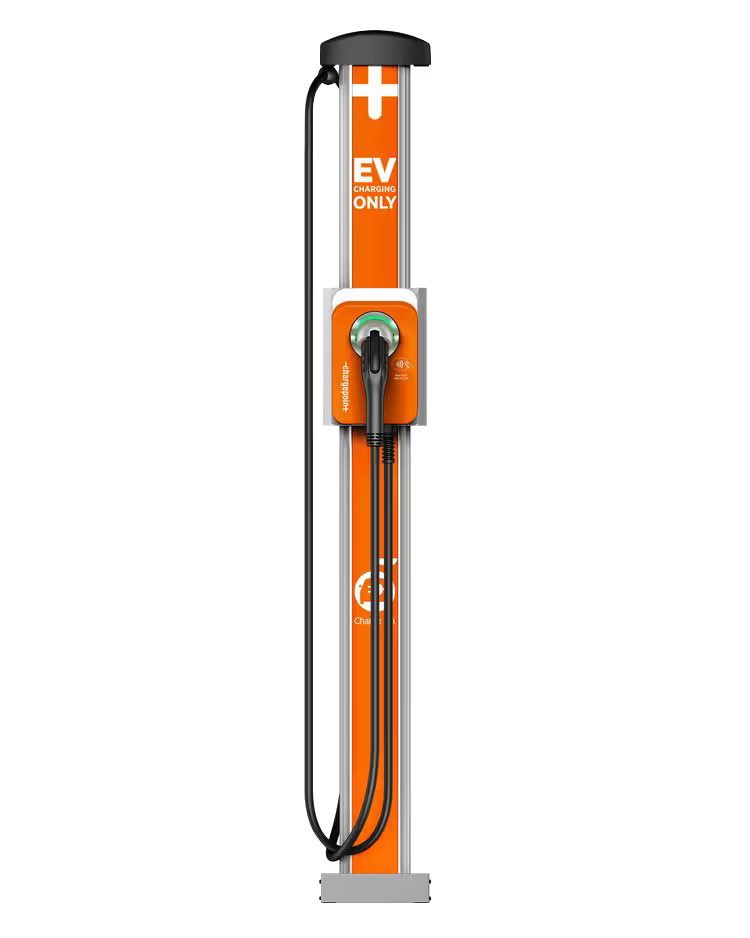
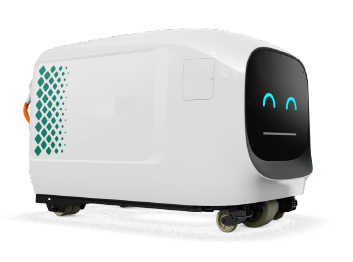
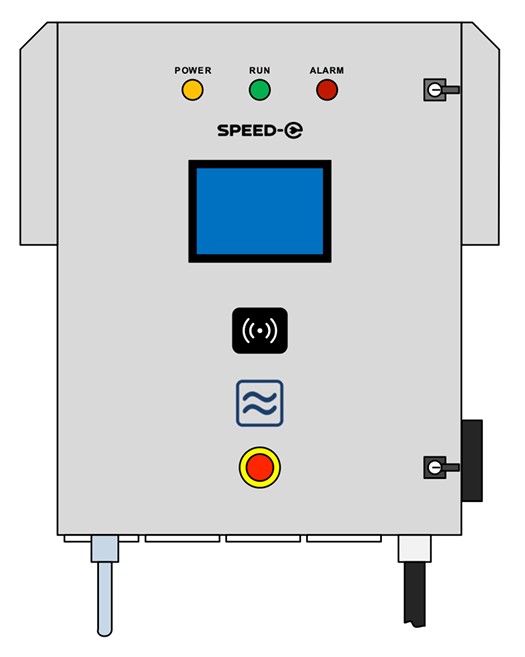
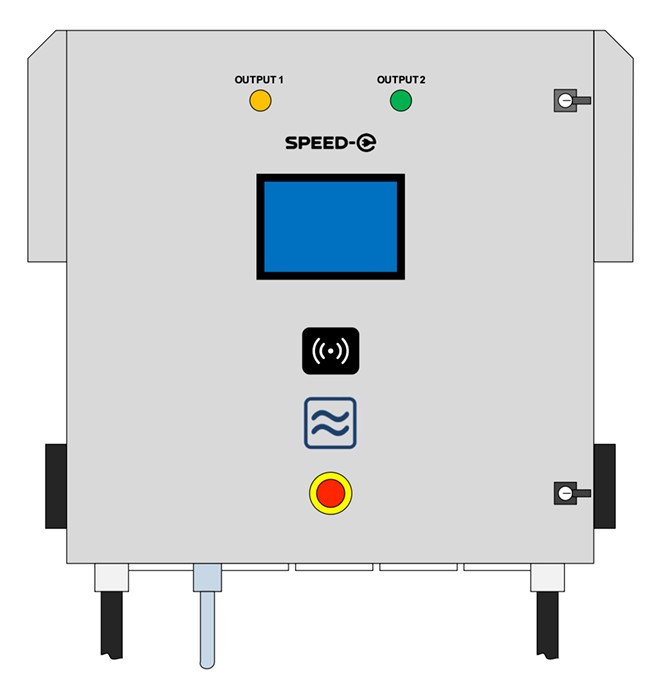
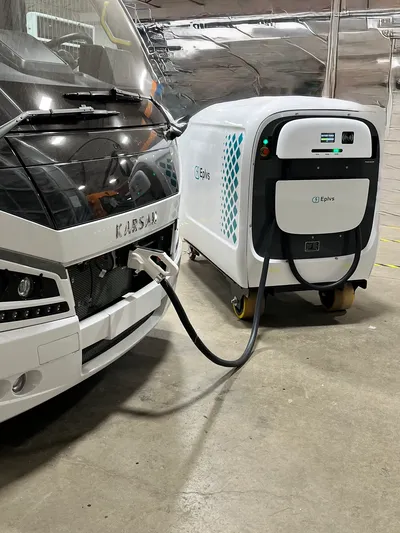
Chargers

All Chargers
Explore all charging options on one page
Services
TUV Level 3
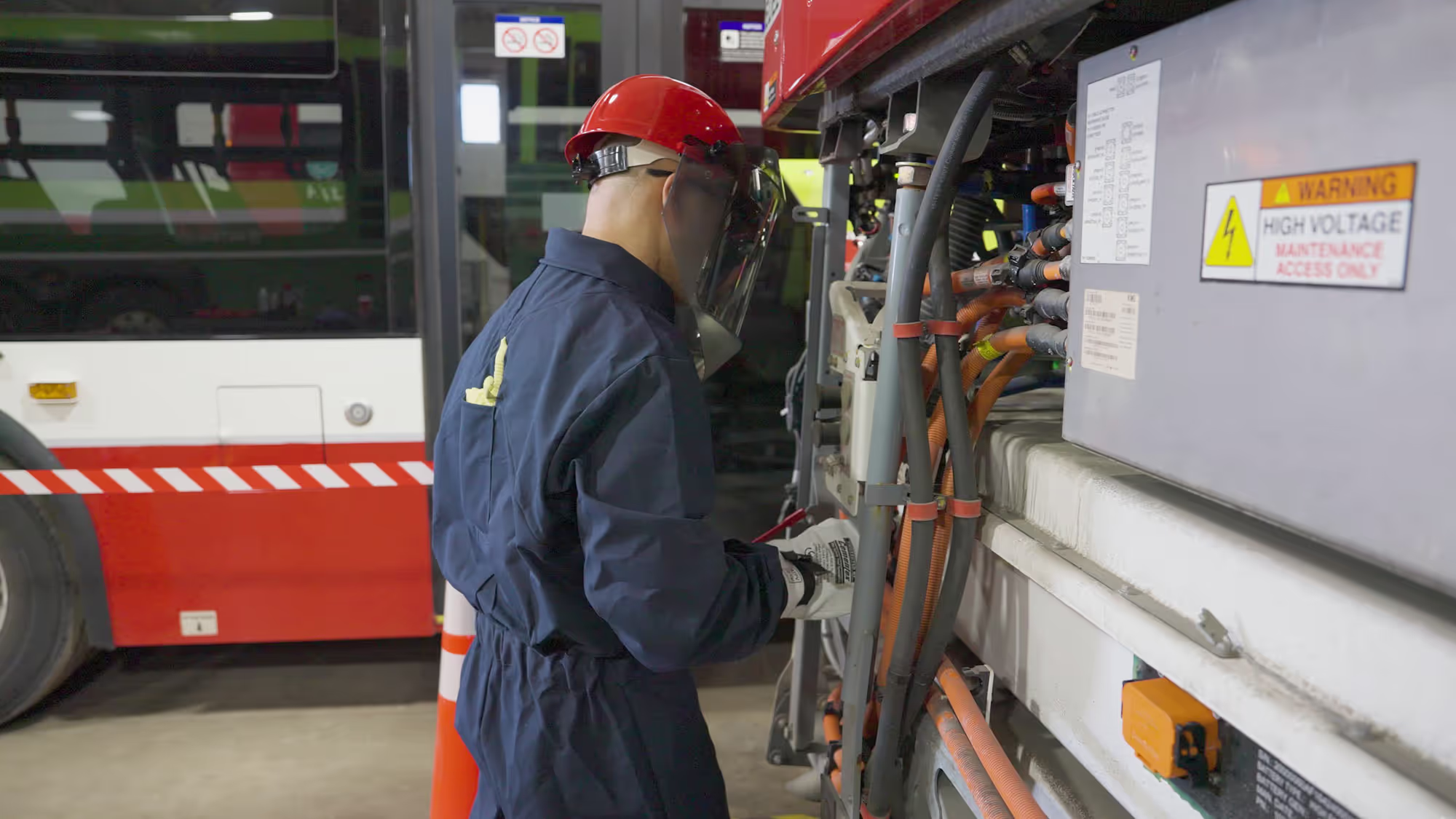
High Voltage Training

Work safely and effectively with high-voltage systems

Charger Installation
Contributes to the seamless integration of electric vehicles

Electrical Engineering
Get your skills in electrical engineering tailored to the transit industry
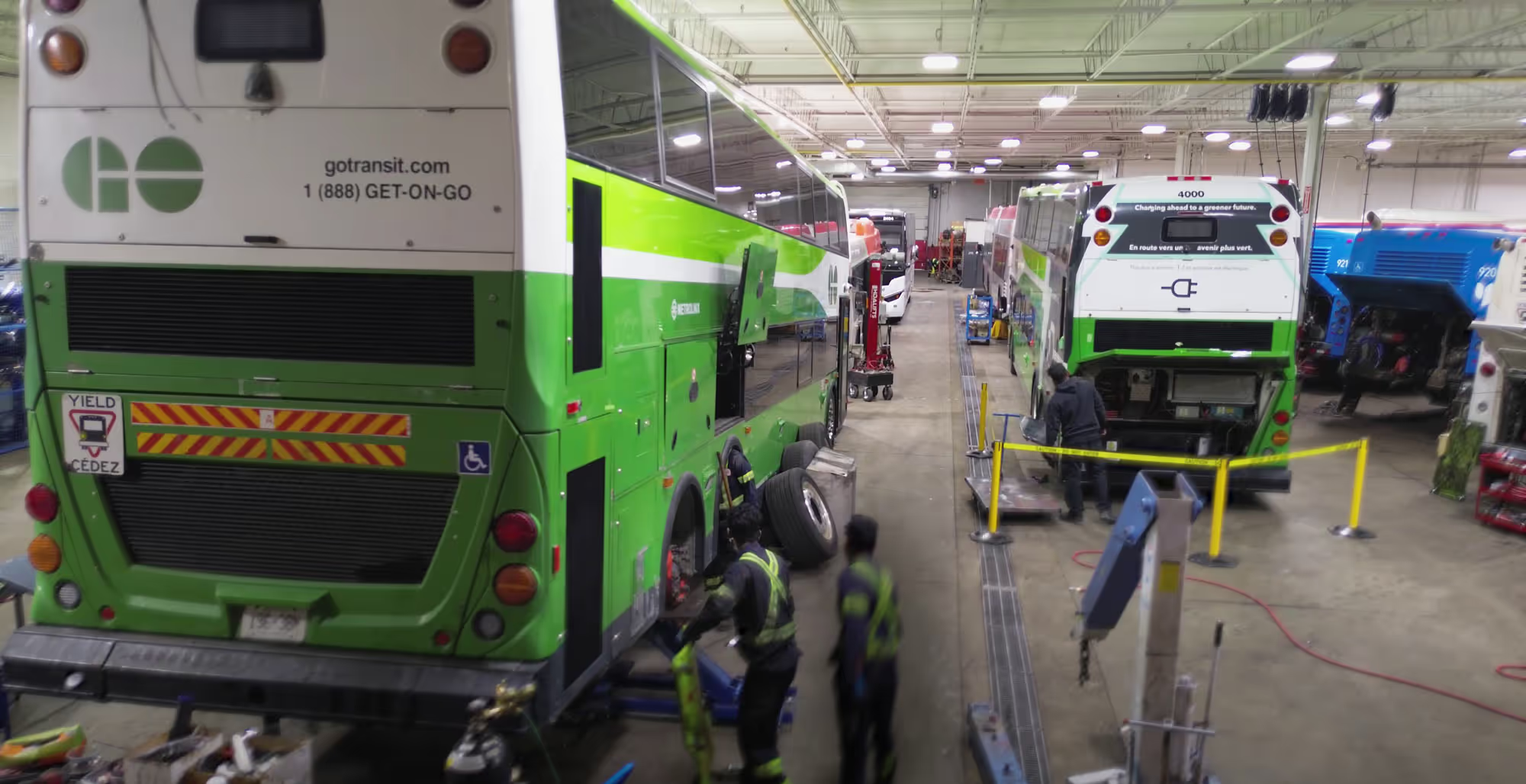
Bus Service (MBCT)
Comprehensive bus service ensuring reliable maintenance, repairs, and safety compliance.
MICROTRANSIT

Paratransit Buses
Learn more about our paratransit vehicles and how we’re improving mobility for people with disabilities and underserved riders.

Micromobility Buses
Discover how our buses support both paratransit needs and provide efficient service in low-ridership areas.

Minibuses for Campuses
Learn how modern electric minibuses create smoother, safer, and more convenient transportation for students and staff.

.svg)
There is no previous post
Previous Post
Next Post
There is no next post
Right-Sized Mobility: A Smarter Path to Stronger Transit Networks and Financial Feasibility
No items found.
Closing the Gaps That Riders Feel — and Budgets Can’t Ignore
Every transit agency can point to the corridors where service excels — and just as easily identify the areas where service consistently struggles. These gaps aren’t minor inconveniences; they’re the places where riders lose confidence and budgets lose efficiency.
At the same time, agencies face another challenge: funding is finite, yet demand for better transit continues to grow across communities that rely on it most. The question is no longer simply how to operate transit, but how to deliver more service with the resources already available.
Right-sized mobility has emerged as one of the most practical and impactful tools to address this reality.
Why Agencies Are Turning to Right-Sized Solutions
Large buses remain indispensable on major corridors where ridership is strong — no right-sized vehicle replaces that role. But many networks were built around a single vehicle type, which means oversized buses often end up deployed in places where demand is low or inconsistent.
Operating a 40-ft BEB or diesel bus in low-density suburbs, during evenings, on weekends, or for first/last-mile segments drives the cost-per-passenger upward quickly. It’s not failure — it’s outdated design.
Agencies we work with are discovering that the fastest way to improve service isn’t always adding more large buses; it’s matching each vehicle to the type of service required.
When funding is tight, the question shifts from:
❌ “How many large buses can we afford?”
to
✔️ “How do we deliver the most mobility for the communities we serve?”
A mixed fleet enables agencies to stretch every public dollar further. Instead of one large bus serving just a few riders, agencies can deploy multiple right-sized electric vehicles, increasing frequency, expanding coverage, and improving equity — often at the same operating cost.
This is not simply an operational decision.
It is responsible public investment.
Why Responsible Investment Matters
Grant programs are competitive, and not all agencies secure the awards they pursue. With limited dollars, maximizing impact becomes essential. Right-sized fleets allow agencies to:
- increase service hours
- boost frequency
- improve reliability
- reach communities traditional fleets can’t
- create more funding justification for future cycles
When vehicles are sized to match real demand, agencies produce visible improvements without increasing expenses:
- shorter waits
- more reliable transfers
- stronger first/last-mile connections
- higher rider satisfaction
Right-sized mobility isn’t cost-cutting.
It’s unlocking more mobility from the same budget envelope.
Damera’s Approach to Electrification
Electrification may appear straightforward, but real-world deployments demand precision. Performance varies based on climate, grade, duty cycles, charging windows, and the unique operational pressures each agency manages.
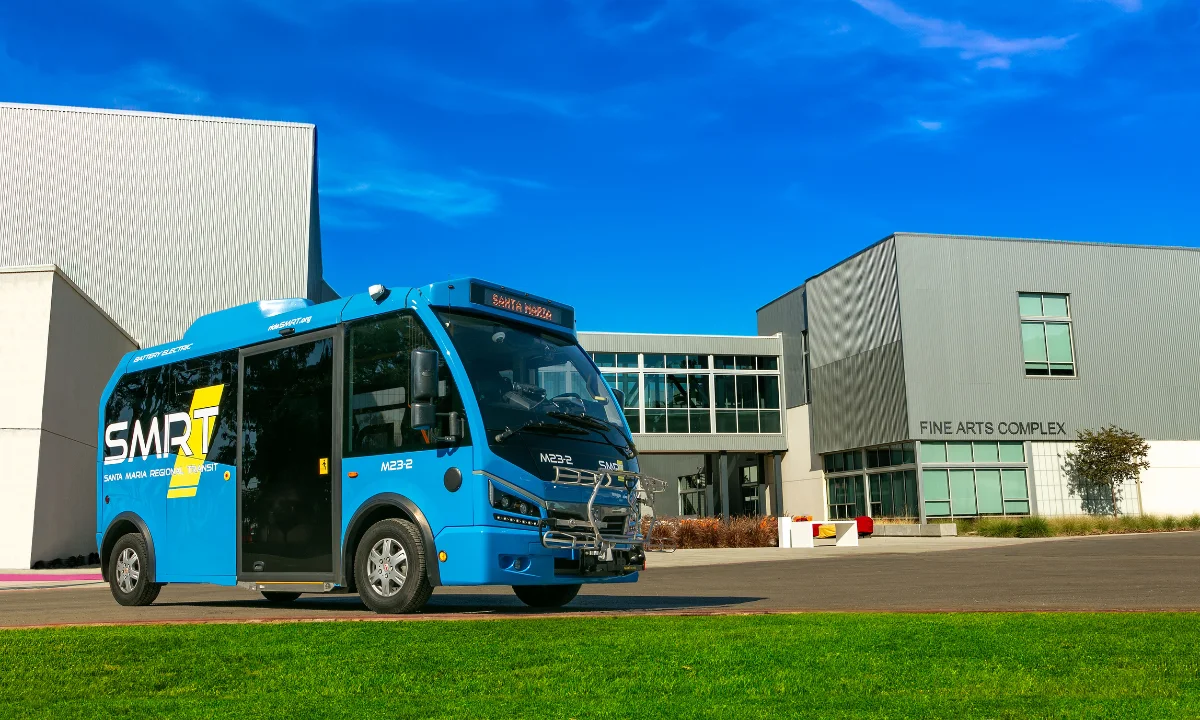
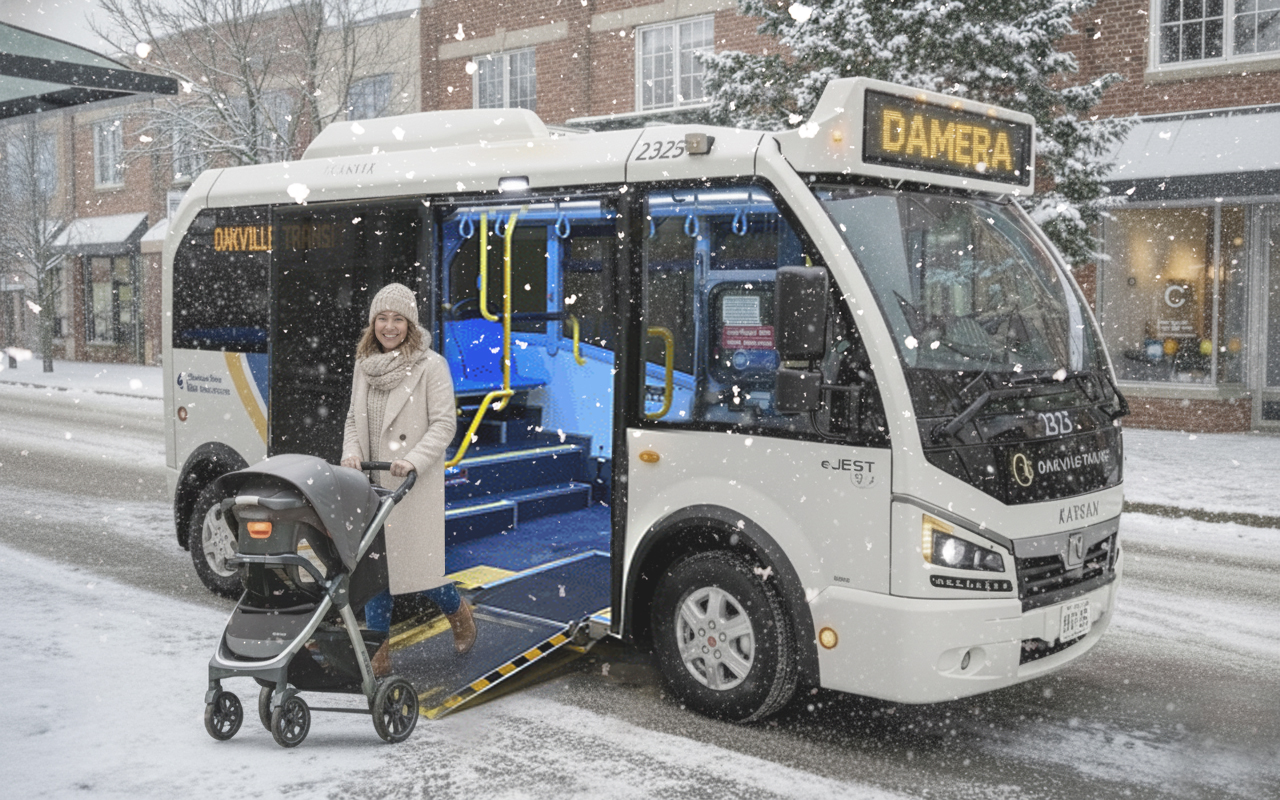
In hilly cities, for example, electric vehicles must climb steep grades while maintaining range — and recover energy efficiently during downhill braking. The eJEST platform is designed with these realities in mind, featuring:
- 25% gradeability
- regenerative braking ideal for stop-and-go routes
- predictable energy use that makes scheduling easier
But electrification success comes not from the vehicle alone — it comes from the planning behind it. Damera’s approach evaluates:
- route profiles
- seasonal conditions
- charging placement
- depot constraints
- maintenance planning
- operations training
- long-term support
Electrification works only when the vehicle and the ecosystem are aligned. Our job is to help agencies build that ecosystem with confidence.
Why Minibuses Make Electrification Easier
For many agencies, transitioning to electric fleets can feel overwhelming. Charging systems, maintenance practices, and operational assumptions all change at once.
Right-sized EVs like the eJEST make the transition far more manageable.
A 40-ft BEB often requires:
- major electrical infrastructure upgrades
- high-power chargers
- significant capital expenditure
- depot reconfiguration
By contrast, the eJEST:
- charges using DC infrastructure compatible with ABB Terra Wallbox and other cost-effective chargers
- fits existing depots without reconfiguration
- aligns naturally with neighborhood and low-demand services
- allows agencies to electrify gradually rather than all at once
This creates a scalable, repeatable electrification model.
Once initial deployments succeed, agencies have:
- validated charging patterns
- predictable consumption data
- established operational workflows
- trained staff
- community acceptance
Electrification becomes data-driven — not experimental.
Is There a Learning Curve? Yes — But Right-Sized EVs Lower It
All electric fleets require adaptation: understanding state-of-charge behavior, optimizing regenerative braking, planning top-ups, and refining winter operations.
The eJEST reduces uncertainty through:
- regenerative braking that extends usable range
- powerful gradeability for varied terrain
- compact design suited to short-turn, flexible routes
- stable, predictable energy use
Agencies gain the ability to electrify one zone, one route, or one shift at a time — collecting insights that guide broader transformation.
Why Support and Communication Matter More Than Ever
Choosing the bus is only half the decision. The distributor determines how smoothly the fleet operates over the next decade.
This is where Damera brings unique value.
Agencies need partners who can explain, train, troubleshoot, and respond — not weeks later, but in the moment.
Damera provides:
- rapid technical support from trained specialists
- real-time troubleshooting and diagnostics
- direct access to decision-makers
- on-site assistance when needed
- operator and technician training
- charging and infrastructure guidance
- long-term performance optimization
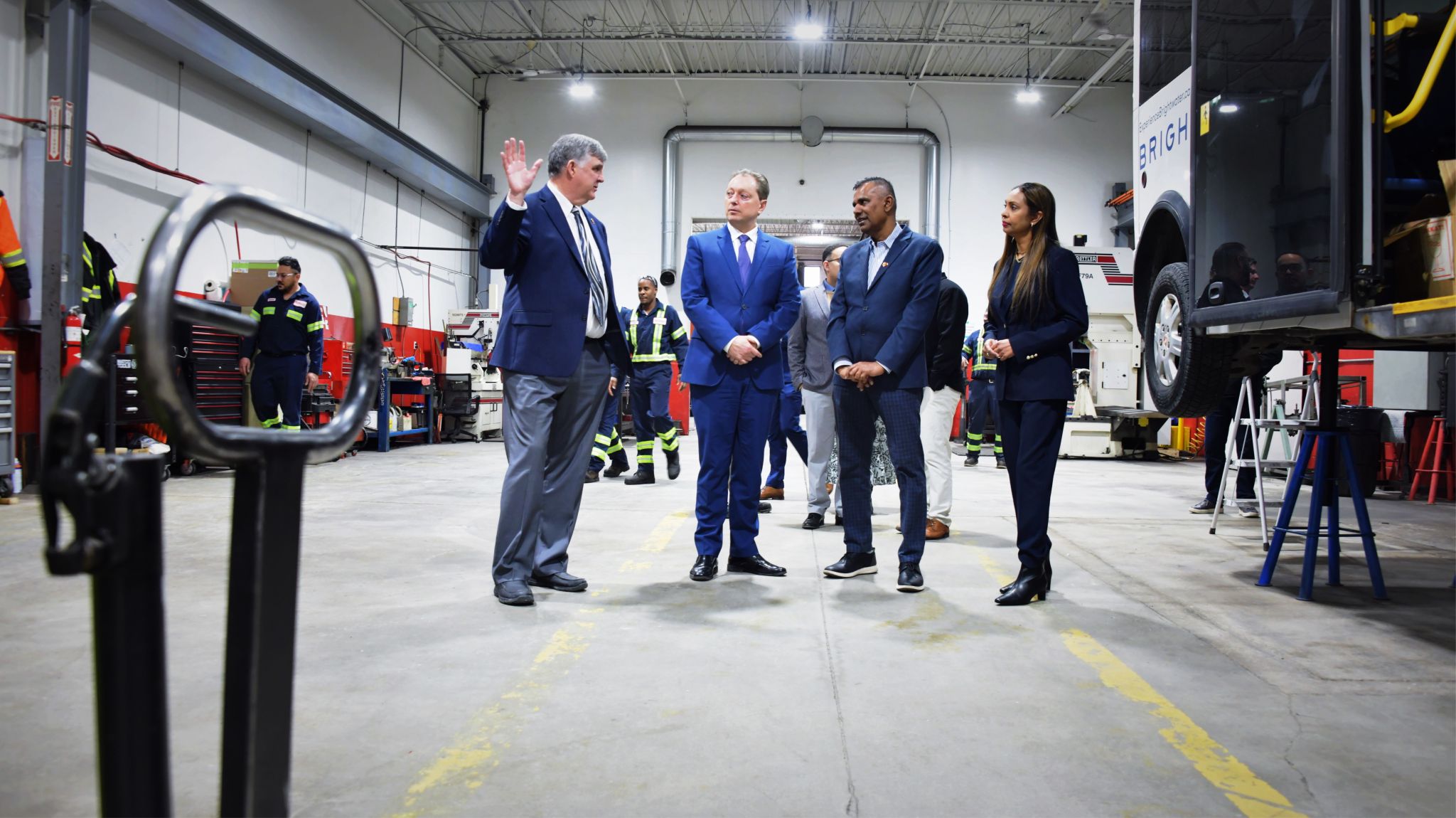
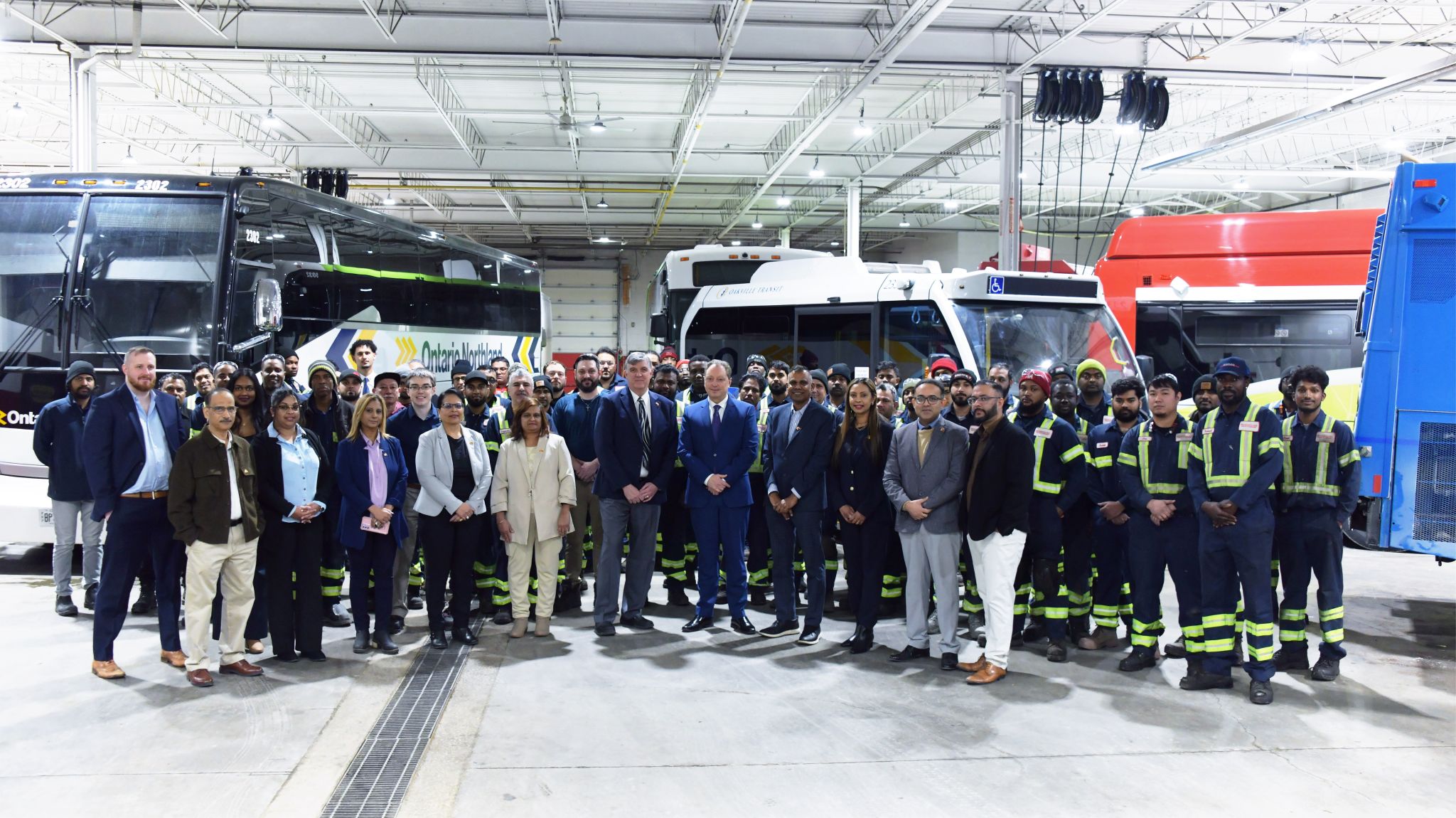
Behind our support is MBCT — one of Canada’s most experienced heavy-duty maintenance organizations, offering:
- TÜV High-Voltage certified technicians
- deep powertrain and EV safety expertise
- practical understanding of diverse fleets
- proven uptime processes
This level of expertise reduces downtime, improves reliability, and protects agency budgets.
Transit doesn’t succeed in presentations —
it succeeds on the street, in daily service, with real riders depending on it.
The Human Factor Behind Strong Deployments
Technology is essential, but it’s the people behind deployment who shape whether a project becomes a success story. A responsive partner reduces risk. A knowledgeable team prevents problems before they emerge. A shared commitment to operational performance ensures reliable service day after day.
When agencies choose a partner who listens, understands their challenges, and genuinely wants them to succeed, the results are meaningful:
- smoother launches
- fewer unexpected expenses
- stronger fleet performance
- higher uptime
- more confident electrification
- better experience for riders
Right-sized mobility reduces operational cost.
The right partner prevents hidden cost.
This is why Damera’s approach works:
we combine proven right-sized EVs with technical depth, strong communication, and a genuine commitment to helping agencies build systems that perform.









.jpeg)









.jpeg)


.jpg)


.svg)