








Chargers

All Chargers
Explore all charging options on one page
Services
TUV Level 3
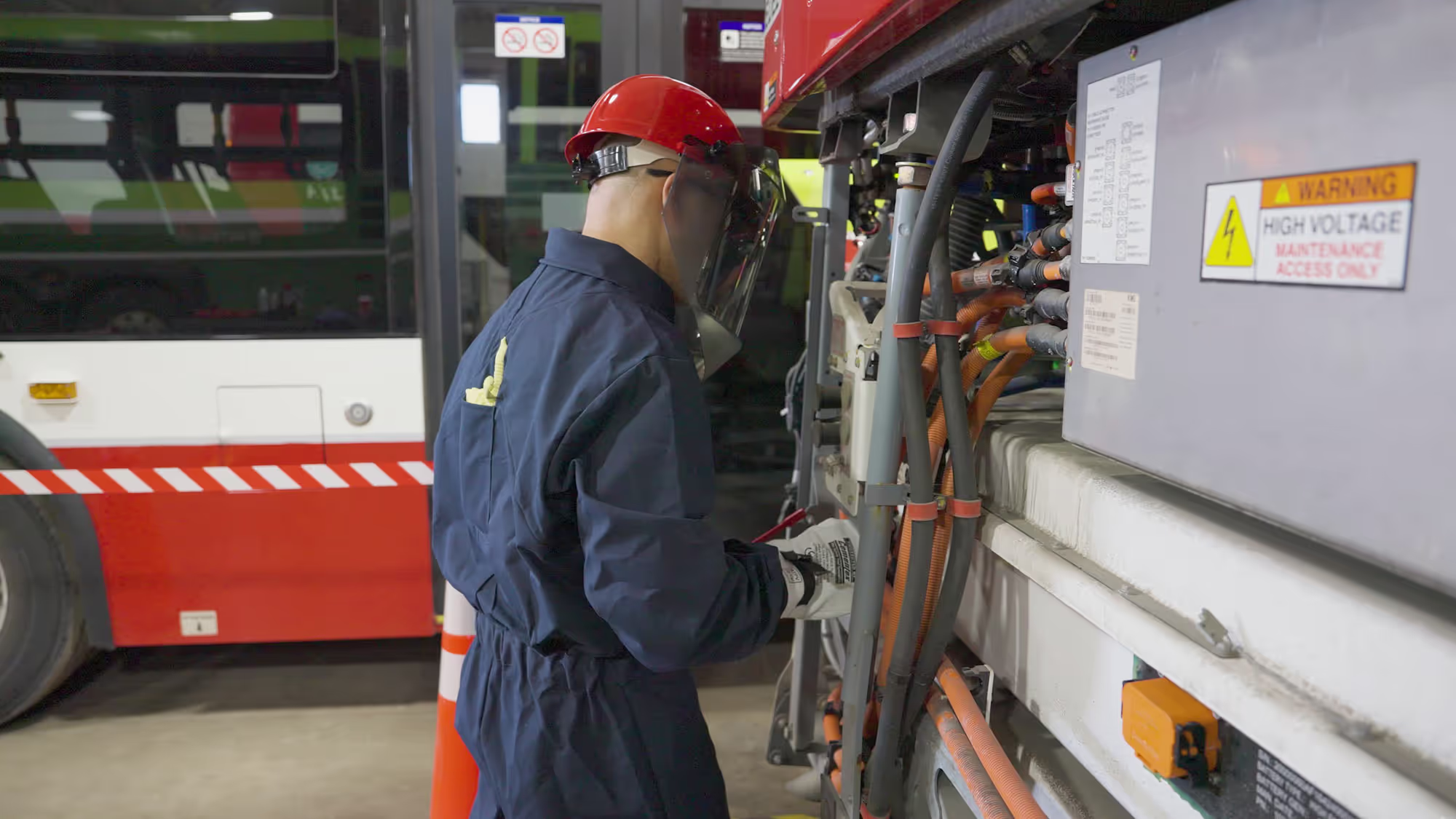
High Voltage Training

Work safely and effectively with high-voltage systems

Charger Installation
Contributes to the seamless integration of electric vehicles

Electrical Engineering
Get your skills in electrical engineering tailored to the transit industry
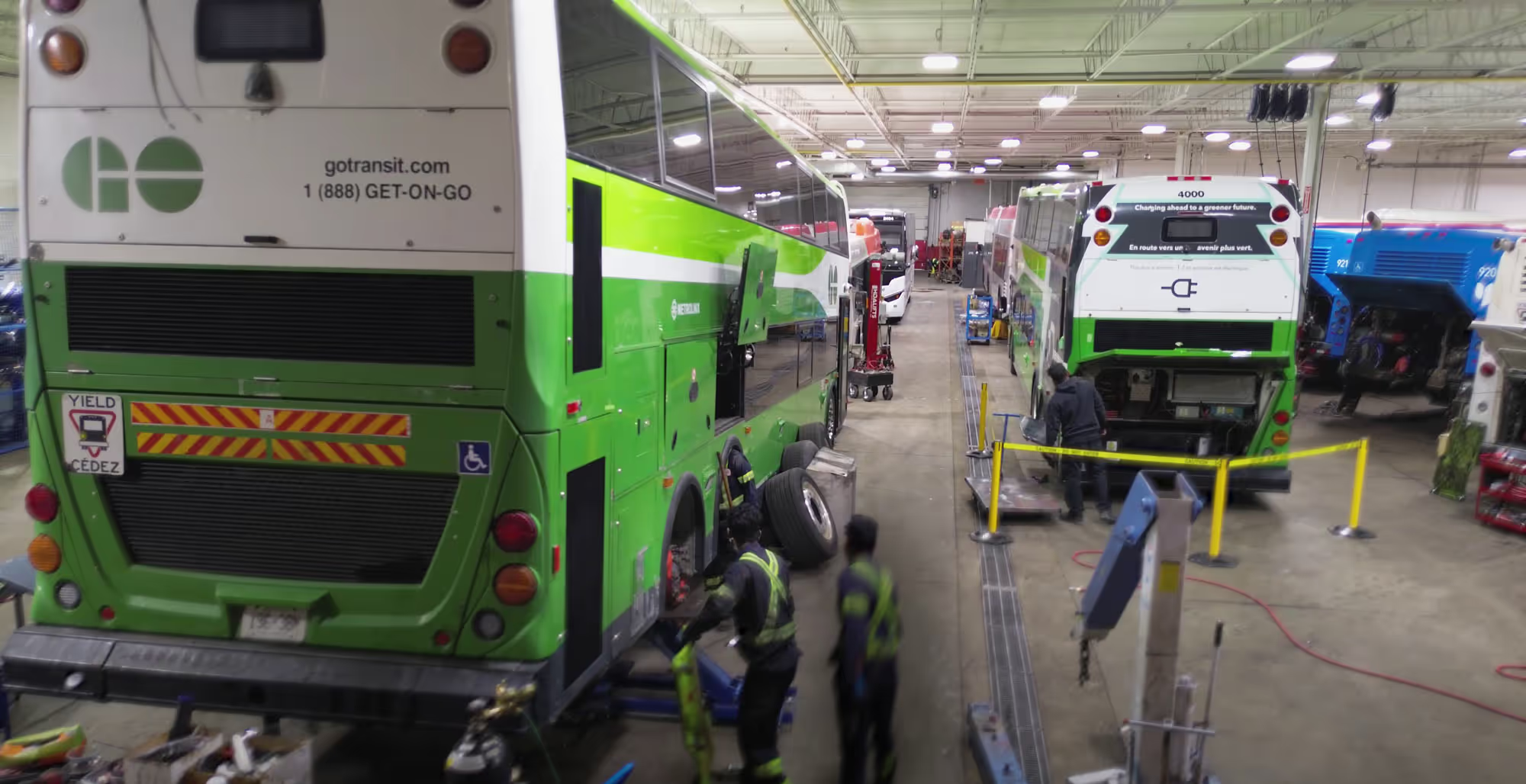
Bus Service (MBCT)
Comprehensive bus service ensuring reliable maintenance, repairs, and safety compliance.
MICROTRANSIT

Paratransit Buses
Learn more about our paratransit vehicles and how we’re improving mobility for people with disabilities and underserved riders.

Micromobility Buses
Discover how our buses support both paratransit needs and provide efficient service in low-ridership areas.

Minibuses for Campuses
Learn how modern electric minibuses create smoother, safer, and more convenient transportation for students and staff.


There is no previous post
Previous Post
Next Post
There is no next post
Electrify Smarter: Four Decisions That Can Lower Transit Fleet Costs
No items found.
Operating a full-sized electric bus on a neighbourhood route with modest ridership can mean paying for passenger capacity that rarely gets used, higher energy requirements and more expensive charging infrastructure.
For transit agencies working with limited budgets, choosing the right vehicle size can make a significant difference in both the cost of electrification and the number of communities they can serve.
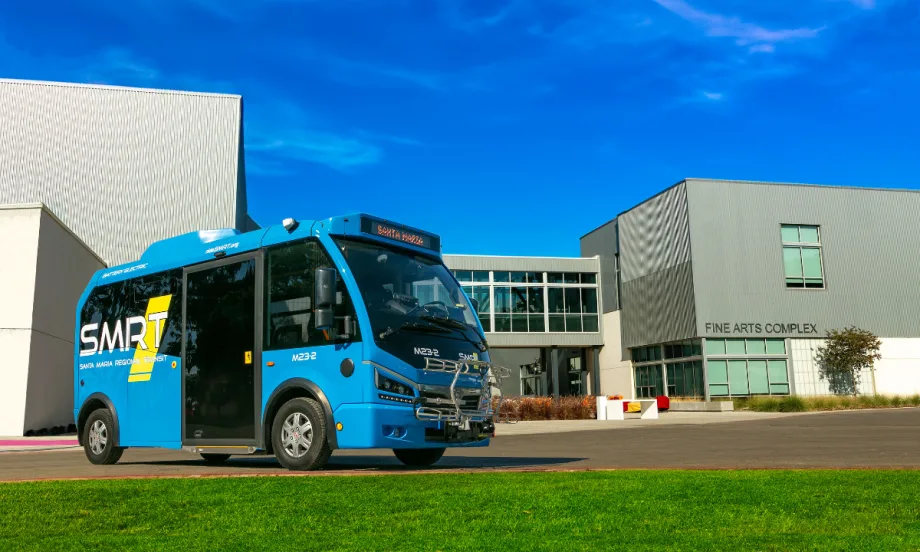
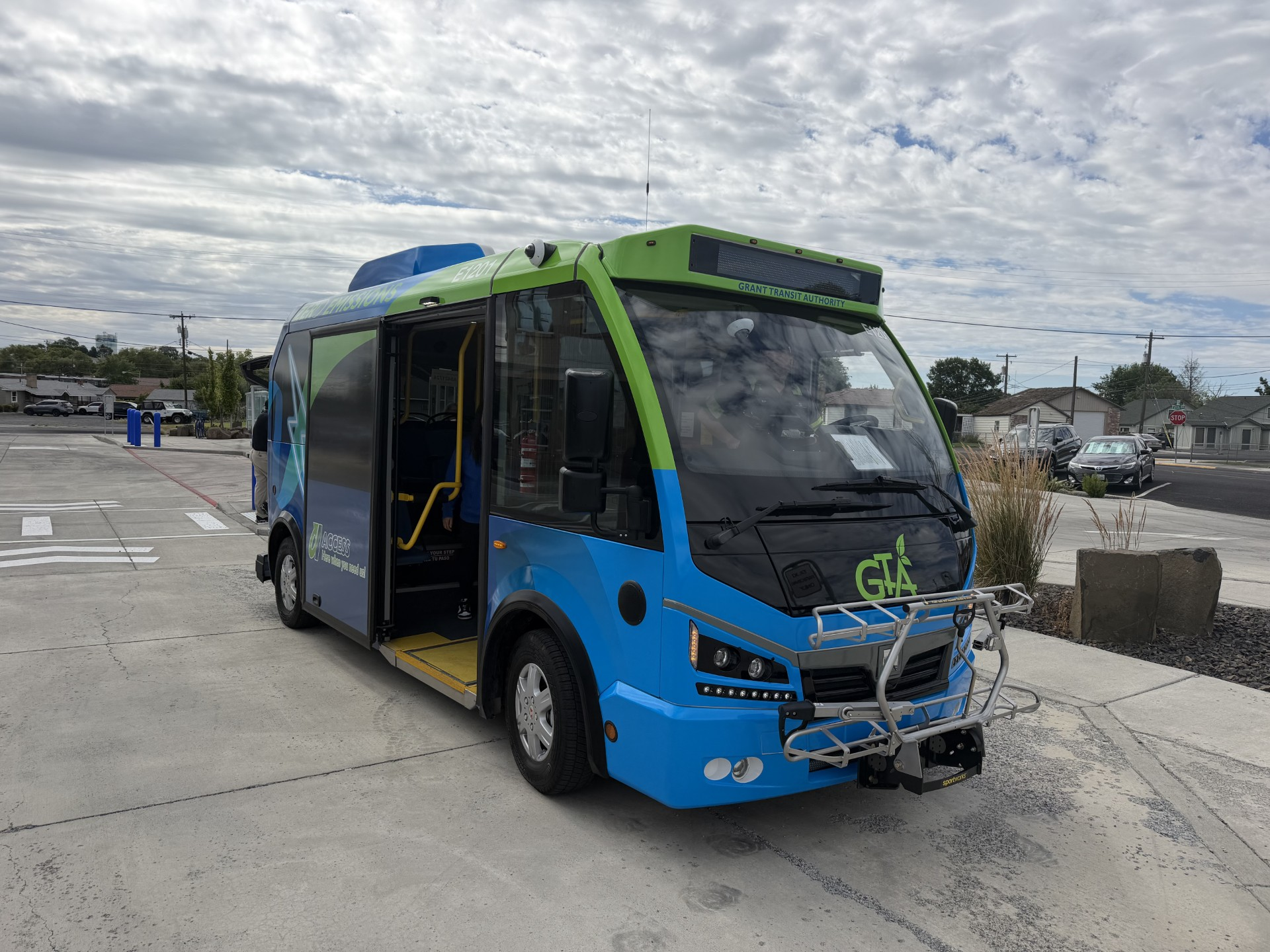
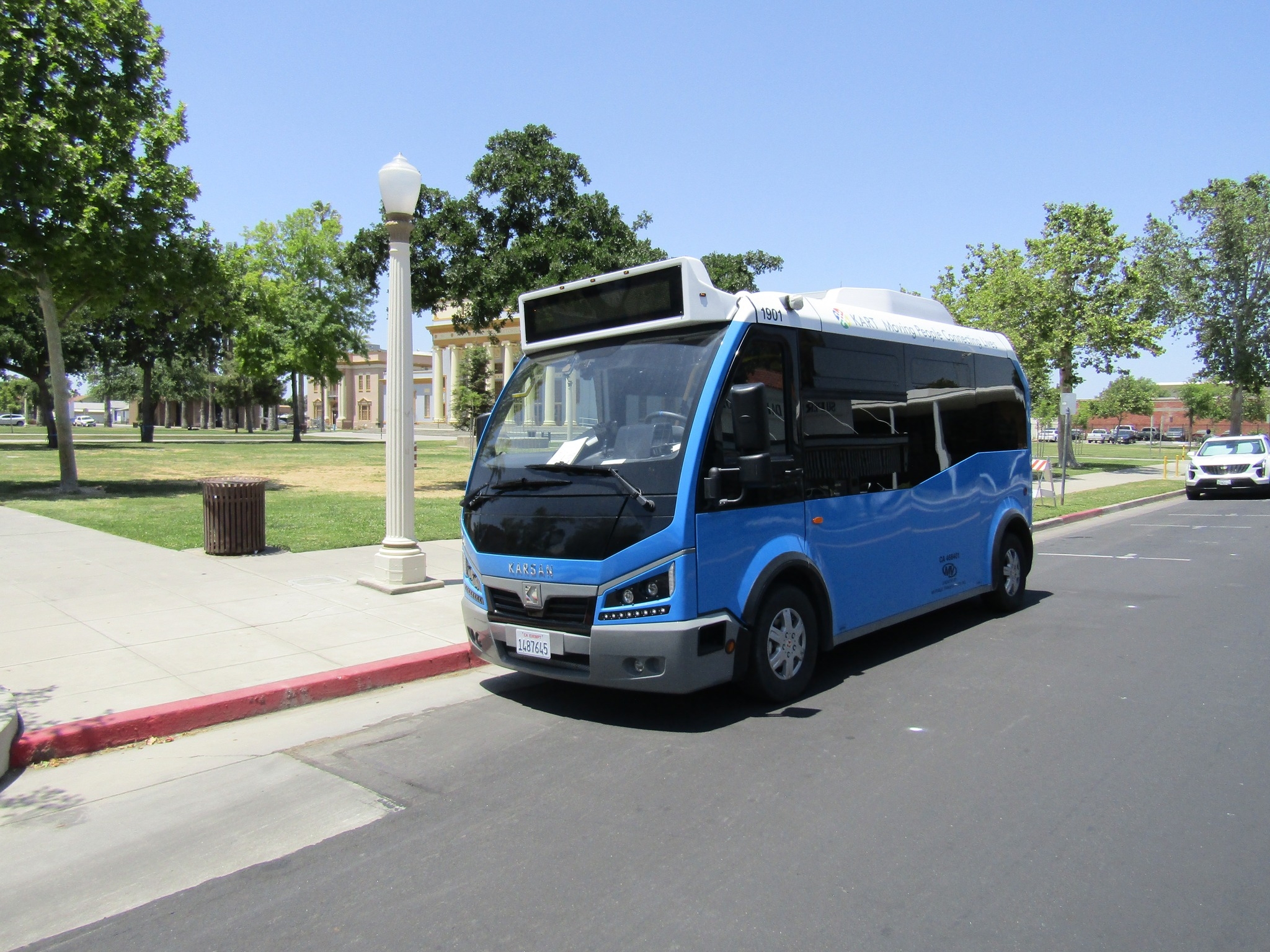
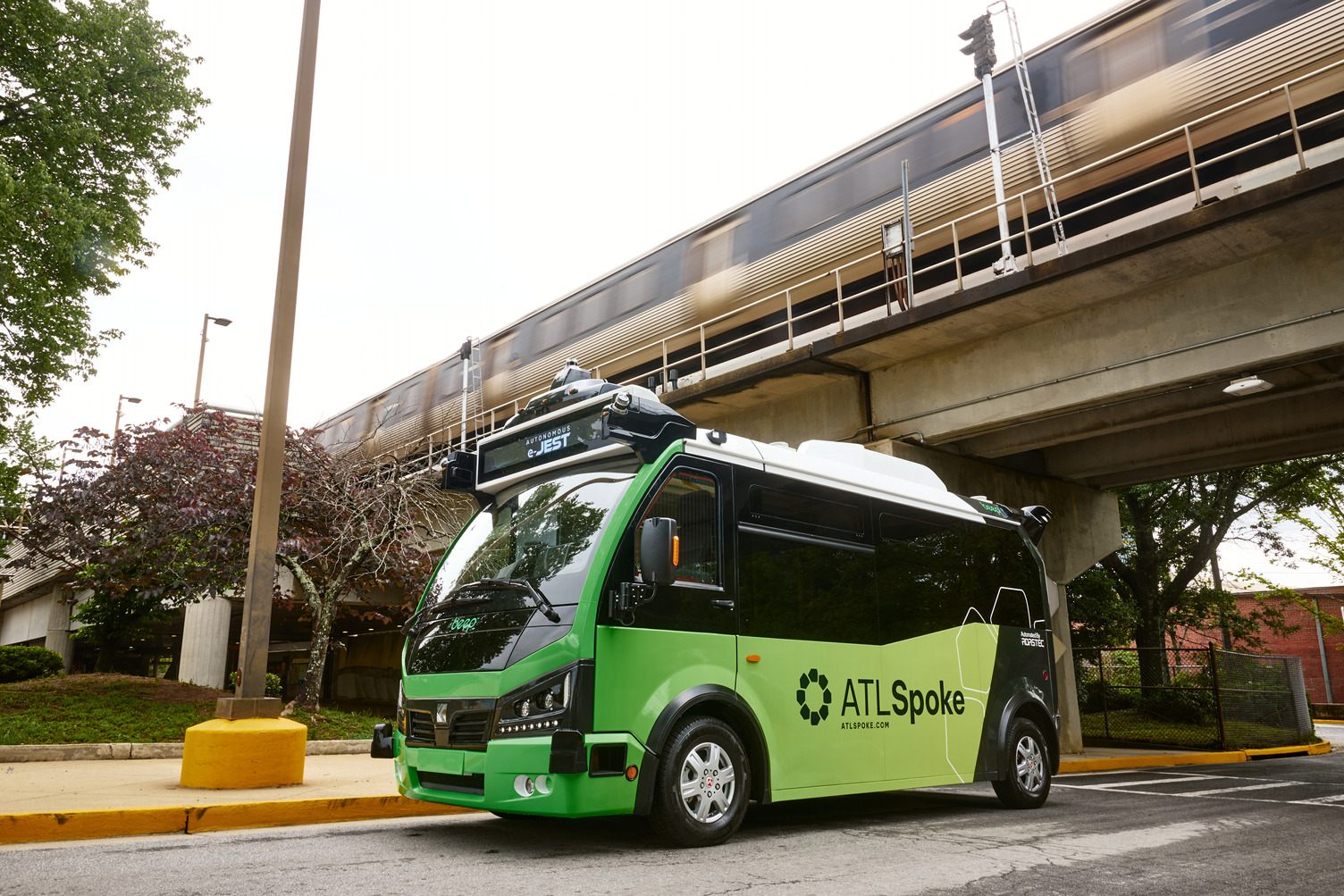
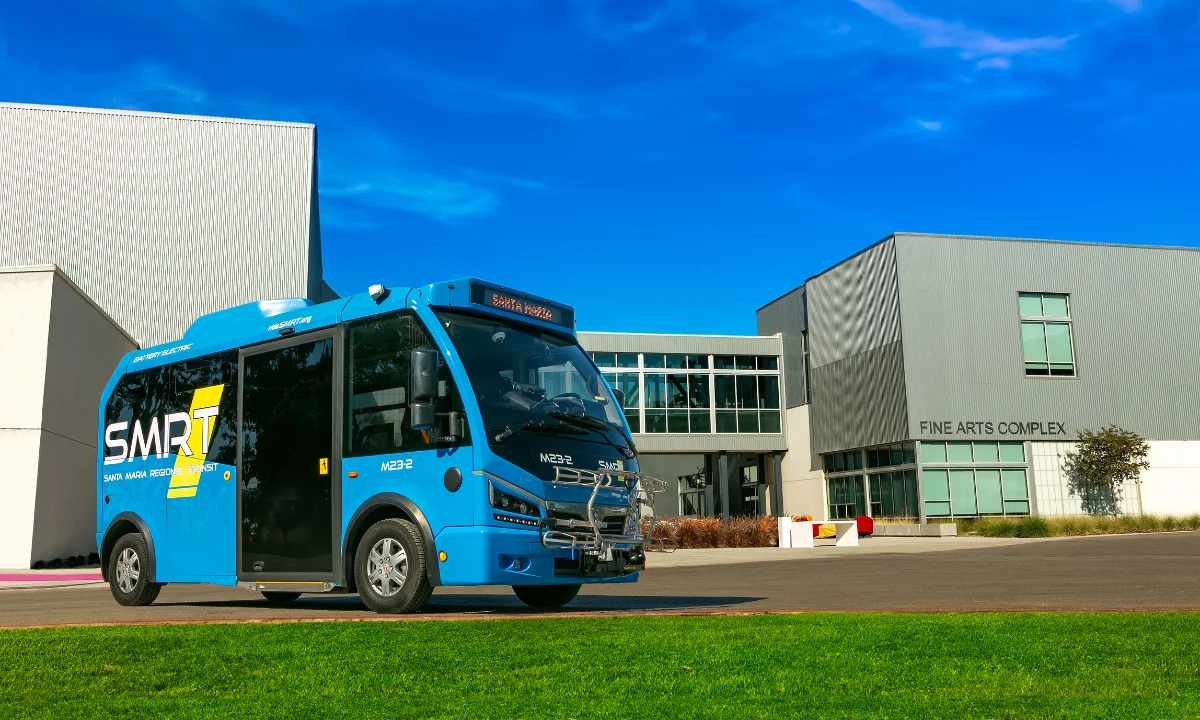
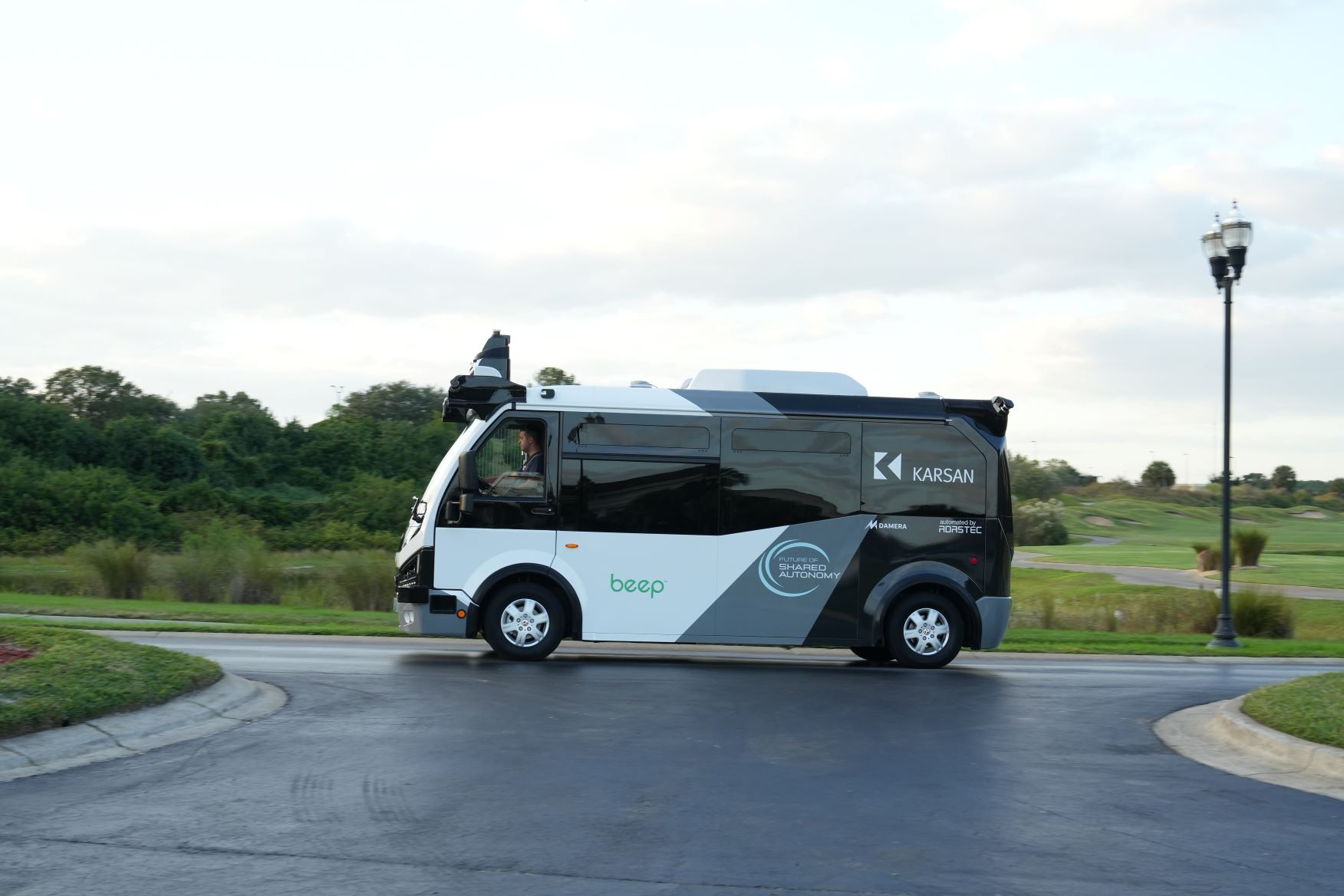
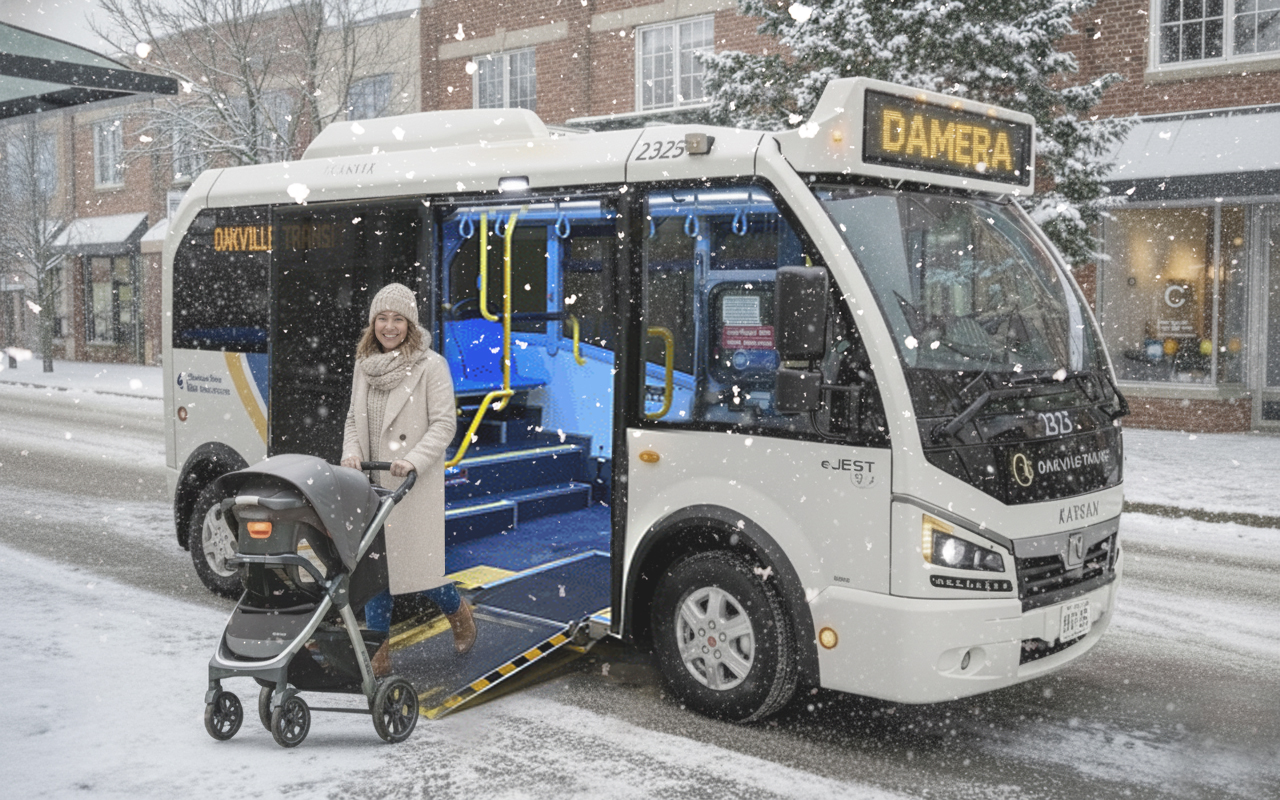
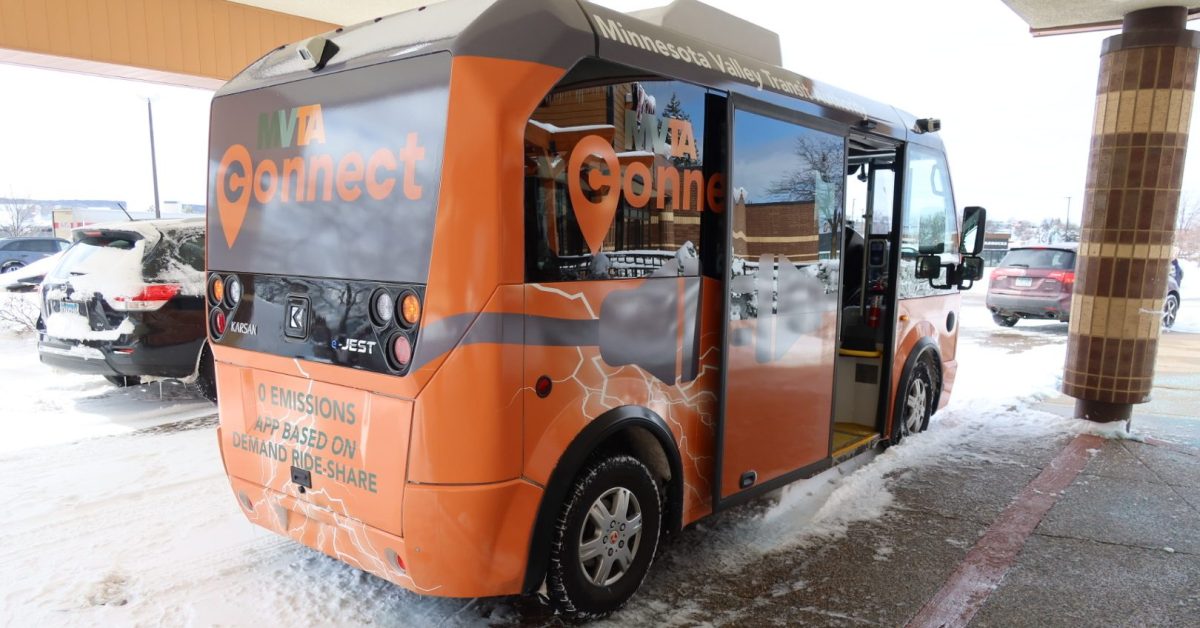
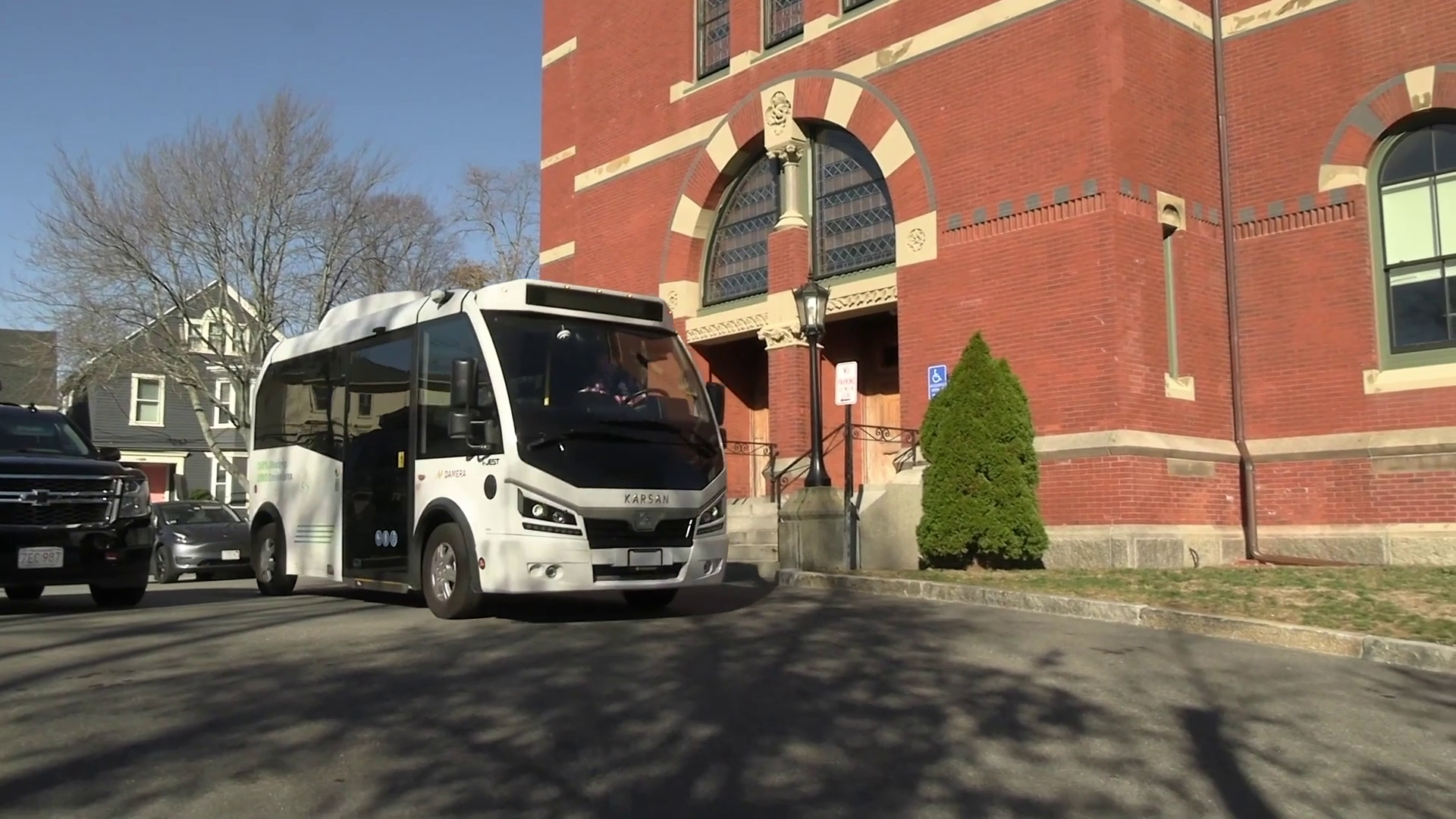
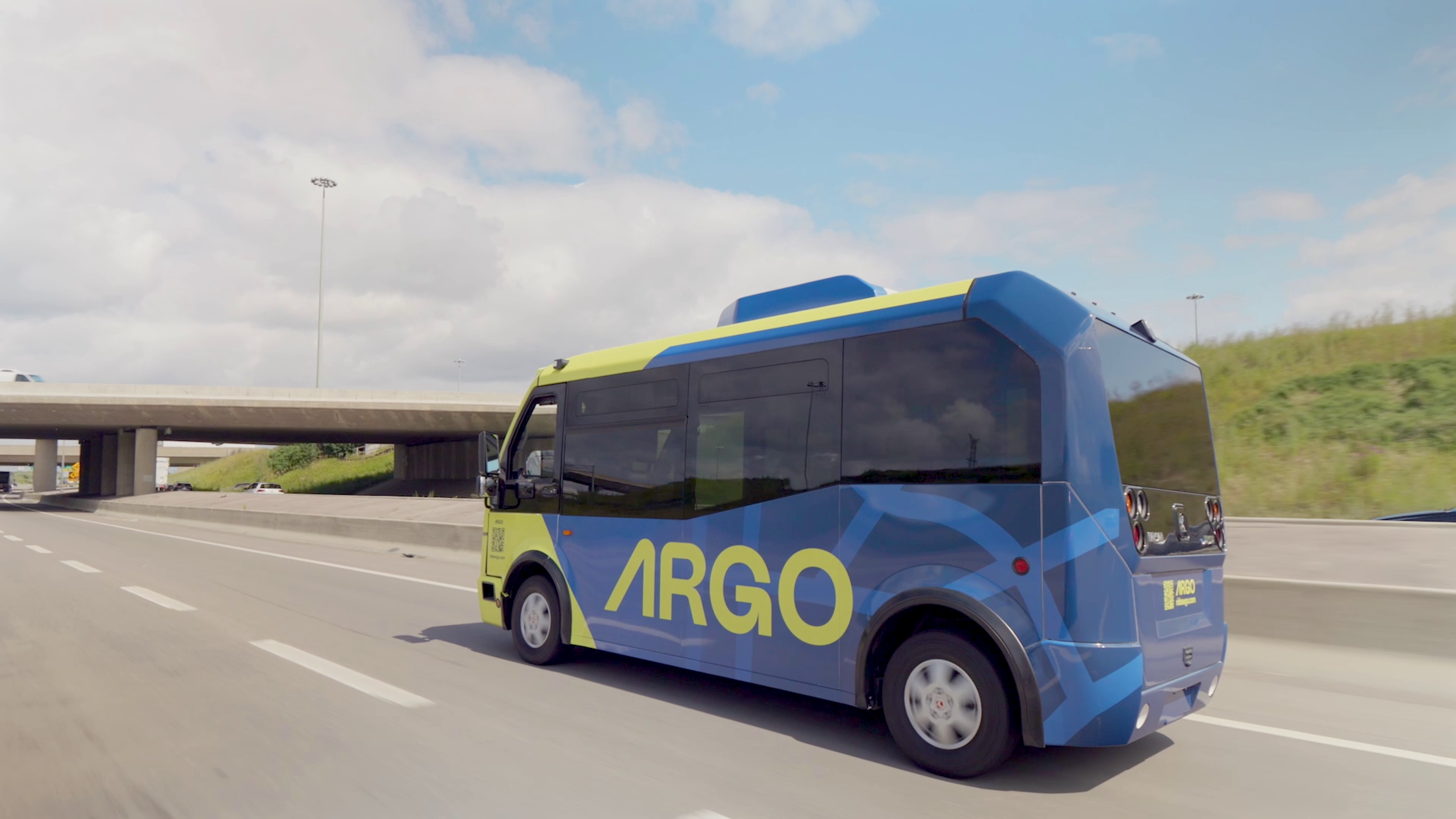
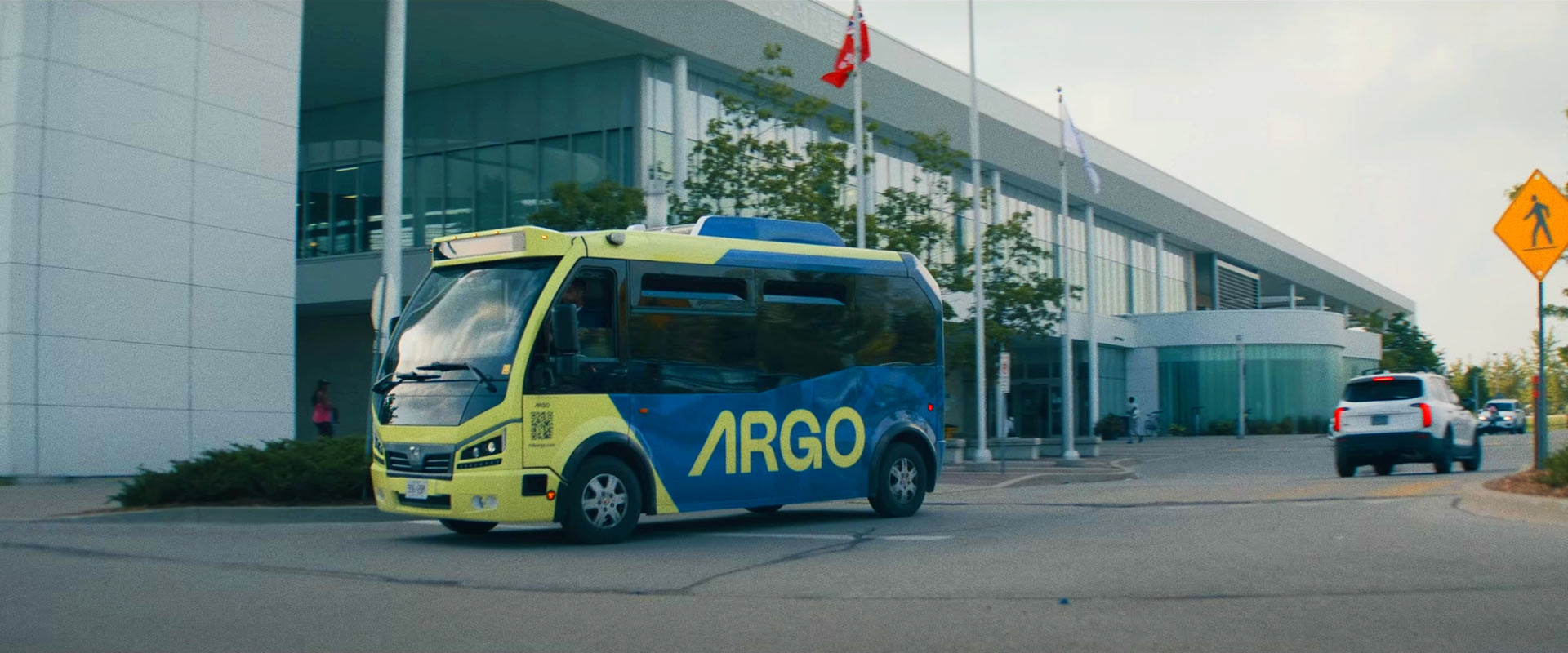
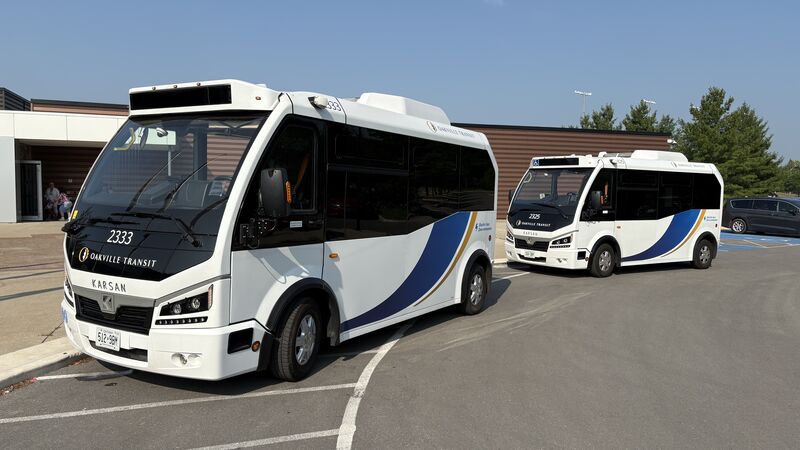
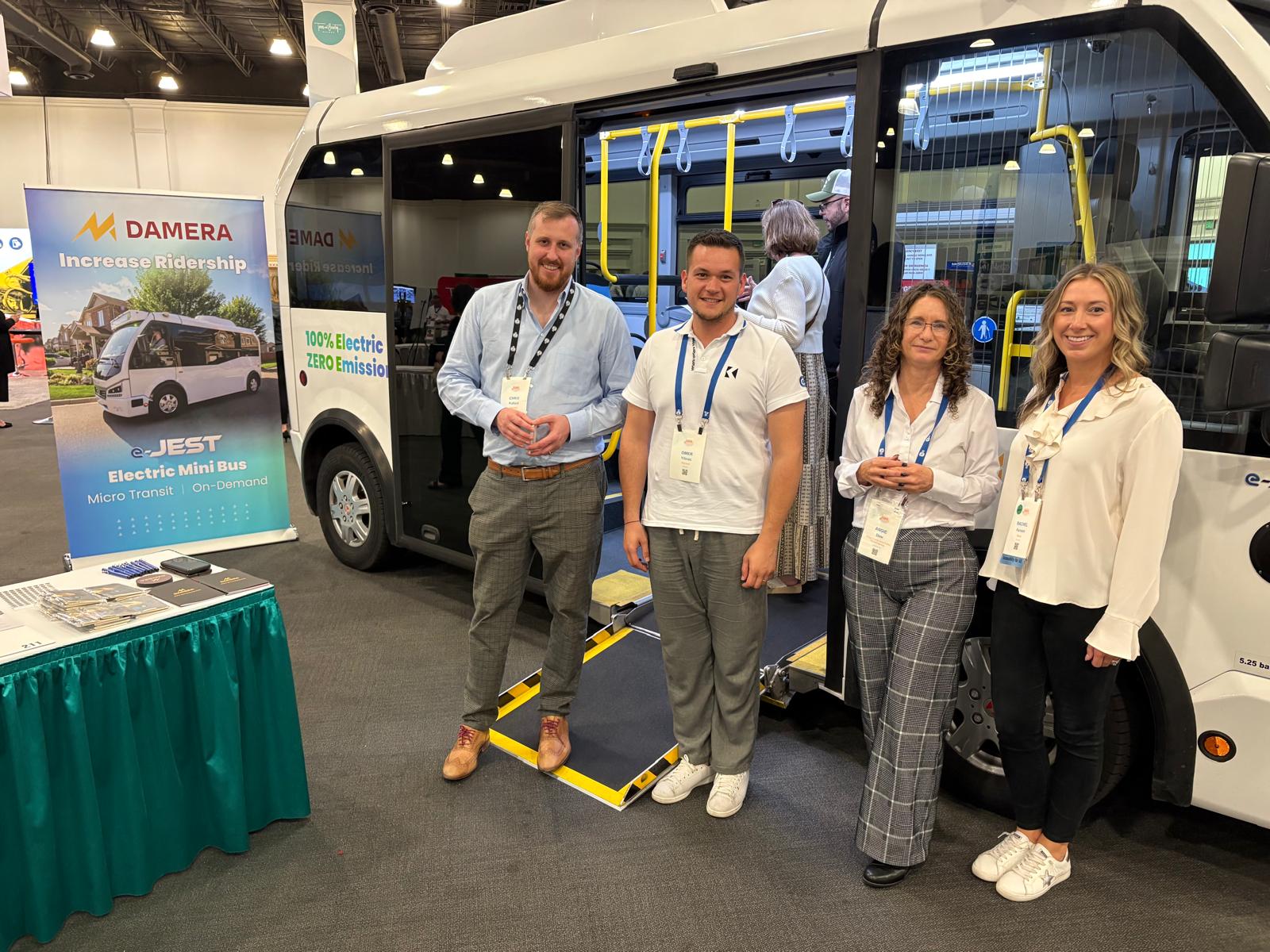
Smaller electric buses, such as the Karsan eJEST, offer an alternative for neighbourhood circulators, university campuses, downtown shuttles and first- and last-mile connections where full-sized vehicles may not be practical or economical.
Before investing in electric transit, agencies should evaluate four critical factors: capital costs, grid capacity, operational requirements and workforce readiness.
Here's how right-sizing can help address each of these challenges while maintaining reliable, accessible passenger service.
1. Capital Investment: Compare the Cost of Providing Service, Not Just the Price of a Bus
Fleet electrification budgets must account for more than vehicle purchases. Charging equipment, electrical work, maintenance facilities, specialized tools, training and future battery-related expenses can significantly influence the total investment.
However, vehicle selection directly affects many of these costs.
A smaller electric bus typically requires less energy per vehicle and may need less powerful charging equipment than a full-sized electric transit bus.
For certain applications, transit agencies may be able to purchase up to four Karsan eJEST electric minibuses for approximately the acquisition cost of one 40-foot electric bus, depending on vehicle configurations and procurement pricing.
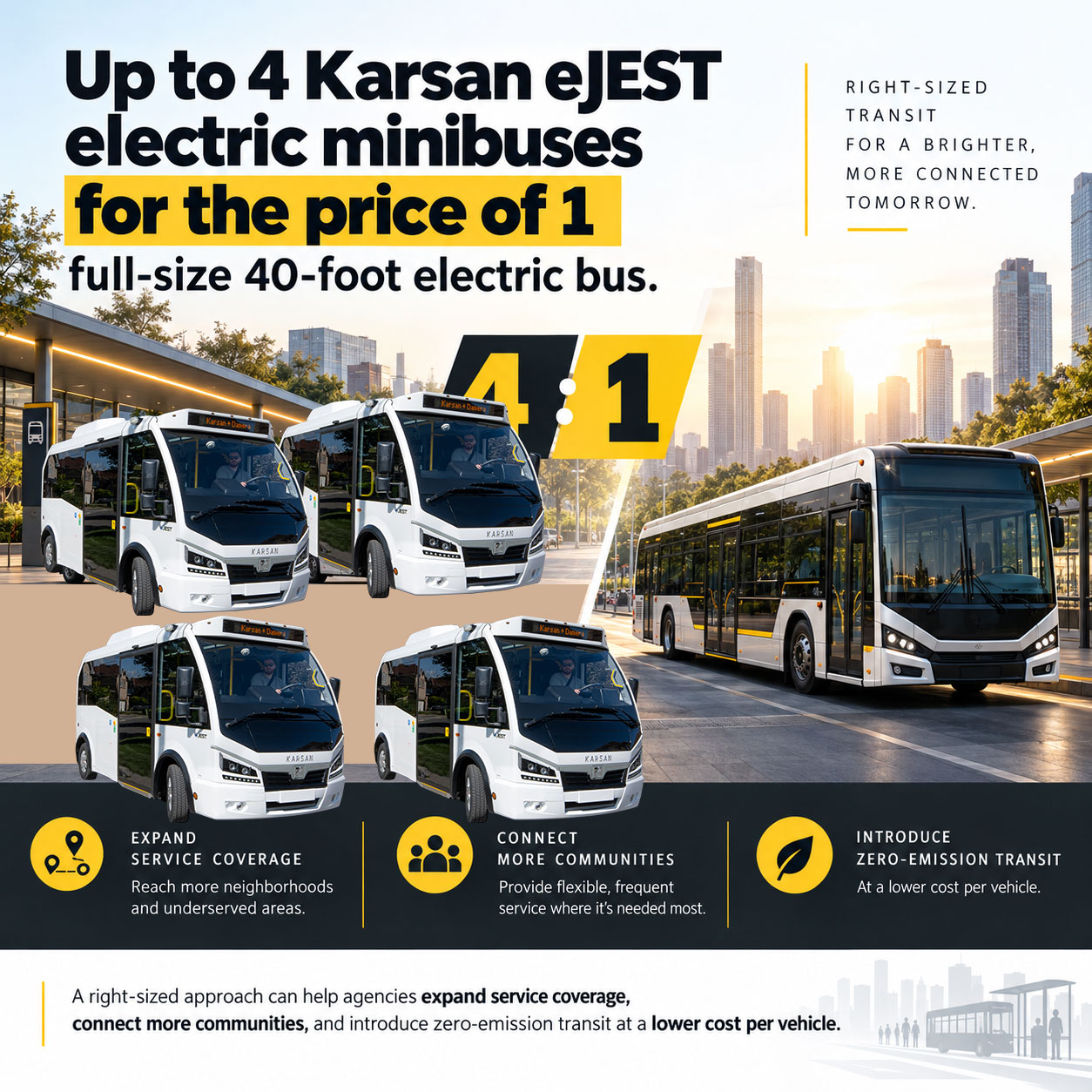
Consider what deploying four smaller electric buses instead of one full-sized vehicle could mean for a community:
- Greater service coverage: Extend public transit to more neighbourhoods, residential areas and underserved communities.
- More frequent service: Introduce shorter intervals between buses, reducing passenger waiting times.
- Better connectivity: Establish additional routes linking communities to transit hubs, workplaces, schools and essential services.
- More flexible operations: Deploy vehicles across multiple routes or adjust service frequency according to passenger demand throughout the day.
For transit agencies, this creates an opportunity to reach more passengers, improve service availability and make public transportation a more practical choice for everyday travel.
The important question is whether distributing smaller vehicles across multiple routes could deliver greater service coverage and passenger value than using larger buses where their capacity is not required.
Evaluate the Complete Cost of Service
Before selecting a vehicle, compare:
- Acquisition cost and expected useful life. Karsan eJEST offers 12+ years of service life.
- Passenger capacity and anticipated ridership.
- Cost per vehicle-hour and cost per passenger trip.
- Electricity consumption and charging infrastructure.
- Maintenance, staffing and long-term fleet support.
Operating costs are equally important. The objective is to select vehicles that deliver reliable service at the lowest sustainable lifecycle cost.
Deploying additional smaller buses may increase driver hours and other operating expenses. However, the Karsan eJEST offers an important advantage: in many jurisdictions, it can be operated without a Commercial Driver’s License (CDL), subject to local licensing requirements. This can expand the pool of potential drivers, simplify recruitment and help transit agencies address workforce shortages.
Its comfortable, car-like driving experience also makes the transition easier for drivers who may be less familiar with operating traditional full-sized buses.
Damera Corporation provides driver training as part of its vehicle delivery and customer support services, helping operators understand vehicle controls, regenerative braking, energy-efficient driving techniques and safe operating procedures.
Explore Available Funding
Financial incentives can reduce initial expenditures, although funding programs differ in eligibility, eligible costs and application requirements.
▪️In Canada, transit agencies can investigate opportunities through the Green Municipal Fund, the Canada Public Transit Fund and relevant provincial initiatives.
▪️The Ontario Transit Investment Fund, for example, supports eligible communities seeking to introduce or expand transit services.
▪️Project-specific financing may also be worth exploring through the Canada Infrastructure Bank.
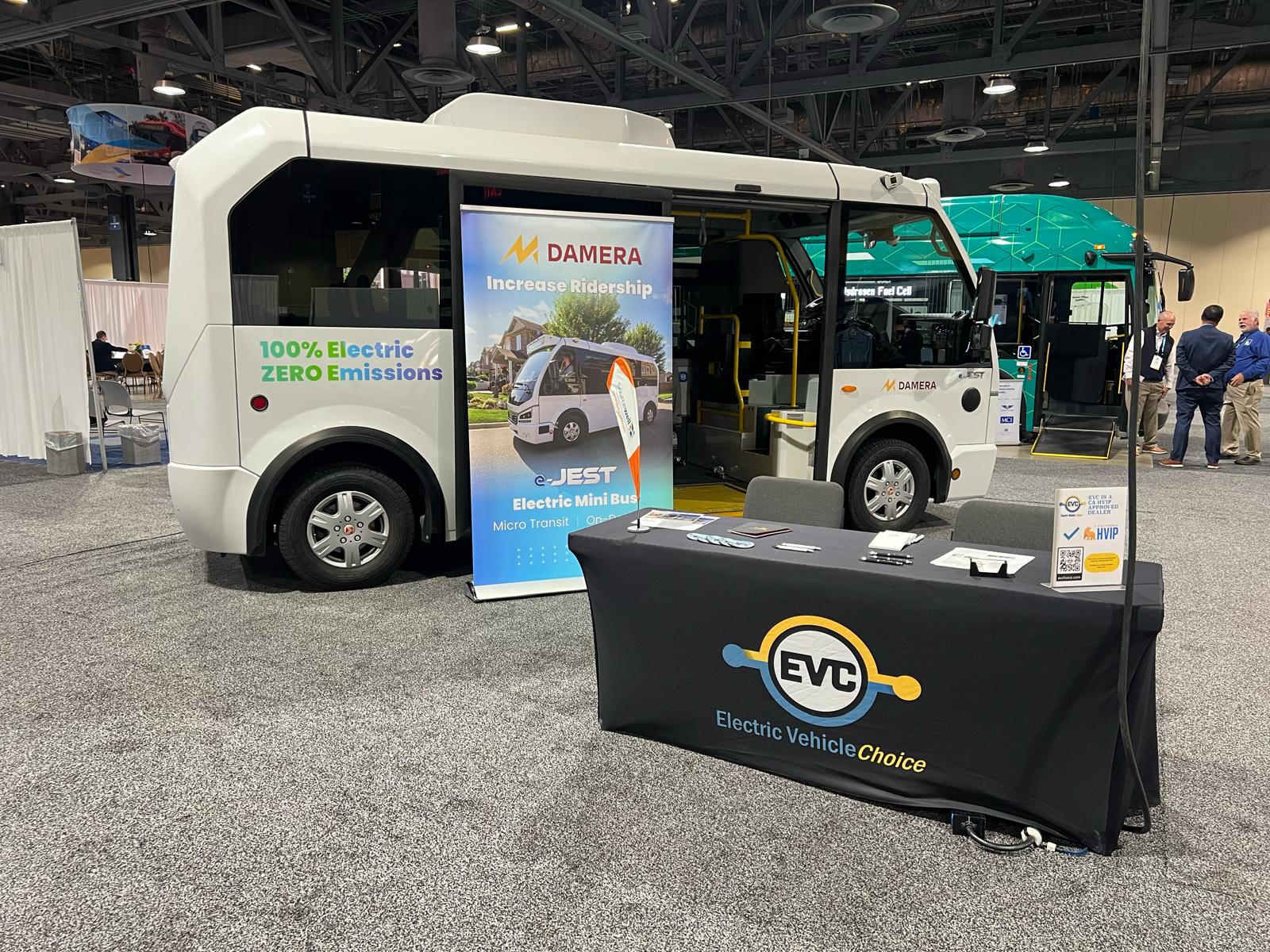
▪️In California, Damera Corporation works with Electric Vehicle Choice (EVC), our authorized U.S. dealer and HVIP-approved partner.
California's Clean Truck and Bus Voucher Incentive Project (HVIP) lists a base incentive of $58,500 for qualifying Class 3 public transit buses, subject to vehicle approval, applicant eligibility, program rules and funding availability.
EVC helps eligible customers understand incentive requirements, navigate voucher requests and coordinate vehicle procurement.
Learn more about the eJEST and California HVIP incentives.
Funding availability can change, so agencies should confirm current program conditions before including incentives in an approved budget.
2. Charging Infrastructure: Determine Power Requirements Before Committing to Upgrades
Limited electrical capacity is a major challenge for transit facilities preparing to operate electric buses.
Installing multiple high-powered chargers can require expensive electrical work, new transformers and lengthy coordination with local utilities.
However, not every electric transit vehicle requires the same charging infrastructure.
The North American Karsan eJEST features an 88 kWh battery and DC charging capability of up to 50 kW.
Its charging-power requirements are considerably lower than those of many larger electric transit buses, creating opportunities for agencies to introduce electric vehicles without immediately developing infrastructure designed for a full-sized fleet.
Depending on the depot's existing electrical capacity and daily operating requirements, Karsan eJEST minibuses may be introduced with relatively modest charging infrastructure investments.
Transit agencies can choose from several charging solutions:
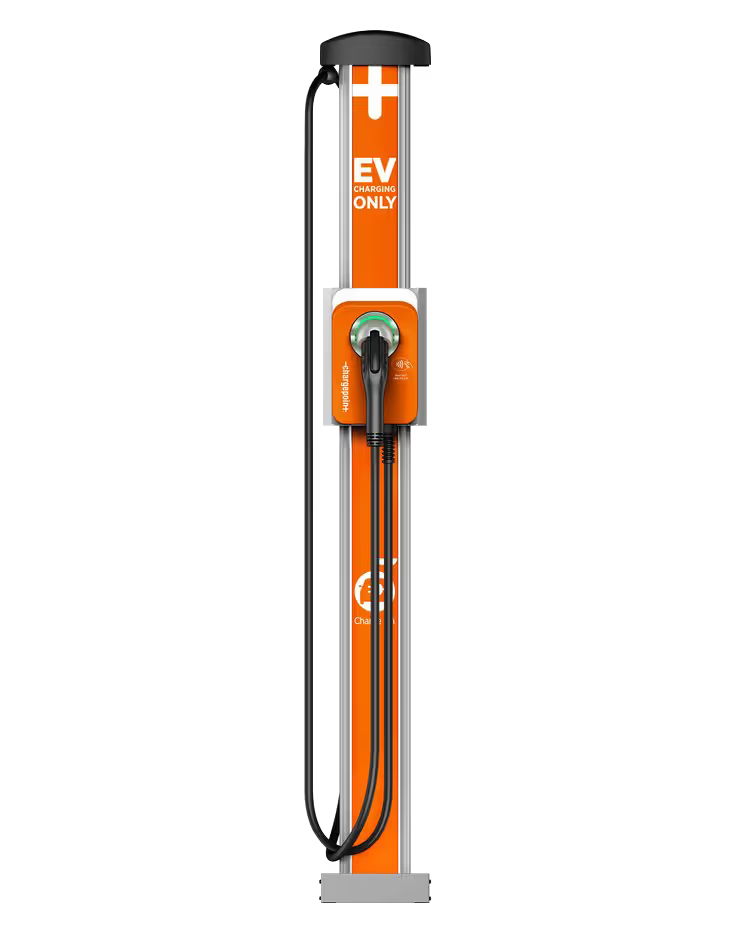
- Compact DC Wallbox chargers: Equipment such as the ABB Terra DC Wallbox, rated at approximately 22.5 kW, provides a practical solution for overnight depot charging. Its compact, wall-mounted design requires less space and power than many high-capacity bus chargers.
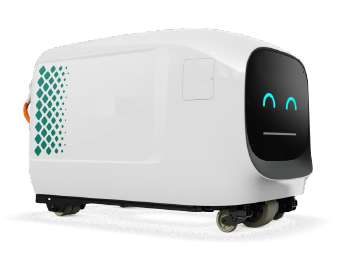
- Portable or mobile DC chargers: These can provide flexibility for pilot projects, temporary charging locations or facilities where installing permanent equipment is not yet practical. An adequate electrical supply is still required.
- DC fast chargers: For vehicles with shorter charging windows or more intensive daily operations, appropriately sized DC chargers can restore energy more quickly. The North American eJEST supports DC charging at up to 50 kW.
This flexibility allows agencies to select charging equipment based on actual route requirements rather than investing immediately in large-scale depot infrastructure.
Damera Corporation helps customers evaluate available electrical capacity, select compatible charging equipment and plan installations, supporting a more manageable and scalable transition to electric transit.
What Should Transit Agencies Evaluate?
Start with the depot's existing electrical service.
Then determine how much energy each vehicle needs to recover before returning to service.
For example, if a minibus consumes 45 kWh during its daily operations, replenishing that energy over nine hours would require approximately 5 kW of average power delivered to the battery. Actual electrical input would be higher because of charging losses and other loads.
This calculation illustrates why charger selection should begin with daily energy requirements and available charging time, rather than simply choosing the most powerful equipment available.
Agencies should also consider whether vehicles can charge overnight, whether charging sessions can be staggered and whether managed charging could limit peak electricity demand.
The Karsan eJEST is designed to provide 6–8 hours of service on a single charge, with regenerative braking technology that recovers energy during deceleration to help improve efficiency and extend driving range.
In addition, the transition to electric transit presents opportunities to coordinate energy use with local utility pricing, reducing unnecessary demand charges where applicable.
Damera Corporation helps customers evaluate compatible charging solutions and plan infrastructure around vehicle specifications and operational needs. Explore Damera's electric bus charging solutions.
The more accurately charging infrastructure matches service requirements, the easier it becomes to control installation costs and future energy demand.
3. Range and Scheduling: Start with Routes That Work for Electric Vehicles
Route selection can determine whether an electric vehicle meets operational expectations.
While conventional buses can often refuel quickly, battery-electric buses require scheduled charging time and careful energy management. eJEST can recharge its battery in as little as 1 hour 20 minutes.
Their effective range also changes with passenger loads, weather, heating and air conditioning, traffic conditions and terrain.
The Karsan eJEST offers a published range of up to 210 km (130 miles) under NEDC testing conditions. Its regenerative braking system helps recover energy during deceleration, which can be particularly useful on routes with frequent stops.
Published range is a starting point for planning.
Identify Routes with Predictable Operating Requirements
Transit agencies should evaluate services such as:
- Neighbourhood circulators connecting residential communities to major routes.
- University campus transportation with changing demand throughout the day.
- Downtown shuttles and local business district services.
- First- and last-mile connections to regional transit stations.
- Community transportation with moderate passenger loads and manageable daily mileage.
These applications can offer opportunities to introduce electric buses without significantly changing the wider transit network.
However, daily scheduling should account for more than the distance travelled.
A reliable electric vehicle deployment needs a realistic energy budget.
Agencies should calculate expected energy use across a complete operating day, including deadhead mileage, passenger loads and heating requirements.
They should also establish a reserve for adverse weather, unexpected delays and changes in service demand.
A practical evaluation includes comparing summer and winter operating conditions, checking opportunities for charging between assignments and ensuring that the vehicle can complete its schedule without reducing passenger service.
The goal is to electrify routes where the technology can meet existing service requirements—and use operational experience to guide further expansion.
4. Workforce Readiness: Build the Skills Required for Electric Operations
Vehicle procurement and charging infrastructure receive substantial attention during electrification planning.
But introducing electric buses also requires changes in everyday maintenance and fleet operations.
Electric drivetrains, high-voltage batteries, power electronics and digital diagnostic systems introduce procedures that differ from those used with diesel vehicles.
Technicians need appropriate electrical safety training, diagnostic equipment and maintenance instructions.
Drivers also need to understand vehicle energy consumption, regenerative braking and efficient operating techniques.
Training must be included in the implementation plan before vehicles enter revenue service.
How Damera Supports Technical Readiness
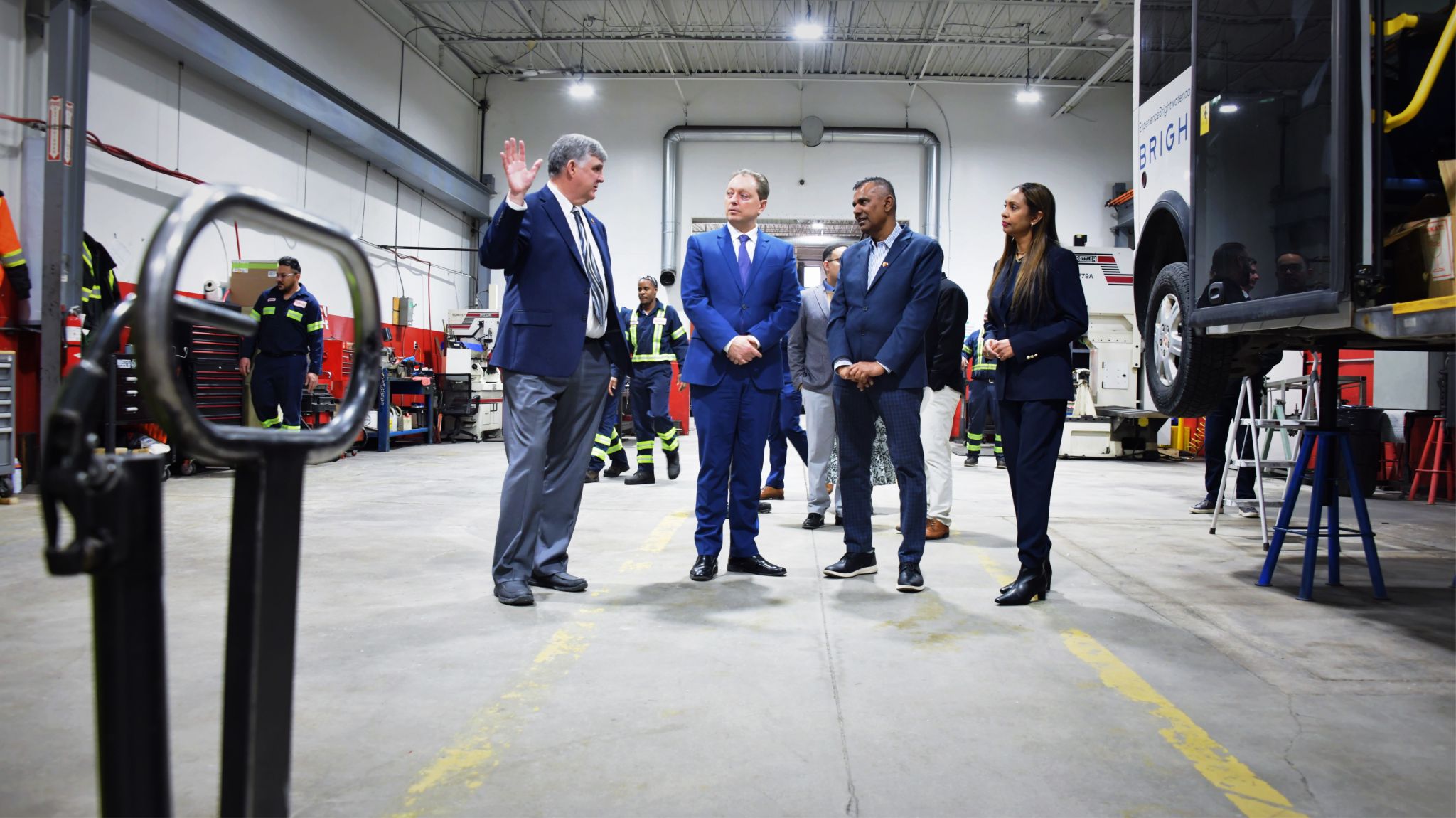
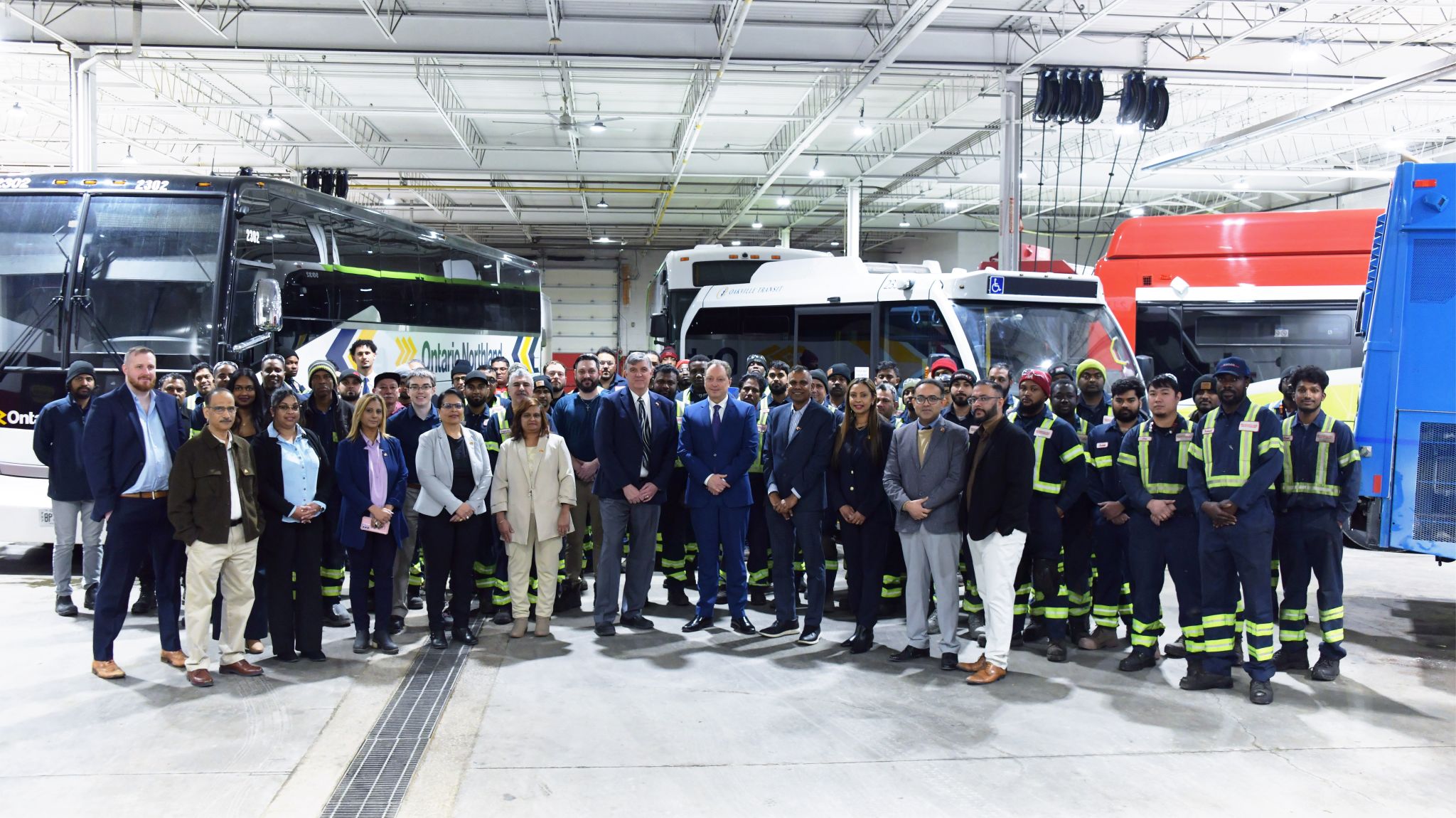
Damera Corporation combines its electric transit expertise with the experience of Mississauga Bus, Coach & Truck (MBCT), a Damera Group company specializing in heavy-duty vehicle maintenance and lifecycle support.
Our technical capabilities include diagnostics, maintenance, repairs, parts support and specialized training.
Through TÜV high-voltage training programs, technicians can develop the knowledge needed to work safely with advanced electric vehicle systems.
Damera also provides driver and operational guidance to help agencies prepare for the different requirements of electric transit.
Starting with a smaller deployment can make this transition more manageable.
Maintenance teams can become familiar with new equipment, drivers can develop energy-efficient operating practices and fleet managers can gain experience with charging schedules and vehicle performance data.
These lessons create a foundation for introducing additional electric vehicles.
A successful deployment is one that the agency can operate, maintain and sustain—not simply one that delivers new buses.
A Practical Starting Point: One Route, One Operating Plan, One Scalable Solution
Large electric buses remain essential to high-capacity transportation networks.
But their size, purchase cost and infrastructure requirements are not necessary for every transit application.
In lower-demand areas, smaller electric minibuses can make it more economical to connect neighbourhoods, universities, employment centres and regional transit hubs.
They can also provide opportunities to maintain convenient service during off-peak hours and introduce transportation to communities where conventional fixed-route operations may be too costly.
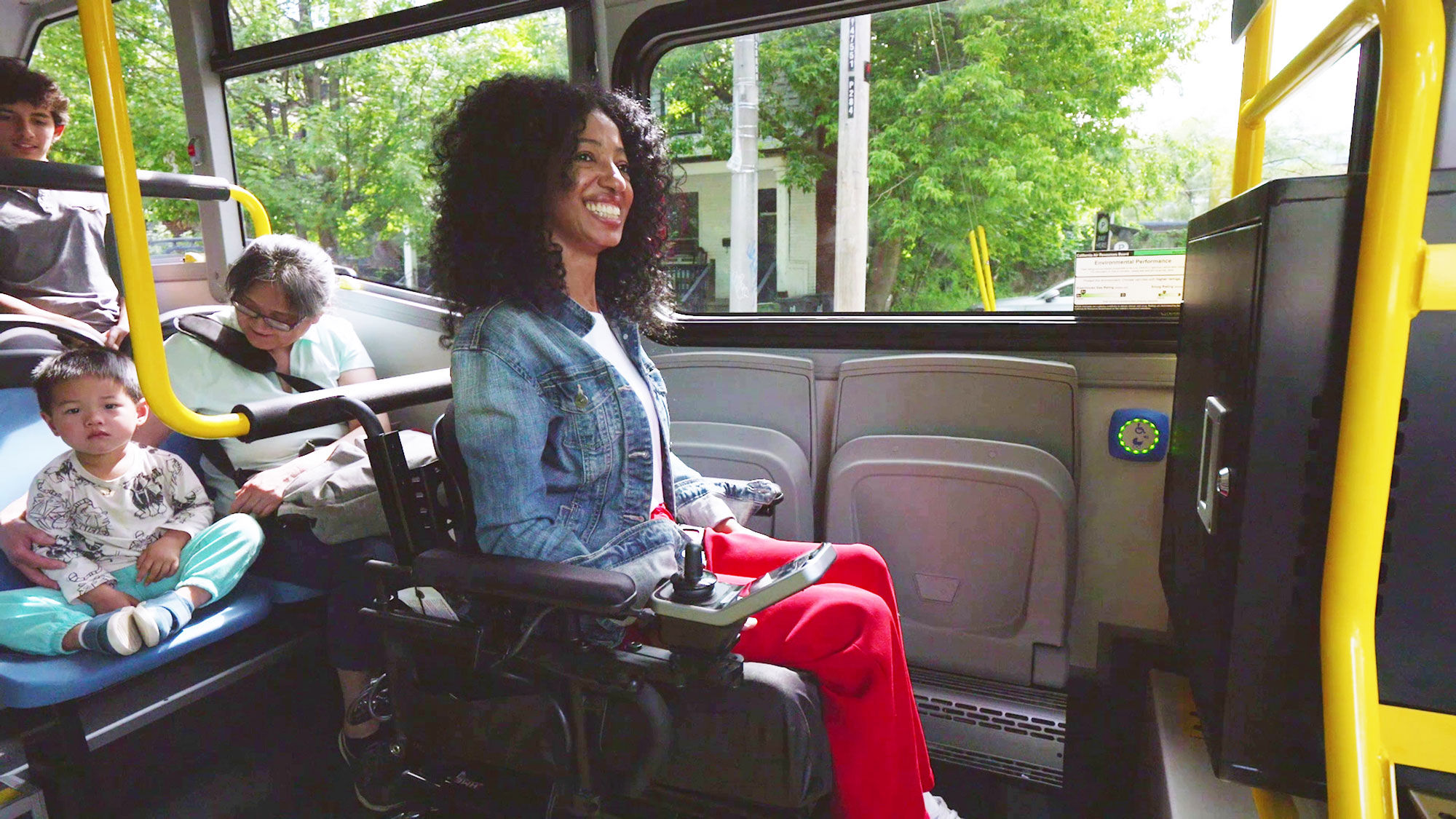
For riders, the difference can be substantial: shorter walks to public transportation, easier connections to essential destinations and accessible vehicles designed for everyday travel.
For agencies, choosing the appropriate vehicle can reduce infrastructure demands, make capital planning more manageable and create opportunities to improve service coverage.
Electrification should not be measured only by how many diesel buses have been replaced. It should also be measured by the quality, reliability and accessibility of the public transportation service being delivered.
From Initial Evaluation to Long-Term Operations
Damera Corporation works with transit agencies, municipalities and educational institutions to develop practical electric transportation solutions.
Through vehicle selection guidance, charging infrastructure planning, workforce training and ongoing technical services, we help customers prepare for the complete lifecycle of electric transit.
The Karsan eJEST, with its compact design, low-floor accessibility and efficient electric drivetrain, offers a solution for services where right-sized transportation can deliver the greatest value.
Considering an electric shuttle, community circulator, university transit service or fleet modernization project?
Contact Damera Corporation to discuss your routes, passenger requirements and infrastructure conditions. Our team can help you explore how right-sized electric vehicles could fit into your operations.